Chianti wine tour from Florence: worth the day trip?
Florence: Chianti wineries tour with wine tasting
- Free cancellation
- Small group
What a Chianti wine tour from Florence actually offers
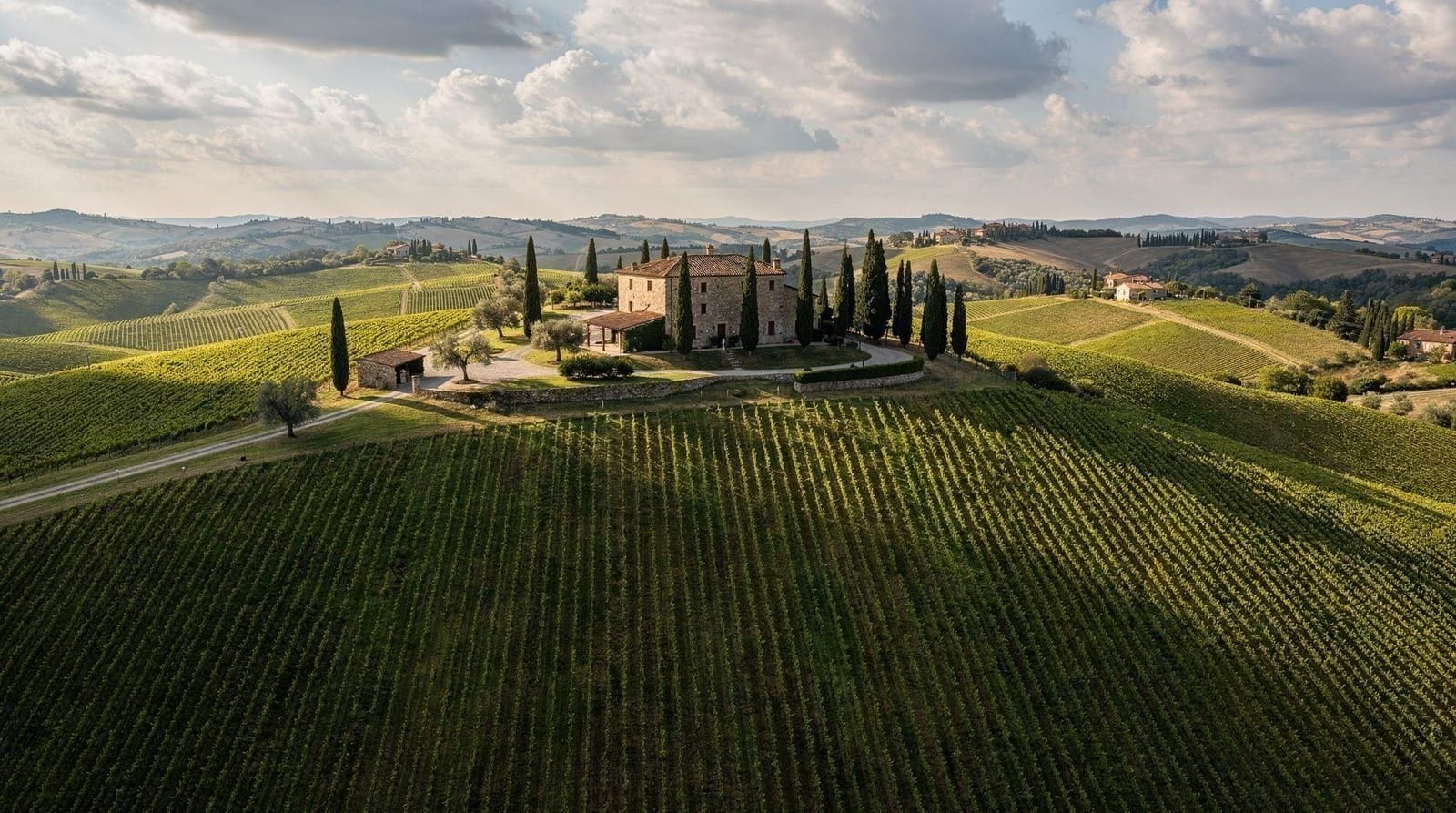
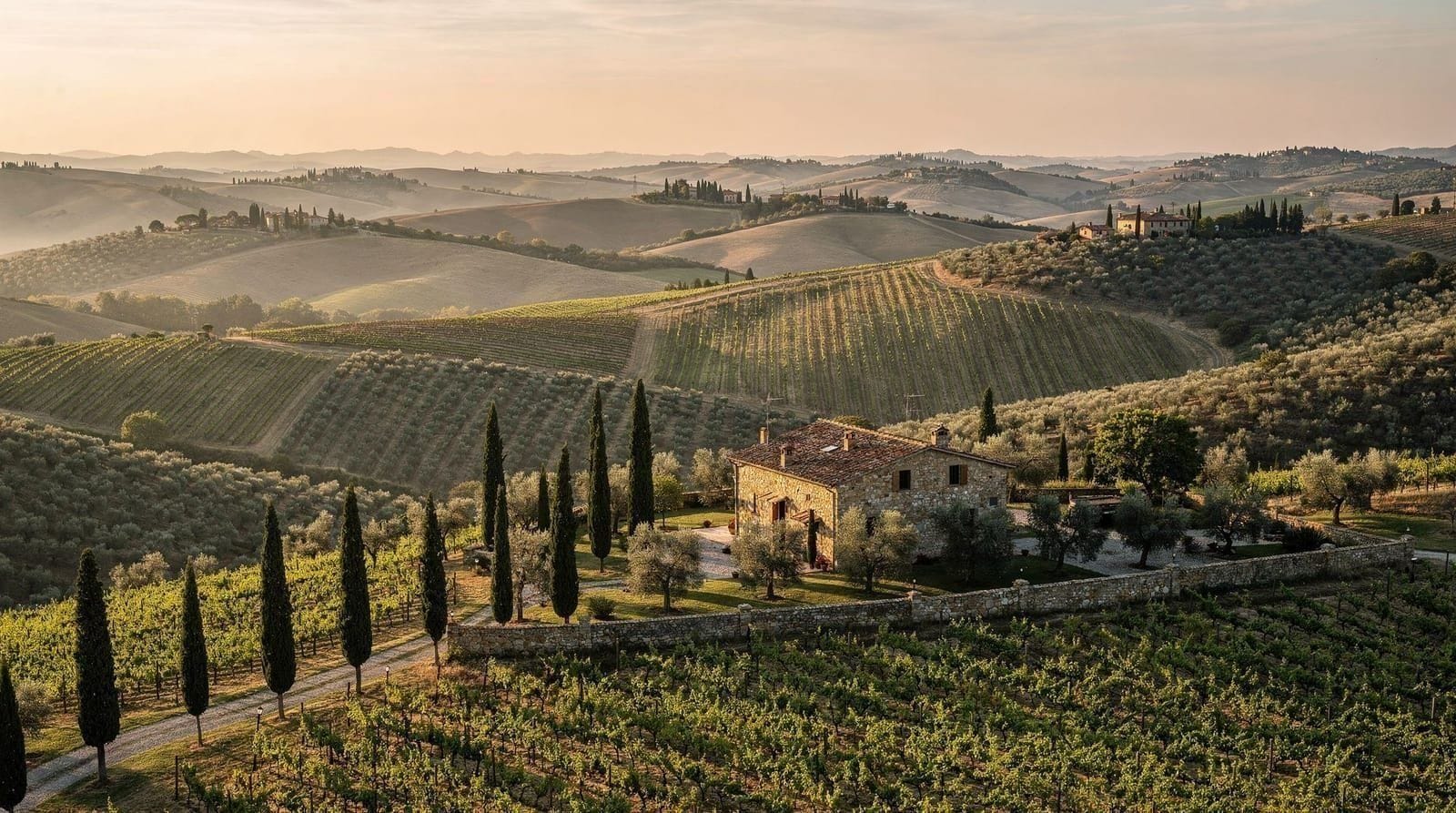
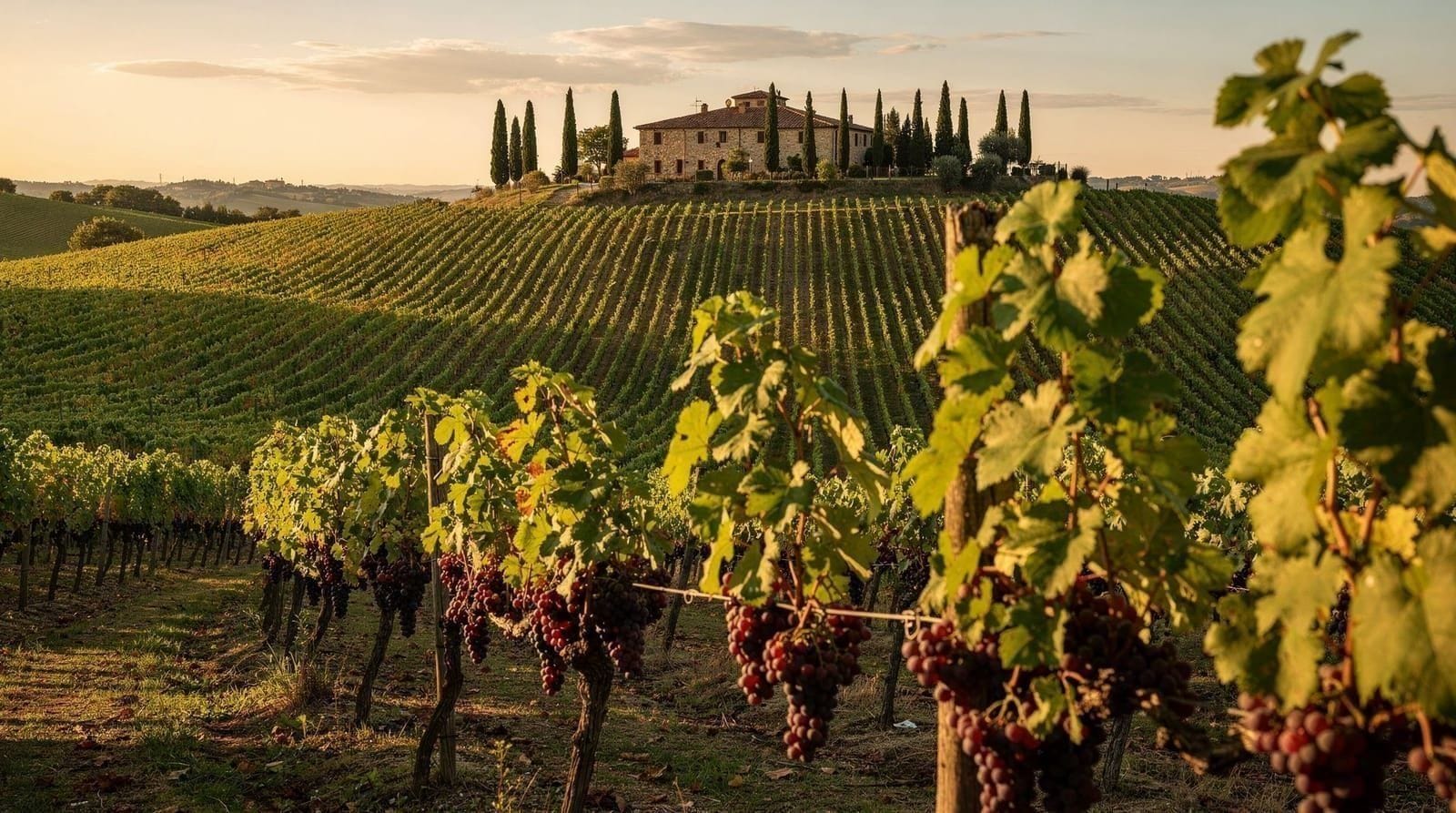
The Chianti Classico zone — the rolling hills between Florence and Siena — produces some of Italy’s most celebrated red wines. A wine tour from Florence visits working estates, walks through vineyards, descends into barrel cellars, and tastes 6-12 wines over the course of a day. The Chianti landscape is also one of the most photographed in the world: cypress-lined roads, medieval stone farmhouses, ancient olive groves.
This review covers the standard tour structure, what the wines are actually like, the honest logistics, and whether the tour format suits your travel style.
| Where | Chianti Classico zone, 30-50km south of Florence |
| Cost | around €70-110/person standard small group, incl. transport & tastings |
| Time needed | Full day, roughly 9am departure to 5-6pm return |
| Getting there | By organised coach/minivan tour, or self-drive from outside the ZTL |
| Best time | April-May and September-October (harvest season) |
What a typical Chianti wine tour looks like
Departure: Most small-group tours depart from Florence centre (Piazza della Repubblica or Santa Maria Novella area) at 9:00-9:30am. Hotel pickup is available on some options.
First winery stop (10:30-11:30am): Typically a medium-sized Chianti Classico estate. You tour the cellar (oak and Slovenian oak barrels, stainless steel tanks), the vineyards if the season allows, and then taste 3-4 wines paired with olive oil, bread, and cured meats.
Lunch stop (1:00-2:30pm): Either at the first winery or at a separate agriturismo. A Tuscan farmhouse lunch might include ribollita (bread and vegetable soup), pici pasta with wild boar ragù, roasted chicken, Florentine-style vegetables, and tiramisu. Wine flows through lunch — this is included in most tour formats.
Second winery stop (3:00-4:00pm): A smaller, more artisanal estate, often family-run, with a more intimate tasting. This stop often includes Vin Santo and cantucci, the traditional local after-dinner wine.
Village visit (optional, some tours): Some itineraries include 30 minutes in Greve in Chianti — the commercial centre of the Chianti Classico zone with a pleasant arcaded main square, deli shops, and a wine enoteca.
Return to Florence: 5:00-6:00pm typically, depending on traffic through the hills.
The wines: what to expect
Chianti Classico is made primarily from Sangiovese grapes grown in the historic zone between Florence and Siena. The DOCG zone was formally demarcated in 1932 (though the name Chianti has been used since the 14th century). The wine ranges from light and cherry-forward to deeply structured.
Key classifications to understand before your tour:
- Chianti Classico (black rooster on label): minimum 12 months ageing, accessible and food-friendly
- Chianti Classico Riserva: minimum 24 months ageing, more depth and tannin
- Gran Selezione: the top tier, single vineyard or best barrels, minimum 30 months ageing — the most interesting wines on most tastings
Super Tuscans: Wines that blend Sangiovese with international varieties (Cabernet Sauvignon, Merlot) outside the Chianti regulations. Some of the world’s most expensive Italian wines (Sassicaia, Tignanello, Ornellaia) fall in this category. Most tours taste at least one example.
Honest note: Chianti wine quality varies dramatically by producer. Tour operators typically select reliable, photogenic estates — which is fine. If you are a serious wine enthusiast, consider a private tour with a sommelier guide who can access smaller, less touristy estates.
Price and value
Standard small-group tour: €70-110 per person. Typically includes transport from Florence, winery entrance fees, tastings, and a light lunch or full lunch depending on the option.
Half-day tour (4-5 hours, one winery): €45-65 per person. Less comprehensive but good for visitors with limited time or who want to combine Chianti with another afternoon activity.
Wine dinner option: Some tours end with a full dinner at a winery instead of returning mid-afternoon. Premium pricing (€120-150 per person) but a genuinely atmospheric evening experience.
Private tour: €150-250 per person for a couple or small group. Entirely flexible itinerary, personal sommelier, access to smaller estates not on group tour routes. Worth it for serious wine enthusiasts.
| Format | Around | Best for |
|---|---|---|
| Half-day (one winery) | €45-65 | Limited time, or combining with an afternoon in Florence |
| Standard small group | €70-110 | Most first-time visitors, best value-to-experience ratio |
| Wine dinner | €120-150 | A special-occasion evening, atmospheric but pricier |
| Private tour | €150-250 | Serious wine enthusiasts wanting smaller, less touristy estates |
Who this tour is for
Ideal for:
- Wine enthusiasts who want to understand Chianti beyond the supermarket bottle
- Couples or small groups looking for a scenic day out of Florence
- Anyone who prefers the countryside over another museum day
- Non-drivers who want to visit the Chianti without renting a car
Less suited for:
- Non-wine drinkers — the tour is structured around tastings
- Very young children — long winery visits and wine-focused meals are not ideal
- Visitors on a tight budget — €80+ per person is a meaningful spend
- Anyone expecting to visit famous wine brands: most tours visit mid-sized estates, not Antinori or Frescobaldi flagship properties
The self-drive alternative
If you rent a car, the Chianti is perfectly navigable independently. Key points:
- ZTL trap: Do NOT drive in Florence’s historic centre (ZTL zone). Pick up your rental car at Firenze airport (FLR, connected by tram T2) or a train station outside the ZTL, not from a city centre location.
- Route suggestion: SR222 (the Chiantigiana road) from Florence south through Greve, Panzano, Pieve di San Leolino, Castellina in Chianti to Siena. One of the most beautiful drives in Europe.
- Wineries that accept visits without reservations: Fewer than you might think. Book ahead at any estate you specifically want to visit.
- Designated driver: Essential. The roads are narrow and winding; wine tastings are generous; the combination is illegal and dangerous.
The tour format exists because it solves two real problems: transport and the ability to drink freely. If neither is an issue, drive independently.
Combining Chianti with Siena and San Gimignano
Many travellers try to combine Chianti wine tour with Siena and San Gimignano in one day. This is possible but leaves each place feeling rushed. The full Siena-San Gimignano-Chianti day trip (reviewed separately at Siena and San Gimignano day trip) visits all three but gives approximately 2 hours per stop.
A better split: dedicate one full day to the Chianti wine experience and a separate day to Siena on its own. Siena deserves more than a coach-stop visit. The Duomo alone justifies half a day. Our Siena day trip guide covers that visit on its own terms.
Seasonal considerations
| Season | Conditions | Verdict |
|---|---|---|
| April-May | Spring greens, wildflowers, olive blossom | Best overall balance |
| June-August | Hot, dusty, tours still run | Book morning departures |
| September-October | Harvest (vendemmia) may be in progress | Best for wine enthusiasts |
| November-February | Fewer tourists, bare vines, foggy hills, lower prices | Atmospheric, but check estate closures first |
Other ways to see the Chianti countryside
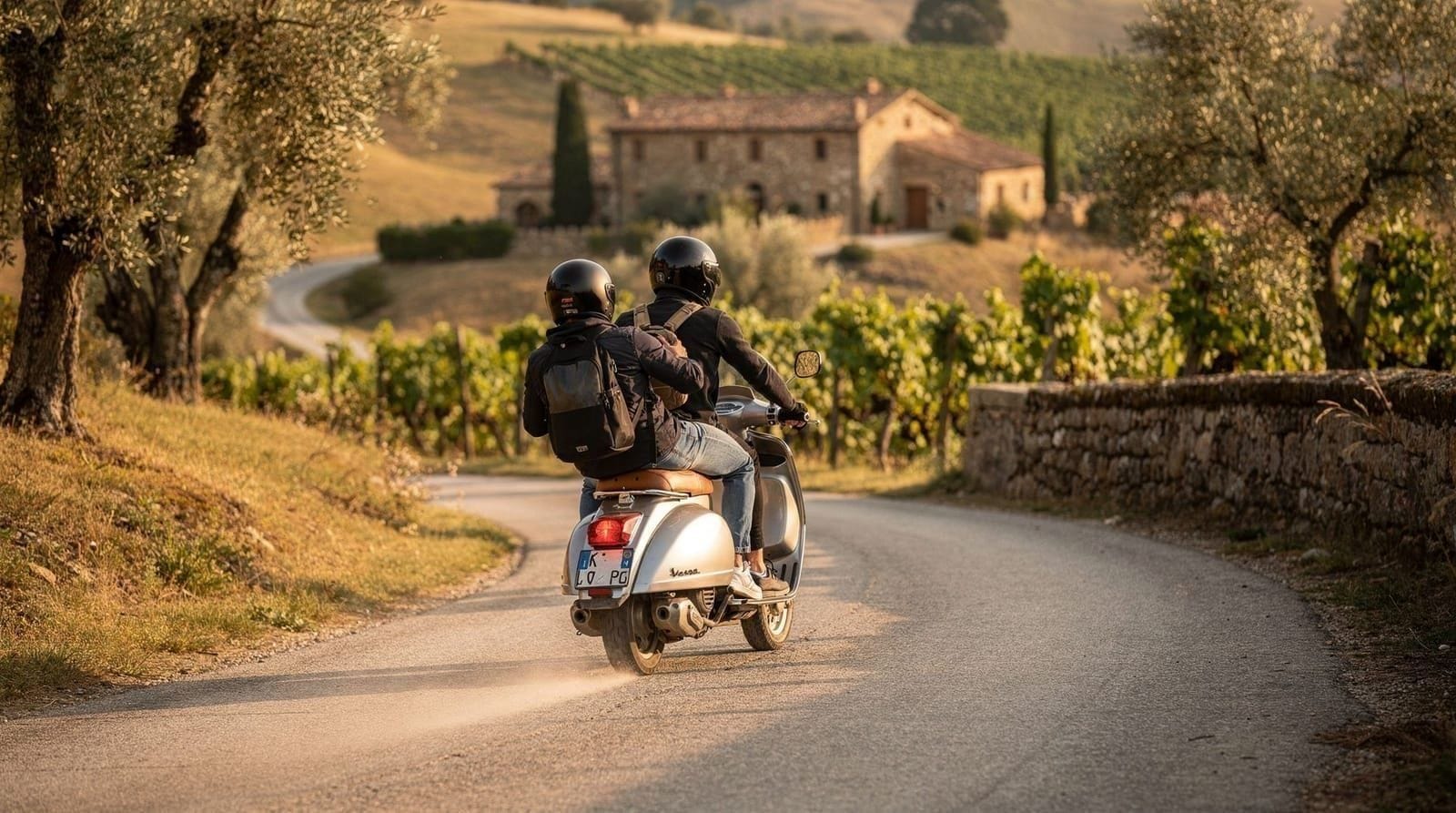
A wine tour is not the only way to experience this landscape. If wine is not the priority, our Chianti Vespa tour review covers the same cypress-lined roads and stone farmhouses without the tasting focus — a better fit for non-drinkers or anyone who prefers moving under their own power. For a broader look at the region beyond wine, the Chianti destination guide covers villages, hiking, and where to stay if a day trip leaves you wanting more time in the hills. Cycling enthusiasts should also look at cycling in Tuscany, which covers routes through this same countryside at a slower pace than any coach tour.
If your itinerary has room for more than one Tuscany day trip, our perfect Tuscany week itinerary shows how a Chianti day fits alongside Siena, San Gimignano, and the Val d’Orcia without feeling rushed.
Practical information
Booking: The GetYourGuide option on this page handles the full logistics including Florence pickup. Booking 5-7 days ahead is usually sufficient outside peak season; 2-3 weeks in April-June and September-October.
What to bring: Water (dehydration accelerates the effects of multiple tastings), a light snack for the bus ride, cash for purchasing bottles at the wineries (most accept cards but not all), a camera.
Wine purchasing: Plan to buy. The prices at the source are significantly lower than imported Chianti in your home country. Bring an extra bag or ask your hotel about shipping options for serious quantities.
Verdict
A Chianti wine tour from Florence is one of the most satisfying day trips available from the city. The combination of landscape, food, wine, and the lived experience of visiting working estates is hard to replicate independently without a car. The price is fair for what is included.
The key is choosing the right format for your group: standard small-group for the social and value proposition; private tour for serious wine enthusiasts; half-day if you want to preserve an afternoon in Florence. The wine dinner option is genuinely memorable for a special occasion.
If you are a non-drinker, this tour is not for you — consider the Chianti Vespa tour instead, which covers the same beautiful landscape without the wine focus.
Frequently asked questions about Chianti wine tours from Florence
How far is the Chianti from Florence?
The heart of the Chianti Classico zone is 30-50 km south of Florence, approximately 45-60 minutes by car. The main villages — Greve in Chianti, Panzano, Radda, Gaiole — are all within this range.
Can I visit Chianti without a tour?
Yes, by rental car — but understand the ZTL zones in Florence (no driving in the historic centre). The Chianti roads are narrow and winding; a designated driver is essential if you plan to drink. Tours solve both logistics.
How many wineries do Chianti day tours visit?
Most small-group tours visit 2-3 wineries with 3-4 wine tastings per winery. A typical itinerary includes a Chianti Classico producer and a smaller artisan estate.
What wines will I taste on a Chianti tour?
Primarily Chianti Classico (Sangiovese-dominant), plus possibly Super Tuscans, Chianti Classico Riserva, and Gran Selezione. Some tours include Vin Santo (sweet dessert wine) with cantucci biscuits at the final stop.
Is lunch included in Chianti wine tours?
It depends on the tour. Some include a full Tuscan farmhouse lunch; others include light food pairings (charcuterie, cheese, bread) with the tastings. The comparison table on this page clarifies what each option covers.
Is the Chianti wine tour suitable for non-wine drinkers?
Most tours focus on wine. Non-drinkers may feel sidelined. If someone in your group does not drink, consider the Chianti Vespa tour or a Fiat 500 countryside drive instead.
What should I wear for a Chianti wine tour?
Comfortable walking shoes for gravel paths and winery cellars. Layers for morning cool. Sun protection for outdoor tastings. Avoid stilettos or sandals without ankle support.
Should I do Chianti or Siena as a separate day trip?
Separate, if your schedule allows. Combining Chianti with Siena and San Gimignano in one day gives each stop roughly two hours, which is not enough for Siena’s Duomo and old town. A dedicated Siena day trip and a separate Chianti day both work better on their own terms.
Is the Chianti wine tour good for photography?
Yes — cypress-lined roads, stone farmhouses, and rolling vineyards are among the most photogenic landscapes in Italy, especially in the golden light of late afternoon. Spring (wildflowers) and autumn (turning vine leaves) are the strongest seasons for photos.