Siena
Siena's Piazza del Campo, the striped Duomo, the Palio horse race and the best Sienese pastries — honest planning guide with transport times and ticket
Florence: Siena half-day tour
- Free cancellation
- Hotel pickup
Quick facts
- Best for
- Medieval atmosphere, Piazza del Campo, Gothic art
- Days needed
- 1 full day; 2 days to stay overnight
- From Florence
- 1h30 by SITA bus (often faster than train)
- Palio dates
- July 2 and August 16 (historic horse race in the piazza)
- ZTL
- No cars in the historic centre; park outside
The Gothic city that time kept
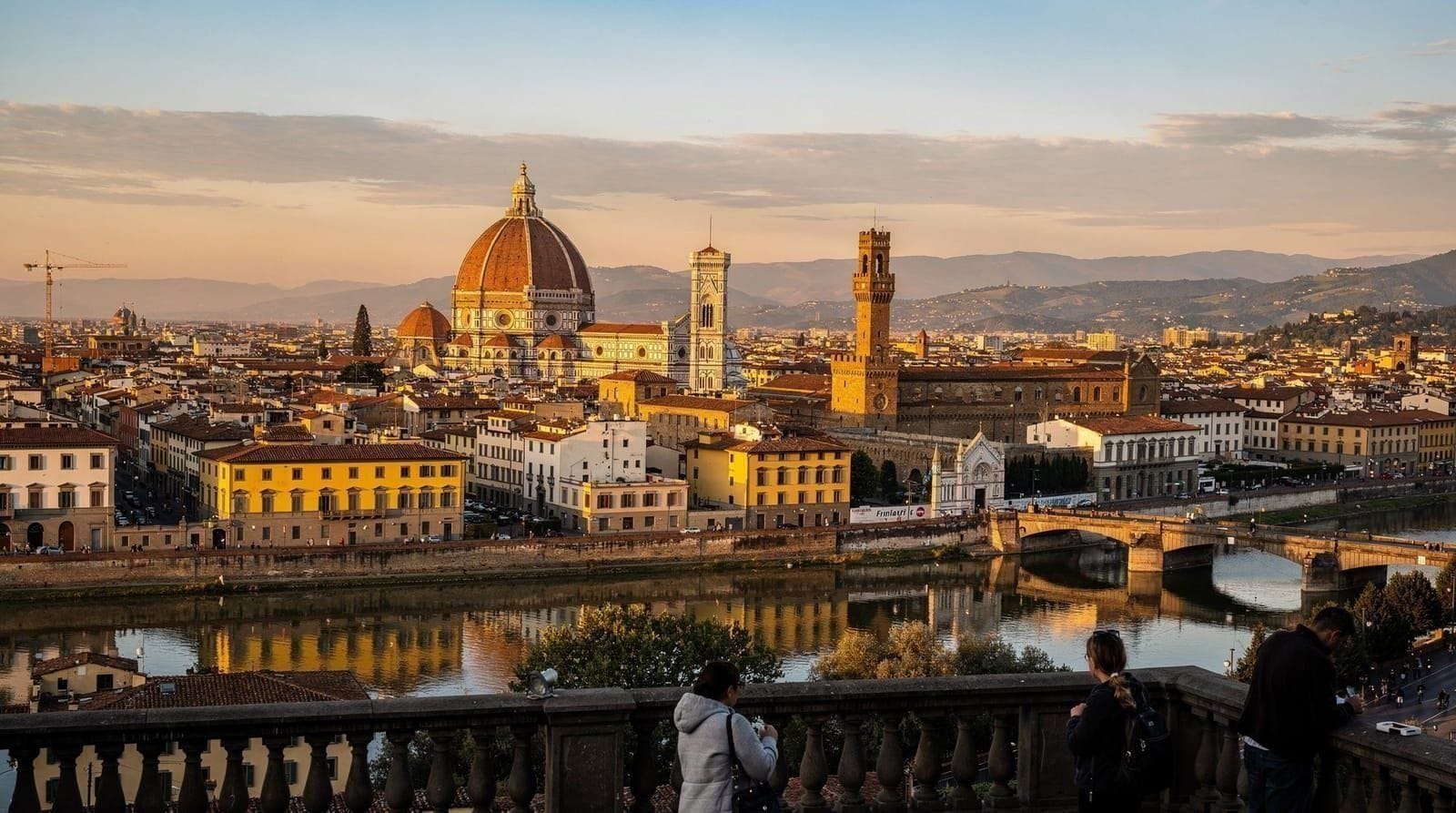
Siena is Florence’s historical rival and opposite in almost every architectural respect. Where Florence is early Renaissance — measured, classical, geometrically precise — Siena is medieval Gothic: steep, winding, built on three intersecting ridges, filled with brick towers and striped marble facades. The political rivalry between the two cities (which ended badly for Siena when plague killed half its population in 1348 and the Medici eventually absorbed it) froze Siena’s development at its medieval peak. What was catastrophe in the 14th century is the reason Siena looks the way it does today.
The result is one of the finest preserved medieval cities in Europe — and the Piazza del Campo, the city’s centre, is arguably the finest public square in Italy.
| Where | Chianti-Siena hills, about 75km south of Florence |
| Cost | Around €30-60/day incl. museum entries and lunch |
| Time needed | 1 full day; 2 days to stay overnight and see it uncrowded |
| Getting there | SITA bus, ~1h15-1h30 from Florence’s Autostazione |
| Best time | April-June or September-October, outside Palio dates |
Getting there
By bus (recommended): SITA bus from Autostazione (SMN station side), approximately 1h15-1h30 depending on service. Tickets €8-11. Buy at the bus station or online. This is often faster and easier than the train; buses deposit you close to the historic centre walls.
By train: Requires a change (usually at Empoli or Chiusi-Chianciano Terme); total journey 1h30-2h. Less convenient than bus. Direct trains are infrequent.
By car: Florence to Siena via Siena-Firenze Superstrada (free road, not autostrada), about 75 kilometres, 1-1h15 depending on traffic. Siena has a strict ZTL covering the entire historic centre; park at one of the car parks outside the walls (Parcheggio il Campo, Parcheggio San Francesco) and take the escalators or walk in.
Organized day tours: Multiple operators run Florence-Siena day trips, often combined with San Gimignano, Chianti wine estates or both. See the day trips from Florence guide.
Piazza del Campo
The Piazza del Campo is the civic heart of Siena and one of the great public spaces in Europe. It is shaped like an open hand or a scallop shell, sloping slightly toward the curved lower end where the Palazzo Pubblico (city hall) and Torre del Mangia stand. The pavement, paved in brick in a herringbone pattern, is divided by white marble lines into nine sections — the Nine were the ruling council of medieval Siena.
The piazza is the gathering place, the living room and, twice a year, the racetrack.
Torre del Mangia: The 102-metre tower adjacent to the Palazzo Pubblico can be climbed (334 steps, no lift). The view from the top encompasses all of Siena’s three hills, the surrounding countryside and, on clear days, Mount Amiata to the south. Entry €10-15; timed tickets available at the base.
Palazzo Pubblico and Museo Civico: The lower floors of the town hall contain the Museo Civico, with Siena’s greatest civic art: Simone Martini’s Maestà (1315) — a large Madonna enthroned in majesty; Ambrogio Lorenzetti’s Allegories of Good and Bad Government (1338-1339), the most important secular fresco cycle in medieval Europe, showing an idealized Sienese cityscape on one wall and the consequences of tyranny on the other. Entry €9-12. The museum deserves 90 minutes.
The Duomo di Siena
The cathedral of Siena is one of the great Gothic churches in Italy — excessive, ornate, unfinished (the 14th-century nave extension project was abandoned after the Black Death), and spectacular. The striped white-and-dark-green marble exterior is instantly recognizable; inside, the floor is a continuous mosaic of inlaid marble panels depicting biblical and allegorical scenes, covered for most of the year but fully revealed during the Apertura Grande (August-October).
Key works:
- Nicola Pisano’s pulpit (1268): The second of the great Pisano pulpits (after Pisa’s Baptistery), with relief panels of the Nativity and Last Judgment.
- Piccolomini Library (off the left nave): Covered in Pinturicchio frescoes (1502-1507) commissioned by Pope Pius III to celebrate his uncle Pope Pius II’s life; the colours are still vivid.
- Giovanni Pisano’s facade sculptures: The originals (copies now on the facade) are in the Museo dell’Opera del Duomo.
- Donatello’s bronze floor slab of Bishop Giovanni Pecci (1426).
- The Baptistery (below the apse, separate entrance): Font with bronze reliefs by Donatello, Ghiberti and Jacopo della Quercia.
The OPA SI Pass: Siena’s Duomo complex operates a combined ticket system. A full pass covers the Duomo interior, the Piccolomini Library, the Museo dell’Opera (with unfinished nave, rooftop walk, and original sculptures), the Baptistery and the Cripta. Prices approximately €13-20 depending on inclusions. Book in advance during peak season.
Warning on the rooftop walk (Facciatone): The unfinished Gothic nave exterior can be accessed via the Museo dell’Opera and walked at rooftop level — the view from the exposed Gothic arches over the Piazza del Campo and the Sienese countryside is extraordinary and completely different from the tower view. Worth including in any Siena visit.
The Contrade
Siena’s 17 contrade (city districts) are a functioning civic institution, not a tourist concept. Each district has its own church, colours, animal symbol, museum and social calendar — births, deaths, baptisms and alliances all happen within the contrade framework. Residents are born into their contrada and remain members for life.
The contrade come into sharpest focus during the Palio, but they are active year-round. The Contrada museums (each small, each in the neighbourhood) are free and often open on request. The most visitor-friendly is the Contrada dell’Aquila (Eagle) museum near San Martino.
Walking the different contrade neighbourhoods — each with its characteristic fountain, colours and flags — gives the clearest sense of how Siena actually works as a community. See the Siena contrade guide for detail.
The Palio di Siena
The Palio is a bareback horse race around the Piazza del Campo, held twice a year: July 2 (Palio di Provenzano) and August 16 (Palio dell’Assunta). Ten of the seventeen contrade compete in each race; the race itself takes about 90 seconds. The jockey who crosses the finish line first (even without his horse) wins the Palio banner.
For Sienese, the Palio is everything — the most intense event in their civic year, preceded by days of rehearsals, ceremonies, dinners and strategic manoeuvring between contrade (alliances and enmities are real and remembered for decades). For visitors, it is spectacular spectacle and deeply confusing without background knowledge.
Attendance practicalities:
- The centre of the Campo (piazza floor) is standing room only and free — arrive by 4-5pm on race day (race at 7-8pm in July, 7-8pm in August depending on year) and expect to be penned in for hours
- Grandstand seats and window seats in the surrounding buildings are booked years in advance and cost €350-1,500+; the very best are allocated through contrada relationships
- Hotel rooms in Siena fill within hours of Palio dates being confirmed; book 12-18 months ahead if attending
Visiting without the Palio: Most of the year Siena is significantly quieter than Florence. The atmospheric streets and the museums are best enjoyed outside peak season.
Sienese food
Pici: The thick, hand-rolled pasta specific to Siena and the surrounding area — similar to a very thick spaghetti. Typically served with cacio e pepe, with wild boar ragù (al ragù di cinghiale), or with aglione (a large-clove garlic sauce). Found on virtually every menu.
Panforte: The dense fruit-and-spice cake that has been made in Siena since at least the 13th century — merchants took it on trading journeys because it keeps for months. The commercial versions in tourist shops are generally good; the artisanal versions from Pasticceria Nannini or Il Magnifico are better.
Ricciarelli: Soft almond biscuits flavored with orange and almond extract, rolled in powdered sugar. The classic Sienese Christmas sweet, available year-round.
Cantuccini: Twice-baked almond biscuits, dipped in Vin Santo dessert wine — the correct Tuscan ending to a meal.
Restaurants:
- Osteria Le Logge (Via del Porrione 33): Reliable Sienese cuisine in a former pharmacy setting. Reservations recommended.
- Trattoria Papei (Piazza del Mercato 6): Behind the Palazzo Pubblico; unpretentious Sienese cooking, outdoor seating on a quieter square.
- La Chiaccherina (Via di Stalloreggi): Simple local trattoria; pici and ribollita.
Beyond the main sights: Siena’s other museums
Pinacoteca Nazionale di Siena (Palazzo Buonsignori, Via San Pietro 29): The national picture gallery, housed in a 15th-century palace, collects Sienese paintings from the 13th to the 17th century. The Sienese school of painting — more Byzantine-influenced and gilded than the Florentine, more concerned with spiritual intensity than mathematical perspective — is one of the great strands of medieval European art. Duccio di Buoninsegna, Simone Martini, the Lorenzetti brothers, Sassetta: all are represented. Entry approximately €4; far less visited than the Duomo museums. Open Tuesday to Sunday.
Museo dell’Opera Metropolitana del Duomo: The museum contains the works removed from the Duomo complex, including Duccio’s Maestà — a double-sided altarpiece of the Madonna enthroned on the front and 26 narrative panels of the Passion on the back, painted 1308-1311. It is one of the founding works of Western painting. The cathedral’s original Giovanni Pisano facade sculptures are also here.
Santa Maria della Scala: The 13th-century hospital directly facing the Duomo has been converted into a museum complex. The frescoes in the Sala del Pellegrinaio (1440s), showing hospital scenes, are among the earliest depictions of practical medicine in Italian art. The underground cistern complex and the Etruscan archaeological section are additional highlights. Entry approximately €9-12.
Siena’s neighbourhoods (terzi)
Siena is divided into three administrative districts called terzi (thirds): Terzo di Città (south), Terzo di Camollia (north) and Terzo di San Martino (east). Each terzo contains multiple contrade.
Walking between the terzi requires climbing; Siena’s layout is deliberately vertical, following the three ridges that converge on the Campo. The streets are medieval and pedestrianized through much of the centre.
Via Banchi di Sotto and Via Banchi di Sopra: The main commercial streets of Siena, running through the Terzo di San Martino and Terzo di Camollia respectively. Named for the merchant banking benches (banchi) that once lined them — Siena was a major banking centre before Florence’s Medici rose to dominance, and the Monte dei Paschi di Siena, founded in 1472, is still one of the world’s oldest banks.
Basilica di San Domenico: The large Gothic church on the west side of the city is associated with St Catherine of Siena (1347-1380), one of the most remarkable figures of the medieval Church — a mystic, political activist and Doctor of the Church who pressured the Avignon papacy to return to Rome. The church contains her head (a relic) and a portrait fresco attributed to her contemporary Andrea Vanni. The baroque chapel of Saint Catherine is here.
The fonte and fountains: Siena’s medieval water supply was a sophisticated system of underground channels (bottini) that brought spring water from the hills to public fountains. The Fonte Gaia (the fountain in the Piazza del Campo) is a 19th-century copy; the original Jacopo della Quercia panels are in the Santa Maria della Scala museum. The Fonte Branda (Via di Fonte Branda), partially underground, is the oldest surviving fountain and is still functional.
Staying in Siena
Siena rewards overnight visitors. After the day-trippers leave, the city — particularly the Campo and the narrow streets around it — becomes genuinely quiet and atmospheric. Sunset from the Torre del Mangia (or from the Facciatone walkway above the unfinished Duomo nave) is one of the finest things in Tuscany.
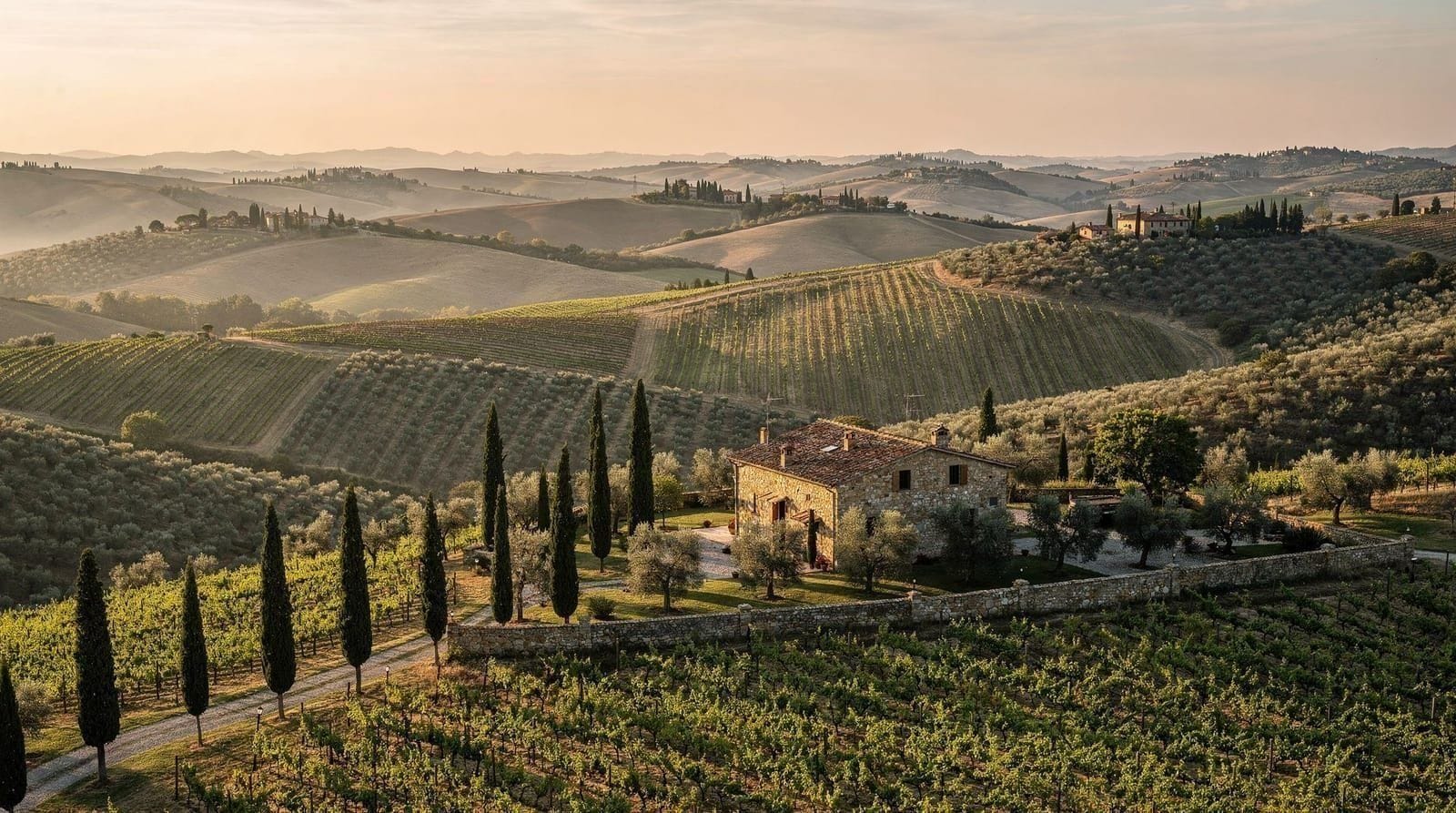
Budget options: Several agriturismo properties in the Siena countryside (5-15 km from the city) offer rooms at considerably lower prices than in-city hotels. They require a car to access.
Mid-range: Several alberghi and B&Bs within the walls. Prices are lower than comparable Florence accommodation except during Palio season (when rates triple).
Palio season: July 2 and August 16, plus the rehearsal days preceding them. The city is full and expensive. If you’re not attending the Palio, avoid these dates.
Practical information
Parking: Campo Parcheggio costs approximately €2/hour. Free parking exists further out (near the football stadium on the north side) with a free shuttle bus.
Opening hours note: The Duomo and associated museums close Monday mornings in some seasons; verify at operaduomo.siena.it.
Altitude: Siena is built on three ridges at about 320 metres. The streets between the ridges involve significant climbing. Comfortable shoes are non-negotiable.
Siena’s food scene beyond the classics
Beyond pici, panforte and ricciarelli, Siena has a quieter food culture worth seeking out. The Terzo di Camollia, north of the centre and away from the main tourist flow around the Campo, has a handful of enotecas and small trattorias that serve locals more than visitors — worth a detour if the restaurants near the piazza feel too geared toward passing tourists. Siena’s Chianti Colli Senesi zone, distinct from the Chianti Classico further north, produces lighter, more affordable Sangiovese-based wines that pair naturally with pici and wild boar; many wine bars around Via di Città pour it by the glass.
Market day (Wednesday, in and around La Lizza park just outside the walls) is a genuine local institution — produce, cheese, clothing and household goods, with almost no tourist stalls. It is a good way to see an ordinary Sienese Wednesday rather than the performance version of the city.
Siena as a day trip vs. staying overnight
Most visitors see Siena as a day trip from Florence, and a well-paced day does cover the essentials — but the trade-offs are worth weighing before you decide.
| Day trip | Overnight stay | |
|---|---|---|
| Crowds | Heaviest 11am-4pm, tour-bus groups | Quiet after 5pm, near-empty by 9am |
| Cost | Just transport + entries | Adds a hotel night, offset by lower Siena prices vs. Florence |
| What you get | Campo, Duomo, Torre del Mangia, Museo Civico | Sunset from the Facciatone, an evening passeggiata, no early train to catch |
| Best for | Travellers combining Siena with San Gimignano or Chianti | Palio dates, photographers, anyone who dislikes rushing |
If your Florence base makes a return trip inconvenient, pairing Siena with a wider Tuscany loop is worth considering — our Val d’Orcia guide covers the hill towns further south that combine naturally with a Siena overnight.
How Siena compares to San Gimignano and Pisa
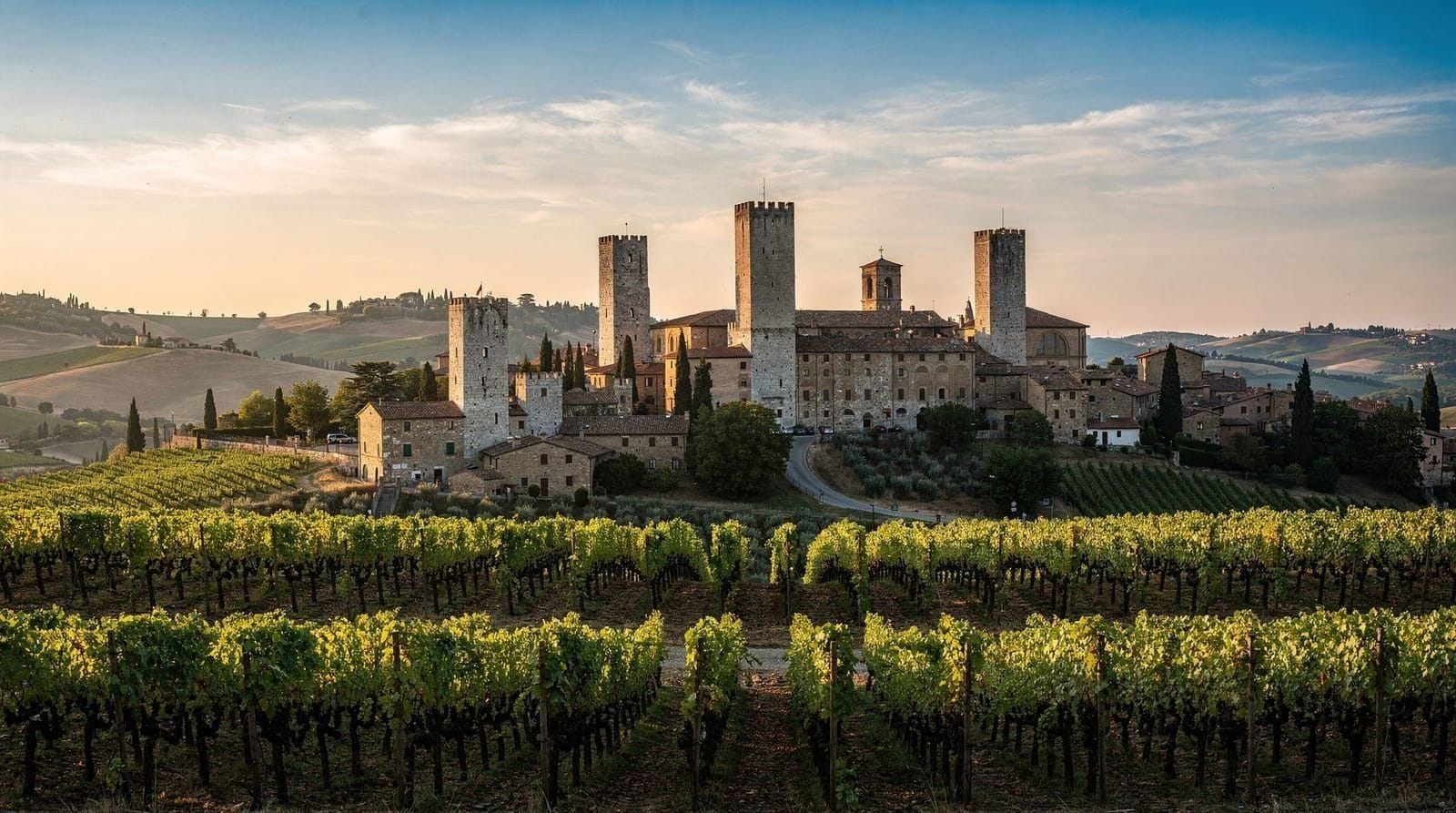
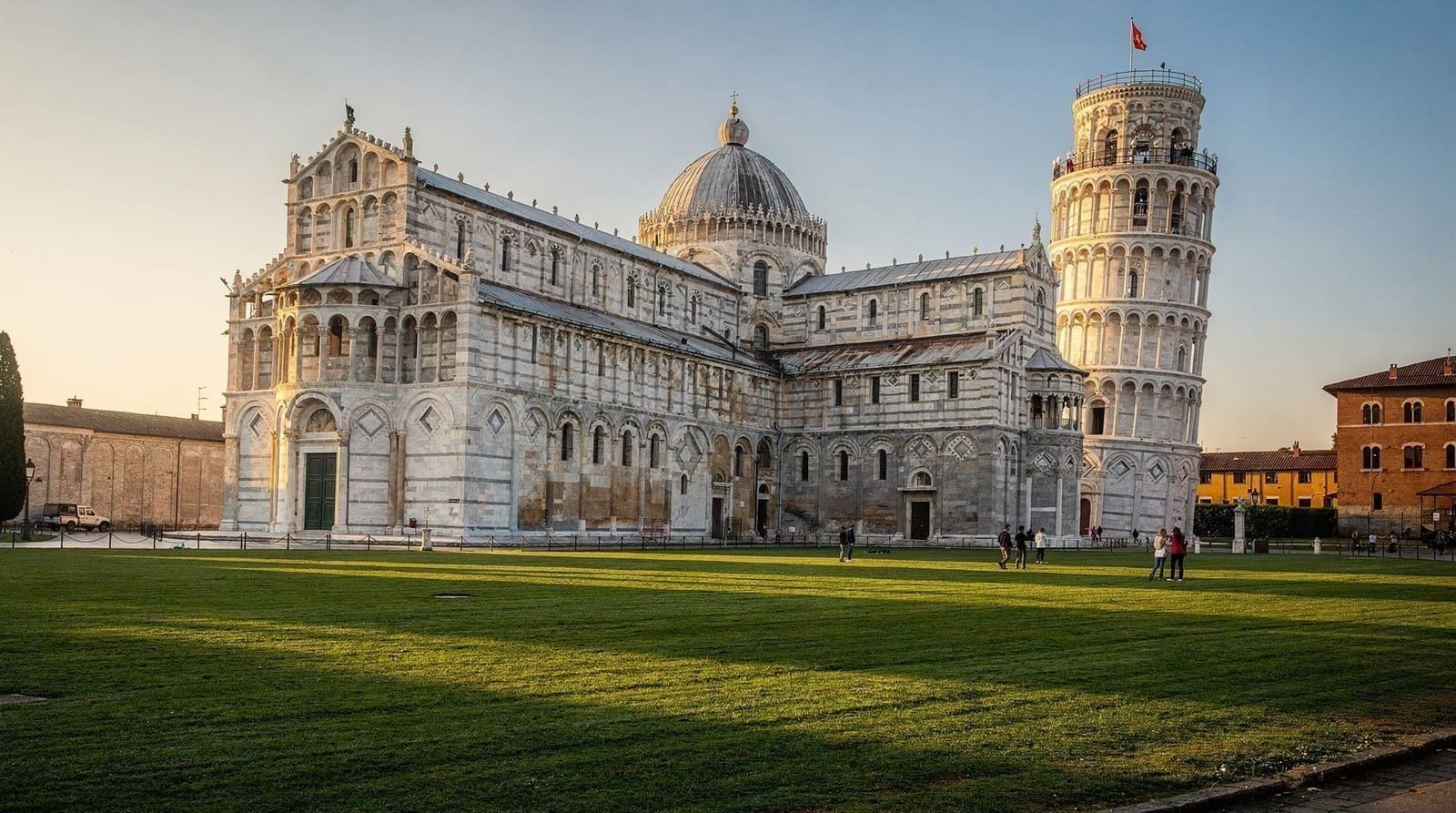
Visitors often ask which combination is worth the drive. Siena has more depth — a working civic culture (the contrade), a major Gothic cathedral complex and serious art museums — where San Gimignano offers a tighter, more photogenic medieval skyline that can be seen in two to three hours. Pisa is largely a single-sight visit built around the Leaning Tower and works better as a stop on the way to or from the coast than as a full day on its own. For a single non-Florence day, Siena rewards the extra time; for a quick photogenic stop, San Gimignano is more efficient.
Frequently asked questions about Siena
How do I get from Florence to Siena?
The SITA bus from Florence’s Autostazione (adjacent to SMN station) is the most practical option — 1h15-1h30, €8-11 round trip. Trains require a change and take longer. By car, the Siena-Firenze Superstrada (free dual carriageway) takes about 1h15 but the ZTL and parking situation requires planning.
Is one day enough for Siena?
One day covers the main sights (Campo, Torre del Mangia, Duomo and Piccolomini Library, Museo Civico) at a reasonable pace. Staying overnight allows for an evening walk in a quieter atmosphere and the morning before day-trippers arrive — Siena at 8am is a different city from Siena at 11am.
Should I visit Siena during the Palio?
Only if you’ve done serious preparation — reading about the contrade system, understanding the ceremonial structure, having accommodation arranged well in advance. Attending the Palio without that context is a 90-second race surrounded by crowds. With the context, it’s one of the most extraordinary events in Europe.
What is the Duomo floor and when can I see it?
The Duomo floor is covered with marble inlay panels over its entire surface — a 700-year-old project involving dozens of artists. For most of the year the floor is protected by wooden boards. The Apertura Grande (usually mid-August to late October) reveals the full floor; a supplement to the standard ticket is charged during this period.
Can I combine Siena with San Gimignano in one day?
Yes — many organized tours do exactly this, plus often a Chianti wine stop. By public transport it requires more planning: bus from Florence to Siena, then bus from Siena to San Gimignano (40-50 min), then back. Doable but tight; you see both places at a summary level. See the San Gimignano guide for details.
Top experiences
Bookable activities with verified prices and instant confirmation on GetYourGuide.

Florence: Siena half-day tour
- Free cancellation
- Hotel pickup
Florence: Siena, San Gimignano and Chianti day trip
- Free cancellation
- Hotel pickup
Siena: walking tour and skip-the-line Duomo tickets
- Skip the line
- Small group
Siena: 2-hour walking tour including the Duomo and il Campo
- Free cancellation
- Small group