Lucca
Lucca's intact Renaissance walls, Roman amphitheatre, Puccini's birthplace and the bike circuit that's become the city's signature experience — honest
Florence: Tuscan wine tasting in Pisa and Lucca
- Free cancellation
- Small group
Quick facts
- Best for
- Cycling the city walls, medieval streets, Puccini heritage
- Days needed
- Half day to 1 full day
- From Florence
- 1 hour 20 min by train (€5-10)
- From Pisa
- 30 min by train (€4-6)
- Car access
- Limited inside the walls; park outside
The walled city that actually works
Lucca is frequently described as Tuscany’s best-kept secret, which is becoming less true by the year but remains more accurate than most such claims. The city is enclosed within perfectly intact Renaissance walls — 4.2 kilometres of grassy embankment, wide enough on top for a tree-lined promenade — and its medieval centro storico has Roman bones visible in the curved lines of streets that follow the old amphitheatre footprint.
Unlike Siena or San Gimignano, Lucca doesn’t feel designed for tourism. People live and work inside the walls, children cycle to school on the ring road on top, markets happen on the squares. That ordinariness is part of the appeal.
| Where | Western Tuscany, 1h20 by train from Florence |
| Time needed | Half day to a full day |
| Cost | Bike hire €3-5/hr; most sights €4-7 entry |
| Getting there | Train from Florence (1h20-1h40) or Pisa (20-30 min) |
| Best time | April-June and September-October |
Getting there
From Florence: Trains run regularly from SMN; journey time is approximately 1 hour 20 minutes to 1 hour 40 minutes depending on service (some require a change at Pisa or Pistoia). Tickets €5-10. The station is immediately outside the city walls, a 5-minute walk to the main gates.
From Pisa: 20-30 minutes by train, roughly €4-6. Trains run frequently. Combining Pisa and Lucca in one day is possible with an early start.
By car: The city is ringed by ring roads; park outside the walls (car parks along the north side, or near the station). Cars are not permitted inside the walls except for residents.
The walls
The Mura di Lucca were built between 1504 and 1650, replacing an earlier medieval circuit. They were never seriously attacked after completion and have survived intact — 4.2 kilometres of earthwork-backed masonry with 11 bastions. After Napoleon’s era, when Lucca was briefly an independent principality under his sister Elisa Baciocchi, the Baciocchi administration converted the tops of the walls into a public promenade. Trees were planted; the circuit has been a park ever since.
Cycling the walls: The wall-top circuit is flat, shaded and 4.2 kilometres long. Bike hire is available from multiple operators immediately inside all the main gates — typically €3-5 per hour or €10-15 for a full day. This is the city’s signature experience and it genuinely is excellent. The views alternate between the historic rooftops inside the walls and the Lucchese hills outside; the bastions provide sheltered rest points.
Walking the circuit takes about 45-60 minutes. Cycling takes 20-30 minutes at a leisurely pace. Most visitors do a full circuit by bike then switch to walking inside the city.
Bike hire practicalities: Most rental points near the gates offer standard city bikes, tandems and child seats; no ID deposit beyond a credit card hold is typical. Electric bikes are increasingly available for €5-8 per hour, useful if you’re planning to extend beyond the walls into the surrounding countryside. Helmets are rarely provided or worn locally, but rental shops will supply one on request. Weekday mornings before 10am are the quietest time to cycle; the circuit gets genuinely busy on summer weekend afternoons.
The historic centre
Piazza dell’Anfiteatro: The most visually striking piazza in Lucca, an oval space whose shape directly follows the footprint of the Roman amphitheatre built here in the 1st-2nd centuries AD. After the fall of Rome, the amphitheatre was used as a quarry, then gradually built over; by the medieval period the streets had taken on the oval form. In the 19th century, Lucca’s governor Lorenzo Nottolini cleared the interior buildings to reveal the amphitheatre shape. The surrounding palazzos incorporated blocks from the original Roman structure. Today the piazza is ringed by cafés and restaurants and is one of the most atmospheric public spaces in Tuscany.
The Cathedral of San Martino (Duomo di Lucca): The facade, one of the finest examples of Pisan Romanesque outside Pisa, has three tiers of colonnaded arcading in white and dark-green marble. Inside: the Volto Santo (Holy Face of Lucca) — a carved wooden crucifix of Christ, claimed to be an authentic likeness made by Nicodemus at the time of the crucifixion (scholars date it to the 11th-13th century). The Volto Santo has been venerated in Lucca since the 8th century and was one of the most famous holy relics in medieval Europe. Also inside: Jacopo della Quercia’s tomb of Ilaria del Carretto (1406), considered one of the finest examples of funerary sculpture in Italy. Entry to the cathedral is free; the museum and sacristy (containing the Ilaria del Carretto tomb) cost approximately €3-5.
Piazza San Michele in Foro: Built over the Roman forum, this piazza is dominated by the church of San Michele in Foro — its tiered white marble facade rising several floors above the roofline, the topmost tier decorated with blind arcading and the archangel Michael on the peak. The facade is disproportionately elaborate; the church behind it is relatively modest. The piazza is the commercial heart of the city.
Torre Guinigi: A medieval tower with a small garden of holm oaks growing from the top, visible from much of the city. The family that owned the tower — the Guinigi, Lucca’s dominant clan in the late 14th century — planted the oaks as a symbol of permanence. Climbing the tower (230 steps) costs approximately €5. The view from the oak-canopy level is unusual; the roots of the trees are visible underfoot.
Puccini’s birthplace: Giacomo Puccini was born in Lucca in 1858 and remains the city’s most celebrated son (his operas — La Bohème, Tosca, Madama Butterfly — are among the most performed works in the operatic repertoire). The house at Corte San Lorenzo 9 is now a museum with period furniture, manuscripts, the piano on which he composed, and personal memorabilia. Entry €7. The summer Puccini Festival at Torre del Lago (18 kilometres west of Lucca, on the lake) is the main annual event attracting international opera audiences.
Food and drink
Lucca has its own culinary identity distinct from Florence. Key things to try:
Buccellato: A ring-shaped sweet bread flavored with anise and raisins, specific to Lucca. Found at any bar or bakery; the oldest producer is Taddeucci (Piazza San Michele 34), which has been making buccellato since 1881. Take one home wrapped — they keep well for a day or two.
Farro soup: Spelt (farro) has been grown in the Garfagnana mountains north of Lucca since antiquity. Farro soup (zuppa di farro) is the regional equivalent of Florence’s ribollita and is found on most menus in the city.
Lardo di Colonnata: Though technically produced at Colonnata in the Carrara marble country north of Lucca, the cured lard — aged in marble troughs with rosemary, garlic and sea salt — is widely available in Lucca’s alimentari and at the market. Try it on bruschetta.
Where to eat:
- Osteria Baralla (Via Anfiteatro 5): Reliable trattoria near the amphitheatre; farro soup, rabbit and game dishes.
- Ristorante Buca di Sant’Antonio (Via della Cervia 3): The most historic restaurant in Lucca, dating from 1782; traditional Lucchese dishes, not cheap but honest.
- Il Mecenate (Via Cenami 11): Mid-range wine bar and restaurant; excellent regional wine list.
Lucca vs Pisa: which to prioritize?
| Pisa | Lucca | |
|---|---|---|
| Main attraction | Leaning Tower + Campo dei Miracoli | City walls + historic centre |
| Time needed | Half day for the monuments | Full day |
| Atmosphere | University city, slightly transactional | Elegant small city, genuinely liveable |
| Best for | Architecture/monument fans | Cyclists, foodies, slow travel |
| Day trip logistics | 1h from Florence, easy | 1h20 from Florence, easy |
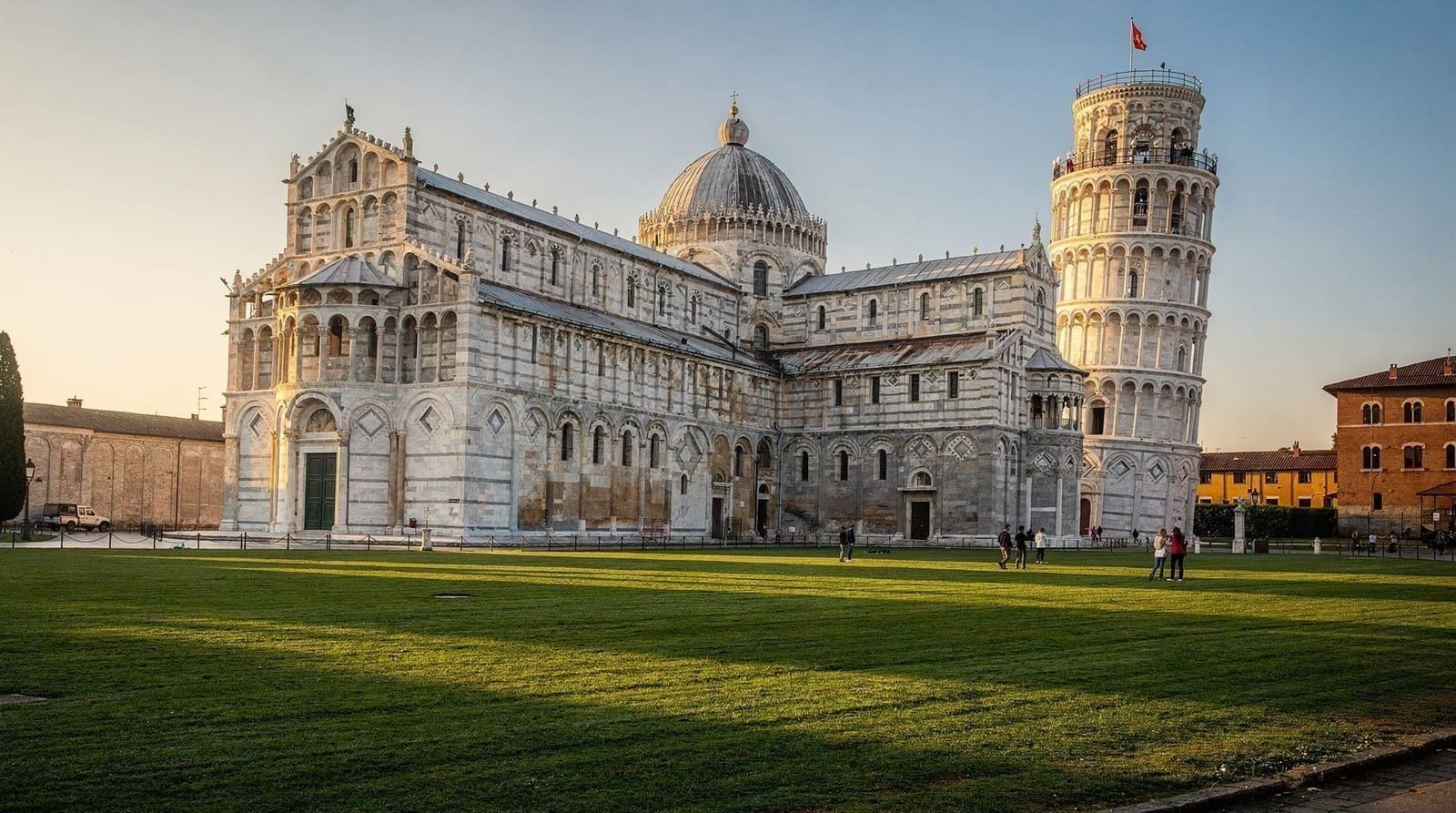
Both are worth doing; if you can only do one as a day trip, Pisa is the higher-priority for first-timers (the tower is a legitimate once-in-a-lifetime thing), but Lucca is the better overall experience.
Frequently asked questions about Lucca
Do I need to book anything in advance for Lucca?
The Torre Guinigi and the cathedral museum don’t require advance booking. Bike hire is walk-up. The main thing to book is your train ticket from Florence (especially on weekends when services are busier).
How long does cycling the walls take?
The full 4.2km circuit takes 20-30 minutes at a leisurely pace. Most people cycle the full circuit, stop at a couple of bastions, then cycle back to their starting gate — allow an hour total.
Is Lucca better than Siena?
Different character entirely. Siena is a dramatic hilltop city with one of the great medieval public spaces in Europe (Piazza del Campo). Lucca is flatter, quieter, more intimate. For a relaxed day trip with cycling and good food, Lucca is often preferable. For medieval grandeur and Sienese Gothic art, Siena is in a different category.
Is there a Lucca festival worth timing a visit for?
Lucca Comics and Games (late October/early November): One of Europe’s largest comics and gaming festivals, which completely transforms the city — excellent if you’re interested, overwhelming if you’re not. Puccini festival (Torre del Lago, July-August): The main operatic event in the region. Both require accommodation booked months in advance.
The Garfagnana: Lucca’s mountain hinterland
North of Lucca, the Serchio valley climbs into the Apennines through the Garfagnana — a quiet mountain region of chestnut forests, medieval hill villages and limestone peaks. It is almost completely absent from standard Tuscany itineraries despite being one of the least-changed landscapes in the region.
Key features accessible by car from Lucca (1-1h30):
- Barga: A small hilltop town with a Norman Romanesque cathedral and an unexpected connection to Scottish immigration history (many 19th-century emigrants from the Glasgow ice cream trade came from Barga and the surrounding Serchio valley).
- Castelnuovo di Garfagnana: The main town of the Garfagnana; the 14th-century Rocca (fortress) was governed by the poet Ludovico Ariosto in the 1520s when he administered the region for the Este family.
- Grotta del Vento (Cave of the Wind): A multi-level cave system 6 km from Gallicano, accessible by guided tour; stalactites, underground lakes and passages.
- Parco Naturale delle Alpi Apuane: The marble mountains visible from the Lucca plain; trails for experienced hikers, with quarry access near Carrara further north.
The Garfagnana is primarily a destination for travellers with a rental car and a day to spare. It combines well with a Lucca base.
Walking the walls: detailed notes
The 4.2-kilometre wall circuit runs over eleven bastions (baluardi), each with its own character. Starting from Porta San Pietro (south, nearest the train station) and going clockwise:
The tree-lined promenade is wide enough for two cyclists and two pedestrians to pass comfortably. The trees — mainly plane trees and oaks — were planted in the 19th-century conversions of the ramparts. On the inner side, gardens and orchards back onto the walls from private properties; on the outer side, views open across the moat (now a park) to the Lucchese plain.
The best views from the walls: Baluardo San Frediano (northwest) gives clear views to the Apennine hills. Baluardo San Regolo (east) looks over the city roof terraces and the cathedral apse. Most of the south-facing wall has views to the plain and, on clear days, to the Livornese hills beyond.
Descent points: The main gates (Porta San Pietro, Porta Elisa, Porta San Jacopo) have ramps with bike access. Smaller pedestrian stairways provide access from within the city at several points.
Crowds: The wall circuit is genuinely popular in summer — expect other cyclists, runners and walkers throughout the day. Early morning (before 9am) and evening (after 6pm in summer) are quietest.
Day trips from Lucca
Lucca’s position in western Tuscany makes it a good base for coastal and inland excursions:
- Pisa: 30 minutes by train, easy morning trip. See the Pisa guide.
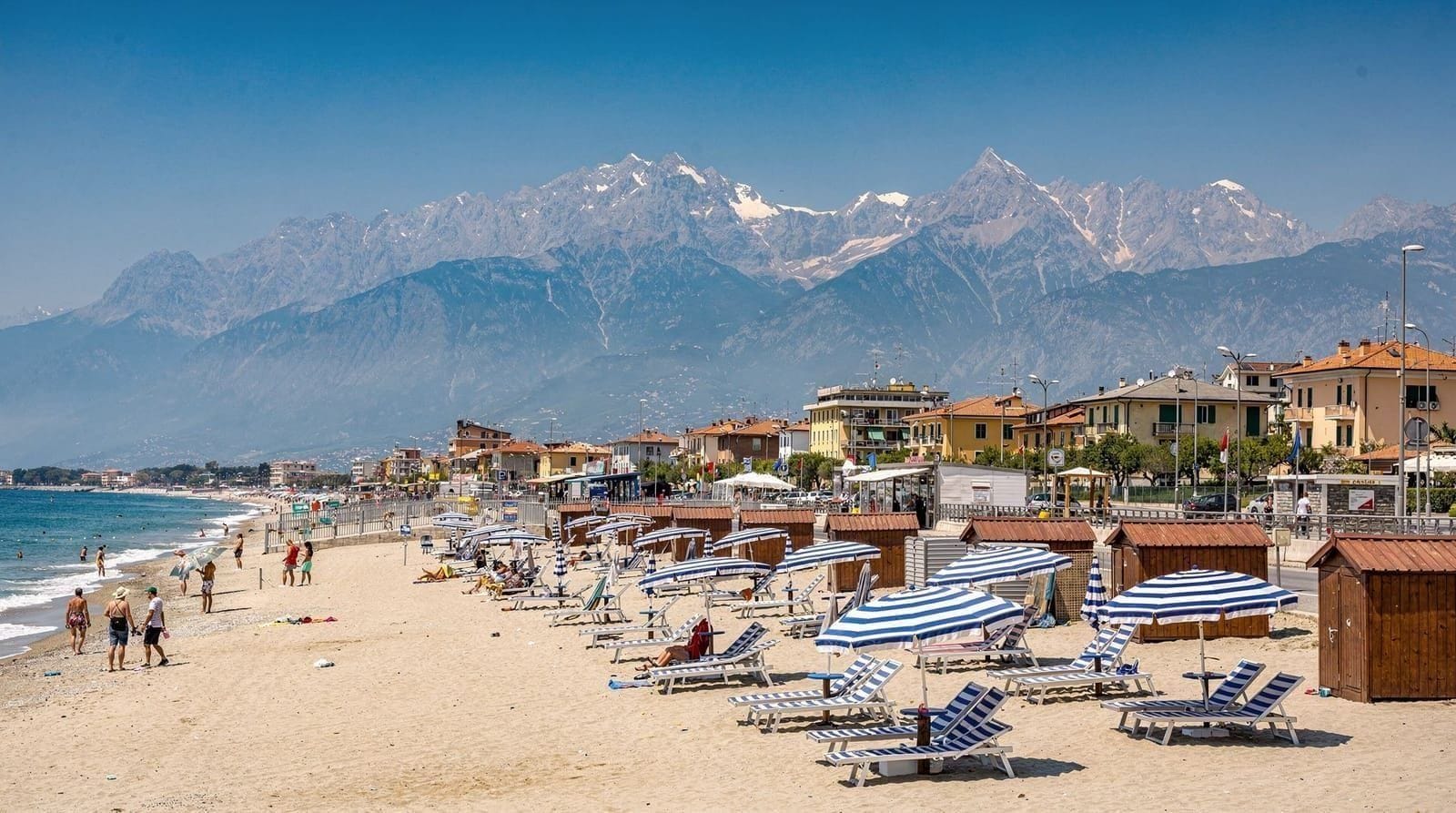
- Viareggio beach: 25 minutes by train; the nearest sandy beach. See the Viareggio guide.
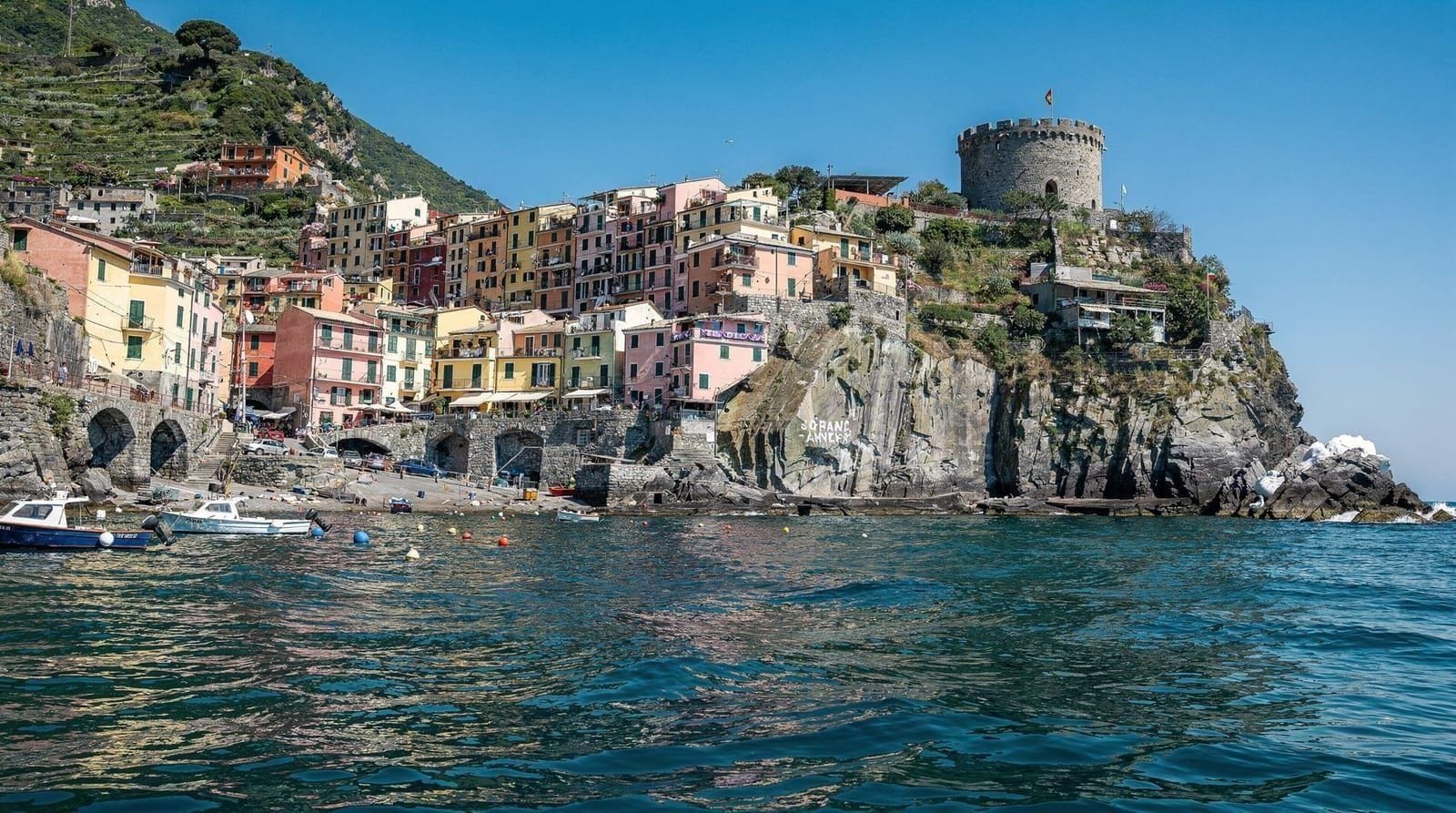
- Cinque Terre: 1h30-2h by train via La Spezia; possible as a day trip from Lucca rather than Florence. See the Cinque Terre guide.
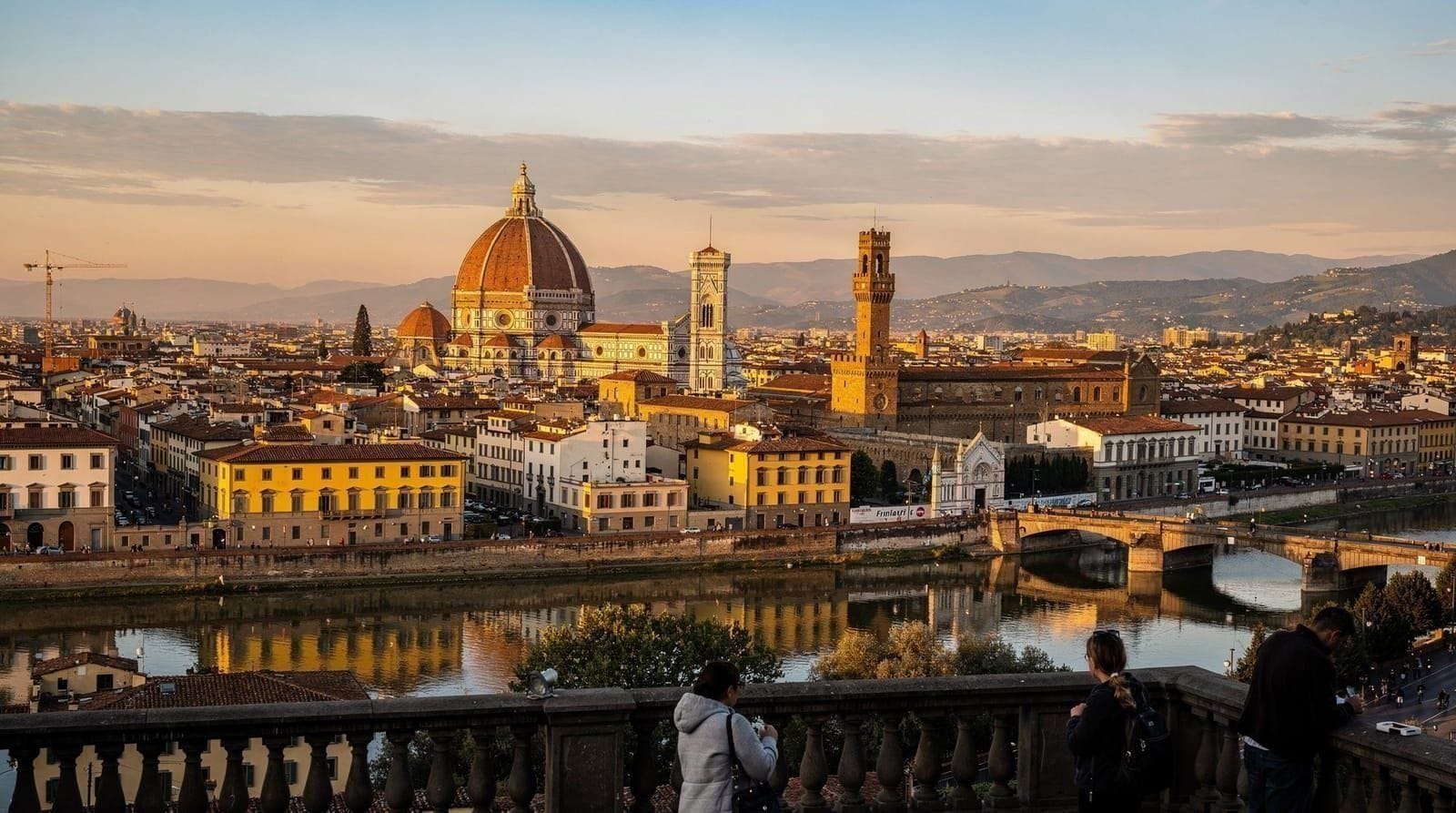
- Florence: 1h20-1h40 by train; Lucca makes an affordable base for Florence visits if you’re happy with the commute.
Lucca’s lesser-known churches
Lucca has an extraordinary concentration of Romanesque churches given its small size — the result of medieval civic pride and competition between patron families. Beyond San Martino and San Michele in Foro:
San Giovanni e Reparata: Directly adjacent to the Duomo, this former cathedral (predating San Martino) has extensive excavations visible below the floor, showing six layers of construction from Roman to medieval. Entry approximately €4.
San Frediano: A large Romanesque church in the northwest quarter, with a spectacular mosaic of the Ascension on the facade (12th-century, one of the largest medieval mosaics in Italy). Inside: a 12th-century baptismal font of exceptional quality, and the mummified body of Santa Zita (a 13th-century Lucchese servant girl, now a saint — her body is brought out on April 27 each year for veneration).
Santi Giovanni e Reparata archaeological area: Worth pausing for the excavation level visible through the floor of the current church.
Where to stay in Lucca
Staying inside the walls means waking up to a genuinely quiet, car-free medieval city — a different experience from a day-trip visit, and worth considering if you’re building a longer Tuscany itinerary around western destinations. Rooms inside the centro storico tend to be smaller and in converted historic buildings; expect €100-180/night for a comfortable mid-range option in shoulder season, more during Lucca Comics or the Puccini Festival. Staying just outside the walls near the station is cheaper and still a 5-10 minute walk to the gates.
For visitors basing themselves in Florence rather than Lucca, the train connection (1h20-1h40, regular departures) makes a Lucca overnight unnecessary for most itineraries — but it’s worth considering if you’re also covering Pisa and Viareggio on the same western Tuscany loop.
Lucca’s shopping and markets
Via Fillungo, the main shopping street running north from Piazza San Michele, mixes independent boutiques, historic shopfronts (several retain their original early-20th-century Liberty-style facades) and a scattering of chain stores. It’s a pleasant walking street even without buying anything.
Il Mercatino Antiquario di Lucca, an antiques and collectibles market, fills Piazza San Martino and the surrounding streets on the third weekend of every month — one of Tuscany’s better regional antiques markets, with genuine finds among the bric-a-brac.
A realistic day plan
Morning — Arrive by train, walk 5 minutes to the walls, hire a bike and do the full 4.2km circuit (30-45 minutes with stops). Midday — Walk into the centre: Piazza dell’Anfiteatro, the Duomo di San Martino, Piazza San Michele. Afternoon — Torre Guinigi climb, Puccini’s birthplace if interested, lunch at a trattoria near the amphiteatre. Late afternoon — Wander Via Fillungo and San Frediano, or extend the day with a short trip to Viareggio beach (25 minutes by train) before heading back to Florence or Pisa.
Top experiences
Bookable activities with verified prices and instant confirmation on GetYourGuide.