Val d'Orcia wine tour: Montepulciano, Pienza and Montalcino
Val d'Orcia: Montepulciano, Pienza and Montalcino with winery
- Free cancellation
- Small group
What a Val d’Orcia wine tour from Florence covers
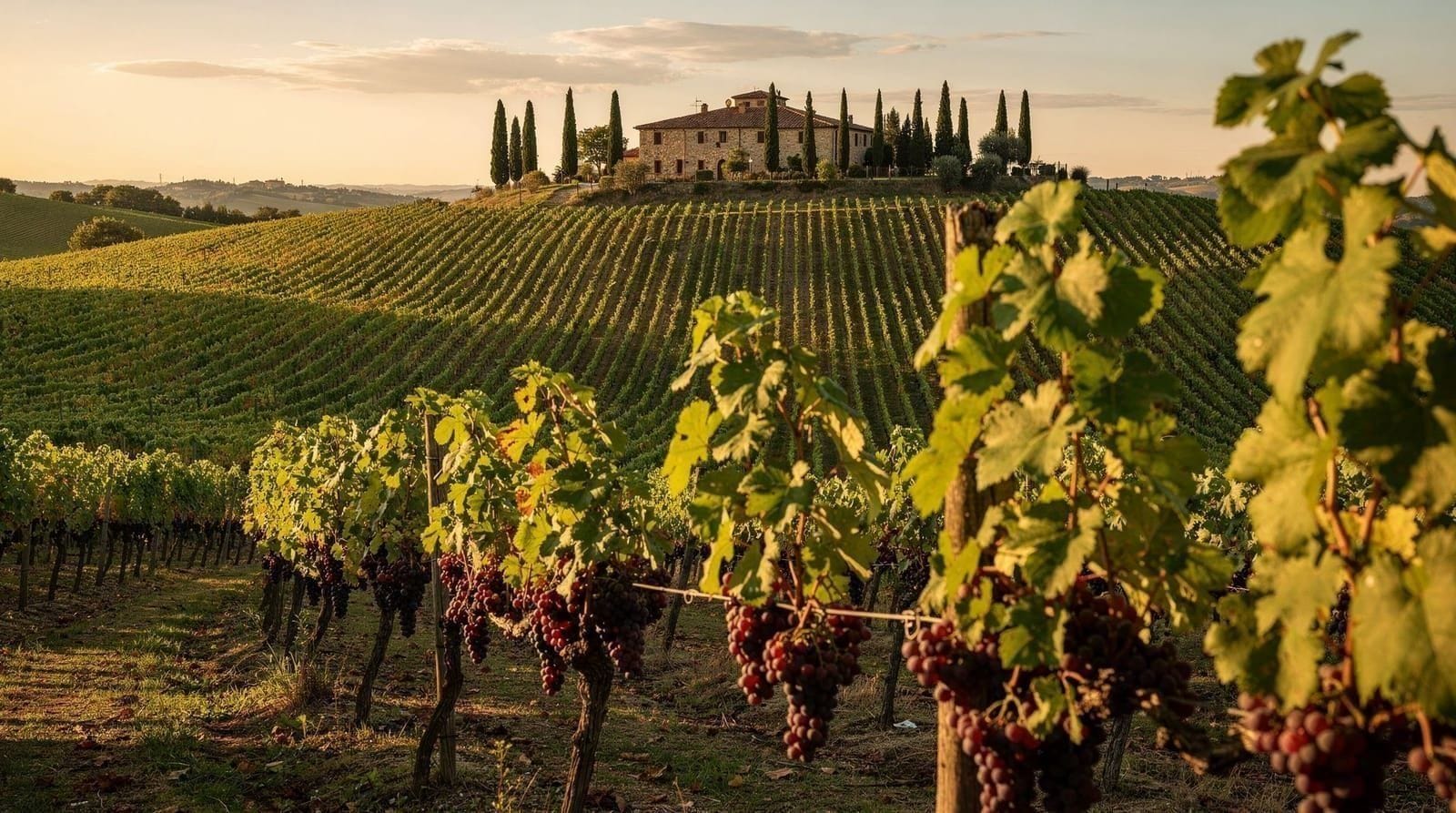
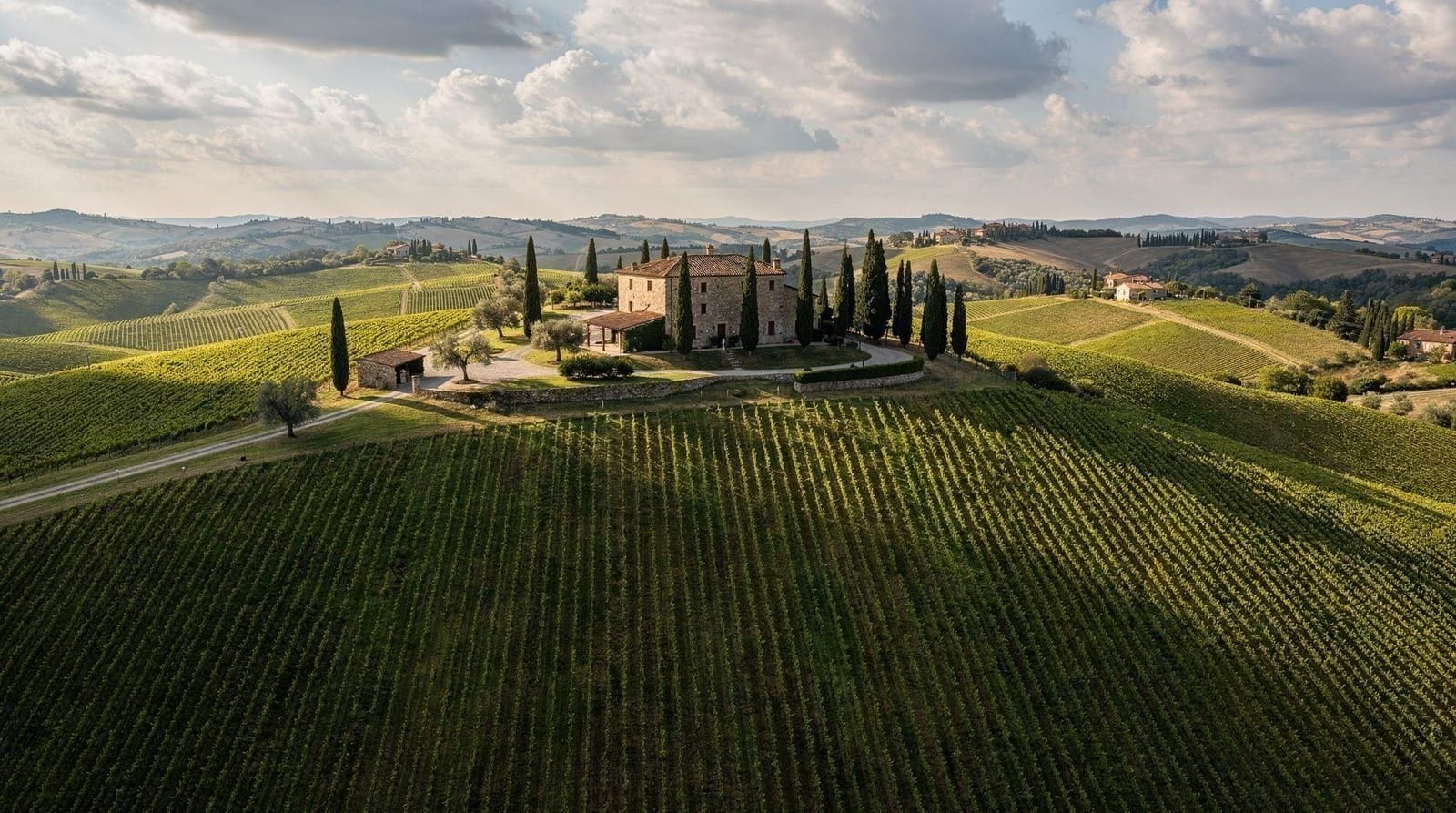
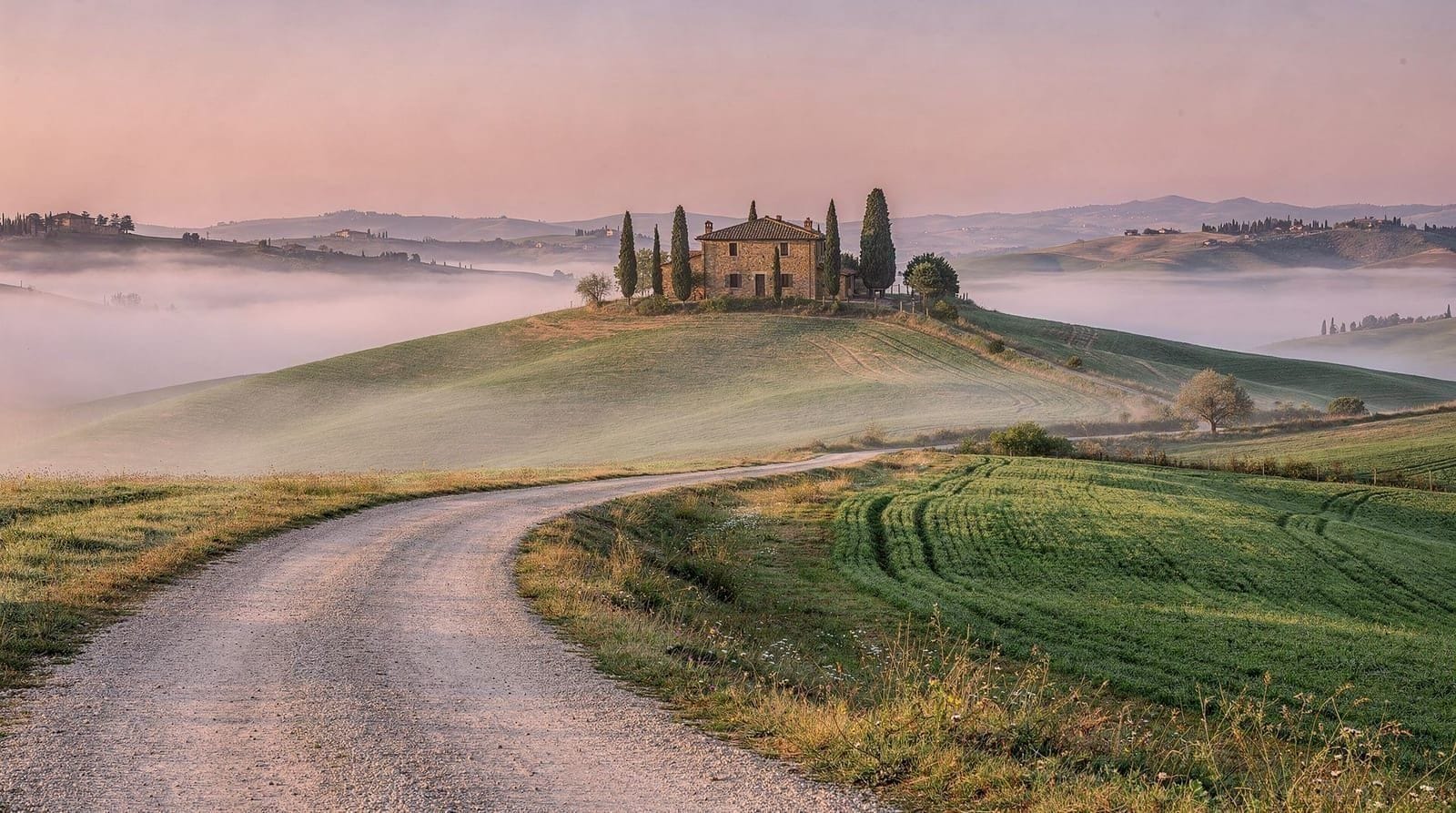
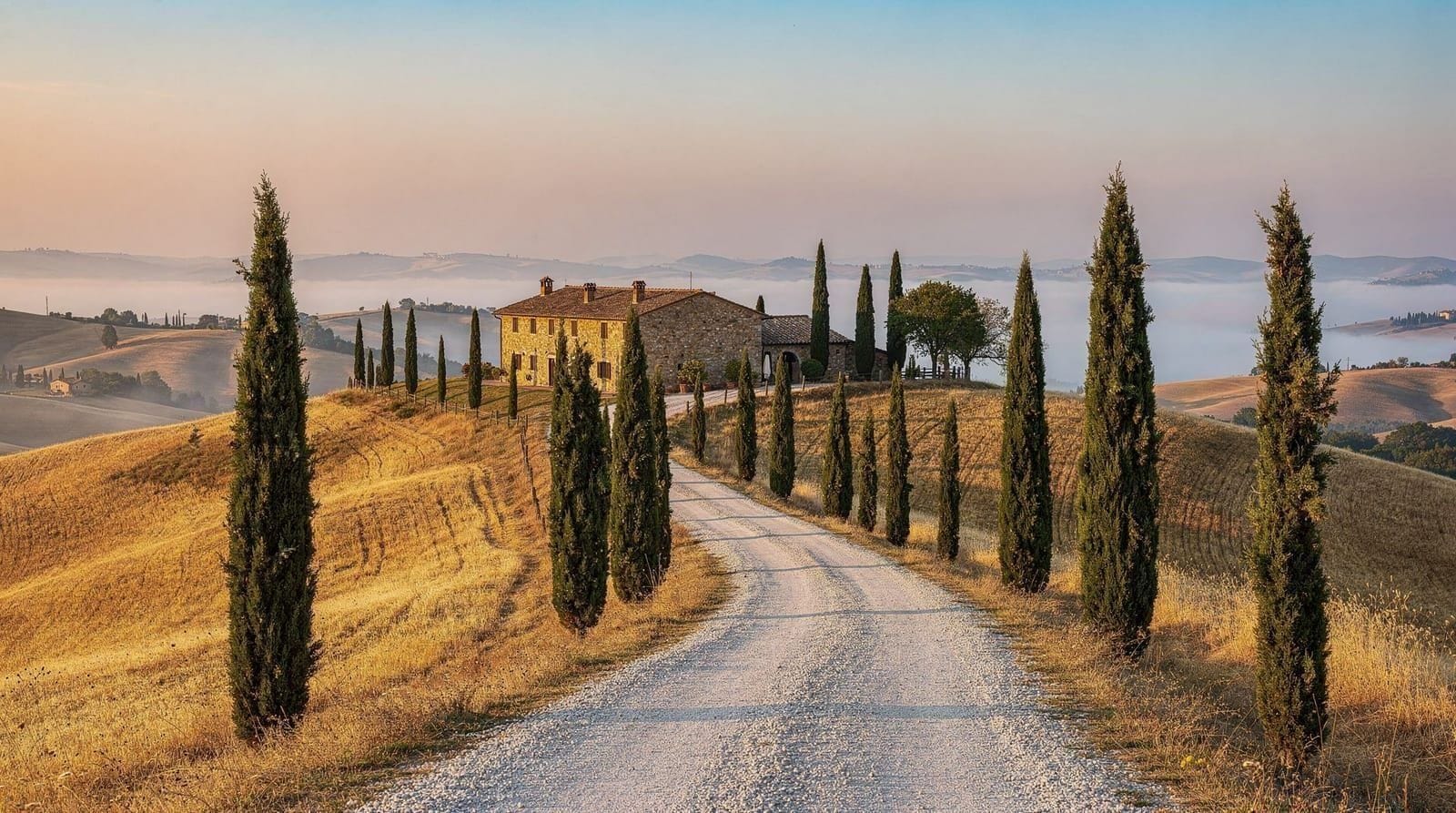
The Val d’Orcia is not just a wine region — it is one of the most beautiful landscapes in the world. The UNESCO-listed valley south of Siena features rolling hills, cypress-lined roads, Renaissance hill towns, and some of Italy’s most prestigious wine estates. A wine tour combining Montepulciano, Pienza, and Montalcino gives you three distinct places and three distinct wine traditions in one long day.
The honest context: this is a substantial journey. Montalcino is 2-2.5 hours from Florence, and the tour covers multiple stops. Budget a full day (departure 8:00am, return 7:00-8:00pm) and arrive back in Florence pleasantly exhausted and better informed about Brunello than you were.
| Where | Montepulciano, Pienza, Montalcino — Val d’Orcia, south of Siena |
| Cost | around €120-180 per person, small-group tour with tastings |
| Time needed | full day (departure ~8am, return 7-8pm) |
| Getting there | coach pickup from central Florence, or self-drive |
| Best time | September-October (harvest) or April-May (spring) |
The three-stop itinerary explained
Montepulciano (Vino Nobile country): A medieval hilltop town 120km south of Florence, built from the same warm stone as Siena. The town centre (Piazza Grande, the Duomo, the wine cellars in the medieval fortress beneath the square) is worth 1.5-2 hours. The wine: Vino Nobile di Montepulciano — a DOCG Sangiovese-based red aged minimum 2 years (3 for Riserva), elegant and food-friendly. The major estates (Avignonesi, Salcheto, Poliziano) have tasting rooms in the town or nearby.
Pienza (the Renaissance ideal city + Pecorino): A 15-minute drive from Montepulciano, Pienza is one of the best-preserved examples of Renaissance urban planning in Italy. Pope Pius II had his birthplace rebuilt as an “ideal city” in the 1460s — the central square (Piazza Pio II) was designed by Bernardo Rossellino with perfect proportions. It is UNESCO World Heritage listed. The view south from the town wall over the Val d’Orcia towards Monte Amiata is iconic. And yes, the cheese: Pecorino di Pienza — sheep’s milk cheese aged in different formats (fresh, semi-aged in tomatoes and olive oil, aged in ash). Most tours include a Pecorino tasting here.
Montalcino (Brunello country): The small hilltop town 40 km west of Pienza is the home of Brunello di Montalcino — arguably Italy’s most celebrated red wine. The town itself is compact and pleasant (a fortress from the 14th century, good views, a decent central square). The winery visit at an estate in the Montalcino territory is the highlight: you descend into oak-scented barrel cellars, taste 3-4 wines including a current Brunello and possibly a Riserva, and understand why this wine commands international attention. Major accessible estates include Poggio Antico, Fattoria dei Barbi, and Abbadia Ardenga.
The wines: Brunello vs Vino Nobile
Both are made primarily from Sangiovese (the same grape as Chianti Classico) but express the grape very differently due to altitude, soil, and ageing regulations.
Brunello di Montalcino: Made from Sangiovese Grosso (locally called Brunello). DOCG regulations require minimum 5 years ageing (2 years in oak, remainder in bottle). The result is a structured, complex wine capable of decades of cellaring. Current release Brunello wines are from the 2019 and 2020 vintages (both excellent). Winery prices: €25-50 for standard; €60-150 for Riserva.
Vino Nobile di Montepulciano: Made from Prugnolo Gentile (another Sangiovese clone). Minimum 2 years ageing. More approachable and less austere than Brunello, with a similar aromatic profile. Excellent food wine. Winery prices: €15-30.
Rosso di Montalcino: The younger sibling of Brunello — same grapes, minimum 1 year ageing, released earlier. Often excellent value and more immediately approachable. The smart buy if you cannot wait for Brunello to develop.
Who this tour is for
Ideal for:
- Wine enthusiasts who want to understand the difference between the Val d’Orcia appellations in depth
- Travellers who appreciate Tuscany’s landscape as much as the wine
- Anyone who wants to buy Brunello at winery prices (meaningful savings over import prices in the UK, US, or northern Europe)
- Couples or groups looking for a full day in the countryside that combines wine, food, and culture
Less suited for:
- Visitors with limited time who want to maximise Florence monuments
- Non-wine drinkers — the tour is wine-focused
- Anyone seeking a light day — this is a long, full schedule
- Visitors with mobility limitations — Montepulciano and Pienza are on steep hills with significant walking on uneven stone
Self-drive alternative
The Val d’Orcia is ideally explored by car. The SP2 (Via Cassia) from Siena south through San Quirico d’Orcia, Pienza, and Montepulciano is one of the most beautiful drives in Italy. The side roads approaching Montalcino offer the cypress-lined landscape views that define the Tuscan postcard.
If you drive:
- Pick up the rental car at Florence airport (FLR, accessible by tram T2) or at a location outside the ZTL zone — never from central Florence
- Book winery visits in advance — the smaller estates with the best wines do not accept walk-ins
- Designate a driver or use the one-glass tasting discipline consistently
- Consider staying overnight in Montalcino or Pienza — the Val d’Orcia at dusk and dawn is extraordinary
For the full mechanics of renting and driving in this part of Tuscany — insurance, fuel types, parking in hill towns — see our renting a car in Tuscany guide.
Val d’Orcia wines at a glance
| Wine | Grape / ageing | Typical winery price |
|---|---|---|
| Brunello di Montalcino | Sangiovese Grosso, min. 5 years | €25-50 standard, €60-150 Riserva |
| Rosso di Montalcino | Same grape, min. 1 year | €12-20 |
| Vino Nobile di Montepulciano | Prugnolo Gentile, min. 2 years | €15-30 |
For the wider picture of how this region’s wines fit into Tuscany’s other appellations, including Chianti Classico and the Super Tuscans, our Tuscan wine regions guide is a useful companion to this tour.
What to buy and what to budget
Wine to buy: Brunello di Montalcino at the estate is your best opportunity. A standard bottle costs €25-50 at the source; the same wine at a London retailer costs €60-100+. The shipping services that many large estates offer can pack 6 bottles for approximately €30-50 international freight.
Pecorino di Pienza: Buy a wedge of the semi-aged (stagionato) version and the fresh version (marzolino) for comparison. Vacuum-packed versions travel well. Budget €10-20 per piece.
Olive oil: The Montalcino area produces excellent extra virgin olive oil, often sold at the winery alongside wine. Buy a small bottle to taste; a larger one if it impresses you.
Seasonal considerations and practical logistics
September-October: Vendemmia (grape harvest) season. You may see grapes being picked and pressed. The landscape is at its most golden. The most atmospheric time for a Val d’Orcia wine tour.
April-May: Spring wildflowers, vivid green hills, pleasant temperatures. Wineries are slightly less busy than autumn.
August: Hot and dry. Wineries are busy with tourists; some smaller estates have reduced hours or staff. The drive through the Val d’Orcia is still beautiful but temperatures in the car and in Montepulciano’s hilltop streets can exceed 35°C.
Winter: Many smaller Montalcino estates close November-February. The large estates (Banfi, Castelgiocondo) remain open. Fog in the Val d’Orcia in December-January is an acquired taste — dramatic and photogenic but not for everyone.
Combining Val d’Orcia with Siena
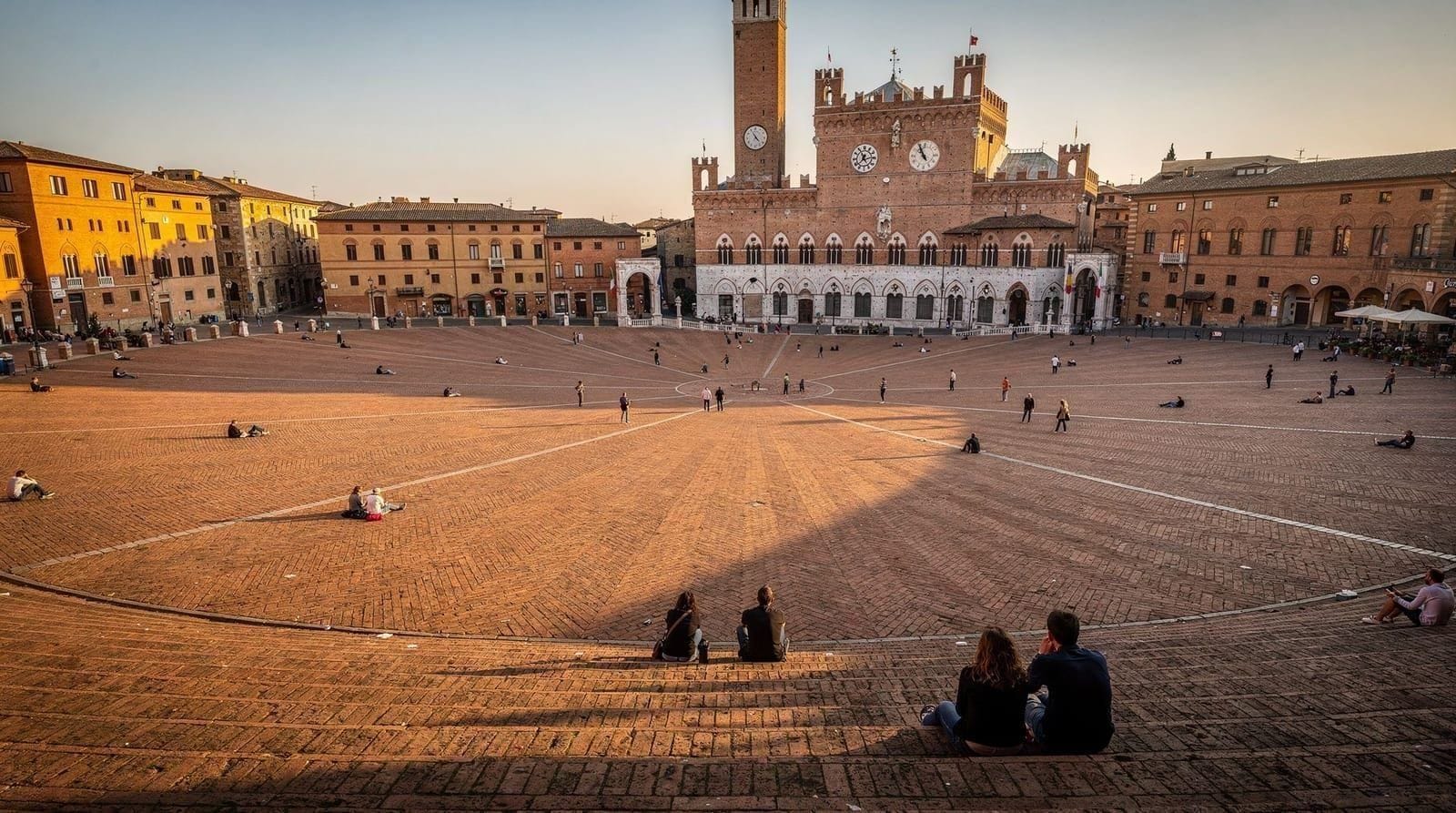
Siena sits between Florence and the Val d’Orcia. Some tours add a Siena stop on the return leg (allowing 90 minutes in Siena after the winery visits). This is ambitious — Siena deserves more time — but gives at least a Piazza del Campo experience. The Siena-San Gimignano-Chianti day trip covers Siena more adequately if that is the priority.
For serious wine enthusiasts: one day for Chianti (Greve, Panzano, Radda), a separate day for Val d’Orcia (Montepulciano, Pienza, Montalcino). The two regions produce wines that reward direct comparison when tasted on consecutive days.
Verdict
The Val d’Orcia wine tour is the most ambitious day trip available from Florence, and for the right traveller, one of the most rewarding. Three UNESCO or near-UNESCO places, two world-class wine appellations, Pecorino cheese in the town it comes from, and views of the most photographed Tuscan landscape — all in one long day.
The trade-offs are real: it is a full day, the journey time is significant, and the wine focus makes it unsuitable for non-drinkers. If those conditions fit you, this is an excellent use of a Florence day.
For maximum depth with the Brunello specifically, a private half-day tour focused exclusively on Montalcino — two wineries, a sommelier guide, and unhurried tasting — is the premium option. The comparison table on this page shows the alternatives.
Frequently asked questions about Val d’Orcia wine tours
How far is Val d’Orcia from Florence?
Approximately 120-150 km depending on the route. By car or coach: 1.5-2 hours to Montepulciano, 2-2.5 hours to Montalcino. Plan a full day from Florence.
What wines will I taste on a Val d’Orcia tour?
Primarily Brunello di Montalcino and Vino Nobile di Montepulciano (both 100% Sangiovese-based), plus Rosso di Montalcino and possibly a Super Tuscan. Winery tastings typically include 3-5 wines with local food pairings.
Is Pienza just a cheese stop?
No — Pienza is a UNESCO World Heritage Renaissance town of architectural significance. A 45-90 minute stop covers the main square, the Duomo, and the famous view over the Val d’Orcia. The Pecorino cheese tasting is a bonus, not the main event.
What is Brunello di Montalcino, and why is it expensive?
Brunello is made from Sangiovese Grosso grown around Montalcino, aged minimum 5 years before release. Limited production and consistently high quality make it one of Italy’s most prestigious wines. Standard bottles start at €25-50 at the winery.
Can I do Val d’Orcia without a tour?
Yes — by rental car. Collect the car outside Florence’s ZTL zone (best: Florence airport via tram T2). Book winery visits in advance. The SP2 through the valley is one of the most beautiful drives in Tuscany.
What is the best season for a Val d’Orcia wine tour?
September-October (harvest season, golden landscape) and April-May (spring wildflowers). August works but is hot and busy. Winter is atmospheric but some smaller wineries close.
How much do Val d’Orcia wines cost at the winery?
Brunello di Montalcino: €25-50 per bottle (standard), €60-150 for Riserva. Vino Nobile di Montepulciano: €15-30. Rosso di Montalcino: €12-20. Significant savings versus import retail prices.
How does the Val d’Orcia tour compare to the Chianti day trip?
The Val d’Orcia tour goes further south, is a full day, and focuses on Brunello and Vino Nobile — more prestigious, longer-ageing wines than Chianti Classico. The Siena, San Gimignano and Chianti day trip is shorter, closer to Florence, and includes hill towns beyond wine. Choose Val d’Orcia if wine depth and landscape are the priority; choose the Chianti day trip if you want a broader sampler in less time.
Can I rent a car and do the Val d’Orcia myself?
Yes — see our renting a car in Tuscany guide for the practical details on pickup, insurance, and driving in this part of Tuscany. Book winery visits ahead regardless of whether you drive or join a tour.