Volterra
Volterra: dramatic hilltop Etruscan city with alabaster workshops, Roman theatre and medieval streets. Honest logistics from Florence by car or bus.
Florence: Siena, San Gimignano and Chianti day trip
- Free cancellation
- Hotel pickup
Quick facts
- Distance from Florence
- 75 km / 1 hr 20 min by car
- By bus
- Change at Colle di Val d'Elsa or Poggibonsi; 2-2.5 hrs
- Best for
- Etruscan history, alabaster, dramatic views
- Budget
- €30-60/day incl. entry fees
An Etruscan city above the Tuscan clouds
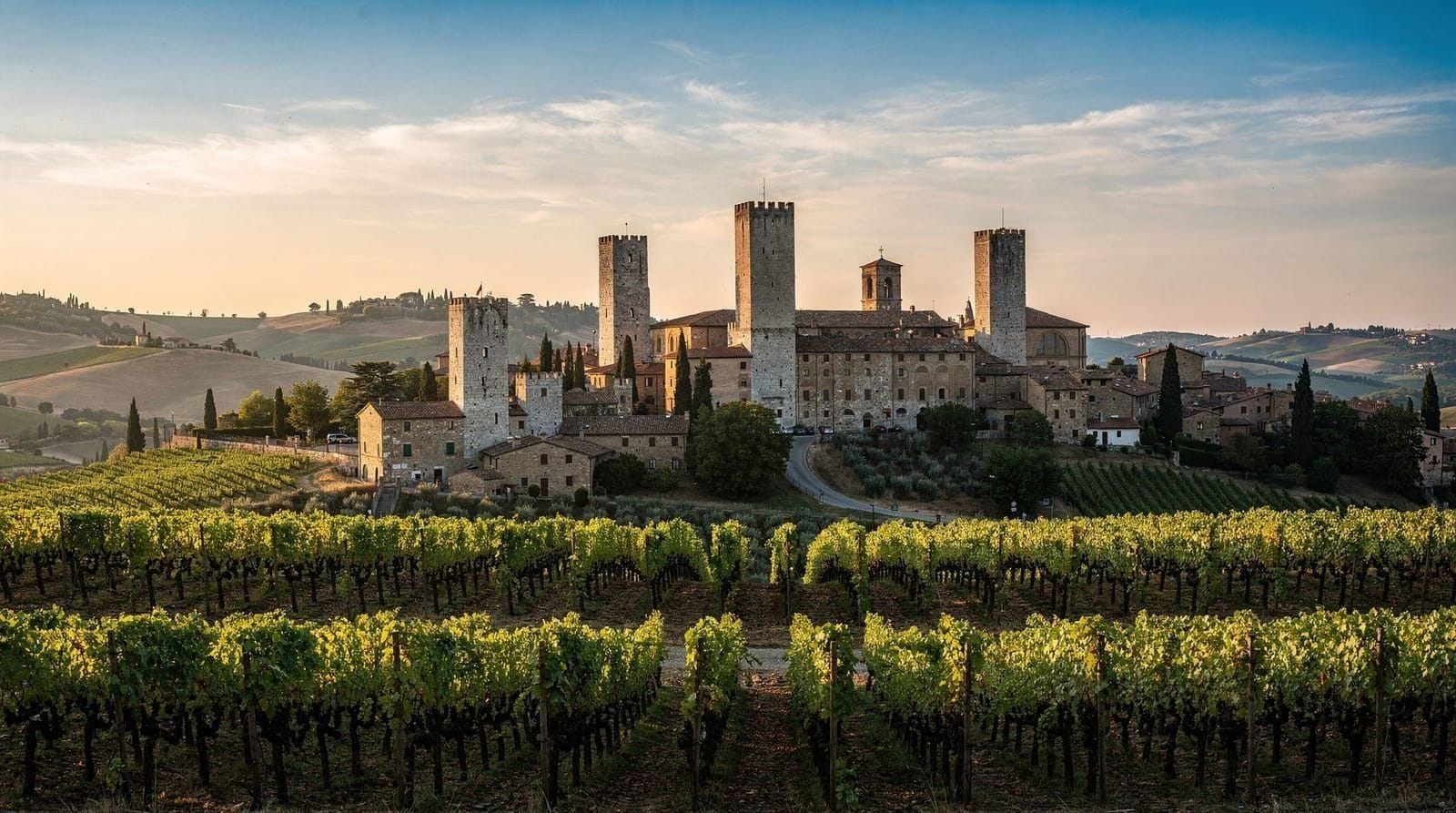
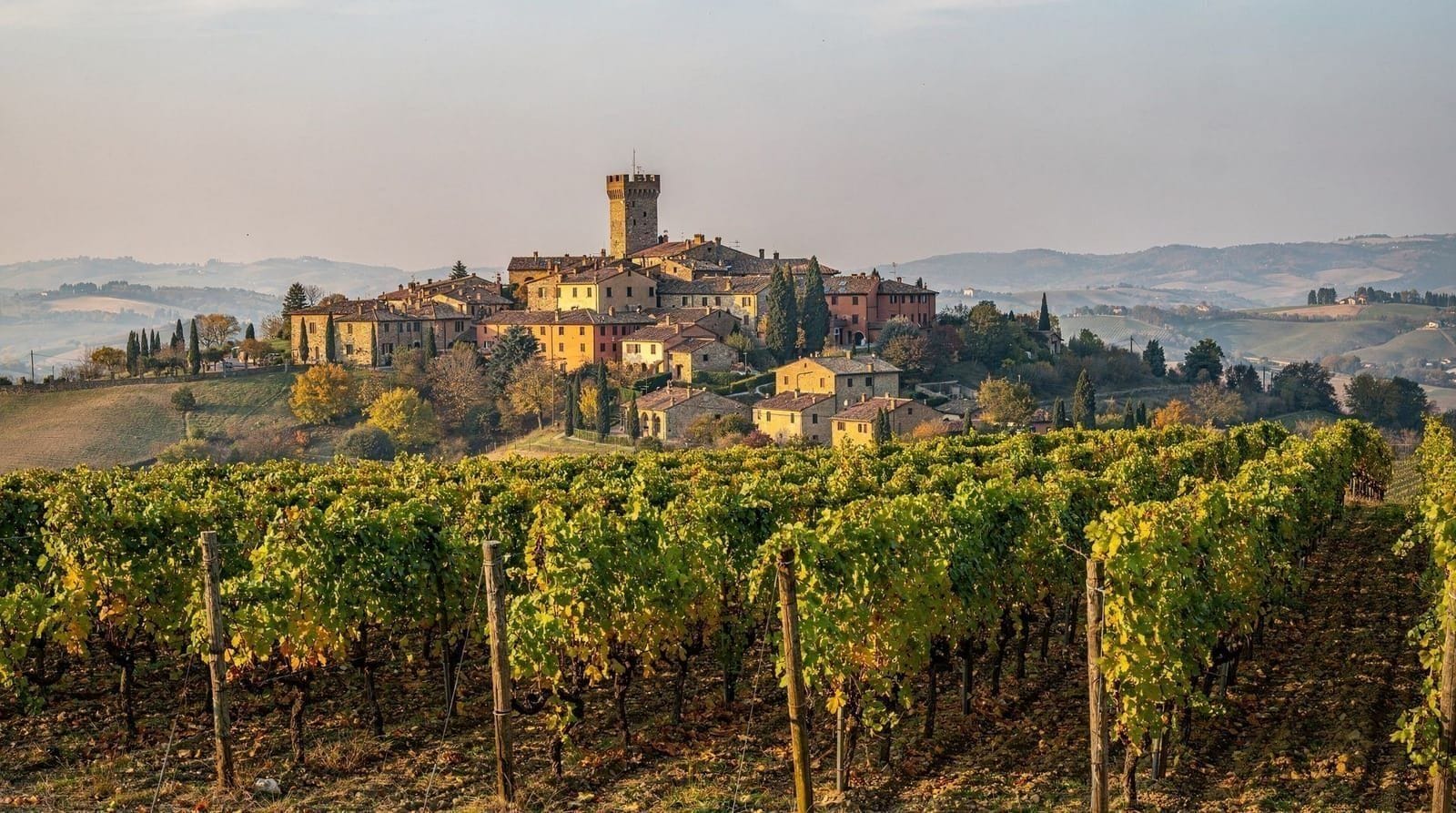
Volterra sits at 545 metres on a dramatic ridge above deeply eroded badlands — the biancane, whitish clay ravines that have been slowly consuming the city’s edges for centuries. The effect, particularly on a misty morning when the valley fills with cloud, is theatrical. But Volterra earns its reputation through substance rather than scenery: it was a major city of the Etruscan League for six centuries before the Romans arrived in 260 BC, and the layers of that history — Etruscan city walls, a Roman theatre, medieval towers, alabaster workshops active since the 2nd century BC — are visible, accessible and explained with unusual depth in the Museo Etrusco Guarnacci.
Volterra is further from Florence than most Chianti or Val d’Orcia destinations (75 kilometres, about 1 hour 20 minutes by car), and requires either a car or a patience-requiring sequence of bus changes. It receives far fewer visitors than San Gimignano despite having more significant archaeological heritage. That balance is in the visitor’s favour.
| Where | Chianti-Siena hills, 75km southwest of Florence |
| Cost | Around €30-60/day incl. museum entries and lunch |
| Time needed | Full day (5-6 hours minimum) |
| Getting there | Car, ~1h20; or bus via Poggibonsi, 2-2.5h |
| Best time | April-June and September-October |
Getting to Volterra from Florence
By car (recommended)
Take the A1 south from Florence toward Siena, exit at Poggibonsi Nord, then follow SS68 west toward Volterra. Total journey approximately 1 hour 20 minutes. Alternatively, take the Superstrada Firenze-Siena south and follow signs. The last section of road into Volterra winds up through spectacular eroded landscape.
Parking: The main car park at Piazza Martiri della Libertà is just outside the old city walls and is the most practical option (approximately €2/hour, €10 for a full day). Entering the historic centre by car is restricted.
By bus (slower but possible)
From Florence, take a train or bus to Colle di Val d’Elsa or Poggibonsi, then connect to Volterra by CTT Nord bus. Total journey 2-2.5 hours each way depending on connections. Check current Tiemme/CTT Nord timetables carefully — services are limited and connections can be tight. This option works but needs advance planning. Return buses in the evening are especially infrequent.
There is no direct train to Volterra; the nearest station, Saline di Volterra on the Cecina-Colle val d’Elsa line, requires a 15-minute connecting bus and is rarely used by tourists.
The Museo Etrusco Guarnacci
The single most important reason to visit Volterra. Founded in 1761, the Guarnacci is one of the oldest public museums in Italy and holds the third-largest collection of Etruscan artefacts in the world. Its particular strength is its collection of over 600 alabaster and terracotta cinerary urns — funerary containers for cremated remains, dating primarily from the 3rd-1st centuries BC and carved with extraordinary narrative relief scenes from Greek mythology, Etruscan beliefs and everyday life.
Highlights:
-
L’Ombra della Sera (Shadow of the Evening): A slim, elongated bronze votive figure from the 3rd century BC, standing just 57 cm tall. Its uncanny proportions — impossibly thin, elongated limbs — anticipate Giacometti by 2,300 years. This single object justifies the museum visit.
-
Urna degli sposi (Urn of the Married Couple): A remarkable terracotta urn lid showing an elderly husband and wife reclining together — an intimate, unheroic portrait of old age that feels startlingly modern.
-
The urn collection: 600-plus carved alabaster urns displayed in their original wooden cabinets, with recurring narrative scenes. Allow 45-60 minutes to do them justice.
Opening hours: Monday-Sunday 9:00-19:00 (shorter hours November-March: 10:00-16:30). Admission approximately €9 adults. Combined tickets available with other Volterra museums.
Piazza dei Priori and the medieval centre
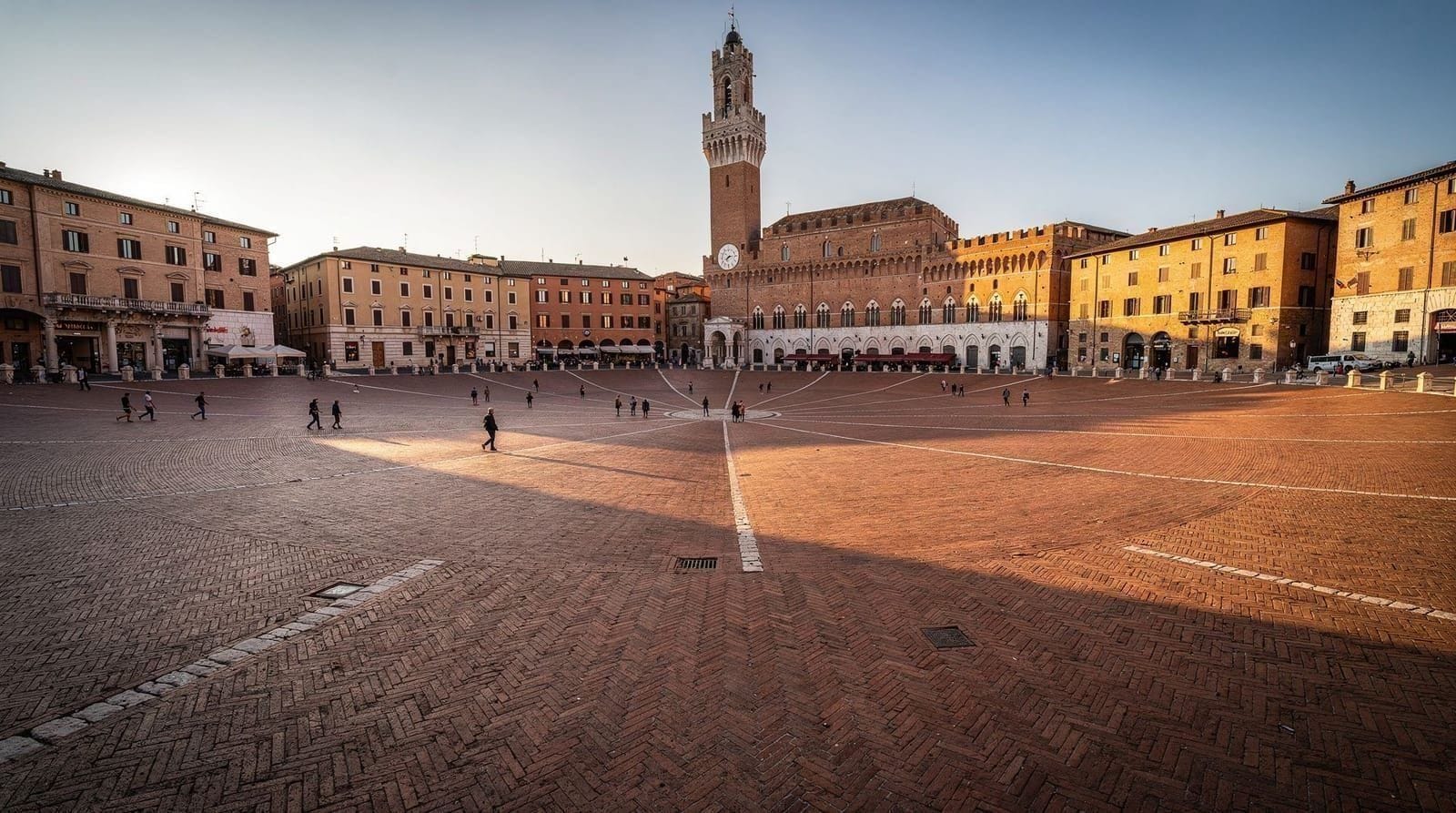
The main piazza of Volterra is one of the best examples of medieval civic architecture in Tuscany. The Palazzo dei Priori (1208-1254) is the oldest surviving medieval civic palace in Tuscany and served as the model for Florence’s Palazzo Vecchio. Its distinctive crenellated tower rises 50 metres above the square. Climb it for panoramic views: admission approximately €5; seasonal hours apply.
The Cathedral of Santa Maria Assunta on the north side of the square has a Romanesque exterior and a more elaborate interior with 16th-century painted ceiling coffered by Florentine craftsmen. The Baptistery (separate from the cathedral) dates to 1283 and retains its original marble facing.
The medieval streets behind the piazza — Via Marchesi, Via Buomparenti, the maze of lanes descending from the Torre del Porcellino — reward wandering. Volterra retains more intact medieval fabric than many comparably sized Tuscan towns because it was never extensively “modernised” during the Renaissance boom. The result is occasionally austere but architecturally authentic.
The Acropolis and Roman Theatre
Roman Theatre of Volterra
Discovered in the 1950s, the Roman theatre (1st century BC) is one of the best-preserved in Italy, visible from a free viewpoint on Via Lungo le Mura del Mandorlo or accessible by paid entry (approximately €5) to walk the stage and cavea. The theatre seated around 2,000 people and has been sufficiently excavated to show the stage building’s full height and the backstage service corridors. Open daily 10:00-18:00 (shorter hours in winter).
Etruscan city walls and Arco Etrusco
Volterra’s Etruscan walls, built from the 4th century BC and reconstructed by the Romans, still encircle the town. The most impressive survival is the Porta all’Arco (Etruscan Gate), a 3rd-century BC arched gateway with three eroded basalt heads — Etruscan deities, probably — embedded in the keystone. The gate is a functioning entrance to the old city and is free to walk through. At dusk it is particularly atmospheric.
Alabaster: Volterra’s living craft
Volterra has been the centre of Italian alabaster working since Etruscan times. The city sits above deposits of fine-grained gypsum alabaster, and the craft has continued without major interruption for over two millennia. Today roughly 50 alabaster workshops and studios operate in and around the city, ranging from mass-production souvenir factories to genuine craftspeople who will explain the material, demonstrate turning on a lathe, and sell pieces of real quality.
The distinction between the two types is visible: tourist-grade alabaster (smooth, uniform, often dyed) vs. natural alabaster with its veining, translucency and character. Prices for quality pieces range from €30 for a small bowl to several hundred euros for lamps and sculptures.
Workshop visits: The Cooperative Artieri Alabastro (Via Orti Sant’Agostino) is a reliable place to see genuine craftspeople at work and buy directly. The Museo Alabastro (Piazza dei Priori) provides context on the material’s history and use.
Honest note: much of what is sold as “Volterra alabaster” in gift shops elsewhere in Tuscany is imported stone from Pakistan and China. Buy in Volterra itself, ideally directly from a workshop with a visible lathe.
What to eat in Volterra
Volterra’s food scene reflects its rural character: hearty, unfussy Tuscan cooking with an emphasis on local ingredients. Truffle features heavily in autumn (October-December). Wild boar, pici pasta and ribollita are standard offerings.
Restaurants: La Carabaccia on Via Cavour is well regarded for honest Tuscan cooking at fair prices (€30-40 per person). Osteria dei Poeti near the piazza offers a more rustic setting. Avoid the restaurants immediately on Piazza dei Priori, which tend toward tourist pricing.
Panino with local salumi: A cheaper option — several alimentari and deli counters make up panini with local cured meats and pecorino. Buy one and eat it at a bench with views of the valleys.
Aperitivo culture: Volterra has a modest but genuine aperitivo circuit. Bar Priori on the piazza serves the Volterrano aperitivo, which typically includes a glass of local wine and a few bites, from around 18:00.
Practical day-trip planning
A full day is the right allocation for Volterra. The drive from Florence takes 1 hour 20 minutes; add travel time and you have roughly 6-7 hours in the city if you leave Florence by 9:00 and return by 19:00.
Suggested programme:
- Morning: Museo Etrusco Guarnacci (1.5 hours), Piazza dei Priori and Palazzo dei Priori tower (45 minutes)
- Late morning: Roman theatre viewpoint, walk the walls to Arco Etrusco
- Lunch: One of the trattorias behind the main piazza
- Afternoon: Alabaster workshop visit or purchase, Cathedral, wandering medieval streets
- Late afternoon: Drive back to Florence
Combining with San Gimignano: San Gimignano is 30 kilometres east of Volterra (40 minutes by car). Combining both in one day is ambitious but possible if you leave Florence early. Allocate a morning to Volterra and early afternoon to San Gimignano. Both towns are compact enough to visit quickly if you prioritise. Our San Gimignano guide covers what to prioritise there.
For a full day in the Chianti area combined with Volterra’s archaeology, see our Tuscany hill towns road trip itinerary.
Frequently asked questions about Volterra
Is Volterra worth visiting over San Gimignano?
Volterra has significantly more historical depth — three millennia of continuous occupation, the best Etruscan museum in Tuscany, intact Roman theatre, functioning Etruscan gate, living craft tradition — but fewer dramatic visual assets than San Gimignano’s towers and is further from Florence. For history and archaeology enthusiasts, Volterra wins. For a single photogenic day trip that is easy by bus, San Gimignano is more accessible.
How long do you need in Volterra?
A minimum of 5-6 hours for a satisfying visit covering the Guarnacci museum, main piazza, Roman theatre and a quick alabaster workshop. A full day allows a more leisurely pace. The town is compact; you will not run out of things to see before running out of time.
What is the best thing to see in Volterra?
The Museo Etrusco Guarnacci, particularly L’Ombra della Sera, is the standout. The Arco Etrusco (Etruscan gate) and the Roman theatre are close seconds. Together they represent one of the most coherent surviving Etruscan-to-Roman urban sequences in Italy.
Is Volterra accessible without a car?
Yes, but with effort. Bus connections from Florence via Colle di Val d’Elsa or Poggibonsi take 2-2.5 hours each way with a change. Services are infrequent; check CTT Nord timetables in advance. A car makes the day significantly more manageable.
What should I buy in Volterra?
Alabaster, but selectively. Buy from workshops where you can see the craftspeople working — the Cooperative Artieri Alabastro is the most reliable option. Avoid alabaster sold as Volterra-origin in shops outside the city, which is frequently imported stone.
Does Volterra have a tourist trap problem?
Less so than San Gimignano or Siena. Volterra’s visitor numbers are significantly lower, which means restaurants and shops serve both tourists and locals and prices remain more honest. The alabaster souvenir market has its mass-production corner, but the genuine workshop tradition coexists alongside it. The main risk is choosing a mediocre restaurant on the main piazza rather than walking a street back.
Volterra’s quieter corners
Beyond the main sights, Volterra rewards slow wandering more than most Tuscan hill towns because it genuinely has fewer visitors competing for the same streets. The Parco Archeologico Enrico Fiumi, a green space behind the Palazzo dei Priori occupying part of the old Etruscan acropolis, is a good place to sit with a panino and look out over the badlands without paying for entry anywhere. The Balze, dramatic eroded cliffs on the town’s northwestern edge where centuries of erosion have swallowed part of an ancient necropolis and a medieval church, are reachable by a short walk outside the walls and offer some of the most striking views in the area — best in late afternoon light. Few day-trippers make it out to the Balze, which is precisely their appeal.
Volterra, Siena and San Gimignano: choosing between them
If a single Tuscan hill-town day is all the schedule allows, the choice usually comes down to three candidates. Siena offers the grandest civic architecture and the most going on (the Palio, the contrade, serious museums) but draws bigger crowds. San Gimignano is the fastest, most photogenic option, reachable by bus, but thinner on substance beyond its towers. Volterra sits between them: more archaeological depth than either, genuinely quieter streets, but the longest and least convenient journey from Florence. Combining Volterra with Castellina in Chianti on the drive back is a reasonable way to add a wine stop without a major detour.
Top experiences
Bookable activities with verified prices and instant confirmation on GetYourGuide.