Tuscany hill towns road trip
Florence: Siena, San Gimignano and Chianti day trip
- Free cancellation
- Hotel pickup
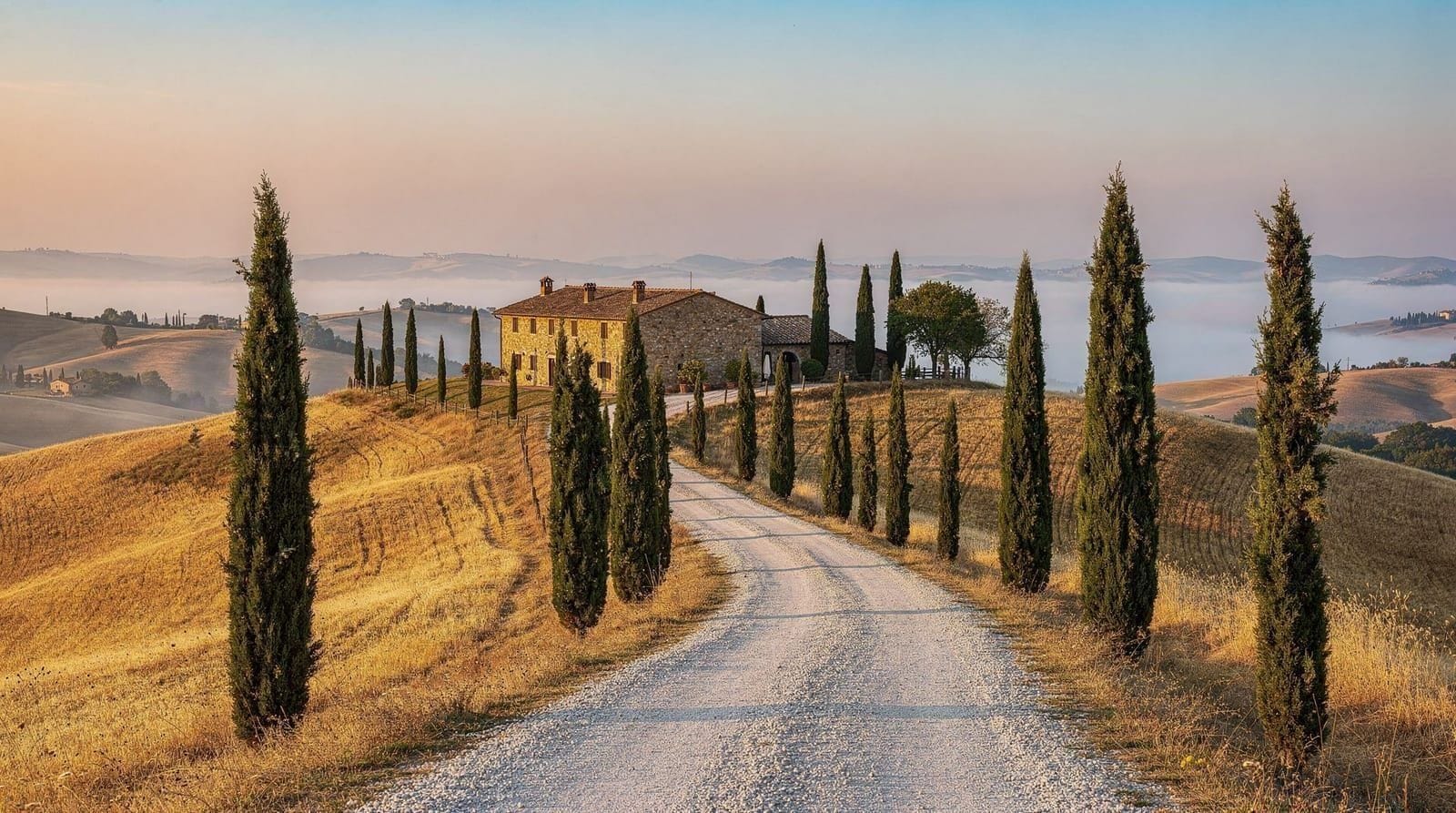
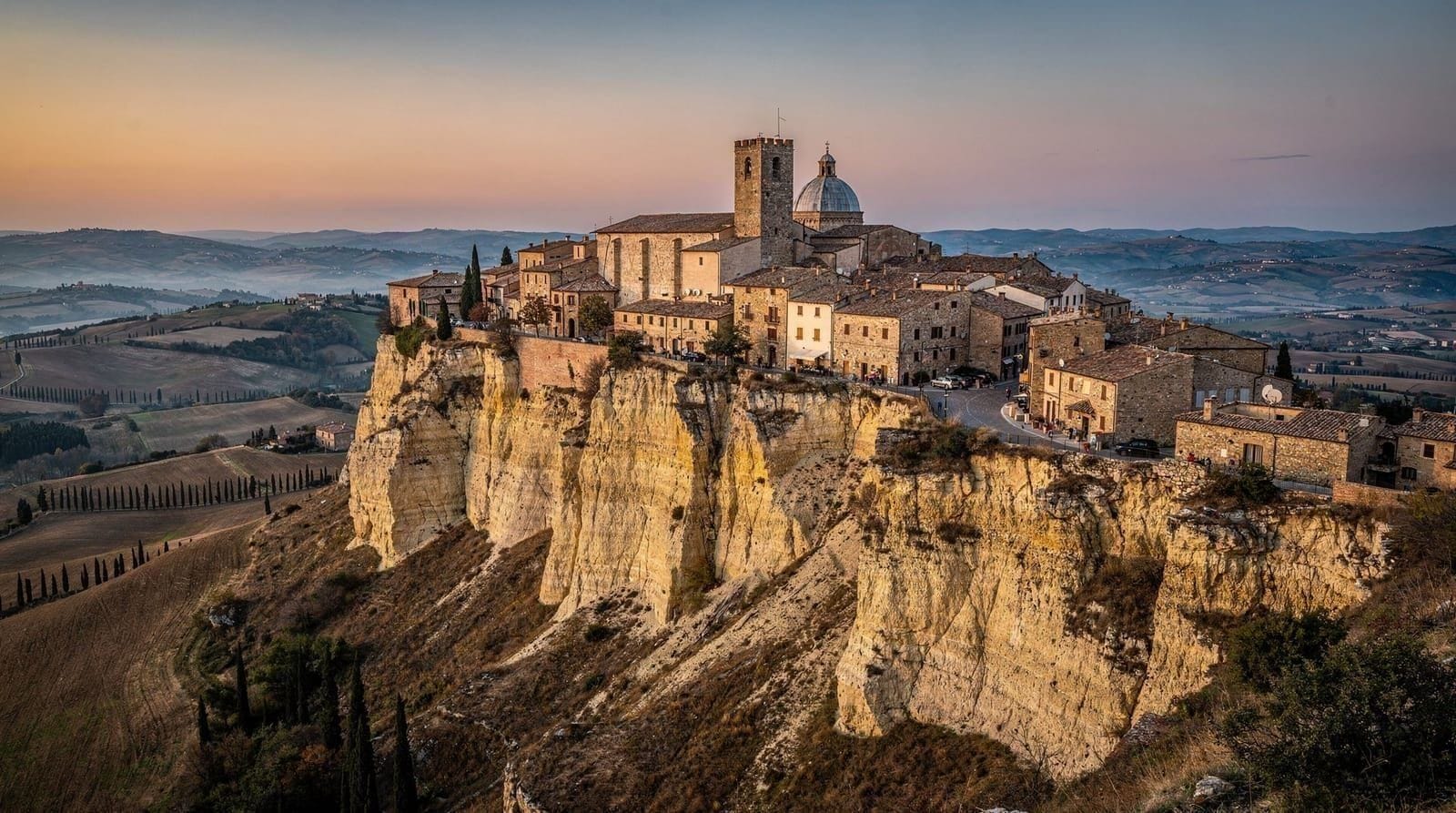
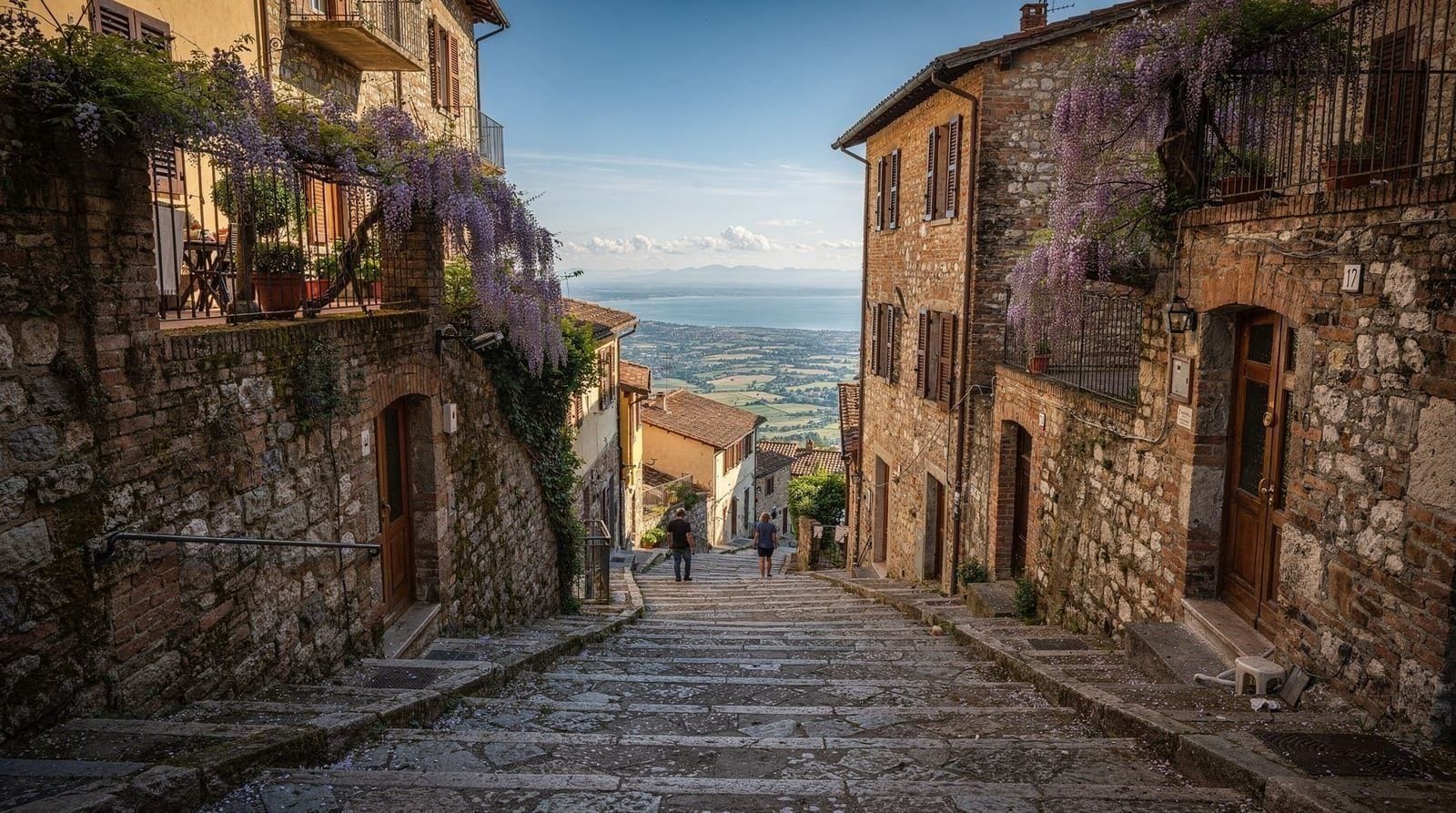
Tuscany’s hill towns are its backbone: medieval settlements built on defensible ridges, each with a personality shaped by centuries of rivalry with its neighbours. This four-day road trip strings together the best of them — Siena, San Gimignano, Volterra, Cortona and Arezzo — without overlap or backtracking, forming a rough loop that begins and ends near Florence.
| Where | Siena, San Gimignano, Volterra, Cortona, Arezzo |
| Cost | Around €220–320pp over four days |
| Time needed | 4 days, car essential |
| Getting there | Pick up car in Florence or Pisa |
| Best time | Spring or September–October, avoiding August heat |
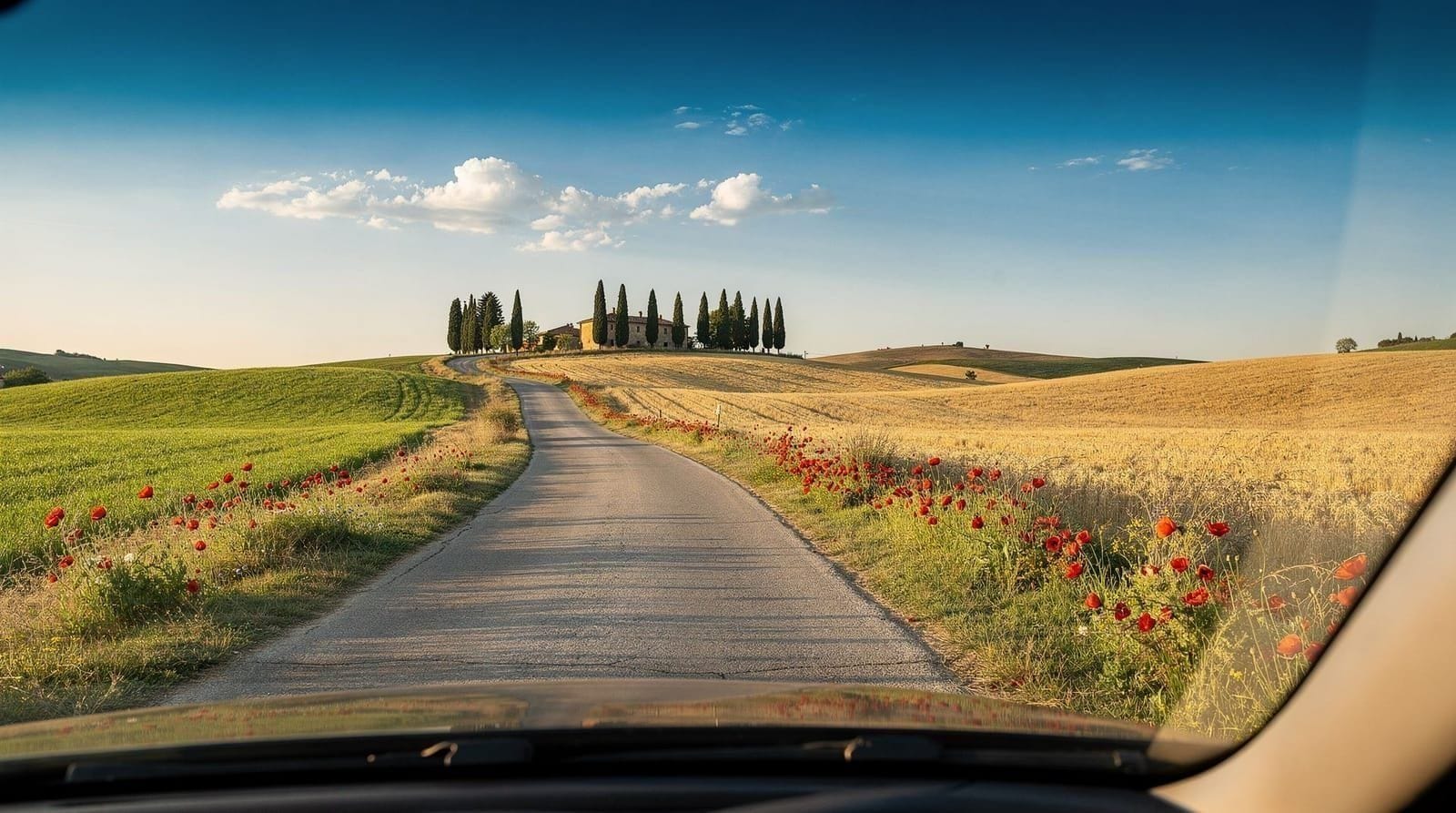
A car is essential. The towns are connected by provincial roads (SP/SR designations) rather than efficient train lines. Distances are short — the longest leg is 80 km — but the routes go through hills that add time.
Budget estimate: €220–320 per person over four days: accommodation (€70–130/night), meals (€50–70/day), museum entries (€7–12 per town), fuel and parking.
Start/end: This loop works from Florence (pick up the car at the station or airport) or Pisa (if arriving by air). It can be reversed or shortened.
Four days at a glance:
| Day | Base | Highlights |
|---|---|---|
| Day 1 | Siena | Chianti road, arrival in Siena |
| Day 2 | Siena/San Gimignano | Siena Duomo, San Gimignano towers |
| Day 3 | Cortona | Volterra, drive to Cortona |
| Day 4 | Return | Cortona morning, Arezzo, return to Florence/Pisa |
Day 1: Florence to Siena via Chianti
Morning: Chianti Classico road (10:00 departure)
Pick up the rental car and head south on the Via Chiantigiana (SR222) — the scenic wine road through the Chianti hills. Stop at Greve in Chianti (37 km, 45 minutes from Florence) for a coffee and a look at the triangular piazza.
If time permits, stop at Panzano in Chianti (7 km further) and walk the Conca d’Oro vineyards, or stop for an enoteca tasting at any of the winemakers along the road. Our Chianti wine guide identifies the best stops.
Castellina in Chianti (18 km south of Panzano) has the Via delle Volte — a medieval tunnel arcade running beneath the fortification walls, unique in the region.
Continue south on the SR222 to Siena (35 km, 45 minutes from Castellina).
Afternoon: Siena (14:00–18:00)
Check in to your Siena hotel (most provide parking codes for the ZTL; use them). Walk into the centre.
Siena requires at least a full afternoon and evening:
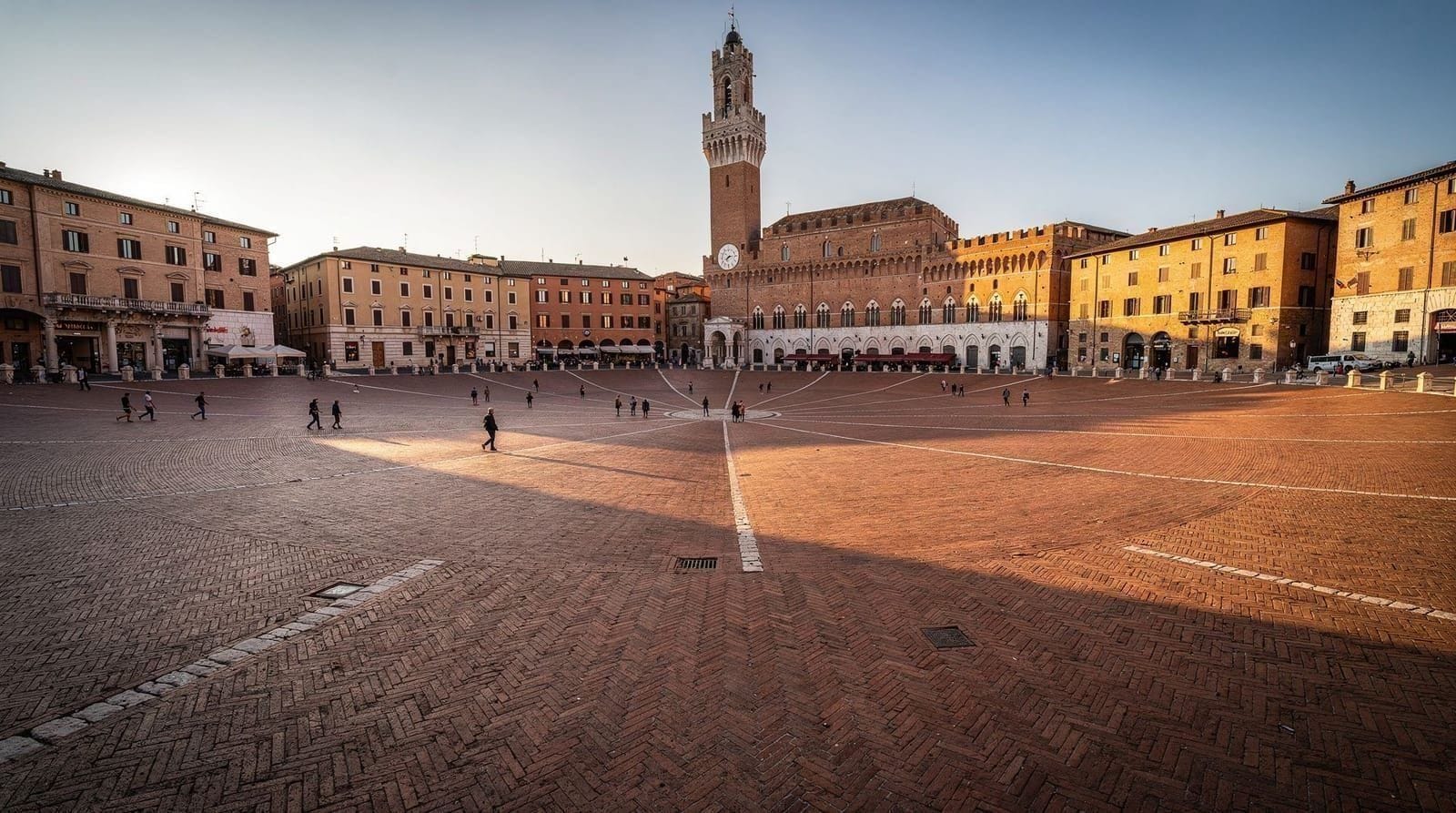
- Piazza del Campo — find a spot on the sloping brickwork and sit for 30 minutes. The 13 segments of paving represent the medieval Nove (Nine) government.
- Torre del Mangia (€10, 400 steps) — the 88 m tower gives the best elevated view of the Campo from above. Last entry 30 minutes before close.
- Palazzo Pubblico / Museo Civico (€10) — the interior holds Simone Martini’s Maesta (1315) and Ambrogio Lorenzetti’s Allegory of Good and Bad Government (1338–40), the most complete secular fresco cycle from medieval Italy. Extraordinary.
Evening dinner in Siena
- Osteria La Chiacchera (Costa di Sant’Antonio 4) — tiny, cheap, excellent pici con ragù ~€12
- Enoteca I Terzi (Via dei Termini 7) — better wine list, crostini and small plates, ~€25
- Il Campo (Piazza del Campo) — expensive for the location, but worth one dinner on the square
Day 2: Siena and San Gimignano
Morning: Siena Duomo complex (9:00–12:00)
The Siena Duomo is the morning’s priority. The OPA SI Pass (€15–25 depending on inclusions) covers everything:
- Cathedral interior — black-and-white striped marble columns, Nicola Pisano’s hexagonal pulpit (1268), the extraordinary marble-inlaid floor (partially covered most of the year, fully visible in September)
- Piccolomini Library (inside the Duomo) — Pinturicchio’s 10-panel fresco cycle depicting the life of Pope Pius II; colours as vivid as the day they were painted
- Crypt — recently excavated Romanesque crypt with 13th-century frescoes; extraordinary
- Panorama dal Facciatone — view from the wall of Siena’s unfinished cathedral extension (the Black Death stopped construction in 1348); best view in the city
Duomo opening hours: 10:30–17:30 (seasonal variation); Panorama closes earlier.
Lunch near the Duomo:
- La Vecchia Latteria (Pian dei Mantellini 10) — simple, cheap, pasta and salads
- Morbidi (Via Banchi di Sopra 75) — excellent deli and wine shop with counter seating
Afternoon: San Gimignano (13:30–17:30)
Drive 40 km northwest from Siena to San Gimignano (50 minutes on the SR2 and SR68). Park in the Parcheggio Giubileo or Parcheggio Bagnaia outside the walls.
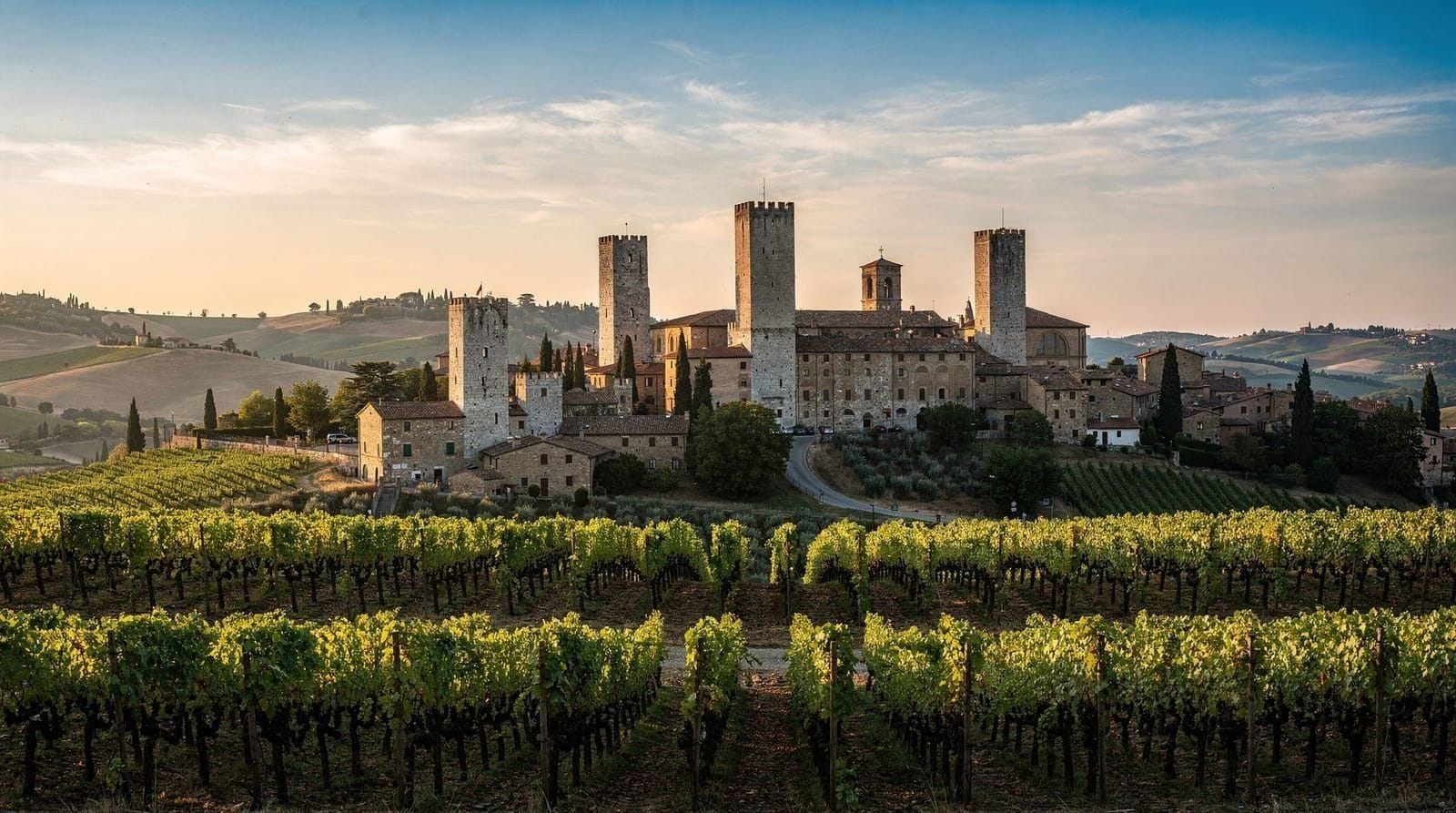
The 14 surviving towers dominate the skyline from every approach road. Inside the walls, the main draw is:
- Piazza della Cisterna — the older square; 13th-century well; towers on three sides
- Piazza del Duomo — the civic square; Palazzo del Popolo (tower with Duccio-influenced Maesta upstairs)
- Collegiate Church (Duomo) — 5-minute walk from the piazza; Domenico Ghirlandaio’s frescoes in the Chapel of Santa Fina (right aisle) are some of the most beautiful in Tuscany; €5 entry
- Rocca di Montestaffoli — ruined fort above the town; free; no queues; excellent view of the tower skyline and the surrounding Vernaccia di San Gimignano vineyards
Gelato: Gelateria Dondoli (Piazza della Cisterna 4) — world champion in 2006 and 2008; the crema di Santa Fina (saffron and pine nut) is the famous local flavour.
Overnight: Stay in San Gimignano or return to Siena for the night. San Gimignano has several good small hotels inside the walls; Siena has more choice.
Dinner:
- Osteria delle Catene (Via Mainardi 18, San Gimignano) — excellent ribollita and local Vernaccia wine pairings; mains €14–18
- Il Pino (Via Cellolese 8, San Gimignano) — simple trattoria, good value
Day 3: Volterra and Cortona
Morning: Volterra (9:30–13:00)
Drive 30 km west from San Gimignano to Volterra (40 minutes). This Etruscan and medieval city sits at 555 m on a plateau above the Cecina and Era rivers — more dramatic in setting than any of the previous towns, and far less visited than San Gimignano.
What to see:
- Museo Etrusco Guarnacci (Via Don Minzoni 15, €9) — one of the finest Etruscan collections outside Rome: nearly 600 alabaster funerary urns, the haunting Ombra della Sera (Shadow of Evening — a bronze figure stretched thin, which Giacometti later claimed never to have seen), and the Urna degli Sposi (married couple urn, 1st century BC). Allow 1.5 hours.
- Pinacoteca (Via dei Sarti, €7) — small collection with a Rosso Fiorentino masterpiece: the Deposizione dalla Croce (1521), an extraordinary Mannerist painting with violent colour contrasts
- Piazza dei Priori — the main square; Palazzo dei Priori (the oldest governing palace in Tuscany, 13th century); the alabaster workshops on the surrounding streets sell the city’s traditional craft
- Roman Theatre (external view from Via Francesco Ferrucci, free) — 1st century BC, excavated from below the medieval walls; more atmospheric from above than inside
Lunch in Volterra:
- La Vena di Vino (Via Don Minzoni 30) — wine bar with excellent local cheese and salumi; informal lunch ~€15
- Trattoria Il Sacco Fiorentino (Piazza XX Settembre 18) — old-school Tuscan, ribollita and boar ragu, mains €14–18
Afternoon: drive to Cortona (14:30)
Cortona is 100 km east of Volterra (1h30 via Siena or 2h via the scenic route through the crete senesi). The drive through the crete — the pale clay hills south of Siena, sparse and haunting — is one of the great Tuscany drives.
Cortona sits at 600 m on the slope of Monte Sant’Egidio, overlooking the Chiana valley and Lake Trasimeno (in Umbria). The town became internationally famous through Frances Mayes’s memoir Under the Tuscan Sun, but it had been exceptional long before that.
Arrive and walk (16:30–18:30):
- Piazza della Repubblica — the main square; terrace bars overlooking the valley
- Piazza Signorelli — the higher square; Palazzo Casali museum (Etruscan artefacts and medieval weapons); €5
- Santa Margherita church (upper town) — 20-minute walk up from the piazza; views over the Chiana valley worth the climb
Overnight in Cortona:
- Hotel San Michele (Via Guelfa 15) — restored 15th-century palazzo, excellent central location; doubles ~€120–160
- La Corte di Ambra (Via Roma 35) — charming B&B, terraced garden; doubles ~€90–130
Dinner in Cortona:
- Ristorante La Grotta (Piazza Baldelli 3) — cellar dining in a cave-like space; Chianina beef and local pasta; mains €16–22
- Osteria del Teatro (Via Maffei 2) — the best table in Cortona; seasonal menu, long wine list; book ahead; €40–60 pp
Day 4: Cortona, Arezzo and return
Morning: Cortona (9:00–11:00)
With the morning light, Cortona’s elevated position becomes its main attraction.
- MAEC (Museo dell’Accademia Etrusca) (Piazza Signorelli 9, €10) — the best Etruscan museum in Tuscany outside Florence; the 5th-century BC Lampadario (Etruscan chandelier) is extraordinary
- Museo Diocesano (Piazza del Duomo 1, €7) — Fra Angelico’s Annunciation (1430) and Pietro Lorenzetti altarpiece; small but exceptional
- Walk the medieval walls for views in both directions — the Chiana valley to the east, Monte Sant’Egidio behind
Leave by 11:30 to allow time for Arezzo.
Midday: Arezzo (12:00–15:30)
Drive 30 km north to Arezzo (35 minutes). The city is famous for the Piero della Francesca frescoes in the church of San Francesco and for its weekly antiques market.
What to see:
- San Francesco church (Piazza San Francesco) — Piero della Francesca’s Legend of the True Cross fresco cycle (1452–66) covers the entire apse; one of the great Renaissance cycles, rivalling Michelangelo’s Sistine Chapel in ambition. Entry to the fresco choir: ~€10, timed entry required (book in advance at 0575-352727 or online). Bookings fill up in peak season.
- Piazza Grande — Arezzo’s sloping medieval square, used for the Giostra del Saracino (joust) in June and September; ringed by medieval arcades
- Sant’Maria della Pieve (Corso Italia) — a Romanesque church with an elaborate blind arcade facade; free; the polyptych altarpiece by Pietro Lorenzetti is inside the high-ceilinged nave
- Antiques market — the first Sunday and preceding Saturday of each month (and the Friday evening), Piazza Grande fills with antiques dealers from all over Italy. The largest antiques fair in Italy.
Lunch in Arezzo:
- Ristorante Buca di San Francesco (Via San Francesco 1) — near the church; good Arezzo cooking, ribollita and truffles; mains €16–22
- Caffè dei Costanti (Piazza San Francesco 19) — coffee and sandwiches; outdoor seating
Afternoon: return to Florence or Pisa
To Florence: A1 autostrada north from Arezzo; 1 hour (80 km). To Pisa airport: A1 north, then A11/FI-PI-LI motorway; 1h45 (130 km).
Drop the rental car at Florence Santa Maria Novella station or the airport, or at Pisa airport.
Driving logistics
Key routes:
- Florence → Greve → Siena: SR222 (scenic, 1h30) or FI-SI superstrada (faster, 1h)
- Siena → San Gimignano: SR2 north then SP68 west (50 minutes)
- San Gimignano → Volterra: SR68 west (40 minutes)
- Volterra → Cortona: various routes via Siena; budget 1h30–2h
- Cortona → Arezzo: SS71 north (35 minutes)
- Arezzo → Florence: A1 north (1 hour)
Petrol: Fill up in Siena, Volterra and Arezzo — smaller towns have fewer service stations.
ZTL: All five towns have ZTL zones. Park outside the walls, follow P signs. Hotel parking codes (when provided) allow entry for check-in only.
How this compares to a wine-focused week
This itinerary is built around hill towns and art rather than wine estates — Chianti appears only as a Day 1 driving corridor, not a destination in its own right. If wine tasting is the priority, the perfect Tuscany week dedicates proper time to Chianti wineries and the Val d’Orcia’s Brunello estates, or the dedicated Val d’Orcia road trip goes deep on Montepulciano, Pienza and Montalcino specifically. This four-day loop suits travellers who want maximum architectural and art variety in minimum time — five distinct towns, five distinct characters, no repetition.
Shortening or combining with Florence
If you’re arriving from Florence with limited time, the loop compresses reasonably well: cut Cortona and go Siena → San Gimignano → Volterra → Arezzo → Florence in three days, sacrificing depth in Volterra and Arezzo for a tighter schedule. Alternatively, treat Day 1 (Siena via Chianti) as a standalone day trip from Florence without checking out of your Florence hotel — many visitors doing Florence in three days or longer bolt this hill-town loop on as a single extra day rather than the full four.
Where to eat on the road
Each overnight base has at least one restaurant worth planning a meal around rather than picking on arrival: in Siena, book Osteria La Chiacchera or Enoteca I Terzi ahead for weekend dinners; in San Gimignano or Cortona, small-town kitchens fill quickly once a coach tour group checks in for the evening, so a same-day reservation by phone or in person on arrival is worth the five minutes it takes. Lunches are more flexible everywhere — the deli-counter and wine-bar lunches listed for Volterra and Siena (La Vena di Vino, Morbidi) work well for a road trip because they don’t demand a fixed sitting time, which matters when a museum visit or a scenic stop runs long.
Photography notes
Each town rewards a different time of day. San Gimignano’s towers photograph best from the approach road in late afternoon, backlit against the sky. Volterra’s dramatic plateau setting suits early morning, when mist sometimes sits in the valleys below. Cortona’s elevated position makes sunset from the medieval walls one of the best unscripted views in this itinerary — arrive by 18:30 in summer. Siena’s Piazza del Campo is atmospheric at any hour but least crowded at opening time, before the tour groups arrive.
Frequently asked questions about this itinerary
Can I do this road trip in three days instead of four?
Yes, by cutting Cortona or combining Siena into a half-day and spending more time in the other towns. A compressed three-day version: Day 1 Siena, Day 2 San Gimignano + Volterra, Day 3 Arezzo and return. You’ll see less of each town but cover the same geography.
Is Siena or Arezzo the better base for this itinerary?
Siena is the better base for Days 1–2 (central, larger hotel range, good restaurants). Cortona works as a base for Days 3–4. For a single base covering the whole loop, Siena is most central — though the driving distances are modest throughout.
Should I visit San Gimignano or Volterra?
Both, if time allows. San Gimignano is more photogenic (the towers) and better preserved as a medieval streetscape. Volterra is more genuinely lived-in, less touristy, and has the better museum collection (Etruscan). If forced to choose, art lovers prefer Volterra; photographers prefer San Gimignano.
What is the best museum in this itinerary?
Piero della Francesca’s frescoes in San Francesco (Arezzo) are the single most important work of art on the circuit — comparable in ambition to the Sistine Chapel. Book the timed entry in advance. The Etruscan Museum in Volterra is the second most compelling.
What should I read before this trip?
For context on Siena: Iris Origo’s War in Val d’Orcia (not specifically about Siena, but perfectly captures the landscape and era). For Cortona: Frances Mayes’s Under the Tuscan Sun (the memoir, not the film). For the Etruscans: D.H. Lawrence’s Etruscan Places is still readable and visionary. For Piero della Francesca: Birgit Blass-Simmen’s monograph or the accessible chapter in Ross King’s art histories.
Top experiences
Bookable activities with verified prices and instant confirmation on GetYourGuide.

Florence: Siena, San Gimignano and Chianti day trip
- Free cancellation
- Hotel pickup
Siena: walking tour and skip-the-line Duomo tickets
- Skip the line
- Small group

Florence: Tuscany wine tour with 2 wineries and San Gimignano
- Free cancellation
- Small group

Florence: day trip to Pisa, Siena and San Gimignano with lunch
- Free cancellation
- Hotel pickup