Lucca day trip from Florence
Florence: half-day tour to Lucca
- Free cancellation
- Small group
How do I get to Lucca from Florence by train?
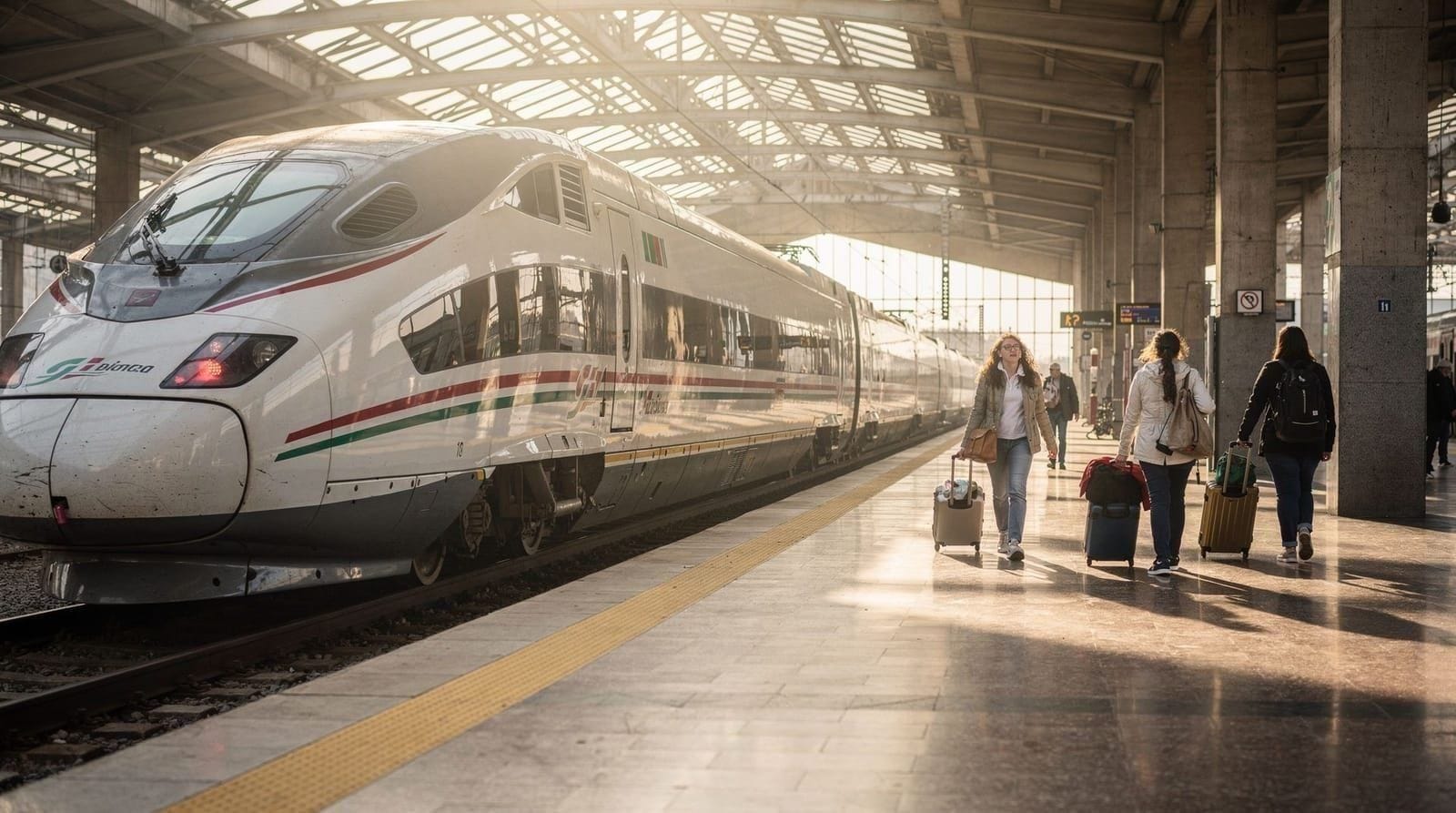
Regional trains from Santa Maria Novella take 1h15–1h25 to Lucca, with a change sometimes required at Pisa Centrale. Return fares cost €12–18. Trains run roughly hourly. No reservation required.
Why Lucca is worth going out of your way for
| Where | 1h15–1h30 by train from Florence Santa Maria Novella |
| Cost | Around €10–18 return train fare; €5–12 bike rental |
| Time needed | Half day (4 hours) minimum, full day (7–8 hours) recommended |
| Getting there | Direct or Pisa-change regional train, roughly hourly |
| Best time | April–May or September–October |
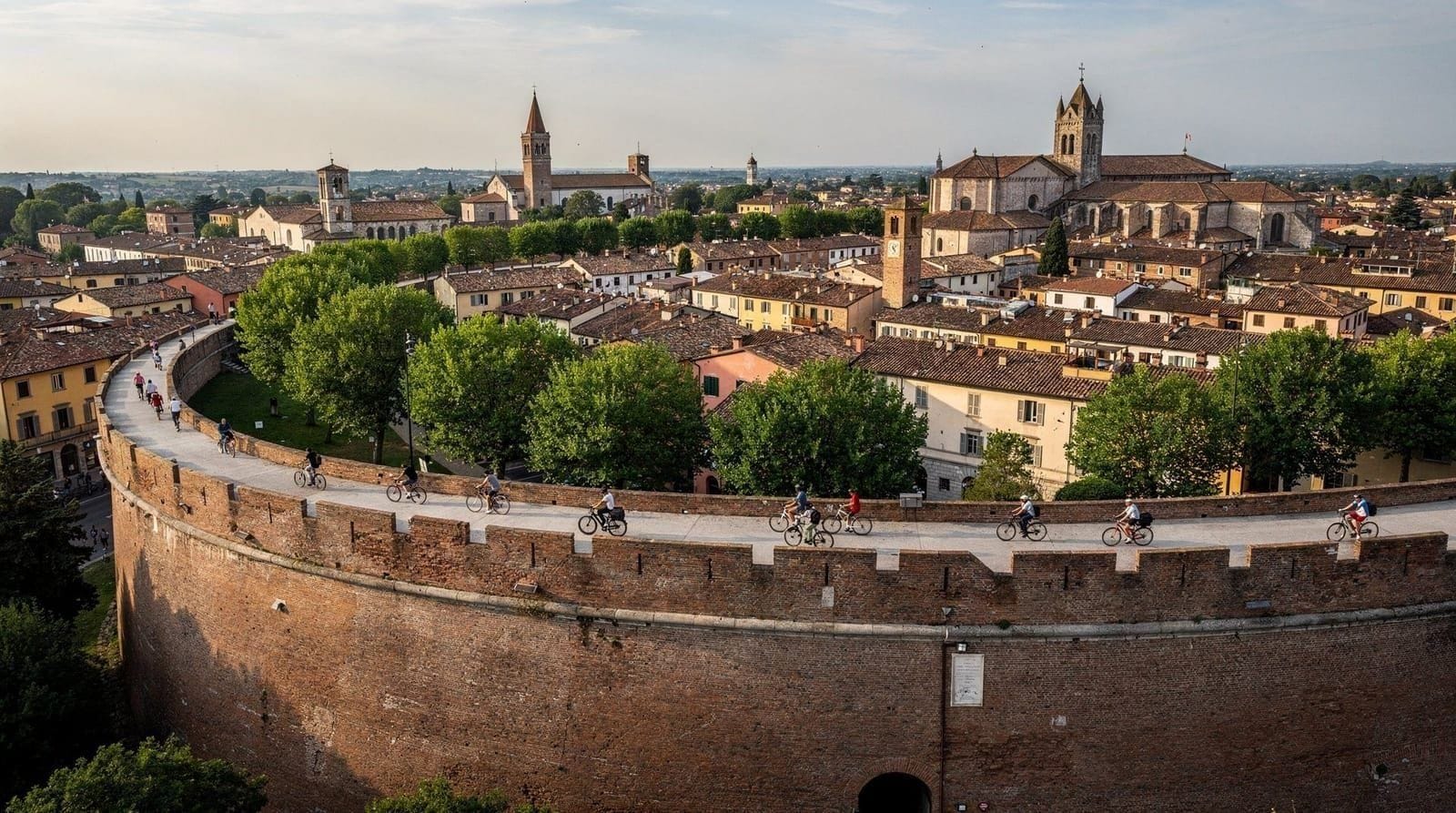
Lucca doesn’t have a universally famous single sight on the level of the Leaning Tower or the Uffizi. What it has instead is an intact world — a perfectly preserved Renaissance city that most foreign visitors skip because Pisa is right there getting all the attention. The walls are extraordinary: 4.2km of 16th-century ramparts, wide enough to cycle on top, planted with double rows of plane trees. The historic centre within them is almost entirely car-free, its towers and churches largely unchanged since the medieval era.
Locals actually live inside the walls. There are residential streets, a morning market at Piazza Anfiteatro (built on the foundations of a Roman amphitheatre), serious restaurants serving hyperlocal Lucchese cuisine, and relatively few of the souvenir shops that plague more famous Tuscan towns.
Getting to Lucca from Florence
By train
The most convenient route is a direct Regionale from Santa Maria Novella to Lucca (some services, check Trenitalia). More frequently, you’ll take a regional train to Pisa Centrale (55–60 minutes) and change for Lucca (20 minutes). Total journey time: 1h15–1h30.
| Route | Time | Frequency | One-way fare |
|---|---|---|---|
| SMN → Lucca (direct) | 1h15–1h25 | 1–2 per day | €9.90–12 |
| SMN → Pisa → Lucca | 1h20–1h40 | Every 60–90 min | €10.50–14 |
No seat reservation is needed. Buy tickets at the SMN ticket machines (select the Lucca destination; the machine will show you the best routing). Validate the ticket before boarding. If you’re connecting through Pisa Centrale, don’t exit the paid zone — follow signs to the Lucca platform.
Lucca Stazione is immediately outside the Porta San Pietro gate on the south wall. Walk through the gate and you’re in the historic centre within 2 minutes.
Recommended departure from Florence: 8:30–9:00am to arrive in Lucca by 10:00–10:30am, giving you a full day before the last comfortable return trains around 8–9pm.
By car
Florence to Lucca is 80km via the A11 Autostrada del Sole. Journey time 55–70 minutes depending on traffic. There is a large car park at Parcheggio Carducci (just outside Porta Santa Maria, well-signed from the ring road). Driving into the ZTL historic centre is not permitted and will result in an automatic fine of €80–335. For the wider picture of renting and driving in the region, see driving in Tuscany.
The city walls
The walls are Lucca’s most distinctive feature and the first thing to do on arrival. Completed between 1504 and 1645 using Renaissance military engineering (angled bastions to deflect cannon fire rather than absorb it), they were never actually tested in battle. Later generations converted them to a public park, planting the avenue of trees you see today.
At the top, the promenade is wide, flat, and shaded. You can walk the full circuit in about an hour at a casual pace. Cycling takes 20–25 minutes. Bikes can be rented from several shops clustered near the station gates:
- Cicli Bizzarri (Piazza Santa Maria 32) — €5 for 1 hour, €12 for a full day
- Barbetti Cycles (Via Anfiteatro 23) — similar prices, also rents tandems
The walls are open 24 hours and free to walk on.
What to see inside Lucca
Piazza dell’Anfiteatro
The most atmospheric space in the city, built over the foundation of a 2nd-century Roman amphitheatre. The oval outline of the old arena is preserved perfectly in the curve of the surrounding medieval buildings — some of which still incorporate Roman stonework in their lower floors. Today it’s ringed by cafes and restaurants. It’s busy at all hours but especially lovely in the morning.
Guinigi Tower (Torre Guinigi)
The Guinigi family’s medieval tower is famous for the holm oaks growing from its top storey — planted in the 15th century as a symbol of the family’s power and still thriving. Climb the 230 steps (ticket approximately €5) for views over the rooftops and the surrounding Apuan Alps. The oak trees at the top are genuinely surreal up close.
Cathedral of San Martino (Duomo)
The Duomo of Lucca is early Romanesque, with a facade of three tiers of small columns in asymmetric decoration (the bell tower came first and forced the design to be off-centre). Inside, the most important work is the Volto Santo, a wooden crucifix said to have been carved by Nicodemus from life. It’s been venerated in Lucca since at least the 8th century. The tomb of Ilaria del Carretto (1406) by Jacopo della Quercia is one of the finest Renaissance marble sculptures in existence — find it in the sacristy.
Entry: free to the church, €3–5 for the sacristy with the Ilaria tomb.
Church of San Michele in Foro
Built on the site of the old Roman forum (hence “in Foro”), this church has a facade even more extravagant than the Duomo — four tiers of blind arcading with elaborately carved columns, each one different. The effect is almost excessive but completely Lucchese. Inside, there’s a Filippino Lippi panel painting.
Via Fillungo
The main commercial street cuts through the heart of the city from the Piazza Anfiteatro toward the north. It’s a mix of local shops, artisan food purveyors, and the occasional tourist trap, but mostly local. Look for the famous Café Di Simo at number 58 — a Belle Époque coffee bar with chandeliers and marble countertops, still serving coffee to a local clientele.
Puccini Museum and Birthplace
Giacomo Puccini was born in Lucca in 1858 at Via di Poggio 30. The house is now a small museum (entry €7) displaying the piano on which he composed several operas, his original scores, and personal effects. For opera fans it’s essential; for others it’s a pleasant 30 minutes.
Where to eat in Lucca
Lucchese cuisine is distinct from the rest of Tuscany — olive oil rather than lard, farro (spelt) in soups, a preference for freshwater fish from the nearby Serchio river, and locally specific dishes like tordelli lucchese (a pasta filled with meat and dressed with more meat sauce).
Buca di Sant’Antonio (Via della Cervia 3) — the historic classic, open since 1782. Tordelli, roast kid, and excellent local Colline Lucchesi wines. Expect €35–45 per person with wine. Reservations strongly advised for dinner.
Trattoria da Leo (Via Tegrimi 1) — a neighbourhood trattoria with paper tablecloths and no-nonsense cooking. Packed with locals at lunch. Ribollita, farro soup, bistecca. From €15 per person.
Osteria da Baristo (Via Battisti 22) — good pasta and lighter plates, excellent value at around €12–20 for a full lunch.
Buccellato: Buy a slice at Pasticceria Taddeucci (Piazza San Michele 34). This anise-and-raisin sweet bread is uniquely Lucchese — you can’t get it anywhere else. Order the whole cake (about €7) to take home, or eat a slice standing at the counter.
Lunch at the market: On Wednesdays and Saturdays there’s a large covered market at Piazza San Michele selling local cheese, salumi, vegetables, and fresh pasta. Great for picking together a picnic.
Lucca’s musical heritage: Giacomo Puccini
Lucca is the birthplace of Giacomo Puccini (1858–1924), one of the most successful opera composers in history. La Bohème, Tosca, Madama Butterfly, and Turandot are his major works — all still among the most performed operas worldwide. Puccini studied music in Lucca before going to Milan, and despite his international success maintained strong ties to the region. He spent much of his later life at Torre del Lago Puccini (20km west, on Lake Massaciuccoli), where you can visit his villa-museum and the theatre that hosts annual summer opera performances.
The Casa Natale di Giacomo Puccini (Via di Poggio 30) is a small museum in his birthplace, preserving the rooms where he grew up, his personal effects, manuscripts, and the upright piano on which he composed. Entry is approximately €7. It’s a compact visit (about 45 minutes) but genuinely interesting for opera enthusiasts and music history followers.
Lucca also hosts the Lucca Summer Festival, one of Italy’s largest outdoor music festivals (June–July), which has historically attracted internationally known rock, pop, and classical performers to the Piazza Napoleone. If your visit coincides, the festival atmosphere transforms the city.
Lucca’s silk trade and economic history
Behind the Romanesque architecture and the walls, Lucca’s medieval prosperity came from silk. From the 12th through 15th centuries, Lucca was one of Europe’s most important silk-weaving cities — Lucchese brocades and velvets were exported to courts across Europe and were among the most prestigious luxury textiles available. The silk merchants of Lucca built the city’s churches, towers, and palaces.
The trade went into decline after the 14th-century Black Death and competition from Florentine and Venetian merchants, but Lucca retained significant commercial wealth through careful political positioning (the city avoided Florentine annexation and remained a republic until Napoleon in 1799 — one of the last medieval Italian republics to fall).
Walking the Via Fillungo today, you’re walking through the street that was the commercial heart of this textile economy. Several historic palaces on the street still show the ornate Gothic windows (archetti pensili) characteristic of wealthy Lucchese merchant architecture.
Half-day versus full day in Lucca
Half-day (4 hours): Walk the walls (30 minutes by foot or 20 minutes by bike), visit Piazza Anfiteatro, see San Michele in Foro, buy buccellato, walk Via Fillungo. Enough to get a feel for the city but rushed.
Full day (7–8 hours): Half-day programme plus the Guinigi Tower, Duomo and Ilaria del Carretto tomb, lunch at a proper restaurant, Puccini museum if interested, afternoon wander through the smaller streets. This is the recommended option.
Combining Lucca with Pisa
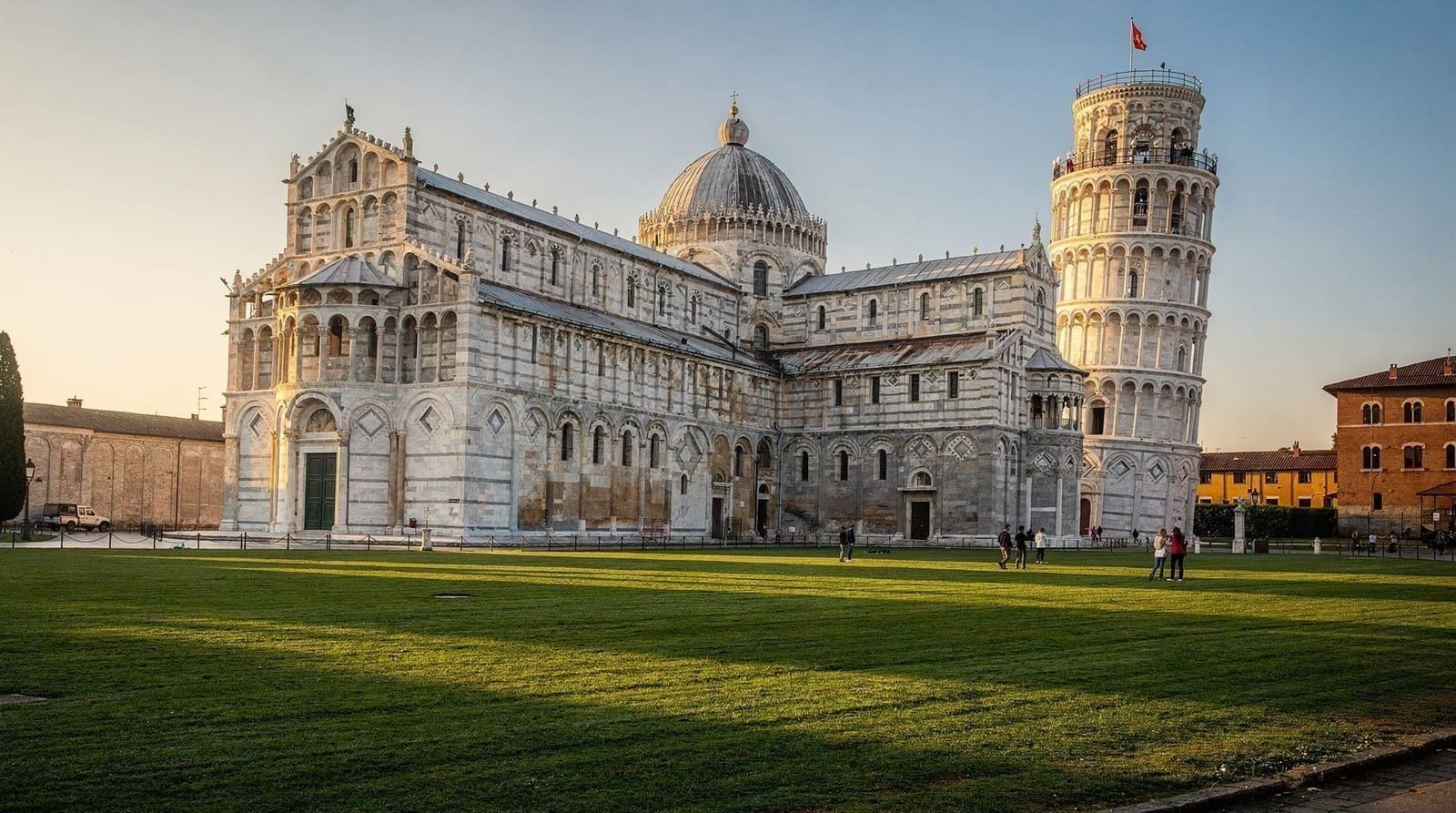
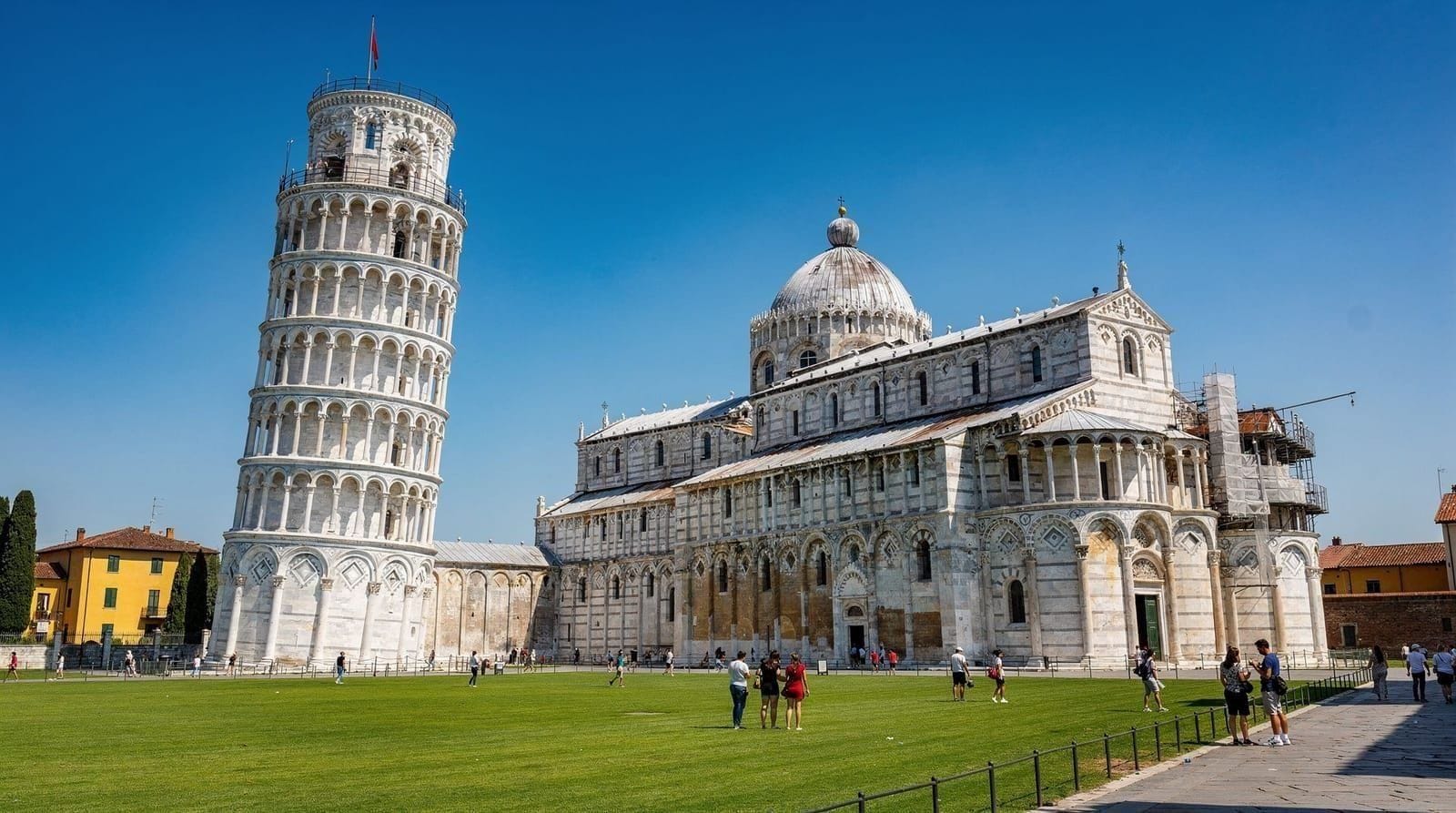
The Pisa + Lucca combination is one of the best back-to-back day trips from Florence. The two cities are 24km apart and connected by frequent regional trains (20–25 minutes, roughly hourly).
Suggested schedule:
- 7:30am: Depart Florence SMN
- 8:30–9:00am: Arrive Pisa Centrale
- 9:00am–12:30pm: Piazza dei Miracoli (tower, cathedral, baptistery)
- 12:30pm: Walk through Pisa centre, lunch
- 1:30pm: Train Pisa → Lucca (20 min)
- 2:00–7:00pm: Lucca walls, Anfiteatro, Guinigi Tower, San Michele, dinner
- 8:00pm: Train Lucca → Pisa → Florence
This gives you a genuinely full day with two complete cities. See the Pisa day trip guide for Pisa details, and the Pisa destination guide and Lucca destination guide for fuller neighbourhood and accommodation context if you’re considering an overnight instead of a day trip.
Lucca alone vs Lucca plus Pisa: which to choose
| Lucca only | Lucca + Pisa | |
|---|---|---|
| Total travel time | ~2h30 round trip | ~3h round trip |
| Time in each place | Full day in Lucca | Half day each |
| Best for | Slow wandering, cycling the walls, a relaxed lunch | First-timers who want the Leaning Tower photo too |
| Downside | Misses Pisa’s headline sight | Both cities feel rushed |
If this is your only chance to see Pisa, the combined day is worth the compromise. If you’ve already seen Pisa or plan to another day, a Lucca-only day lets you actually slow down — cycle the full wall circuit twice, linger over lunch at Buca di Sant’Antonio, and wander into the residential streets away from Via Fillungo.
Practical information for Lucca visitors
Bags and lockers: Left-luggage lockers are available at Lucca Stazione (around €5/bag for the day). This is useful if you’re arriving with luggage or planning an onward journey.
Bike safety: The walls are shared with pedestrians and the main route is unidirectional in places — follow the one-way arrows and keep to cycling speeds. Don’t cycle inside the historic streets below the walls.
Heat and shade: Lucca is well-shaded by the wall trees and the narrow medieval streets, making it more comfortable in summer than open cities. Still bring water; public fountains are scattered throughout the centre.
Sundays and market days: The Wednesday and Saturday markets are excellent but make the streets around Piazza San Michele quite crowded. On Sundays, many shops close but museums and churches remain open.
Getting lost intentionally: Lucca’s grid of mostly straight streets means you can’t get too lost, but the smaller lanes behind the main arteries reveal residential Lucca — laundry, neighbourhood bars, children playing — that’s worth wandering into.
Frequently asked questions about the Lucca day trip
Is Lucca suitable for families with young children?
Very much so. The flat walls provide a safe, car-free cycling circuit that children love. Piazza Anfiteatro is a good open space. The Guinigi Tower climb is manageable for older children (7+). The historic centre is generally flat and pushchair-friendly.
When is the best time of year to visit Lucca?
April–May and September–October are ideal — pleasant weather, manageable crowds, and lower accommodation prices if you want to stay overnight. July–August is hot and busier. Lucca is also excellent in winter (November–February) as a quieter, cosy city. The Lucca Comics and Games festival (late October/early November) draws huge crowds and should be avoided unless you’re specifically interested.
Are there entrance fees for the walls and main piazzas?
The walls and all the main squares and piazzas are free. The main costs are the Guinigi Tower (€5), Duomo sacristy (€3–5), and any museums. Bike rental adds €5–12 depending on duration.
Is there an alternative to the train for getting to Lucca?
Flixbus and other coaches serve Lucca from Florence less frequently than trains and take similar time. The train is almost always more convenient. Driving is possible but adds the complication of parking outside the walls.
How does Lucca compare to Florence’s other day trip options?
Lucca is the most relaxed of the classic day trips — flatter, quieter, and easier to enjoy without a fixed sightseeing checklist than Siena or San Gimignano. If you want a day that’s genuinely restful rather than another list of monuments, Lucca beats most alternatives. See best day trips from Florence for how it stacks up against Siena, Pisa, Chianti and Cinque Terre on time, cost and crowd levels.
Is Lucca worth visiting with young children specifically?
Yes, more than most Tuscan day trips. The flat, car-free walls make an easy family cycling circuit, and there’s no strenuous hiking or hill climbing required to enjoy the city centre. For a broader comparison of which Tuscan day trips work best with kids, see day trips with kids in Tuscany.
Top experiences
Bookable activities with verified prices and instant confirmation on GetYourGuide.

Florence: half-day tour to Lucca
- Free cancellation
- Small group

Florence: Tuscan wine tasting in Pisa and Lucca
- Free cancellation
- Small group
Lucca: city walls and river park guided bike tour
- Free cancellation
- Small group
Lucca: 3-hour bikes and bites foodie adventure like a local
- Free cancellation
- Small group
Lucca: sightseeing bike tour
- Free cancellation
- Small group
Florence: Pisa and Lucca full day private tour
- Free cancellation