Florence nightlife guide
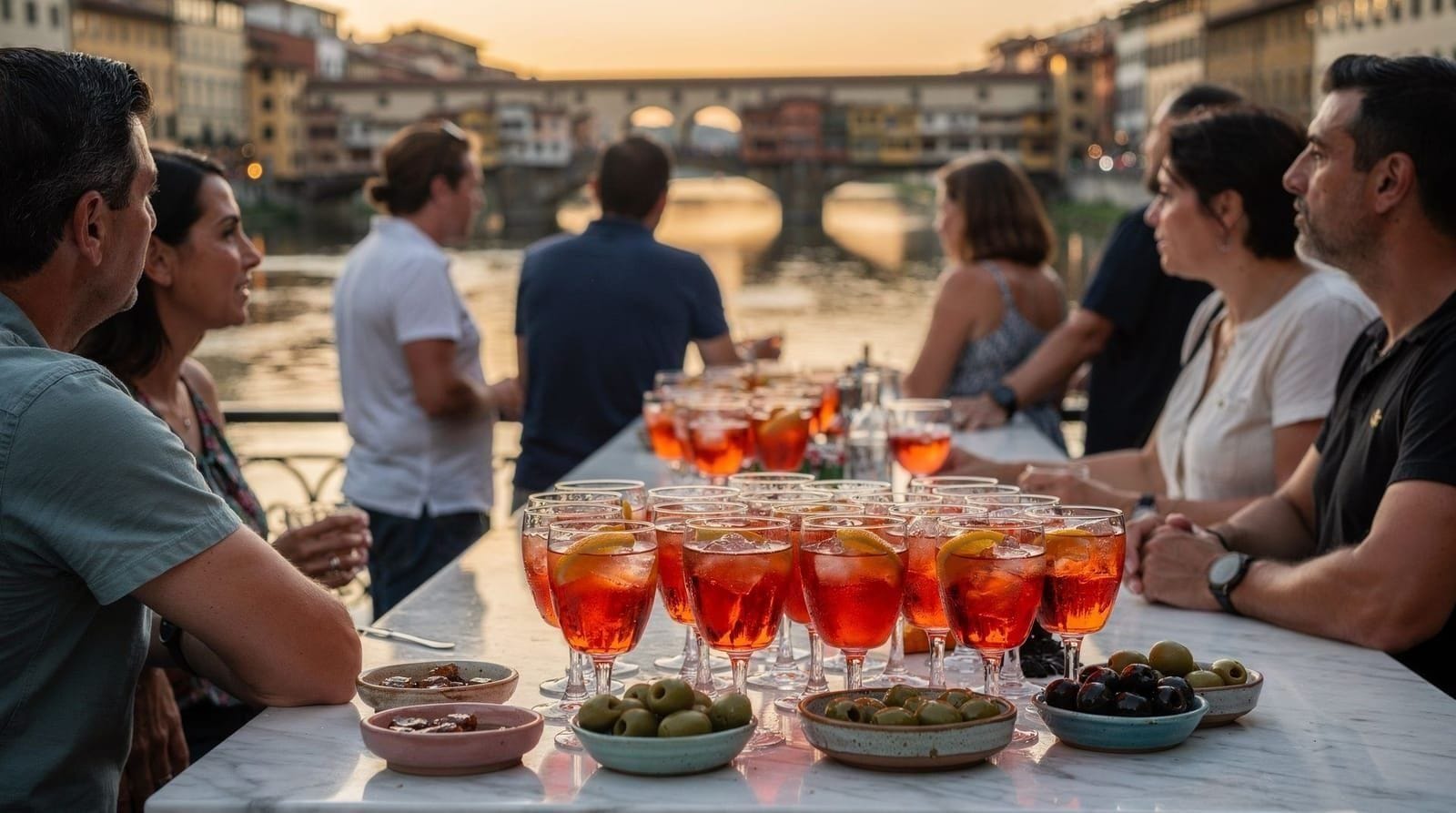
Florence: evening walking tour with all-you-can-eat aperitivo
- Free cancellation
- Small group
What is Florence nightlife like?
Florence is not a club city — it is a bars-and-aperitivo city. The best nightlife centres on early evening aperitivo (6-9 pm) around Piazza Santo Spirito in the Oltrarno and the Santa Croce area, wine bars in every neighbourhood, and a small selection of late-night bars and clubs. Restaurants are the main evening activity for most visitors.
Setting honest expectations for Florence nightlife
Florence is a medium-sized Italian city with a strong culture of eating, drinking and evening socialising. It does not have the club scene of Milan or Berlin, the late-night energy of Rome or Naples, or the tourist-nightlife infrastructure of cities built around party culture.
What it has is better than those things for most travellers: a genuine Italian bar and aperitivo culture, excellent wine at fair prices, piazzas that are social spaces in the evening, and a range of venues from neighbourhood enoteca to upscale cocktail bars to the occasional club.
The honest framework: plan to eat dinner at 8 pm, explore a bar or two from 10-12, and consider midnight a natural endpoint unless you specifically want to continue. That is a full Florentine evening and it is very good.
| Where | Piazza Santo Spirito & Borgo San Frediano (Oltrarno), Via de’ Benci (Santa Croce) |
| When | Aperitivo 6–9 pm; bars mostly close midnight–2 am; clubs run to 5–6 am |
| Cost | EUR 4–8 for a neighbourhood Spritz; EUR 90–120/person for a premium evening |
| Best area for first-timers | Piazza Santo Spirito, walkable from the historic centre |
| Dress code | Casual everywhere except upscale cocktail bars and Tenax on weekends |
For the neighbourhood context behind these venues, see the Oltrarno neighbourhood guide and where to eat in Oltrarno if you’re pairing drinks with dinner.
The aperitivo circuit: where Florence really happens before dinner
Piazza Santo Spirito and surroundings (Oltrarno)
Piazza Santo Spirito is the cultural heart of Florentine evening life. The piazza itself is a rectangular cobblestone space with a church at one end, a fountain in the centre, and bars and restaurants around three sides. On weekday evenings and weekend nights, the piazza is filled with Florentines of all ages — university students, families, tourists who have wandered from the centre.
Key bars:
Rasputin (Piazza Santo Spirito 12): The archetypical Piazza Santo Spirito aperitivo bar. A solid aperitivo buffet (bruschette, pasta, salads, cold cuts) is included with your EUR 7-9 drink. Noisy, crowded in a good way, very local in atmosphere. Cash only.
Goli bar (Piazza Santo Spirito): Similar format to Rasputin, slightly different crowd. Both are open until 1-2 am in summer; earlier in winter.
Il Santino (Via di Santo Spirito 60): The wine bar adjacent to Il Santo Bevitore restaurant. Natural wines, small plates, a more refined version of the Santo Spirito experience. Enoteca format — slightly quieter, more wine-focused. Excellent cheese and charcuterie board.
Mad Souls and Spirits (Borgo San Frediano 21r): Craft cocktail bar with a serious programme — house-made bitters, seasonal infusions, bartenders who know what they are doing. More expensive than the piazza bars (EUR 12-16 for cocktails) but one of the genuinely good cocktail bars in the city.
Volume (Piazza Santo Spirito 5r): Books, art and drinks. Open all day, transforms into an aperitivo venue in the evening. Good for a quieter, more contemplative evening drink.
Borgo San Frediano
Borgo San Frediano extends west from Piazza del Carmine toward Porta San Frediano. It is the most genuinely local bar street in Florence — younger crowd, less tourist presence, craft beer alongside natural wine, and a relaxed atmosphere that feels like the neighbourhood it is rather than a tourist zone.
Gurdulù (Via delle Caldaie 12): Restaurant by day, sophisticated natural wine bar by evening. The owner’s selection of Italian and French natural wines is excellent; the aperitivo plates are above average.
Quinoa (Borgo San Frediano 31r): Neighbourhood bar with a good aperitivo and a friendly crowd. Not destination-worthy from across the city but excellent if you are spending an evening in the western Oltrarno.
North of the Arno: the historic centre bar scene
Via de’ Benci and the Santa Croce strip
The street running south from Piazza Santa Croce toward the Arno (Via dei Benci, Via de’ Neri, Piazza de’ Mozzi) has Florence’s busiest bar strip — a concentration of venues that runs from mid-range tourist bars to genuinely local spots.
Il Bevo Bene (Via de’ Benci 37r): Natural wine, good snacks, rotating selection. Popular with food-and-wine focused travellers who have heard about it.
The William (Via Magliabechi 9r): British-influenced pub with local beer on tap, quiz nights and sports on screen. Not authentically Florentine but a reliable venue for English-speaking travellers who want familiar pub atmosphere.
Rasputin Nord (Via de’ Benci area): Several bars on Via de’ Benci offer the same aperitivo format as the Oltrarno — drink plus buffet — at similar prices with a younger, more international crowd.
Piazza della Repubblica and surroundings
The central piazza has the most architecturally impressive bars in Florence — the historic literary cafés founded in the 19th century.
Café Gilli (Piazza della Repubblica 39): Founded 1733, the oldest café in Florence in operation. Expensive (EUR 7-9 for a coffee, EUR 15-20 for cocktails at the bar or table outside) but historically significant. Pastries at the counter are at bar prices; service at tables is much more expensive. Worth one visit for the marble interior and the sense of how Florentine café culture looked at its peak.
Giubbe Rosse (Piazza della Repubblica 13-14): The literary café where the Futurist movement was founded in 1913. Similar pricing to Gilli. The interior is more faded and less maintained; the history is equally rich.
Aperol Spritz at Piazza della Repubblica: Every bar around this piazza serves aperitivo format drinks. The prices are tourist-tier (EUR 10-15 for a Spritz), the view of the piazza is good. A compromise between value and setting.
Wine bars: the serious option
Florence is surrounded by wine country. The city’s enoteca culture reflects this — there are wine bars in every price range where the selection is genuinely serious.
Enoteca Pitti Gola e Cantina (Piazza de’ Pitti 16): One of the best wine lists in Florence, focusing on small Tuscan producers. By-the-glass selection rotates with bottles opened that day. Simple snacks — cheese, charcuterie, bruschette — served alongside. Prices fair for the quality.
Buca Mario (Piazza Ottaviani 16): Florence’s oldest restaurant (1886) also functions as an evening wine bar. The cellar selection is strong on older Chianti Classico vintages that are hard to find by the glass elsewhere.
Osteria dell’Enoteca (Via Romana 70): Upscale Oltrarno enoteca with a sophisticated wine list and tasting menu options. More restaurant than bar; excellent for a special wine evening.
Coquinarius (Via delle Oche 11r): Near the Duomo, this enoteca has survived the tourist-area pricing pressure by maintaining a genuine wine selection and reasonable prices. Cheese and wine boards for EUR 15-25 are the sweet spot.
L’Enoteca di Manganelli (Via dei Serragli 88r): Oltrarno neighbourhood enoteca with local customers, Tuscan regional wines by the glass, and light food. Authentic and unpretentious.
Craft beer in Florence
The Italian craft beer movement is two decades old and well-established in Florence. Several bars focus specifically on craft beer from Italian microbreweries.
Mad Souls and Spirits: Already listed for cocktails, also has a serious beer programme.
Dogana (Largo Pietro Annigoni 1): Large craft beer bar with rotating taps from Italian and international microbreweries. Garden seating in summer. Young crowd, low prices.
Birrificio Artigianale Fiorentino (multiple venues): The home brewery and associated bars for Florence’s own craft brewery. Blonde, red and dark ales brewed locally.
Naima Jazz Café (Via Guelfa 76): Jazz music, craft beer and a relaxed evening atmosphere. Occasional live music.
The club scene: small but real
Florence’s club scene is modest — perhaps five or six venues of note, with the main ones in the hills above the city and the rest scattered in the centre.
Tenax (Via Pratese 46): Florence’s most established club, in a converted industrial building on the north edge of the city (15-minute taxi ride). International DJ bookings, electronic music, open until 5-6 am on weekends. Cover EUR 10-20 including drink. The best option if you want a proper club night.
Yab (Via Sassetti 5r): Central location (near Piazza della Repubblica), three floors, mixed music, younger tourist-heavy crowd. Open Thursday-Saturday. Cover EUR 10-15.
Space Club (Via Palazzuolo 37): Near the train station, open from midnight on weekends. Popular with students and tourists alike.
Meccanò Club (Via degli Olmi, Cascine): Summer-only open-air club in the Cascine park. The garden setting is unusual for a club and makes summer nights here particularly pleasant.
Seasonal nightlife notes
| Season | Outdoor scene | What to expect |
|---|---|---|
| Summer (Jun–Aug) | Peak | Piazzas packed until 2 am, clubs open garden terraces |
| Spring / autumn | Good | Earlier aperitivo (sunset 6:30–7:30 pm), less crowded |
| Winter | Minimal | Enoteca and wine-bar culture takes over indoors |
Summer (June-August): The longest evenings, outdoor piazzas packed until 2 am, aperitivo at its most active. Heat means the outdoor bar culture is at its peak. Clubs open late-night gardens and terraces.
Spring and autumn: Pleasant evening temperatures for outdoor piazza culture. Sunset is earlier (6:30-7:30 pm), so aperitivo starts earlier. The bar scene is less crowded but still active.
Winter: Outdoor piazza culture reduces. The interior enoteca and wine bar scene comes into its own — sitting with a glass of Chianti in a warm Florentine enoteca is one of the best versions of winter travel. Clubs continue year-round. The weeks around Christmas and New Year see special events.
Practical nightlife information
Getting around at night
Florence’s historic centre is walkable. The Oltrarno is 10-15 minutes’ walk from the main centre across Ponte Vecchio or Ponte alle Grazie. Taxis are available from marked ranks (Piazza della Repubblica, Santa Maria Novella station, Piazza Santa Croce) or via the itTaxi app. Night bus service is reduced after midnight — check ATAF schedules.
What things cost (realistic 2026 prices)
| Item | Price range |
|---|---|
| Aperol Spritz (neighbourhood bar) | EUR 4-7 |
| Aperol Spritz (tourist area) | EUR 8-12 |
| Glass of house Chianti | EUR 4-8 |
| Craft cocktail | EUR 10-18 |
| Hotel rooftop cocktail | EUR 15-22 |
| Club entry (with drink) | EUR 10-20 |
| Craft beer (33cl) | EUR 4-8 |
Tipping in Florence bars
Tipping is not obligatory at Italian bars, particularly at the counter. At table service, rounding up (leaving EUR 1-2 on a EUR 12 tab) is appreciated but not expected. At restaurant dinner, 10% is a generous tip; 5% is common. Credit cards are accepted at most bars in the historic centre and Oltrarno; small neighbourhood bars may prefer cash.
Frequently asked questions about Florence nightlife
Is Florence safe at night?
The historic centre and Oltrarno are safe for normal evening activity by European city standards. Exercise standard city awareness: watch your pockets in crowded areas, do not walk alone in poorly-lit streets very late at night, and keep valuables secure. The area around the train station (Santa Maria Novella) at 2-4 am warrants more caution than the historic centre.
Can I hear live music in Florence?
Yes. The aperitivo in Florence guide covers live music at specific aperitivo venues. Additional options: Naima Jazz Café (jazz, Via Guelfa), Jazz Club Firenze (Via Nuova de’ Caccini 3), folk and acoustic music at bars in the Oltrarno. Classical music concerts run year-round at Teatro della Pergola and other venues.
What is the difference between a bar and an enoteca?
An enoteca specialises in wine — often with a selection of hundreds of bottles and detailed by-the-glass options. A bar serves a wider range (cocktails, beer, coffee, wine). Enoteche tend to be quieter and more food-focused; bars have more varied atmosphere. Both can have aperitivo offerings.
Are there gay bars in Florence?
Florence has a small but established LGBT+ bar scene. Crisco Bar (Via Sant’Egidio 43r) is the longest-running gay bar. Piccolo Café (Borgo Santa Croce 23r) is a friendly mixed/LGBT+ venue. The Oltrarno and Santa Croce areas are generally welcoming. Florence Pride takes place annually in June (check the current year’s dates).
Is it worth going out on a weeknight in Florence?
Yes, though the scene is quieter. Wine bars and enoteche run at full quality every night of the week, since Florentines treat an evening glass of wine as routine rather than a weekend event. The piazza aperitivo scene at Santo Spirito is liveliest Thursday–Saturday, but a Tuesday evening there is still pleasant and considerably less crowded — a good trade for anyone who prefers to actually hear their conversation.
Nightlife with a day-trip hangover
If you’ve spent the day in Chianti or Siena and are back in Florence by evening, don’t underestimate how tired a day of wine tasting and travel leaves most people — the temptation to skip the aperitivo circuit entirely is real. A low-key option is a neighbourhood enoteca near your hotel rather than the Santo Spirito crowd: quieter, shorter walk, and just as good a glass of Chianti. Save the fuller aperitivo-plus-dinner evening for a day you haven’t spent six hours on a coach or in a vineyard.
The coffee question: daytime to evening transition
Italian coffee culture bridges the daytime-evening divide. Understanding it makes Florence more comfortable.
Caffe normale (espresso): A single shot of espresso, drunk standing at the bar counter. EUR 1.20-1.80 at a neighbourhood bar; EUR 2-3 at tourist-facing venues near the Duomo. The Italian convention is to drink it quickly at the counter and leave. Taking 20 minutes at a table requires ordering as a table service item (prices double or triple).
Caffè macchiato: Espresso with a dash of milk foam. Very slightly milder than espresso.
Cappuccino: Only drunk in the morning by Italian convention. Ordering a cappuccino after noon is grammatically correct Italian but socially very foreign. Visitors do it all the time; locals smile politely.
Caffè americano or caffè lungo: A longer, weaker coffee — acceptable after noon and closer to what northern European and American visitors expect.
The evening transition: At approximately 5:30 pm, bars shift from coffee service to aperitivo service. The espresso machine and the prosecco bottle serve the same counter through the day; the shift is atmospheric rather than physical. By 6 pm, a bar offering both coffee and aperitivo is the Florentine reality — you can order either without comment.
The real cost of a Florence evening
Budgeting for an evening in Florence accurately requires honesty about the range:
A budget evening: Aperitivo at Piazza Santo Spirito (EUR 8 each including food), walk through the historic centre (free), gelato from Gelateria dei Neri (EUR 3 each), Peroni beer from an alimentari consumed on a piazza step (EUR 2). Total per person: EUR 13. A completely legitimate and pleasant Florence evening.
A mid-range evening: Aperitivo at a decent bar (EUR 10 each), dinner at a neighbourhood trattoria (EUR 25-35 per person including wine), post-dinner stroll to Piazza della Signoria (free), one drink at a Piazza della Repubblica café (EUR 8-12). Total per person: EUR 45-60.
A premium evening: Pre-dinner drinks at La Terrazza (EUR 20 each for two drinks), dinner at a quality restaurant (EUR 60-80 per person including wine), after-dinner digestivo (EUR 8-12). Total per person: EUR 90-120.
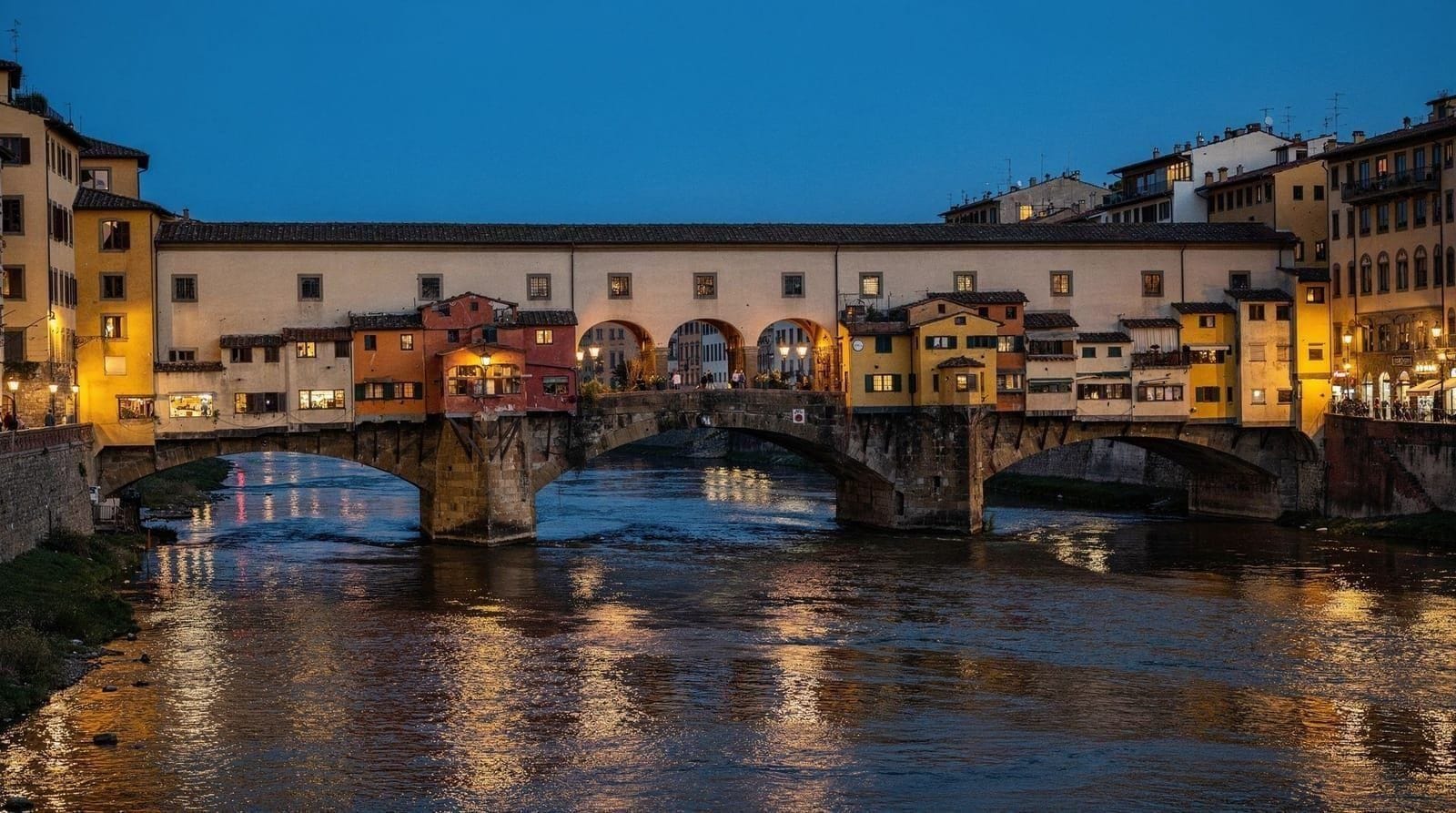
All three versions of the Florence evening are valid. The city scales well across budget ranges because the public spaces (piazzas, the Arno embankments, Ponte Vecchio) are free and beautiful regardless of what you spend in the private venues.
Pairing nightlife with dinner
Most Florence evenings work best as a sequence rather than a single stop: aperitivo, then dinner, then a slower drink. For the dinner segment, the best trattorias in Florence guide covers the neighbourhood spots that pair naturally with an Oltrarno or Santa Croce bar crawl, and where to eat in Oltrarno is the closer companion if you’re staying in Piazza Santo Spirito’s orbit for the whole evening. If you’d rather have the evening structured for you, a guided evening walking tour typically bundles a short walk with a stop or two at some of the venues listed above.
Rooftop and view-focused options
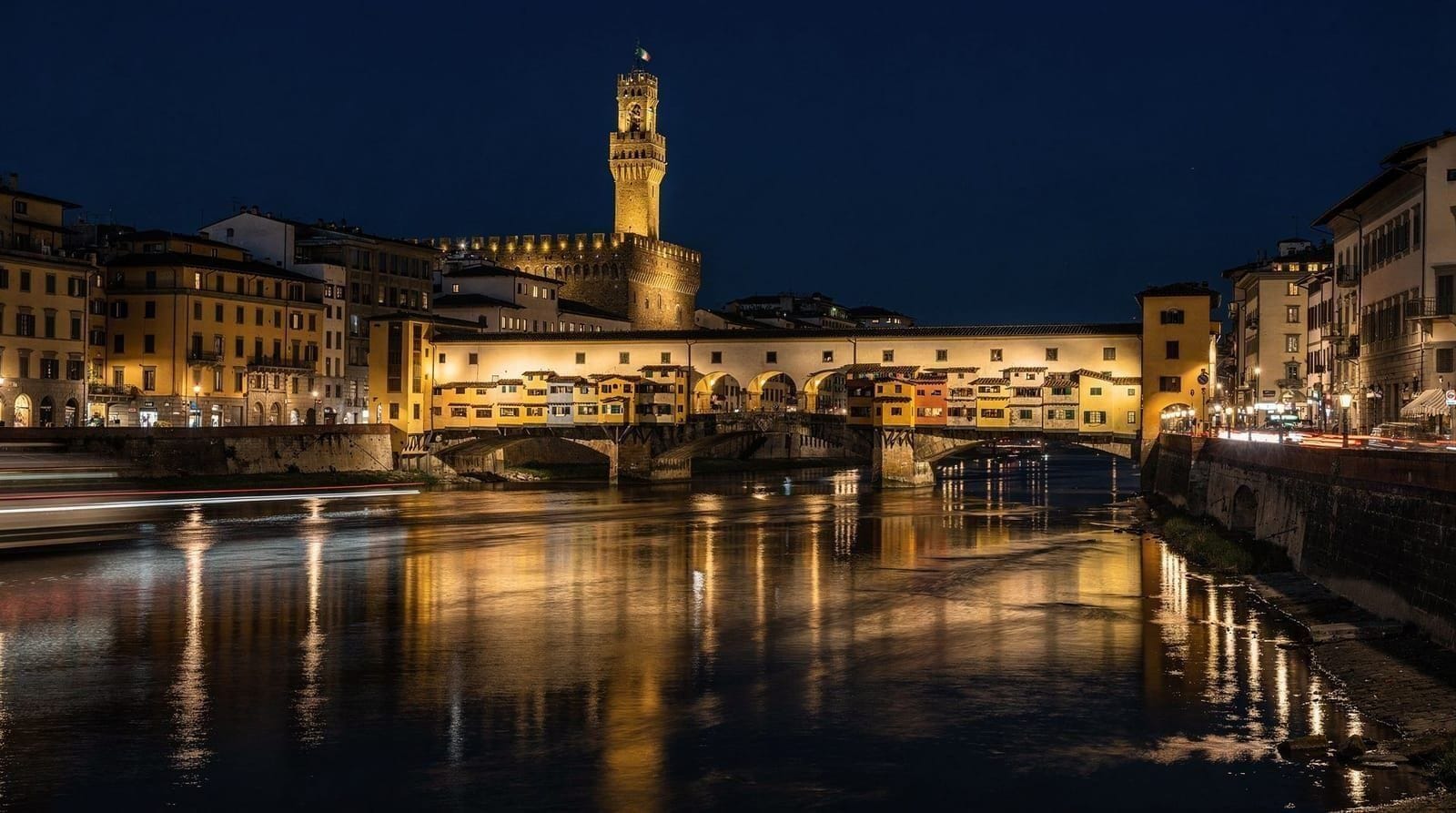
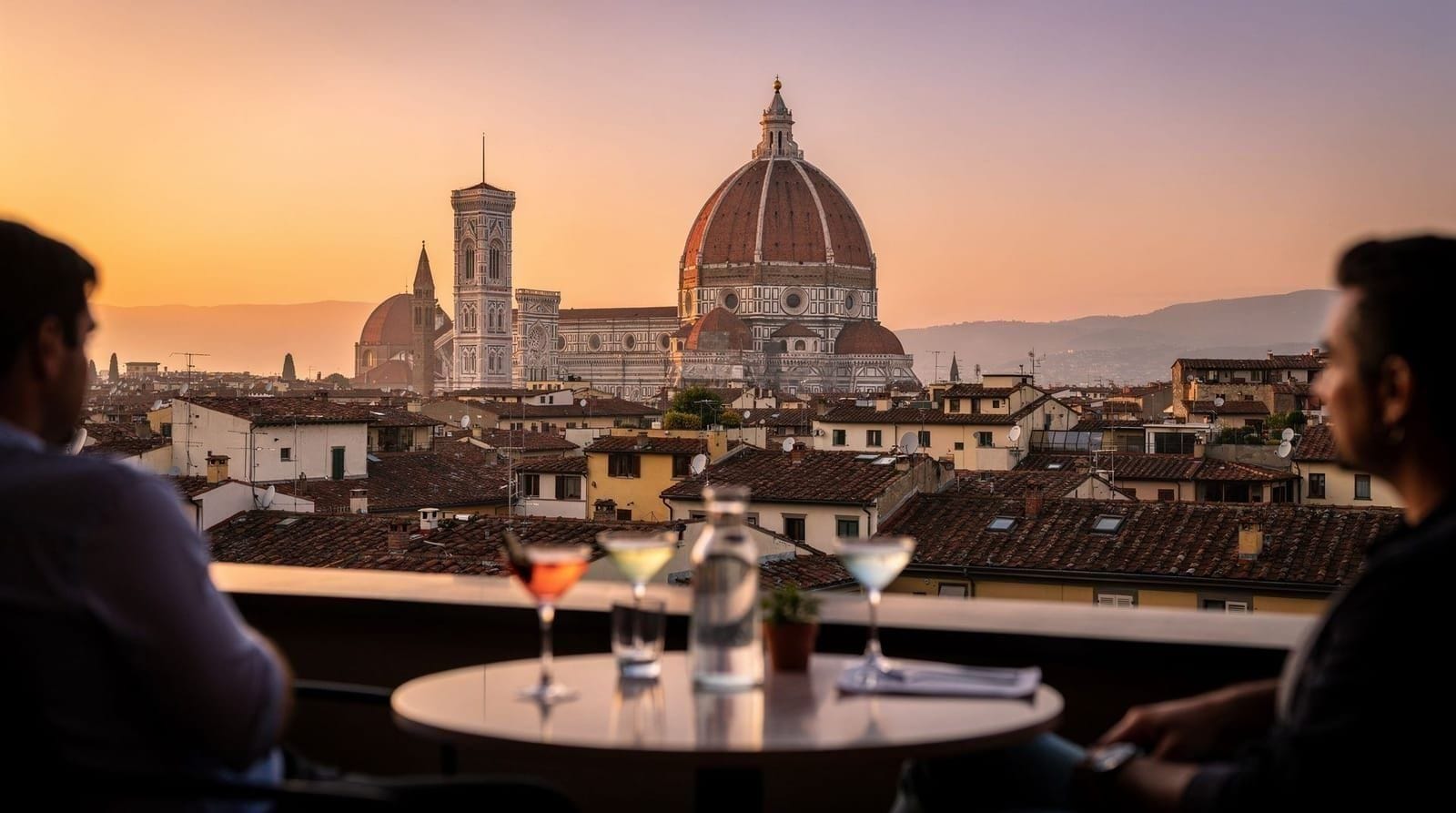
For an evening built around the view rather than the crowd, Florence’s rooftop bar scene is a genuine alternative to the piazza circuit — quieter, pricier, and centred on Duomo or Arno panoramas rather than street-level atmosphere. See the best rooftop bars in Florence for the current list; most require a reservation for sunset hours in high season. For a free version of the same idea, Florence at night covers the best vantage points that cost nothing beyond the walk uphill.
Top experiences
Bookable activities with verified prices and instant confirmation on GetYourGuide.