The Leaning Tower of Pisa half-day trip: what it's actually like
| Where | Pisa, 1 hour west of Florence by train |
| Time needed | Half a day (2–3hrs on the Campo) to a full day |
| Cost | Train around €8–12 return; Campo combo ticket €8; tower climb €20 |
| Getting there | Direct train, Florence Santa Maria Novella to Pisa Centrale |
| Best time | First train of the day, on the Campo by 9:30am |
Let’s be honest about the Leaning Tower
The Leaning Tower of Pisa is one of the most photographed structures on earth, and its fame creates the opposite of mystery: you arrive knowing exactly what it looks like, having seen it thousands of times, and you brace yourself for the feeling of looking at a postcard.
And then you see it.
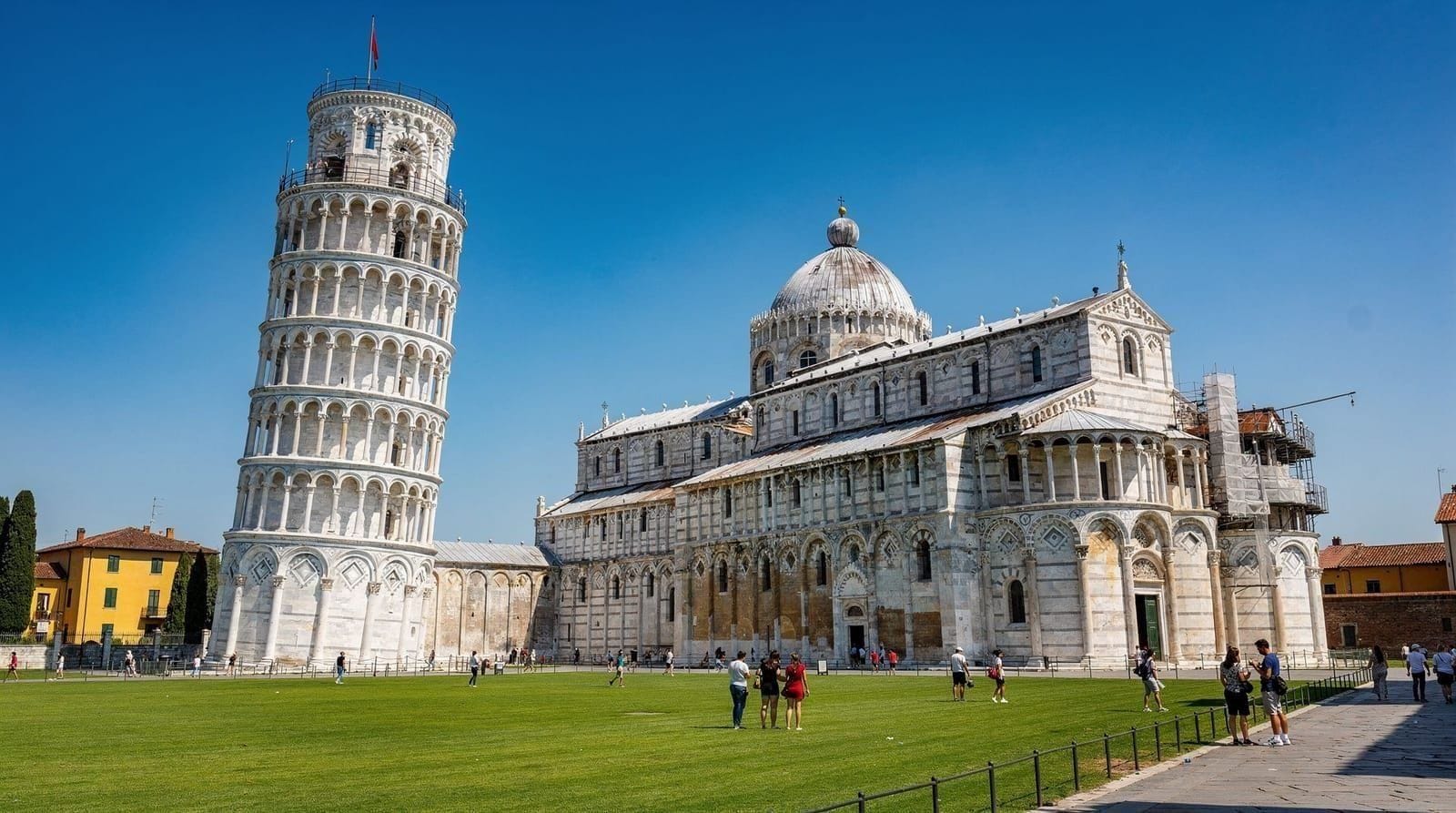
The tower does something the photographs don’t quite prepare you for: it is more obviously, dramatically, improbably tilted than you expect. The tilt — 3.99 degrees since a partial correction in the 1990s and 2000s — is genuinely visible from the moment you enter the Campo dei Miracoli (the Field of Miracles), and the visual effect is both absurd and magnificent. The tower leans at an angle that your brain keeps insisting is a special effect.
The photographs are also very good at cropping out the Cathedral, the Baptistery, and the Camposanto — the other monuments in the Campo dei Miracoli — which are collectively one of the finest concentrations of Romanesque architecture in Italy and would justify the trip independently of the tower.
This is the honest account of what the Pisa half-day trip is like, and how to do it properly.
Getting there from Florence
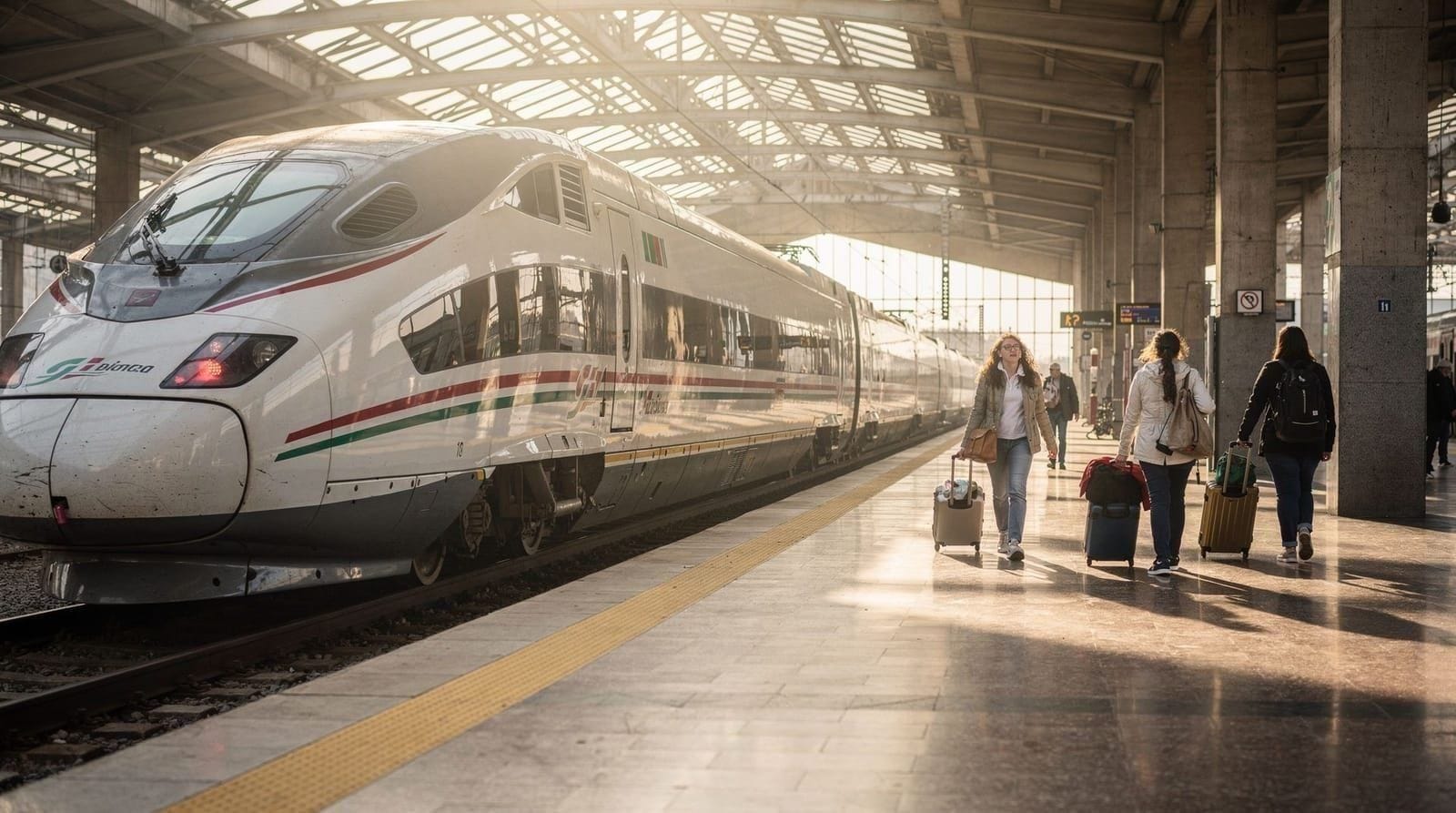
The train is by far the best option. Trains run from Florence Santa Maria Novella to Pisa Centrale every 30–60 minutes throughout the day; the journey takes approximately one hour and costs €8–12 depending on timing and class. From Pisa Centrale station, the Campo dei Miracoli is 1.5 kilometres north — about 20 minutes on foot, or a 10-minute taxi for about €10.
A half-day trip is genuinely possible: take the 9 a.m. train from Florence, arrive in Pisa at 10 a.m., spend three to four hours exploring the Campo and the city, take the 2:30 or 3 p.m. train back. The Pisa day trip guide covers the full logistics including the airport connection (Pisa airport is 3 kilometres south of the city centre, useful for those flying in or out).
Guided day tours from Florence typically include transport, a guide, and the tower ticket, and are a good option if you want context about the architecture and history without doing the logistics yourself.
Booking the Tower: what you need to know
The Leaning Tower requires a timed-entry ticket. Maximum 40 people per half-hour slot. Tickets sell out weeks in advance in peak season (June through September) and should be bought online well in advance.
Book at opapisa.it — the official Opera della Primaziale Pisana booking site. The tower-climb ticket is €20 (adults), included with the Cathedral entry (which is €3 or free with certain passes). Children under 8 are not permitted on the tower.
The tower climb is 294 steps on a spiral staircase that gets progressively more disorienting as you go up — you’re climbing stairs that are simultaneously going up and leaning sideways, and the marble is worn smooth by millions of previous visitors. The handrail is essential. The view from the top is excellent: across the Campo, over Pisa’s rooftops toward the Arno and the sea, and — looking down the outside of the tower — a vertiginous sense of the structure’s lean that the ground-level view doesn’t convey.
Allow 30–45 minutes for the tower climb including waiting for your slot. The slot time is your entry time; you exit when you’re done.
The Campo dei Miracoli: more than just the Tower
The white marble complex on the edge of medieval Pisa’s northern perimeter contains four major structures, all in the same creamy Carrara marble, all in the Pisan Romanesque style that influenced architecture across the Mediterranean:
The Cathedral (Duomo): Begun in 1063, this is the anchor of the complex and the building the Tower was always meant to serve as a bell tower for. The interior is extraordinary: a five-nave structure with zebra-striped columns from earlier buildings, a 13th-century pulpit by Giovanni Pisano with dynamically carved narrative scenes, and the suspended bronze lamp known as the Lamp of Galileo (though the legend that Galileo watched it swing and formulated his theory of pendular motion is historically disputed). Entry is €3 without a pass.
The Baptistery: The largest baptistery in Italy, its circular form capped by a half-tiled, half-leaded dome. The acoustic is extraordinary — the guides demonstrate it by singing a single note, which the building’s dome reflects back as a chord. Nicola Pisano’s 13th-century pulpit inside is considered one of the great achievements of medieval Italian sculpture. Entry €5.
The Camposanto: A colonnaded cemetery built in 1278, with soil reputedly brought from Jerusalem, containing large-scale medieval frescoes (partially damaged in a World War II bombing that burned the roof and fused the lead), classical sarcophagi, and a distinctive atmospheric quality that the other buildings in the complex don’t share. Entry €5.
The combination ticket for Cathedral, Baptistery, Camposanto, and the museums costs €8 and is excellent value. The tower climb is additional (€20, timed entry, must book separately). The Pisa day trip guide has the full breakdown.
Pisa beyond the Campo: the city most tourists miss
Most visitors to Pisa spend their entire visit within 500 metres of the Leaning Tower, then return to Florence. This is a missed opportunity. The city of Pisa — a real city, with 90,000 residents, a major university (the Scuola Normale Superiore is one of the most rigorous academic institutions in Europe), medieval churches, and a riverside life along the Arno — repays exploration.
The walk from the Campo dei Miracoli south to the Arno takes about 15 minutes and passes through streets of medieval palaces and the interesting Piazza dei Cavalieri (the square of the Knights of St Stephen, which still contains the medieval tower where Count Ugolino was famously imprisoned and starved — the subject of a Dante canto in the Inferno). The Florence history guide touches on Pisa’s rivalry with Florence; the two cities were in almost constant conflict from the 12th to 15th centuries.
The Arno in Pisa is wider than in Florence and bordered by coloured buildings (the palazzi that line the Lungarno) that have a slightly different character from the Florentine waterfront — more faded, more residential, more like a city that gets on with things without making a fuss about it.
The photos everyone takes and how to get better ones
The “perspective photo” with someone appearing to hold up the Tower is obligatory and was calculated by Italians to be irresistible to tourists, and they were right. The best version involves standing further from the Tower than you might think — the camera angle works better from 100+ metres away. The west side of the Campo in the morning has the Tower in shade; the east side in the afternoon. For the Tower reflected in a puddle after rain: the paved area immediately south of the Tower holds water for 30–60 minutes after rain.
For non-perspective photographs: the view of the Tower and Cathedral together from the Battistero end of the Campo, in afternoon light, is the composition that shows both buildings to advantage.
The best photo spots Florence guide primarily covers Florence but has a section on the Pisa visit.
What to eat in Pisa
Pisa’s food scene operates on a different register from Florence’s — more student-oriented (the university inflects everything), cheaper, and less self-conscious. The area around the university (Borgo Stretto and the streets immediately south of Piazza dei Cavalieri) has good cafés and cheap lunch spots.
For a quick, honest lunch before returning to Florence: Panino con il lampredotto (if you didn’t try it in Florence), pizza al taglio from one of the university-area slice shops, or a sandwich from one of the alimentari (delicatessens) with a glass of local wine. Budget: €8–12 for lunch.
Combining Pisa with Lucca
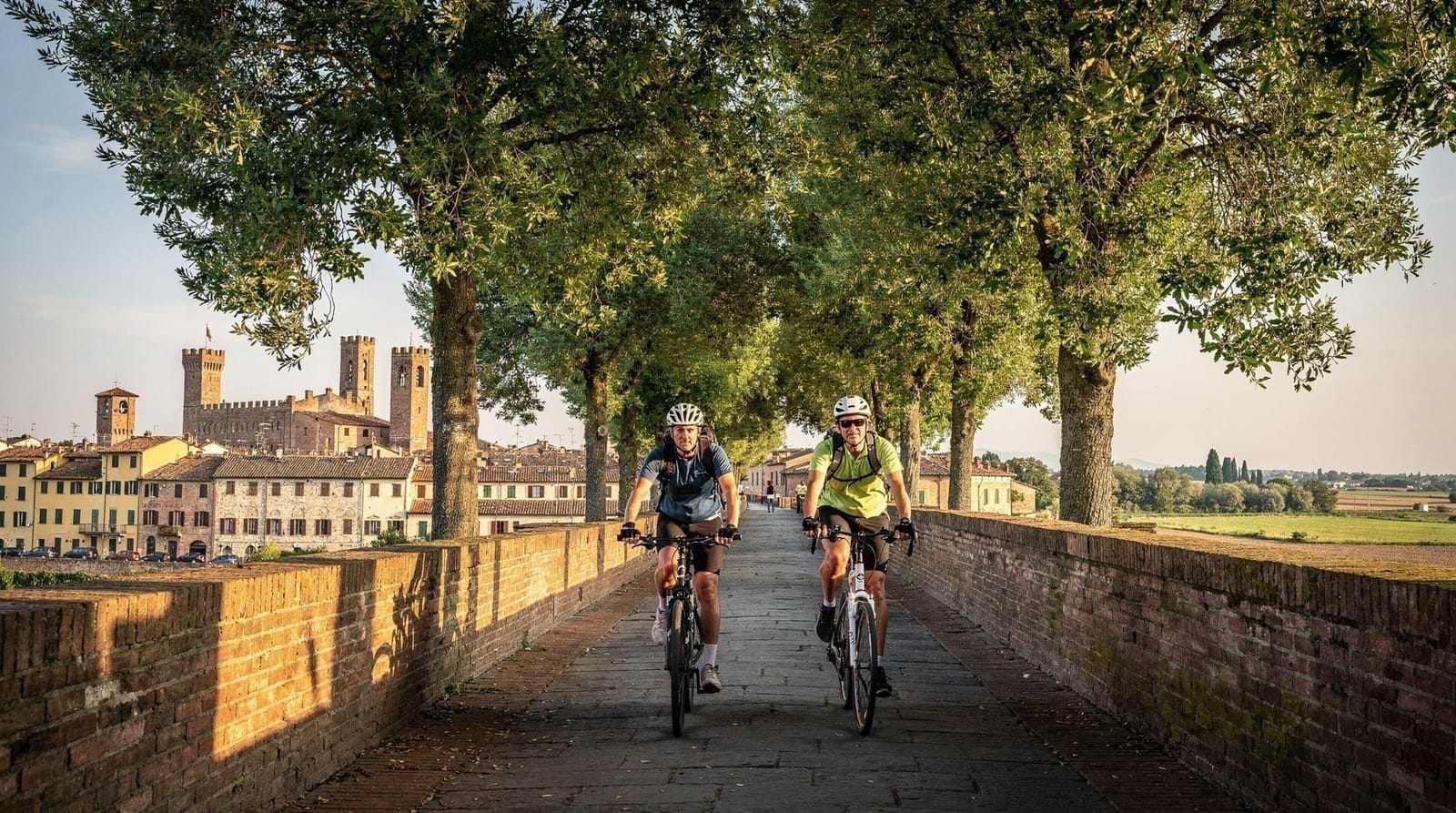
Lucca is 25 kilometres north of Pisa — about 30 minutes by train. Combining Pisa and Lucca in a single day from Florence is possible with an early start (6:30–7 a.m. train from Florence), gives you three to four hours in each city, and returns you to Florence by 7 p.m. This is a long day but a genuinely rewarding one if Lucca’s medieval walls and musical heritage (Puccini was born here) interest you.
The Pisa and Lucca day trip guide from Florence covers the combined itinerary logistics. The best day trips from Florence guide compares all the options with honest assessments of what each requires.
DIY versus guided: which suits you
| Option | Best for | Trade-off |
|---|---|---|
| Independent train trip | Flexible schedules, budget travellers, those who’ve booked tower entry themselves | You handle station navigation and timed-entry booking yourself |
| Guided half-day tour | First-timers who want context, no logistics to manage | Fixed schedule, less time to explore beyond the Campo |
| Pisa + Lucca combined day | Travellers who want two cities and don’t mind an early start | Long day, less time in either city than a single-city visit |
If it’s your first time doing independent train travel in Italy, a guided tour removes the timed-entry booking stress entirely — the ticket and time slot are handled for you. If you’ve done it before, the train is cheaper and gives you more control over your Pisa hours.
Is Pisa a tourist trap?
It’s a fair question, given how commercialised the immediate area around the Tower has become — the ring of souvenir stalls selling leaning-tower snow globes and “I heart Pisa” T-shirts is real, and it’s easy to see only that and conclude the whole city is a trap. It isn’t. The Campo dei Miracoli itself is a genuine architectural masterpiece, not a manufactured attraction, and the streets a short walk away — Borgo Stretto, Piazza dei Cavalieri, the Lungarno — are an ordinary, functioning Italian university city with none of the theme-park feeling. The trap, if there is one, is stopping at the souvenir stalls and not walking the extra fifteen minutes into the real city.
Frequently asked questions about the Pisa day trip
Do I need to book the Tower climb even outside peak season?
It’s safer to. Standby demand is lower from November through March, but slots still sell out on weekends and around holidays. Booking online in advance at opapisa.it costs nothing extra and guarantees your preferred time, whereas turning up hoping for a same-day slot is always a gamble.
Can I skip the Tower climb and still have a worthwhile visit?
Yes. Many visitors find the exterior view of the Tower, combined with the Cathedral and Baptistery interiors, just as memorable as the climb itself — and it saves €20 and the need to book a timed slot. The 294-step climb is worthwhile if you want the view from the top and don’t mind a disorienting, tilted staircase, but it’s not essential to a satisfying Pisa visit.
How long do you need in Pisa?
For the Campo dei Miracoli only: 2–3 hours. For the Campo plus a walk through the old city: 4–5 hours. For a genuinely thorough visit including the museums: a full day. As a half-day trip from Florence, two to three hours on the Campo is the realistic target.
Can you climb the Leaning Tower without booking?
Technically yes, but standby tickets (sold at the ticket office on the day) sell out by 10–11 a.m. in summer. Without a pre-booked timed-entry ticket, you may not be able to climb. Book online in advance at opapisa.it.
Is Pisa worth visiting as a day trip from Florence?
Yes, with realistic expectations. The Tower and the Campo dei Miracoli are genuinely impressive, not just famous. The city of Pisa is an interesting medieval and university city that rewards two to three hours of exploration beyond the Campo. It is a comfortable half-day from Florence and a reasonable full day if you want to go deeper.
What is the best time to visit Pisa?
Same as Florence: avoid July and August peak crowds if possible. The Campo in the early morning (before 10 a.m.) is significantly less crowded than midday. Arriving on the first train from Florence and reaching the Campo by 9:30 a.m. is the best strategy for avoiding the worst of the coach-tour crowds.
Top experiences
Bookable activities with verified prices and instant confirmation on GetYourGuide.