Chianti day trip from Florence
Florence: Chianti wineries tour with wine tasting
- Free cancellation
- Small group
How do I visit Chianti from Florence for a day?
You need a car or a guided tour — public transport is impractical. Renting a car from Florence costs €40–70/day; the first Chianti Classico estate is 30km south (about 40 minutes from SMN). Guided wine tours from Florence cost €45–90 per person and typically include 2–3 winery visits with tastings and lunch.
Chianti: the wine heartland between Florence and Siena
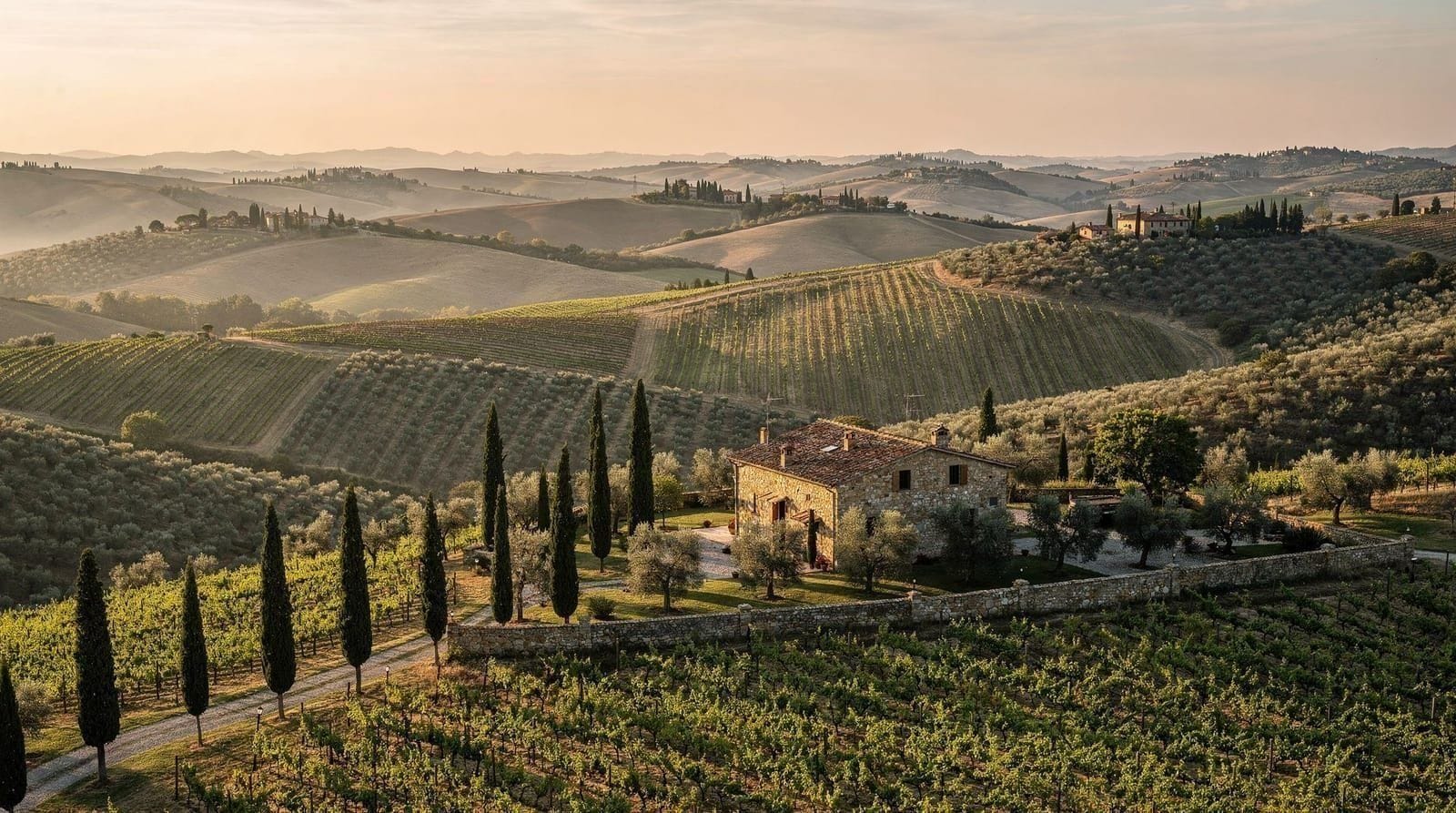
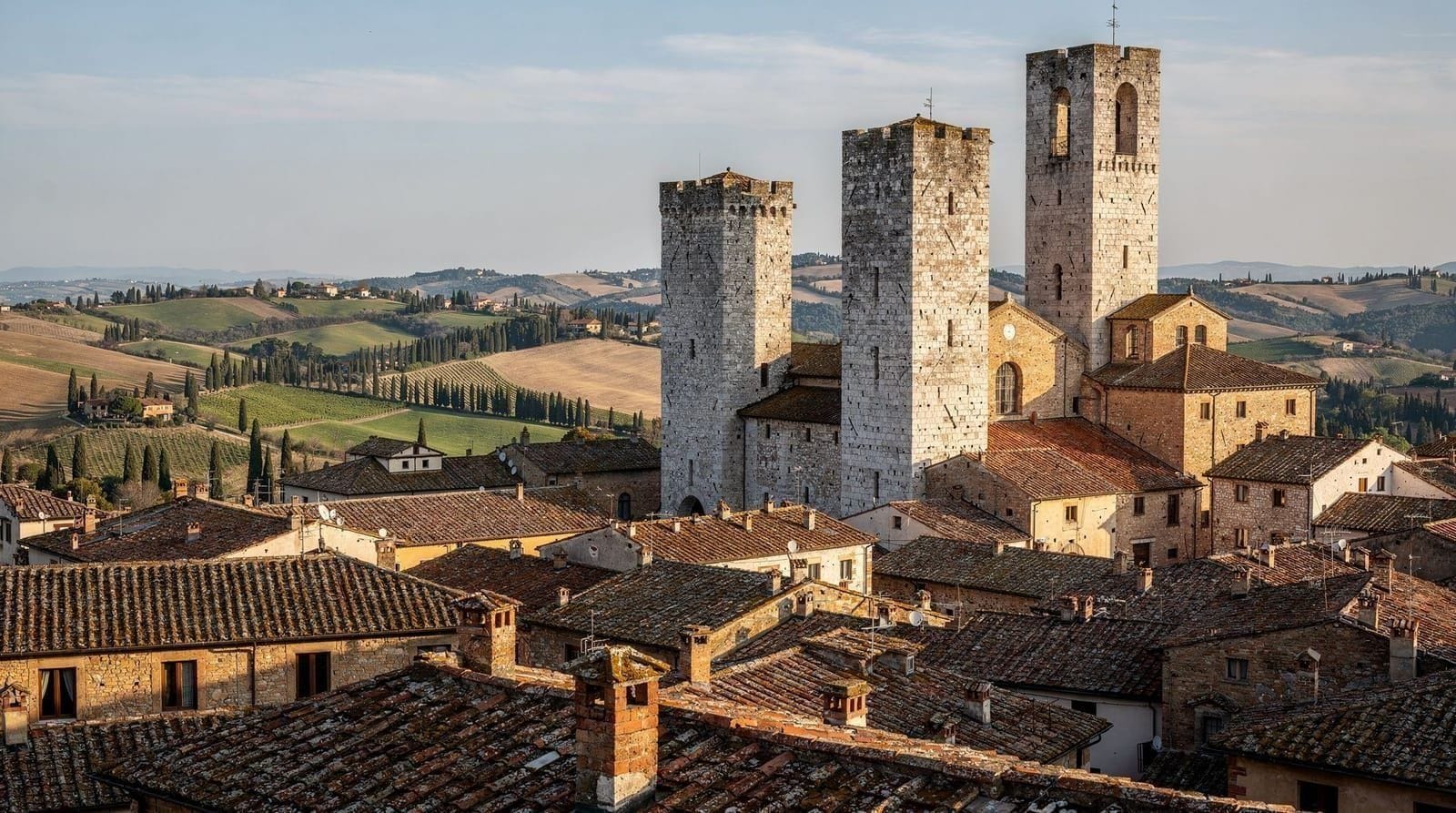
The Chianti Classico zone — roughly the corridor of hills from the Arno valley south to Siena — is one of the great wine landscapes of Europe. Cypress-lined drives between stone farmhouses, estates producing Sangiovese at altitude, medieval villages with Romanesque parish churches (pievi), and an olive oil culture that predates the wine by centuries.
The key fact for day trippers from Florence: you need a car or a guided tour. This is not a region designed for public transport. The SITA bus from Florence reaches Greve in Chianti in about an hour, but Greve is just the beginning — Panzano, Radda, Gaiole, and the best estates are scattered across 70,000 hectares of classified zone. To visit two or three wineries and explore a village or two, you need wheels. If you’re set on self-driving with a specific route in mind, the Chianti Classico route guide covers the SR222 turn-by-turn; this guide focuses on comparing the different ways to see Chianti as a day trip.
| Where | Chianti Classico zone, 30–60km south of Florence |
| Cost | €45–90/person guided; €115–175/person self-drive |
| Time needed | Full day (8am–6:30pm realistic) |
| Getting there | Rental car, guided tour, or e-bike — no practical bus |
| Best time | Spring for green hills, Sept–Oct for harvest |
The second key fact: do not drink and drive. Italy’s legal limit is 0.05% BAC (lower than the UK’s 0.08%). Wine tours from Florence handle this by including a driver; if you’re in a rental car, designate a non-drinking driver or keep tasting portions strictly small.
Understanding Chianti Classico
Chianti Classico DOCG is the historic heart of the Chianti wine zone, distinct from the broader “Chianti” DOC which covers a wider area with different (generally lower) quality standards. Look for the Gallo Nero (Black Rooster) neck seal — the trademark of the Chianti Classico Consortium.
Wine classifications
| Category | Ageing | Sangiovese minimum | Character |
|---|---|---|---|
| Chianti Classico | 12 months (6 in oak) | 80% | Everyday drinking, good value |
| Chianti Classico Riserva | 24 months (min 3 in oak) | 80% | More structured, age-worthy |
| Gran Selezione | 30 months (all in oak) | 100% Sangiovese allowed | Single vineyard, top tier |
Good Chianti Classico starts at around €12–18 at estate price; Riserva from €20–35; Gran Selezione from €40–100+.
Vintages
In general, 2019 and 2020 are considered excellent recent vintages; 2021 is very good. 2017 was hot and ripe. 2015 and 2016 are considered classics for aged wines. If visiting estates, ask what’s currently in their library — some will open older vintages for serious tasters.
Getting to Chianti from Florence
By rental car (most flexible)
Rent from any agency at Santa Maria Novella or Florence airport. Compact automatic costs €40–70/day depending on season. Insurance recommended. GPS is useful but most main Chianti towns are well-signed from the SR222 (Via Chiantigiana) running south from Florence.
Main route: Via Chiantigiana (SR222) This is the classic Chianti road, running south from Florence through Greve in Chianti, Panzano, Radda, and continuing toward Siena. It’s scenic but winding — budget more time than Google Maps suggests. The drive from Florence to Greve takes about 40–50 minutes; to Radda about 1h15; to Gaiole about 1h30.
Alternative route: A1 Autostrada For reaching the southern Chianti (Castellina, Gaiole, Siena-adjacent estates), the motorway is faster — exit at Valdarno or San Donato in Poggio depending on destination.
Guided wine tours from Florence
Multiple operators run full-day or half-day wine tours from Florence. These typically include:
- Hotel pickup in Florence
- 2–3 estate visits with cellar tours and tastings
- Lunch at a farmhouse (included or optional depending on operator)
- Return to Florence by 6–7pm
Price range: €45–90 per person for a group tour; €150–250+ for private. The quality of estates visited varies significantly between operators — look for tours that visit family-run estates rather than just the large commercial ones.
Alternatives include Vespa or Fiat 500 tours of the Chianti hills — experience-focused rather than wine-education-focused, but uniquely scenic.
By electric bike
Guided e-bike tours of the Chianti hills are increasingly popular and genuinely excellent for the landscape. The hills are manageable with electric assist (the SR222 climbs consistently). Guided half-day e-bike tours departing from Florence cost around €65–85 per person. The cycling in Tuscany guide covers this in more depth.
The Chianti Classico villages
Greve in Chianti
Greve (population 14,000) is the main market town of the Chianti Classico zone, 27km south of Florence. Its triangular Piazza Matteotti is lined with arcaded buildings housing wine shops, delis, and a statue of Giovanni da Verrazzano (the explorer of New York harbour, born in nearby Greve). The Monday morning market fills the piazza.
Macelleria Falorni (Piazza Matteotti) has been selling Chianina beef and cured meats since 1729. The salumi and finocchiona (fennel seed salami) are excellent. They also have an enoteca below with an extraordinary selection of local wines.
Greve is 40 minutes from Florence on the SR222 and accessible by SITA bus (no winery visits possible by bus, but the town and its Cantine di Greve in Chianti — a cooperative winery — can be visited).
Panzano in Chianti
Panzano, 8km south of Greve, is famous for one thing: Dario Cecchini, arguably Italy’s most famous butcher. His Antica Macelleria Cecchini (Via XX Luglio 11) is part temple, part performance, part butcher shop — he quotes Dante while slicing Chianina beef. His restaurants next door (Solociccia, Dario DOC) serve beef-focused set menus at fixed prices (€30–50 per person). Book ahead.
Beyond the Cecchini phenomenon, Panzano is a quiet hilltop village with excellent views over the Conca d’Oro valley, which local winegrowers call the “Golden Hollow” for its microclimate. Some of Chianti’s most respected estates — Fontodi, Querciabella — are in the Panzano area.
Radda in Chianti
Radda (population 1,600) is the most authentically preserved of the main Chianti towns, its medieval walls largely intact and its streets quiet even in summer. The Palazzo del Podestà on the main piazza still shows the coats of arms of its long succession of governors. Good base for exploring the Radda half of the DOCG zone.
Badia a Coltibuono is 12km east of Radda — a former Benedictine abbey converted to an estate producing wines and olive oil. Restaurant on site; cooking classes available. Estate visits should be booked in advance.
Castellina in Chianti
Castellina is the westernmost major Chianti village, famous for its Via delle Volte — a medieval covered street that runs along the inside of the old city wall, now lined with artisan shops. The views from the castle ramparts over the Val d’Elsa are excellent.
Gaiole in Chianti
The quietest and most rural of the main towns, Gaiole is surrounded by some of Chianti’s most prestigious estates: Castello di Ama, Badia a Coltibuono, and the Ricasoli family’s Brolio Castle (which claims to have invented the modern Chianti blend in the 19th century). The drive from Radda to Gaiole through the Chianti hills is one of the most beautiful in Tuscany.
Castello di Brolio: The historic Ricasoli estate is open to visitors (castle, gardens, winery tour, and tasting). The views from the castle walls over the Arbia valley are extensive. Book visits in advance.
Top winery experiences in Chianti
A selection of estate visits that accept visitors with advance booking:
Antinori nel Chianti Classico (near San Casciano Val di Pesa) — the landmark gravity-flow winery built into the hillside by the Antinori family, one of Italy’s oldest wine dynasties. Architecturally stunning; the restaurant is excellent. Tastings and tours available.
Fontodi (Panzano) — organic producer of some of the most consistent high-quality Chianti Classico available. Single-vineyard Flaccianello is a benchmark Sangiovese. Small, intimate estate visits with the winemaker.
Castello di Ama (Gaiole) — famous for the combination of excellent wine and a contemporary art collection installed throughout the estate. The art works by Louise Bourgeois, Daniel Buren, and others are site-specific and compelling.
Querciabella (Greve/Panzano area) — biodynamic pioneer, producer of excellent Chianti Classico and the expensive Camartina Super Tuscan. Open for visits and tasting.
Volpaia (Radda) — a small medieval hamlet-turned-estate north of Radda. The winery occupies most of the village; the setting is extraordinary.
Where to eat in Chianti
Dario DOC / Solociccia (Panzano) — Dario Cecchini’s restaurants. Set-price beef-focused menus. Unique experience. Book weeks ahead in summer.
Osteria di Passignano (near Greve) — one of Chianti’s top restaurants, set in a farmhouse attached to the Antinori winery. Creative Tuscan cuisine with an extensive wine list. €60–80+ per person.
Enoteca del Chianti Classico (Greve, Piazza Santa Croce) — casual wine bar with excellent regional food. Good for an informal tasting lunch.
La Cantinetta di Rignana (near Greve) — rustic agriturismo with home-style Tuscan cooking and estate wines. Pici with boar, grilled meats, local desserts. Lunch and dinner. €25–35 per person.
Sample full-day driving route
8:00am: Depart Florence on SR222 Via Chiantigiana 8:45am: Arrive Greve in Chianti. Morning market on Piazza Matteotti (Mondays); explore Macelleria Falorni 10:00am: Drive south on SR222 to Panzano (15 min). Visit Dario Cecchini’s macelleria 11:00am: Drive to first booked winery estate (Fontodi or similar, Panzano area). Cellar tour and tasting 1:00pm: Lunch at La Cantinetta di Rignana or your estate restaurant 2:30pm: Drive to Radda in Chianti (30 min). Walk the medieval centre, Via delle Volte, views 3:30pm: Optional second winery visit (Volpaia, 10 min north of Radda) or continue to Castellina 5:00pm: Begin return to Florence via SR222 or A1 motorway 6:00–6:30pm: Arrive Florence
Practical information for Chianti visitors
Road conditions: The SR222 is a good paved road but narrow and winding. Estate roads (strade bianche — unsealed white gravel roads) require careful driving. Many of the most interesting estates are accessed via strade bianche. A standard compact car handles them fine in dry conditions.
Fuel: Fill up before leaving Florence. Chianti villages have petrol stations but not all are self-service or card-compatible.
Phone signal: Generally good in villages; patchy on some estate roads in valleys.
Winery visits: Most estates offer tastings of 3–5 wines (typically €15–30 per person) with cellar tours. Some include food pairing (bruschetta, cheese, salumi). Duration: 1–2 hours.
Olive oil season: November (harvest) is the best time to buy fresh-pressed olive oil directly from estates. Spring and summer are fine for wine; summer is warm but manageable in the hills.
Frequently asked questions about the Chianti day trip
Can I drink and drive in Chianti?
No. Italy’s BAC limit is 0.05% — lower than many countries. Even one full tasting flight (multiple small glasses) can take you over that limit. Options: have one person abstain from alcohol, do a private guided tour with driver, or plan your route to end wine tasting early and eat a substantial meal before the return drive.
Which estate is best for a first visit to Chianti?
For first-timers wanting a good introduction without a specialist background, Antinori nel Chianti Classico (architecturally impressive, professionally run tastings) or Badia a Coltibuono (beautiful abbey setting, guided options including olive oil) offer the most complete experience. For wine enthusiasts wanting a serious introduction, Fontodi or Querciabella are excellent.
Is there a best season for Chianti?
The grape harvest (vendemmia) in September–October is the most atmospheric. Spring (April–May) offers wildflowers and fresh green hills. Summer is hot but the estates are fully open and busy. Winter (November–February) is quiet; some estates close or reduce hours but olive oil is freshest.
How much should I budget for a Chianti day trip?
By car: rental €50–70, petrol €10, two estate visits €30–60, lunch €25–35, total €115–175 for one person. By guided tour: €50–85 per person (typically includes transport, two tastings, and lunch). Wine purchases are additional — budget what you want to spend on bottles to take home.
How does Chianti compare to other Florence day trips?
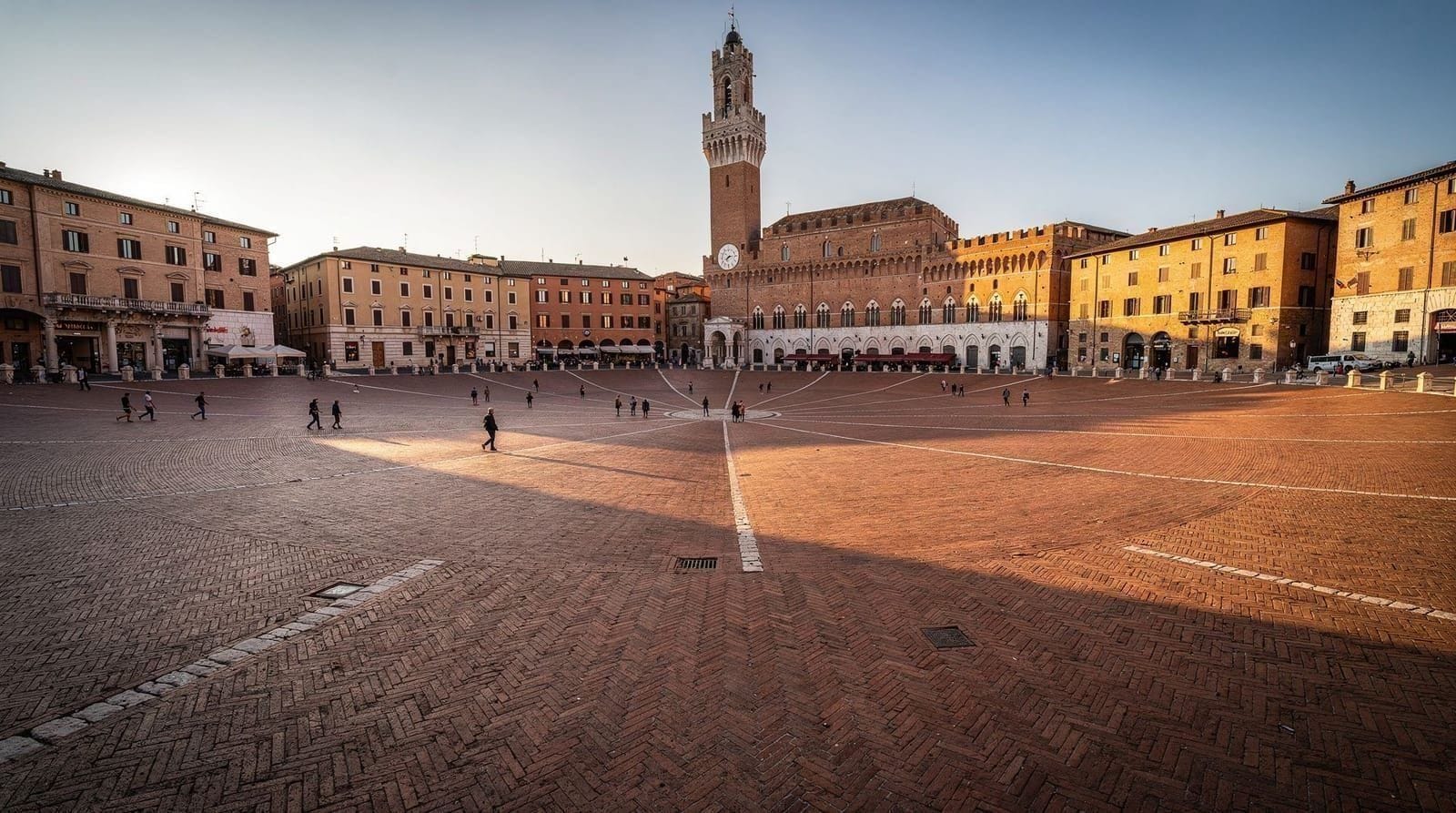
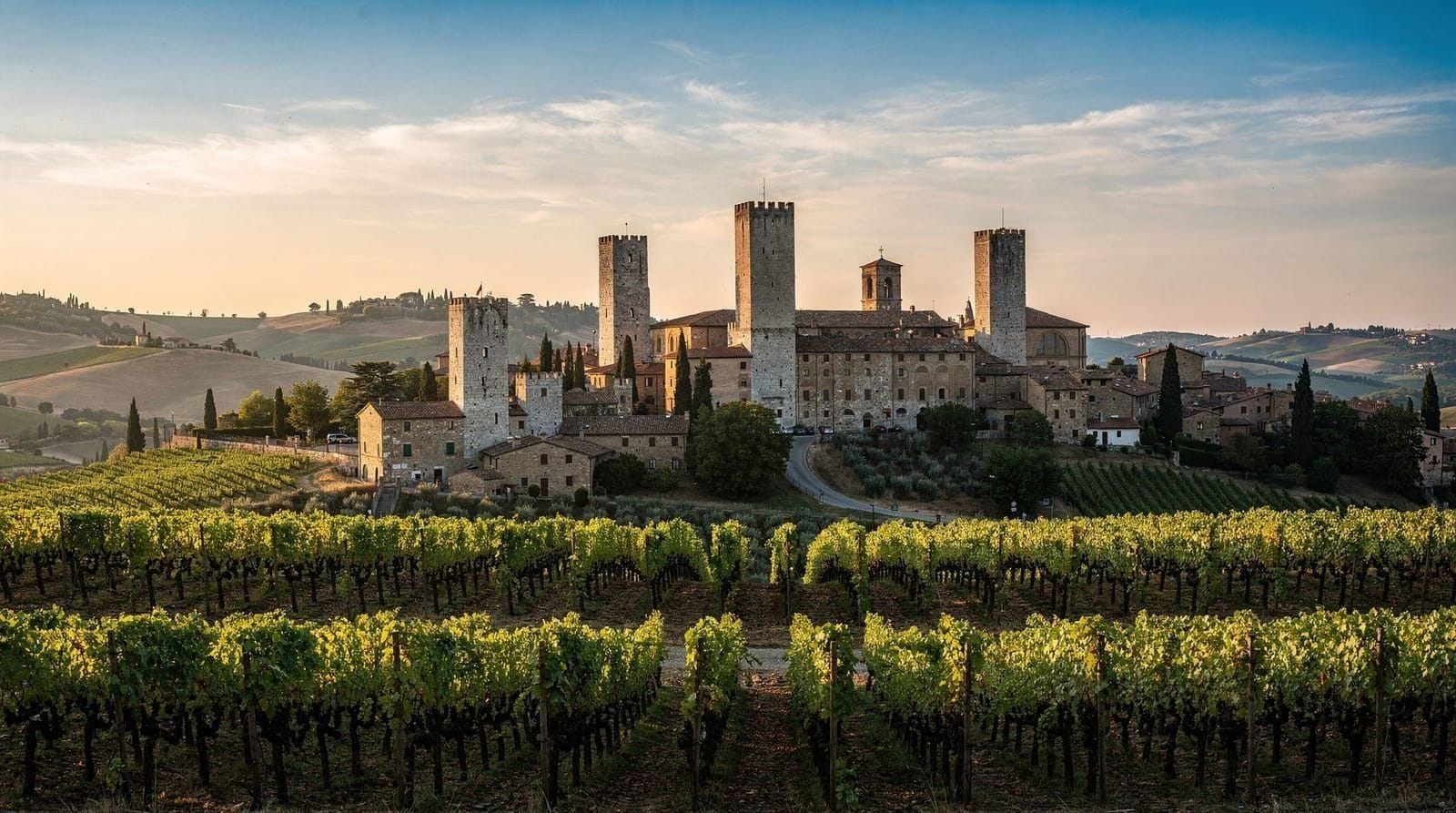
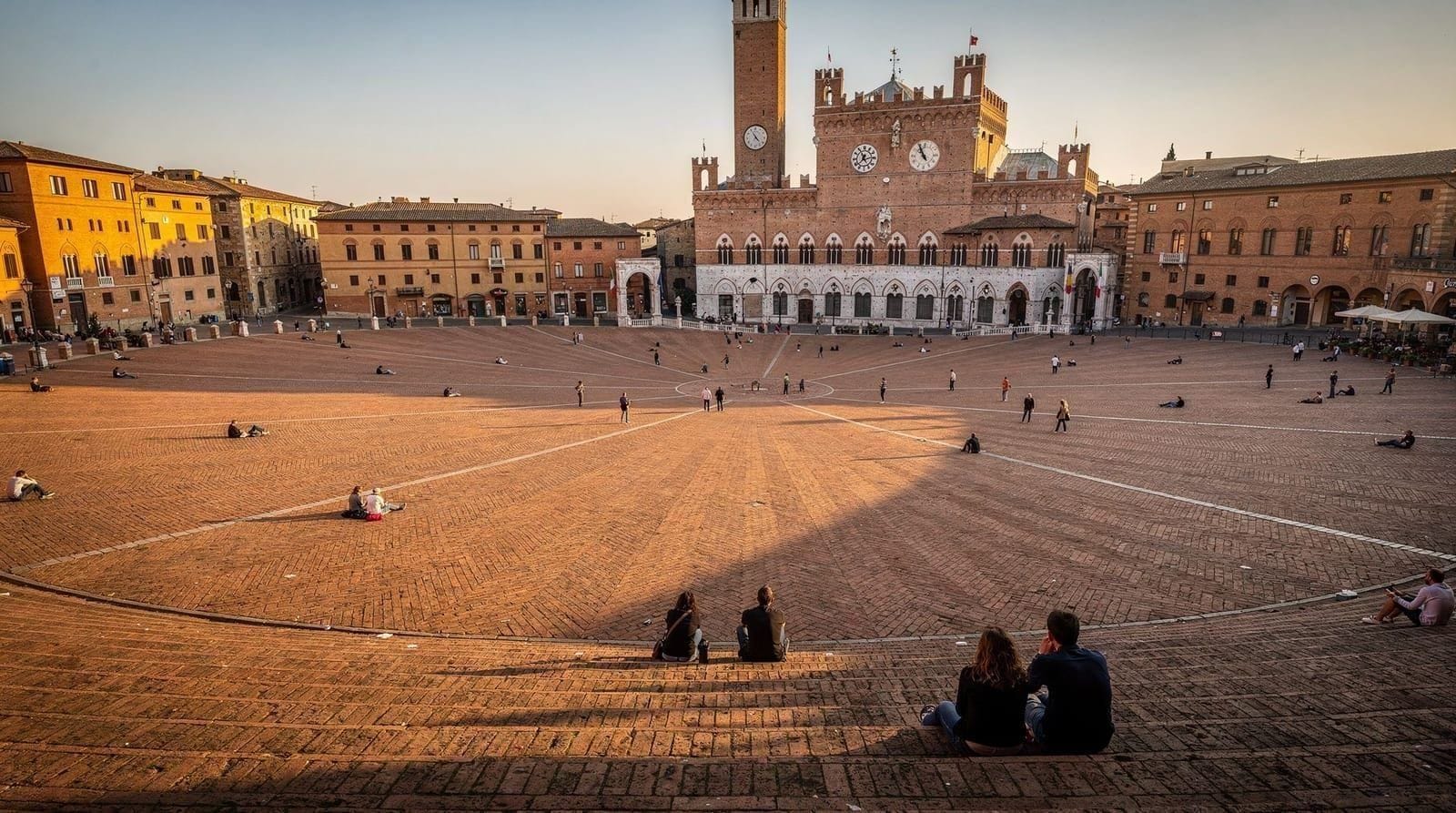
Chianti is the most wine-focused of Florence’s day trips — it rewards travellers who want to slow down at a handful of estates rather than tick off sights. If you’d rather see more in less time, Siena or San Gimignano pack a denser sightseeing itinerary into a similar travel budget. The best day trips from Florence guide compares all the main options side by side.
The honest trade-off is pace versus density. A day in Siena or San Gimignano covers churches, towers, piazzas, and museums in sequence — you’re always moving toward the next sight. A day in Chianti covers far less ground physically but asks you to sit still at two or three estates for an hour or more each. Neither is more “efficient” than the other; they’re simply different rhythms, and it’s worth being honest with yourself about which one you’ll actually enjoy before booking a wine-heavy itinerary.
Chianti with limited time: what to prioritise
If you only have a half-day rather than a full one, don’t try to compress the full village-by-village route — pick one town and one winery instead. Greve is the easiest first stop (closest to Florence, most amenities), paired with a single booked tasting at an estate near Panzano such as Fontodi. Skipping Radda and Gaiole on a short visit is the right call, not a compromise; they’re genuinely better suited to a full day or an overnight stay, which the Chianti wine weekend itinerary covers if you can spare more time. Families travelling with children should also check the day trips with kids in Tuscany guide before committing to a wine-focused itinerary — most estates aren’t set up for young children beyond the vineyard views.
A common mistake on a shortened visit is trying to squeeze in a winery appointment right after arriving, before you’ve had a chance to walk the town itself. Give Greve or Panzano twenty minutes on foot first — the piazza, a coffee, the butcher’s counter — and let the tasting be the second stop rather than the first. It sets a slower pace for the rest of the (already compressed) day and tends to make the whole visit feel less like a checklist.
Top experiences
Bookable activities with verified prices and instant confirmation on GetYourGuide.

Florence: Chianti wineries tour with wine tasting
- Free cancellation
- Small group
Florence: Chianti hills wineries tour with tasting
- Free cancellation
- Small group
Florence: Chianti wine region Vespa or Fiat Topolino tour
- Free cancellation
- Small group
Florence: Chianti day trip with visit to farmhouse and Monteriggioni
- Free cancellation
- Small group
Florence: Chianti tour on e-bike with professional guide
- Free cancellation
- Small group
Florence: culinary tour of the Chianti wine region
- Free cancellation
- Small group