Cycling in Tuscany
Florence: local hills e-bike tour with olive oil tasting
- Free cancellation
- Small group
Is cycling in Tuscany accessible for average fitness levels?
On a regular road bike, Tuscany's hills are demanding — gradients of 8–15% are common in the Chianti zone. On an e-bike (electric assist), the same roads become accessible to most fitness levels. Several Florence operators offer e-bike day tours with professional guides; these are genuinely excellent for non-specialist cyclists.
Two wheels in Tuscany: from city streets to Chianti hills
Tuscany is one of the great cycling destinations in Italy — but this needs honest context. The landscape that makes the region beautiful (rolling hills, river valleys, vineyard terraces) also makes it physically demanding for cyclists. Gradients of 8–15% on the SR222 through Chianti are normal; the classic hill-town approach roads frequently exceed these.
For experienced cyclists on road bikes, this is paradise. For visitors who want to experience the Tuscan landscape on two wheels without being athletic, e-bikes have transformed the picture. Modern electric assist makes the Chianti hills accessible to anyone who can comfortably ride a bicycle — the motor handles the gradient while you enjoy the scenery.
This guide covers both worlds: e-bike tours for the non-specialist, and route information for experienced cyclists who want to ride independently. If cycling sounds like too much effort but you still want the Chianti scenery, the Vespa tour Chianti story covers the motorised alternative.
| Where | City rides from Florence; Chianti and Val d’Orcia for longer routes |
| Cost | €30–90 per person for guided e-bike tours |
| Time needed | 2–3 hrs (city) to a full day (Chianti) |
| Getting there | Rental or guided tour, departing central Florence |
| Best time | April–June or September–October |
E-bike tours from Florence
City tour to Piazzale Michelangelo (2–3 hours)
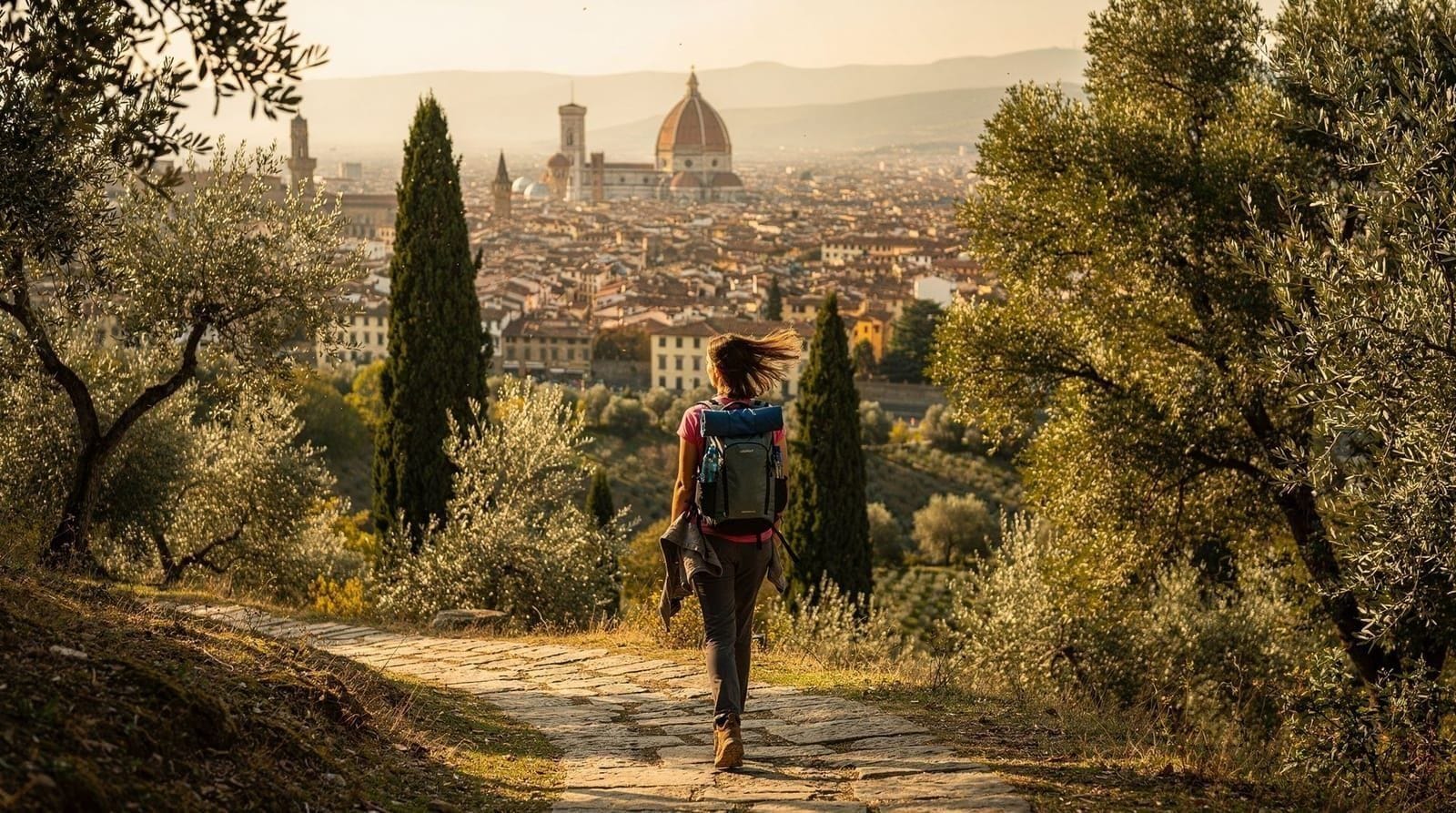
The most accessible e-bike experience from Florence. The route follows the south bank of the Arno from the city centre, climbing through the Oltrarno to Piazzale Michelangelo (one of the city’s great viewpoints) and the Romanesque church of San Miniato al Monte above. The climb is steep — 80 metres of elevation in about 1.5 km — but the e-bike makes it manageable.
Good for: First-time visitors who want to see Florence from above without the bus crowds. Duration 2–3 hours. Price: €30–45 per person. Suitable for beginners.
Fiesole e-bike tour (4 hours)
Fiesole is a small Etruscan town on a hill 8 km northeast of Florence, with views back over the city and the Arno valley. The climb from Florence is about 300 metres of elevation — genuinely steep without e-assist. With electric help, it’s a pleasant morning ride through olive groves and villas.
The route typically takes quiet lanes through the Florentine hills, past Etruscan archaeological sites, and returns via the descent through the vineyard-covered slopes north of the city. Some tours include an olive oil tasting at a hill estate.
Good for: Those wanting a longer outdoor experience outside the city. Duration 3.5–4 hours. Price: €45–70 per person. Moderate fitness recommended.
Chianti e-bike tour (full day, 6–7 hours)
The most ambitious e-bike option from Florence: a full-day ride into the Chianti wine country. Routes typically use the quieter strade bianche (gravel roads) rather than the SR222, covering 40–60 km through the vineyards between Greve and the Florentine hills.
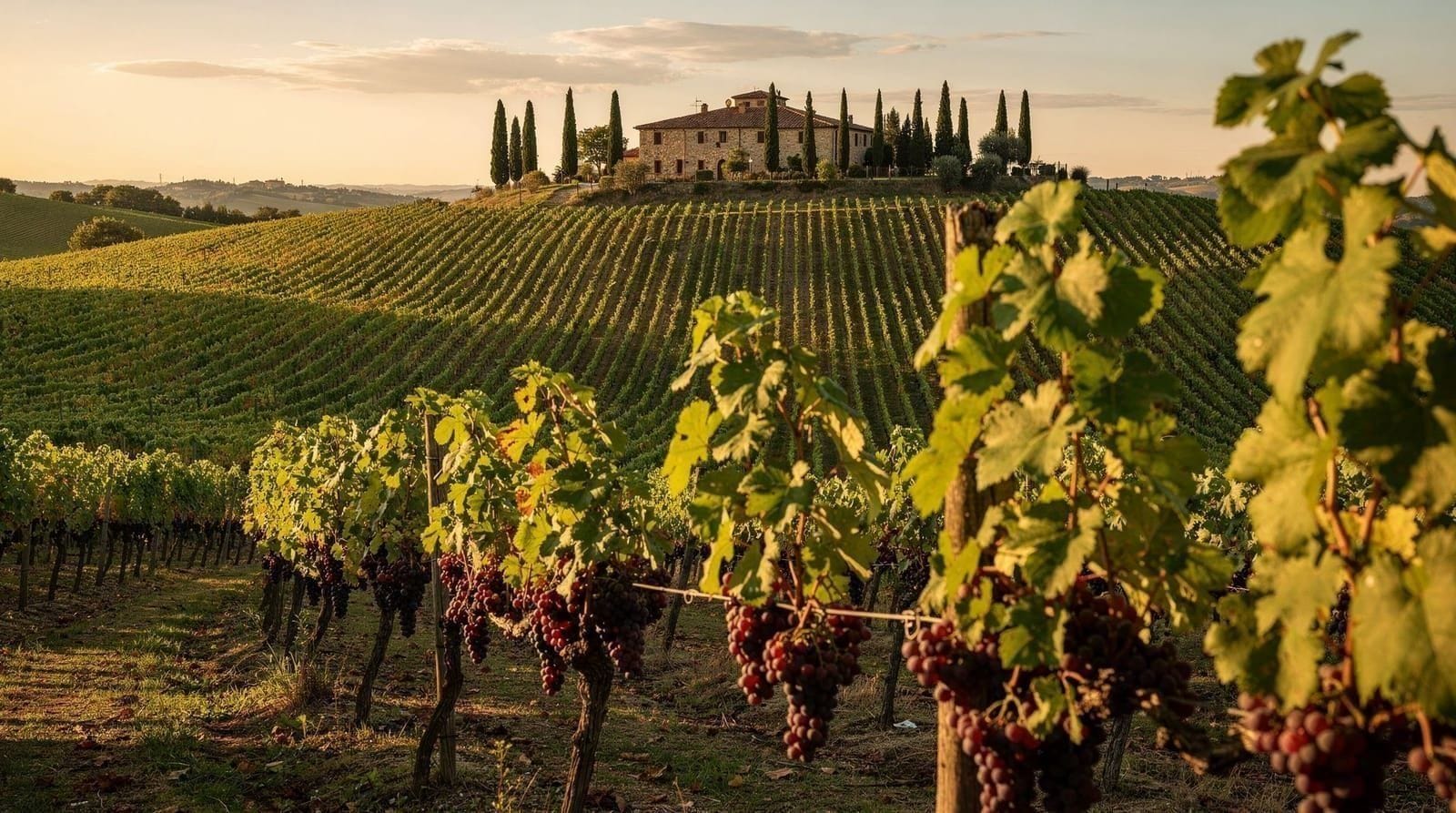
These tours include a stop at a Chianti winery for a wine and olive oil tasting, a picnic or restaurant lunch, and return transport for cyclists who reach the end of their energy. The guide manages pace to ensure no one is left behind.
Good for: Moderately active cyclists who want to combine outdoor activity with wine. Duration 6–7 hours. Price: €70–90 per person including tasting and lunch. Some previous cycling experience recommended.
Half-day Tuscan countryside e-bike (4 hours)
A middle option between the city tour and the full Chianti day. Routes head into the hills south of Florence, visiting olive groves and small-scale farms, with a wine tasting included. Approximately 25–35 km depending on operator.
Cycling in Florence city: navigating safely
Before heading into the countryside, understanding Florence’s urban cycling situation saves frustration. Florence is moderately cycle-friendly by Italian standards, with a growing network of cycle lanes and the ZTL (Limited Traffic Zone) that restricts private cars creating calmer streets in the centre.
Key routes in Florence:
- The Lungarni (riverside roads on both banks of the Arno) are partly designated cycle lanes and relatively traffic-free
- The Viale dei Colli (including Piazzale Michelangelo) has a dedicated cycle path on one side
- The road from Porta Romana south toward the Chianti hills (Via Senese) has a marked cycle path for the first few kilometres
Hazards to know:
- Tram tracks on Via Tornabuoni and other central streets are a genuine danger for bicycle tyres — cross at right angles, never parallel
- The ZTL cameras fine unauthorized motor vehicles but not cyclists — but check bicycle-specific regulations before riding in pedestrianised areas
- Stone streets (sanpietrini paving) in the historic centre are uncomfortable on narrow-tyred bikes; wider tyres or e-bikes handle them better
- Other cyclists: Florence cycling culture is informal. Assume that not everyone follows traffic rules.
Bike sharing: Florence has a docked bike share system (Mobike/Ridemovi) with stations throughout the city. Useful for short city trips; not appropriate for Chianti excursions. Download the app and add a credit card before arriving.
The Vespa and Fiat 500 alternative
For those who want the experience of the Tuscan countryside on two (or four) wheels without the physical effort, vintage Vespa scooters and classic Fiat 500s are an alternative.
Vespa tours: Classic Vespa scooters with a guide lead a small convoy through the Chianti hills. Participants need a driving licence that covers scooters (in the EU, an A1 or higher licence; in many non-EU countries, a full car licence covers scooters under 125cc — confirm before booking). Pairs can ride together on one Vespa. Duration typically 4–6 hours. Price: €80–120 per person.
Fiat 500 tours: You ride as a passenger in a vintage Fiat 500 convertible, driven by a local guide. No licence required, pure nostalgia. Good for couples. Duration 3–5 hours. Price: €80–120 per person.
Both options cover the Chianti wine country and typically include a winery stop and tasting. The Vespa or Fiat Topolino tour combines both in some packages.
Independent cycling in Tuscany
Routes for experienced cyclists
Chianti via the strade bianche: The classic Tuscany cycling experience. From Florence, take the Via Senese south, turning onto the strade bianche network via Strada in Chianti and working through the Chianti Classico zone. The network of white gravel roads is well documented in cycling apps (Komoot and Wahoo have detailed Tuscany gravel route libraries). Key routes:
-
Eroica route (Gaiole in Chianti): The vintage Eroica cycling event follows historic strade bianche routes from Gaiole. The main circuit is 135 km with significant climbing; shorter loops are available. The Eroica race is held in October and attracts thousands of cyclists on vintage steel-frame bikes.
-
Gaiole to Castelnuovo Berardenga circuit: 60 km, 1,200 metres climbing. Quiet gravel roads past several major Chianti Classico estates. Hard work, exceptional scenery.
-
Crete Senesi loop (south of Siena): The bare clay landscape of the Crete Senesi is some of the most dramatic in Tuscany. A 70–90 km circuit from Buonconvento covers the classic views with moderate climbing. Best in spring when the landscape is green and the light is soft.
Fiesole and Settignano loop (north of Florence): An excellent day ride from the city, climbing to both Fiesole (300m) and the hilltop village of Settignano (200m). Quieter than the Chianti routes with less gravel-road navigation required. Total 45–55 km, 800–1,000m climbing.
Bike rental in Florence
Several bike shops in central Florence rent road bikes, gravel bikes, e-bikes, and city bikes by the day:
- Florence By Bike (Via San Zanobi): Full range from city bikes (€10/day) to road bikes (€25–35/day) and e-bikes (€35–50/day).
- I Bike Tuscany: Guided tours and self-guided rental packages with route planning.
- Mauro’s Bikes (near Piazza della Repubblica): Good road bike selection.
For multi-day cycling holidays, pre-booking through a specialist tour operator (like Exodus Travels or Ciclismo Classico) includes logistics, accommodation, and luggage transfer — recommended for anyone doing more than 2 days of independent cycling.
Renting for a single day versus a multi-day trip changes what’s worth paying extra for. For a single day out of Florence, a mid-range e-bike from a city shop is plenty — you don’t need the top-spec model. For a multi-day self-guided trip through Chianti or the Val d’Orcia, it’s worth paying more for a bike with a larger battery range and asking the rental shop specifically about charging arrangements at your overnight stops, since not every agriturismo has charging points set up for guest bikes.
What you need
- Helmet: Rental shops provide helmets; always wear one on Tuscan roads
- Bike lock: Particularly important in Florence, where bike theft is common
- Repair kit: Punctures on strade bianche are common; carry a tube, tyre levers, and a pump
- Water: 1.5–2 litres minimum for a half-day ride in summer
- Sun protection: The Tuscan summer sun at altitude is fierce
- Navigation: Download offline maps (Komoot or Wahoo) before setting out — mobile signal is intermittent on rural roads
Cycling the Val d’Orcia
The Val d’Orcia UNESCO landscape — southern Tuscany’s rolling clay hills, cypress lines, and medieval hill towns — is increasingly popular with cyclists seeking photogenic terrain with moderate gradients. Unlike the Chianti hills (which are densely forested with steep climbs), the Val d’Orcia offers open views and more accessible riding on its network of strade bianche.
Key routes:
Pienza to Montalcino: 35 km one way, 600m climbing. This route follows the classic Val d’Orcia views across open hilltops before descending to the vine-covered slopes above Montalcino. A logical end point at a Brunello winery before taking a taxi back to Pienza.
Buonconvento to Castiglione d’Orcia: 40 km circuit, 800m climbing. Quieter than the Pienza-Montalcino corridor, passing through the Crete Senesi (bare clay hills) and the Val d’Orcia proper. The views from the ridge above San Quirico d’Orcia are extraordinary.
The Eroica Gaiole circuit: The most famous cycling event in the Val d’Orcia/Crete Senesi area, held in early October. The 130 km route covers the strade bianche between Gaiole in Chianti and the Crete Senesi — the toughest and most iconic of the Eroica options.
Getting to the Val d’Orcia with a bike from Florence: The train to Buonconvento (1h45 from Florence SMN, change at Siena) accepts bikes; from Buonconvento you can cycle directly into the route network.
Cycling on the Tuscan coast
A less-visited but excellent cycling area: the Maremma coastline between Livorno and Grosseto. The Via Aurelia (main coastal road) is not recommended — it carries heavy traffic. But the Maremma hills inland from the coast, and the nature reserve of Parco Regionale della Maremma (around Alberese), offer excellent route options.
Capalbio area: Rolling hills with views to the Argentario promontory. Quiet roads, excellent wildflower displays in April–May.
Pitigliano–Sorano–Sovana circuit: Three dramatic cliff-top towns in the Tuscan Maremma, connected by quiet roads through Etruscan archaeological sites. 45 km circuit, 700m climbing. Accessible from Grosseto by train.
This area is 2h30 from Florence by train or car — too far for a day trip unless you’re based in southern Tuscany. It’s better suited to visitors basing part of their trip in the Maremma or combining it with a stay near Grosseto rather than attempting it from a Florence hotel.
Best seasons for cycling
April–June: The ideal cycling season. Temperature 15–25°C, landscapes green, wildflowers on the verges, less traffic than summer. The strade bianche Eroica-heritage routes are particularly good.
September–October: Close to ideal. Harvest season — the vineyards in the Chianti hills are red and gold. Temperatures comfortable (18–25°C during the day). Some afternoon showers possible.
July–August: Possible but hot. Start rides by 7am, finish by 12:30pm. The afternoon in summer (1–4pm) is too hot for comfort. Traffic on the SR222 is also at its peak.
November–March: Some routes become muddy (the strade bianche turn to clay in rain). Temperatures below 10°C common. Not ideal for casual visitors; experienced cyclists find it quiet and atmospheric.
Frequently asked questions about cycling in Tuscany
Do I need a special bike for the strade bianche?
The gravel roads of Tuscany are best covered on a gravel bike (tyres 35–40mm width or more) or mountain bike. Road bikes with narrow tyres (23–25mm) can manage in dry conditions but puncture more frequently and provide a harder ride. E-bikes usually come with 40+mm tyres and handle gravel well.
Is cycling on the SR222 safe?
The SR222 carries significant traffic during summer, including heavy trucks and tour buses. Most of the road has no cycle lane. Experienced cyclists manage it, but for casual cycling the quieter strade bianche alternatives are safer and more pleasant. If you do ride the SR222, wear high-visibility clothing and stick to a single file.
Can I cycle from Florence to Siena?
Yes — the classic route is 90–110 km depending on which roads you take, with approximately 2,200 metres of climbing. Strong cyclists complete it in one day. A more relaxed approach covers it in 2 days, overnight in Greve or Radda. The route is well documented on cycling apps.
Are there cycling tours that include wine tastings?
Yes — the Chianti e-bike tours from Florence specifically include winery visits and tastings in the itinerary. Some operators structure the route around two estate visits with a lunch stop. The full-day Chianti e-bike with wine option combines both outdoor experience and wine tourism in a single day.
Should I choose an e-bike tour or a Vespa tour of Chianti?
It depends on how much physical activity you want. An e-bike tour is still exercise — moderate effort with electric assist — and gets you closer to the landscape at a slower pace with more stops. A Vespa tour requires a suitable licence and covers more ground faster with zero physical effort beyond steering. Couples who want a relaxed, romantic day often prefer the Fiat 500 or Vespa option; anyone who actually enjoys cycling gets more out of the e-bike route, including access to quieter strade bianche a scooter wouldn’t take. Mixed groups sometimes split the difference by booking both across two different days of a longer Florence stay, which works well if time allows.
Choosing between e-bike, road bike, and Vespa
| E-bike tour | Independent road/gravel cycling | Vespa / Fiat 500 | |
|---|---|---|---|
| Fitness needed | Low–moderate | Moderate–high | None |
| Flexibility | Fixed guided route | Full control | Fixed guided route |
| Licence required | No | No | Yes (Vespa only) |
| Best for | Most visitors wanting hills without the grind | Experienced cyclists | Couples, low-effort scenery |
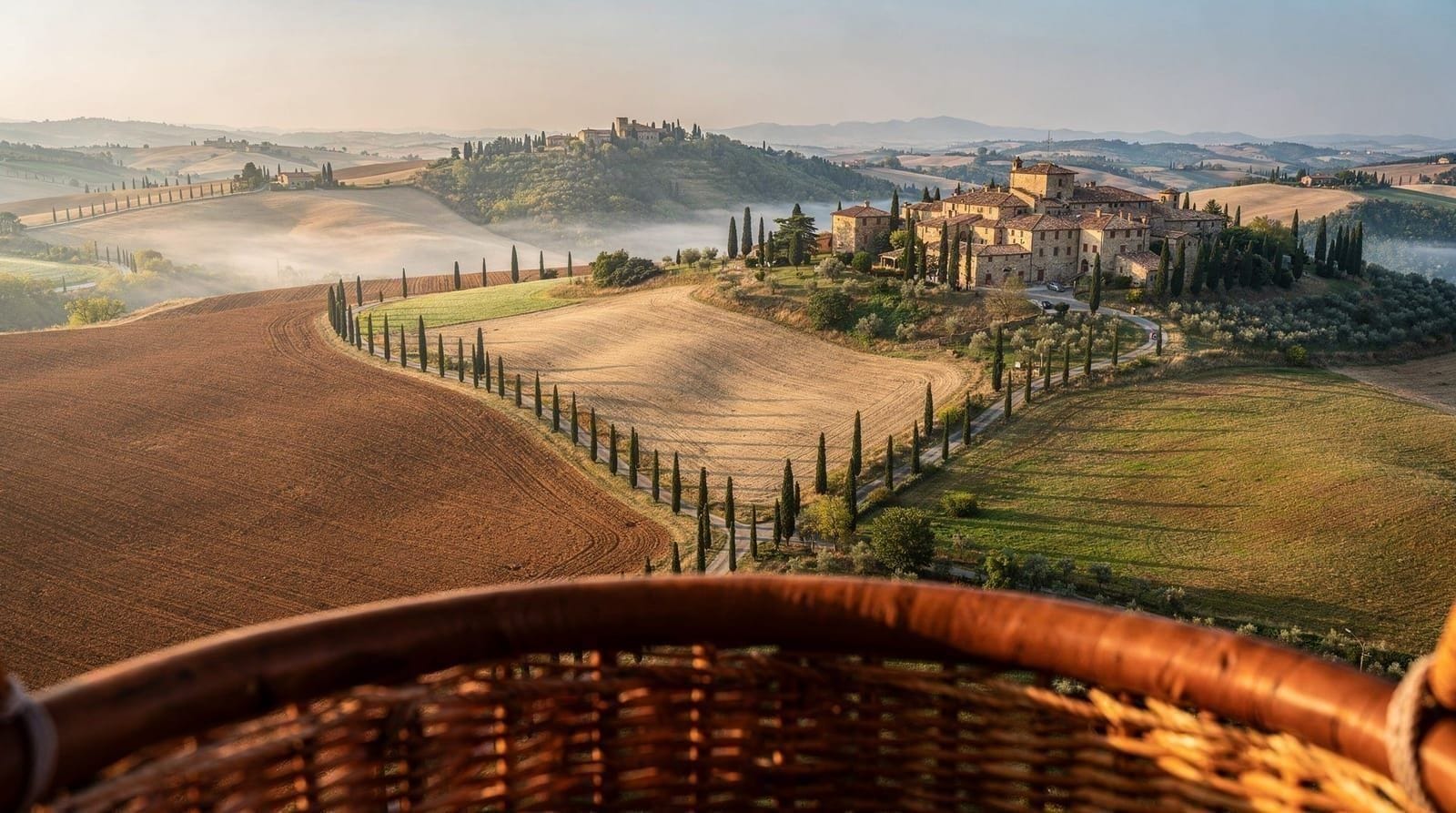
If you’re deciding what to pair a cycling day with, the hiking around Florence guide covers the walking equivalent for anyone who’d rather explore the same hills on foot, and the hot air balloon Tuscany guide is worth a look if you want the Chianti landscape from a completely different vantage point.
Top experiences
Bookable activities with verified prices and instant confirmation on GetYourGuide.

Florence: local hills e-bike tour with olive oil tasting
- Free cancellation
- Small group
Florence: on e-bike to Piazzale Michelangelo
- Free cancellation
- Small group

Florence: Chianti tour on e-bike with professional guide
- Free cancellation
- Small group

Florence: half-day Tuscan countryside e-bike tour with wine
- Free cancellation
- Small group
Florence: Chianti wine region Vespa or Fiat Topolino tour
- Free cancellation
- Small group
Florence: Fiesole e-bike tour with olive oil tasting or pool chill
- Free cancellation
- Small group
Florence: e-bike tour to iconic landmarks and hills
- Free cancellation
- Small group