Florence in winter
Florence: walking tour
- Free cancellation
- Instant confirmation
Is winter a good time to visit Florence?
Yes, for the right visitor. January and February are the quietest and cheapest months: empty museums, low hotel prices, and the city running at its own pace. Cold (3–10°C) and occasionally rainy, but entirely functional. December is festive and lively up to Christmas, then very busy between Christmas and New Year.
The case for winter Florence
Florence in January or February is not for everyone. The weather is cold, the days are short, and the street life that defines the city in summer is largely conducted indoors. But for a specific type of traveller — the one who wants the Uffizi Botticelli rooms to themselves, who can spend two hours in the Bargello without being jostled, who cares more about the paintings than the selfie opportunities — winter Florence is quietly magnificent.
The city’s bones are extraordinary and they are easiest to see when the crowds thin. The Palazzo Vecchio against a January sky, the Arno at low winter water, the medieval streets empty in the early morning — these are the Florence that existed before mass tourism and that reassert themselves every winter.
This guide covers November through February, including December’s Christmas period.
| Weather | 2–14°C across the season; coldest in Jan–Feb |
| Hotel savings | 30–50% cheaper than May in Jan–Feb |
| Booking window | Rarely needed for the Uffizi in Jan–Feb |
| Busiest window | Christmas week and New Year (book months ahead) |
| Best for | Empty museums, indoor food, slow trattoria lunches |
November: autumn becomes winter
November occupies an awkward position in most travel guides: too late for autumn’s warmth, not yet festive enough for December. But November has a legitimate claim on your attention.
Weather: 7–14°C. The most rainfall of any autumn month (eleven rainy days on average), but the rain is rarely constant. Clear cold days alternate with grey wet ones.
Crowds: November is the quietest month of the year except for January and February. Walking into the Uffizi on a Tuesday morning in November without pre-booking is genuinely possible in most years.
Why visit in November: the olio nuovo. Late October through November is when fresh-pressed Tuscan olive oil becomes available. Florentines are passionate about this — the new oil is intensely green, peppery, and alive in a way that bottled oil never is. Restaurants in November serve it poured liberally over bruschetta (toasted bread rubbed with garlic), ribollita, and grilled vegetables. The Mercato Centrale stocks it; so does the Mercato di Sant’Ambrogio.
What to do: focus on indoor experiences. The Museo dell’Opera del Duomo deserves at least two hours and is still undervisited relative to its quality — Michelangelo’s Pietà (different from the one in Rome), Donatello’s Cantoria, and the original gilded bronze panels from the Baptistery doors are all here. The Bargello, in a fourteenth-century palazzo, is one of the finest sculpture museums in the world and can be experienced slowly in November without competition.
December: festive but uneven
December splits into three distinct periods:
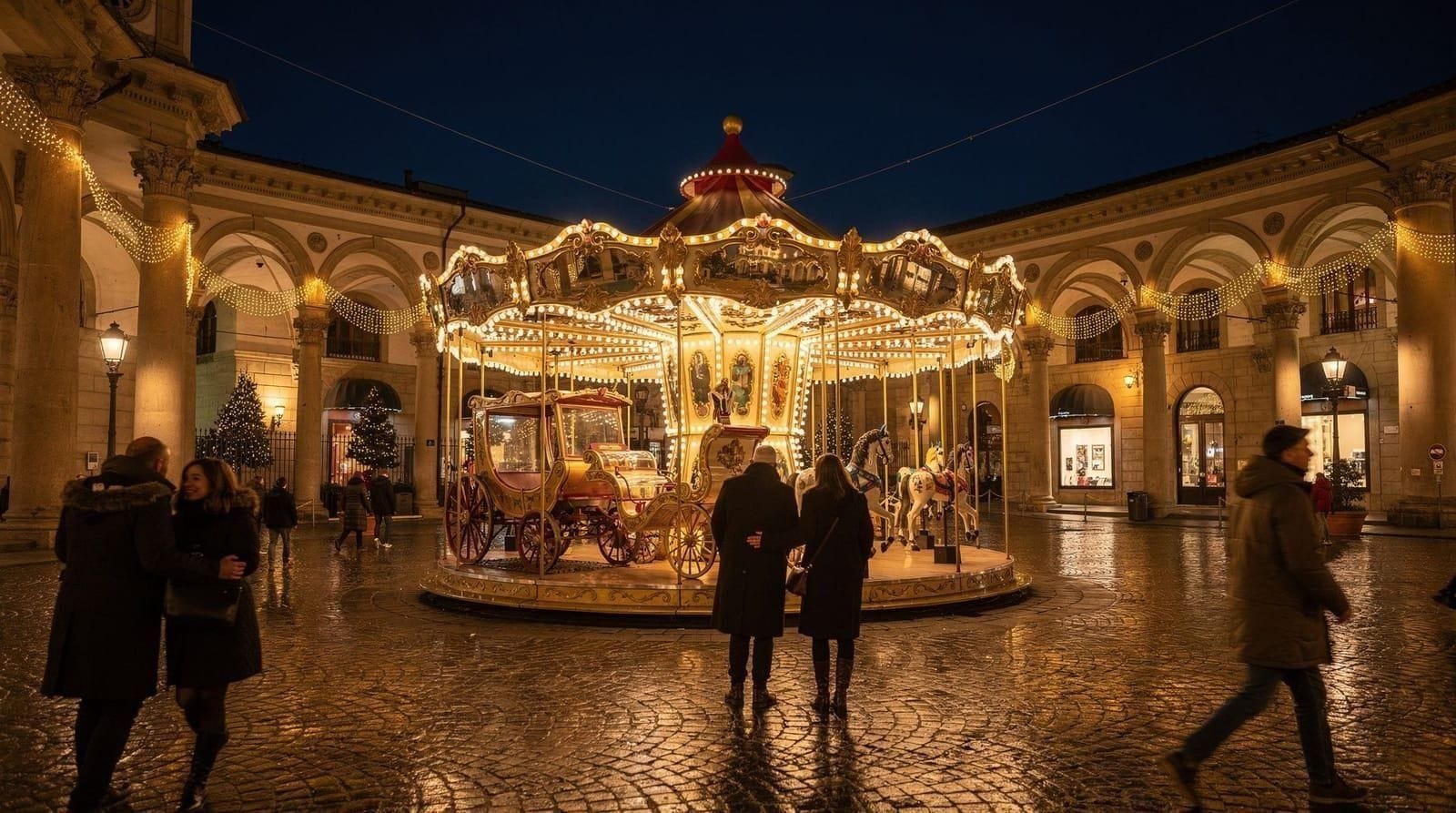
Early December (1–20): Florence’s best winter month for visitors. Christmas markets open from around December 8 (Feast of the Immaculate Conception, a public holiday). The Lungarno embankments have seasonal stalls. Piazza Santa Croce hosts the German-style Wunderkammer market with mulled wine, artisan crafts, and seasonal food. The city is lit but not yet overwhelmed.
Temperatures average 4–10°C. Concerts and exhibitions pick up; many churches host Advent choral performances. The Sala dei Cinquecento in Palazzo Vecchio sometimes hosts winter events.
Christmas week (21–26 December): the city fills rapidly from the 21st. Domestic tourists (Italians visiting Florence for the Christmas break) combine with international visitors to create the busiest week of December. Hotels are fully booked months in advance and command premium prices. Christmas Day itself is quiet — everything closes, the streets empty, and the city feels briefly like itself again.
New Year week (27 December–2 January): extremely busy. Piazzale Michelangelo hosts a large New Year’s Eve gathering. Hotels near the historic centre are fully booked. This is the second-most-expensive week of the year after Easter. Book everything months in advance if you want these specific dates.
For full Christmas coverage, see Florence at Christmas.
January: the empty city
Weather: 3–9°C. Cold, occasionally foggy, and short days (dark by 5pm). This is the price.
The reward: almost no queues anywhere. The Uffizi, which requires advance booking from March through November, can often be entered with a same-day ticket in January. The David at the Accademia can be viewed from the front and the sides at leisure. The Palazzo Vecchio Sala dei Cinquecento, with Vasari’s enormous battle frescoes filling the walls, receives a few dozen visitors on a January weekday where summer would bring hundreds.
Prices: hotels in January are 30–50% cheaper than in May. A boutique hotel in the Oltrarno that charges €200 per night in May may be €100–120 in January. Apartment rentals are similarly reduced.
What works well in January:
- Extended museum visits without fatigue from crowds or heat
- Long restaurant lunches — the city’s best trattorias are far more relaxed
- Wine bar visits (Florence has an excellent wine bar culture; the enoteca scene at places like Buca dell’Orafo, Le Murate, and Enoteca Pitti Gola e Cantina is more accessible in January)
- The Oltrarno craft workshops — leather goods, frames, paper marbling, jewellery — are working rather than performing for summer tourists
Caveat: January 6 (Epiphany) and the days around it are Italian public holidays. Many shops and some restaurants close for extended periods between Christmas and Epiphany. Plan around this if arriving in early January.
February: still quiet, getting lighter
Weather: 4–11°C. February is slightly warmer than January and the days are lengthening (sunset at 5:30pm rather than 5pm). The chance of snow is marginally higher than January in some years, but still rare in the city centre.
What changes in February: the city starts to stir in the second half. The first hints of spring blossom appear in the Oltrarno gardens. Carnival (Carnevale) falls in February (moveable depending on Easter) and brings a brief burst of colour — children in costume, street markets, and a small parade in the historic centre.
Carnevale: Florence’s Carnevale is modest compared to Venice or Viareggio, but it exists and adds life to an otherwise quiet month. The main activity concentrates around the last week before Lent.
Winter packing guide
Florence in winter requires:
- A genuinely warm coat (not just a jacket; temperatures at 4°C with wind are felt)
- Waterproof shoes or boots — wet cobblestones are genuinely slippery
- Scarf and gloves for evenings
- Layers that can be added or removed for museum visits (heated interiors are warm)
Winter museums: the honest timing guide
| Museum | Winter hours (approx.) | Closed | Pre-booking needed? |
|---|---|---|---|
| Uffizi | 9am–5pm | Monday | Rarely in Jan–Feb |
| Accademia | 9am–5pm | Monday | Rarely in Jan–Feb |
| Bargello | 9am–5pm | Some Tuesdays | No |
| Pitti Palace | 9am–4:30pm | Tuesday | No |
| Medici Chapels | 9am–4:30pm | Some Sundays | Recommended |
| Duomo dome | 8:15am–5pm | Varies | Yes (slots limited) |
Always check official museum websites for public holiday closures before visiting.
Winter eating in Florence
Winter is the best season for Florentine cooking. The dishes that define the city’s food culture — hearty, ancient, built for the cold — make perfect sense from November through February.
Ribollita: the defining Tuscan winter soup. A day-old minestrone of cavolo nero, cannellini beans, onions, and stale bread, “re-boiled” (ribollita) until thick and almost bread-like in texture. Served with a drizzle of olio nuovo. Find it at Trattoria Mario (Via Rosina 2, open weekday lunches, cash only) or Buca dell’Orafo.
Bistecca alla Fiorentina: the enormous T-bone steak from Chianina cattle, served at most only two to three fingers thick, cooked very rare, and shared between two. Not a summer dish — winter is when the heavy red wines (Brunello di Montalcino, Vino Nobile di Montepulciano) that accompany it feel right.
Lampredotto: Florence’s most famous street food — the fourth stomach of the cow, slow-braised and served in a bread roll. Available year-round from street carts but particularly warming in winter. The cart at the corner of Via dei Macci and Via Pietrapiana is one of the best.
What to prioritise in winter
Winter is the season to spend real time in the museums that summer crowds make difficult to enjoy. Give the Uffizi, the Accademia, and the Bargello the unhurried attention they deserve — January and February in particular offer close to empty rooms on weekday mornings. Balance the cold with genuinely warming Florentine food: a long lunch built around ribollita or bistecca, discussed below, is as much a winter activity as any sight.
Managing short winter days
Daylight is the real constraint in December and January, with sunset around 4:30–5pm. Structure winter days to front-load outdoor viewpoints and photography in the late morning and early afternoon light, and shift toward museums, churches, and long lunches once the light starts to fade. This is the opposite rhythm from summer, and travellers who don’t adjust for it often find themselves standing at Piazzale Michelangelo in the dark, having planned the visit for a summer-length afternoon that winter simply doesn’t have.
Winter food as a seasonal experience
Florentine cooking makes the most sense in winter. Beyond ribollita and bistecca, this is the season for wild boar pappardelle, hearty bean soups, and the first bottles of new-vintage Chianti Classico. Pairing a museum morning with a slow trattoria lunch — the kind that isn’t rushed because the restaurant itself is quiet — is one of winter Florence’s real advantages over the high season. The best trattorias in Florence guide and the bistecca alla Fiorentina guide both work especially well as winter reading, since the dishes they cover are at their most appropriate exactly now.
Frequently asked questions about Florence in winter
Is Florence worth visiting in January?
Yes, for the right expectations. If your priority is seeing great art without crowds, January is genuinely ideal. If you need warm weather, outdoor dining, and a lively street scene, January will disappoint. The city is cold and quiet but it is not closed.
What is the cheapest month to visit Florence?
January and February are consistently the cheapest months for hotels and flights into Florence (FLR) or Pisa (PSA). Some boutique hotels discount by 40–50% from their peak rates.
Can I ski near Florence in winter?
The Apennine ski resorts are about 60–90 minutes from Florence by car. Abetone (the closest resort) has modest skiing and is a popular weekend destination for Florentines. For serious skiing, the Dolomites require a longer journey (roughly 3–4 hours by train and transfer) but are a completely different scale.
Are there any winter events in Florence other than Christmas?
Carnevale (February, moveable), Epiphany celebrations (January 6), and various contemporary art and music events throughout the winter season. The Maggio Musicale Fiorentino season begins in spring, but the Teatro della Pergola and Teatro Verdi host opera and classical music performances through the winter months.
What is the minimum temperature in Florence in winter?
The coldest nights in January and February average around 2–4°C. Actual overnight minimums occasionally reach 0°C or just below. Snow in the city centre happens perhaps once every three to five years on average. The hills above Florence (Fiesole, Settignano) see frost more regularly.
Top experiences
Bookable activities with verified prices and instant confirmation on GetYourGuide.