Best time to visit Florence
Florence: Uffizi Gallery skip-the-line tickets
- Skip the line
- Free cancellation
When is the best time to visit Florence?
April–May and September–October are the undisputed sweet spots: temperatures sit between 16–24°C, the main museums are open, crowds are manageable, and prices are reasonable. Avoid July–August if heat and queues bother you; avoid August especially since many local restaurants and shops close.
Why timing matters more in Florence than almost anywhere else
Florence is a small city — fewer than 400,000 residents — that absorbs about 13 million tourists a year. The Uffizi and Accademia together fill a combined floor area smaller than a medium shopping centre. When those two facts collide in July, the result is lines that stretch around the block and rooms where you cannot stand still long enough to look at a painting.
Timing your trip well is not about chasing perfect weather. It is about choosing the ratio of comfort, access, and cost that suits you. This guide breaks that down honestly, month by month, with real temperatures and practical advice.
| Best months | April–May and September–October |
| Avoid if possible | Mid-July through August (heat, crowds, local closures) |
| Cheapest months | January, February, first half of November |
| Booking window | 1 week ahead (low season) to 1 month ahead (July) for Uffizi/Accademia |
| Cheapest hotel range | Around €80–120/night in deep winter vs. €160–200+ in May |
Month-by-month breakdown
| Month | Avg. low–high (°C) | Rain days | Crowds | Hotel prices |
|---|---|---|---|---|
| January | 3–9 | 8 | Very low | Low |
| February | 4–11 | 8 | Very low | Low |
| March | 7–14 | 9 | Low–medium | Medium |
| April | 10–18 | 10 | Medium | Medium–high |
| May | 14–23 | 9 | Medium–high | High |
| June | 18–28 | 7 | High | High |
| July | 21–32 | 5 | Very high | Very high |
| August | 21–32 | 6 | High (but local closures) | High |
| September | 17–27 | 7 | Medium–high | High |
| October | 12–21 | 10 | Medium | Medium–high |
| November | 7–14 | 11 | Low | Medium |
| December | 4–10 | 9 | Low–medium | Low–medium |
The sweet spot: April–May
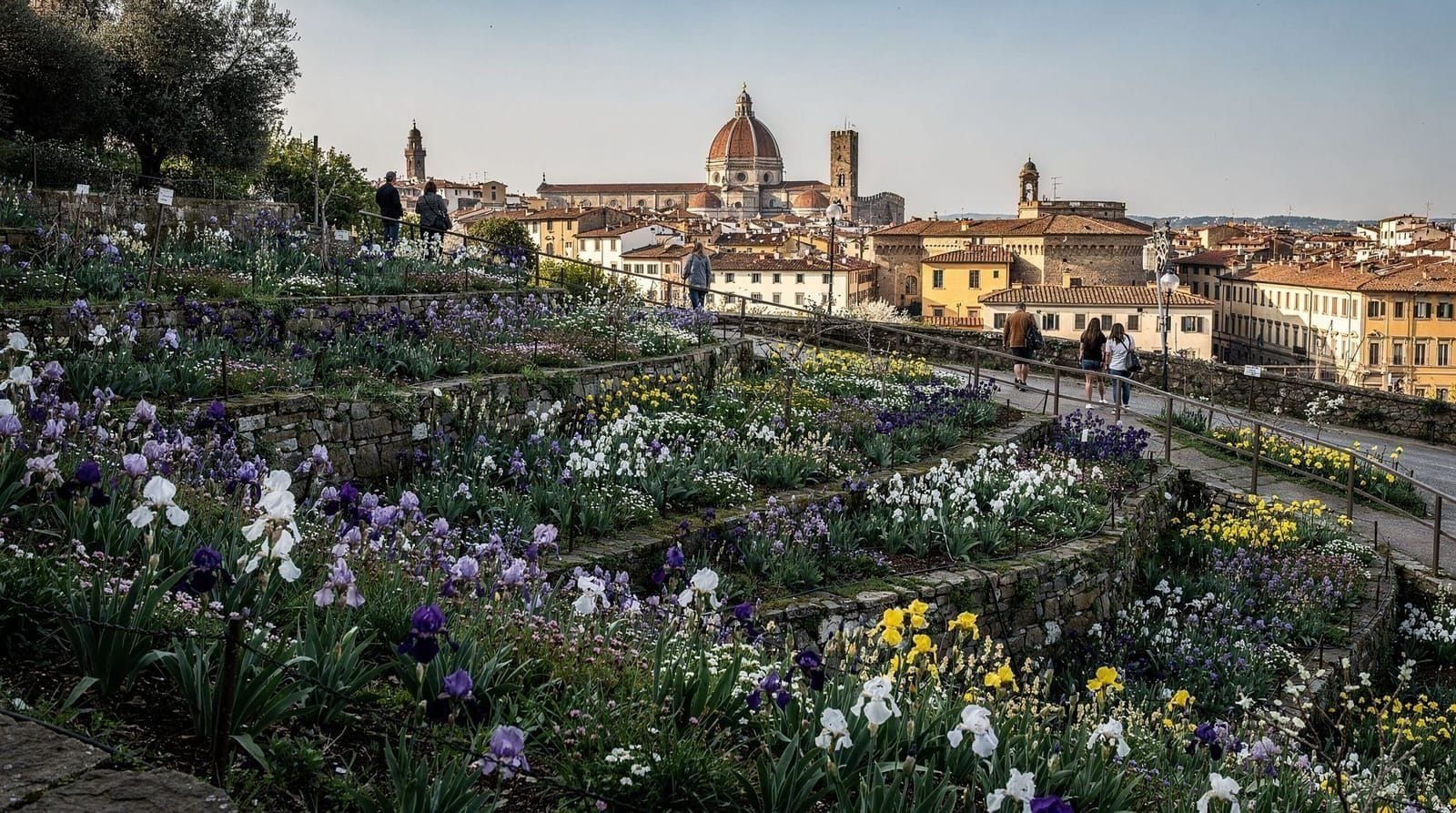
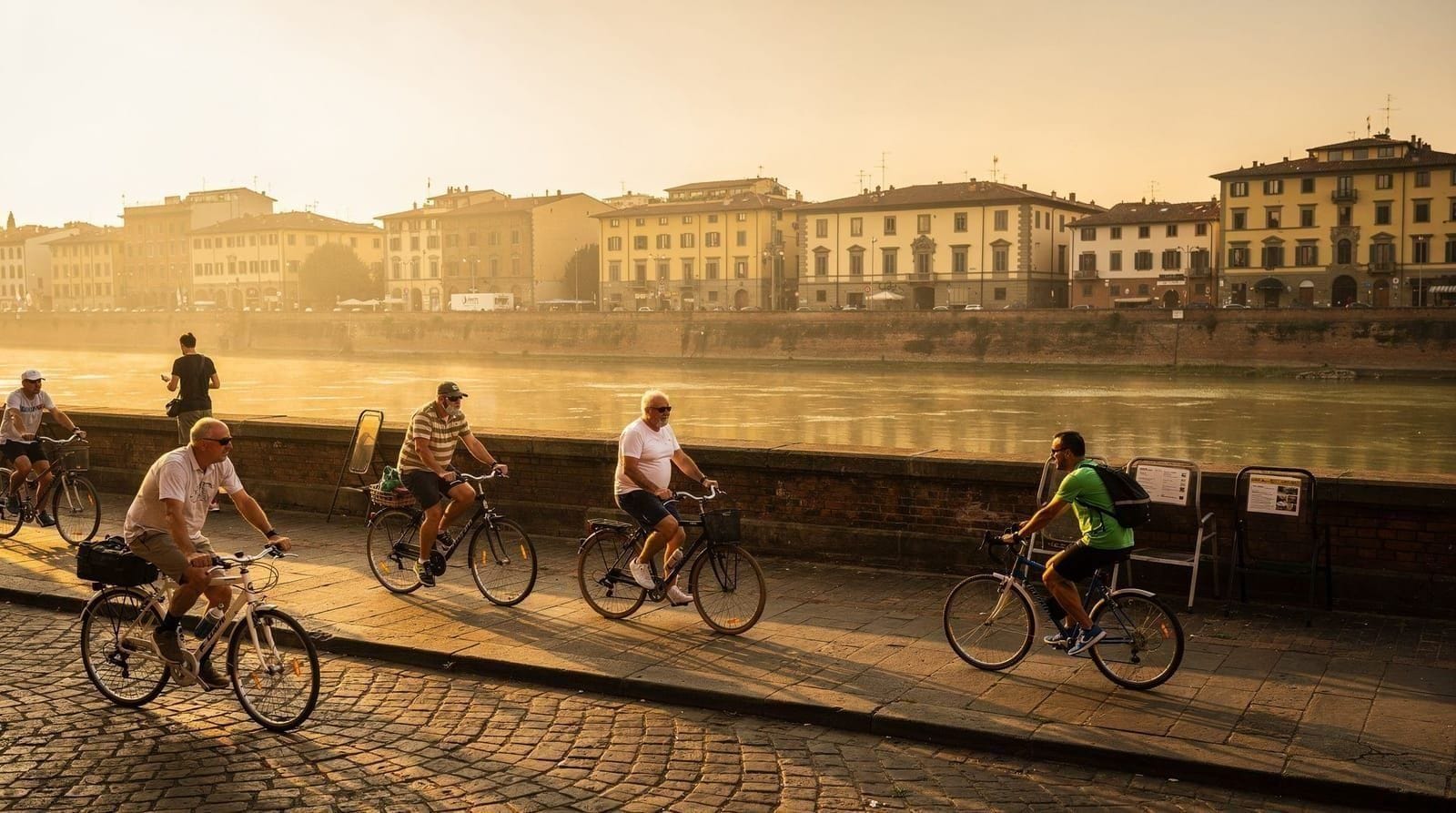
These two months are the city’s peak in all the best senses. The Boboli Gardens are a riot of wisteria and roses. The hills above Fiesole are green. The Arno reflects long late-afternoon light. Temperatures are perfect for walking: cool in the morning, warm enough for a shirt by noon.
April brings the Scoppio del Carro (Explosion of the Cart) on Easter Sunday — an extraordinary medieval ceremony in Piazza del Duomo involving a gilded cart, fireworks, and a white dove. If you happen to be in Florence for it, consider it unmissable. Easter weekend itself can be crowded (book tickets and accommodation two months in advance), but the weeks either side of Easter are genuinely pleasant.
May is arguably the single best month: consistently warm, reliably dry, and the Maggio Musicale Fiorentino classical music festival is underway. Uffizi tickets sell out more than a week in advance during May, so book early.
For a spring visit, see the full Florence in spring guide.
The second sweet spot: September–October
September is Florence in recovery mode — tourists thin out from the August peak, locals return from their summer breaks, and the city exhales. Temperatures remain warm (22–27°C through most of September), making outdoor dining still viable.
7 September is Festa della Rificolona, a lantern procession from Sant’Ambrogio to Santissima Annunziata. Children carry paper lanterns through the streets. It is entirely local and completely charming.
October is underrated. The Chianti harvest (vendemmia) runs through the first three weeks; winery tour bookings are high but the experience is worth it. Temperatures drop to 12–21°C, rain picks up slightly, but the light is extraordinary and the museums are relaxed.
For the full picture of each season, read the Florence in autumn guide.
Summer: beautiful but demanding
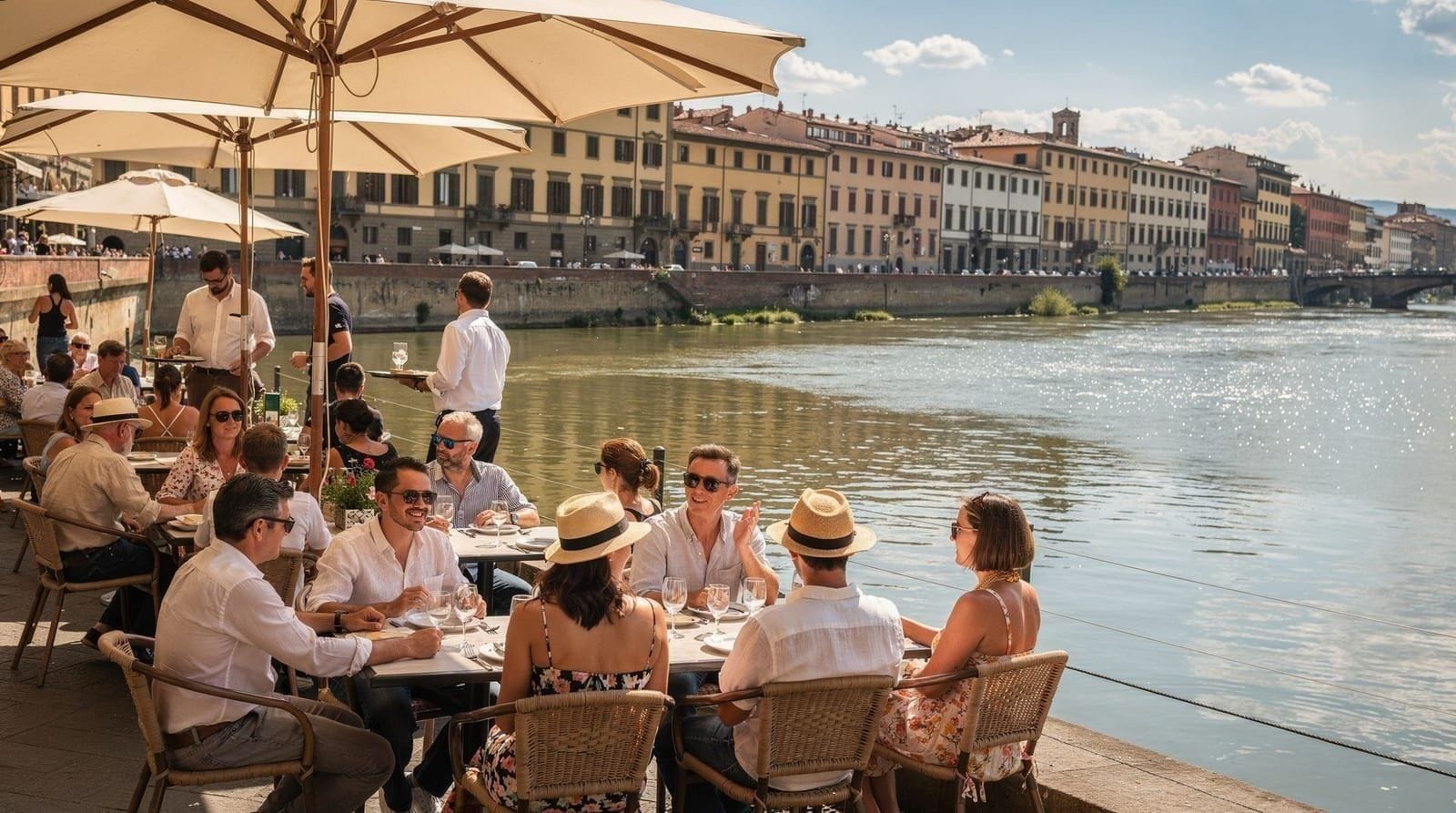
Florence in June is genuinely lovely if you plan around the heat. Evenings are warm and golden. Calcio Storico — a brutal medieval football match played in Renaissance costume in Piazza Santa Croce — takes place in June. Getting tickets is competitive but worth trying.
July and August are harder. Daytime temperatures regularly exceed 30°C and humidity amplifies the effect. The city smells of hot stone and sunscreen. Queues at the Uffizi can be two to three hours without pre-booked entry.
August specifically: many Florentine-owned restaurants, butchers, and neighbourhood bars close for two or three weeks in mid-August as owners take their own holidays. What stays open caters almost exclusively to tourists. That said, hotels sometimes discount during the last week of August as European tourists head home, creating a brief window of value.
For the detailed breakdown, read Florence in summer and the separate Florence in August guide.
Autumn: the connoisseur’s choice
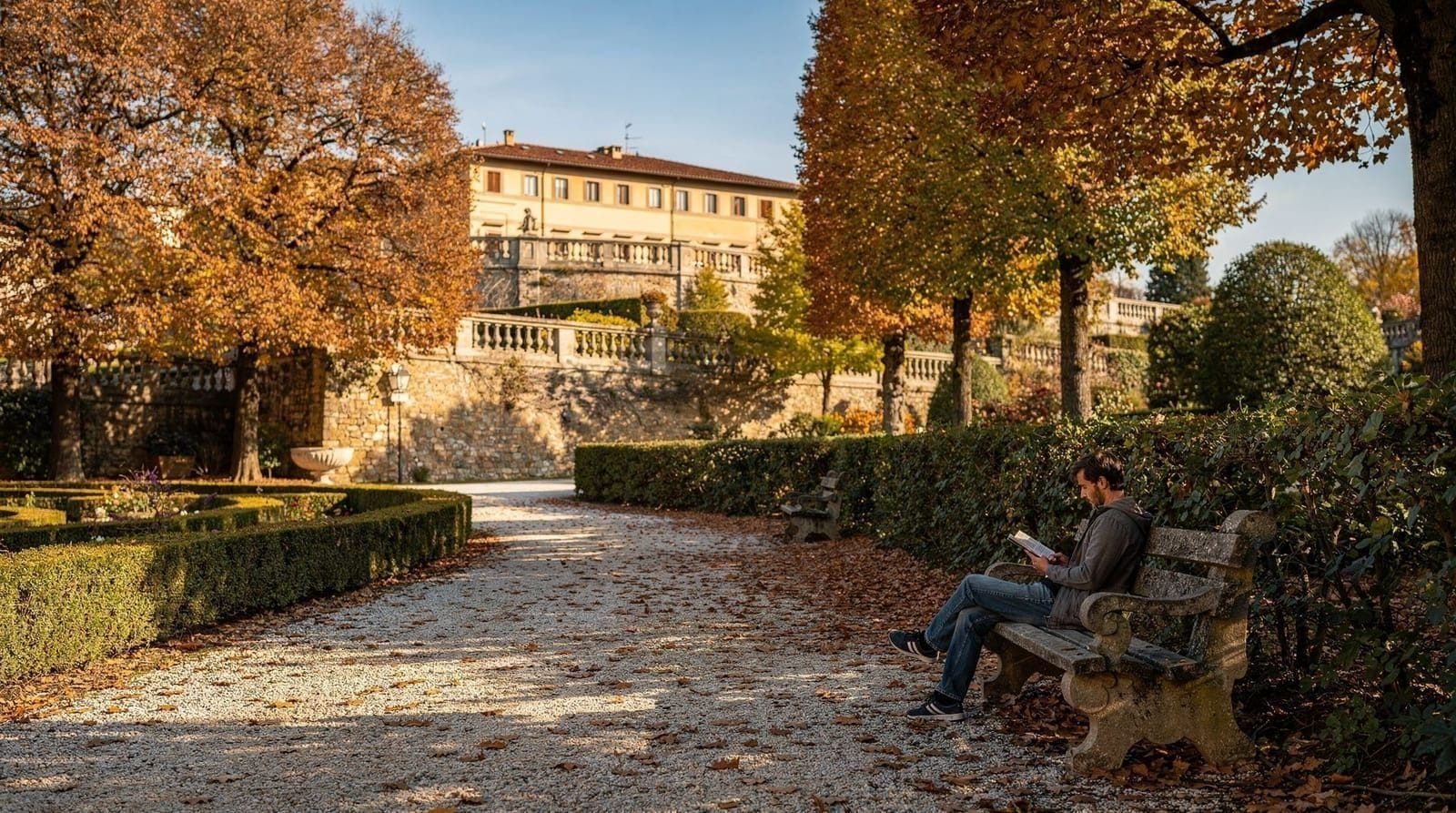
Many experienced Italy travellers rate October as their favourite month in Florence. The light is warm and low, shadows are long by three in the afternoon, and the Uffizi empties noticeably. The autumn palette — russet hills, amber vineyards — is one of Tuscany’s visual signatures.
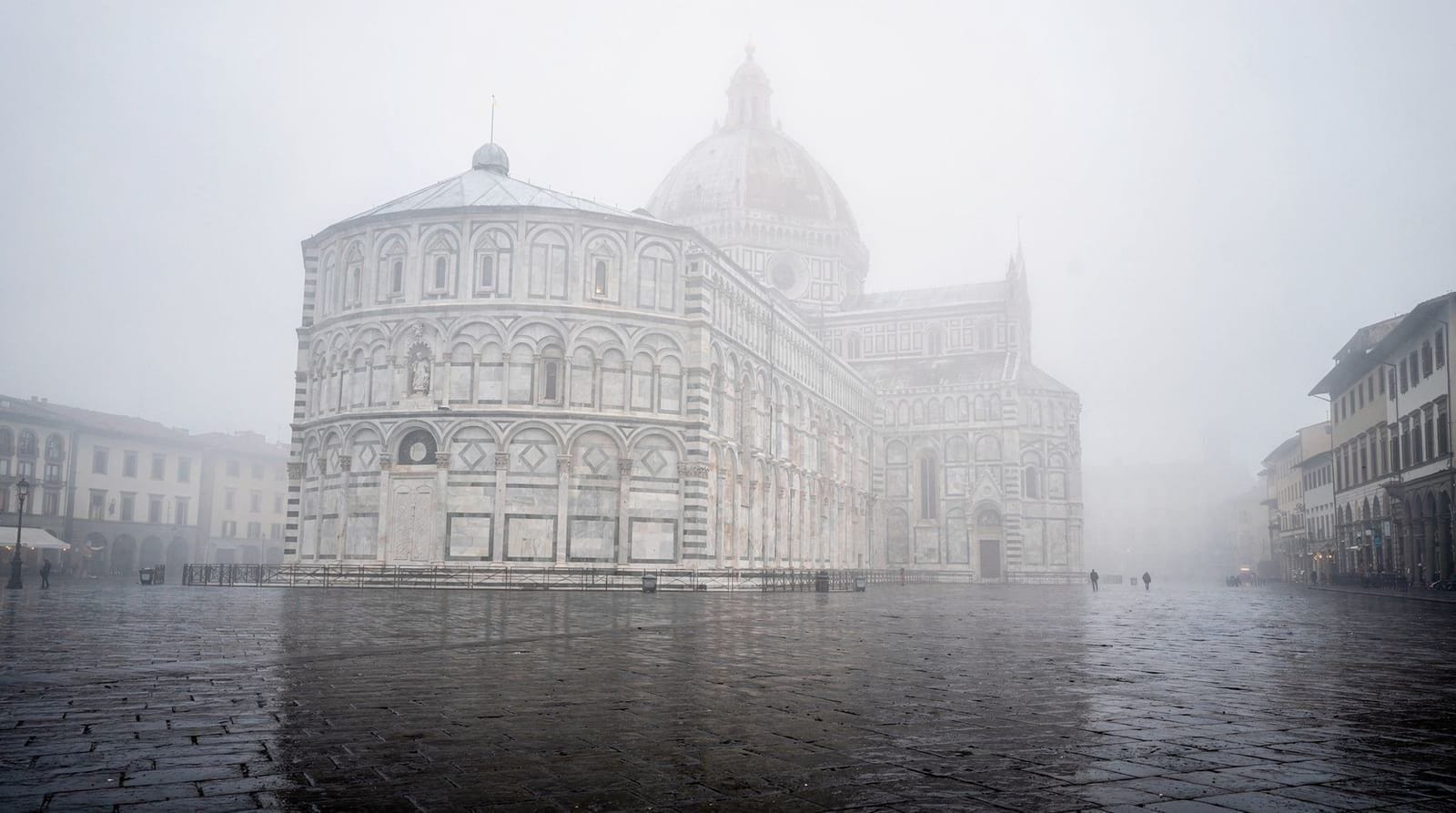
November is cool and often rainy, but the museums are practically empty and accommodation is cheap. A wet November afternoon in the Bargello, with almost no other visitors, is a genuinely unusual experience in a city that is never truly quiet in high season.
Winter: surprisingly viable
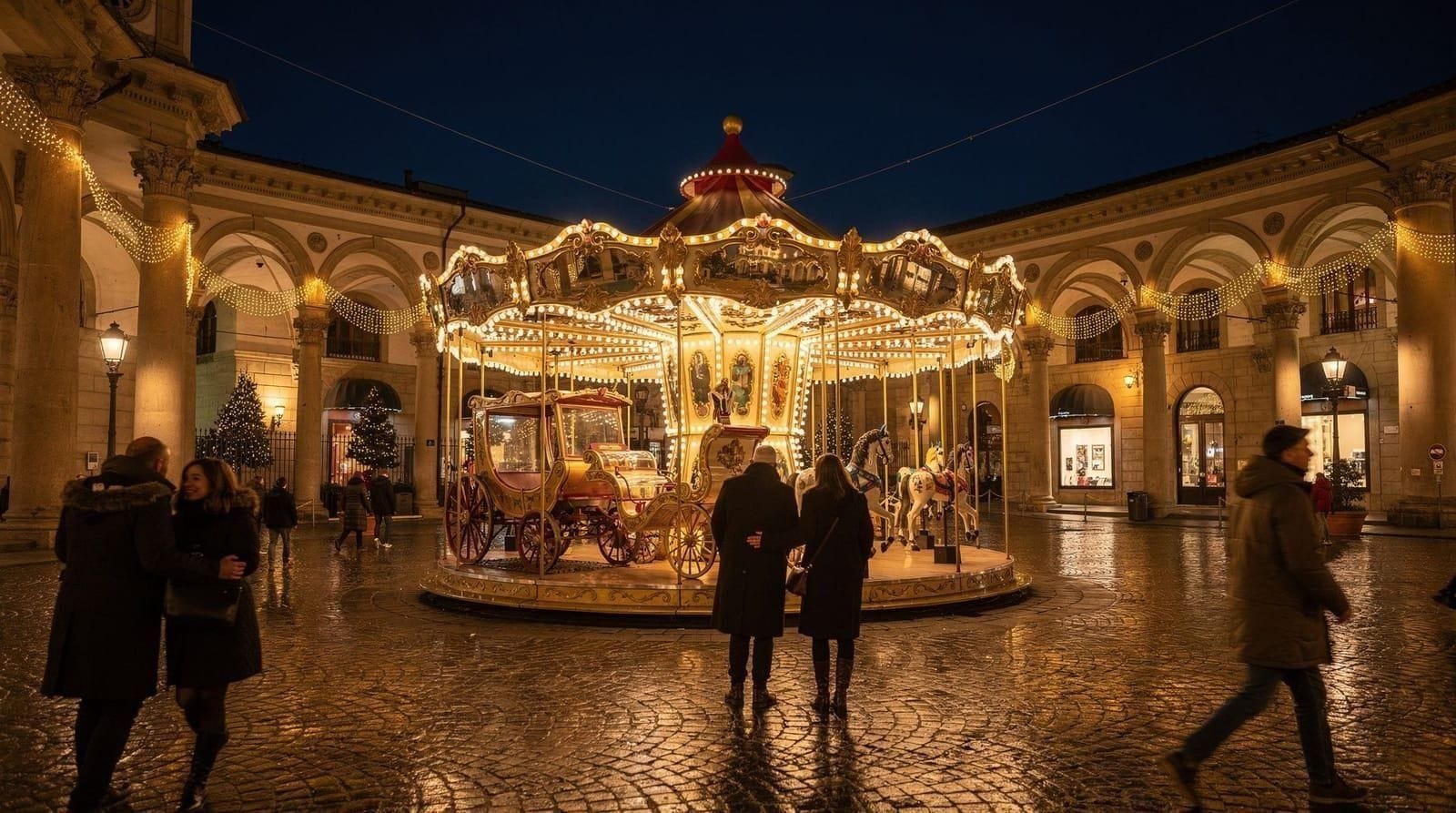
December is split between two experiences. The first three weeks bring Christmas markets (mainly along the Lungarni and around Piazza Santa Croce), tasteful festive lighting, and manageable crowds. Hotel prices are reasonable. The week between Christmas and New Year is one of the busiest of the year — book months in advance if you want those specific dates.
January and February are Florence’s quietest months. Museums require no advance booking on most days. A good rain jacket and a willingness to embrace the grey is the main requirement. See Florence in winter and Florence at Christmas for more detail.
What to pack by season
Packing for Florence changes more than most first-time visitors expect, given how much temperatures swing between the sweet-spot months and the summer or winter extremes.
Spring (April–May): Layers are essential — mornings can start at 10°C and afternoons reach 23°C. A light jacket, a scarf for cooler evenings, and comfortable walking shoes for the city’s uneven cobblestones. An umbrella is worth carrying; April and May both average around 9–10 rain days.
Summer (June–August): Breathable, lightweight fabrics, a hat, and sunscreen are non-negotiable. Note that many churches (including the Duomo) require shoulders and knees covered — carry a light scarf even in the heat. A reusable water bottle helps; Florence has public drinking fountains (nasoni) throughout the centre.
Autumn (September–October): Similar to spring — layer for a warm afternoon and a cool evening, with a waterproof layer becoming more important by October as rain days climb back to 10.
Winter (November–March): A proper coat, not just a jacket — Florence’s stone streets hold damp cold. Waterproof shoes matter more than warmth alone, since rain is frequent November through February.
Combining timing with the rest of Tuscany
If Florence is only part of a longer Tuscany trip, seasonal timing compounds. October’s Chianti wine harvest is one of the best reasons to time a Tuscany trip for autumn specifically, while spring’s mild temperatures make hiking around Florence and day trips to hill towns like San Gimignano more comfortable than the summer heat allows. Whatever the season, checking how many days to spend in Florence before locking in dates helps avoid the common mistake of over-scheduling a short, hot-weather trip.
Tickets, crowds, and booking windows
Whatever time of year you visit, these rules apply:
Uffizi and Accademia: book at least one week ahead in low season, two to three weeks ahead in spring and autumn, and a full month ahead in July. Walking up without a reservation in peak season means two to three hours in the sun. This is not an exaggeration.
Duomo complex: the dome climb requires timed-entry tickets (the dome is not included in the free cathedral entry). Book at least three days in advance in shoulder season, longer in summer.
Free first Sunday: Italian national museums offer free entry on the first Sunday of each month. It sounds appealing and it is genuinely free — but every other tourist in Florence knows about it, so the queues can exceed those of a regular paid day.
Budget and value: when to save money
The cheapest months to visit are January, February, and the first half of November. Midrange hotels that charge €160–200 in May drop to €80–120 in January. If budget matters more than weather, those three months offer the best value.
Shoulder season (March–early April, late October) offers a reasonable compromise: prices are lower than peak but the city is more animated than deep winter.
The honest verdict
There is no objectively bad time to visit Florence if you plan accordingly. There is a clearly optimal window (April–May and September–October) and a clearly challenging one (mid-July through August).
If you have flexibility, choose April or October. If you are locked into summer, book all museum tickets in advance, plan outdoor activities for early morning, and take the afternoon siesta seriously — the Florentines invented it for a reason.
For itinerary ideas by season, see the Florence events calendar and the planning tools on this site.
Frequently asked questions about timing your Florence visit
Is April or October better for Florence?
Both are excellent. April is greener and livelier with spring festivals; October has better light for photography, quieter museums, and the wine harvest. If you are coming specifically for Tuscany wine experiences, October wins. If you want gardens and outdoor cafes in full swing, April is better.
Does Florence get very hot in June?
June averages 18–28°C. The first half of the month is usually comfortable; by late June the heat becomes noticeable but is not oppressive. It is a significant step up from May, and a good indicator of what July will bring.
How far in advance should I book for May?
Book accommodation at least six to eight weeks ahead for May, especially if you want to stay in the historic centre (within 15 minutes’ walk of the Duomo). Uffizi and Accademia tickets should be reserved at least two weeks in advance.
Is November too cold for Florence?
Not if you dress for it. Temperatures average 7–14°C, which is equivalent to a mild autumn day in northern Europe. You will not be sitting in outdoor cafes, but the city is entirely functional and the museums are at their most peaceful.
What public holidays should I avoid?
Easter (moveable feast), 25 April (Liberation Day), 1 May (Labour Day), 24 June (Feast of St. John the Baptist — Florence’s patron saint), 15 August (Ferragosto), and the period between Christmas and New Year. Most national holidays mean reduced opening hours at state museums and a spike in domestic tourism.
Can I visit Florence without booking the Uffizi in advance?
In January or February, you can often walk up and get in within an hour. From March through November, pre-booking is strongly advisable. In July and August without a reservation, expect to spend your morning in a queue rather than inside.
How long should I spend in Florence?
Three full days covers the major museums and key sights at a pace that does not feel rushed. Five days allows day trips to Siena, Chianti, or Pisa. For Tuscany as a whole, seven to ten days is ideal, splitting time between Florence and the surrounding region. See how many days in Florence for a fuller breakdown by trip style.
Is it worth visiting Florence in the rain?
Yes — a rainy day is arguably the best time to be inside the Uffizi or Accademia, since fair-weather crowds thin out noticeably. Pack a proper umbrella rather than relying on ponchos sold near the sights (overpriced and low quality), and treat a wet morning as museum time, saving outdoor sights like Boboli Gardens or Piazzale Michelangelo for a clearer afternoon.
Top experiences
Bookable activities with verified prices and instant confirmation on GetYourGuide.

Florence: Uffizi Gallery skip-the-line tickets
- Skip the line
- Free cancellation
Florence: Accademia Gallery — David skip-the-line ticket
- Skip the line
- Instant confirmation
Florence: walking tour
- Free cancellation
- Instant confirmation
Florence: ticket to Brunelleschi's Dome with panoramic views
- Skip the line
- Free cancellation