Florence in autumn
Florence: Chianti wineries tour with wine tasting
- Free cancellation
- Small group
Is autumn a good time to visit Florence?
September and October are among the best months to visit: post-summer crowds thin significantly, temperatures stay warm through September (22–27°C), the Chianti harvest adds a wine-tasting dimension, and hotel prices drop from the August peak.
Autumn’s specific appeal
Many experienced Italy travellers name October as their favourite month to visit Florence, and the argument is strong. The summer rush has passed, hotel prices have stepped back from peak, the Chianti hills are at their most colourful, and the museums — particularly the Uffizi — become navigable in ways that July simply does not allow.
The autumn also has a quality that cannot be manufactured: the light. Florence’s autumn light, particularly from mid-September through October, is what gives the city’s paintings their visual logic. The warm, low-angle afternoon sun that Botticelli and Ghirlandaio were painting in is exactly what you see when you walk out of the Uffizi at three in the afternoon in October.
This guide covers September through early November, including the harvest season and the shift into quieter conditions.
| Weather | 27°C down to 5°C across the season — pack layers |
| Best month | October for museums; September for warmth |
| Booking window | 1–2 weeks ahead for the Uffizi (much less urgent than summer) |
| Signature event | Festa della Rificolona, 7 September |
| Hotel prices | Dropping from the August peak, especially in November |
September in Florence
Weather: 17–27°C through most of the month. September regularly produces some of the best weather of the year. The previous August heat is gone but warmth remains. Evening temperatures are pleasant without being cool. Occasional thunderstorms roll in, typically in the late afternoon, and pass quickly.
Festa della Rificolona — 7 September: this is the event to time a visit around if you can. The lantern festival marks the eve of the Birth of the Virgin Mary and has roots in medieval pilgrims arriving in Florence carrying lanterns. Today it is a procession of children carrying paper lanterns (rificolone) from the Sant’Ambrogio neighbourhood, past Santa Croce and the Duomo, to Piazza della Santissima Annunziata. A parallel procession of decorated floats and costumed drummers takes place on the Arno. This is a genuinely local event — not organised for tourists, not ticketed, just Florentines carrying paper lanterns through the medieval streets at night. Arrive by 7pm at Piazza della Santissima Annunziata and wait for the procession to arrive.
Chianti Classico Wine Collection: in mid-September, wineries across the Chianti Classico zone (between Florence and Siena) open their doors for the Chianti Classico Collection and related harvest events. Some estates welcome visitors without appointment during this period; others require reservation. Castello di Verrazzano, Antinori nel Chianti Classico, and Badia a Passignano all offer harvest-period experiences. The Chianti wine guide covers the main estates and how to visit them.
Crowds: early September is still relatively busy with the tail end of summer tourism. Italian domestic tourists (many returning from their own August holidays) fill the city on weekends. By the third week of September, the improvement is noticeable.
October in Florence
Weather: 12–21°C. The first week of October often delivers clear, warm days. By the second week, the evenings become genuinely cool. By late October you need a proper jacket for the evening and a waterproof layer for rainy days. Rain frequency increases to around ten days per month.
The harvest (vendemmia): October is the height of the olive oil harvest as well as the tail end of the grape harvest. Frantoio olive oil pressings begin in October and run through November. Fresh-pressed olive oil — olio nuovo — is a Florentine seasonal obsession: intense, slightly peppery, and a world away from the bottled oil you find in supermarkets. The Mercato di Sant’Ambrogio and the Mercato Centrale typically stock olio nuovo from late October.
Museum atmosphere: this is the true advantage of October. The Bargello in the first week of October can be almost empty on weekday mornings. The Uffizi rooms with the Caravaggio paintings — busy all summer — become navigable. Even the Accademia, with the David drawing international crowds year-round, feels calmer. Booking remains advisable (especially for the Uffizi) but the urgency is lower than in May or July.
Day trips: October is excellent for the Val d’Orcia. The Crete Senesi landscape — rolling clay hills south of Siena — turns golden in October and looks nothing like spring or summer. The cypress alleys near Monticchiello, the medieval villages of Pienza and Montepulciano, and the Brunello wine cellars of Montalcino are all at their autumn best.
November: the quietest month
November is not in the same league as September and October for weather or atmosphere, but it has a specific case for the budget traveller or the solo visitor who wants the museums to themselves.
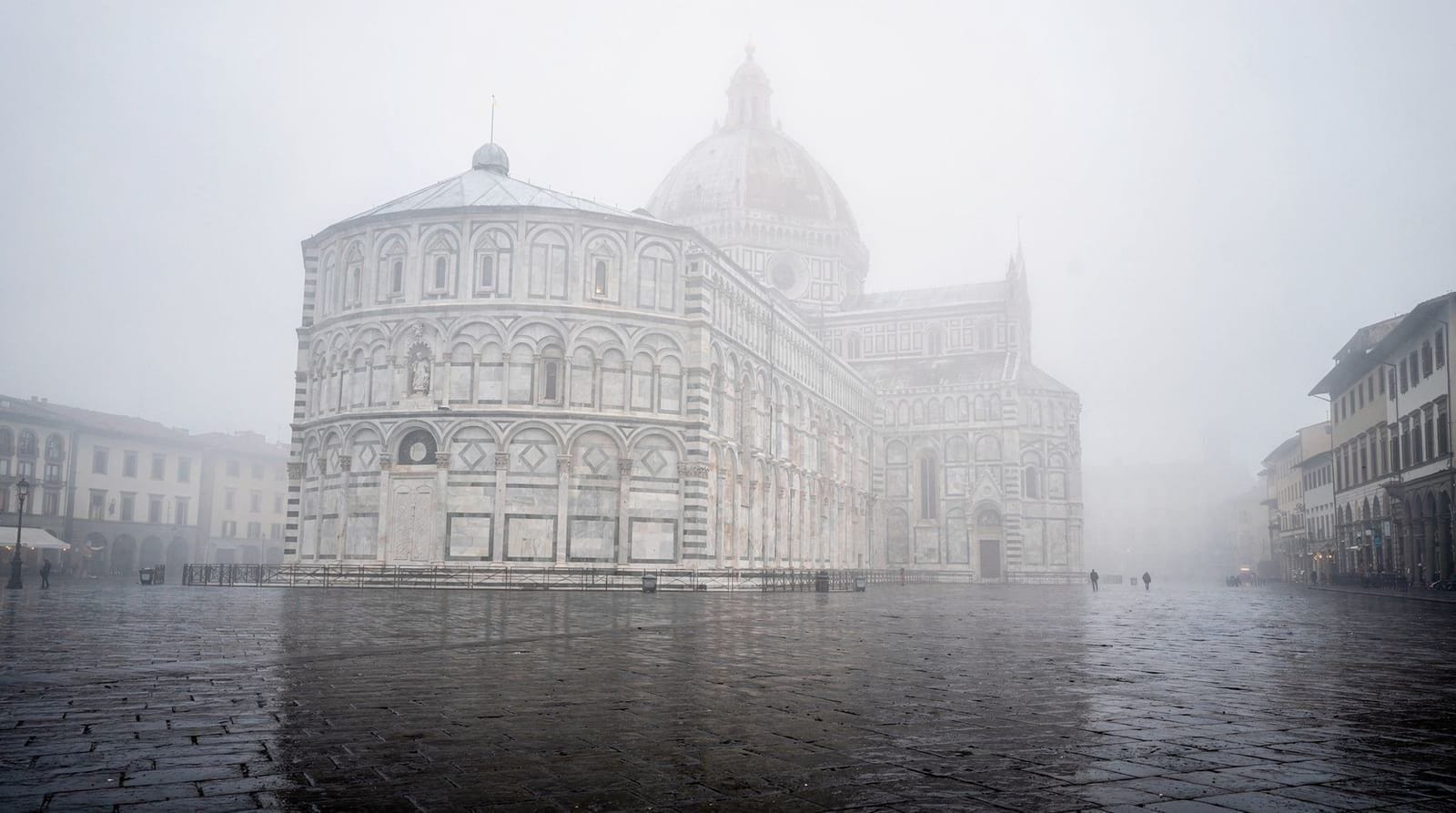
Weather: 7–14°C. November has the most rain of any autumn month — eleven rainy days on average. The city can feel grey for extended stretches. But the rain is not constant, and Florence on a cold, clear November morning, with low light on the Arno and almost no other tourists, is a real experience.
Crowds: November is the quietest month of the year outside of January and February. Walking into the Uffizi on a Tuesday morning in mid-November without a pre-booked ticket is entirely possible. The difference from May is stark.
Prices: hotels in November are typically 30–40% cheaper than in May or September. A mid-range hotel that charges €180 in October may be €110 in November. Restaurants are less busy, which occasionally improves service.
What to do in November: focus on indoor experiences — the Uffizi, the Medici Chapels (Michelangelo’s sculptures in the New Sacristy), the Museo dell’Opera del Duomo (extraordinary and still undervisited), the Bargello. November evenings call for Florentine cooking: ribollita, pappardelle al cinghiale (wild boar pasta), and the first bottles of the new Chianti Classico vintage.
Autumn weather comparison
| Month | Min (°C) | Max (°C) | Rain days | Crowd level |
|---|---|---|---|---|
| September | 15 | 27 | 7 | Medium–high |
| October | 10 | 21 | 10 | Medium |
| November | 5 | 14 | 11 | Low |
The Chianti harvest experience
Visiting a Chianti winery during the harvest is one of the most satisfying autumn activities available within an hour of Florence. The key estates and how to access them:
Antinori nel Chianti Classico (near Bargino): a spectacular modern winery building by the architect Marco Casamonti, built into a hillside. Tastings and tours by appointment. About 30 minutes by car from Florence.
Badia a Passignano: a functioning Vallombrosan monastery surrounded by Antinori vineyards, with a dedicated wine experience programme. The medieval cloisters and the church of San Michele are as worth seeing as the wine.
Castello di Verrazzano: named after the navigator Giovanni da Verrazzano (who discovered New York harbour), this estate offers estate tours and tastings in September and October, including harvest participation experiences on some dates.
Fonterutoli (near Castellina in Chianti): one of the oldest continuously operating wine estates in Italy, owned by the Mazzei family since 1435. Tastings available year-round, but the harvest period brings a different energy to the cellars.
For transport logistics to Chianti without a car, see the guided Chianti tour options linked in this page’s tours section.
Autumn photography
October light in Florence is remarkable for photography. The specific quality is the warmth of late-afternoon sun hitting the stone of the Palazzo Vecchio, the bridges, and the hillside churches across the river. Golden hour in October comes earlier (around 5–6pm) and lasts longer than in summer.
The best positions:
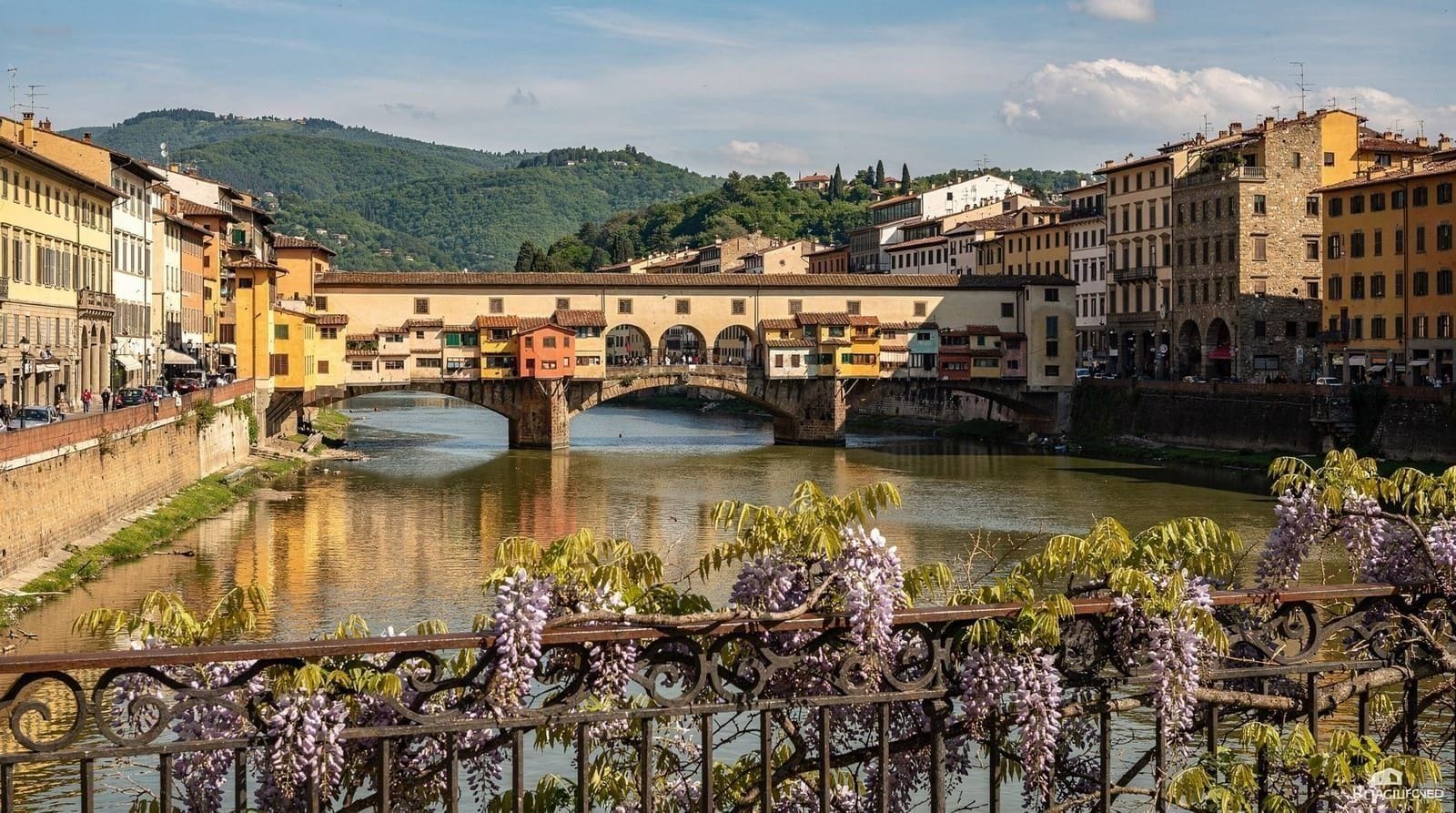
- Ponte Santa Trinita: looking east towards Ponte Vecchio with afternoon light
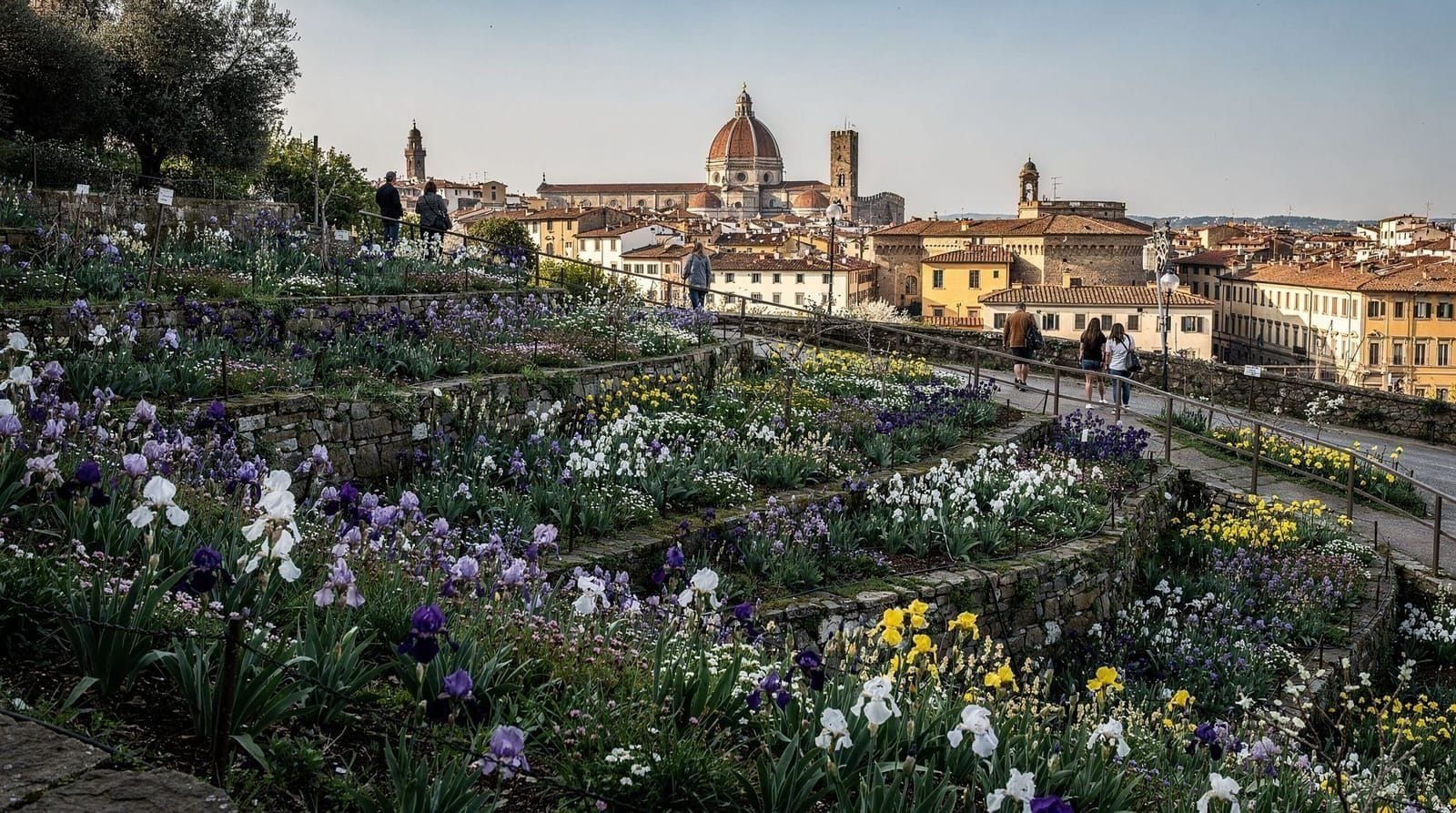
- Piazzale Michelangelo: the classic panorama, best in late afternoon October light
- Via de’ Bardi: looking up at San Miniato al Monte from the Oltrarno
- Piazza della Santissima Annunziata: the most elegant piazza in Florence, quiet in October mornings
Autumn packing list
- Layers: the 15°C range between October’s warmest and coolest days demands versatility
- A waterproof jacket or compact umbrella (not optional in November)
- Comfortable walking shoes that can handle cobblestones — wet cobblestones are slippery
- A light wool or fleece layer for October evenings
What to prioritise in autumn
Autumn is the season to do the things summer crowds make difficult. Book a proper visit to the Uffizi and the Accademia without the July-level urgency, and consider the Duomo dome climb — the temperature inside the stairwell is far more forgiving than in August. Evenings are still warm enough in September for Piazzale Michelangelo sunsets and outdoor dinners in the Oltrarno, while October adds the olive harvest and the best photography light of the year.
Autumn light and photography beyond October
While October gets most of the credit for Florence’s autumn light, the same low-angle warmth begins appearing in mid-to-late September and persists into the first half of November on clear days. Photographers who can’t travel specifically in October shouldn’t assume they’ve missed the window entirely — a clear afternoon in early November still delivers strong light, simply with fewer daylight hours to work within and a higher chance of needing to wait out a rain shower first.
Comparing September, October, and November
The three autumn months are not interchangeable. September still carries summer’s warmth and some of its crowds; October is widely considered the sweet spot for weather, light, and manageable queues; November trades comfort for near-empty museums and the lowest prices of the non-winter months. If your priority is warm evenings and festivals, choose September; if it’s photography and wine, choose October; if it’s budget and solitude, choose November — see the best time to visit Florence guide for how autumn compares to the rest of the year.
Frequently asked questions about Florence in autumn
Is September crowded in Florence?
Early September is still busy — the summer tourism wave is dissipating slowly. From the second week of September onwards, crowds decrease meaningfully. The Uffizi and Accademia are considerably calmer in late September than in July or August, though pre-booking is still advisable.
When exactly does the Chianti harvest happen?
The vendemmia typically begins in mid-September for some estates and runs through October. The timing varies by estate, grape variety (Sangiovese is the dominant variety), and annual weather. In a warm year, harvest can start as early as September 10; in a cooler year it may extend into the third week of October.
Is October a good time for wine tasting in Tuscany?
It is arguably the best time. Wineries are active, the new vintage is being processed, and the cellars carry the smell of fermentation. Tasting the current vintage alongside older bottles, with the harvest visible in the vineyards outside, is an experience specific to October.
Does rain ruin an autumn Florence trip?
Not typically. Rain in Florence usually comes in isolated periods rather than sustained drizzle. A morning’s rain followed by an afternoon of clear light is common in October and November. Plan your itinerary with indoor experiences as the default and outdoor activities (Piazzale Michelangelo, gardens) for when the weather clears.
What is the best day trip from Florence in autumn?
The Val d’Orcia in October is visually extraordinary. The combined villages of Pienza, Montepulciano, and Montalcino make for a long but rewarding day. A car is necessary for the full experience; guided tours are available from Florence that cover two or three of these villages in a day. See the day trips section of this site for logistics.
Top experiences
Bookable activities with verified prices and instant confirmation on GetYourGuide.

Florence: Chianti wineries tour with wine tasting
- Free cancellation
- Small group

Florence: Uffizi Gallery skip-the-line tickets
- Skip the line
- Free cancellation
Florence: Accademia Gallery — David skip-the-line ticket
- Skip the line
- Instant confirmation
Florence: walking tour
- Free cancellation
- Instant confirmation