Florence train stations — SMN, Campo di Marte and Rifredi
What is the main train station in Florence?
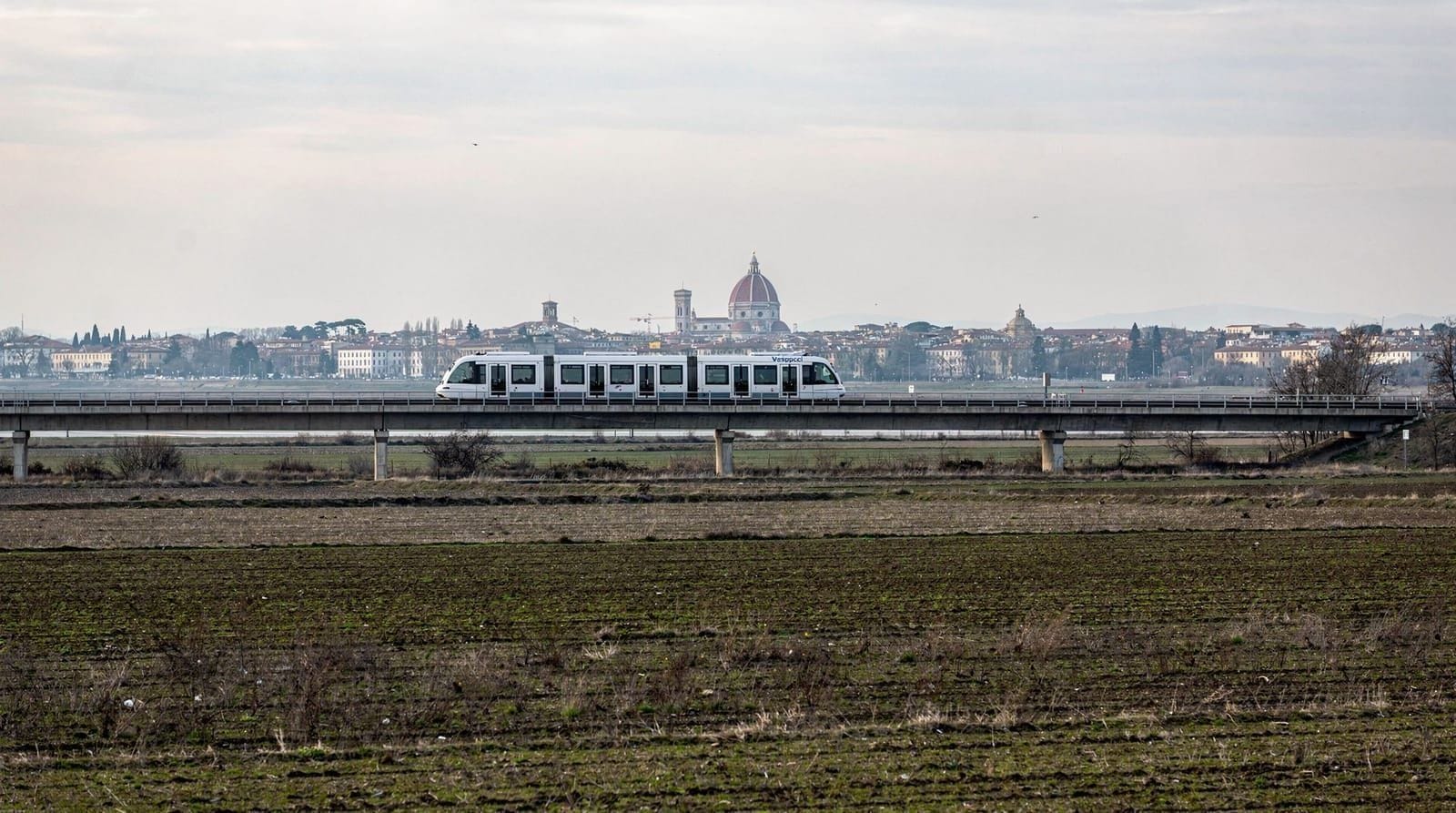
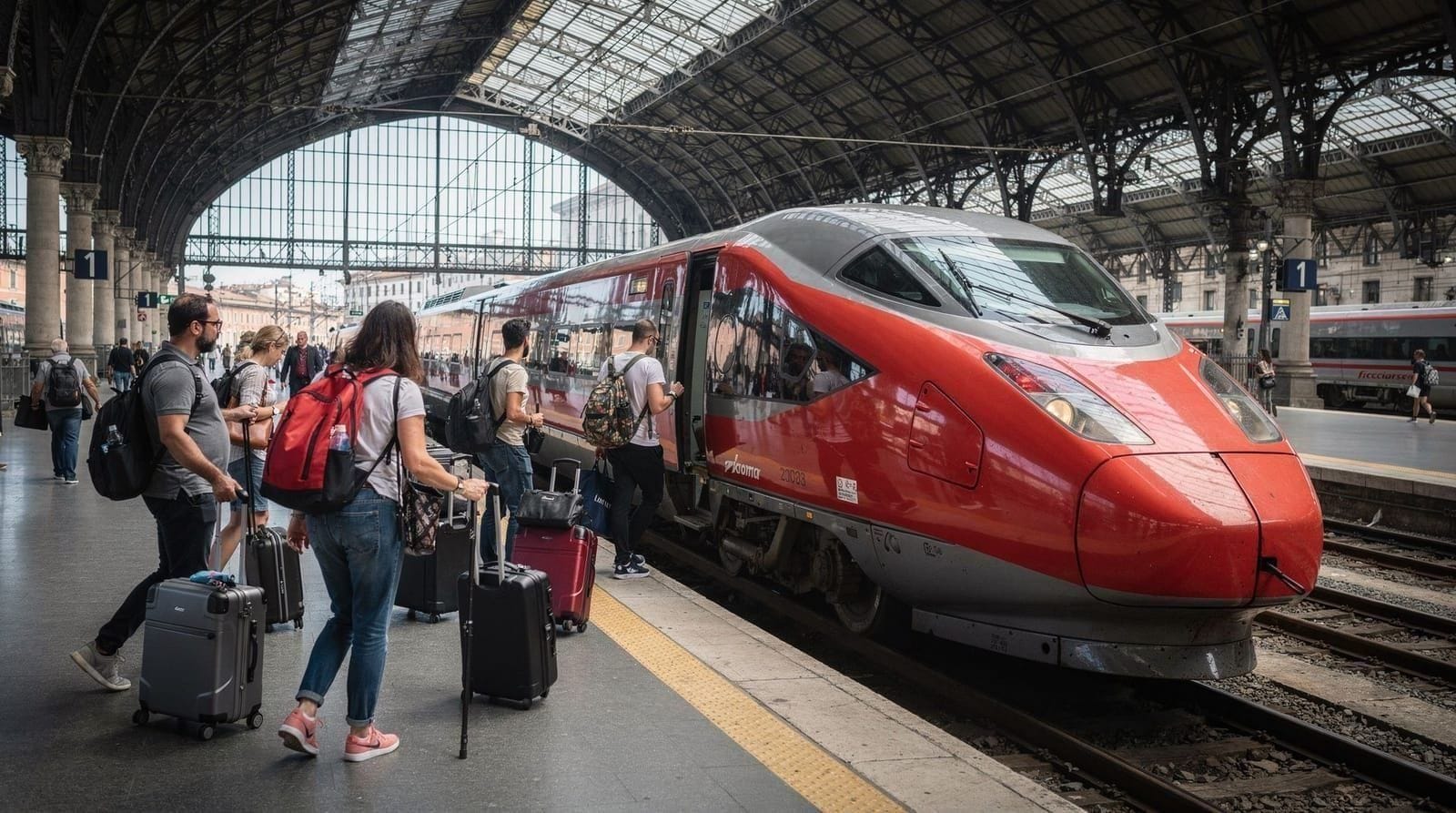
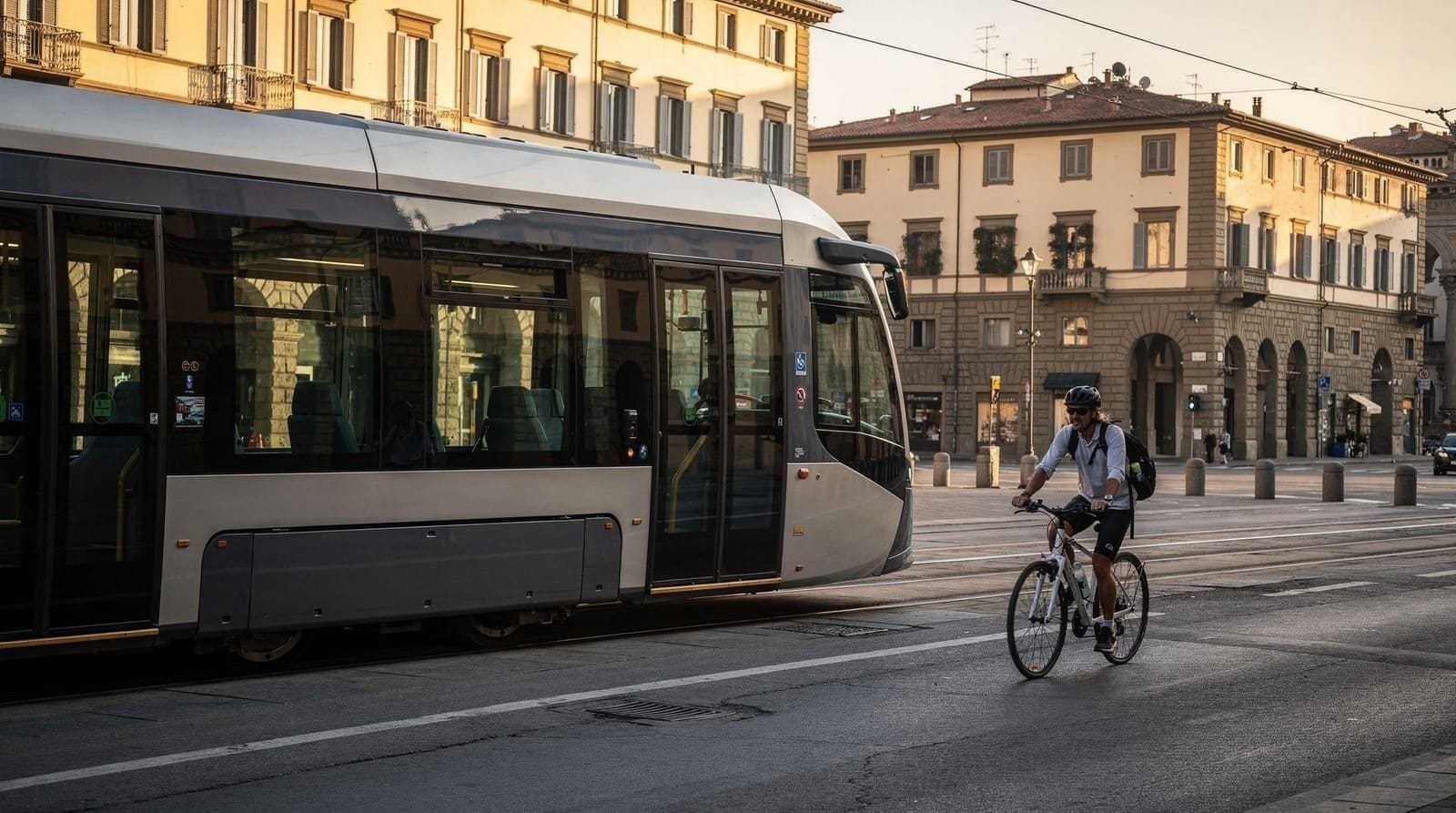
Florence Santa Maria Novella (SMN) is the main station, serving all high-speed trains to Rome (1h30), Venice (2h) and Milan (1h45), plus regional trains to Pisa, Siena, Lucca and the Tuscan coast. It is 18 minutes from the airport by tram T2.
Florence’s three train stations
Florence is served by three railway stations. Understanding which one you need will save confusion on arrival.
| Station | Code | Role | High-speed trains? |
|---|---|---|---|
| Firenze Santa Maria Novella | FI SMN | Main hub, city centre | Yes — all major services |
| Firenze Campo di Marte | FI CM | East of centre, residential | Some regional trains only |
| Firenze Rifredi | FI R | Northwest, near stadium | Limited services |
For 95% of visitors, Santa Maria Novella (SMN) is the only station you will ever use.
Firenze Santa Maria Novella (SMN) — the main station
Location
SMN is located on Piazza della Stazione in the northwest corner of the historic centre. The station’s main facade faces south towards Piazza di Santa Maria Novella and the basilica of the same name.
GPS: 43.7758° N, 11.2475° E
Getting to SMN
| From | Route | Time | Cost |
|---|---|---|---|
| Florence airport (FLR) | Tram T2 to Unità/Alamanni-Stazione | 18 min | €1.50 |
| Pisa airport (PSA) | Pisa Mover + regional train | 80–100 min | €12–18 |
| Rome Termini | Frecciarossa / Italo high-speed — see Florence to Rome by train | 1h30 | €19–80 |
| Venice Santa Lucia | Frecciarossa | 2h | €25–60 |
| Bologna | Frecciarossa / regional | 40 min | €10–30 |
| Pisa Centrale | Regional train | 1h | €9.90 |
Walking from SMN into the historic centre
From the main station exit on Piazza della Stazione:
| Destination | Walking time | Route |
|---|---|---|
| Santa Maria Novella Basilica | 3 min | Directly in front |
| Duomo (Santa Maria del Fiore) | 18 min | Via dei Cerretani → Via Roma |
| Ponte Vecchio | 25 min | Via dei Cerretani → Piazza della Repubblica → Via Por Santa Maria |
| Piazza della Signoria | 22 min | Same direction as Ponte Vecchio |
| Accademia Gallery | 20 min | Via dei Cerretani → Via Cavour |
| Santa Croce Basilica | 30 min | Via dei Cerretani → Borgo dei Greci |
| Mercato Centrale | 8 min | Via Nazionale |
All these routes are through pedestrianised or semi-pedestrianised streets. There are no hills — the historic centre north of the Arno is flat. If you’re arriving by air rather than train, the Florence airport to city guide covers the tram and taxi options into SMN itself, and the Pisa airport to Florence guide covers the longer transfer for travellers flying into Pisa instead.
SMN station facilities
Ticketing
- Ticket machines (biglietterie automatiche): throughout the station concourse. Accept cards and cash. Can buy regional and high-speed tickets, validate Interrail/Eurail passes for journeys starting that day.
- Ticket windows (biglietterie): staffed windows for complex itineraries, refunds and changes. Usually a 15–30 minute wait at peak times. Open approximately 06:00–22:00.
- Trenitalia Shop: a dedicated sales counter near the main concourse exit.
Left luggage
KiPoint operates Florence’s official left luggage service inside SMN.
- Location: ground floor, near the taxi exit (follow signs for “Deposito Bagagli”)
- Hours: approximately 06:00–23:00 daily
- Cost: €6 for the first 5 hours, €0.90 per additional hour, maximum €12 per 24 hours
- Accepts all bag sizes including oversized luggage
- Automated lockers also available near the main exit for smaller bags
Dining
| Venue | Type | Notes |
|---|---|---|
| McDonald’s | Fast food | Main concourse |
| Bistrot Firenze | Sit-down restaurant | Inside station |
| Centopassi | Bar and café | Light meals, platform side |
| Costa Coffee | Coffee chain | Main hall |
| Supermercato | Small supermarket | Below concourse |
Standards are acceptable for a train station but not remarkable. For a proper meal, walk 5–10 minutes into the centre — the streets around San Lorenzo market have many excellent lunch options.
Getting from SMN into the wider public transport network
SMN is also the natural hub for the rest of Florence’s public transport, not just intercity rail. The tram lines (T1 and T2) both stop at or near the station, and most city bus routes have a stop within a few minutes’ walk. If your itinerary involves multiple transfers within the city — say, arriving by train and then needing a bus out to a museum or neighbourhood further out — see the public transport in Florence guide for ticketing and route-planning basics before you arrive, so you’re not figuring it out for the first time with luggage in hand.
Toilets
Pay toilets (€0.80) are available on the main concourse. The staircase to the lower level leads to cleaner facilities.
ATMs
Multiple ATMs are available inside SMN. Standard Italian bank ATMs have reasonable fees; avoid the standalone “Euronet” machines, which charge high foreign transaction fees. If you need cash on arrival, withdraw a modest amount here rather than relying entirely on cards — some smaller trattorias and market stalls in the city still prefer cash, and finding a non-inflated-fee ATM is easier at the station than scrambling for one later.
Understanding the platforms
SMN is a terminus station — trains arrive and depart from the same end. All 16 platforms are at the south end of the building, parallel to the ticket hall. The platform number is displayed on departure boards approximately 15 minutes before the train leaves.
For high-speed trains (Frecciarossa, Italo): platforms are typically 1–6. The train is usually announced 15 minutes before — gather near the head of the correct platform, as these trains fill quickly.
For regional trains: platforms 7–16. These trains can be boarded earlier and often show the platform number further in advance.
Departure board reading
The departure board shows:
- Departure time
- Train number
- Operator (FR = Frecciarossa, IT = Italo, R = Regional)
- Final destination
- Platform (added ~15 min before departure)
- Status (In orario = on time, Ritardo = delay)
Firenze Campo di Marte — the second station
Campo di Marte (station code: FI CM) is located about 2 km east of the city centre in a residential neighbourhood. It serves a small number of regional trains — particularly some services on the Florence–Pontassieve–Arezzo line and the Florence–Pisa line.
Most visitors will never need Campo di Marte. However, if you are staying in the Santa Croce area or eastern Florence, check whether your specific regional train stops here — it can save a trip across the city.
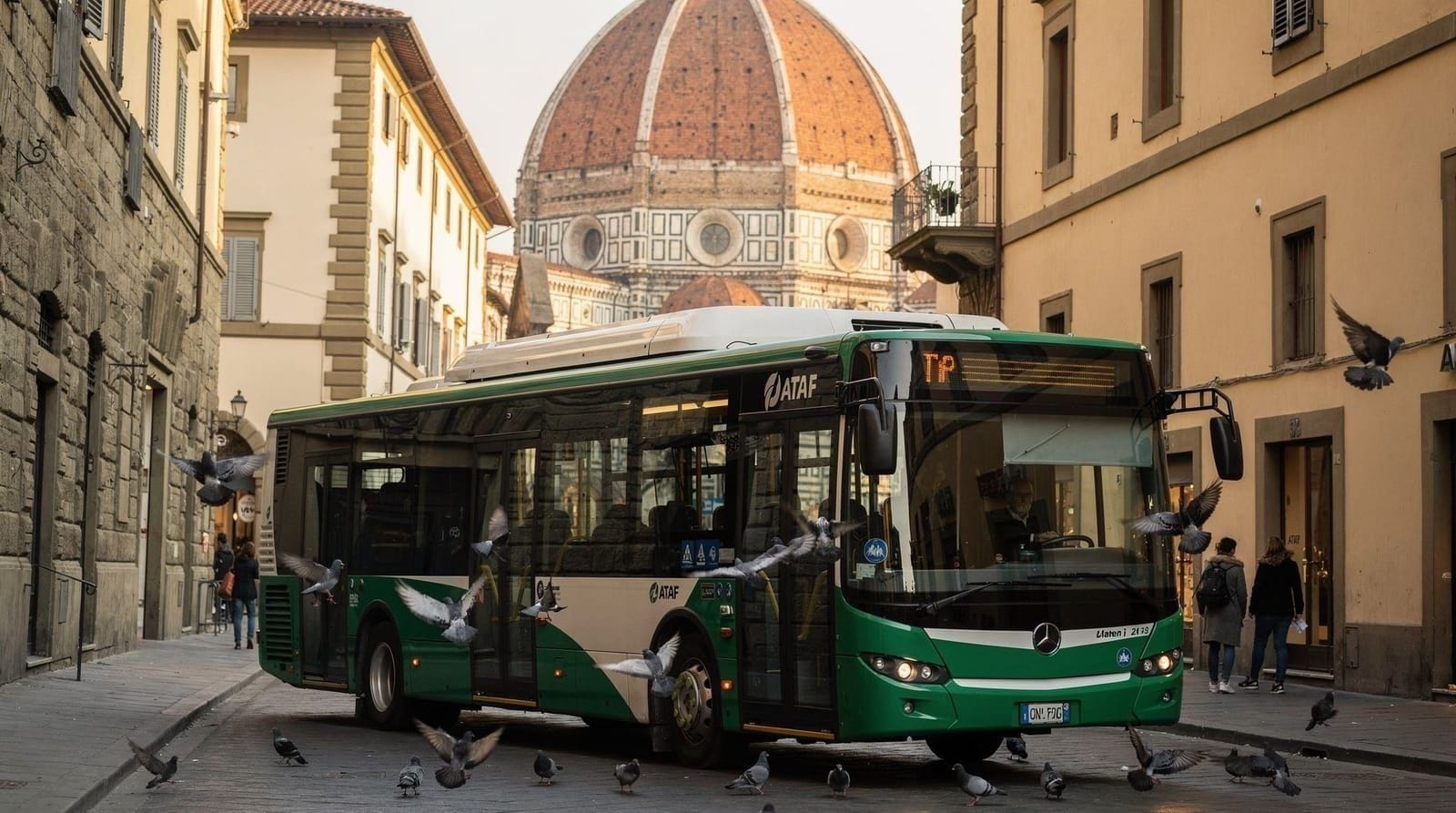
Getting from Campo di Marte to the centre: bus lines 6 and 17 connect the station to the centre (SMN area). Journey time approximately 20 minutes, same fare as other city buses (€1.50).
Firenze Rifredi — the third station
Rifredi (FI R) is northwest of the centre, near the Fortezza da Basso and the Fiera exhibition complex. A very small number of regional trains stop here — generally those not going to SMN. Unless your specific train is listed as “Rifredi only” in the timetable, you will not use this station.
Connecting trains from SMN — full network overview
| Route | Train type | Journey time | Approx fare | Frequency |
|---|---|---|---|---|
| Rome Termini | Frecciarossa / Italo | 1h30 | €19–80 | Every 30–60 min |
| Venice Santa Lucia | Frecciarossa | 2h | €25–60 | Hourly |
| Milan Centrale | Frecciarossa | 1h45 | €25–70 | Every 30–60 min |
| Bologna Centrale | Frecciarossa / regional | 40 min | €10–30 | Every 30 min |
| Pisa Centrale | Regional | 1h | €9.90 | Every 30–60 min |
| Lucca | Regional | 1h20 | €9.90 | Every 60 min |
| Viareggio (coast) | Regional | 1h30 | €9.90 | Every 60–90 min |
| Arezzo | Regional | 1h | €9.90 | Every 60 min |
| Perugia | Regional (change at Terontola) | 2h15 | €14 | Every 60–90 min |
| Siena | Regional | 1h30 | €9.90 | Infrequent — bus often better |
| Cinque Terre (La Spezia) | Regional | 2h30 | €14 | See Cinque Terre guide |
Siena note: the train route to Siena is slow and indirect. The SITA bus from the bus station adjacent to SMN (Autostazione Busitalia Toscana) is faster and more direct — journey time approximately 1h15, cost €8–10 return. See our day trips guidance.
Practical tips for using Florence SMN
- Arrive early: high-speed trains close platform access 3 minutes before departure. For morning commuter services, queues at ticket machines can be long.
- Download the app: the Trenitalia app is excellent for checking live platform numbers and real-time delays. The Italo app is similarly good.
- Regional vs. high-speed: regional (R) and inter-regional (IR) trains are cheaper but slower and do not require advance booking. High-speed (FR, FA, IC) trains require reservations.
- Interrail / Eurail pass holders: validate your pass on the first travel day at a ticket window. For high-speed trains you still need a seat reservation (€10–15 supplement).
- Left luggage at SMN: KiPoint hours do not cover the full night (closes around 23:00). For late arrivals after midnight, there is no left luggage; use your hotel.
Understanding the Italian rail booking system
Booking Italian rail tickets can be confusing for first-timers. Here is a clear overview of the system:
Trenitalia vs Italo — two separate operators
Trenitalia is the state-owned operator running Frecciarossa high-speed trains, Intercity services and all regional trains. Book at trenitalia.com or the Trenitalia app.
Italo is a private operator running competing high-speed trains on the same routes as Frecciarossa (Florence–Rome, Florence–Venice, Florence–Milan). Book at italotreno.it or the Italo app.
Both are independent — a Trenitalia ticket cannot be used on an Italo train and vice versa. Compare prices on both before booking.
Regional trains in Tuscany are operated exclusively by Trenitalia (or sometimes Busitalia). There is no Italo regional service.
Ticket types and flexibility
| Ticket type | Price | Changeable? | Refundable? |
|---|---|---|---|
| SuperEconomy | Cheapest | No | No |
| Economy | Mid | Partially | Partially |
| Base | Full | Yes (fee) | Yes (fee) |
| Flex | Most expensive | Yes, free | Yes, free |
For leisure travellers with fixed plans, Economy is usually the right balance. For business travellers or those with uncertain schedules, Base or Flex is worth the premium.
Buying regional train tickets
Regional train (R) tickets can be bought without advance booking — they are not seat-specific and you can take any train on the route that day. Buy at the machine, validate at the yellow stamping post on the platform, and board.
Important: if you buy a regional ticket and your train is cancelled, Trenitalia will rebook you on the next service at no cost. If you choose not to travel, regional tickets can be refunded within 30 minutes of purchase.
Family and group discounts
Trenitalia offers specific discount programmes:
- Junior Trenitalia (under 15): 50% discount on standard fares on most services
- Family discount: groups travelling together receive incremental discounts
- Carnet: 10-journey books for frequent regional travel
- CartaFreccia points: accumulate for free tickets
These discounts apply online, through the app, or at ticket windows. They typically do not apply to the cheapest SuperEconomy fares.
What if I need to change plans after buying a ticket
Flexibility depends entirely on which fare class you booked, which is why it’s worth deciding upfront how firm your plans are. SuperEconomy fares are genuinely non-changeable — a missed train means a lost ticket, no exceptions. Economy fares typically allow a change to a different train on the same day or a modest fee for other dates. If your Florence itinerary has any uncertainty — an early museum booking that might run long, a day trip that could extend — it’s worth paying the Base or Flex premium on the specific legs where a missed connection would be costly, while booking SuperEconomy for legs you’re certain about.
Travelling with luggage, children or reduced mobility
SMN is largely step-free from the main concourse to the platforms, and lifts are available for anyone who can’t use the stairs at platform ends — look for the lift signage near the head of each platform rather than assuming stairs are the only route. With heavy luggage, the walk into the historic centre (18 minutes to the Duomo) is manageable but not effortless over cobblestones; a taxi from the official rank (roughly €8–12 to most central hotels) is a reasonable choice on arrival day even for otherwise budget-conscious travellers. Families with pushchairs will find the station itself easy to navigate, though the cobbled streets beyond it are the bigger obstacle than the station.
Historical notes on Florence SMN station
Santa Maria Novella station is not simply infrastructure — it is one of Italy’s most significant pieces of 20th-century architecture. Designed by Giovanni Michelucci and the “Gruppo Toscano” of architects, and completed in 1935, it is considered one of the finest examples of Italian rationalist architecture.
The building won an international competition in 1932 and was controversial when built — a clean modernist structure directly adjacent to the 14th-century Santa Maria Novella church. The contrast between the Gothic church and the flat-roofed, green-pietra serena stone station was deliberately provocative.
Points of architectural interest for visitors:
- The main hall with its wide, column-free interior and natural light through clerestory windows
- The pietra serena cladding (Florence’s characteristic grey sandstone used throughout Renaissance architecture)
- The integration of the clock and information boards into the architectural structure
- The external canopy and forecourt, designed as a civic space rather than merely a transit point
The station is a listed building and cannot be significantly altered. The contemporary commercial additions (bars, retail) are insertions into the historic shell.
How Florence SMN relates to the historic centre
The station’s location at the northwest edge of the historic centre was a deliberate decision. When the Florence–Pisa railway opened in 1848, the original station was located further from the old city. The current SMN position — just outside the ancient walls — was chosen to allow rail access without demolishing the medieval fabric of the city.
Today, the area immediately around SMN is one of Florence’s most commercially active but least charming quarters: bus stations, car parks, cheap hotels and shops catering to transit passengers. The real Florence begins 5–8 minutes’ walk east, as you enter the streets around the church of San Lorenzo and the Mercato Centrale.
Visitors who only see the area immediately around SMN station often form an inaccurate impression of Florence’s character. The medieval and Renaissance city — the narrow streets, the palaces, the churches — is a short walk away. This is worth remembering if your first impression on stepping outside SMN feels underwhelming; give the walk toward San Lorenzo and the Duomo a chance before drawing conclusions about the city.
Frequently asked questions about Florence train stations
Is Santa Maria Novella station safe?
SMN is a busy urban station. Like all large European stations, pickpocketing is a risk in crowded areas. Keep bags in front of you in queues, be cautious of distraction theft and watch your phone at the ticket machines. The station itself has security presence and is not considered dangerous.
Can I store a bicycle at SMN?
There is limited bicycle storage available at SMN. Long-distance Frecciarossa trains can accommodate disassembled bicycles in a bag (bike bag policy applies). Regional trains have designated bike carriages on some services. Check the Trenitalia website for specific bicycle policies by service.
Is there a taxi rank at Florence SMN?
Yes — the official taxi rank is outside the main exit on Piazza della Stazione. Use only official white taxis with the Florence municipality badge on the door. Never accept rides from unlicensed drivers who approach you inside the station.
Does Florence SMN have a pharmacy?
There is a pharmacy inside the station (Farmacia della Stazione) open extended hours. There are also several pharmacies within 5 minutes’ walk in the city.
What happens if my train is cancelled at SMN?
Go to the ticket windows immediately. Trenitalia and Italo are obliged to rebook you on the next available service if they cancel your train. If you have a flexible ticket, full refunds are available. Keep your ticket and any delay certificates — required for insurance claims.
Are there coin-operated luggage lockers at SMN?
Yes — automated lockers (cassette di deposito) are available near the main exits. Prices vary by locker size (small: €4–6, large: €6–9 per period). These are operated by KiPoint and accept card payment.
Which station should I use if I’m staying in Oltrarno or Santa Croce?
SMN, in almost all cases — it’s still the closest station to any central Florence neighbourhood, including Oltrarno and Santa Croce, and Campo di Marte’s limited regional services rarely align with a typical visitor’s route. The only exception is if a specific regional train you need explicitly lists Campo di Marte rather than SMN in its timetable; check before assuming.