Val d'Orcia day trip from Florence
Val d'Orcia: Montepulciano, Pienza and Montalcino with winery
- Free cancellation
- Small group
How do I visit Val d'Orcia from Florence?
A rental car or guided tour is essential — the Val d'Orcia is too spread out for meaningful public transport. Drive time from Florence to Pienza is about 1h55 via the A1 motorway. Guided full-day tours from Florence typically cost €55–90 per person and cover Pienza, Montalcino, and Montepulciano.
| Where | Pienza, Montalcino, Montepulciano — south of Siena |
| Getting there | Car essential; about 1h45–2h from Florence |
| Cost | Guided tours €55–95/person; car + tastings variable |
| Time needed | Full day (7:30am–7:30pm typical) |
| Best season | Spring (April–May) or harvest (Sept–Oct) |
Val d’Orcia: the iconic Tuscan landscape
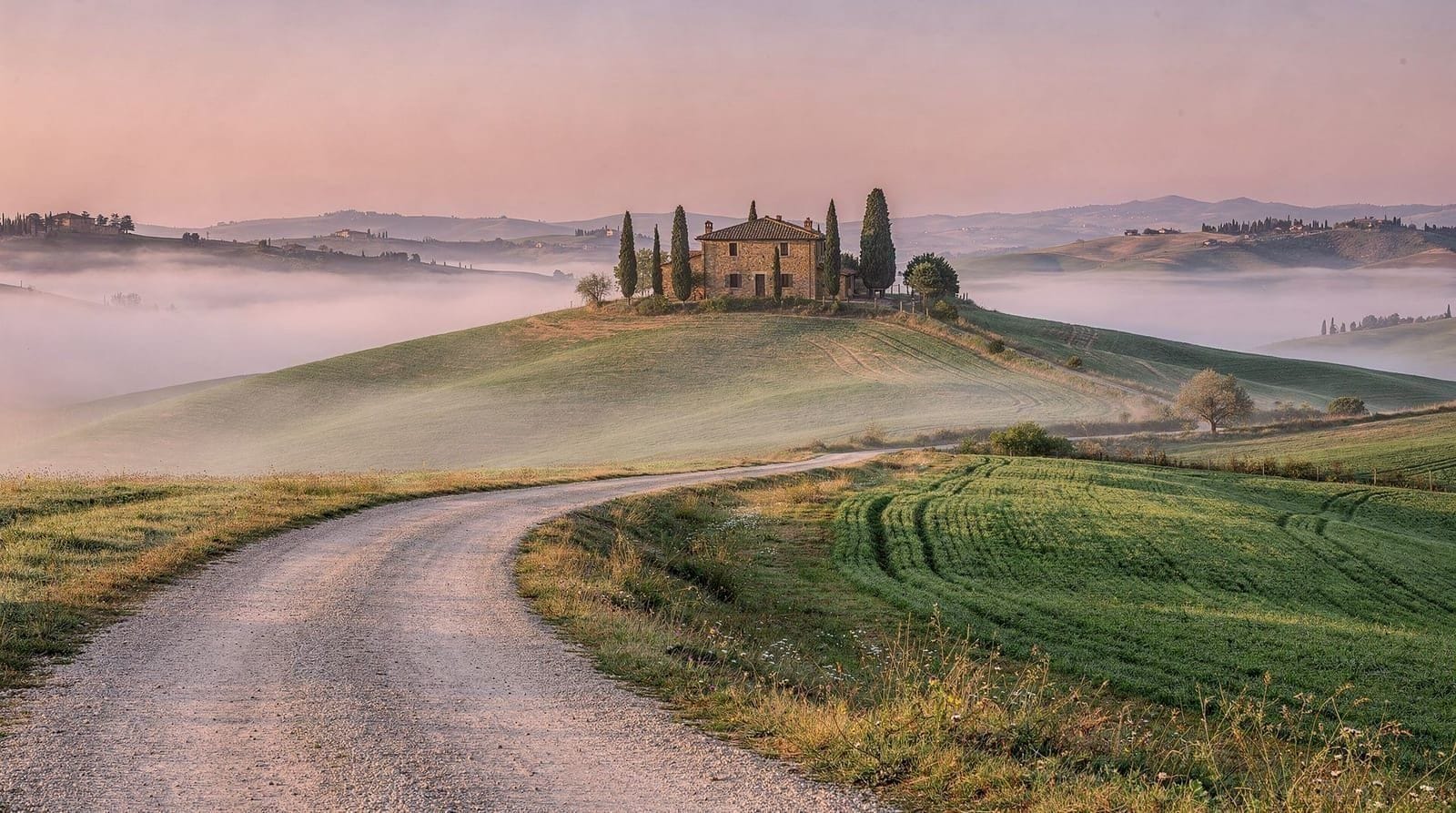
The Val d’Orcia is what most people picture when they think “Tuscany.” Rolling pale hills (the distinctive crete senesi, grey clay badlands), isolated farmhouses (poderi) with cypress tree avenues, vineyards in autumn colour, and wide skies. It’s been painted since the Renaissance — Simone Martini used these hills as backgrounds in 14th-century Sienese panel paintings — and has been a UNESCO World Heritage Site since 2004 for its “exceptional natural beauty” and its influence on landscape painting.
The valley stretches from the hills south of Siena down toward Radicofani, with the Orcia river running through it. The key towns for visitors are:
- Pienza: The Renaissance planned city, famous for pecorino cheese
- Montalcino: The Brunello wine capital, on a hilltop overlooking the valley
- Montepulciano: Vino Nobile wine, dramatic hilltop city with a superb view
- San Quirico d’Orcia: Smaller town with lovely Romanesque church and gardens
- Bagno Vignoni: Medieval spa town built around a central hot spring pool
A full day can cover two or three of these towns comfortably by car, with time for a winery visit and lunch.
Getting to Val d’Orcia from Florence
By car (essential)
Florence to Pienza: approximately 1h55 by the fastest route (A1 south to Chiusi-Chianciano Terme exit, then SP146 west through the Val d’Orcia toward Pienza). Distance approximately 120km.
Florence to Montalcino: approximately 2h via A1 south to Val di Chiana exit, then roads north to Montalcino. Or via the Via Cassia (SS2) — more scenic, slower by 20–30 minutes.
Florence to Montepulciano: approximately 1h45 via A1 to Chiusi exit, then 20km north to Montepulciano.
Key driving notes:
- Montepulciano and Montalcino are ZTL (limited traffic zones) at their historic summits. Park in the lower car parks (well-signed) and walk or take the shuttle in.
- The SP146 between Montepulciano and Pienza is the most photographed Tuscan road — the straight avenue lined with cypress trees. Drive it slowly.
- The strade bianche (unsealed roads) visible in photographs are accessible by standard car in dry conditions.
By guided tour
Multiple operators offer full-day Val d’Orcia tours from Florence covering 2–3 towns and a winery visit. Prices €55–95 per person. These are the best option for travellers who want to drink the wine without worrying about the driving.
By public transport (very limited)
Montepulciano: Regional train from SMN to Chiusi-Chianciano Terme (1h30), then LFI bus to Montepulciano (40 min, infrequent). This works for Montepulciano as a standalone destination.
Montalcino: No practical public transport from Florence for a day trip.
Pienza: No practical public transport from Florence for a day trip.
The three essential stops
Pienza
Pienza was a tiny village called Corsignano until 1462, when Pope Pius II — born there and named Enea Silvio Piccolomini — decided to reshape it as a model Renaissance city. He commissioned Bernardo Rossellino, a pupil of Alberti, to redesign the central square and build a cathedral, the Palazzo Piccolomini, and the town hall.
The result is remarkable: Piazza Pio II is one of the most perfect small squares in Italy, with the Cathedral on one side (its facade an early example of the Renaissance humanism), the Palazzo Piccolomini on the right (with a stunning three-loggia garden terrace overlooking the valley), and the Bishop’s Palace and town hall completing the ensemble. The scale is intimate rather than grand, which makes it feel more achievable as an ideal.
Palazzo Piccolomini: Tours of the interior run regularly (about €7); the terraced garden with its triple loggia and view over the Val d’Orcia is one of the best viewpoints in the region.
Pecorino di Pienza: The town’s other great claim to fame is sheep’s milk cheese, produced in the surrounding farms and aged in varying stages from fresh (fresco, mild, sold in white wheels) to seasoned (stagionato, firm, piquant). Buy directly from the many small cheese shops on Via del Rossellino and Via del Casello. Prices €15–25/kg.
Cathedral: Free entry. The interior is entirely white Gothic — deliberately different from the colourful Sienese Gothic style — because the Pope specified that light should flood in. Five altarpieces by Sienese masters were commissioned for the original opening.
Montalcino
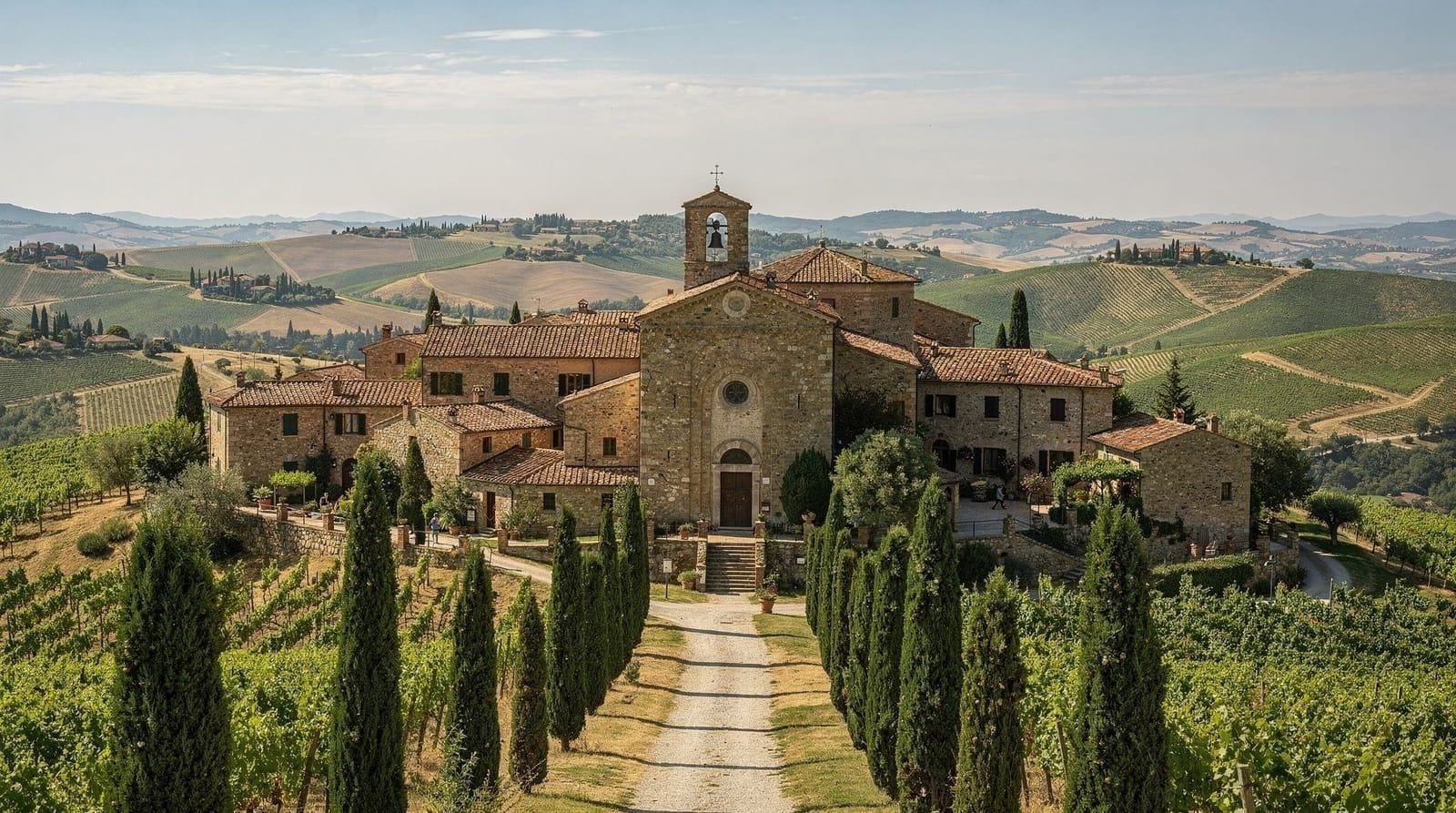
Montalcino sits on a hill at 564m, surrounded by some of the most sought-after vineyards in the world. Brunello di Montalcino DOCG — made from 100% Sangiovese (locally called Brunello) — is aged a minimum of 5 years before release (7 for Riserva) and ranks among Italy’s most ageworthy and expensive wines. The landscape of silver-leaved olive trees and Sangiovese vines spread across clay hills is very beautiful.
The Fortezza (fortress): The 14th-century fortress at the top of the town houses an enoteca where you can taste Brunello by the glass (€8–15 per glass, depending on producer and vintage). The views from the fortress walls over the Val d’Orcia and toward Monte Amiata are exceptional.
Enoteca Grotta del Brunello (Via del Soccorso) — one of the town’s better wine shops for browsing and tasting. Many producers have showrooms in town for retail sales and tasting.
Winery visits: The major estates around Montalcino (Biondi-Santi, Banfi, Castello Romitorio, Casanova di Neri) require advance booking. For a day trip combining Montalcino town and a winery visit, contact estates at least a week ahead in peak season.
Sant’Antimo: 10km south of Montalcino, the Romanesque Abbazia di Sant’Antimo is one of the most beautiful Benedictine abbeys in Tuscany, set alone in an oak forest. Gregorian chant is still sung by resident monks at certain services. Free entry. Worth the detour if you have time.
Montepulciano
The most dramatically situated of the three main Val d’Orcia towns, Montepulciano sits on a long narrow ridge at 605m. The approach road winds up the hillside past a succession of Renaissance palaces and churches. The central Piazza Grande is one of Tuscany’s finest civic spaces — the Palazzo Comunale (city hall) modelled on the Palazzo Vecchio in Florence, the Cathedral with Taddeo di Bartolo’s altarpiece, and surrounding noble palaces form a unified late-Renaissance ensemble.
The main street (Via Gracciano, Via Ricci, Via dell’Opio): Montepulciano’s main shopping street spirals up the ridge from the city gates to Piazza Grande. Wine cellars line the lower sections — many built directly into the rock of the hill. The Cantina di Gattavecchi and the Cantina Contucci are both accessible and welcome tastings without advance booking.
Vino Nobile di Montepulciano DOCG: Made predominantly from Prugnolo Gentile (a local Sangiovese clone), aged minimum 2 years (3 for Riserva). Typically more accessible in youth than Brunello — a fine wine at €15–30 at estate price.
Views from the city: The panoramic views from Montepulciano’s walls take in the Val d’Orcia to the west, Lake Trasimeno to the southeast, and the Val di Chiana below.
Smaller stops worth including
San Quirico d’Orcia
A quiet medieval town on the SP2 between Pienza and Montalcino. Two highlights: the Collegiate Church with its three Romanesque portals, and the Horti Leonini — a formal Renaissance garden open to the public and free, with clipped box hedges and views over the valley.
Bagno Vignoni
Unlike any other Tuscan town: its central “piazza” is actually a large thermal pool built by the Medici in the 15th century. The water still steams (it’s 52°C). You cannot swim in the historic pool, but the atmosphere is extraordinary, especially in winter fog. Several thermal spas on the edge of town use the waters and offer day-use access.
Where to eat in Val d’Orcia
La Buca delle Fate (Pienza, Corso il Rossellino) — classic Pienzan trattoria with pici pasta, local pecorino dishes, and good local wines. €25–35 per person.
Osteria dell’Acquacheta (Montepulciano, Via del Teatro 22) — famous for its bistecca di Chianina and simple cooking style. Long communal tables, no-frills atmosphere, outstanding beef. Book ahead. €25–35 per person.
Ristorante Re di Macchia (Montalcino) — respected local restaurant in the town centre, traditional cooking with Brunello-matched dishes. €35–50 per person.
Enoteca della Fortezza (Montalcino, Piazza della Fortezza) — inside the fortress, good for tasting Brunello by the glass with local cheese and salumi. €15–25 for a tasting lunch.
Pecorino and salumi picnic: The best value lunch in the Val d’Orcia is buying cheese, cured meats, local bread, and wine at the village shops and eating in a view spot. The panoramic bench by Pienza’s city walls, or the Horti Leonini in San Quirico, are perfect.
Suggested full-day driving itinerary
7:30am: Depart Florence via A1 motorway south 9:15–9:30am: Arrive Montepulciano. Park below and walk up. Piazza Grande, Vino Nobile cantina 11:30am: Drive SP146 toward Pienza (25 min on the famous cypress avenue road) 12:00–2:00pm: Pienza — Piazza Pio II, Cathedral, Piccolomini Palace garden, pecorino shopping, lunch 2:15pm: Drive to Montalcino via San Quirico d’Orcia (30 min) 2:45–5:00pm: Montalcino — Fortezza wine tasting, town walk, optional estate visit 5:30pm: Begin return to Florence via A1 north 7:15–7:30pm: Arrive Florence
This itinerary covers the three main stops efficiently without feeling rushed. Arriving in Montepulciano first gets you there before the peak lunch crowd.
Practical information for Val d’Orcia visitors
Season: Spring (April–May) offers the greenest hills and most flowers. Harvest (September–October) is atmospheric and all wineries are active. Summer is hot and dry but beautiful. Winter is quiet; some wineries and restaurants reduce hours but it’s very uncrowded.
ZTL parking:
- Montepulciano: Park at the lower Parcheggio del Sasso and take the escalator or walk up. Free parking 500m below the walls.
- Montalcino: Car parks just outside the Fortezza. Short walk to everything.
- Pienza: Small but adequate car parks outside the main gates.
Card and cash: Most restaurants accept cards. Small delis and wine shops vary. Carry €30–50 cash for purchases.
Road quality: Main SP roads are fine; strade bianche (unpaved estate roads) are rough but manageable in any standard car in dry weather. Avoid them immediately after heavy rain.
Photography: The cypress avenue on SP146 between Montepulciano and Pienza is the iconic shot. Best light: early morning or late afternoon. The famous lone pine tree on a hilltop near Bagno Vignoni is off a small side road — locals know it as the Capella della Madonna di Vitaleta viewpoint.
Combining or comparing with other Tuscan day trips
Val d’Orcia is a long day, so it’s worth weighing it against alternatives before committing:
Against Chianti: closer, shorter, and more wine-focused — see the Chianti day trip guide and the Tuscan wine regions guide if landscape matters less to you than convenience.
Against a Montalcino-only trip: Brunello enthusiasts who want more winery time and less driving can focus a whole day on Montalcino alone; see the Vino Nobile di Montepulciano guide for how the two towns’ wines compare if you’re deciding which deserves more time.
Against San Gimignano: a shorter, more accessible medieval-town alternative closer to Florence — the San Gimignano day trip guide is a better fit for travellers without a full day or a car.
Staying overnight instead: if the 4-hour round-trip drive feels like too much for a single day, the staying in Tuscany vs day trips guide explains when a Val d’Orcia base makes more sense than a Florence day trip.
Frequently asked questions about the Val d’Orcia day trip
Can I visit Val d’Orcia and Siena on the same day?
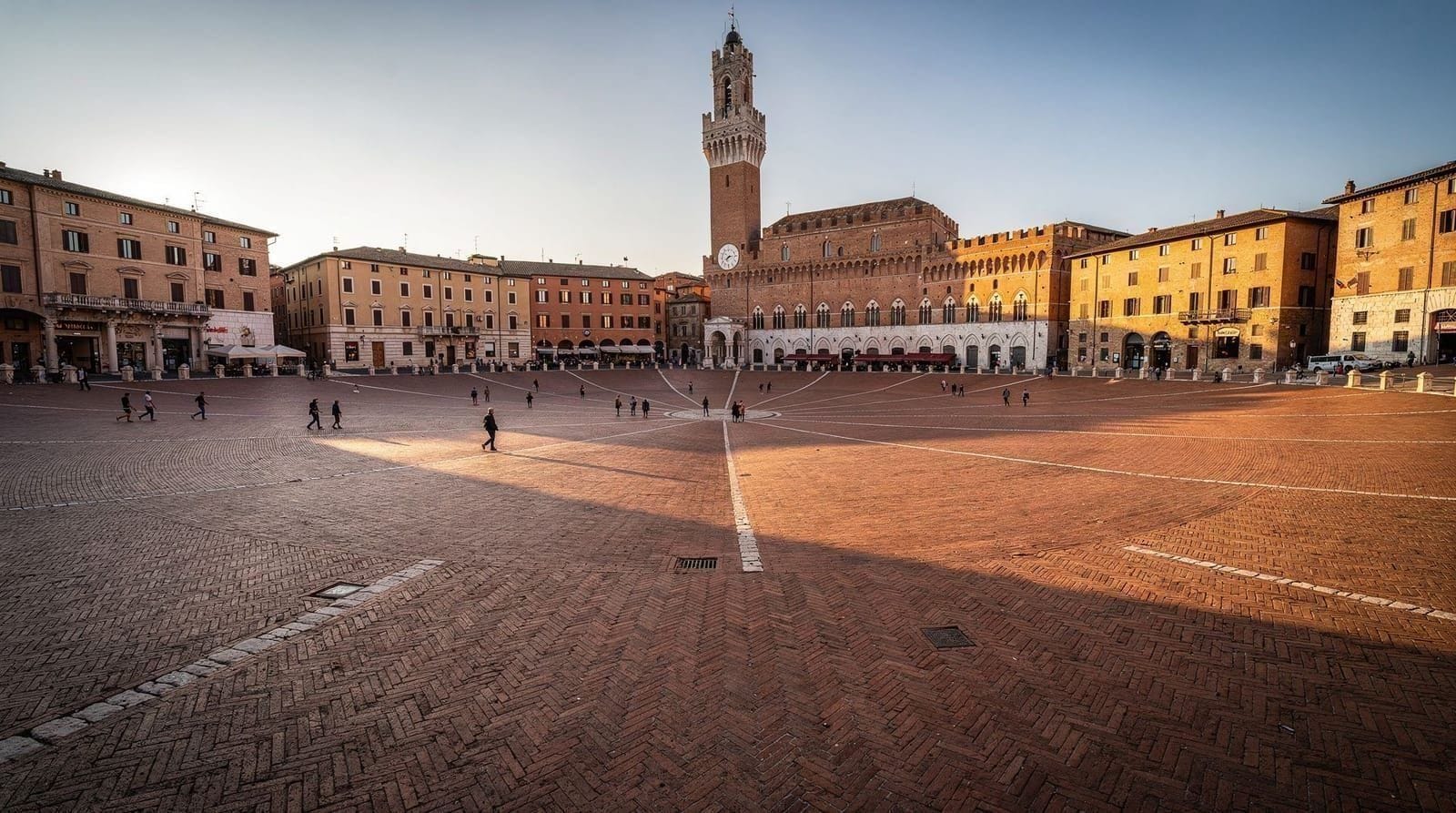
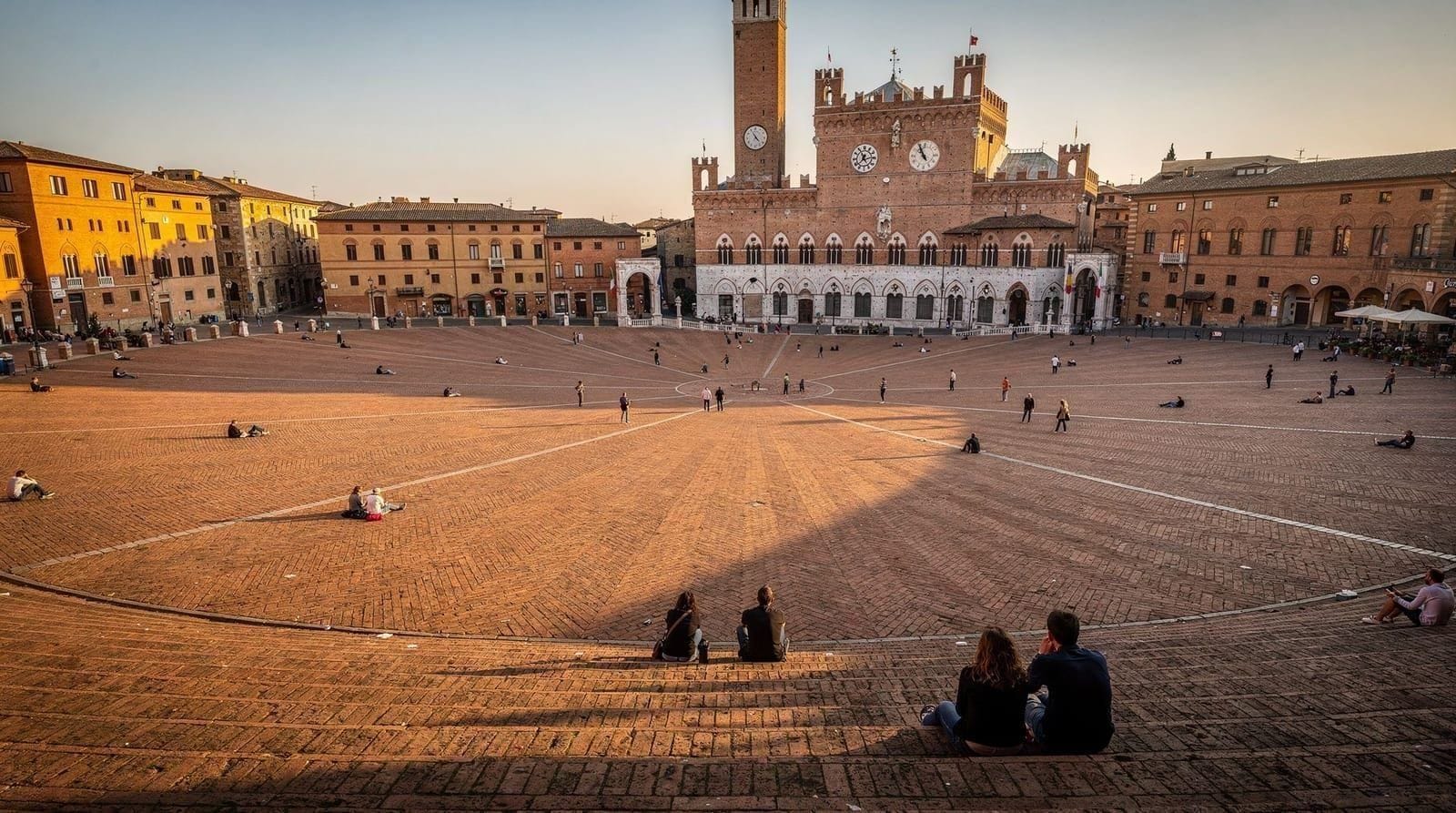
Possible but ambitious — Siena is 45km north of Montalcino. If you start very early, you could cover Montepulciano, Pienza, and Siena’s Campo and Duomo by mid-afternoon. Montalcino would need to be left for another trip. A better approach is to combine Val d’Orcia as a standalone full day and Siena as a separate half-day bus trip.
Is Brunello di Montalcino affordable to buy?
At cellar prices, decent Brunello starts around €25–35 per bottle (entry-level producers, young vintages). Prestigious producers (Biondi-Santi, Gaja, Giacomo Conterno’s Brunello) charge €80–200+ for premium bottles. Rosso di Montalcino — made from the same Sangiovese grapes, aged 1 year instead of 5 — is the excellent “everyday drinking” alternative at €12–20 per bottle.
Are there any hot spring spas near Val d’Orcia I can visit for the day?
Yes — Terme di Saturnia (60km southwest of Pienza) has natural thermal waterfalls open 24 hours for free, and an upmarket hotel spa on site. Bagno Vignoni’s spa hotels offer day packages for €30–60. Both are worth building into an itinerary if you want to combine the landscape with a thermal soak.
What is the best single viewpoint in Val d’Orcia for photographs?
The bend in the SP146 cypress avenue road between San Quirico d’Orcia and Pienza (near Podere Belvedere) is the most famous viewpoint — visible in every Val d’Orcia postcard. The road bends between the first cypress rows and the classic composition appears. Arrive at dawn or dusk for the best light.
Top experiences
Bookable activities with verified prices and instant confirmation on GetYourGuide.

Val d'Orcia: Montepulciano, Pienza and Montalcino with winery
- Free cancellation
- Small group
Florence: Val d'Orcia highlights tour with wine tasting
- Free cancellation
- Small group
Florence: Val d'Orcia cheese and wine tasting tour
- Free cancellation
- Small group

Florence: Montalcino, Montepulciano and Val d'Orcia with lunch
- Free cancellation
- Small group
Florence: Montalcino wine tour with Brunello
- Free cancellation
- Small group
Siena: hot air balloon over Pienza, Montalcino and Val d'Orcia
- Free cancellation