Greve in Chianti
The market town at the heart of Chianti Classico. Piazza Matteotti, L. Macelleria Falorni, wine producers, and an honest day-trip guide from Florence.
Florence: Chianti wineries tour with wine tasting
- Free cancellation
- Small group
Quick facts
- Distance from Florence
- 27 km / 40 min by car
- Best for
- Wine, local markets, Chianti countryside
- Transport
- Car recommended; bus possible
- Budget
- €20-60 depending on tastings
The beating heart of Chianti Classico
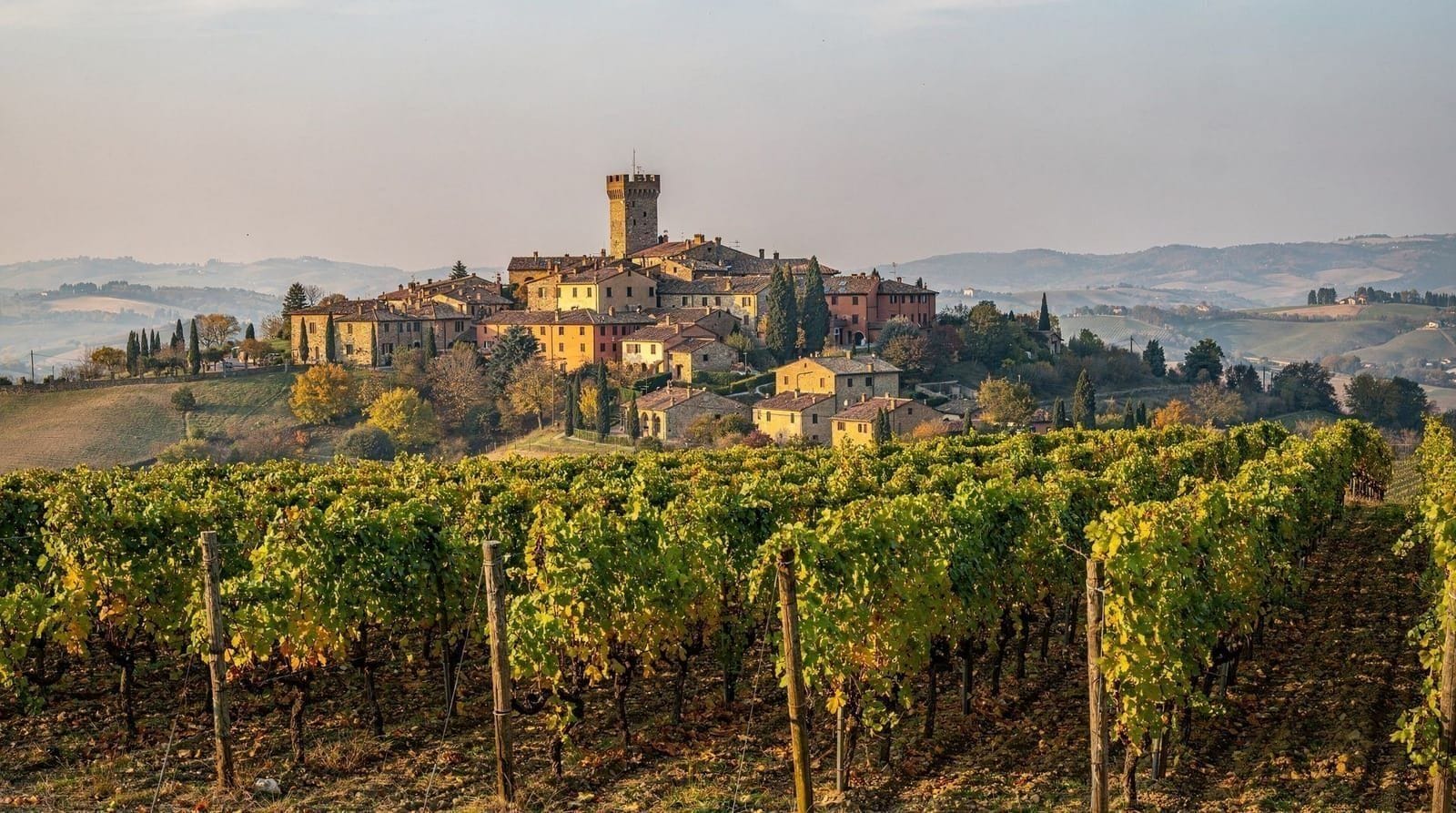
Greve in Chianti sits 27 kilometres south of Florence in the valley of the Greve river, and it works as an honest introduction to what the Chianti Classico wine zone actually looks like when you strip away the tourist-trail gloss. The triangular Piazza Matteotti — ringed by medieval arcaded buildings and overlooked by a bronze statue of the explorer Giovanni da Verrazzano, a Greve native — is one of the most appealing town squares in Tuscany. On a Saturday morning when the weekly market fills the square with local producers, cheese sellers and wine merchants, it becomes genuinely charming rather than just pretty.
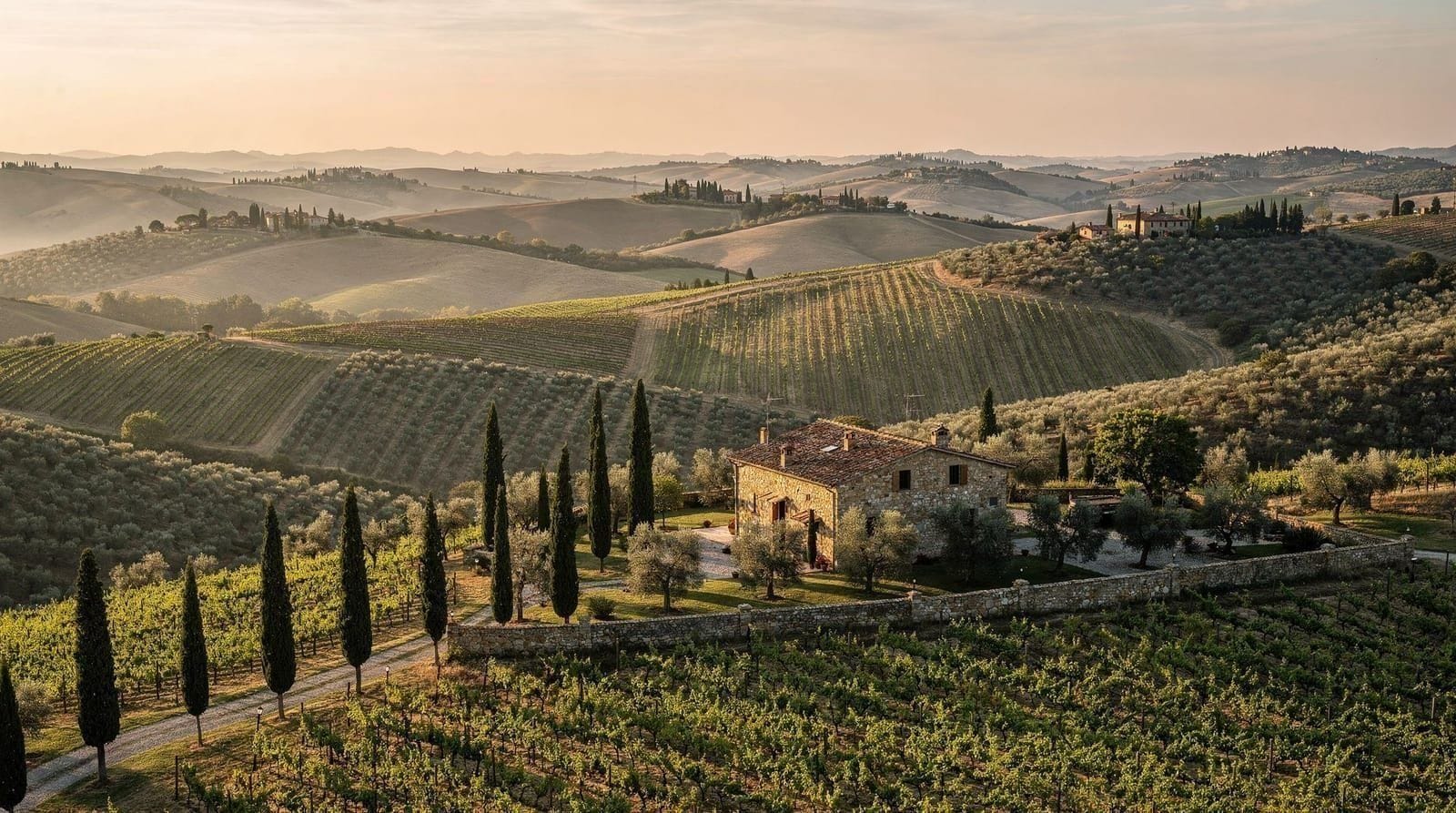
For day-trippers from Florence, Greve punches above its size (population roughly 14,000). It has a serious wine shop, one of Tuscany’s oldest butchers, easy parking outside the historic centre, and a network of wineries within a few kilometres that range from small family estates to internationally recognised names. The drive south from Florence through the rolling vine- and olive-covered hills of the Chianti Classico zone is itself worth the journey.
| Where | 27 km south of Florence, northern Chianti Classico |
| Time needed | Half day; full day with a winery visit |
| Cost | €20-60 depending on tastings |
| Getting there | Car recommended (35-45 min); SITA bus possible |
| Best time | May-October; Saturday for the local market |
Getting there from Florence
By car (recommended): Take the Superstrada Firenze-Siena (free road, not the toll motorway) south from Florence and exit at Greve in Chianti. Journey time is 35-45 minutes in normal traffic. Parking is straightforward in the free areas around the piazza and along Via Roma. This is the only practical option if you want to visit multiple wineries.
By SITA bus: Buses depart from Florence’s Via Santa Caterina da Siena bus station (near Santa Maria Novella train station) and run roughly every 30-60 minutes to Greve. Journey time is around 1 hour. Tickets cost approximately €3.50 each way. Check current SITA timetables before travel — frequency drops significantly on Sundays. The bus drops you centrally, which is convenient, but limits your ability to visit rural wineries.
By tour: Several Florence-based operators run half-day and full-day Chianti tours that include Greve and two or three wineries, typically with hotel pickup, a guide, and wine tasting included in the price.
Piazza Matteotti and the town centre
The triangular shape of Piazza Matteotti is unusual for Tuscany and gives the town a distinctive character. The porticoes around three sides shelter small shops, wine bars (enoteche) and restaurants from rain and summer heat. The piazza was restructured in the 13th century and the current arcaded buildings largely date from the 14th and 15th centuries, though modified many times since.
At the narrow end of the triangle stands the 19th-century parish church of Santa Croce, worth a brief visit for its baroque interior. The tower on the opposite end of the square is all that remains of the medieval Florentine administrative building.
What to do on the piazza: Walk the porticoes, stop at one of the enoteche for a glass of Chianti Classico, and browse the food and wine shops. The main market runs on Saturday mornings and is primarily a local rather than tourist affair — a useful distinction.
Macelleria Falorni and food shopping
The Macelleria Falorni butcher shop (Piazza Matteotti 71) dates to 1729 and is legitimately one of the finest examples of a traditional Tuscan macelleria you will find. Their finocchiona (fennel salami), lard, wild boar products and cured meats are made to historic recipes. The shop is a tourist attraction in the practical sense — it is genuinely worth visiting and buying from, not simply browsing. Prices are fair by the quality offered.
Adjacent to the butcher is the Enoteca del Chianti Classico, one of the best wine shops in the zone with an enormous selection of Chianti Classico, Riserva and Gran Selezione bottles from across the denomination. Staff are knowledgeable and helpful, particularly for explaining the difference between producers in Greve versus Radda or Castellina communes.
For lunch, the restaurants around the piazza offer solid Tuscan cooking. Avoid anywhere with laminated multilingual menus displayed outside — there are several options with proper handwritten boards offering ribollita, pappardelle al cinghiale and bistecca di chianina at honest prices.
Wine: what to taste in Greve
Greve sits in the northern part of the Chianti Classico DOCG zone, with the commune producing wines that tend toward elegance and aromatic complexity compared to the fuller-bodied styles from Castellina or Gaiole to the south. The Sangiovese grape dominates, with Gran Selezione bottlings representing the top tier of the denomination.
Key producers near Greve:
-
Castello di Verrazzano (5 km north, on the road back to Florence): The ancestral estate of Giovanni da Verrazzano, now a working winery open for tastings and tours. Chianti Classico, Riserva and the Sassello blend are the wines to try. Tastings from approximately €20 per person; book ahead.
-
Lamole di Lamole: Perched at 600 metres altitude in the hills above Greve, this estate produces structured, mineral Chianti Classico from old vines. The restaurant has good views and serves the estate’s wines with simple Tuscan food.
-
Villa Calcinaia (Greve commune): Family-owned since the 15th century by the Capponi family. Tastings available by appointment, producing both Chianti Classico and Vin Santo.
Wine tasting prices in the Greve area typically run €15-25 per person for 3-4 wines; cellar tours add €5-10. Most serious estates require advance booking, especially in peak season (April-October). Walk-ins are sometimes possible at smaller producers midweek.
For a guide to the full Chianti Classico zone, see our Chianti wine guide.
The Chianti Sculpture Park (Parco Sculture del Chianti)
Located 3 kilometres from Greve at Pievasciata, the Chianti Sculpture Park is an outdoor contemporary art installation in a woodland setting, featuring around 26 large-scale international sculptures set among oak and holm oak trees. Admission is approximately €10 for adults. It is genuinely interesting for visitors who combine an interest in art with wine and landscape, and mercifully unknown to the bulk of day-trippers. Open April-October, closed Mondays.
Montefioralle: the medieval village above Greve
A five-minute drive (or 20-minute uphill walk) from Greve brings you to Montefioralle, one of the best-preserved medieval villages in Tuscany. A circular ring of stone houses, the intact 14th-century walls, two small churches, and views across olive groves and vineyards make it worth the detour. The village is tiny — a few hundred metres in circumference — and entirely residential. There is one restaurant, the Taverna del Guerrino, which serves basic Tuscan food and local wine. Go for the atmosphere rather than the food.
The church of Santo Stefano in Montefioralle dates to the 9th century and was later modified in Romanesque style. It contains a modest but genuinely old interior. The church of Santa Maria al Prato next to it has frescoes worth a look if it happens to be open.
Vespucci (the explorer Amerigo Vespucci, after whom America is named) had family connections to Montefioralle — a fact that the village notes with a plaque, providing a second claim to New World connections alongside Verrazzano down in Greve.
Combining Greve with other Chianti stops
Greve works well as a base for a half-day or full-day Chianti itinerary. Practical combinations:
Half-day from Florence: Drive to Greve, spend 2-3 hours on the piazza and at Falorni, visit one nearby winery, return to Florence by late afternoon.
Full Chianti day: Leave Florence by 9:00, drive through Strada in Chianti and Panzano in Chianti (worth a brief stop for Dario Cecchini’s famous butcher shop at Panzano), arrive Greve mid-morning, lunch on the piazza, visit one or two wineries in the afternoon, return via the scenic road through Castellina. See our guide to planning a Chianti day trip for full logistics.
Greve plus Castellina: Combining Greve with Castellina in Chianti makes a complete Chianti itinerary. Castellina is 20 kilometres south and offers a more intact medieval town centre, different wine producers, and the Via delle Volte underground passageway.
For those considering the broader southern Tuscany circuit, our Val d’Orcia road trip itinerary provides a framework for extending the journey.
Seasonal notes and practical tips
Best months: May-June and September-October offer the best combination of comfortable temperatures (18-25°C), green vineyards and good winery access. July and August are hot and crowded; harvest (vendemmia) in September-October is atmospheric but some wineries restrict visits during the most intense picking periods.
Saturday market: The weekly market in Piazza Matteotti runs from around 8:00 to 13:00. Primarily fruit, vegetables, local products and some clothing. It gives the piazza a different energy from weekday visits.
Greve Wine Festival (Expo Chianti Classico): Held in September, this multi-day event in the piazza features dozens of producers and is one of the better wine festivals in Tuscany — worth planning around if your dates allow. Entry fees around €20 include a tasting glass.
ZTL and parking: The historic centre has a ZTL (Limited Traffic Zone) but it is not heavily enforced for tourist vehicles in the way Florence’s is. Free parking is abundant in the areas immediately surrounding the piazza. Do not drive into the piazza itself.
Opening hours: Many wine shops and enoteche close between 13:00 and 15:00. The weekly market is morning only. Wineries typically receive visitors 10:00-12:00 and 14:00-17:00 by appointment.
Greve vs Castellina vs Radda: comparing the Chianti Classico towns
Greve is the most accessible of the Chianti Classico towns from Florence, but it’s worth knowing how it compares to its neighbours before committing a whole day to one:
| Greve | Castellina in Chianti | Radda in Chianti | |
|---|---|---|---|
| Distance from Florence | 27 km / 35-45 min | 45 km / 50-60 min | 55 km / 1h |
| Character | Market town, triangular piazza | Intact medieval centre, Via delle Volte | Smallest, quietest, most rural |
| Wine style | Elegant, aromatic Sangiovese | Fuller-bodied Chianti Classico | Structured, traditional style |
| Food shopping | Excellent (Falorni) | Good | Limited |
| Best for | First-time Chianti visitors, food shopping | Medieval atmosphere, still-crowd-light | Escaping other Chianti crowds entirely |
Greve is the natural first stop for most Florence-based day trips; combine it with Castellina if you have a full day and want a deeper Chianti experience.
Practical shopping notes
Beyond Falorni and the Enoteca del Chianti Classico, Greve’s Saturday market (8:00-13:00 in Piazza Matteotti) is a genuine local affair — fruit, vegetables, cheese, and seasonal produce rather than souvenirs. If you’re buying wine to take home, ask the enoteca staff about export-friendly packaging; most Chianti producers sell in standard 750ml bottles that fit airline checked-luggage wine sleeves, sold at the shop for a few euros.
For olive oil, several Greve-area producers sell directly at their frantoio (oil mill) during the November-December harvest and pressing season, when fresh olio nuovo — intensely peppery, green-gold — is at its best. Ask at the tourist information point on Piazza Matteotti for current producers taking visitors.
A realistic half-day plan
Morning — Arrive Greve by 10:00 (earlier on Saturday for the market), walk Piazza Matteotti, visit Falorni and the Enoteca del Chianti Classico. Midday — Lunch on the piazza or at a winery restaurant. Afternoon — One winery visit (Castello di Verrazzano or Villa Calcinaia, 1.5-2 hours with tasting), or the short detour to Montefioralle for the medieval village. Late afternoon — Return to Florence via the scenic Chiantigiana road, or continue to Castellina in Chianti if extending the day.
Frequently asked questions about Greve in Chianti
Is Greve in Chianti worth visiting on a day trip from Florence?
Yes, particularly for wine enthusiasts and those interested in the Tuscan countryside. The combination of a genuinely attractive medieval piazza, excellent food shopping at Falorni, good wine access and the scenic drive makes it one of the better half-day trips from Florence. It works best with a car.
Can I get to Greve in Chianti without a car?
Yes, by SITA bus from Florence (Via Santa Caterina da Siena station), roughly 1 hour and €3.50 each way. Frequency is limited and drops significantly on Sundays. Without a car, you can visit the town centre and the wineries within walking distance, but reaching most rural estates is not practical.
What wine should I buy in Greve?
Chianti Classico DOCG from the Greve commune tends toward elegance and aromatic complexity. Look for Gran Selezione designations for the top tier. The Enoteca del Chianti Classico on the piazza has an excellent selection with helpful staff.
Do wineries near Greve require advance booking?
Most established estates (Castello di Verrazzano, Villa Calcinaia, Lamole di Lamole) require advance booking, especially April-October. Walk-in tastings are sometimes available at smaller producers midweek, but booking even a day ahead is advisable.
How long does Greve in Chianti take to visit?
The town itself takes 1-2 hours. Add a winery visit (1.5-2 hours including tasting) and lunch and you have a comfortable half-day. A full day allows two winery visits, a detour to Montefioralle and Panzano, and a more relaxed lunch.
What is the best route from Florence to Greve?
Take the Superstrada Firenze-Siena (free, not the toll motorway) south and exit at Greve in Chianti. The road is well signposted. Alternatively, the scenic route via Strada in Chianti and then the Chiantigiana road (SS222) adds 15 minutes but passes through classic Chianti landscape with views.
Top experiences
Bookable activities with verified prices and instant confirmation on GetYourGuide.

Florence: Chianti wineries tour with wine tasting
- Free cancellation
- Small group
Florence: Chianti hills wineries tour with tasting
- Free cancellation
- Small group
Florence: private 4-hour Chianti tour and wine tasting
- Free cancellation
Florence: Chianti wine region Vespa or Fiat Topolino tour
- Free cancellation
- Small group