Montalcino
Montalcino: home of Brunello di Montalcino, Italy's most prestigious wine. Fortezza enoteca, winery visits and honest day-trip guide from Florence.
Montalcino: Brunello wine tasting and lunch in a Tuscan castle
- Free cancellation
- Small group
Quick facts
- Distance from Florence
- 140 km / 2 hrs by car
- Best for
- Brunello wine, Fortezza, Val d'Orcia views
- Transport
- Car essential; bus from Siena possible but infrequent
- Budget
- €40-120 depending on wine level
Brunello di Montalcino: Italy’s most collected wine
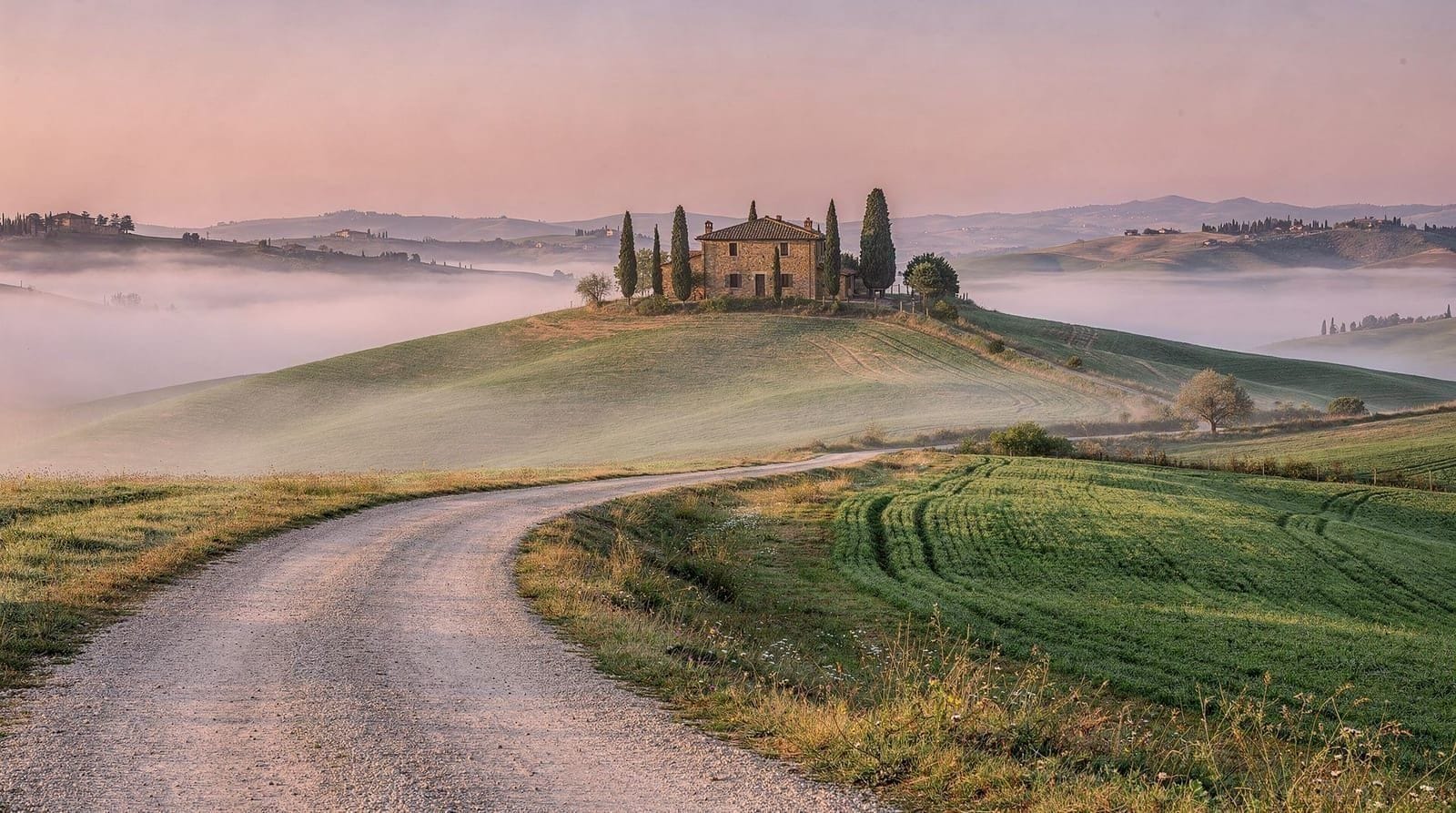
Montalcino is an austere hilltop town of about 5,000 inhabitants perched at 567 metres above sea level, with views that encompass the entirety of the Val d’Orcia to the south, Monte Amiata rising in the distance, and rows of vineyards on every slope below. The town itself is compact and not heavily visited by those without a specific interest in wine — unlike Pienza (which wears its Renaissance beauty publicly) or San Gimignano (which wears its towers like a commercial asset), Montalcino maintains a certain reticence that suits its most famous product.
Brunello di Montalcino is a red wine made from 100% Sangiovese Grosso (a thick-skinned clone of the Sangiovese grape, locally called Brunello) grown within the Montalcino municipal territory. It must be aged a minimum of five years before release (six for Riserva), four of which in oak. It is the only major Italian DOCG requiring this length of aging. The result is a wine of extraordinary longevity — the best examples easily lasting 30-50 years in a proper cellar — with a characteristic profile of dried cherry, earth, leather, spice and eventually tertiary complexity. Major critics rate it among the world’s greatest red wines. The wines of Biondi Santi, the family that effectively created and preserved the modern Brunello style, are among the most collected in Italy.
All of this context matters for understanding what a visit to Montalcino actually involves: you are visiting the source of something exceptional.
| Where | 140 km south of Florence, southern Val d’Orcia |
| Time needed | Half day to full day |
| Cost | €40-120 depending on wine level tasted |
| Getting there | Car essential (2h); guided tour without a car |
| Best time | April-June, September-November |
Getting to Montalcino from Florence
By car (essential): Take the Superstrada Firenze-Siena south, continue on the SR2 through Torrenieri, turn south on the SR2 and follow signs to Montalcino. Total approximately 2 hours. The drive through the Val d’Arbia and then across the hills into the Montalcino territory is scenic. Free parking is available in multiple car parks on the edge of the historic centre.
From Siena: Montalcino is 42 kilometres south of Siena (50 minutes by car). Tiemme bus service runs from Siena’s Piazza Gramsci to Montalcino, but frequency is very limited (typically 2-4 departures per day). Check current timetables carefully at tiemmespa.it; returning buses in the evening are particularly infrequent, which means missing one is a serious problem. A rental car from Siena or Florence is strongly recommended.
By guided tour from Florence: The most practical option without a car. Several excellent full-day tours combine Montalcino with Montepulciano and Pienza.
The Fortezza and enoteca
The 14th-century Fortezza di Montalcino sits at the highest point of the town and is the most immediately rewarding stop. The interior courtyard of the fortress houses the Enoteca della Fortezza, which sells Brunello and Rosso di Montalcino by the glass and by the bottle. The list of producers is extensive, covering most of the major estates, and prices by the glass range from approximately €7 for a Rosso di Montalcino to €20-35 for a Brunello or Riserva from a prestigious producer.
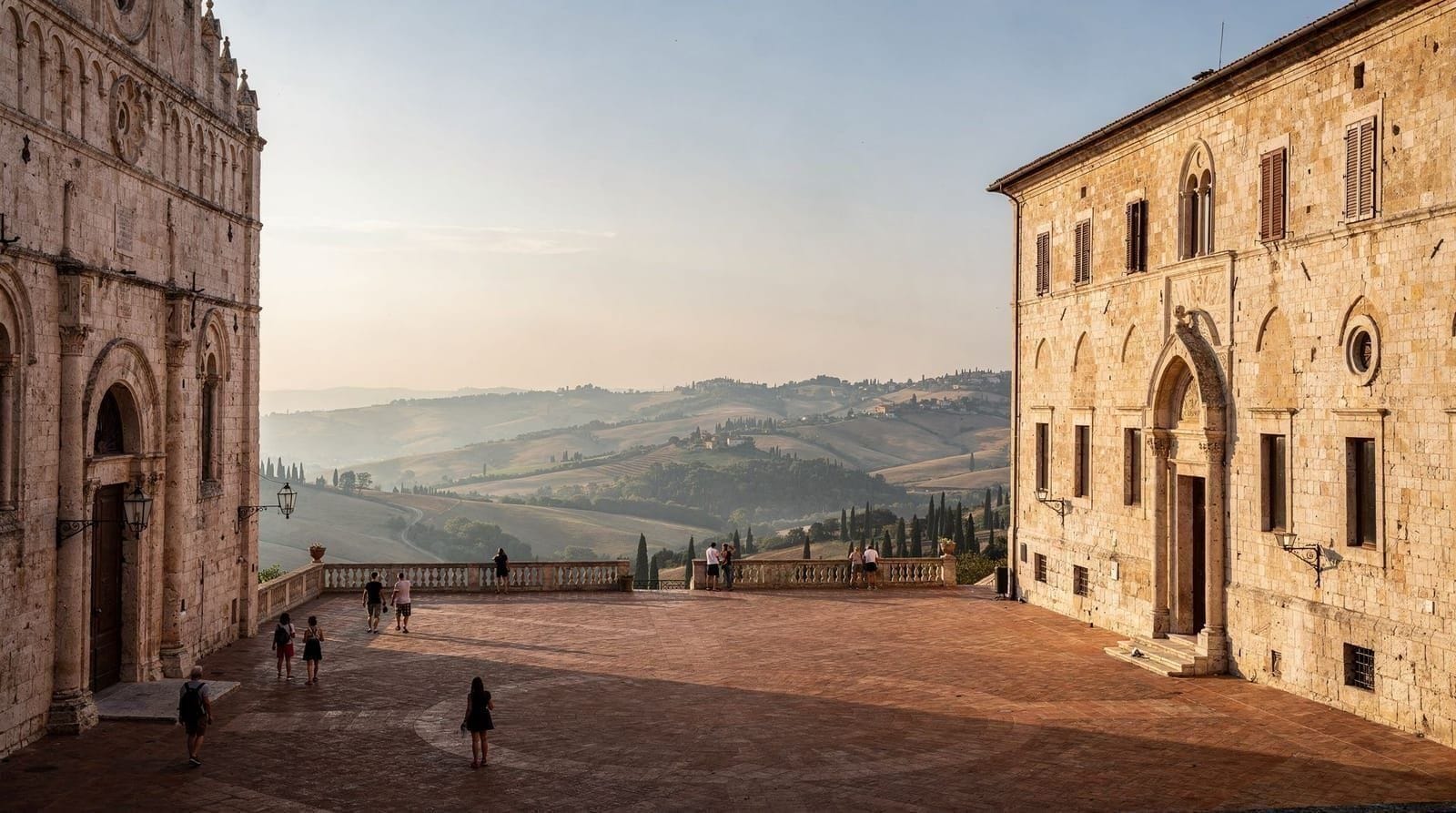
The terrace of the fortress has views north across the Val d’Arbia and south toward Val d’Orcia. Walking the fortress walls (admission approximately €4) provides a 360-degree view of the Montalcino territory and the surrounding landscape of vineyards, olive groves, oak woods and distant hills.
Hours: The Fortezza is open daily 9:00-20:00 in summer (shorter hours November-March). The enoteca opens at the same time. This is the best starting point for any visit to Montalcino — have a glass of Rosso di Montalcino while taking in the view before exploring the town.
The historic centre
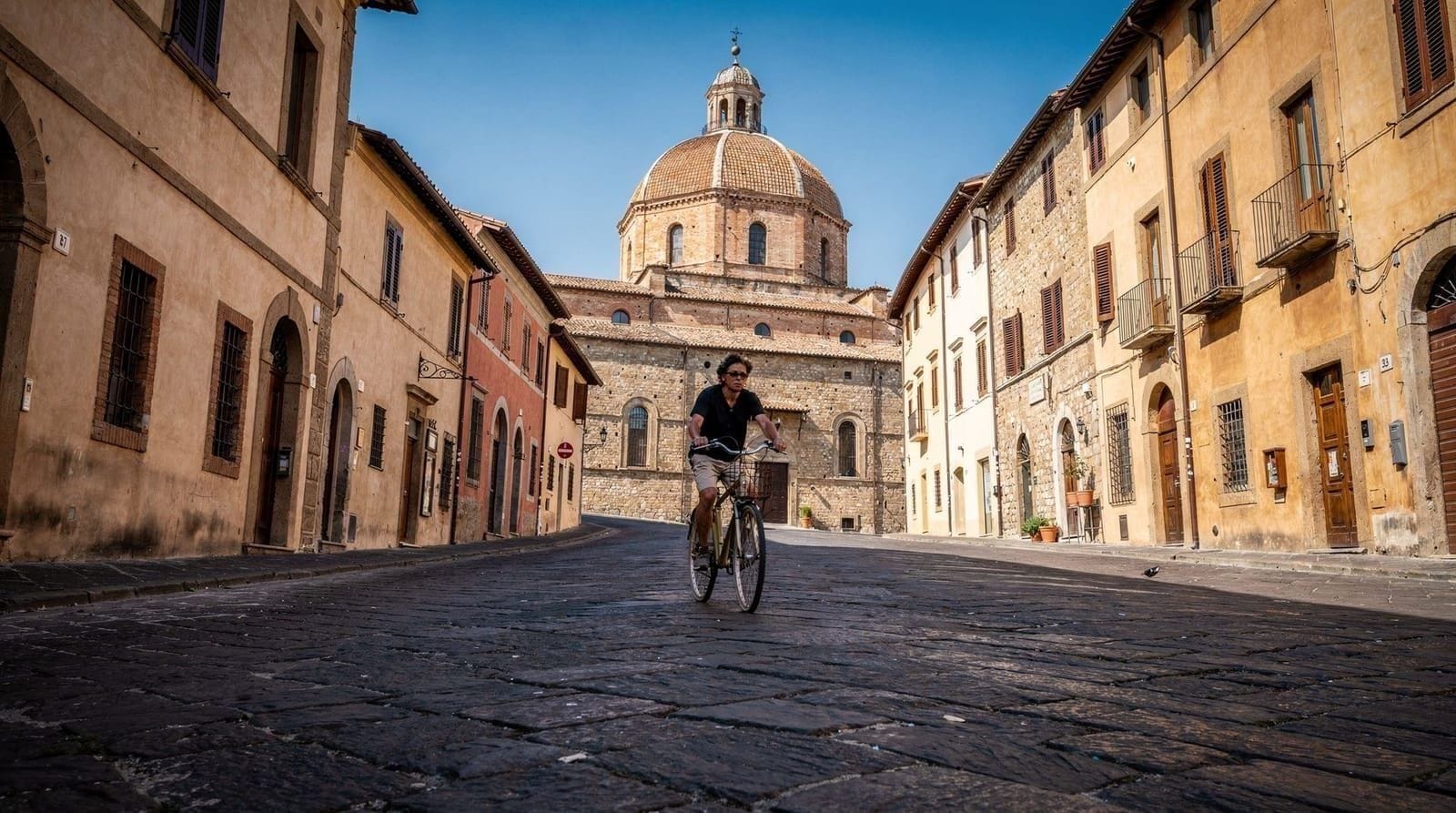
Montalcino’s main street, Via Mazzini, leads from the Fortezza north toward the main piazza, Piazza del Popolo. The street and its side lanes are lined with enoteche (wine shops), cafes and a few restaurants. The quality of wine shops in Montalcino is consistently high — the town exists largely because of wine, and the staff in even modest-looking enoteche often know what they are talking about.
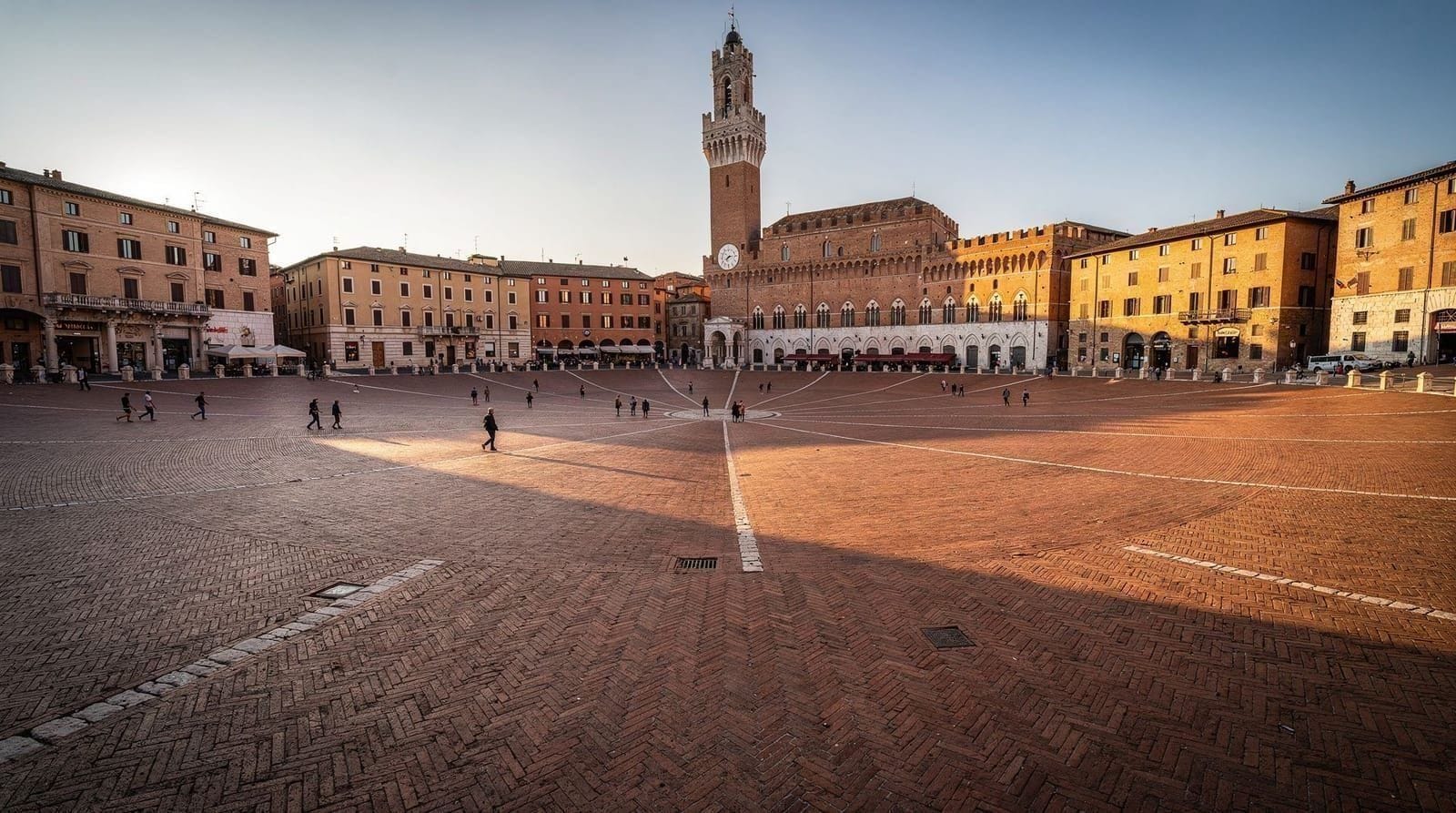
Piazza del Popolo is the social heart of the town, dominated by a loggia from the 14th century. The caffè on the piazza (Caffè Fiaschetteria Italiana, founded 1888) is an excellent place for an espresso and the most atmospheric option in town. The piazza is lively in the early evening aperitivo hour.
Museo Civico e Diocesano d’Arte Sacra: Located in the former cloister of Sant’Agostino. The collection includes Sienese and Montalcino paintings from the 13th-17th centuries, wooden sculpture and polychrome terracotta. Admission approximately €5; closed Mondays. Worth 45 minutes for those interested in medieval and Renaissance religious art.
Church of Sant’Agostino: Gothic façade (14th century) with a rose window. The interior has 14th-century frescoes by Luca di Tomme and others. Free entry.
Visiting Brunello wineries
The Montalcino wine zone contains over 200 producers, ranging from historic family estates to large international corporations. The zone is officially divided into five geographic macro-areas (north, south, east, west, and the central Montalcino hill), each producing wines with slightly different character profiles, though the debate over terroir differences is ongoing and contested among producers.
Key producers to know:
-
Biondi Santi (Greppo estate, 8 km south of Montalcino): The family that created the modern Brunello style and preserved the Sangiovese Grosso clone through the phylloxera crisis. A visit here is more heritage tour than regular winery visit; prices for their Riserva are in the hundreds. Tastings by appointment only.
-
Casanova di Neri: Consistently among the highest-rated Brunello producers in international reviews. The Cerretalto single vineyard Brunello is one of the most sought-after bottles in Italy. Appointment required.
-
Il Poggione: More accessible price point while maintaining quality. Located in Sant’Angelo in Colle on the southern slope of the Montalcino hill. Welcomes visitors with reasonable advance notice.
-
Altesino: Located north of Montalcino with more immediately approachable, fruit-forward Brunello styles. Good for those new to the wine. Tastings available.
-
Poggio di Sotto (Castelnuovo dell’Abate): Small-production estate in the extreme southern part of the zone, near the confluence of the Orcia and Ombrone rivers. Considered one of the purest expressions of the traditional style. Visits by appointment, highly sought.
Tasting logistics: Most producers require advance booking for visits, particularly April-October. A typical winery visit includes a cellar tour (showing the oak barrels, both large botti and small barriques depending on the producer’s philosophy) and tasting of 3-5 wines including Rosso di Montalcino, Brunello and often an annata versus Riserva comparison. Plan 1.5-2 hours per visit. Tastings typically cost €20-40 per person.
Rosso di Montalcino: Don’t overlook this younger sibling. Made from the same Sangiovese Grosso grapes but aged only one year and released earlier, Rosso di Montalcino is significantly more affordable (€15-25 per bottle at the winery) and represents excellent value for drinking in the near term.
For background on Brunello, see our dedicated Brunello di Montalcino wine guide.
Castelnuovo dell’Abate and Sant’Antimo
Seven kilometres south of Montalcino, the hamlet of Castelnuovo dell’Abate sits above the Romanesque Abbey of Sant’Antimo — one of the finest examples of Romanesque religious architecture in Tuscany. Founded in the 8th century (legend credits Charlemagne), the current church dates primarily from the 12th century, built in pale golden onyx alabaster from local quarries. The interior has elegant Corinthian capitals (one with carved acanthus leaves and birds, genuinely beautiful), a raised choir, and remarkable acoustics.
Sant’Antimo is free to visit, opens daily (check seasonal hours), and is regularly used for Gregorian chant. The combination of architecture, setting (in a valley below the hill village) and occasional singing makes it one of the most memorable churches in Tuscany.
Castelnuovo dell’Abate itself is a tiny village with one restaurant and several wine producers, including Poggio di Sotto.
Eating and drinking in Montalcino
With a population of 5,000 and significant wine tourism, Montalcino has a reasonable food and drink offering for its size.
Enoteca della Fortezza: Best option for casual wine tasting with views. Glass of Rosso di Montalcino from €7, Brunello from €15.
Il Leccio (Via Costa Castellare): Well-regarded local restaurant with a focused wine list and reliable Tuscan cooking. Pici ai porcini in autumn, wild boar in winter. Booking advised. Expect €35-50 per person.
Osteria di Porta al Cassero (Via Giacomo Matteotti): More casual, popular with locals. Good panini and light meals for lunch. Good value.
Re di Macchia (Via Soccorso Saloni): Respected for its wine list and cooking quality. Gets busy at peak season; book ahead.
Combining Montalcino in a wider itinerary
Montalcino sits 40 kilometres west of Montepulciano and 25 kilometres west of Pienza, making the three towns a natural circuit for a Val d’Orcia day or multi-day trip.
Day trip from Florence: Leave by 8:00, arrive Montalcino by 10:00, Fortezza and enoteca (1 hour), winery visit (1.5 hours), lunch, drive east to Pienza for afternoon, then Montepulciano, return to Florence by 20:00. Demanding but feasible.
Two-day circuit: Day 1 Montepulciano and Pienza; overnight in Pienza. Day 2 dawn at the Val d’Orcia viewpoints near San Quirico, then Montalcino, Sant’Antimo, return via Siena.
See our full Val d’Orcia road trip itinerary and Val d’Orcia guide for complete logistics.
Montalcino vs Montepulciano: which wine town first
Both are Val d’Orcia wine towns built around a single DOCG, but the experience differs enough to matter for planning:
| Montalcino | Montepulciano | |
|---|---|---|
| Wine style | Brunello — powerful, long-aging, 5+ years minimum | Vino Nobile — more approachable young, 2+ years minimum |
| Price level | Higher; Brunello €35-200+, Riserva more | More accessible; Vino Nobile €15-60 |
| Town character | Austere, reticent, wine-focused | Architecturally showy, Renaissance palazzos |
| Cellars | Wineries mostly outside town, in the hills | Cellars carved directly beneath the piazza |
| Best for | Serious wine collectors, photographers of Val d’Orcia views | First-time visitors wanting architecture + wine together |
If choosing one, wine collectors should prioritise Montalcino; those wanting a more rounded day of architecture and street life should lean toward Montepulciano. Neither excludes doing both in a longer Val d’Orcia circuit — see the Val d’Orcia road trip itinerary.
Buying and shipping Brunello home
Most enoteche and wineries in Montalcino will ship internationally, though costs and customs rules vary significantly by destination — ask before buying if you’re planning to send bottles rather than carry them. For carrying wine in checked luggage, bubble-wrap sleeves (sold at the Fortezza enoteca and most wine shops) are inexpensive and worth buying if you’re taking bottles home. EU residents can generally carry wine freely within the EU; non-EU travellers should check their home country’s duty-free allowance before buying more than one or two bottles.
Prices at the Fortezza enoteca are a reasonable benchmark for what a bottle should cost — buying directly from a winery you’ve visited is usually similar or slightly better value than buying in town, and comes with the experience attached.
A realistic day plan
Morning — Arrive by 10:00, start at the Fortezza for the view and a glass of Rosso di Montalcino, then walk the historic centre (Piazza del Popolo, Sant’Agostino). Midday — One winery visit by appointment (1.5-2 hours), ideally booked before you leave Florence. Afternoon — Lunch in town or at the winery, then drive to Sant’Antimo abbey near Castelnuovo dell’Abate (20 minutes) for the Romanesque architecture and, if timed right, Gregorian chant. Late afternoon — Return via Pienza or Siena if continuing the Val d’Orcia circuit, or head straight back to Florence (2 hours).
Frequently asked questions about Montalcino
Is Montalcino worth visiting if I am not a serious wine person?
Yes, though the town is smaller and less architecturally dramatic than Montepulciano or Pienza. The Fortezza views, Sant’Antimo abbey, and the general atmosphere of a genuine Tuscan hill town are worthwhile. Wine adds depth — even a single glass of Rosso di Montalcino at the Fortezza enoteca is a reasonable experience for a non-specialist.
What is the difference between Brunello and Rosso di Montalcino?
Same grape (Sangiovese Grosso), same zone. Brunello di Montalcino must be aged minimum 5 years (6 for Riserva) and is one of Italy’s greatest long-aging red wines. Rosso di Montalcino is the younger, less-aged version (1 year minimum), more fruit-forward and significantly less expensive (€15-25 vs €35-200+). Rosso is designed for earlier drinking; Brunello for cellaring.
Do I need to book winery visits in advance?
Yes, for most serious producers, especially April-October. Walk-in visits are possible at some smaller estates and at the Fortezza enoteca, but for the major names (Biondi Santi, Casanova di Neri, Poggio di Sotto) advance booking is essential and waitlists can be long.
When is Brunello released?
Brunello di Montalcino is released January 1 of the fifth year after harvest (sixth year for Riserva). So a 2020 vintage Brunello becomes available January 2025. Wineries often sell current and older vintages at different prices; older vintages from good years can be more expensive.
What is the best route from Montalcino to Montepulciano?
The most scenic route goes east from Montalcino via Castelnuovo dell’Abate, through Bagno Vignoni, then via Pienza and on to Montepulciano. Total approximately 1 hour driving with stops. This passes through the most photographed Val d’Orcia landscapes and allows a stop at Bagno Vignoni’s thermal pool.
Is Montalcino suitable for children?
The town itself is fine for families. The Fortezza has climbing walls and open spaces. The Museo Civico is small but not specifically child-focused. Winery visits are generally not suitable for young children. The drive and general scenery of Val d’Orcia are perfectly enjoyable for all ages.
Top experiences
Bookable activities with verified prices and instant confirmation on GetYourGuide.

Montalcino: Brunello wine tasting and lunch in a Tuscan castle
- Free cancellation
- Small group
Florence: Montalcino wine tour with Brunello
- Free cancellation
- Small group
Montalcino: winery tour with Brunello vertical tasting
- Free cancellation
- Small group
Florence: Montalcino, Montepulciano and Val d'Orcia with lunch
- Free cancellation
- Small group

Siena: Brunello di Montalcino full day wine tour with tastings
- Free cancellation
- Small group