Bargello Museum: Florence's underrated sculpture masterpiece
Florence: Renaissance and Medici walking tour
- Free cancellation
- Small group
What is the Bargello Museum in Florence?
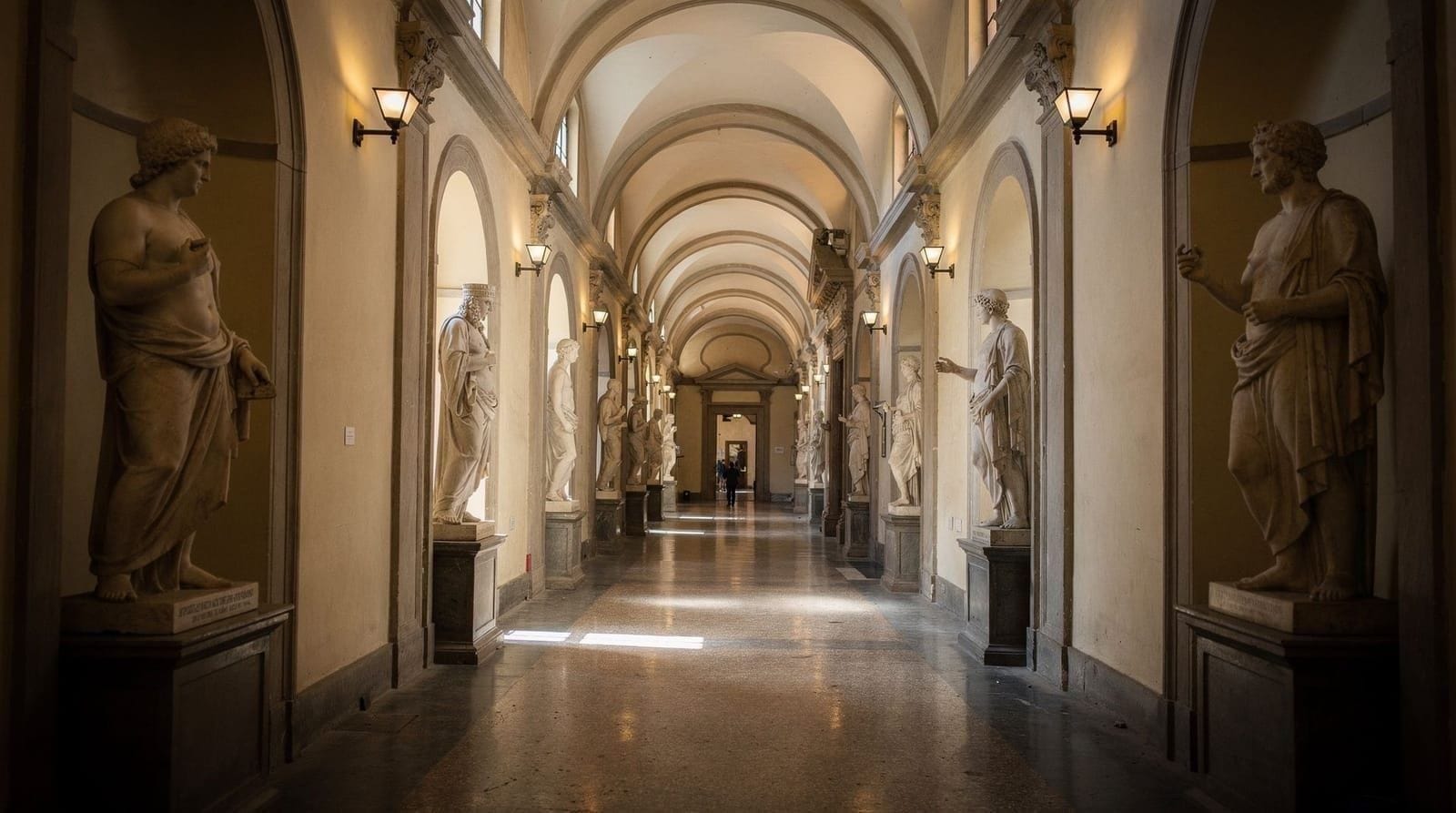
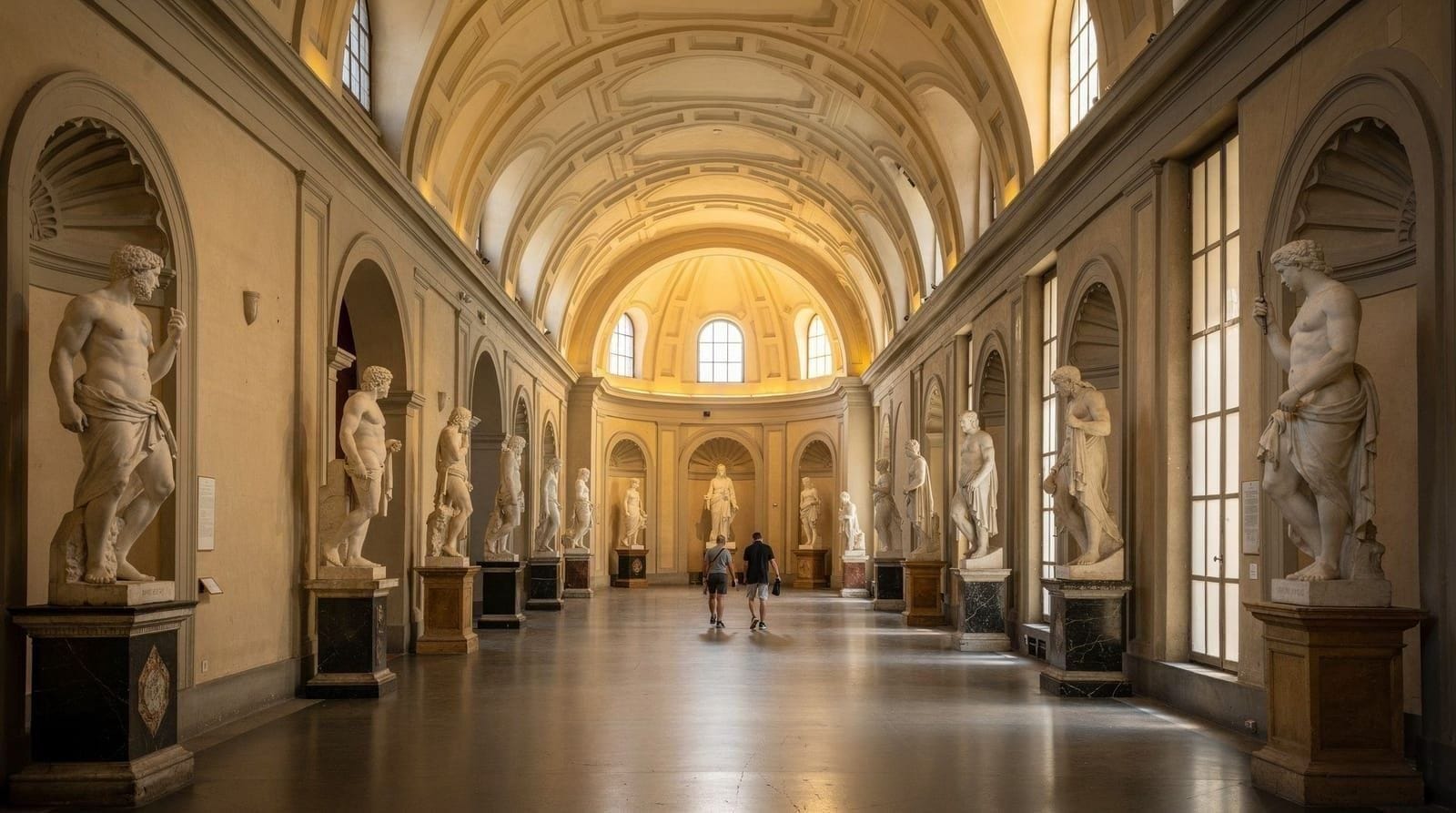
The Museo Nazionale del Bargello is Florence's premier sculpture museum, housed in a 13th-century fortress. It contains Donatello's two David sculptures, Michelangelo's Bacchus and Brutus, Cellini's Perseus model, and one of Europe's finest collections of medieval and Renaissance decorative arts. Entry is €8; queues are minimal.
Ask most Florence visitors about the Bargello and you’ll get blank looks. Mention the Uffizi and the Accademia and everyone nods. This discrepancy is one of the great injustices of Florence tourism — because the Bargello National Museum contains sculptures that rival anything in either of its more famous neighbours, in a medieval building whose raw stone interior provides the perfect setting for the work it displays.
The Bargello is the museum that art historians love and tourists overlook. Which means that on a Tuesday afternoon in July, when the Uffizi is packed shoulder to shoulder, the Bargello is quiet enough to stand in the courtyard and hear yourself think.
Essential visitor information
| Where | Via del Proconsolo 4 — 5 min from Uffizi, 7 min from Piazza della Signoria |
| Cost | €8 + €3 online booking fee; walk-up usually possible |
| Time needed | 60–90 minutes |
| Hours | Tue–Sun 8:15am–5pm (last entry 4:30pm), closed Mondays |
| Getting there | Fully within the ZTL — walk from anywhere in the historic centre |
Address: Via del Proconsolo 4, Florence — 5 minutes’ walk from the Uffizi, 7 minutes from Piazza della Signoria
Hours: Tuesday–Sunday, 8:15 am – 5:00 pm (last entry 4:30 pm). Closed Mondays and occasional holidays.
Tickets: €8 + €3 booking fee online; walk-up usually possible
Time needed: 60–90 minutes
Getting there: Fully within the ZTL zone. Walk from anywhere in the historic centre.
The building: Florence’s oldest public palace
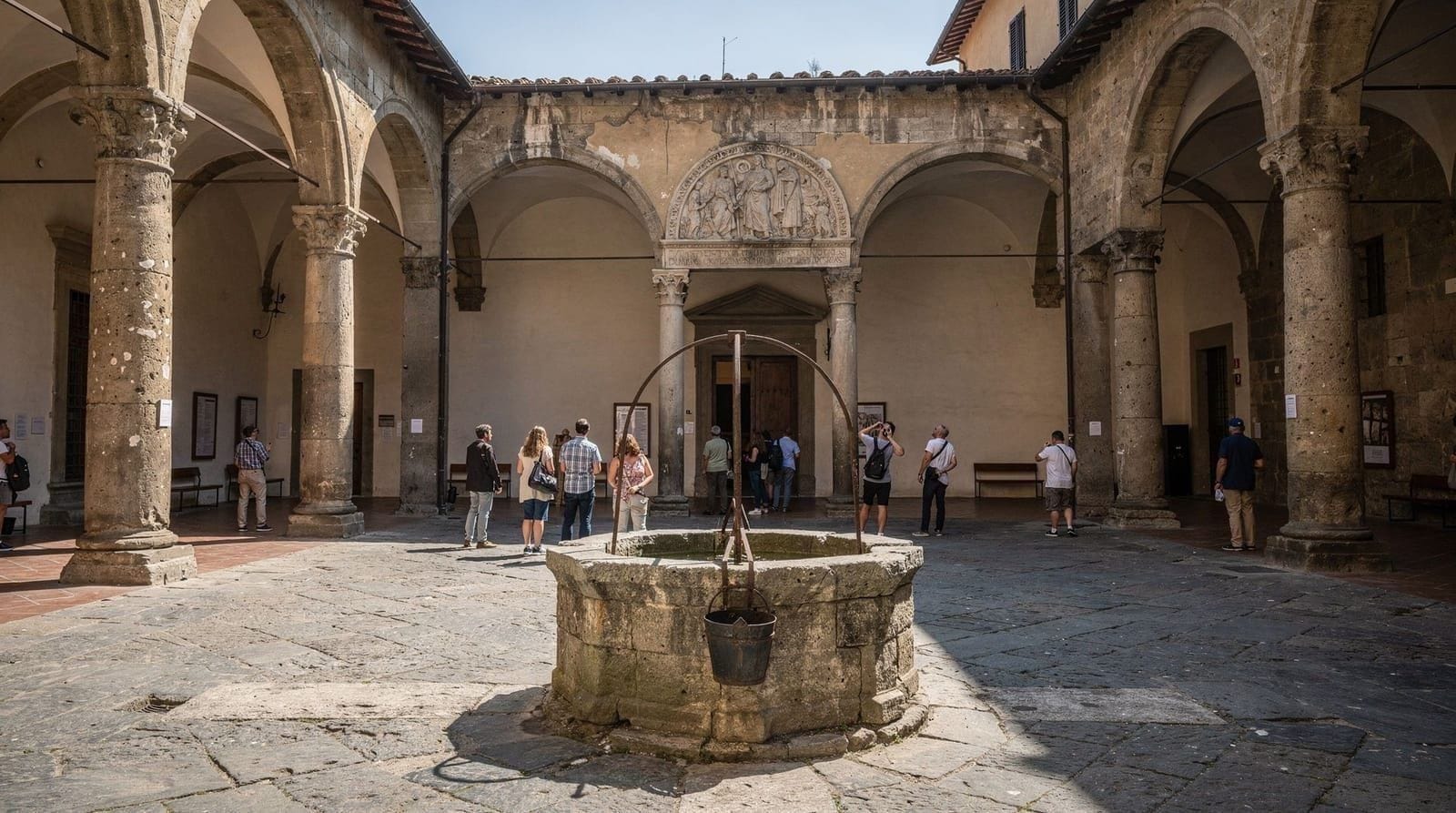
Before it was a museum, the Bargello was the seat of Florence’s executive government (the Podestà and later the Bargello, the chief of police). Built from 1254, it served for decades as the city’s main prison and place of execution — condemned men were hanged from the windows facing Via del Proconsolo, their portraits painted on the exterior wall as a warning.
The courtyard — an arcaded medieval space that is one of the finest in Tuscany — hosted judicial proceedings and executions for centuries. You can still see the coats of arms of various Podestàs carved into the loggia columns.
In 1865, the building was converted into Florence’s national sculpture museum. The contrast between the brutal history of the space and the extraordinary art now housed within it gives the Bargello a particular atmosphere that the Uffizi’s Renaissance palazzo lacks.
What to see: the essential works
Ground floor
Michelangelo’s Bacchus (c. 1497): Michelangelo carved this for the Roman banker Jacopo Galli as a garden sculpture. The drunk god of wine lurches slightly, a wine cup raised, while a faun nibbles grapes behind him. It is one of Michelangelo’s only works that includes humour — the slight wobble of the figure captures intoxication with deadpan precision. Commissioned before the Pietà and five years before the David, it shows a very different Michelangelo: earthly, mischievous, showing off his virtuosity.
Michelangelo’s Brutus (c. 1539): Carved as a political statement in the aftermath of the Florentine Republic, this unfinished portrait of Brutus — the assassin of Julius Caesar, here cast as a republican hero — has a psychological intensity that anticipates Baroque portraiture. The dramatic chisel marks left by Michelangelo’s unfinished work are particularly striking.
Michelangelo’s early works: The Bacchus and Brutus are joined by Madonna of the Stairs and other early pieces that show Michelangelo before the technical mastery became complete — fascinating for understanding how the David happened.
Cellini’s Perseus model: The bronze model for Benvenuto Cellini’s famous Perseus (the finished version stands in the Loggia dei Lanzi in Piazza della Signoria). Seeing the full-scale model alongside documentation of the casting process provides extraordinary insight into Cellini’s ambition and technical achievement.
First floor (the great hall)
This is the Bargello’s heart — the Salone del Consiglio Generale, the former great council chamber — where Donatello’s bronze David holds court.
Donatello’s bronze David (c. 1440–1460): This is one of the most important objects in Western art. The first freestanding nude male statue created in the Western world since ancient Rome stands here — a small bronze figure, delicate and almost feminine, wearing only a wide-brimmed hat and standing on the severed head of Goliath. The contrast with Michelangelo’s marble David in the Accademia (heroic, muscular, monumental) could not be more complete. Donatello’s David is introspective, languid, almost vulnerable.
Why does it matter? Because nothing like it had existed for over a thousand years. The tradition of sculpting the naked human body as a celebration of form had been effectively abandoned after the fall of Rome. Donatello revived it — and the David was the proof of concept that made everything that followed possible.
Donatello’s Saint George (c. 1415–1417): Originally made for the Florentine armourers’ guild at Orsanmichele, the original Saint George is now here. The confidence and spatial presence of this figure was revolutionary — it is sometimes called the first truly Renaissance sculpture.
Donatello’s Marzocco: The Florentine heraldic lion, original now in the Bargello (copy in Piazza della Signoria). A key civic object of medieval Florence.
Luca della Robbia’s terracotta works: The glazed terracotta reliefs by Luca della Robbia (1399–1482) in their distinctive blue-and-white are among the most beautiful things in the Bargello. Della Robbia essentially invented this medium and produced devotional works of remarkable tenderness.
The competition reliefs for the Baptistery doors: In 1401, a competition was held to design the bronze doors for the Florence Baptistery — often called the first art competition of the Renaissance. Both finalist entries — by Lorenzo Ghiberti and Filippo Brunelleschi — are displayed facing each other in the Bargello. They depict the same subject (the Sacrifice of Isaac) and represent two entirely different approaches. Ghiberti won; his doors became the “Gates of Paradise.” But looking at both together, you can understand the debate and the closeness of the contest.
Second floor
Decorative arts and applied works: medieval Islamic metalwork, Byzantine enamels, Flemish ivories, Renaissance bronzes, armour, and medals. Less spectacular than the sculpture halls but rewarding for those interested in the broader material culture of the medieval and Renaissance periods.
The Della Robbia collection continues here with works by Andrea della Robbia (nephew of Luca) and his workshop — the medium used for devotional lunettes and tabernacles throughout Tuscany.
Why the Bargello beats the crowds
The Bargello’s comparative obscurity is inexplicable from an art historical standpoint but very convenient as a visitor experience. In peak summer, the Uffizi and Accademia feel like rush-hour underground stations. The Bargello feels like a gallery.
The museum is particularly good for:
- School-age children who are genuinely interested in history — the medieval palazzo context (dungeons, execution courtyard) is engaging in a way that gallery walls aren’t
- Architecture enthusiasts — the courtyard alone is extraordinary
- Visitors wanting to understand Renaissance sculpture in the context of its development, rather than just seeing famous finished works
- Anyone who has already seen the Uffizi and Accademia and wants to go deeper
The Bargello and the Firenzecard
The Bargello is included in the Firenzecard. If you’re already planning to use a Firenzecard, adding the Bargello costs you nothing extra and adds significant value. For individual visits, the €8 entrance fee is very reasonable — this is not an expensive museum to visit independently.
After the Bargello
The Bargello’s Via del Proconsolo address puts you between several other key sites:
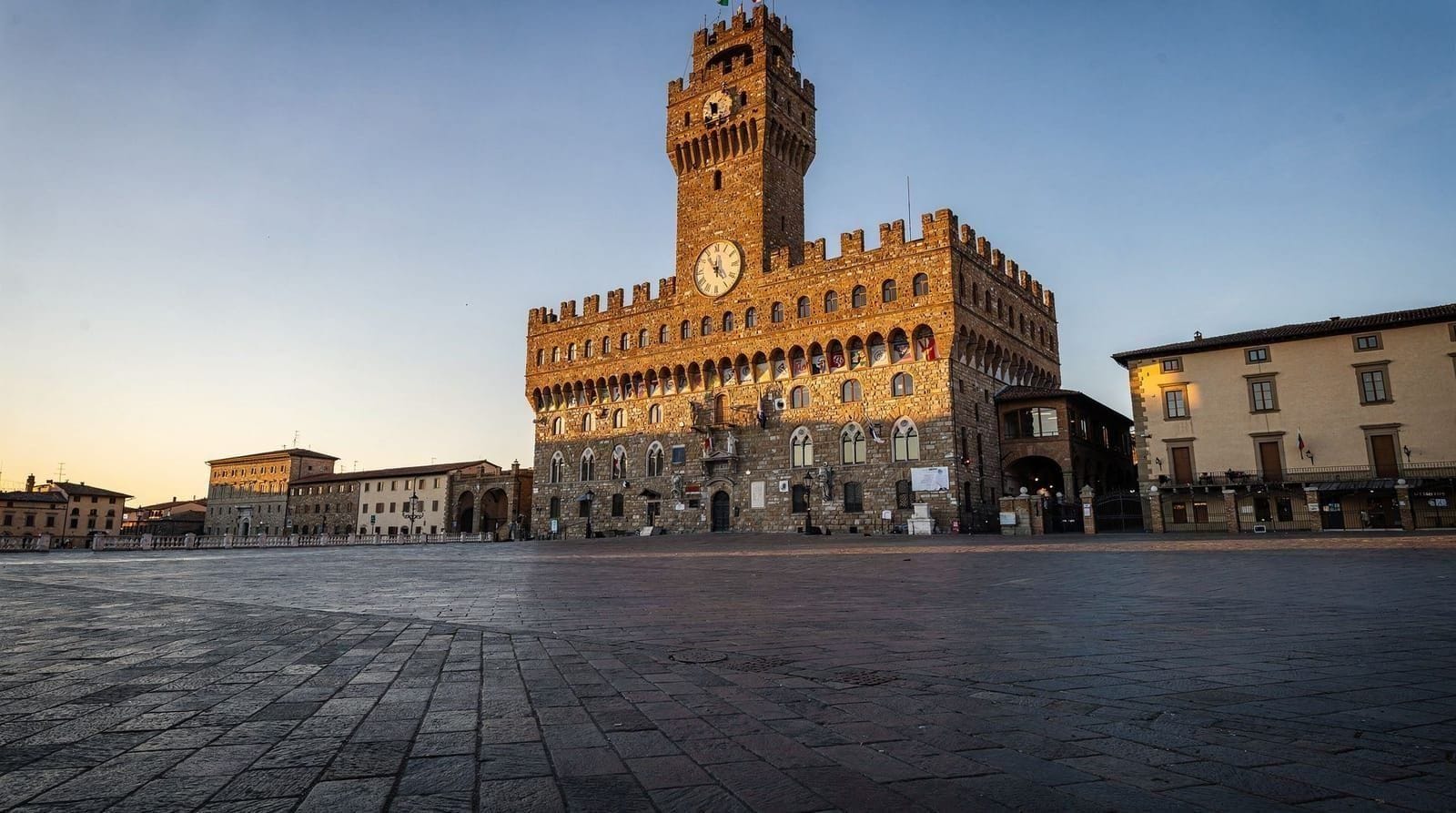
- Palazzo Vecchio and Piazza della Signoria: 7-minute walk
- Badia Fiorentina: directly across the street — a 9th-century Benedictine abbey with a gorgeous 15th-century interior, free to enter and usually empty
- Uffizi Gallery: 8-minute walk
- Santa Croce Basilica: 10-minute walk — tombs of Michelangelo, Galileo, Machiavelli
Related guides
- Uffizi Gallery: complete visitor guide
- Accademia Gallery: complete visitor guide
- Is the Firenzecard worth it?
- Palazzo Vecchio visitor guide
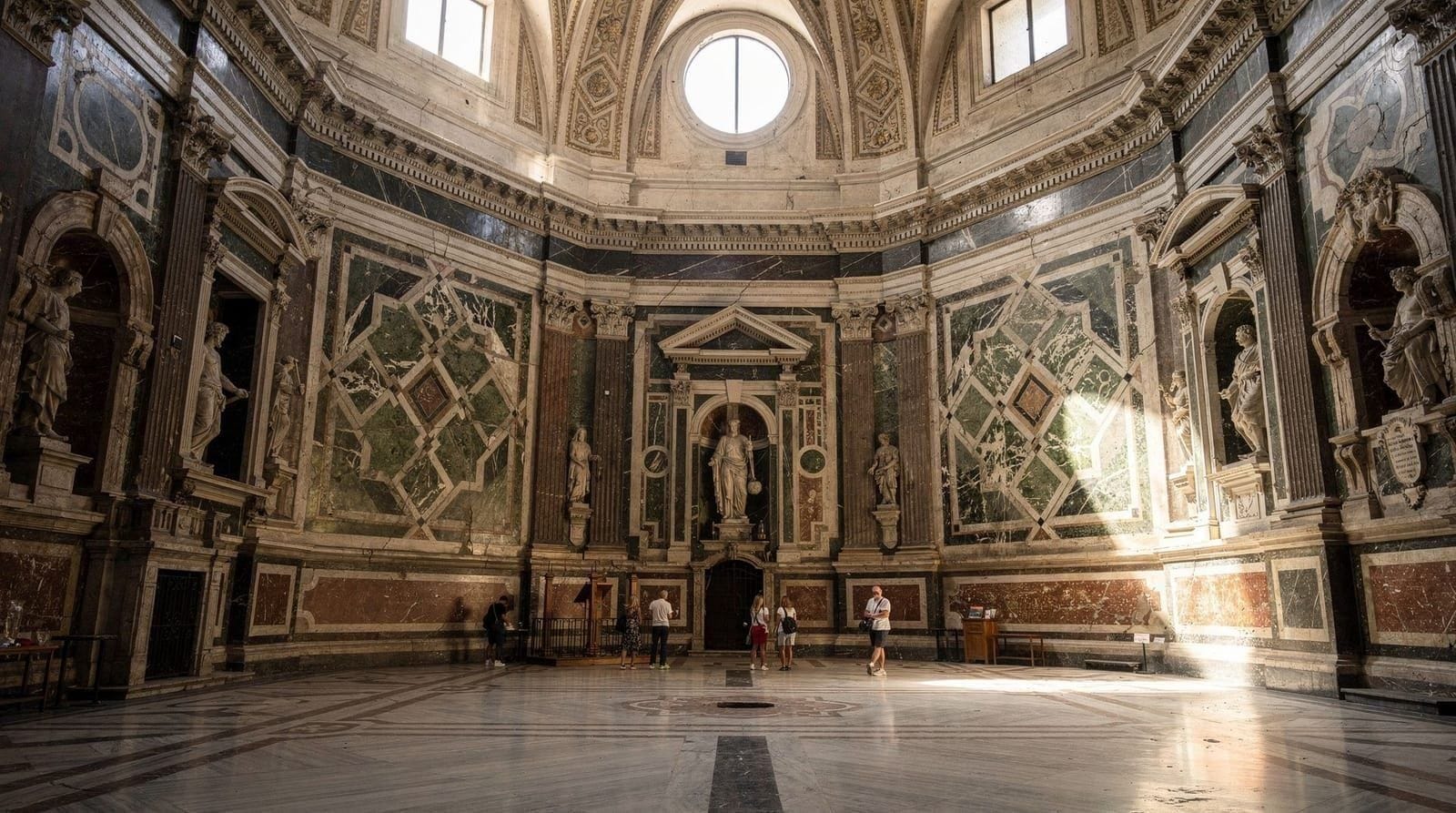
- Medici Chapels guide
Frequently asked questions about the Bargello Museum
Do I need to book Bargello tickets in advance?
In most seasons, walk-up is possible at the Bargello without significant queues. The museum has much lower visitor numbers than the Uffizi and Accademia. Pre-booking is recommended for peak summer weekends but rarely essential during the week or in shoulder season.
Is the Bargello suitable for children?
Yes, particularly for children aged 10 and up who have some interest in history. The medieval palazzo setting — stone floors, arched courtyards, carved coat-of-arms columns — provides a different and engaging physical environment compared to conventional gallery spaces. The Donatello David is a good point of conversation about why human bodies started being depicted in sculpture again after centuries.
What is the Bargello courtyard?
The open arcaded courtyard at the centre of the Bargello is one of the finest surviving medieval civic spaces in Italy. During the museum’s history, the courtyard walls were hung with painted portraits of condemned men (a common practice called pittura infamante). Today, the courtyard hosts the ticket check and entry to the ground-floor galleries. It is also used for special events.
How is the Bargello different from the Accademia?
Both are sculpture museums, but they differ significantly in scope and character. The Accademia is focused on Michelangelo (primarily the David) and Florentine painting. The Bargello covers the full arc of Renaissance sculpture from Donatello through Cellini, with strong holdings in decorative arts, medieval works, and the famous 1401 Baptistery door competition reliefs. The Bargello is the more historically comprehensive of the two.
Donatello’s David: the context that makes it extraordinary
Of all the works in the Bargello, Donatello’s bronze David (c. 1440–1460) is the one that most rewards extended looking and understanding. It helps to know what made it unprecedented.
Between the fall of Rome (roughly 5th century) and Donatello’s bronze David (roughly 15th century), approximately 1000 years passed without a single freestanding nude male statue being created anywhere in the Western world. The tradition of depicting the human body as a celebration of physical beauty — which had produced the Apollo Belvedere, the Discobolus, and hundreds of other Classical works — was effectively abandoned with the triumph of Christianity. Nude figures appeared in medieval art only in specific contexts: the suffering Christ, the damned at the Last Judgment, Adam and Eve in the Fall. The naked body was associated with shame, sin, and punishment.
Donatello’s bronze David ended this thousand-year pause. It was a deliberate, radical act: a freestanding bronze nude male figure, not in any obviously sacred context, standing in an architectural setting in the Medici palace courtyard. It looks, unmistakably, like a Classical statue. It was meant to.
Why now, and why in Florence? The Florentine humanists of the early 15th century were actively recovering and recontextualising ancient texts and ancient objects. The Greek and Roman sculptural tradition was being understood not as pagan abomination but as evidence of human creative capacity that could be reclaimed and deployed in a Christian context. Donatello, who had studied ancient sculpture intensively (including a trip to Rome with Brunelleschi), was the first sculptor ready and willing to test this thesis with a full-scale work.
The David’s Bibilical subject provided cover: this is a clothed heroic narrative, sort of. But the figure’s pose, its ease, the helmet and hat that are the only clothing — these are Renaissance humanist aesthetics wearing Biblical costume. The Medici understood exactly what they were doing when they commissioned and displayed it.
Cellini’s Perseus model and the making of the real Perseus
The full-scale bronze model for Benvenuto Cellini’s Perseus — the finished version of which stands in the Loggia dei Lanzi in Piazza della Signoria — gives the Bargello visitor a unique opportunity to understand the creative process behind one of Florence’s most famous outdoor sculptures.
Cellini (1500–1571) cast Perseus and Medusa between 1545 and 1554 for Cosimo I de’ Medici. The casting process nearly went catastrophically wrong (Cellini’s own autobiography, a magnificent piece of Renaissance self-mythology, describes the episode in dramatic detail: the bronze solidifying too fast, Cellini stripping lead off his own rooftop to add to the molten mix to keep it flowing). The finished Perseus — Perseus holding up Medusa’s severed head, blood apparently gushing from her neck as snakes — stands today in the Loggia as Cosimo I intended it: a political statement about the suppression of enemies, with obvious Medici symbolism.
The model in the Bargello allows you to see Cellini’s compositional thinking before the final casting — the figures are essentially identical to the finished work, but the model’s surface retains traces of the working process. Nearby documentation connects the model to the casting process, the competition with other sculptors, and Cellini’s complex relationship with Cosimo I (which included imprisonment and near-execution at various points in their relationship).
Planning a combined Bargello and Uffizi day
Given its proximity to the Uffizi (8–10 minutes on foot), the Bargello works well as a secondary stop on an Uffizi day:
Morning: Uffizi (8:15 am, first slot, 2.5–3 hours)
Midday lunch: Near Piazza della Signoria or in the Oltrarno (Ponte Vecchio direction)
Early afternoon: Bargello (no pre-booking needed, walk-up; 60–90 minutes)
Late afternoon: Palazzo Vecchio or the Piazza della Signoria area before evening
This is one of the strongest single-day art itineraries in Florence — the Uffizi’s painting depth combined with the Bargello’s sculptural focus creates a genuinely comprehensive picture of the early to mid-Renaissance in a single day.
Alternatively, the Bargello pairs well with the Accademia for a sculpture-focused day: Accademia in the morning (8:15 am slot), lunch near the Duomo, Bargello in the afternoon. This itinerary covers Donatello’s two Davids, Michelangelo’s David and Bacchus, and the Ghiberti/Brunelleschi competition panels — a coherent sculptural argument that no single museum can make on its own.
Top experiences
Bookable activities with verified prices and instant confirmation on GetYourGuide.

Florence: walking tour
- Free cancellation
- Instant confirmation
Florence: Uffizi Gallery skip-the-line tickets
- Skip the line
- Free cancellation
Florence: reserved entry ticket to Medici Chapels
- Skip the line
- Instant confirmation
Florence: Palazzo Vecchio and battlements guided tour
- Small group
- Free cancellation