Best wineries near Florence
Florence: Chianti wineries tour with wine tasting
- Free cancellation
- Small group
What is the closest winery to Florence for a visit?
Several wineries sit within 30 minutes of Florence by car. Antinori nel Chianti Classico (30 km, near San Casciano) and Castello di Verrazzano (30 km, near Greve) are the most accessible. Without a car, guided half-day tours from Florence are the practical alternative — departing daily and returning within 4–5 hours.
Wineries within 45 minutes of Florence
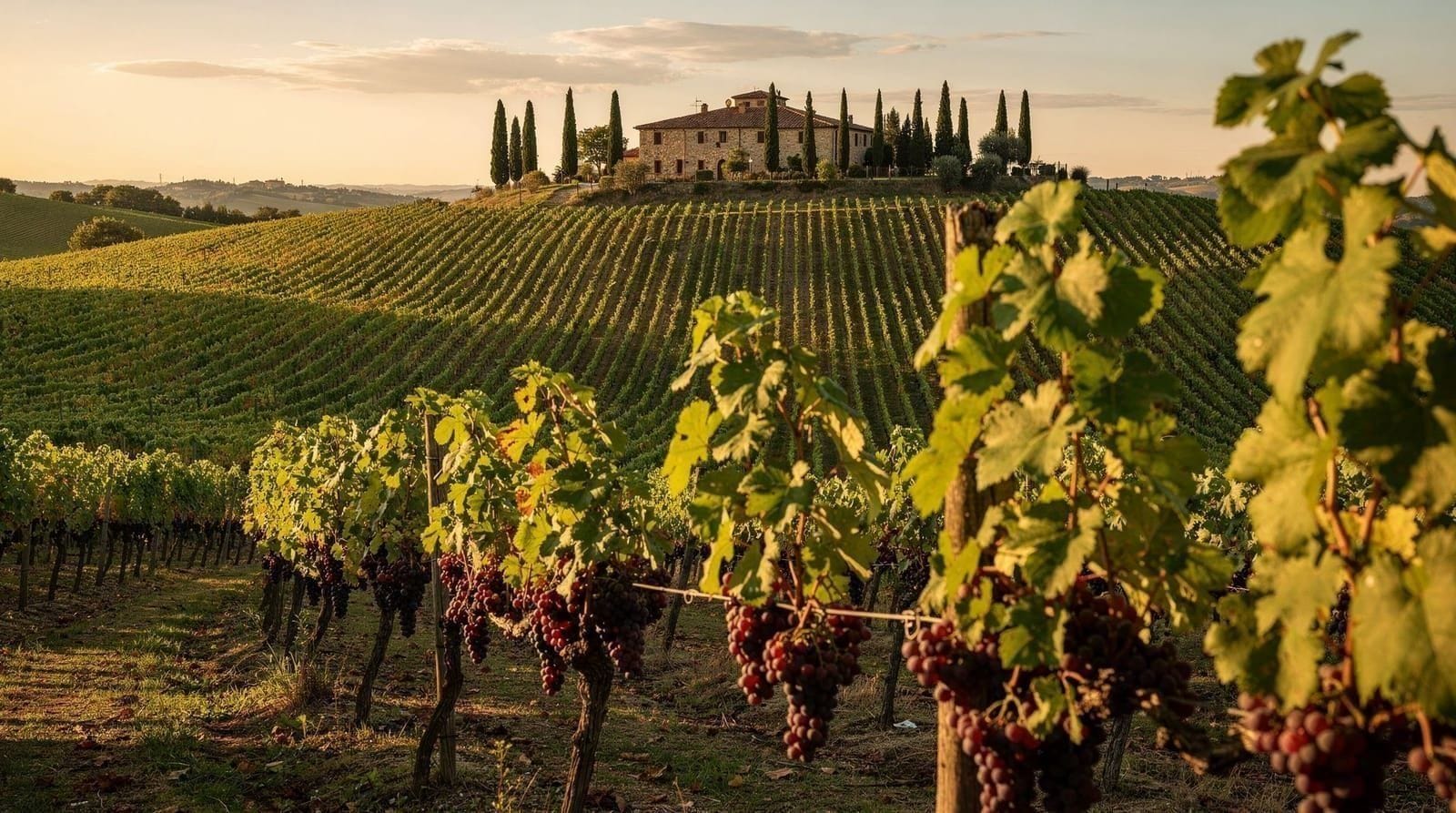
The Chianti hills begin almost immediately south of Florence. Within a 30–45 minute drive, you can be in some of Italy’s finest vineyards — which is why Florence is one of the best bases for wine tourism in Europe. This guide covers the most worthwhile estates to visit, organised by distance and type of experience.
| Where | Chianti hills, mostly around Greve, Panzano and San Casciano |
| Cost | Around €15–55 per tasting; guided half-day tours €60–100 |
| Time needed | Half-day for 1–2 estates, full day for 3 or a village stop |
| Getting there | Car via the SR222, or a guided tour with transport included |
| Booking | Essential at most estates, 24 hours to a week ahead |
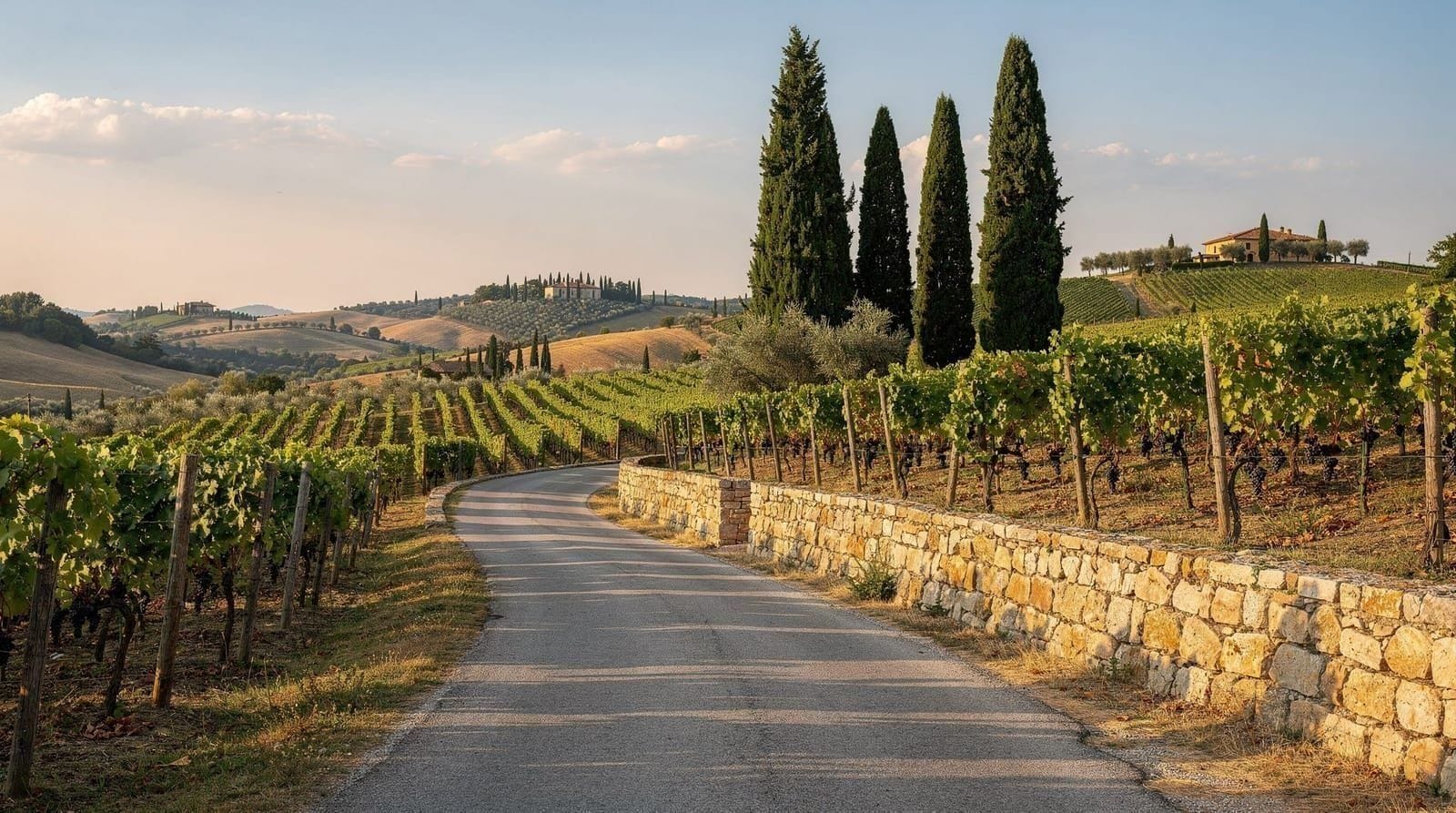
A note on transport first: you need a car to visit most estates. The SR222 (Via Chiantigiana) passes through the main villages, but the estates themselves sit on private lanes. If you don’t have a car, a guided tour with included transport is the honest solution — and actually preferable if you want to drink freely.
Closest wineries to Florence (under 30 km)
Antinori nel Chianti Classico
Distance: 27 km south of Florence (near San Casciano Val di Pesa) Why visit: The most architecturally extraordinary winery in Italy, full stop. Designed by studio Archea Associati and opened in 2012, the building is cut horizontally into a hillside — from the outside it looks like lines on a slope. Inside, you descend through glass-floored barrel rooms with natural light filtering down, ending in a panoramic restaurant.
This is the Marchesi Antinori’s flagship estate, producing Chianti Classico, the famous Super Tuscan Tignanello, and the Gran Selezione Badia a Passignano. The tasting experiences include cellar tours and restaurant visits.
Booking: Essential. Online reservations at the estate’s website. Tastings from €30, guided tours from €35. Restaurant: Rinuccio 1180, serving Tuscan cuisine with estate wines. Lunch reservations required.
Villa Cafaggio
Distance: 28 km (near Panzano, via the SR222) Why visit: A smaller estate with a long Chianti Classico history, producing organic wines. More intimate than Antinori. Good for a genuine cellar visit without crowds. Booking: By appointment, 24–48 hours notice usually sufficient. Tastings: €15–25.
Montecalvi
Distance: 28 km (near Greve in Chianti) Why visit: Biodynamic estate with extremely limited production of excellent Chianti Classico and IGT wines. Reservation only, small groups.
Classic Chianti estates (30–45 minutes)
Castello di Verrazzano
Distance: 30 km (between Florence and Greve) Why visit: One of the most historically interesting estates in Chianti. The castle is the birthplace of Giovanni da Verrazzano (born 1485), the Florentine explorer who sailed into New York Harbour in 1524 — the Verrazzano Bridge is named after him. The estate has been producing wine, olive oil, and honey since the Renaissance.
The Chianti Classico Riserva is reliable and good value (€22–28 at the cellar). Tours of the estate and cellar run €25–40 including tasting. The estate also has a restaurant serving lunch.
Booking: Online reservations. Tours run most mornings. Hours: Monday–Saturday, approximately 10am–5pm; closed Sunday.
Fontodi
Distance: 38 km (Panzano in Chianti) Why visit: One of the most respected names in Chianti Classico, run by the Manetti family. Located in the “Conca d’Oro” above Panzano — a natural bowl of south-facing slopes that locals consider the finest growing zone in the entire appellation. The Vigna del Sorbo Gran Selezione regularly receives 95+ point reviews.
The estate is also biodynamic and has been farming without synthetic inputs for decades. The winery building itself is classic Tuscan functional — no architectural spectacle, but the surrounding vineyard landscape is stunning.
Booking: Appointment only, 5–7 days in advance. Small groups preferred. Tastings: €35–55 depending on wines selected.
Fattoria di Rampolla
Distance: 38 km (Panzano in Chianti) Why visit: Biodynamic estate in the Conca d’Oro, producing some of the most refined wines in Chianti Classico. The Sammarco (a Cabernet Sauvignon-Sangiovese blend) is their flagship Super Tuscan. Appointment only, limited availability.
Villa Calcinaia
Distance: 40 km (near Greve in Chianti) Why visit: Owned by the Capponi family since 1524 — 500 years of continuous family ownership makes this one of the oldest wine estates in the world still in the same hands. The wines are traditional and reliable; the estate includes a medieval hunting lodge. Booking: By appointment.
Vignamaggio
Distance: 41 km (near Greve) Why visit: A 14th-century villa famous for producing one of the earliest wines recorded as “Vino Vermiglio” (a forerunner of Chianti) and allegedly the birthplace of Mona Lisa (Lisa Gherardini, the model for Leonardo’s painting). The villa also appeared in Kenneth Branagh’s Much Ado About Nothing (1993). The wines are good quality Chianti Classico; the estate is one of the most beautiful in the region. Booking: By appointment. Also offers accommodation.
Greve in Chianti: the market town hub
Distance: 31 km from Florence Greve is the commercial capital of Chianti and a good base for wine tourism. The town’s distinctive wedge-shaped piazza (Piazza Giacomo Matteotti) is surrounded by loggia-fronted buildings. Key wine resources:
Enoteca Falorni (Piazza Matteotti): One of the largest wine shops in Chianti, stocking over 1,000 labels from the region. Self-service tasting machines allow you to try wines by the glass (€1–4 per measure) using a prepaid card. You can sample 3–10 different Chianti Classico in an hour and buy your favourites by the bottle.
Macelleria Falorni (same piazza): The family’s butcher shop, selling the finest Chianina beef, cinghiale salami, and cured meats. Excellent for picnic supplies.
Weekly market: Saturday morning. Produce, cheese, honey, crafts. Genuinely local.
Further afield but worth it (45–75 minutes from Florence)
Badia a Coltibuono
Distance: 60 km (Gaiole in Chianti) Why visit: An 11th-century Benedictine abbey that was secularised in the 19th century and has been producing wine ever since. The walled garden, Romanesque church, and estate restaurant create an atmosphere unlike any other in Chianti. The Culinary Institute of America has run cooking programmes here. Excellent Chianti Classico at fair prices. Booking: Cellar tours by appointment; restaurant open for lunch. Tastings: €15–25.
Castello di Brolio
Distance: 70 km (Gaiole in Chianti, near Siena) Why visit: Possibly the most historically significant single property in Italian wine. The Barone Ricasoli family has owned this castle since 1141 — making it Italy’s oldest winery. Bettino Ricasoli, who became Italy’s second Prime Minister, created the original Chianti formula here in the 1870s. The castle itself (a 19th-century reconstruction) is impressive, with a park and chapel. The winery produces reliable Chianti Classico and several premium wines. Hours: Castle and gardens open to visitors; enoteca daily. Guided tours by appointment. Entry: €8 for castle and grounds without tasting.
Fonterutoli (Mazzei)
Distance: 55 km (between Radda and Siena) Why visit: The Mazzei family has owned this estate since 1435 — nearly as long as the Ricasoli family at Brolio. Their Chianti Classico is consistently excellent and the estate village (a medieval hamlet with a church, restaurant, and small hotel) is one of the most atmospheric in the region.
Guided tours vs. self-driving
Self-driving pros and cons
You have flexibility to choose your wineries and pace. You can stop at villages, markets, and viewpoints. But: you can’t drink freely, you need to navigate (GPS helps but rural lanes can be tricky), and traffic on the SR222 in high season can be slow.
Practical advice: Drive the SR222 from Florence toward Greve (via Strada in Chianti). Greve is your first hub — park here and walk to the enoteca. Then drive to one or two estate appointments. Return to Florence via the A1 motorway for speed.
Guided tours: what’s included
A standard half-day Chianti wine tour from Florence (4–5 hours) typically covers:
- Hotel or central pickup
- Transport by minivan or small bus (8–16 people)
- Two winery visits with cellar tours
- 3–4 wines tasted per estate
- Light food (olive oil, bread, cured meats, cheese)
- Return to Florence
Full-day tours (7–8 hours) add lunch at an estate and sometimes a third winery or village stop (Greve, Panzano, or Siena). The Chianti wine tour guide covers all the transport options in detail, and the Chianti Classico route guide maps out a self-drive itinerary village by village if you’d rather plan your own route than book a tour. For visitors weighing whether to rent a car for the whole Tuscany leg of their trip, the driving in Tuscany guide covers the practicalities — tolls, ZTLs, and rural road conditions — beyond just the wine country drive.
If wine tasting matters more than leaving the city, it’s worth knowing that wine tasting in Florence itself is a genuine alternative — several enotecas in the historic centre pour serious Chianti Classico and Super Tuscan flights without any drive at all, useful for an evening rather than a half-day commitment.
Olive oil: the other Chianti product
Every serious Chianti estate also produces olive oil. The same hills that grow Sangiovese — galestro soils, altitude, warm days and cool nights — are ideal for Tuscan olive oil. The DOP Chianti Classico extra-virgin olive oil designation covers the same geographic area as the wine appellation.
Tuscan olive oil is distinctive: intensely green-gold in color when fresh (November–December), with a peppery bite at the back of the throat (from polyphenols) and flavors of fresh-cut grass, artichoke, and herbs. It’s quite different from milder Ligurian or Spanish oils.
Most winery visits include olive oil tasting alongside wine. Buying a bottle at the cellar door is a worthwhile souvenir — typically €15–25 for a 500ml bottle, significantly cheaper than the same quality oil would be in Florence or abroad.
Best estates for combined wine and olive oil tasting
Castello di Verrazzano: Among the most respected olive oil producers in the Chianti Classico DOP zone. Their certified organic Frantoio, Moraiolo, and Leccino varieties are harvested in November and cold-pressed within hours. The estate’s olive oil tasting (typically alongside the wine) is one of the best structured experiences in the region.
Fontodi: Another biodynamic estate producing exceptional olive oil alongside their celebrated wines. The fresh oil in November-December is extraordinary. Worth asking about when booking a tasting visit.
Badia a Coltibuono: The abbey estate offers structured olive oil and wine pairings in their tasting rooms. Their oil has won multiple national quality awards.
Which winery suits which priority
With more than a dozen estates covered above, a quick comparison helps narrow the choice.
| Priority | Best pick | Why |
|---|---|---|
| Architecture and spectacle | Antinori nel Chianti Classico | Striking hillside building, glass-floored cellars |
| History and prestige | Castello di Brolio | Italy’s oldest winery, 1141, birthplace of the Chianti formula |
| Biodynamic, serious wine | Fontodi | Conca d’Oro location, decades of biodynamic farming |
| No-car accessibility | Castello di Verrazzano | Closest major estate, well set up for tour groups |
| Abbey atmosphere and lunch | Badia a Coltibuono | 11th-century Benedictine abbey, estate restaurant |
| Budget self-guided tasting | Enoteca Falorni, Greve | €1–4 per glass, no reservation needed |
The Firenzecard and winery visits: what to know
The Firenzecard is Florence’s museum pass, valid for 72 hours and covering over 72 museums. It does NOT cover winery visits, Chianti tours, or any experiences outside the city’s museum circuit. Don’t confuse the two — if you’re planning to spend significant time at the Uffizi, Accademia, and Palazzo Vecchio, the Firenzecard makes financial sense. If your focus is wine tourism, it’s irrelevant.
When estate visits don’t work out: the enotecas
Despite best planning, you’ll sometimes find estates closed (holidays, harvest chaos in October, private events). The fallback in every Chianti village is the local enoteca:
Enoteca Borghini (Greve in Chianti): Stocks a strong selection of local producers with vertical vintages occasionally available. Staff are very helpful.
Il Cantucci (Panzano): Small enoteca with excellent selection of Panzano and Conca d’Oro producers.
La Bottega del 30 (Castelnuovo Berardenga): Wine and food shop in the southern Chianti commune with a strong emphasis on local wines and artisan products.
Enoteca del Gallo Nero (Greve): The official Chianti Classico Consortium shop, stocking wines from all 250+ member producers. A useful overview if you’re unsure which estates to prioritise.
Frequently asked questions about wineries near Florence
What if I want to visit a specific winery that doesn’t appear on tour itineraries?
Email the estate directly. Most Chianti producers speak English and manage their own reservations. A simple message — “We’d like to visit on [date], group of [number], interested in [basic tasting / lunch]” — will get a response within 24–48 hours. Include any dietary requirements.
Is it better to go in the morning or afternoon?
Morning visits (9:30–12:30) are usually better for tasting: palates are fresher and you’re not competing with lunch crowds. Afternoon visits (3–6pm) can be more relaxed and often end with sunset views over the vines. Avoid arriving at a winery at 1pm — Italian lunch means most estate offices and tasting rooms close from 12:30 to 2:30.
Can I bring children to a winery visit?
Most estates welcome families. Children are obviously not tasting wine, but they can participate in vineyard walks, olive oil tastings, and picnic lunches. Call ahead to confirm — some premium tasting experiences are adult-only.
What should I wear to visit a winery?
Smart casual is appropriate everywhere. Comfortable walking shoes are essential — cellar floors are often damp stone and vineyard walks involve uneven ground. A light layer for cellar visits is useful even in summer (temperature underground is typically 14–16°C). No need for formal dress.
Is Chianti the only Tuscan wine region worth visiting near Florence?
Chianti is the closest and most convenient, but not the only serious option in the wider region. Montalcino (Brunello) and Montepulciano (Vino Nobile) both lie further south, closer to Siena than Florence, and are better suited to a dedicated Tuscany road trip than a Florence day trip. The Tuscan wine regions guide compares them against Chianti if you’re deciding how to split time across a longer stay, and the Chianti day trip guide covers logistics for those keeping it to a single day from Florence.
How does a Chianti day trip compare to staying overnight in the wine country?
A day trip covers 1–3 estates comfortably and returns you to Florence by evening — the practical choice for most itineraries. Staying overnight (several estates, including Vignamaggio, offer accommodation) allows an unhurried pace, sunset and sunrise over the vines, and dinner at an estate restaurant, but it means packing and unpacking for a short stint away from your Florence base. For a first Tuscany visit, a day trip is usually the better trade-off; for a dedicated wine-focused trip, staying in Chianti for one or two nights is worth the extra planning.
Top experiences
Bookable activities with verified prices and instant confirmation on GetYourGuide.

Florence: Chianti wineries tour with wine tasting
- Free cancellation
- Small group
Florence: Chianti hills wineries tour with tasting
- Free cancellation
- Small group
Florence: private 4-hour Chianti tour and wine tasting
- Free cancellation
Florence: Chianti vineyards tour with wine tasting dinner
- Free cancellation
Florence: great Chianti wine and olive oil trail with lunch
- Free cancellation
- Small group

Florence: wine and olive oil tasting tour on vintage Fiat 500
- Free cancellation
- Small group