Wine tasting in Florence
Florence: wine tasting experience in city centre
- Free cancellation
- Small group
Where is the best place to taste Tuscan wine in Florence?
The best options in the city are the Enoteca Alessi (Via delle Oche, great cellar) and the Cantinetta Antinori on Via Tornabuoni for premium wines including Tignanello by the glass. For a guided tasting experience covering 5–8 wines with food pairing, book a specialist wine tasting session in the city centre — typically €35–60 per person.
Tasting Tuscan wine without leaving Florence
You don’t need to drive to the Chianti hills to drink excellent Tuscan wine. Florence has a dense network of enotecas, wine bars, and guided tasting experiences that cover everything from basic Chianti to Gran Selezione and Brunello Riserva. In fact, some of the most efficient ways to understand Tuscan wine — structured, guided, with food pairing — exist only in the city.
This guide covers the main options by type: self-guided enotecas for browsing and buying, wine bars for drinking by the glass, and organised tasting experiences.
| Where | Enotecas and wine bars across the centre; heaviest concentration in Oltrarno |
| Cost | €5–15/glass at a wine bar; €35–60/person for a guided tasting |
| Time needed | 30 minutes for a glass; 2–2.5 hours for a structured tasting |
| Getting there | Everything covered here is walkable within the historic centre |
| Best time | Aperitivo hour (18:00–20:00) for atmosphere; midday for quieter tastings |
If you’d rather taste at the source, the best wineries near Florence guide and chianti day trip guide cover leaving the city for the vineyards themselves.
Understanding Tuscan wine before you taste
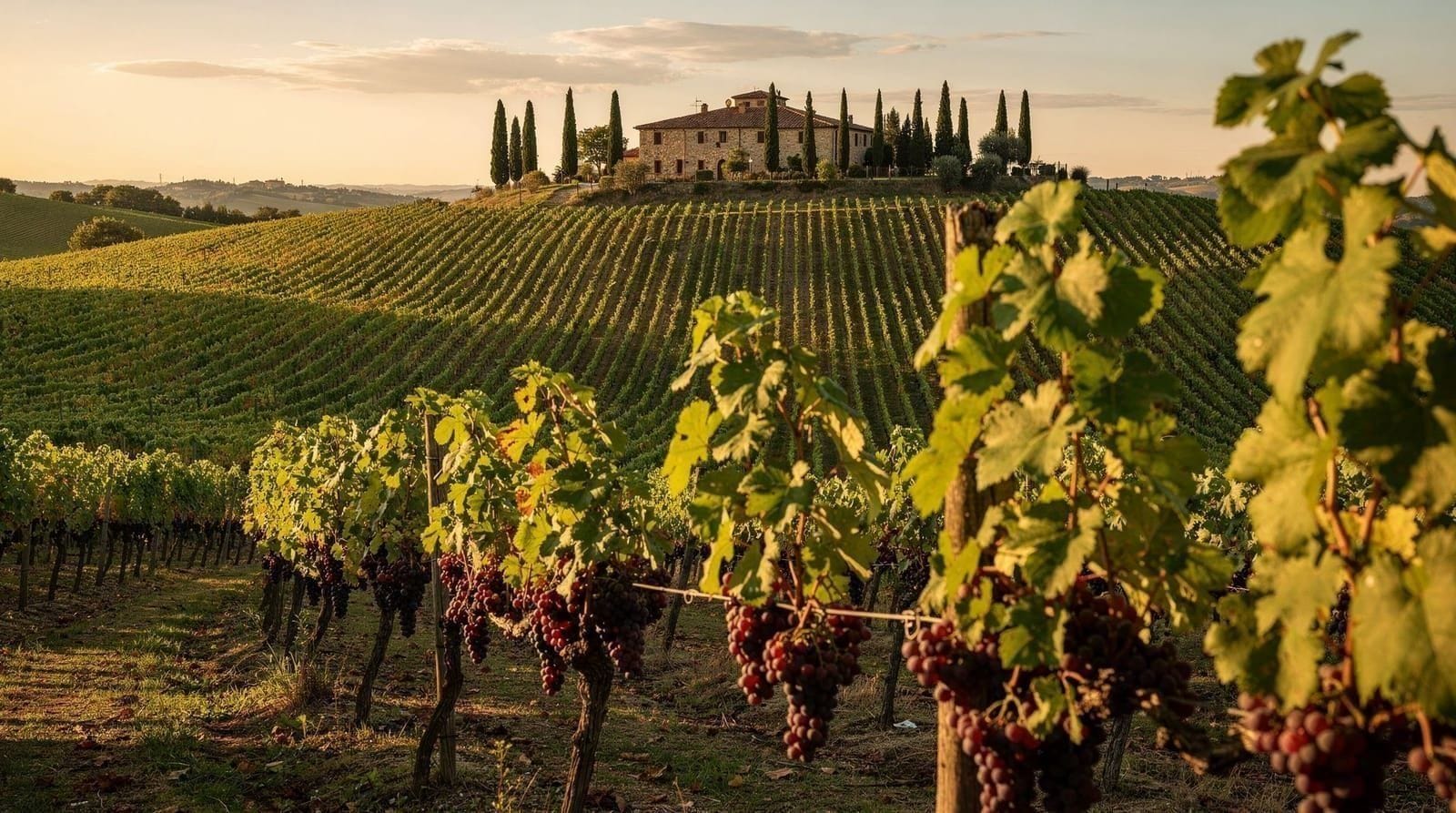
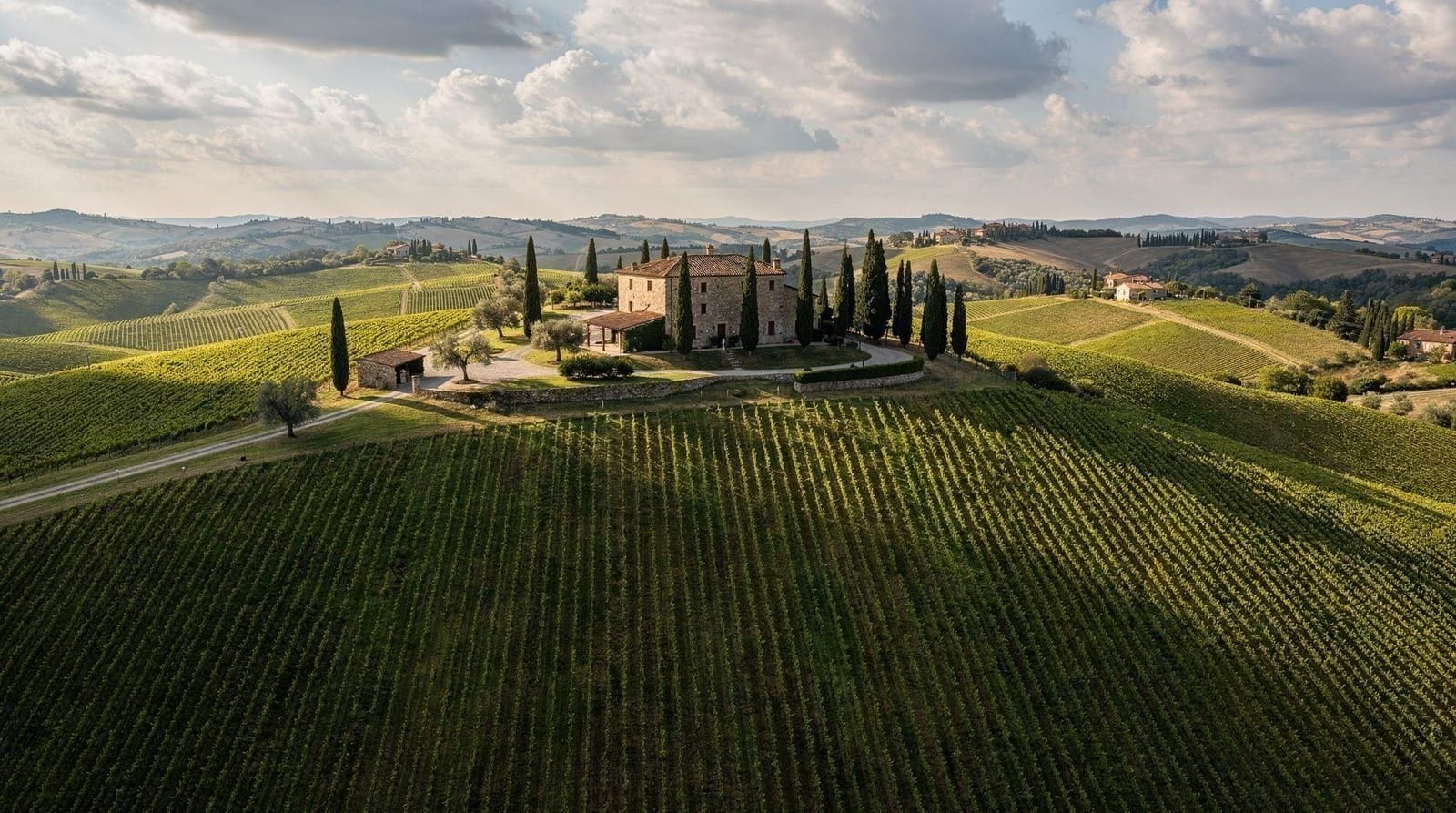
Florence sits in the Chianti Classico zone — the hills surrounding the city are among the most intensely planted vineyards in the world. The wines you’re most likely to encounter:
Chianti Classico DOCG: The local red wine, made primarily from Sangiovese south of the city. Ranges from light, fruity Annata to complex, age-worthy Gran Selezione. This should be your baseline — taste several examples to understand the range. See the full Chianti wine guide for context.
Brunello di Montalcino DOCG: Tuscany’s most prestigious red wine, from Montalcino south of Siena. Made from 100% Sangiovese Grosso, aged at least 5 years. Deep, structured, age-worthy. Expensive (€40+ per bottle) but extraordinary at best. See the Brunello guide.
Vino Nobile di Montepulciano DOCG: Another serious Sangiovese, from Montepulciano in the Val d’Orcia. More approachable than Brunello, often better value.
Super Tuscans: Premium IGT wines combining Sangiovese with Cabernet Sauvignon, Merlot, or Cabernet Franc. Tignanello, Sassicaia, Ornellaia. Expensive but worth trying at least once. Full context in the Super Tuscans guide.
Vernaccia di San Gimignano DOCG: The most famous Tuscan white wine. Crisp, mineral, slightly bitter on the finish. Pair with white truffles, ribollita, or as an aperitivo.
Vin Santo: The traditional dessert wine. Sweet, nutty, oxidative. Always served with cantucci biscuits.
Best enotecas for buying wine
Enoteca Alessi (Via delle Oche 27)
One of Florence’s oldest wine shops, founded in 1952. Excellent range of Chianti Classico, Brunello, Vino Nobile, and Super Tuscans. The staff are knowledgeable and generally helpful. Good prices — you’re paying cellar door rates, not restaurant mark-ups. The shop runs occasional tastings; check their notice board.
Buca Mario (Piazza Ottaviani)
Traditional Florentine enoteca adjacent to one of the city’s oldest restaurants. Strong selection of Chianti and Tuscan whites. Less flashy than some newer shops but reliable for quality.
Pegna Alimentari (Via dello Studio 8)
A delicatessen that has been operating since 1860, selling wine, local products, cheese, and cured meats. More alimentari than wine shop, but the wine selection is curated and reasonably priced.
Wine bars for tasting by the glass
Cantinetta Antinori (Via Tornabuoni 48)
In the Renaissance Palazzo Antinori, this restaurant and bar serves the complete Antinori portfolio by the glass and bottle. The estate produces Chianti Classico, Tignanello, Solaia, Badia a Passignano Gran Selezione, and several other labels. Prices reflect the location (€15–45 per glass for premium wines) but where else are you going to order Tignanello by the glass in Florence? The restaurant serves proper Tuscan food. Reservations recommended for lunch and dinner.
Buca del Vino (Borgo San Jacopo, Oltrarno)
Atmospheric small wine bar in the Oltrarno neighbourhood, with a good list of Tuscan wines by the glass at reasonable prices (€5–12). The kind of place locals actually drink, unlike many tourist-facing options near the Duomo.
Gustavino (Via della Condotta)
Enoteca with restaurant, specialising in Tuscan wines with an impressive list including good Brunello and Chianti Classico Riserva. The food is excellent — pasta and bistecca at lunch.
Il Santino (Via di Santo Spirito)
The wine bar sibling of the excellent restaurant Il Santo Bevitore, in Oltrarno. Good list of natural and organic Tuscan wines, including lesser-known producers from Montalcino, Maremma, and the coast. A genuine wine-person’s bar.
Enoteca Pitti Gola e Cantina (Piazza dei Pitti 16)
Opposite the Pitti Palace and Boboli Gardens, with outdoor tables and a surprisingly good wine list. Especially useful after a museum visit — refuel with a glass of Chianti and a plate of charcuterie.
Enotecas and bars vs a full restaurant meal
| Option | Time | Cost | Best for |
|---|---|---|---|
| Wine bar by the glass | 30–45 min | €5–15/glass | A quick, focused tasting between sights |
| Enoteca with light plates | 45–90 min | €15–35/person | Wine plus charcuterie, no full sit-down meal |
| Guided structured tasting | 2–2.5 hrs | €35–120/person | Learning the wine regions systematically |
| Full restaurant with wine list | 90+ min | €30–60/person | Wine as part of a proper Tuscan dinner |
If a full sit-down dinner with a serious wine list is what you want, the best restaurants Florence guide has options with strong cellars beyond the wine-bar-specific list here.
Wine windows (buchette del vino)
Florence invented drive-through wine 400 years ago. The buchette del vino (wine windows) are small square openings in the walls of noble palazzi, typically 20–30 cm wide with a small wooden hinged door. From the 16th to 19th centuries, wine-producing families sold wine directly through these windows — you brought your flask, they filled it. During the 1630 plague, the windows were used for contact-free transactions.
Today most wine windows are sealed, but several have been reopened. The most active is at Babae wine bar (Via Santo Spirito 21): you can order wine through the original buchetta, just as Florentines did in the 1600s. Other working examples on Via dei Bardi and Via Pietrapiana. The Associazione Buchette del Vino maps all surviving examples (about 150 in Florence) — look for small wooden doors at knee height in old stone walls.
Babae’s location, just off Piazza Santo Spirito, makes it easy to combine a wine window stop with an Oltrarno lunch or aperitivo.
Guided wine tasting experiences
City-centre tastings
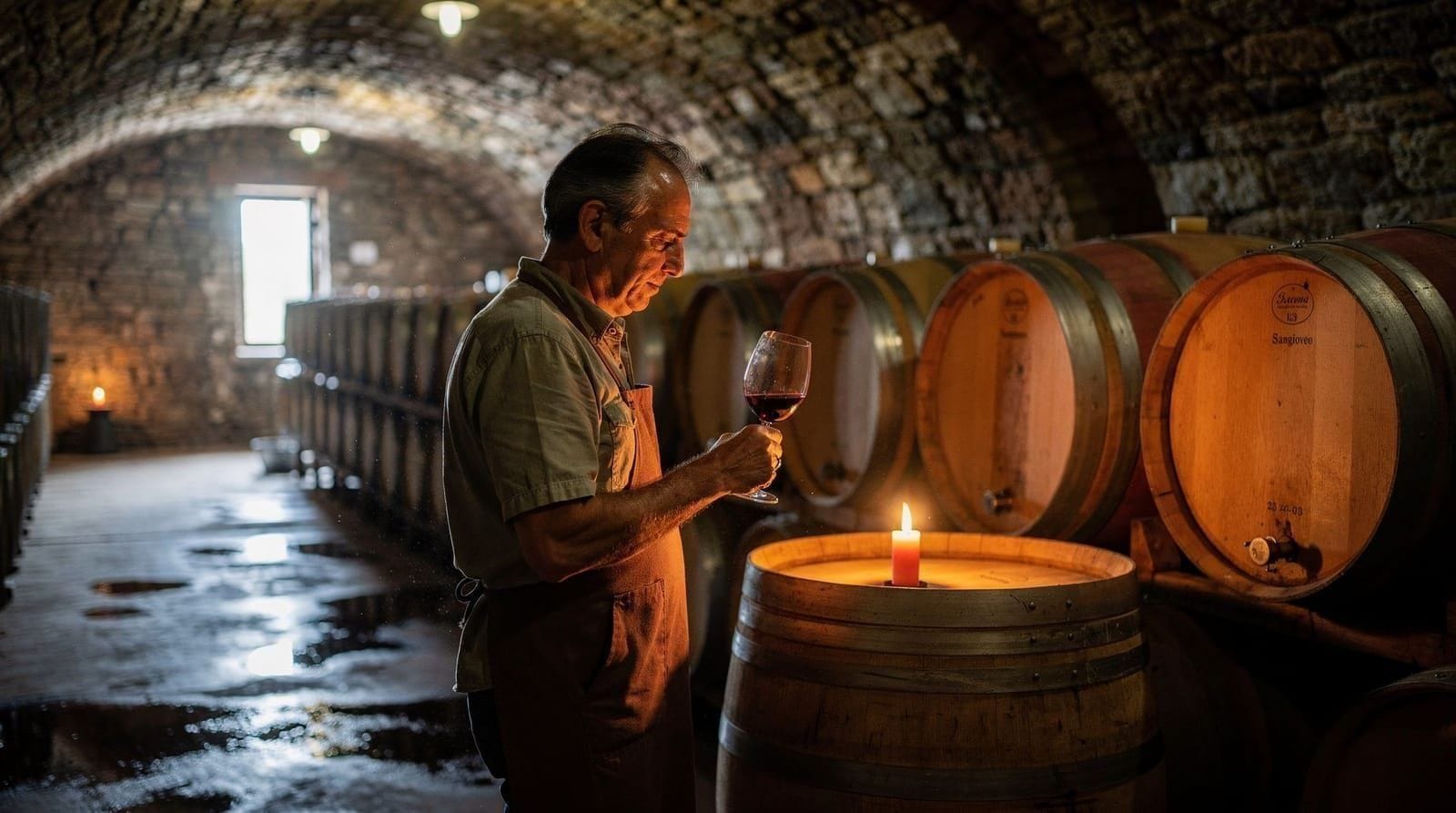
Several operators run structured tasting sessions in Florence, typically 2–2.5 hours, covering 5–8 wines with food pairing. These usually take place in a private enoteca or restaurant cellar. They’re excellent for understanding the Tuscan wine regions quickly, especially if you’re here for only 2–3 days. A sommelier walks you through the wines systematically — far more educational than drinking in a random wine bar.
Prices: €35–60 per person for group sessions (6–12 people); €80–120 for private tasting with a specialist sommelier.
Food and wine tours
Walking tours that combine wine with food are a popular Florence experience. A typical itinerary visits the San Lorenzo or Sant’Ambrogio market for produce, then several food stops (lampredotto cart, salumi shop, cheese, gelato) interspersed with wines. These cover more ground than a pure tasting but sacrifice depth. Good for first-time visitors who want a quick introduction to Florence’s food culture alongside the wine. Duration 3–4 hours, €70–90 per person.
Wine and olive oil pairing
Olive oil is as important as wine in Tuscan culture, and the hills around Florence produce some of Italy’s finest extra-virgin olive oil (particularly the DOP Chianti Classico oil). Several tasting experiences combine the two — usually a cellar tour outside the city followed by a structured tasting of 3–4 wines alongside 3–4 olive oils from the same estate. The e-bike tour of the Tuscan hills with olive oil tasting is one way to combine outdoor activity with this kind of experience.
Wine and food pairing: the basics
For visitors spending more than 2–3 days in Florence, understanding basic Tuscan food and wine pairing makes every meal better:
| Wine | Best pairings |
|---|---|
| Chianti Classico Annata | Pasta with tomato sauce, pizza, cured meats, simple salads |
| Chianti Classico Riserva | Bistecca alla Fiorentina, wild boar pappardelle, aged Pecorino |
| Brunello di Montalcino | T-bone steak, roast lamb, truffle dishes, 36-month Parmigiano |
| Vernaccia di San Gimignano | White fish, ribollita, truffled pasta, lighter primi |
| Vin Santo | Cantucci (almond biscuits), Panforte, mild cheeses |
| Super Tuscans | Florentine steak, roast red meats, aged hard cheeses |
Sangiovese’s key characteristic — high natural acidity — makes it one of the world’s most food-friendly grapes. It cuts through fat and richness without overwhelming delicate flavours. Pour Chianti Classico at cellar temperature (16–18°C), not at room temperature on a hot Florentine summer day.
Vermouth and aperitivo culture in Florence
Wine tasting in Florence isn’t limited to Tuscan reds. The aperitivo hour (6–8pm) is taken seriously in Florence, and vermouth — the fortified, aromatised wine — has a Florentine connection. Carpano Classico and Punt e Mes are the traditional Italian vermouths; served on ice with a twist of orange or as part of a Negroni (the cocktail invented in Florence by Count Camillo Negroni in 1919 at Caffè Casoni).
For the classic Florentine aperitivo experience:
- Negroni at its origin: The Negroni was invented in Florence and is still done best here. Caffè Gilli on Piazza della Repubblica is the most historic option; the bar at Hotel Savoy overlooks the piazza for those with a higher budget.
- Aperitivo at Piazza Santo Spirito: Several bars around the square serve aperitivo with small plates of focaccia, olives, and salumi from 6pm. A glass of Vernaccia or Chianti Classico plus nibbles costs €8–12.
- The Aperol Spritz phenomenon: Ubiquitous in Florence and genuinely refreshing in summer. Made with Aperol, prosecco, and sparkling water with an orange slice. Prices: €5–8.
How to taste wine like a Florentine
Florentines don’t make an occasion of every wine. A carafe of the house red is poured with lunch and consumed as a complement to food — not examined, discussed, or assessed. This is the honest way to drink Tuscan wine: casually, with food, in quantity that matches your appetite.
For more structured tasting:
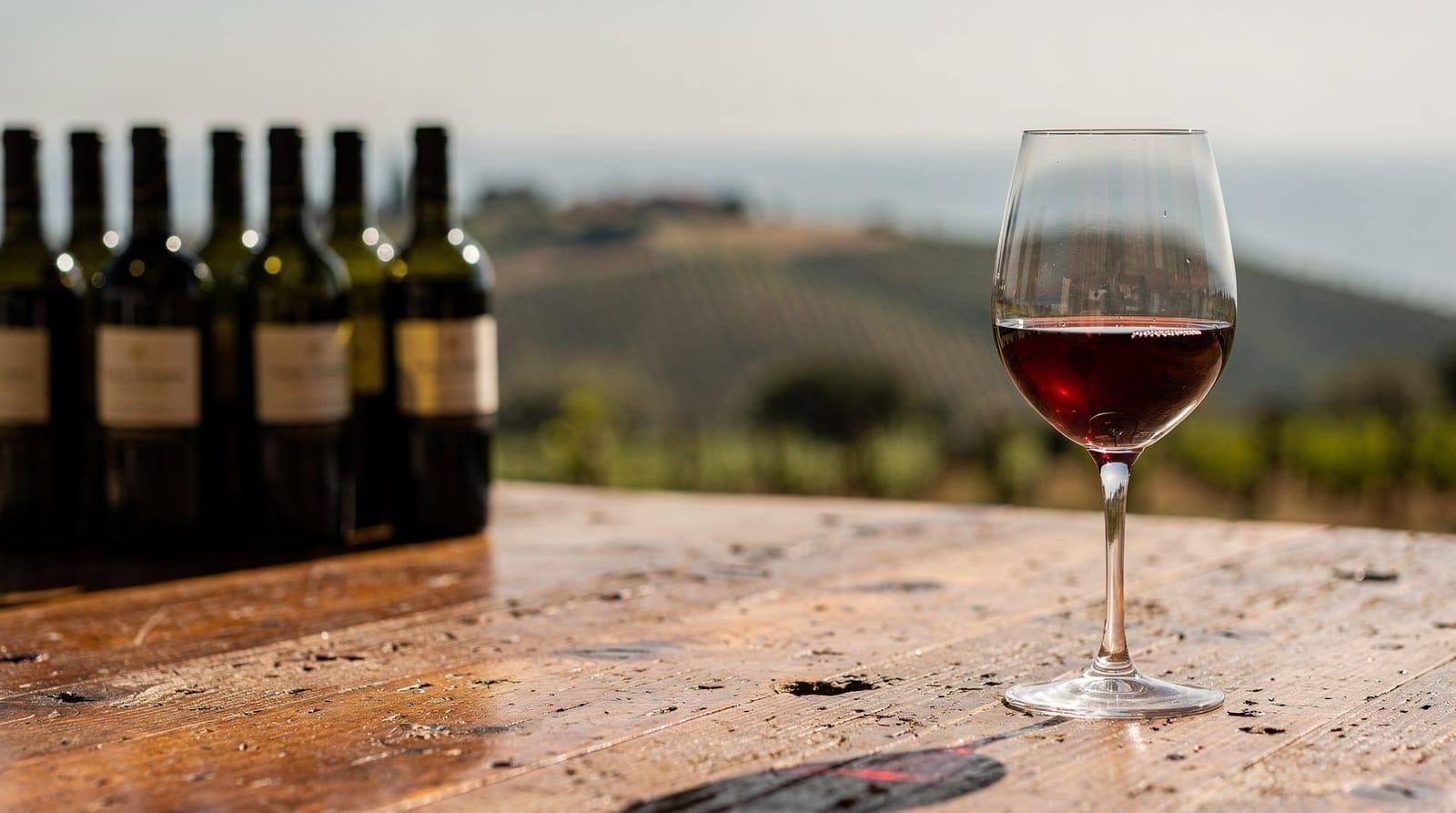
Look (osserva): Hold the glass against a white background. Note the colour depth (young Chianti is bright ruby; aged Brunello goes garnet to brick at the edge). Swirl gently and observe the “legs” running down the glass — an indicator of alcohol and glycerin.
Smell (annusa): Nose the glass before and after swirling. First nose catches the lightest volatiles (fresh fruit). After swirling, the heavier aromatic compounds emerge (earth, leather, oak).
Taste (assaggia): Let the wine cover all parts of your tongue. Note acidity (the salivation effect), tannin (the drying sensation on gums), and finish (how long the flavour lingers). Sangiovese typically shows high acidity (you salivate) and firm but not harsh tannins.
Don’t overcomplicate it: Florentine wine culture is pragmatic. A wine is good if it makes you want another glass and complements the food. That’s the test.
Practical tips
Avoid tourist traps near the Duomo: The wine shops and restaurants immediately around the Duomo and Piazza della Signoria charge significant location premiums. A glass of Chianti is €5–7 at a good Oltrarno wine bar; the same wine might be €12–15 at a tourist-facing bar on Piazza della Repubblica.
Ask for the local wine: In any Florence trattoria or osteria, ask for “vino della casa” (house wine) or the local Chianti Classico by the carafe. A carafe of house wine (250–500ml) usually costs €4–10 and is often genuinely good — Florentine restaurateurs take their local wine seriously.
Visit Sant’Ambrogio market: Florence’s best food market (Piazza Lorenzo Ghiberti), frequented by locals rather than tourists. The market wine shop sells well-priced Chianti and Vernaccia alongside produce. The adjacent wine bar opens at noon. See the Sant’Ambrogio market guide for the fuller food picture beyond wine.
Choosing between city tasting and a Chianti day trip
Tasting in Florence and tasting in Chianti are genuinely different experiences, not just a matter of convenience. A city tasting is efficient and structured — a sommelier walks you through several regions in one sitting, with no travel time. A Chianti day trip gets you onto the actual vineyard, meeting the people who make the wine, usually with a view over the rows they’re describing. Neither replaces the other. If you have only one evening in Florence, a guided city tasting is the better use of time; if you have a spare day and don’t mind a car or organised tour, the Chianti day trip guide delivers a deeper experience.
Frequently asked questions about wine tasting in Florence
Is there a specific wine Florence is known for?
Florence sits in the Chianti Classico DOCG zone — the local wine. But the city’s wine culture extends across all of Tuscany. A Florentine wine list will include Chianti, Brunello, Morellino di Scansano (from the Maremma coast), Vernaccia (white, from San Gimignano), and Vin Santo as a standard selection.
What is the difference between an enoteca and a wine bar in Florence?
An enoteca primarily sells wine by the bottle, with some tasting available. A wine bar (or vineria) focuses on by-the-glass service, often with food. Many places are both. The distinction matters when you’re deciding whether to sit down for a meal-paced wine experience vs. stopping for a quick glass.
Are there wine museums in Florence?
No dedicated wine museum exists in Florence, but the Uffizi Gallery has significant art depicting wine and viticulture. Outside the city, the Castello Banfi in Montalcino has an impressive wine and glass museum. The Antinori estate near San Casciano has an architectural experience that doubles as a wine heritage walk.
How much wine can I bring home from Tuscany?
EU citizens face no practical limit for personal use. Non-EU visitors (including UK and US travellers) should check their country’s duty-free limits — typically 2 litres duty-free in the US, though this is rarely enforced for personal consumption quantities. Most estates and enotecas can arrange international shipping for serious purchases.
Do I need to book a guided wine tasting in advance?
Yes, for a genuinely good session — the best sommelier-led tastings run small groups (6–12 people) and fill up, especially in high season. Enotecas and wine bars for a casual glass rarely need booking, but a structured tasting experience is worth reserving a few days ahead.
Is wine tasting in Florence suitable if I don’t know much about wine?
Yes — a guided tasting is specifically designed for this. The sommelier explains the basics as you go, and the format (5–8 wines, tasted in sequence with guidance) is far more approachable for beginners than picking blind at a wine bar. Casual tasting at an enoteca works too; staff at places like Enoteca Alessi are used to explaining the basics to curious visitors.
Top experiences
Bookable activities with verified prices and instant confirmation on GetYourGuide.

Florence: wine tasting experience in city centre
- Free cancellation
- Small group
Florence: Taverna dei Servi traditional Tuscan wine tasting
- Free cancellation
- Small group
Florence: food and wine tour
- Free cancellation
- Small group
Florence: San Lorenzo food market and wine tasting tour
- Free cancellation
- Small group