Oltrarno walking tour: Florence's other side
Florence: Pitti Palace and Boboli Gardens walking tour
- Small group
- Free cancellation
What is the Oltrarno neighbourhood in Florence?
Oltrarno (literally 'beyond the Arno') is Florence's south bank neighbourhood, historically the home of artisans and working-class families — now a mix of workshops, independent restaurants, and quieter residential streets. Key sights include Pitti Palace, Boboli Gardens, Piazza Santo Spirito, and the hill churches of San Miniato al Monte.
Florence’s overlooked half
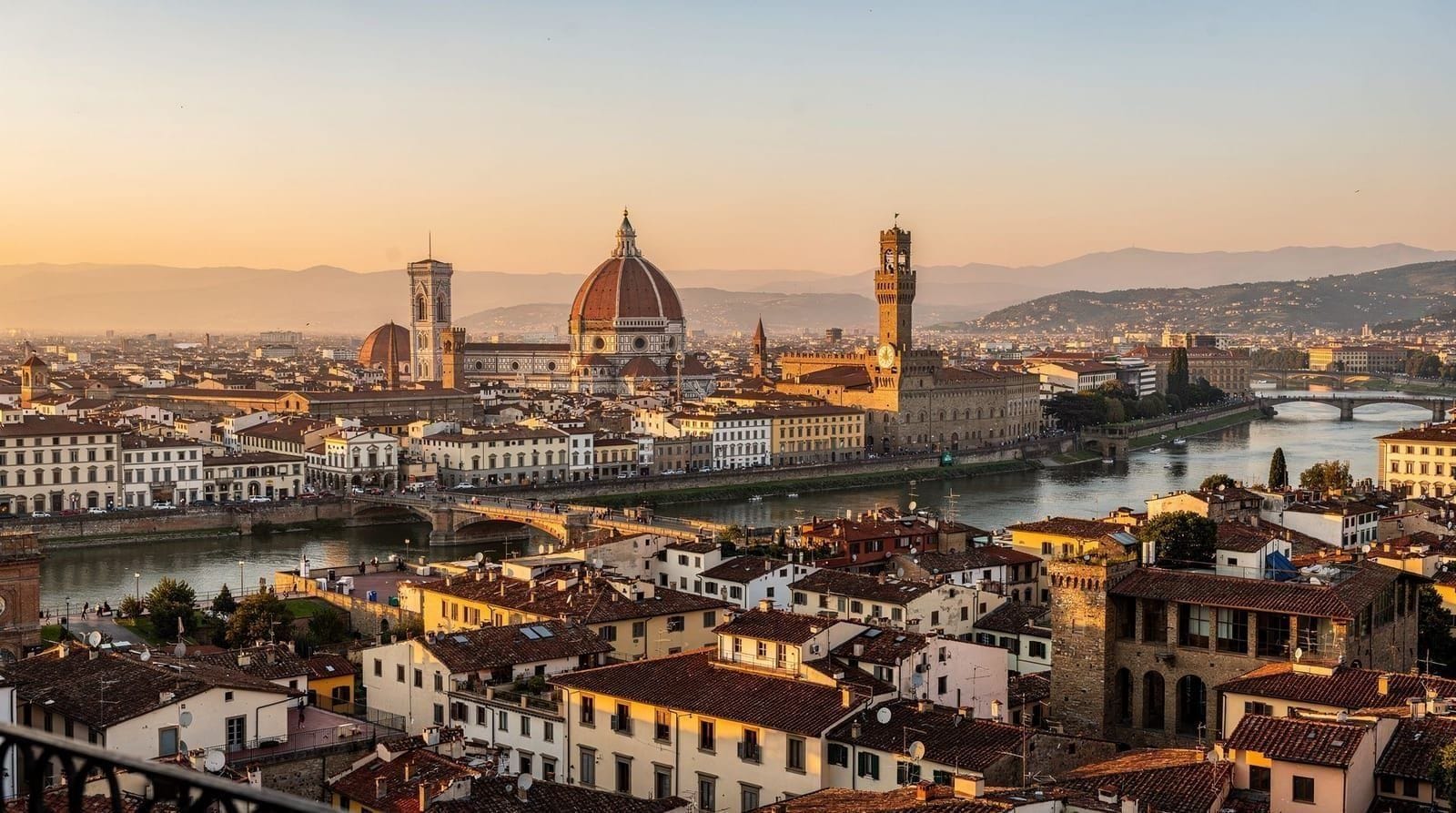
The Arno divides Florence into two distinct personalities. North of the river: the monumental Florence of the Duomo, Uffizi, Accademia, and Palazzo Vecchio. South: the Oltrarno, where artisan workshops still occupy ground floors, where the streets are quieter and less gridded, where the hills begin to rise almost immediately behind the riverbank.
For centuries the Oltrarno was the working-class and artisan quarter — tanners along the Arno, leatherworkers and goldsmiths in the backstreets, the Dominican and Carmelite convents pressing up against the medieval walls. The Medici changed the district’s social register when they moved their primary residence to the Palazzo Pitti in 1560, but the artisan character survived: today the neighbourhood around Via dello Sprone and Piazza della Passera still has active workshops making furniture, silver, picture frames, and leather goods in the traditional Florentine manner.
The Oltrarno is not a tourist district in the conventional sense. The Pitti Palace draws crowds; the rest of the neighbourhood gets far fewer visitors than it deserves.
| Route length | 3–4 hours self-guided, 2.5–3 hours guided |
| Distance | roughly 4 km including the San Miniato climb |
| Cost | around €22 for combined Pitti + Boboli entry |
| Best time | weekday morning, finishing at sunset for the hilltop |
| Good for | walkers comfortable with hills and stairs |
The route: self-guided tour (3–4 hours)
Starting point: Ponte Vecchio
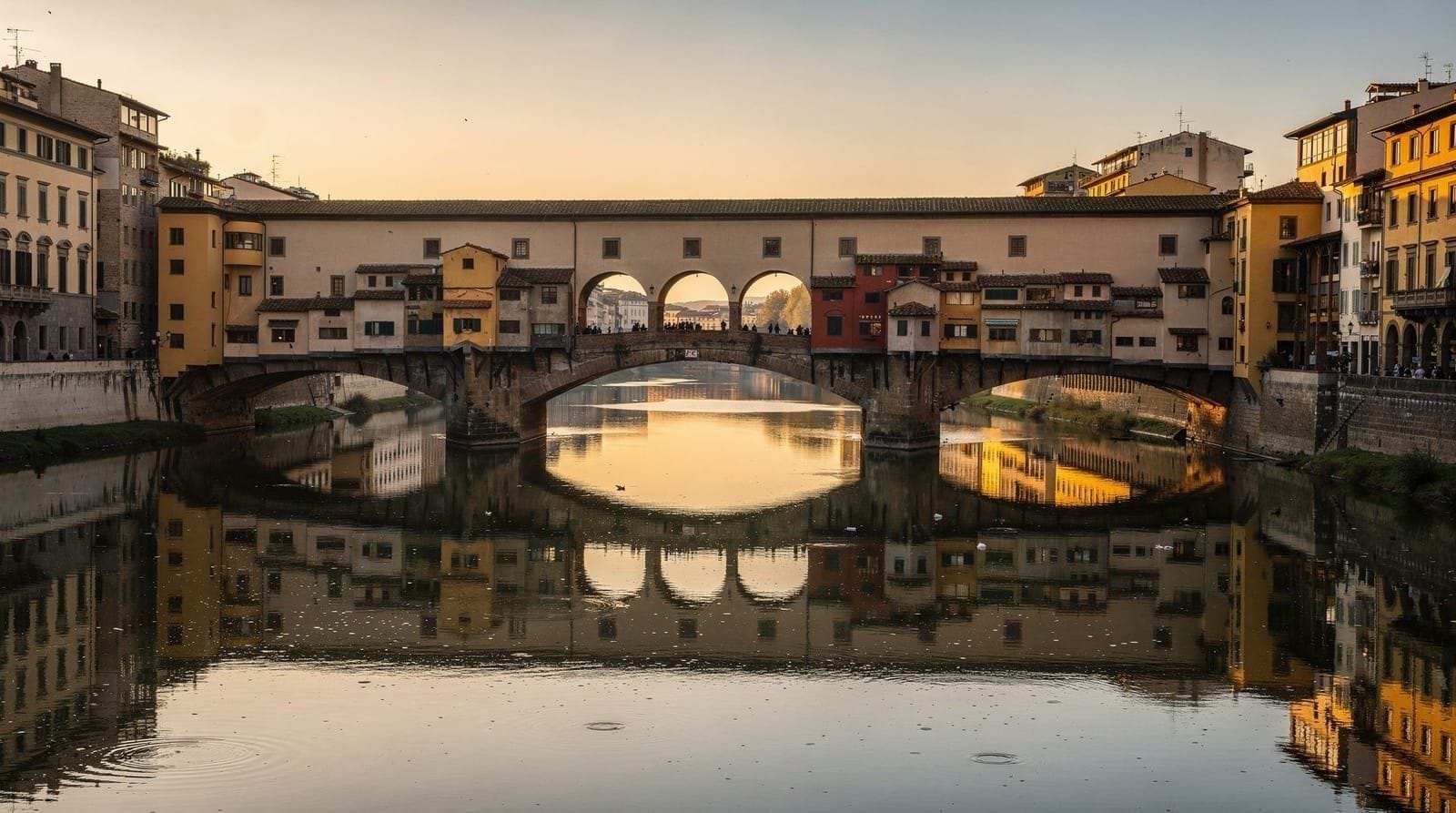
Cross from the centro storico via Ponte Vecchio (see the Ponte Vecchio guide). At the south end of the bridge, you enter the Oltrarno via Via de’ Guicciardini — a street of leather goods shops, many selling quality Florentine-made work.
Piazza de’ Pitti and Palazzo Pitti (20–30 minutes)
Five minutes south of Ponte Vecchio, the street opens abruptly into the vast forecourt of the Palazzo Pitti — a deliberately oversized statement of Medici wealth. The palazzo was originally built for Luca Pitti in 1458 (a Medici rival), purchased by the Medici in 1549, and expanded by successive rulers over the next two centuries. The facade, with its enormous rusticated stone blocks, grows longer and more overwhelming the closer you stand to it.
What’s inside:
- Palatine Gallery (Galleria Palatina): 500+ paintings from the 16th–17th century, arranged as they were in the 17th century — salon-style, floor to ceiling — rather than by school or period. Includes major Raphael, Titian, Rubens, and Caravaggio works. Entry €16.
- Modern Art Gallery (Galleria d’Arte Moderna): 19th and early 20th century Tuscan painting. Included in the Palatine ticket.
- Silver Museum (Museo degli Argenti): The Medici treasury — jewellery, hard-stone objects, silverware, amber, coral. Extraordinary concentration of small luxury objects.
- Costume Museum: Florentine fashion from the 18th century to the present.
Combined entry to all Pitti museums: approximately €22. For a fuller account of the museum’s collections and the neighbourhood around it, see the Oltrarno neighbourhood guide.
Boboli Gardens (45–60 minutes)
Behind the Pitti Palace, the Boboli Gardens cover the entire hill behind the palace — a 4.5-hectare formal Italian garden designed for Cosimo I de’ Medici from 1549. Entry is separate (€10) from the palace.
Key features:
- Amphitheatre: The large stone amphitheatre immediately behind the palace, used for Medici entertainment and opera performances. An Egyptian obelisk stands at the centre.
- Forcone and Neptune Fountain: The long central axis (viottolone) lined with cypress trees, leading to the Prato dell’Uccellare and the panoramic terrace at the top.
- Isolotto: A small island at the centre of a circular pool in the lower gardens, connected by bridges, with lemon trees in terracotta pots and a copy of Giambologna’s Ocean Fountain.
- Kaffehaus: An 18th-century coffee house on the south side, now a museum and occasional cafe. The terrace gives a beautiful view over the south side of the city toward Arcetri.
- Grotta del Buontalento: A 16th-century stalactite grotto containing casts of Michelangelo’s Prisoners (originals in the Accademia) embedded in the walls. Remarkable and bizarre.
The gardens are extensive enough that you can lose crowds within 10 minutes of entering. In summer, the cypress-shaded paths provide welcome coolness.
Practical: The Boboli closes one hour before sunset; hours vary by season (check the official website). Gardens can be muddy after rain; wear sensible shoes.
Piazza Santo Spirito (20–30 minutes)
From the south end of the Boboli Gardens or directly from the Pitti area, walk northwest to Piazza Santo Spirito — the Oltrarno’s living room. It is a large, informal square lined with restaurants and bars, with a small market (morning, weekdays and Saturdays) and a central fountain.
The church of Santo Spirito on the north side of the square is Brunelleschi’s final major church project — begun in 1436 and completed after his death. The interior is a masterpiece of rational Humanist architecture: a forest of grey pietra serena columns in a bright white space, with 38 semicircular chapels opening off the nave and aisles. The proportions are precise and the effect is serene. Entry is free; check opening hours (usually 10:00–12:00 and 16:00–17:30).
Borgo San Frediano and the artisan streets (30–45 minutes)
West of Piazza Santo Spirito, Borgo San Frediano and Via Santo Spirito are the heart of the Oltrarno’s artisan quarter. Active workshops along these streets make: picture frames (gilded in the traditional method), furniture (restoration and new), silver jewellery, leather (handbags and small goods), and marble-paper books and boxes.
Many workshops are open-door — it is acceptable to look in and observe. Some offer brief explanations of their methods; most sell finished goods. The quality is generally genuine and the provenance clear (this is not the San Lorenzo market where counterfeit “made in Italy” goods are common). The Florentine leather tradition guide has more detail on distinguishing genuine artisan leather from tourist-market imitations.
Specific streets worth exploring:
- Via Maggio: palazzo facades, antique dealers
- Piazza della Passera: tiny square with several good restaurants and a relaxed local atmosphere
- Via dei Serragli: longer route south toward the Porta Romana, with neighbourhood bars and bakeries
Forte di Belvedere (optional, 20 minutes)
The 16th-century fortress on the hill above the Oltrarno was designed by Bernardo Buontalenti for Ferdinand I and completed in 1595. It served as the Medici private treasury and retreat. The fortifications give a panoramic view over both the Oltrarno and the north bank. Entry varies — the fortress hosts temporary exhibitions and is free or reduced during off-season. Check seasonal opening on the Florence municipality website.
Ascending to Piazzale Michelangelo and San Miniato (40 minutes)
From the Forte di Belvedere, continue uphill via Via di San Leonardo and Via delle Porte Sante to San Miniato al Monte. This is the most atmospheric route to the hilltop — a quiet lane bordered by old walls, with views opening south over the hills as you climb.
After San Miniato, descend to Piazzale Michelangelo (5 minutes) for the panoramic view of Florence, then return to the centre via the Rampe Poggi steps down to the Arno.
See the full guides for Piazzale Michelangelo and San Miniato al Monte.
Where to eat and drink in the Oltrarno
| Area | Character | Price range |
|---|---|---|
| Piazza Santo Spirito | Lively, local, reliable | €–€€ |
| Via dei Serragli | Neighbourhood trattorie | € |
| Borgo San Jacopo | Near the river, nicer tables | €€–€€€ |
| Piazza della Passera | Tiny, good-quality | €€ |
Specific recommendations:
- Buca Mario (Via Guicciardini): historic trattoria, traditional Florentine food, honest quality
- Il Latini (just north of the Oltrarno, on Via dei Palchetti): noisy communal tables, classic Tuscan menu, advance booking essential
- Brasserie Le Murate (Piazza della Signoria): cross back over the bridge for this converted prison with good cocktails and dinner
For gelato: the Oltrarno has several artisan gelaterie. Real Florentine gelato is in metal bacs covered with lids (not piled high in mounds); colours are muted (pistachio should be pale grey-green, not bright green). Avoid any gelateria near the Pitti entrance that piles gelato into towers — that is industrially produced tourist product.
Guided Oltrarno tours
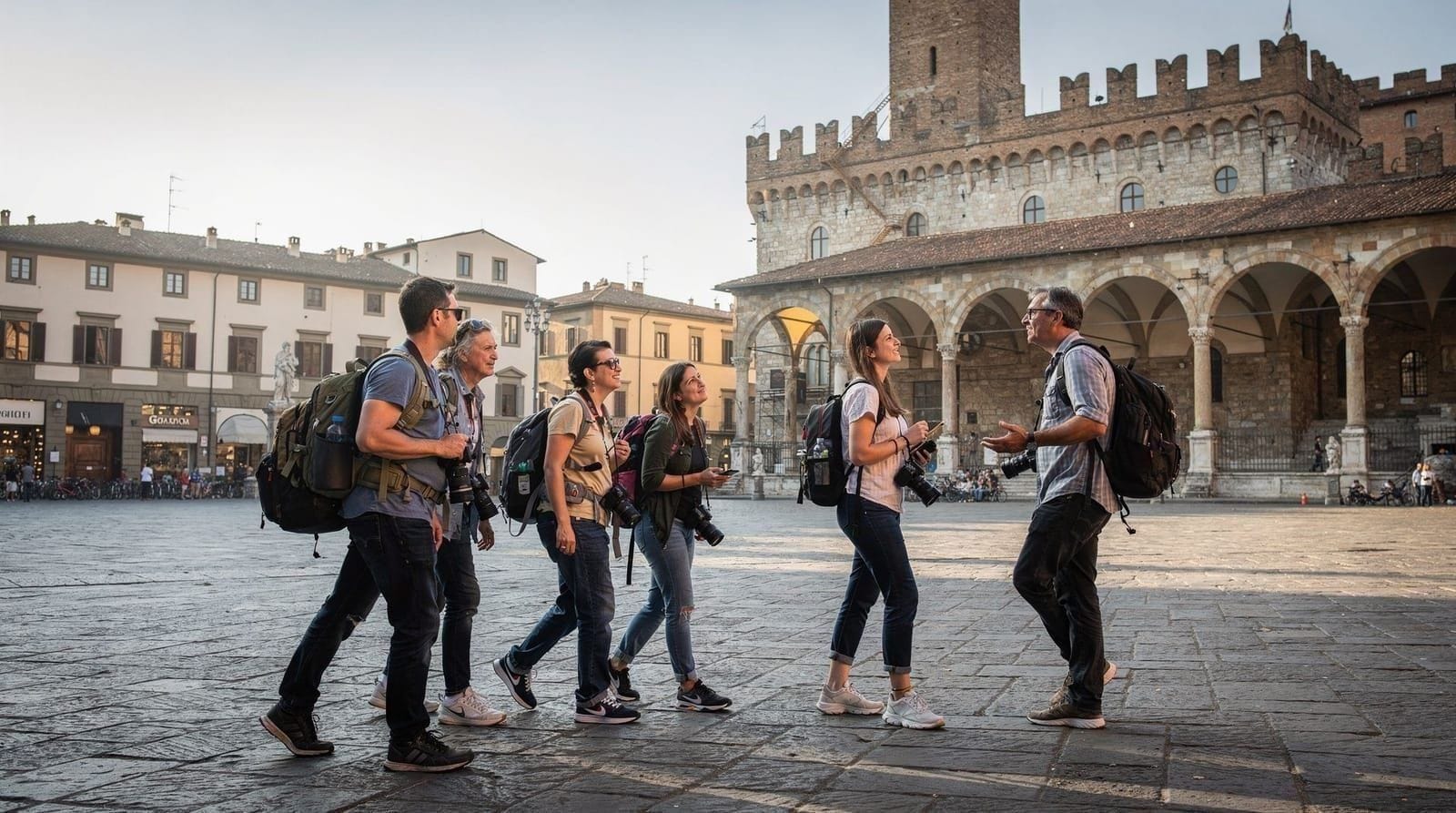
Several specialist operators run guided Oltrarno walking tours covering artisan workshops with in-depth access (not just looking through the door), the Pitti collections with skip-the-line entry, and the hill churches. These typically run 2.5–3 hours and cost €35–60.
The guided tour advantage in the Oltrarno is particularly strong for artisan workshop visits — a guide who has relationships with the workshops can arrange genuine access and explanations that independent visitors cannot obtain by simply walking in. The leather, frame-gilding, and marble-paper traditions are more legible with expert context.
Shortening or extending the route
The full route as described — Ponte Vecchio to San Miniato via the Forte di Belvedere — is ambitious for a single outing, particularly in summer heat or with young children. A realistic shorter version drops the Forte di Belvedere and San Miniato climb entirely, focusing on Palazzo Pitti, Boboli Gardens, and Piazza Santo Spirito: roughly 2.5 hours including the museum interiors, finishing with lunch or an aperitivo in the piazza.
For those with more time or a genuine interest in the hilltop views, extending the route is straightforward: after San Miniato and Piazzale Michelangelo, the walk down to Ponte Vecchio via the Rampe Poggi steps takes about 20 minutes and passes some of the best unobstructed river views in the city. Travellers who want the hilltop payoff without the full artisan-street detour can skip straight from Palazzo Pitti to the Forte di Belvedere climb, cutting roughly an hour from the itinerary.
Combining with the rest of Florence
Because the route starts and ends near Ponte Vecchio, it pairs naturally with a north-bank morning. A common pattern: Uffizi or Accademia in the morning (both need advance booking), lunch near Piazza della Signoria, then cross into the Oltrarno for the afternoon and evening — timing the Piazzale Michelangelo stretch for sunset. This spreads museum fatigue across two very different registers of sightseeing rather than concentrating it all on one side of the river.
Frequently asked questions about the Oltrarno
What does “Oltrarno” mean?
Literally “beyond the Arno” (oltre = beyond, Arno = the river). The name reflects the perspective of the historic centre north of the river — the Oltrarno was always the “other side.”
Is the Oltrarno safe at night?
Yes. The Oltrarno is a residential neighbourhood and is safe at night by any reasonable standard. The streets around Piazza Santo Spirito can be lively on Friday and Saturday nights; the quieter backstreets are not risky but may be dark and empty late at night. Standard big-city awareness applies.
How long does an Oltrarno walk take?
A complete loop — Ponte Vecchio, Pitti Palace exterior, Piazza Santo Spirito, artisan streets, back to the river — takes 2–3 hours at a gentle pace without entering any museums. Add 1 hour for Boboli Gardens, 45 minutes for Pitti interior, and 45 minutes for the San Miniato hilltop walk.
Are there good views from the Oltrarno besides Piazzale Michelangelo?
Several. The garden terrace at Bardini Gardens (next to Boboli on the east side) offers an excellent view over the north bank. The Forte di Belvedere terrace is excellent when open. Via di San Leonardo gives occasional views through breaks in the wall as you climb.
Top experiences
Bookable activities with verified prices and instant confirmation on GetYourGuide.

Florence: Pitti Palace and Boboli Gardens guided tour
- Small group
- Free cancellation
Florence: Pitti Palace and Boboli Gardens ticket
- Instant confirmation
- Mobile ticket
Florence: experience the city by foot guided tour
- Free cancellation
- Small group
Florence: walking tour and optional fast-track Duomo visit
- Free cancellation
- Small group