Livorno
Livorno is Tuscany's port city — canals, a Jewish ghetto history, exceptional cacciucco fish stew and ferry connections to Corsica and Sardinia. Honest
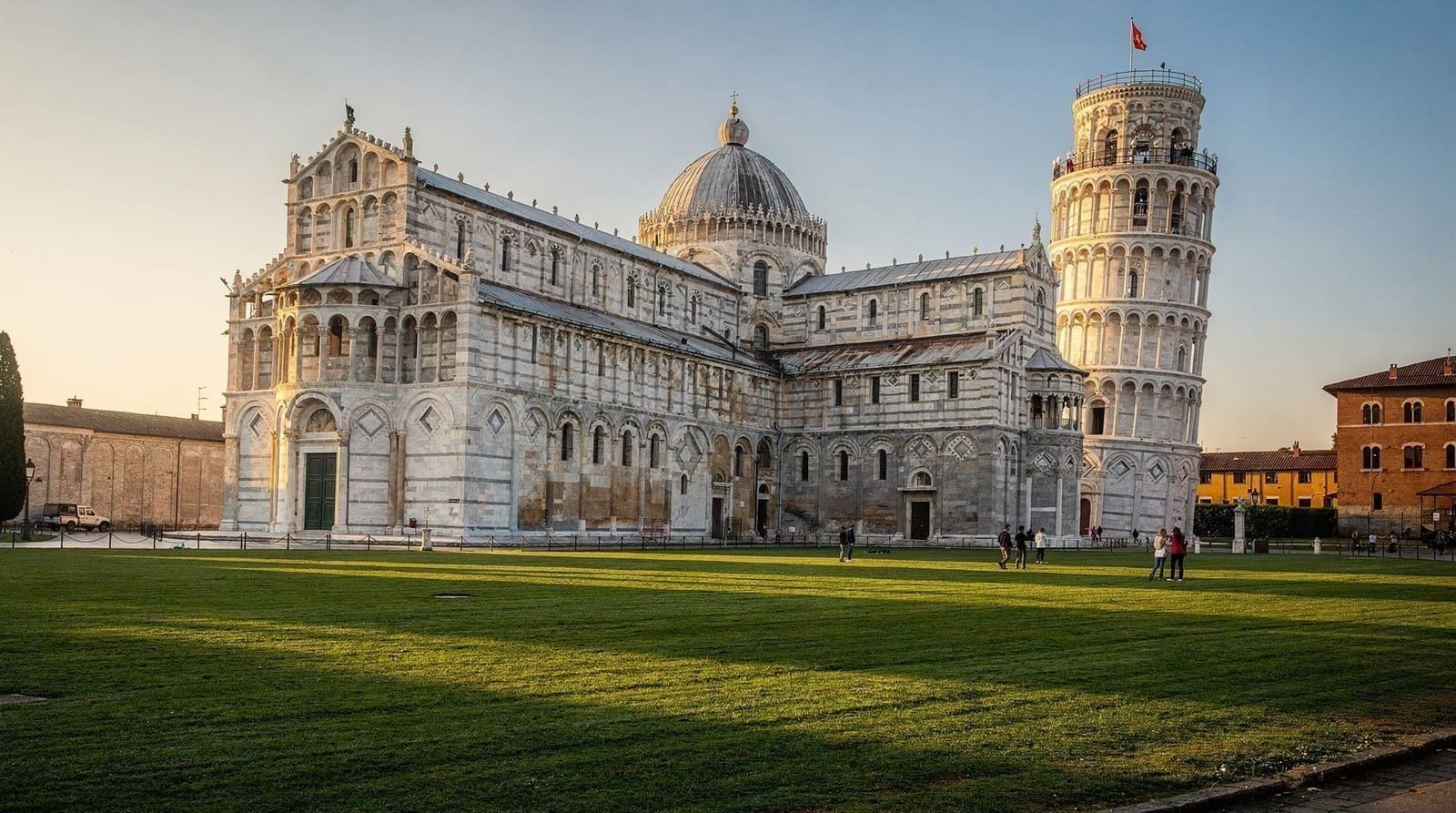
Florence: Pisa half-day trip with cathedral and tower entry
- Free cancellation
- Hotel pickup
Quick facts
- Best for
- Authentic port atmosphere, seafood, ferry connections
- Days needed
- Half day to 1 day
- From Florence
- 1h20-1h40 by train
- From Pisa
- 20 min by train
- Key feature
- Ferries to Corsica, Sardinia and the Tuscan Archipelago
Tuscany’s underappreciated port
Livorno (Leghorn in older English sources) has never been a pretty city in the conventional Tuscan sense — no medieval towers, no hilltop profile, no Medici art hoard. What it has is character: a grid-planned Renaissance new town built from scratch under Cosimo I in the 1570s, a network of canals (the “Venezia Nuova” quarter), a tradition of religious tolerance that made it a refuge for Jews, Greeks, Armenians and English merchants in the 16th-17th centuries, and the best fish stew in Tuscany.
It is not on most tourist itineraries. That omission increasingly seems like a mistake.
| Where | Tuscan coast, 20 min by train from Pisa |
| Time needed | Half day for the centre; a full day with a beach stop |
| Cost | Free to walk; cacciucco lunch around €20-30/person |
| Getting there | Train from Florence (1h20-1h40) or Pisa (20-25 min) |
| Best for | Seafood, canals, an off-the-beaten-path afternoon |
Getting there
From Florence: Direct Intercity train from SMN, approximately 1h20-1h40. Tickets €10-15.
From Pisa: 20-25 minutes by regional train. Some visitors combine a morning at the Leaning Tower with an afternoon in Livorno.
By car: From Florence via the A1 to Pisa and then SS1, approximately 1h15.
The Venezia Nuova quarter
Built between the 17th and 18th centuries on reclaimed land, the Venezia Nuova is Livorno’s most distinctive neighbourhood — a network of canals lined with ochre-coloured houses, crossed by bridges, with boats moored along the residential embankments. It’s smaller and less theatrical than Venice (and the comparison is slightly overblown) but genuinely picturesque and almost completely unvisited by international tourists.
The area around Piazza della Repubblica and the Fortezza Vecchia (the old fortification at the harbour mouth, now partly accessible) gives the best sense of old Livorno.
The Jewish quarter and history of tolerance
Livorno was unique in Counter-Reformation Europe: the Medici Livornina decree of 1593 granted complete religious freedom to all who settled in the new city. This attracted Jewish merchants expelled from Spain and Portugal, Greek Orthodox Christians, Armenians and English Protestants. The result was one of the most cosmopolitan cities in early modern Italy.
The historic synagogue (Via del Tempio) and the surrounding Jewish quarter are visible reminders of this history. The community produced important figures in Italian culture: Amedeo Modigliani, the painter, was born in Livorno in 1884 (there is a small Modigliani museum in the city).
Cacciucco
Cacciucco alla livornese is the signature dish — a thick fish stew made with at least five varieties of fish and shellfish, cooked in tomato sauce and served over toasted bread rubbed with garlic. The origin is claimed to be Livornese; it differs from Marseille’s bouillabaisse in the use of tomato and the thickness of the base.
In Livorno, cacciucco is taken seriously. Restaurants vary widely in quality; the best versions involve fresh local fish and require at least 45 minutes to prepare properly.
Recommended restaurants:
- Cantina Nardi (Via Leonardo Cambini 6): Long-established, unpretentious; honest cacciucco.
- Ristorante Oscar (Via delle Cateratte 78): Reliable seafood, local following.
- Il Sottomarino (Via Terrazzini): More tourist-aware but still genuine; good baccalà (salt cod).
The Tuscan Archipelago ferries
Livorno is the main ferry port for the Tuscan Archipelago — the chain of islands (Elba, Giglio, Capraia, Gorgona, Pianosa, Montecristo) that run south along the Tyrrhenian coast. Moby Lines and Corsica Ferries also connect Livorno to Corsica and Sardinia.
Elba (Napoleon’s first exile island) is accessible in 1 hour by fast ferry from Livorno. Capraia is a protected island with outstanding diving. These connections make Livorno a useful practical transit point if you’re combining Tuscany with island time.
Practical notes
Livorno has a fully functional city centre (the grid plan makes it easy to navigate) with markets, restaurants, cafés and shops at genuine local prices. It is not pretty in the way that Lucca or Siena are pretty, but it is real — and the combination of the canal quarter, the seafood and the cultural history makes a half-day visit more rewarding than its absence from most travel guides suggests.
The Mercato Centrale and everyday Livorno
Livorno’s covered market, the Mercato delle Vettovaglie (Via Buontalenti), is one of the largest iron-and-glass market halls in Italy, built in 1894. Two floors of fish, meat, produce and cheese stalls serve residents rather than tourists — prices are local, and the fish counters on the ground floor are the best place to see what actually goes into a proper cacciucco before you order one. It’s a useful stop even if you’re not buying anything, and a good contrast with the more polished Mercato Centrale in Florence.
The Terrazza Mascagni, a black-and-white checkerboard-paved seafront terrace south of the old town, is Livorno’s answer to a promenade — no sand, but wide open sea views and a genuine local evening ritual of walking, cycling and watching the sunset. It costs nothing and takes 20-30 minutes to walk end to end.
Beaches and the coast near Livorno
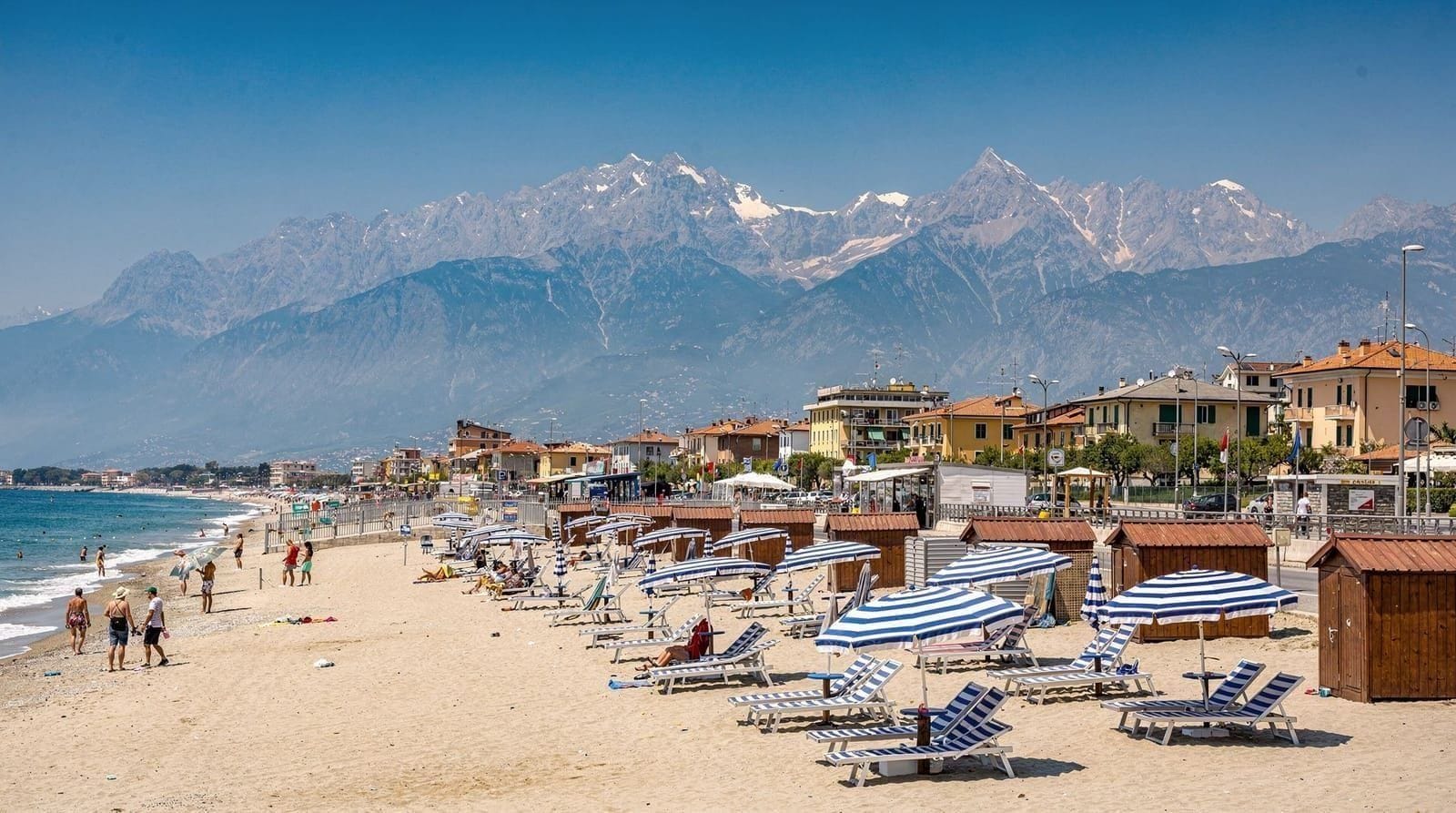
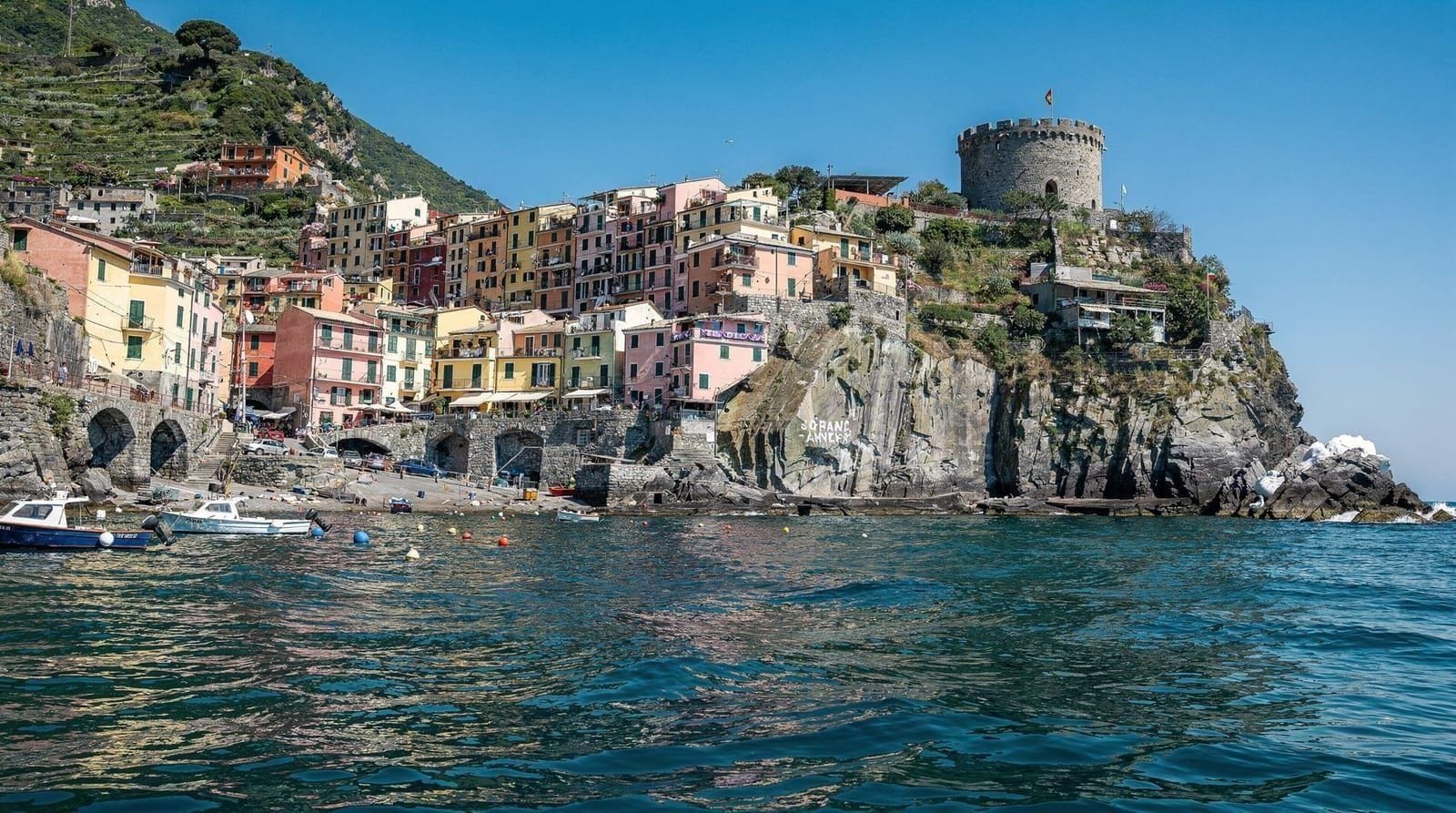
Livorno itself has limited swimming beaches in the city centre (mostly rocky platforms accessed via bathing clubs, or stabilimenti balneari, that charge a daily fee for sunbeds — typically €10-20). For sand, most visitors head slightly south to the Calambrone or Tirrenia beaches, both reachable by local bus in 20-30 minutes, or further to Viareggio, which has a longer established sandy-beach tradition and better facilities. If beach time matters more than the city itself, Viareggio or the Cinque Terre coast are the stronger choices; Livorno’s coastal appeal is more about the ferries and the seafood than about sunbathing.
Combining Livorno with a wider coastal day
Livorno pairs naturally with a Pisa morning — the Leaning Tower and Campo dei Miracoli in a few hours, then a short train south to Livorno for lunch and the canal quarter in the afternoon. It also works as a stopover for cruise passengers, since Livorno is the main port for Florence and Pisa shore excursions; if you’re arriving this way, the historic centre is a 15-20 minute walk or short taxi from the cruise terminal. For a longer Tuscan coast itinerary, combine with Lucca (30 minutes further by train) or the Cinque Terre further north.
Frequently asked questions about Livorno
Is Livorno worth visiting on a Tuscany trip?
Yes, particularly if you’re already passing through Pisa or looking for a genuine, non-touristy contrast to hill towns like Siena or San Gimignano. It won’t compete with Florence for monuments, but the canal quarter, the seafood and the port history make a satisfying half-day.
Can I combine Livorno with Pisa in one day?
Easily. The train between Pisa and Livorno takes 20-25 minutes and runs frequently. A typical plan is Pisa in the morning for the Leaning Tower, then Livorno for lunch and an afternoon walking the Venezia Nuova canals.
Top experiences
Bookable activities with verified prices and instant confirmation on GetYourGuide.