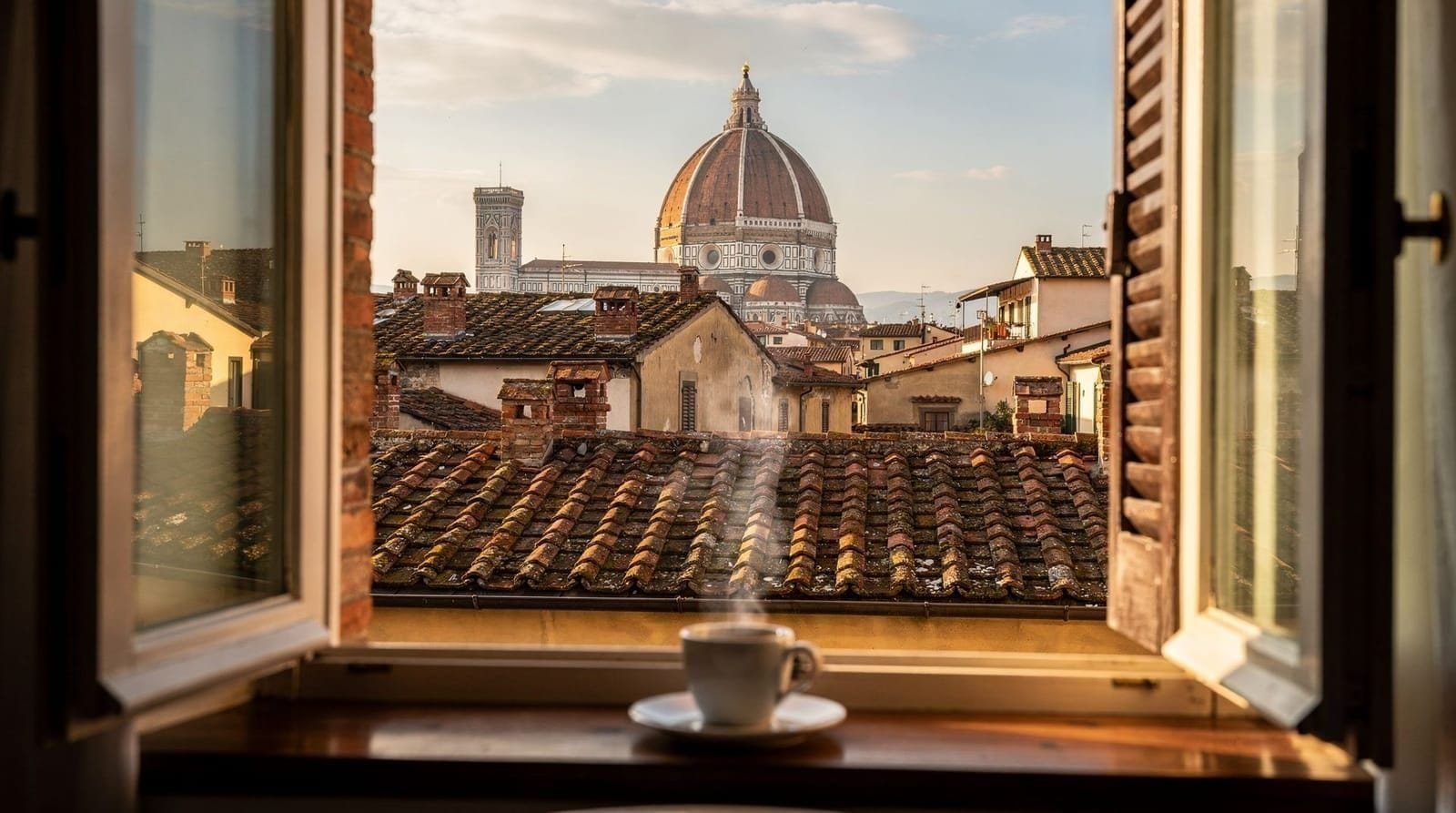
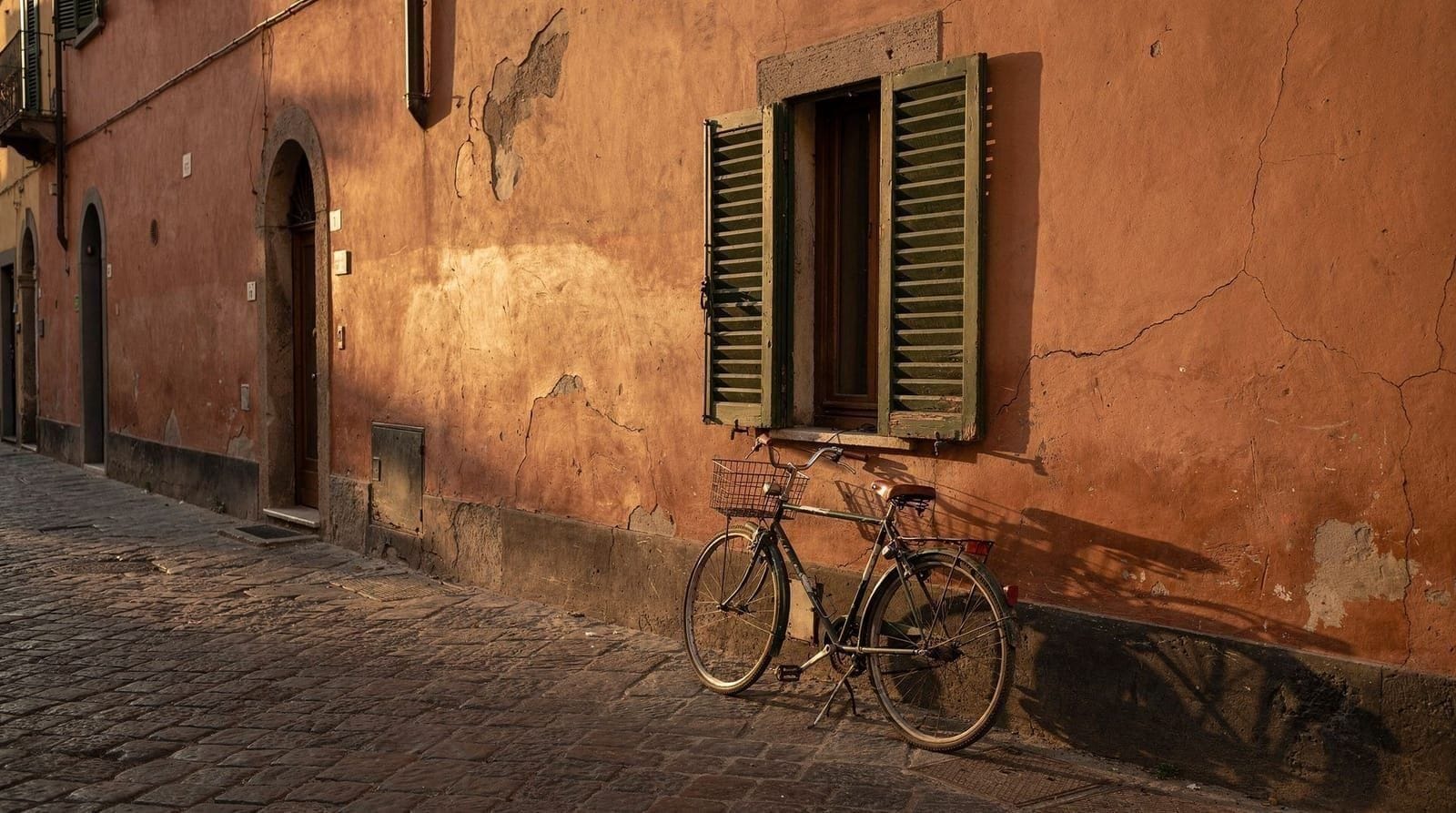
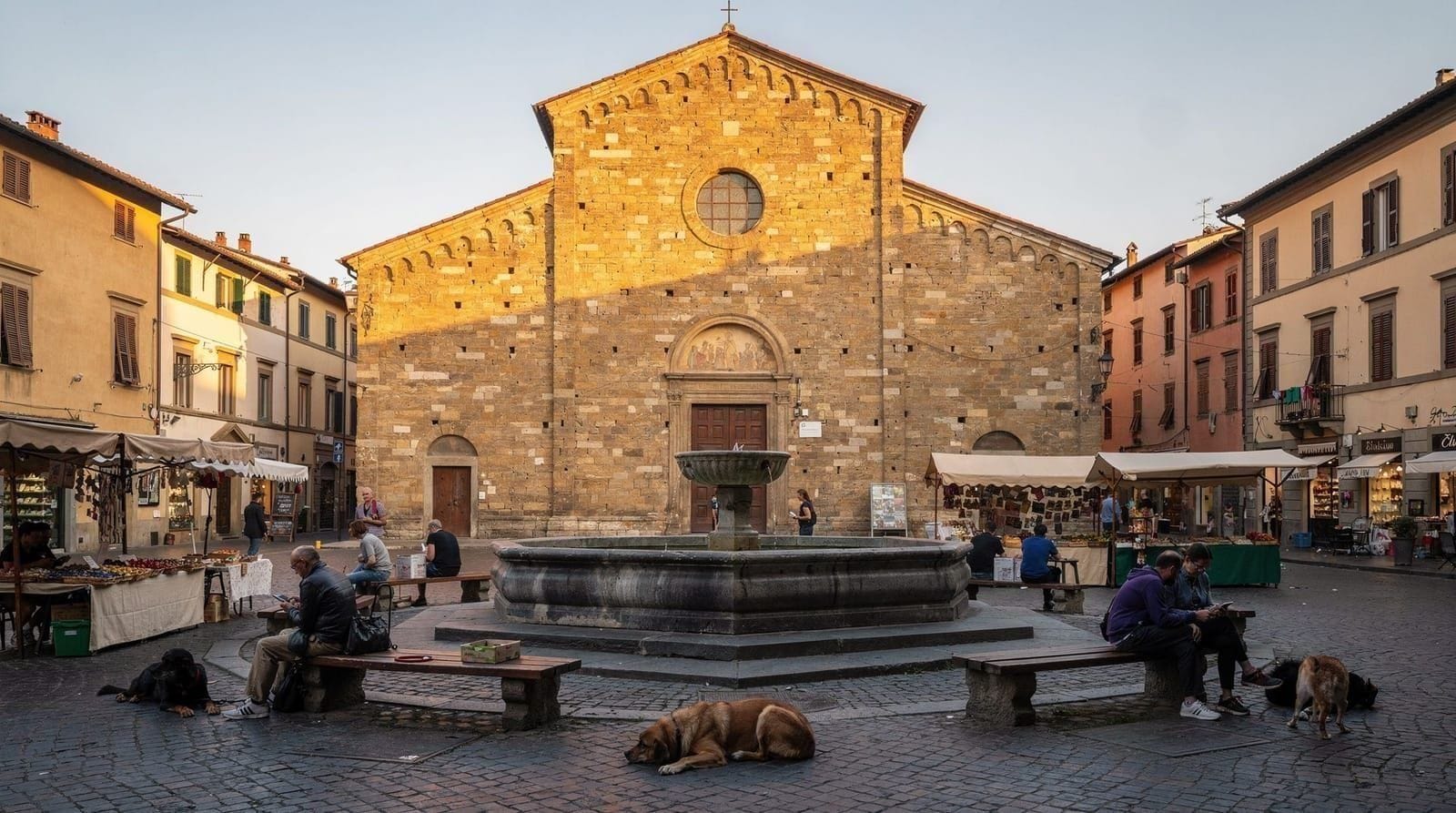
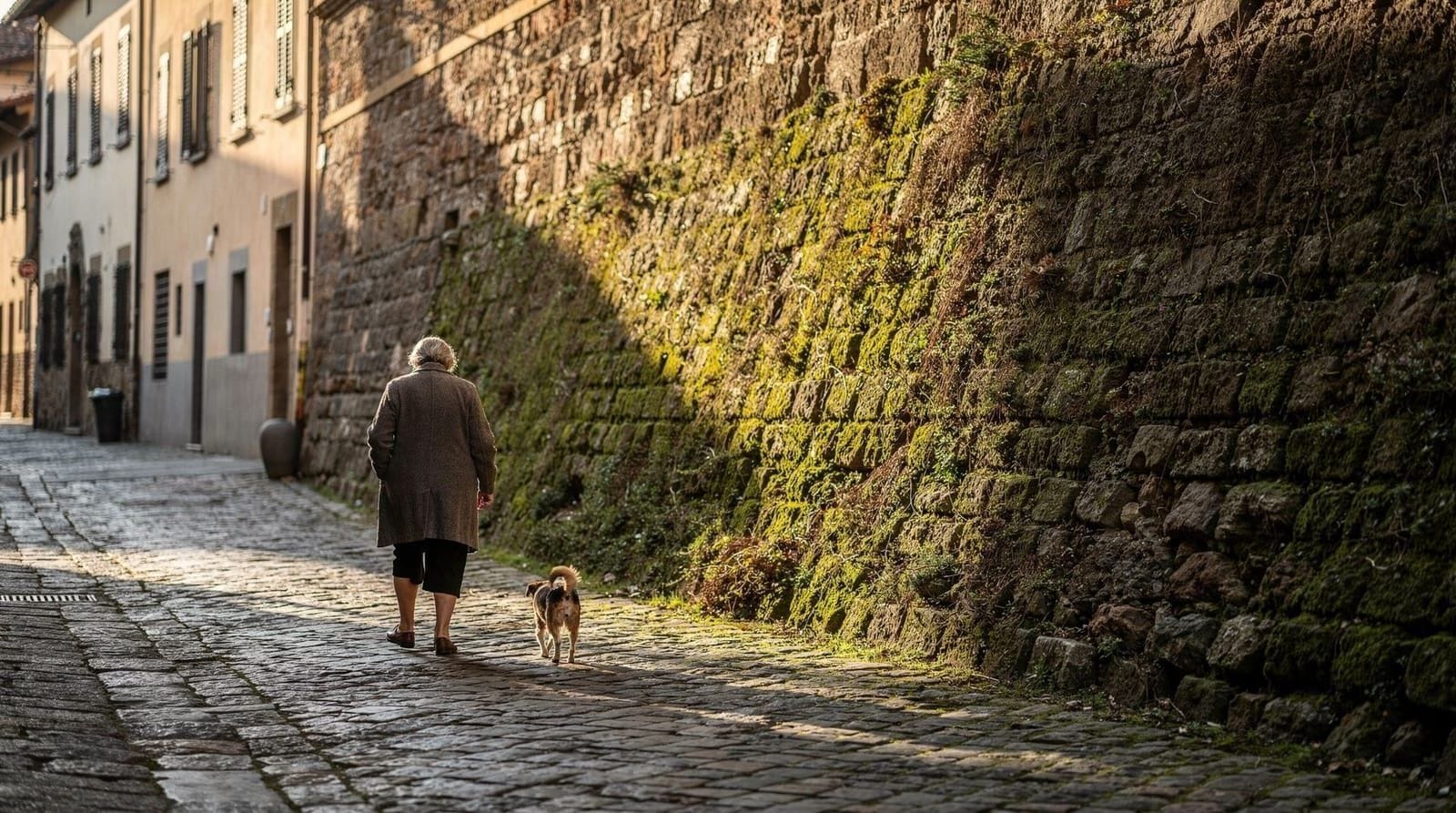
Best areas to stay in Florence: neighbourhood-by-neighbourhood
Florence: city highlights guided walking tour
- Free cancellation
- Instant confirmation
Which Florence neighbourhood should I stay in?
Oltrarno is the best all-round neighbourhood for most visitors: authentic atmosphere, good restaurants, quieter than the Centro Storico, and easy walking distance to all major sights. Centro Storico is ideal if proximity to the Uffizi and Accademia is your top priority and you don't mind paying more and tolerating tourist-level foot traffic. Santa Croce is the best balance for first-time visitors who want centrality with slightly less saturation.
Florence’s accommodation market has changed significantly in the past decade. Properties that were mid-range five years ago are now premium; the genuine budget sector has migrated to the edges of the historic centre or to smaller pensioni and guesthouses. But the underlying character of each neighbourhood remains, and choosing the right one still makes a real difference to your experience.
This guide goes deeper than the overview in where to stay in Florence — it breaks down what each area actually feels like hour by hour, who it suits, and what the accommodation options actually are.
| Best all-round | Oltrarno — authentic, quieter, easy walking distance |
| Best for museum proximity | Centro Storico — pricier, busier, closest to the Uffizi |
| Best sensible compromise | Santa Croce — central without full Duomo-area density |
| Best for budget | San Lorenzo — cheapest, market noise, still central |
| Best for quiet + views | San Niccolò — furthest out, closest to Piazzale Michelangelo |
Neighbourhoods compared
| Area | Price level | Walk to Uffizi | Best for |
|---|---|---|---|
| Centro Storico | €€€ | 0–5 min | Museum-first visitors, short trips |
| Oltrarno | €€–€€€ | 10–12 min | First-timers who want atmosphere |
| Santa Croce | €€ | 8–10 min | Balance of centrality and calm |
| San Lorenzo | € | 10 min | Budget travellers |
| San Niccolò | € | 20–25 min | Quiet stays, sunset walks, repeat visitors |
Centro Storico: what it’s really like
The Centro Storico is Florence’s tourist operating theatre. Between 9 am and 7 pm, the streets immediately around the Duomo, Ponte Vecchio, and the Uffizi carry extraordinary pedestrian density. The Via dei Calzaiuoli pedestrian street between the Duomo and Piazza della Signoria is essentially a continuous stream of people during daylight hours.
This is not universally bad. There is genuine energy and life to a city that is actively being experienced by large numbers of people. The quality of street performance, the variety of small shops (among the tourist tat, there are genuinely good artisan businesses), and the spectacle of the monuments themselves are enhanced by the crowd to some degree.
But if you are a visitor who finds crowds stressful, who wants to eat at local prices, or who wants to walk in relative peace in the morning, the Centro Storico in peak season is not optimal. The noise level from restaurant touts and tour groups begins early and ends late.
When Centro Storico works best:
- November through February: the crowds thin dramatically, prices drop 30–40%, and the city takes on a calmer winter character.
- Early morning: the Duomo area at 7–8 am before the first tour buses arrive is magnificent.
- For visitors who plan to spend most of their time in the Uffizi, Accademia, and Palazzo Vecchio and who are not particularly interested in neighbourhood walking.
The hotel situation: The Centro Storico has the widest range of hotel types, from genuinely grand luxury properties to small guesthouses. However, the best-value mid-range properties — the places that offer genuine quality without paying for pure location premium — tend to be slightly off the main axis: a few streets from the Duomo rather than directly opposite it.
Specific properties to consider:
Hotel Brunelleschi (Piazza Santa Elisabetta 3) — Built around an actual Byzantine tower and rotunda, with rooms that look directly onto the Duomo. The breakfast terrace view is exceptional. Rooms from €200–400; entirely worth it for a special occasion or a short trip when the hotel becomes the experience.
Relais degli Uffizi (Chiasso de’ Baroncelli 16) — Hidden in a passage off Piazza della Signoria, with some rooms overlooking the piazza. Boutique, genuinely characterful, and better-priced than its location would suggest; €180–300.
Hotel Mia Cara (Via Faenza 58, San Lorenzo edge) — A reliable budget-to-mid option north of the Duomo; clean, straightforward, honest about what it is; €80–130.
Oltrarno: the neighbourhood that wins on atmosphere
The Oltrarno consistently comes top in “best neighbourhood in Florence” discussions among people who have been more than once. It offers something the north bank historic centre cannot: the sense of arriving in a place rather than a monument. The streets around Piazza Santo Spirito and Via Maggio have that combination of beauty and ordinary life — a bar where the barista knows regulars by name, a bakery with a queue of locals at 7:30 am, a wine shop that is half-retail half-social club.
This character is eroding as the neighbourhood becomes more popular, but it has not yet gone the way of the Centro Storico. The restaurants are still largely aimed at Florentines rather than tourists; the price-to-quality ratio is markedly better than on the north bank.
Day-by-day life in Oltrarno:
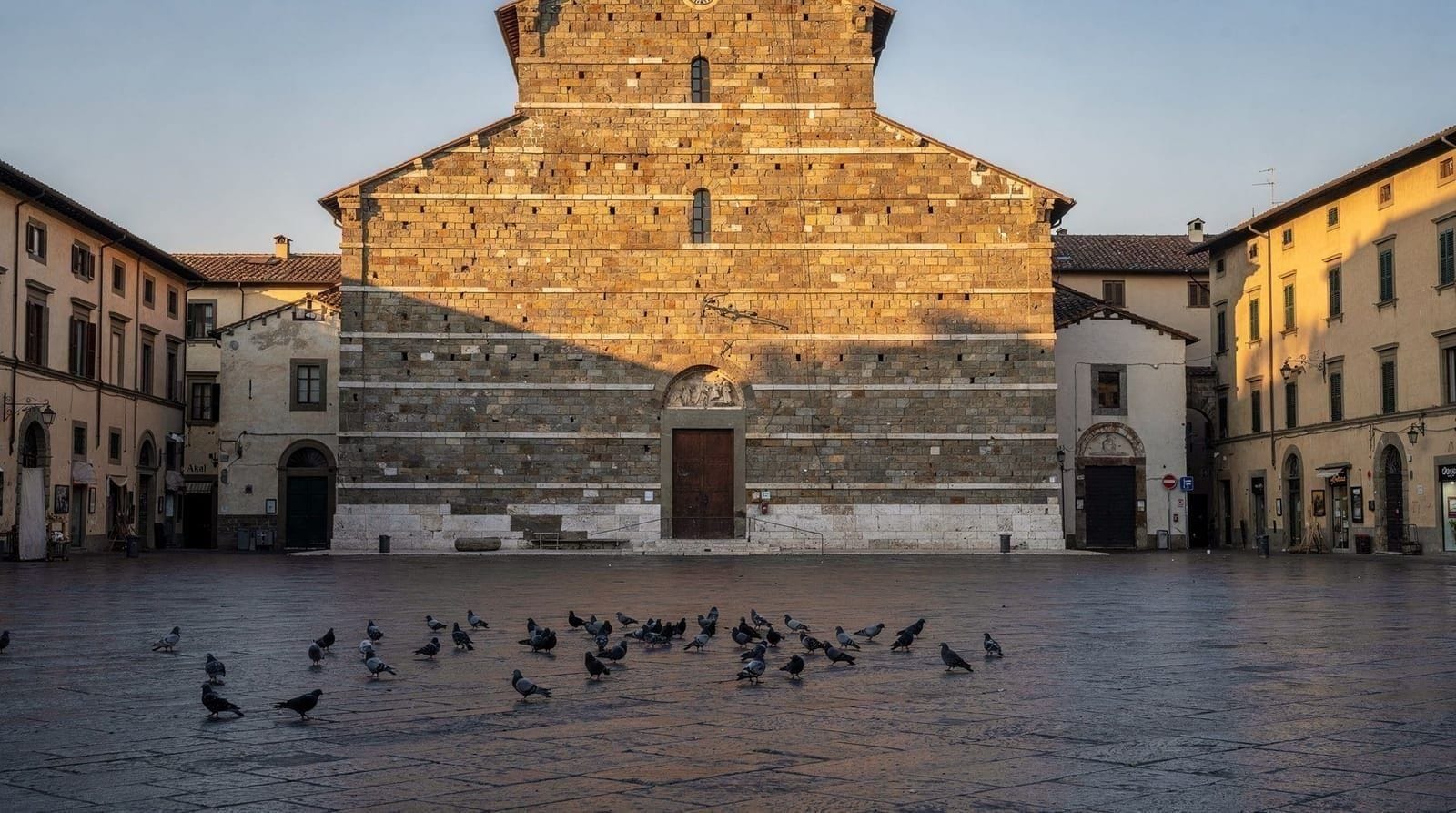
Morning: Walk to the nearest bar, stand at the counter (that’s how it’s done), order a cornetto and a macchiato. If it’s a weekday, you will be sharing the bar with people who work in the area. Return to your hotel through the Piazza Santo Spirito, which in the morning has only the market stalls setting up and a few pigeons.
Afternoon: The Palazzo Pitti and Boboli Gardens are a 10-minute walk. The Brancacci Chapel is 15 minutes. Ponte Vecchio and the Uffizi are 10–12 minutes. The neighbourhood itself has enough artisan workshops, wine bars, and small museums to fill an afternoon without leaving.
Evening: The Oltrarno is where Florentines go for aperitivo and dinner. The area around Piazza Santo Spirito and Via dei Serragli has the densest concentration of good-value restaurants in Florence. The piazza itself, particularly in summer, fills with locals in the evening.
Full neighbourhood guide: Oltrarno neighborhood guide.
Specific properties:
Soprarno Suites (Via Maggio 35) — Six individually designed suites in a restored palazzo, quietly fashionable, with genuine attention to detail. Via Maggio is lined with antique dealers; the street itself is worth an hour of slow browsing. Rooms €180–280; one of the most characterful places to stay in Florence.
Residence Hilda (Via dei Servi 40, technically north bank near Annunziata) — Actually not Oltrarno but worth mentioning: large apartment-style rooms with kitchenettes, excellent location between the Accademia and the Duomo, better suited to longer stays; €160–250.
Appartamento Mio (various Oltrarno apartments, Via Toscanella area) — Not a hotel but a small apartment rental operation with genuinely legal, vetted properties in the Oltrarno. For stays of 3 nights or more, worth investigating.
Hotel La Scaletta (Via dei Guicciardini 13, near Ponte Vecchio) — A small 3-star hotel with excellent Arno and hillside views from the rooftop terrace. No-frills rooms but a wonderful location and a rooftop that compensates for everything; €130–190.
Santa Croce: the sensible compromise
Santa Croce sits east of the main tourist axis — far enough from the Duomo to be quieter, close enough to everything to be completely convenient. The neighbourhood has its own identity: the Franciscan church with its famous tombs, the Piazza Santa Croce (used for calcio storico, the rough medieval football game, in June), and the streets radiating outward toward the Arno.
The Sant’Ambrogio market, 10 minutes north of Santa Croce, is one of Florence’s most authentic food markets — a covered hall with fresh produce, cheese, and meat stalls serving both restaurants and locals. The surrounding streets have a good density of independent shops and cafes that are not primarily aimed at tourists.
Who Santa Croce suits:
- Visitors who want centrality without the full tourist density of the Duomo area.
- People interested in the Bargello museum (5 minutes from Santa Croce).
- Visitors who plan to take day trips by train — Santa Croce is 15 minutes’ walk from Santa Maria Novella station.
- Families who want space — the piazza is large enough to run in.
Evening life: Santa Croce has a pleasant evening character, with restaurants and wine bars that serve both visitors and Florentines. The streets toward the Arno (Lungarno delle Grazie) are quieter and provide good walking after dinner.
Specific properties:
Hotel Monna Lisa (Borgo Pinti 27) — A 15th-century palazzo with a planted garden, genuinely romantic, family-run for over a century. The rooms are large and atmospheric, decorated with period furniture; the garden is an extraordinary luxury in a city that has almost no private gardens. Rooms €160–280.
Hotel Balestri (Piazza Mentana 7) — Arno-facing hotel near Santa Croce; reliable, family-friendly, honest about what it offers; rooms €130–210. The Arno view is the selling point; not a design hotel, but a dependable mid-range choice.
San Lorenzo: budget-honest
The San Lorenzo neighbourhood — north of the Duomo, around the Medici family’s basilica and the surrounding market — offers the cheapest accommodation in the historic centre. Understand the trade-offs before booking.
The outdoor market that fills several streets around the Mercato Centrale operates loudly from morning through early evening. The streets are functional rather than beautiful. The area around the station (10 minutes’ walk) adds transport-hub urban energy.
In exchange: genuine cheapness, proximity to the Duomo and Accademia (10 minutes each), and the Medici Chapels and San Lorenzo church (3 minutes). The Mercato Centrale indoor market upstairs is worth visiting for breakfast or lunch — it is more expensive than a neighbourhood bar but has excellent quality products.
Full guide: San Lorenzo neighborhood guide.
Specific properties:
Hotel Perseo (Via dei Cerretani 1) — Clean, reliable budget hotel; knows exactly what it is and does it well; rooms €80–130.
Hotel Davanzati (Via Porta Rossa 5, slightly more central) — Family-run 3-star, genuinely well-managed, with a terrace. Rooms are modest but the management is responsive and helpful; €150–220.
San Niccolo and the Oltrarno hillside
San Niccolo is the quieter, more residential eastern extension of Oltrarno, along the hillside beneath the ancient Florentine city walls. The area has a strong neighbourhood character — a well-known wine bar, Bibo’s; some excellent trattorie; and easy walking access to Piazzale Michelangelo and San Miniato.
The neighbourhood is particularly well-suited to visitors who want to walk the hills, see the city at sunset from Piazzale Michelangelo, and return to a quiet neighbourhood for dinner rather than navigating through tourist crowds. It is the furthest of the recommended areas from the Accademia and Duomo — 25–30 minutes’ walk — but perfectly comfortable for those who like walking.
Full guide: San Niccolo guide.
Booking strategy by visit type
First visit, 3–4 days: Centro Storico or Oltrarno depending on budget. Pay the premium for Oltrarno if you can afford €150+ per night; it makes the trip more enjoyable. In Centro Storico, choose a property on a quieter street rather than immediately on the main pedestrian axes.
Repeat visit, 5+ days: Oltrarno or Santa Croce. You already know the major sights; the neighbourhood character of these areas offers something new.
Budget trip: San Lorenzo or the Santa Croce edge, combined with a Florence card or museum pass to avoid per-ticket premiums on major attractions.
Summer visit (July–August): Prioritise air conditioning — it is not universal in older Florentine properties. Ask specifically; do not assume it exists. Properties on higher floors with good ventilation are better than ground-floor rooms in summer. Oltrarno tends to be slightly cooler than the dense urban fabric of Centro Storico.
Romantic visit: Soprarno Suites or Soprarno area apartments, Hotel Monna Lisa, or Hotel Brunelleschi for the Duomo view. The Lungarno hotels on both banks offer Arno views that remain genuinely beautiful.
Frequently asked questions about Best areas to stay in Florence
What are the best luxury hotels in Florence?
The Continentale (Vicolo dell’Oro 6, near Ponte Vecchio) is the most design-forward luxury option, with rooftop terrace views that are genuinely among the best in the city. The Portrait Firenze (Lungarno Acciaiuoli 4) offers smaller numbers of rooms with Arno views and very personal service. The Grand Hotel Minerva (Piazza Santa Maria Novella 16) has excellent proximity to the train station and a rooftop pool — rare in central Florence. All are €300–700+ depending on season.
How do I get from Florence airport to my hotel?
From Florence Peretola airport (FLR): the T2 tram takes 22 minutes to Santa Maria Novella station; from there, walk or take a taxi to your hotel. Taxis from the airport cost approximately €25–30 to the city centre. From Pisa Galilei airport (PSA): trains run to Florence Santa Maria Novella, approximately 60–80 minutes; a taxi from Pisa airport is around €120–150.
Is there parking near my hotel in Florence?
Central Florence is largely a ZTL zone; parking within the ZTL is not available to visitors without permits. The nearest surface car parks to the centre are at Piazzale Michelangelo (Oltrarno), the Fortezza da Basso (north of centre), and the Parterre park (near Piazza della Libertà). Expect €10–20 per day. Most hotels in the ZTL zone do not have their own parking; they can arrange temporary ZTL access permits for drop-off/pick-up but not long-term parking. See the Florence ZTL explained guide before driving in.
Top experiences
Bookable activities with verified prices and instant confirmation on GetYourGuide.