San Niccolo guide: Florence's quietest historic neighbourhood
Florence: golden hour walk tour to Piazzale Michelangelo
- Free cancellation
- Small group
What is the San Niccolo neighbourhood in Florence?
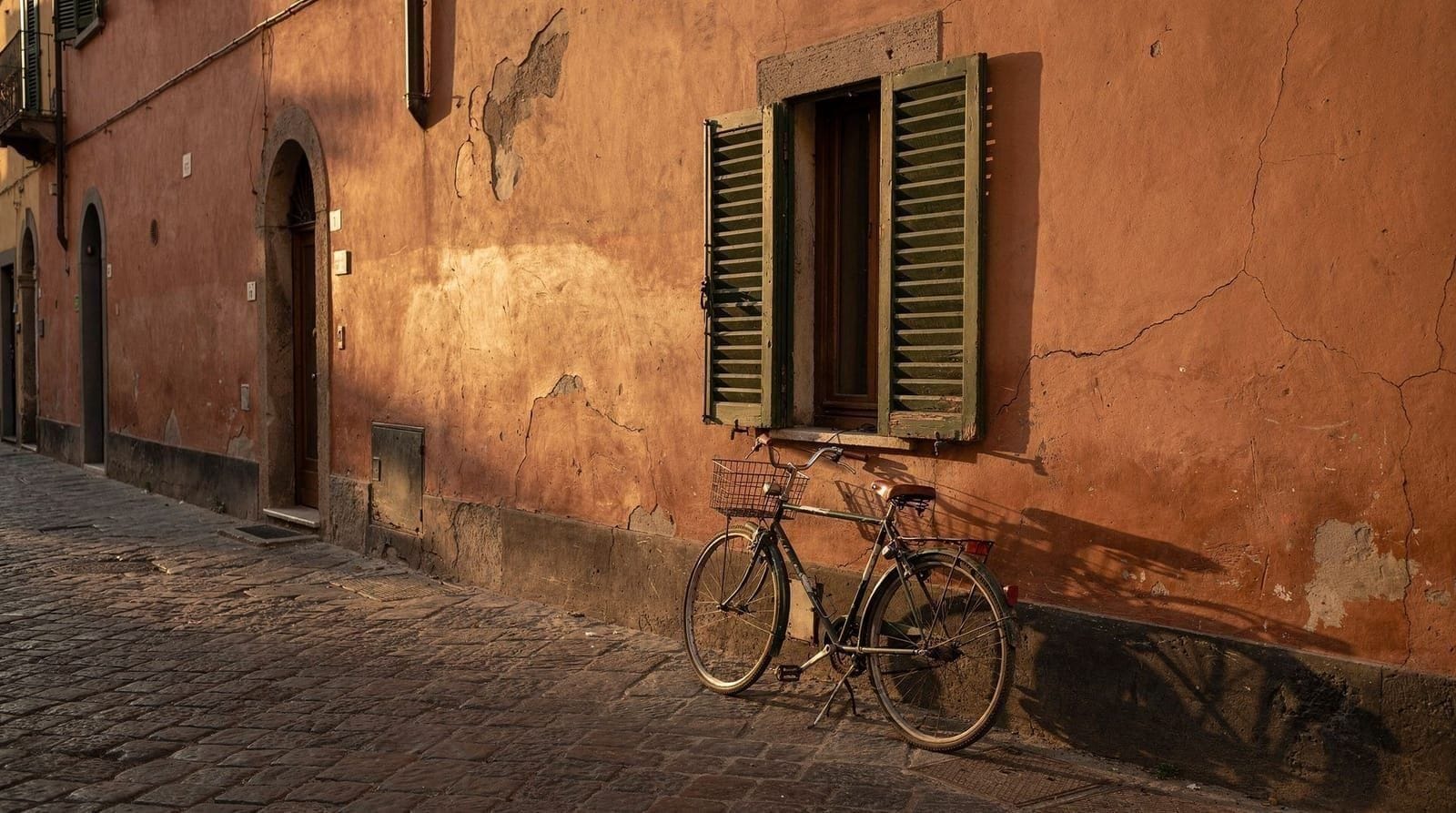
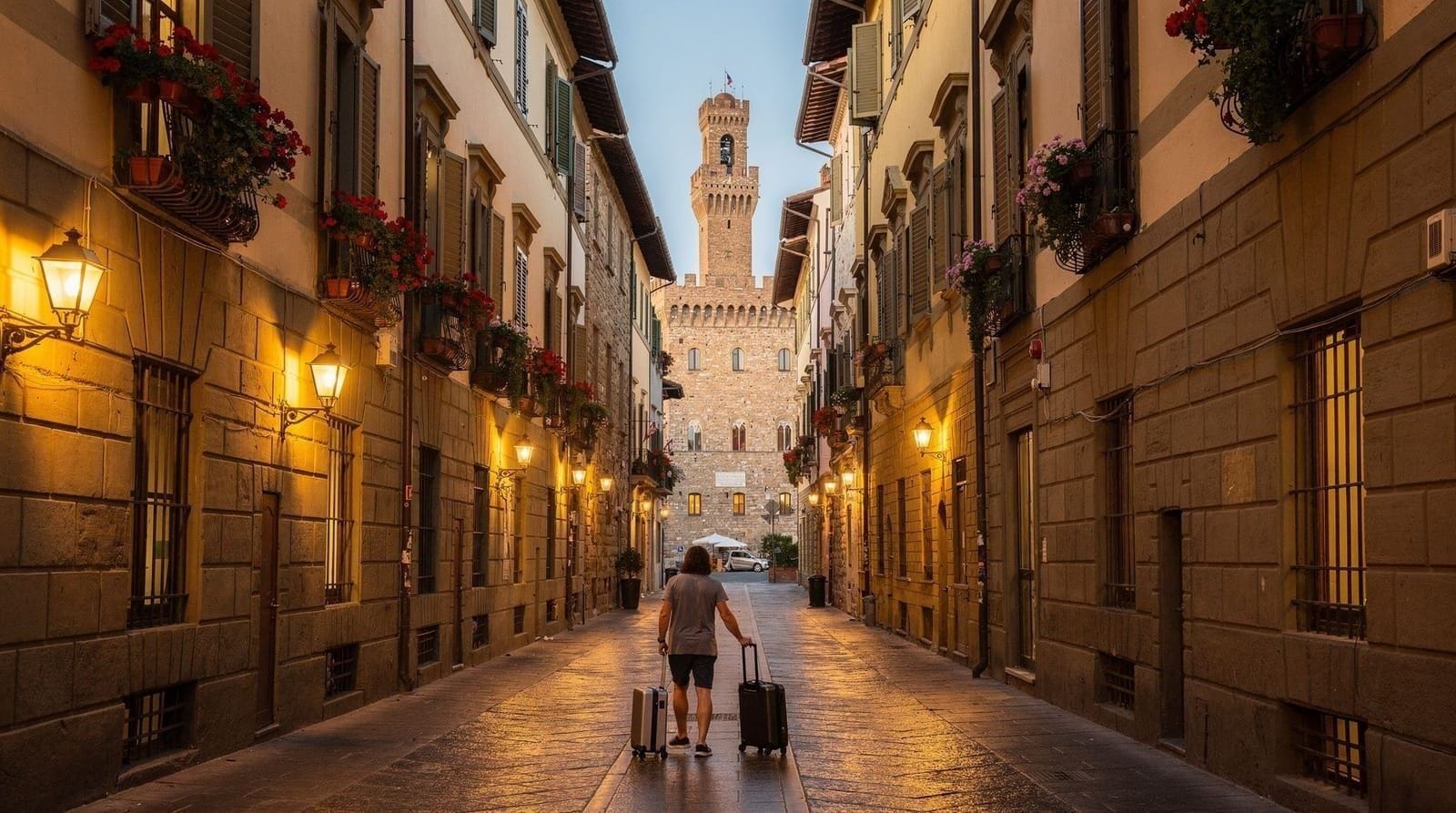
San Niccolo is the eastern part of the Oltrarno district, running along the hillside beneath Florence's medieval city walls between the Arno and Piazzale Michelangelo. It is the quietest residential neighbourhood in the historic centre, with a strong local identity: narrow streets, small wine bars, excellent trattorias, and easy access to the hillside walks up to the best views in Florence. Less visited by tourists than Santo Spirito or the Centro Storico.
San Niccolo is the neighbourhood that knowledgeable visitors mention when they say they want to come back to Florence. It is the part of the city that most clearly shows what Florence is when it is not performing for tourists: a residential neighbourhood of some wealth and considerable beauty, where the medieval city walls rise directly behind residential streets, where the hill begins almost from the riverbank, and where the wine bars are run by people who take wine seriously.
The neighbourhood occupies the eastern section of the Oltrarno, from roughly Via dei Renai in the west to the Minicipio delle Grazie bridge in the north and the gates of the medieval walls in the south. It is quieter than Santo Spirito, more residential than Via Maggio, and — for the visitor who wants an authentic Florentine neighbourhood experience rather than a tourist site — possibly the most rewarding place in the city to simply be.
| Where | eastern Oltrarno, along the hillside below the medieval walls |
| Best for | wine bars, quiet streets, the hillside walk to the view |
| Cost | free to explore; wine bar drinks around €5-10 |
| Time needed | 2-3 hours, longer with the hillside walk |
| Getting there | 15 minutes’ walk from Ponte Vecchio |
The character of San Niccolo
The neighbourhood’s personality comes from two things: the hill and the wall.
The Oltrarno hillside rises steeply from the river, and San Niccolo sits at the base of this rise. The city walls — built and extended in the 13th and 14th centuries, some of the most impressive medieval military fortifications remaining in Tuscany — run along the hillside behind the residential streets. Several towers and gateways survive: the Torre di San Niccolo, at the end of Via dei Renai, is one of the best-preserved medieval watchtowers in Florence, still standing to its full original height of 19 metres.
The hill means that the neighbourhood is not flat — there are steps and ramps, and the streets that climb toward the Bardini Gardens and the Piazzale Michelangelo begin immediately from the main street level. This gives the neighbourhood a topographic variety that the flat Centro Storico lacks.
The wall means that the neighbourhood has a hard edge on the south side — you reach the medieval boundary of Florence, and beyond it are gardens and hillside. This edge has preserved the area from some of the commercial development that has eaten into other neighbourhoods.
The Torre di San Niccolo and the city walls
The tower at the end of Via dei Renai is the most impressive of the surviving medieval watchtowers. Built in the 14th century, it stands to its full original height — unlike most Florentine towers, which were cut down by ordinance. The tower is occasionally open to visitors (check locally for current hours); the view from the top, looking over the river and the city to the north, is excellent.
The walls extend west from the tower to the Porta San Miniato (a surviving medieval gate) and east toward the Porta San Giorgio (another gate, near the beginning of the road to the Forte di Belvedere). The walk along the base of the walls, on the path between the gate and the hillside, takes about 20 minutes and is one of the quieter walks in the city.
The Church of San Niccolo sopr’Arno
Via San Miniato 2 — the small church that gives the neighbourhood its name. The building dates to the 12th century; the interior was renovated in the 14th and 15th centuries. The main attraction is the sacristy, which contains a fresco cycle (c. 1418–1422) attributed to the followers of Lorenzo Monaco, depicting scenes from the life of the Virgin. The frescoes are in good condition and almost never crowded.
The church itself has a plain, austere interior — white walls, stone columns — that is typical of the Florentine Romanesque tradition. Open for Mass and for occasional visits; hours are irregular.
Piazzale Michelangelo and San Miniato: the essential views
From San Niccolo, the walk to Piazzale Michelangelo takes 15–20 minutes by the most direct route: up the steps from Via dei Renai, through the gate in the medieval walls, and up the hillside path.
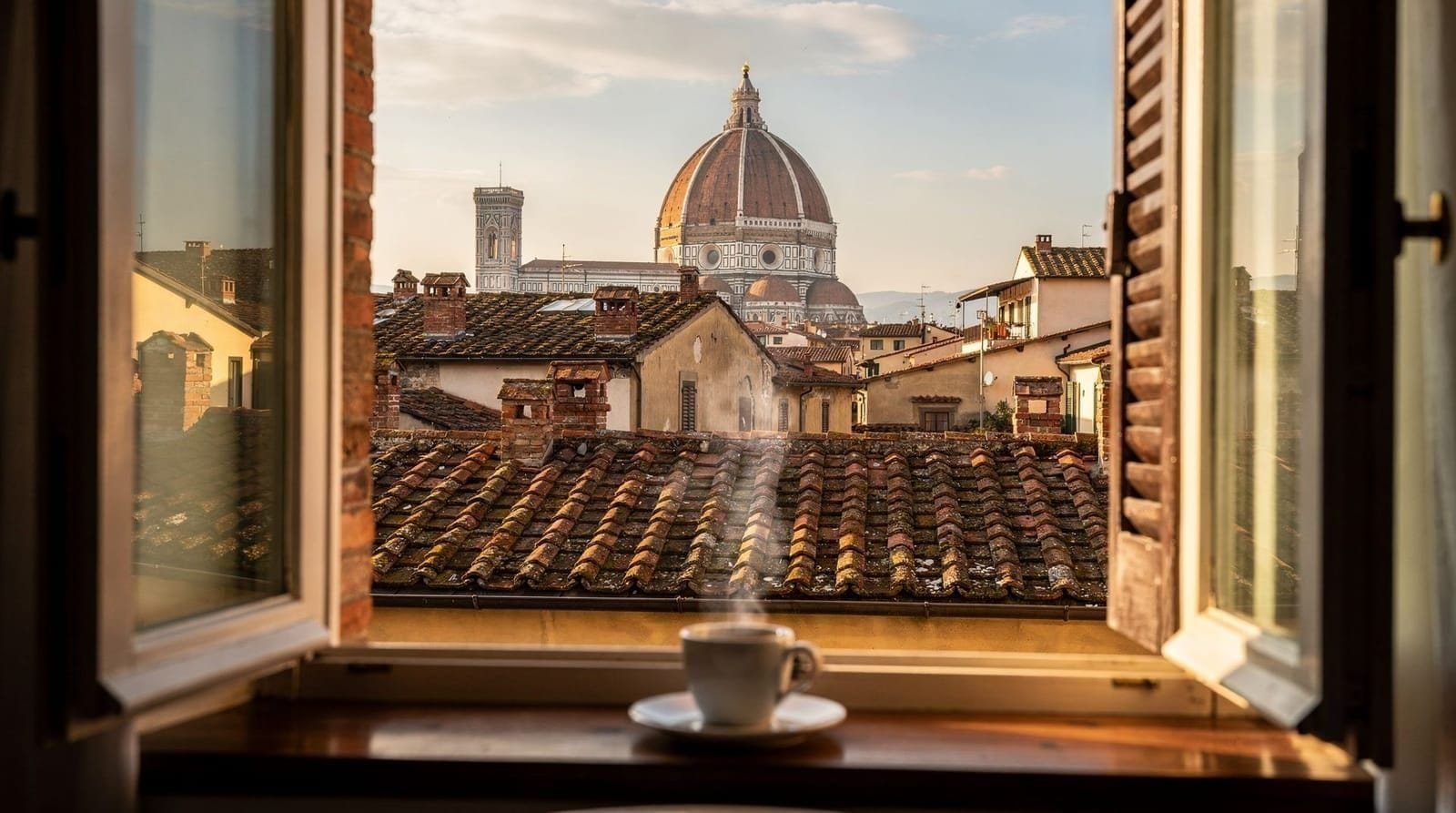
The piazzale is a large terrace carved into the hillside in 1869, during the period when Florence was briefly the capital of unified Italy. The architect Giuseppe Poggi wanted to create a monumental viewpoint accessible from the city; the result is the most famous view of Florence — the Arno, the Ponte Vecchio, the Cathedral dome, the Palazzo Vecchio tower, the hills of Fiesole behind.
A bronze copy of Michelangelo’s David stands in the centre of the piazzale (there is also a copy of Michelangelo’s four Allegories from the Medici Chapels). The originals are at the Accademia and San Lorenzo respectively.
Best time to visit: Sunset. The light on the Arno and the Duomo changes every minute between about 6 pm and 8 pm (in summer; earlier in winter). The piazzale fills with people watching the sunset; it is a genuine Florentine social occasion rather than a purely tourist event.
Practical note: The piazzale itself can be crowded at sunset in peak season. For a slightly quieter experience, climb another 10 minutes to San Miniato al Monte — the view is equally good and the company is smaller.
San Miniato al Monte: the great Romanesque church
Above Piazzale Michelangelo, on the hilltop, stands the Basilica of San Miniato al Monte — one of the finest Romanesque churches in Italy and one of the most important buildings in Florentine history.
The church was built between the 11th and 13th centuries on the site of a shrine to San Miniato (Minias), an Armenian martyr who died in Florence around 250 AD. The facade is the defining image of Florentine Romanesque: white and green marble in geometric patterns, with a golden eagle (symbol of the Calimala guild, which funded the church) on the apex.
The interior is equally remarkable: a 13th-century mosaic floor in marble intarsia with zodiac symbols and animals; a Romanesque apse with a 13th-century golden mosaic of Christ between the Virgin and San Miniato; the Cappella del Cardinale del Portogallo (1459–1466), a Renaissance funerary chapel of extraordinary refinement designed by Antonio Manetti with glazed terracottas by Luca della Robbia.
The crypt contains the original saint’s relics and 11th-century columns. Benedictine monks have been here continuously since the 11th century; if you visit during the late afternoon (vespers are typically at 5:30 pm), you can hear Gregorian chant.
Practical details: Free entry; open daily from about 9:30 am. Closing hours vary seasonally. No booking required. The views from the front terrace equal those from Piazzale Michelangelo without the crowds.
The Bardini Gardens: five minutes from San Niccolo
The Villa Bardini and its gardens (Costa San Giorgio 2) are the most undervisited significant attraction in the Oltrarno. The gardens occupy the hillside between the Boboli Gardens (west) and the hillside path to San Miniato (east), and were created in the early 17th century, falling into neglect and being restored only in the early 2000s.
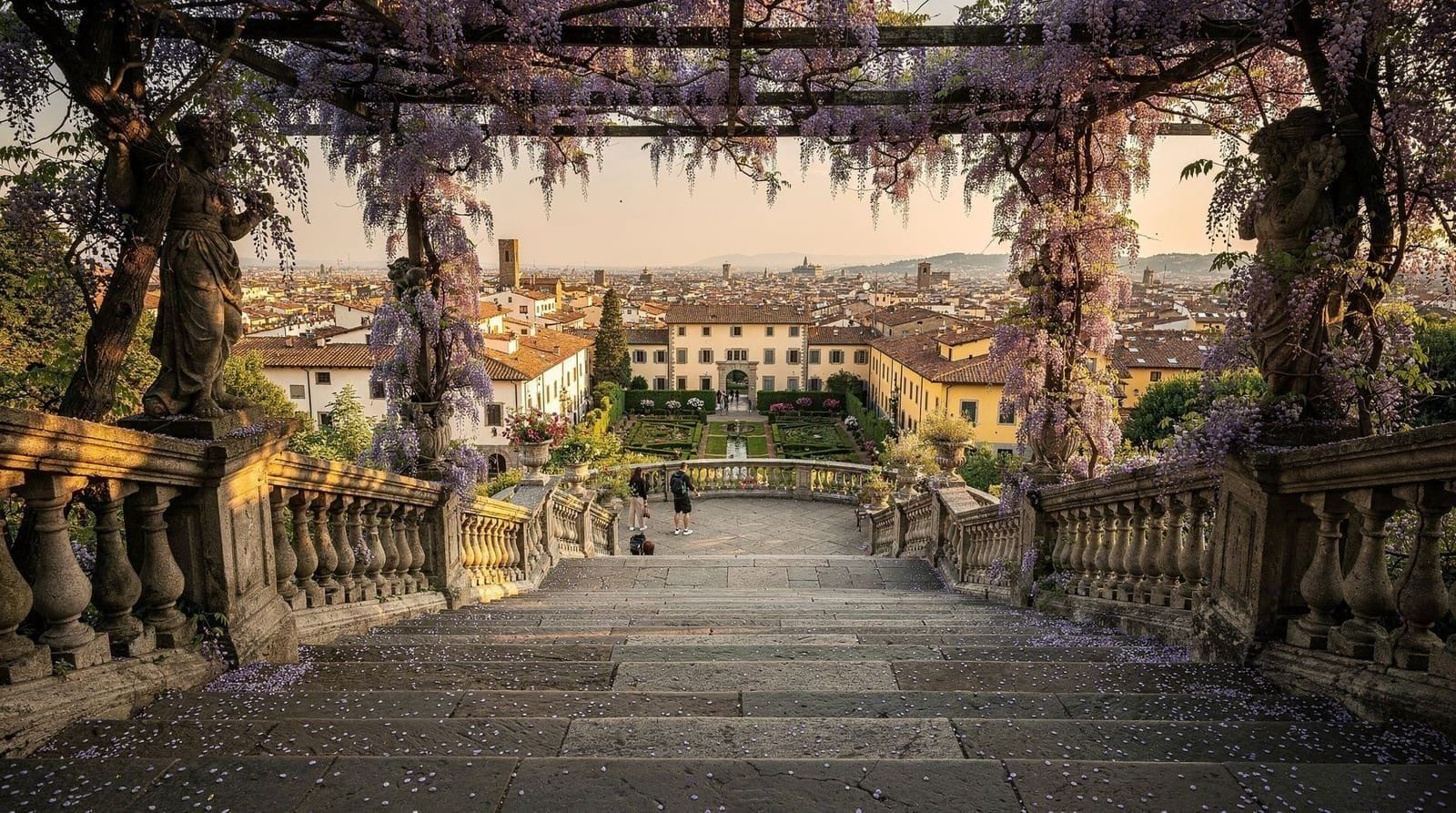
In contrast to Boboli’s formal geometry, the Bardini are more romantic and more varied: cascading wisteria in May, an English-style landscape garden in the upper section, formal baroque parterres on the lower terraces. The views from the upper terrace look directly over Florence toward the Duomo — among the best views available without the crowds of Piazzale Michelangelo.
The villa itself contains a small museum of antique decorative arts (the collection of Stefano Bardini, the 19th-century antique dealer) and an excellent cafe on the terrace that is worth visiting for coffee with a view.
Practical details: Closed Tuesdays; open otherwise approximately 8:15 am–6:30 pm. Entry approximately €10. Far less crowded than Boboli. Full guide: Bardini Gardens guide.
Eating and drinking in San Niccolo
San Niccolo has Florence’s best concentration of genuine local wine bars and some excellent neighbourhood trattorias.
Wine bars:
Bibo’s (Via San Miniato 2r) — the quintessential neighbourhood wine bar. Small, genuine, staffed by people who know the wine list well. Excellent by-the-glass selection with a focus on Tuscan producers; small plates to accompany. Arrive by 7 pm or face a wait.
Il Rifrullo (Via San Niccolo 55r) — slightly larger than Bibo’s, with a garden terrace in summer. Good aperitivo selection; comfortable for a longer evening.
Zoe (Via dei Renai 13r) — the most design-forward option in the neighbourhood, with creative cocktails and an Arno-facing terrace. Attracts a younger, more mixed crowd than Bibo’s.
Restaurants:
Trattoria da Ruggero (Via Senese 89r, just beyond the walls) — outside the tourist circuit, genuinely Florentine prices, excellent ribollita and secondi; the kind of place that has looked exactly the same since 1962 and is better for it.
Osteria del Cinghiale Bianco (Borgo San Jacopo 43r, between San Niccolo and Ponte Vecchio) — wild boar ragù, pappardelle, honest Tuscan cooking at fair prices; one of the better mid-range restaurants in the Oltrarno.
Accommodation in San Niccolo
The neighbourhood has limited accommodation options compared to the Centro Storico or even the Santo Spirito area, which contributes to its quiet character.
Hotel Silla (Via dei Renai 5) — the neighbourhood’s main hotel; a traditional 3-star property in a palazzo with a pleasant courtyard garden. Rooms are not large but are well-maintained; €110–180. The courtyard makes it particularly good in spring.
For apartments: the neighbourhood has several well-managed apartment rentals, particularly on Via dei Renai and Via San Niccolo. For a week-long stay, a San Niccolo apartment is one of the best bases in Florence.
See also where to stay in Florence and Oltrarno neighborhood guide for context.
A realistic evening in San Niccolo
The neighbourhood is best experienced as an evening plan rather than a checklist of sights, since most of what makes it worthwhile happens after the day-trip crowds thin out. A sensible sequence starts around 5pm with the hillside walk up through the Porta San Niccolo gate to Piazzale Michelangelo and on to San Miniato al Monte in time for vespers around 17:00-17:30, arriving back down at the base of the hill as the light starts to go gold. From there, a stop at Bibo’s or Il Rifrullo for an aperitivo around 7pm lets the neighbourhood’s wine-bar culture do the rest of the work — order a glass of something Tuscan and let the small plates that come with it substitute for a starter. Dinner afterward at Osteria del Cinghiale Bianco or, for a longer walk and lower prices, Trattoria da Ruggero just beyond the walls, rounds out an evening that covers the view, the wine and the food without once entering the tourist-menu zone around the Duomo or Ponte Vecchio.
San Niccolo versus Santo Spirito, at a glance
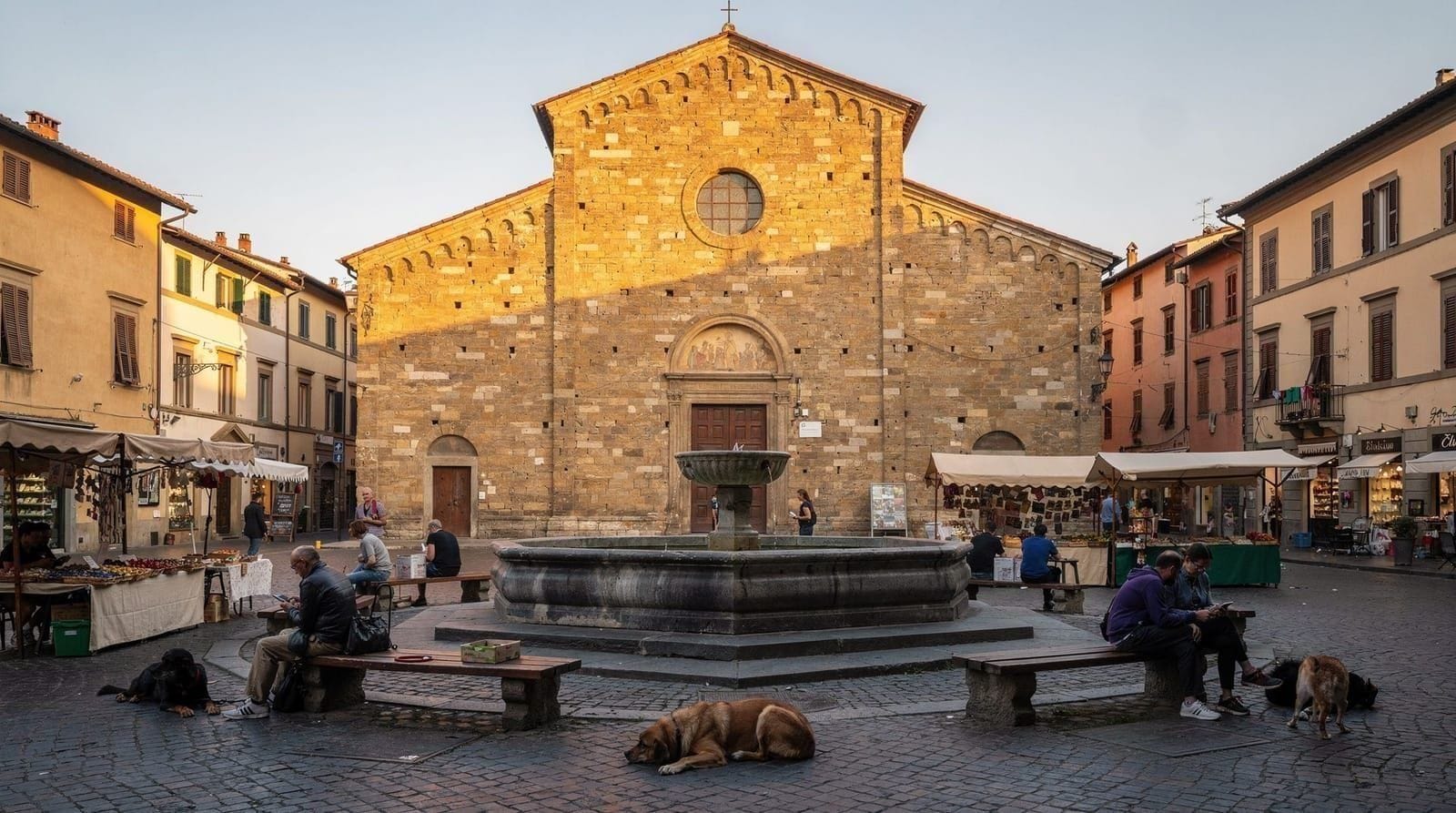
Both neighbourhoods sit in the Oltrarno and both get recommended to visitors who want “the real Florence,” but they suit different travellers.
| San Niccolo | Santo Spirito | |
|---|---|---|
| Character | quiet, residential, hillside | livelier, market square, more central |
| Best for | wine bars, evening quiet, the hillside walk | daytime market, wider restaurant choice |
| Crowds | consistently low | moderate, busier on market days |
| Distance from Ponte Vecchio | 15 minutes | 5-10 minutes |
| Accommodation | limited, mostly apartments | more hotel choice |
Neither is objectively better — see the Santo Spirito guide for the full comparison and pick based on whether you want a quieter base with better wine or a livelier one with more daytime activity.
Walking routes from San Niccolo
The essential hillside walk: From Via dei Renai, through the Porta San Niccolo watchtower, up the steps to Piazzale Michelangelo (15–20 min), then continuing up to San Miniato al Monte (another 10 min). Total: 30 minutes of uphill walking, returning by the same route or by the road (Viale Galileo Galilei, which makes for a longer but less steep descent). This is one of the best walks in Florence.
To the Bardini Gardens: From Piazza dei Mozzi (east end of Via dei Renai), take the Costa San Giorgio road uphill for 10 minutes to the Villa Bardini entrance.
To Santo Spirito: 15 minutes west along Via dei Bardi and Lungarno Torrigiani.
To Ponte Vecchio and the north bank: 15 minutes northwest along the Lungarno.
Frequently asked questions about San Niccolo
Is San Niccolo suitable for visitors who don’t want to climb hills?
Partially. The neighbourhood itself — the streets around Via dei Renai and the lower part of Via San Niccolo — is relatively flat. The hillside walk to Piazzale Michelangelo and San Miniato involves significant climbing and is not suitable for those with limited mobility. The Bardini Gardens, which start further up the hillside, are also hilly. For visitors who cannot climb, the neighbourhood wine bars and restaurants are still fully accessible.
What is the difference between San Niccolo and Santo Spirito?
Both are in the Oltrarno, but they have distinct characters. Santo Spirito is more central, more active, has the morning market and a piazza with a busy social life. San Niccolo is further east, quieter, more residential, and more closely associated with the hillside and the medieval walls. San Niccolo has the better wine bars; Santo Spirito has more restaurants and more daytime activity. See Santo Spirito guide for the comparison.
Can I hear Gregorian chant in Florence?
Yes, at San Miniato al Monte. The Benedictine community holds vespers (evening prayers with Gregorian chant) daily at approximately 5:30 pm. The service is open to visitors; sitting quietly in the back of the church during vespers is one of the more unexpected experiences available in tourist Florence.
Is there a market in San Niccolo?
There is no regular outdoor market in San Niccolo itself, though the Mercato di Sant’Ambrogio (Piazza Sant’Ambrogio, a 20-minute walk east) is one of Florence’s most authentic food markets. The Porta Romana antique market, slightly further south along Via Senese, operates on the third Sunday of the month.
Top experiences
Bookable activities with verified prices and instant confirmation on GetYourGuide.