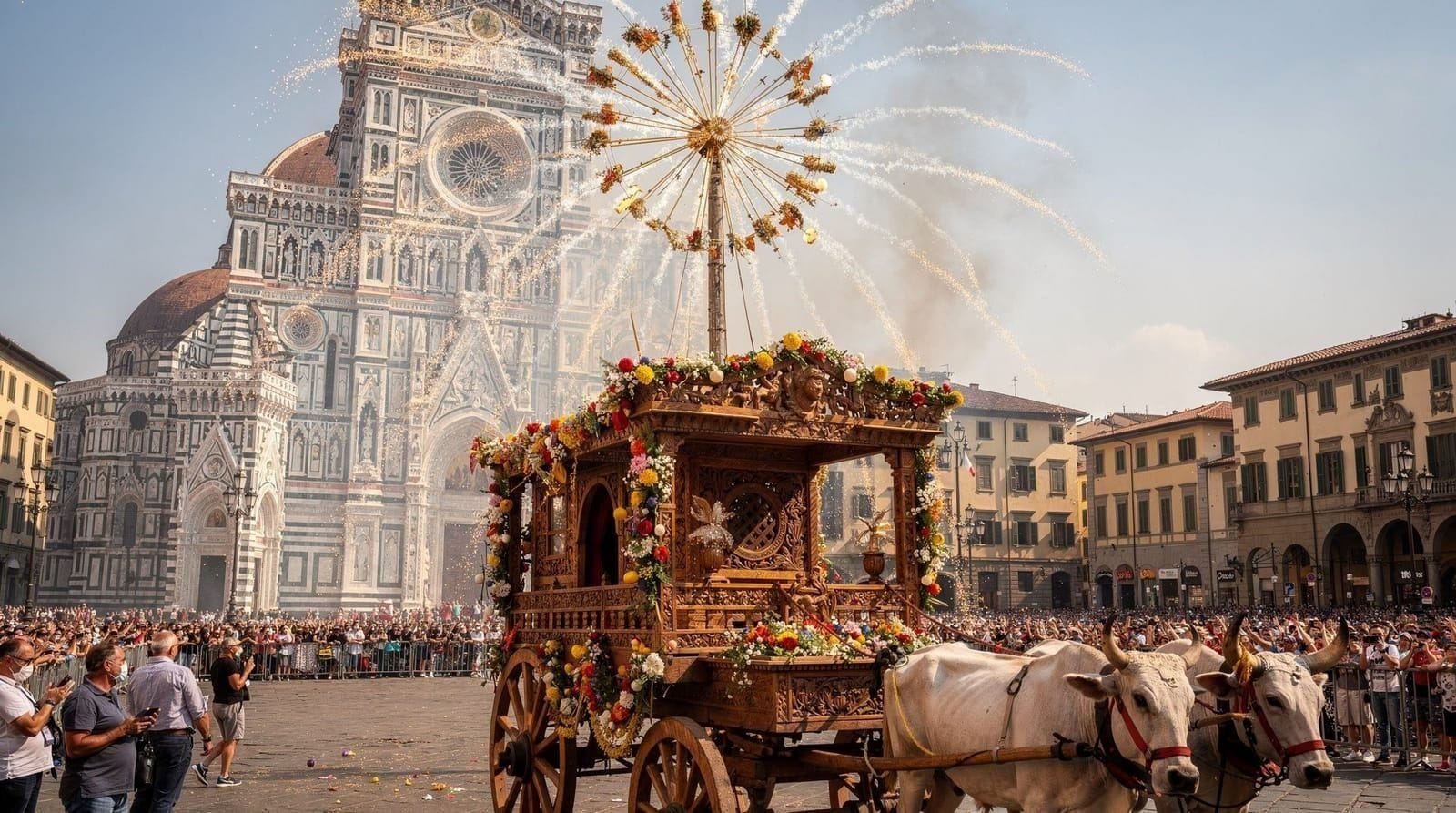
Florence in summer
Florence: walking tour
- Free cancellation
- Instant confirmation
Is summer a good time to visit Florence?
June is genuinely enjoyable if you plan around the heat. July and August are the hardest months: temperatures hit 30–35°C, queues are longest, and August brings local closures. If you must visit in summer, pre-book everything and schedule outdoor activity for early morning and evening.
The truth about summer in Florence
Florence in summer is not a disaster. It is demanding. There is a difference, and understanding it helps you prepare rather than be disappointed.
The city has been receiving summer visitors for five hundred years. The rhythm it developed — start early, rest midday, resume in the late afternoon, eat late, stay out until midnight — is not a tourist accommodation. It is how Florentines actually live from June through September. If you adopt it, summer becomes manageable and even beautiful in its specific way.
This guide covers all three summer months honestly, with specific advice for each.
| Weather | 18–33°C, hottest and most humid in July–August |
| Best summer month | June, especially the first two weeks |
| Booking window | 3–4 weeks ahead for the Uffizi by July |
| Signature event | Calcio Storico and Feast of San Giovanni, June 24 |
| Heat strategy | Sightsee 8–11am and after 5pm; rest midday |
June: the best summer month
Weather: 18–28°C. The first half of June is often described by regular visitors as the best time of the entire year. The evenings are warm and long — daylight until 9pm — and the heat has not yet become oppressive. The second half of June gets noticeably hotter.
Calcio Storico Fiorentino: Florence’s most distinctive local event takes place in June. This is medieval football played in Renaissance costume on a sand pitch laid in Piazza Santa Croce. There are four historical teams (Bianchi, Azzurri, Rossi, Verdi) representing the four historic quarters of Florence, and the matches are played with a mix of football, wrestling, and combat that is closer to a medieval melee than any modern sport. Matches typically take place on June 24 (the feast of San Giovanni, Florence’s patron saint) and two preceding Saturdays. Getting tickets requires planning — check the official city calendar and book as soon as they go on sale.
June 24 — Feast of San Giovanni: public holiday in Florence. Banks, government offices, and some shops close. The day includes a procession, the Calcio Storico final, and a fireworks display over the Arno at 10pm, visible from the Piazzale Michelangelo, Ponte alle Grazie, and the Lungarni. This is worth staying for if you are in the city.
Crowds: June is busy but not the worst it gets. If you have any flexibility, the first two weeks of June are significantly more comfortable than late June through August.
July: full peak season
Weather: 21–32°C, sometimes higher. Humidity sits around 60–70% and makes the actual perceived temperature higher. The narrow medieval streets of the historic centre do not see direct breeze from mid-morning onwards.
What works well: evenings. Florence from 7pm to midnight in July is a different city from the same place at 2pm. The Lungarno Corsini and Lungarno Acciaiuoli flood with strollers. Restaurants fill. The ice cream is better at night (longer queues at the best places, but shorter waits at artisanal gelaterie that require you to identify real gelato from the tourist traps — look for dull colours, covered containers, and names like Gelateria dei Neri or Carabè).
Early mornings: the Uffizi opens at 9am. For the first hour and a half of the day, especially Tuesday through Thursday, the famous Botticelli rooms are navigable. This is the most important practical advice for summer museum visits.
Day trip logistics: avoid driving into Florence (ZTL fines of €80–335 await). Siena by air-conditioned bus from the terminal beside Santa Maria Novella takes 90 minutes and costs around €7. The Palio di Siena on July 2 is one of the most visceral events in all of Italy — a bareback horse race around the medieval Piazza del Campo. The city fills weeks before the race; if you are attending, book a hotel in Siena itself months in advance.
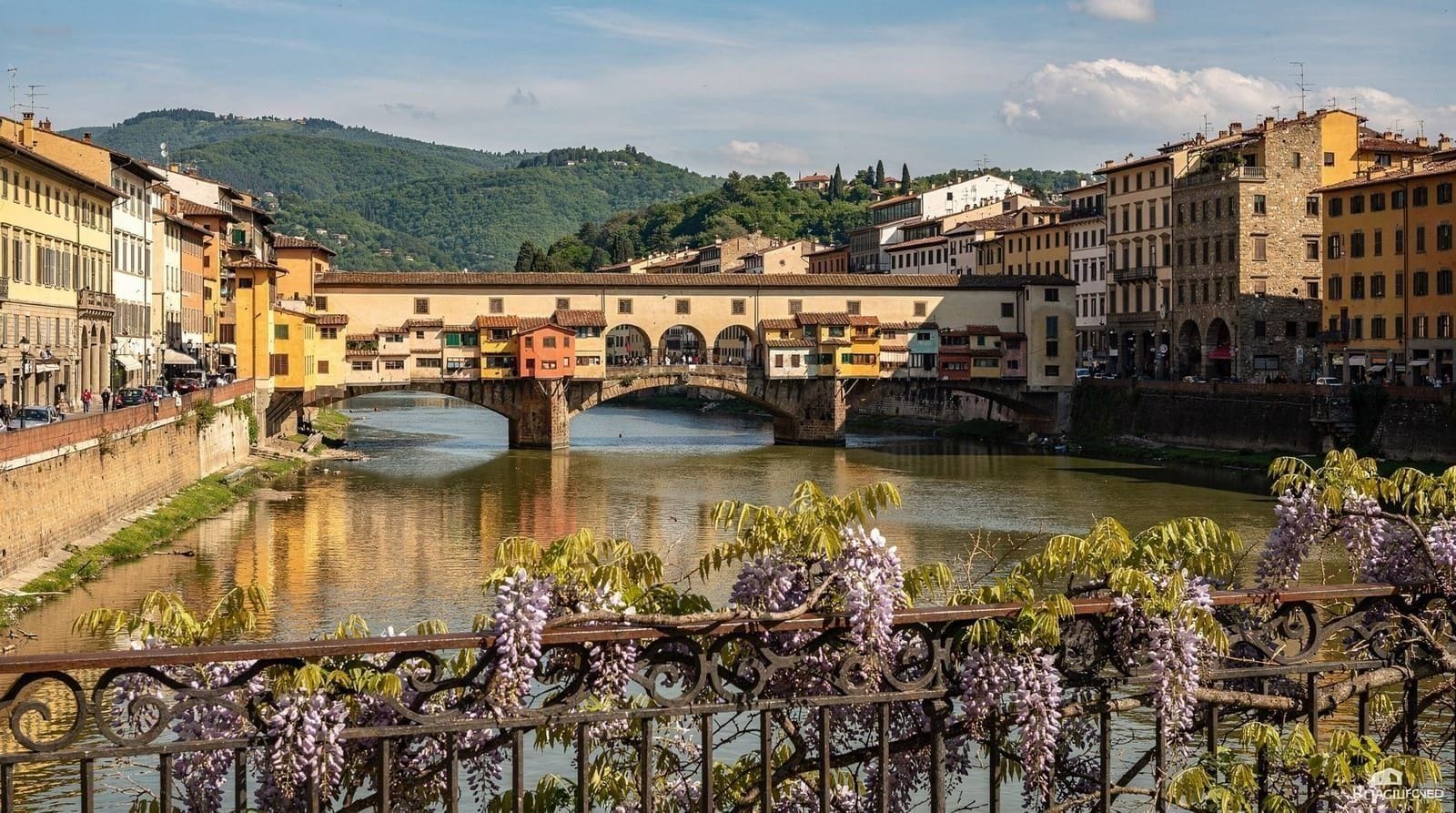
Crowds at attractions: July is when you discover that Florence has a capacity problem. Ponte Vecchio at 11am in July involves physical shoulder contact for the entire crossing. Piazza del Duomo can be difficult to cross at midday. The Uffizi without a timed entry ticket is a two to three hour queue in direct sun. Book everything.
August: the complicated month
Weather: same as July — 21–32°C — but the character of the city changes.
See the dedicated Florence in August guide for full detail. The key points:
Closures: from roughly August 8–20, a significant portion of Florentine-owned establishments close. This includes neighbourhood restaurants, some wine bars, artisan workshops, and even some smaller shops. What remains open targets tourists, and quality often drops accordingly. This is not unique to Florence — it is how all of Italy operates during Ferragosto (August 15 and the surrounding week).
Opportunities: the closures create a paradox. The tourists who visit Florence in August are mostly staying several nights and exploring independently, rather than arriving on coaches for the day. The mass day-tripper traffic is lower in August than in July, which means Ponte Vecchio at 7am in August can feel emptier than Ponte Vecchio in June.
Hotels: prices remain high in early August, but some hotels discount significantly in the last ten days of August when European summer holidays end and the demand falls sharply. If you can stay flexible on dates, August 22–31 occasionally offers good value.
Summer temperature comparison
| Month | Min (°C) | Max (°C) | Avg humidity | Feeling at midday |
|---|---|---|---|---|
| June | 14 | 28 | 65% | Warm, manageable |
| July | 18 | 33 | 68% | Hot, demanding |
| August | 18 | 33 | 65% | Hot; local closures |
Practical heat strategies
Water: Florence has over 1,000 nasoni — small iron drinking fountains — across the city, dispensing cold, clean water. Carry a refillable bottle. The water is completely safe to drink and genuinely cold from the fountains in the hills.
Siesta strategy: accept that 12:30pm to 4pm is not prime sightseeing time in July and August. Use these hours for lunch (Florentine trattorias typically serve from 12:30 to 2:30), a rest, or indoor experiences. The Bargello, Museo dell’Opera del Duomo, and the Uffizi itself are excellent air-conditioned refuges for the afternoon.
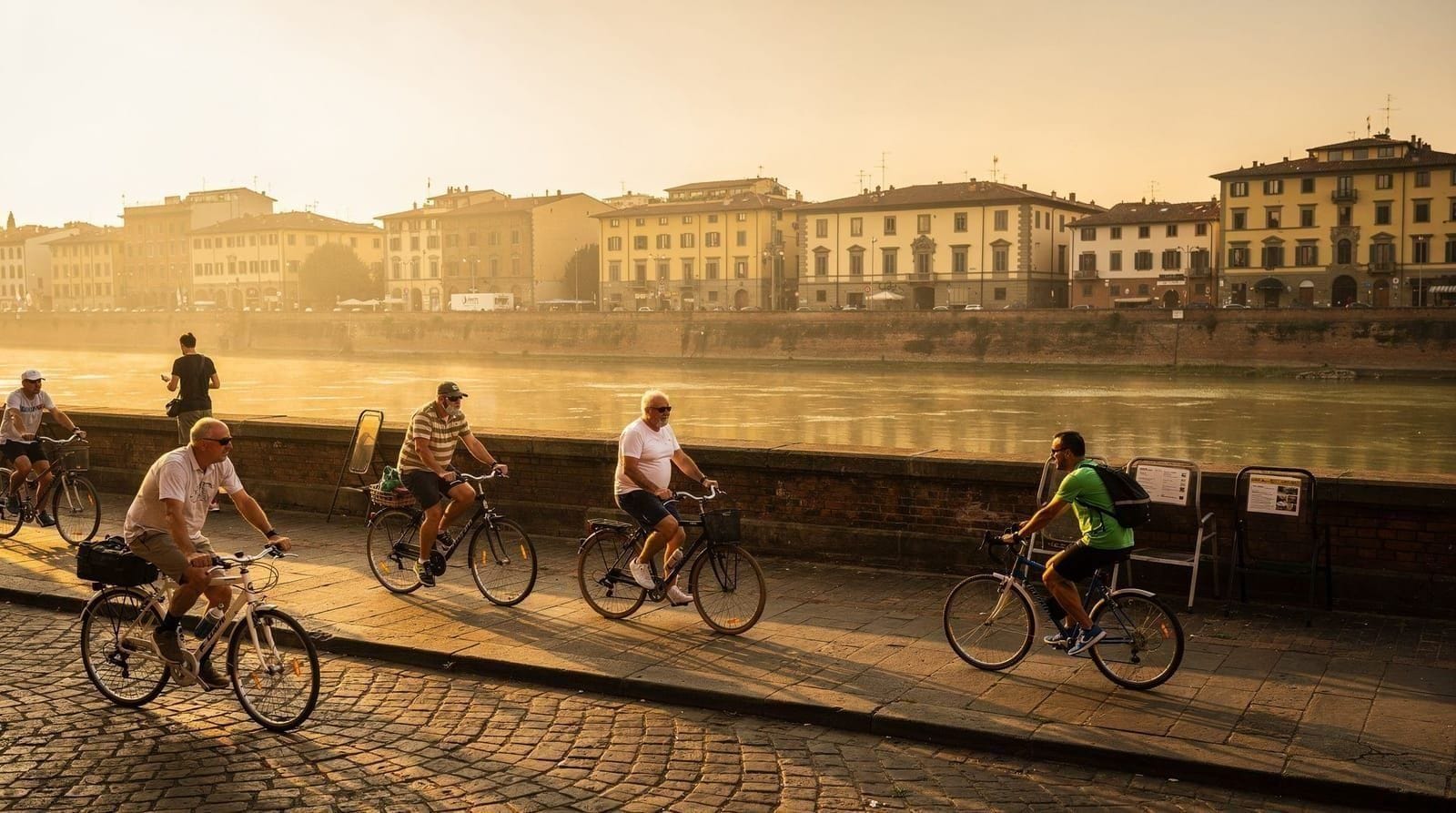
Evening activities: the electric bike night tours and river cruises on the Arno are legitimate summer pleasures. The river cruise past the Ponte Vecchio and Ponte Santa Trinita at dusk is one of the quieter, cooler ways to experience the city. The electric bike tour with gelato stop operates specifically in summer and makes use of the pleasant evening temperatures.
Dress code reality: churches require covered shoulders and knees. In summer, this means your visit to Santa Maria Novella or Santa Croce involves momentarily covering up. Keep a light scarf or sarong in your bag. The “disposable coverup” sold at stalls near the Duomo for €2 is exactly what it looks like.
Summer museum planning
Book in advance — the non-negotiable list:
- Uffizi: 3–4 weeks in advance for July and August
- Accademia: 2–3 weeks in advance
- Duomo dome climb: 1–2 weeks in advance (slots sell out for popular morning times)
Don’t book in advance for:
- Bargello (queues are manageable in summer)
- Boboli Gardens (just buy on arrival)
- Most church visits (free and walk-in, though donations appreciated)
Audio guides vs. guided tours: in summer, a guided tour of the Uffizi or Accademia is worth the premium specifically because your guide will navigate the crowd flow, pause at the right moments, and explain what you are looking at without you having to fight for position. Small group tours (maximum 8–10 people) make the most difference in the crowded summer rooms.
What summer in Florence does well
Despite the valid warnings, summer Florence has genuine advantages:
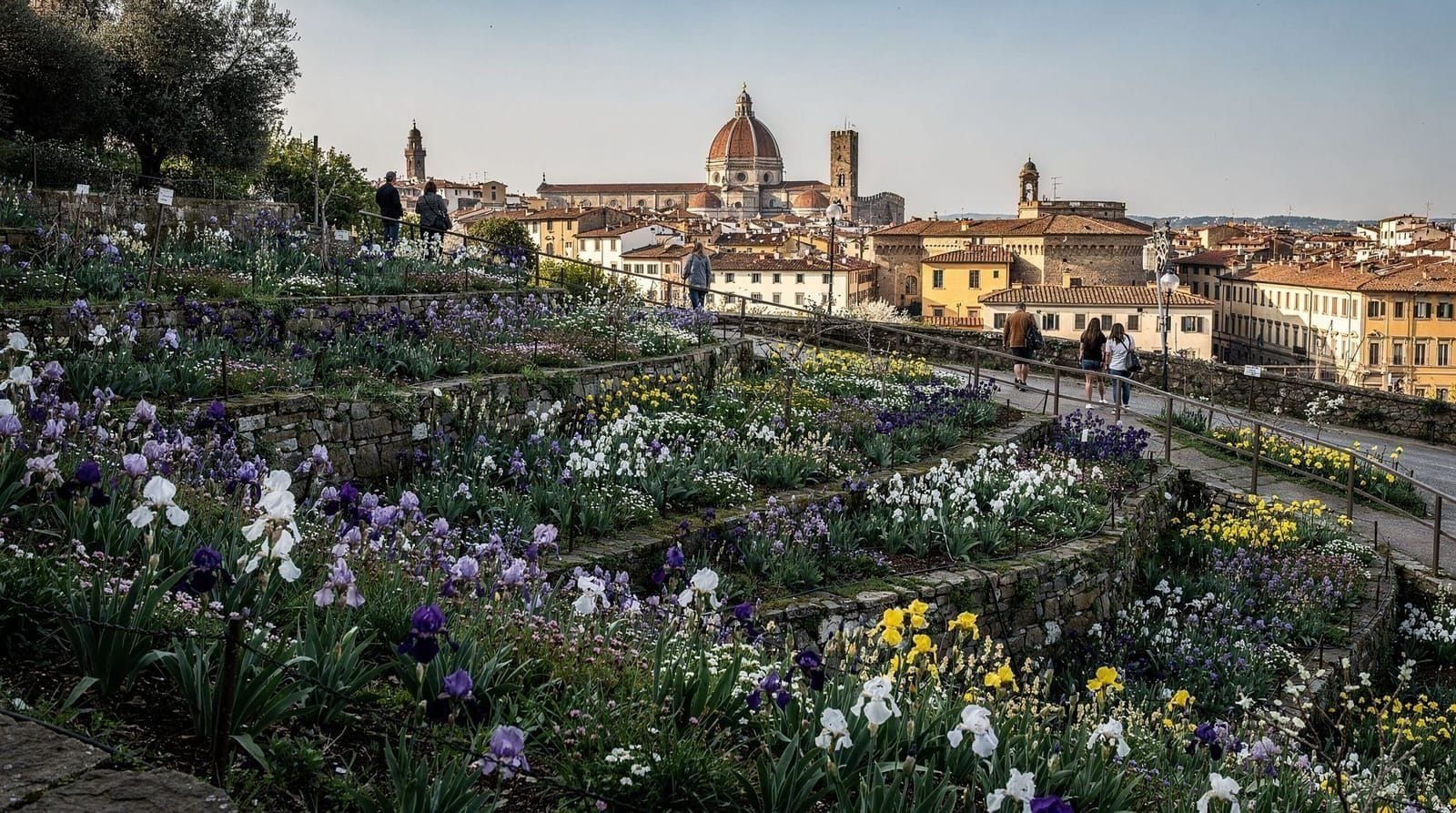
- Long evenings: nine to ten hours of usable daylight is extraordinary. You can do a museum in the morning, rest at noon, spend the late afternoon at Piazzale Michelangelo watching the light change, and then have dinner that runs until midnight.
- The Arno at sunset: the light on the river in late July and August, around 8:30–9pm, is the most photographed version of Florence for a reason.
- Outdoor dining: rooftop aperitivo, courtyard restaurants, pavement tables — all of these work in ways they cannot in November.
- Day trips by car: the Chianti countryside in summer is green and vine-covered. If you avoid driving into Florence itself (use the park-and-ride at Villa Costanza and take the tram into the centre), having a car for Tuscany day trips is perfectly practical.
What to prioritise in summer
Structure summer days around the heat rather than against it. Book the Uffizi or Accademia for the first entry slot, use the midday hours for lunch and a rest, and save the Duomo dome climb for early morning when the stairwell hasn’t yet heated up. Evenings are summer Florence’s best asset — a sunset at Piazzale Michelangelo followed by dinner in the Oltrarno captures the city at its most pleasant, and an evening Arno cruise offers a cooler alternative to walking.
Summer nights versus summer days
The gap between Florence’s daytime and nighttime experience is wider in summer than in any other season. A 2pm July afternoon and a 9pm July evening can feel like entirely different cities — one a test of endurance, the other one of Florence’s most genuinely pleasant states. Building a summer itinerary that leans into this contrast, rather than trying to force a normal all-day pace, is the single biggest adjustment that makes a summer trip work.
Comparing June, July, and August
The three summer months are meaningfully different. June, especially its first half, is genuinely one of the best months of the year — warm but not yet punishing, with long daylight and the Calcio Storico spectacle. July is full peak season with the longest queues of the year. August adds Ferragosto closures on top of July’s heat, though the very last week eases considerably — see the dedicated Florence in August guide for that month’s specifics. If your dates are flexible within the June–August window, front-load your trip toward June.
Frequently asked questions about Florence in summer
Is it safe to drink tap water in Florence?
Yes. Florence’s tap water and the water from the public fontanelle is clean, tested, and cold. Do not waste money on bottled water unless you specifically prefer still or sparkling mineral water with meals.
What time do shops open in summer?
Many shops close from 1pm to 4pm during summer and reopen until 7:30 or 8pm. Supermarkets and the Mercato Centrale tend to maintain longer hours. Sunday afternoon closures are common.
Can I visit the Uffizi without booking in July?
Technically yes. Practically, it means joining a queue that will likely take two to three hours in temperatures of 30°C or higher. The marginal cost saving (you avoid the booking fee of around €4–5) is not worth it. Book in advance.
Where is the best gelato in Florence?
At places where the gelato is stored in covered metal containers (not piled high in colourful mounds), the colours are natural and muted, and the flavours focus on seasonal produce. Gelateria dei Neri (Via dei Neri), Carabè (Via Ricasoli), and Brac (Via dei Vagellai) are all significantly better than the tourist-facing options near the Duomo. Summer is genuinely the best season for pistachio, fig, and melon flavours.
Are there good free activities in Florence in summer?
Yes. The evening passegiata along the Lungarno costs nothing. Sunset from Piazzale Michelangelo is free (though the journey is uphill). The Cascine park west of the centre, Florence’s largest green space, is where locals go on summer weekends. Many church interiors are free and air-conditioned. The first Sunday of each month, national museums are free — though queues in summer make this a mixed proposition.
Top experiences
Bookable activities with verified prices and instant confirmation on GetYourGuide.

Florence: Uffizi Gallery skip-the-line tickets
- Skip the line
- Free cancellation
Florence: Accademia Gallery — David skip-the-line ticket
- Skip the line
- Instant confirmation
Florence: electric bike night tour with gelato
- Free cancellation
- Small group
Florence: walking tour
- Free cancellation
- Instant confirmation