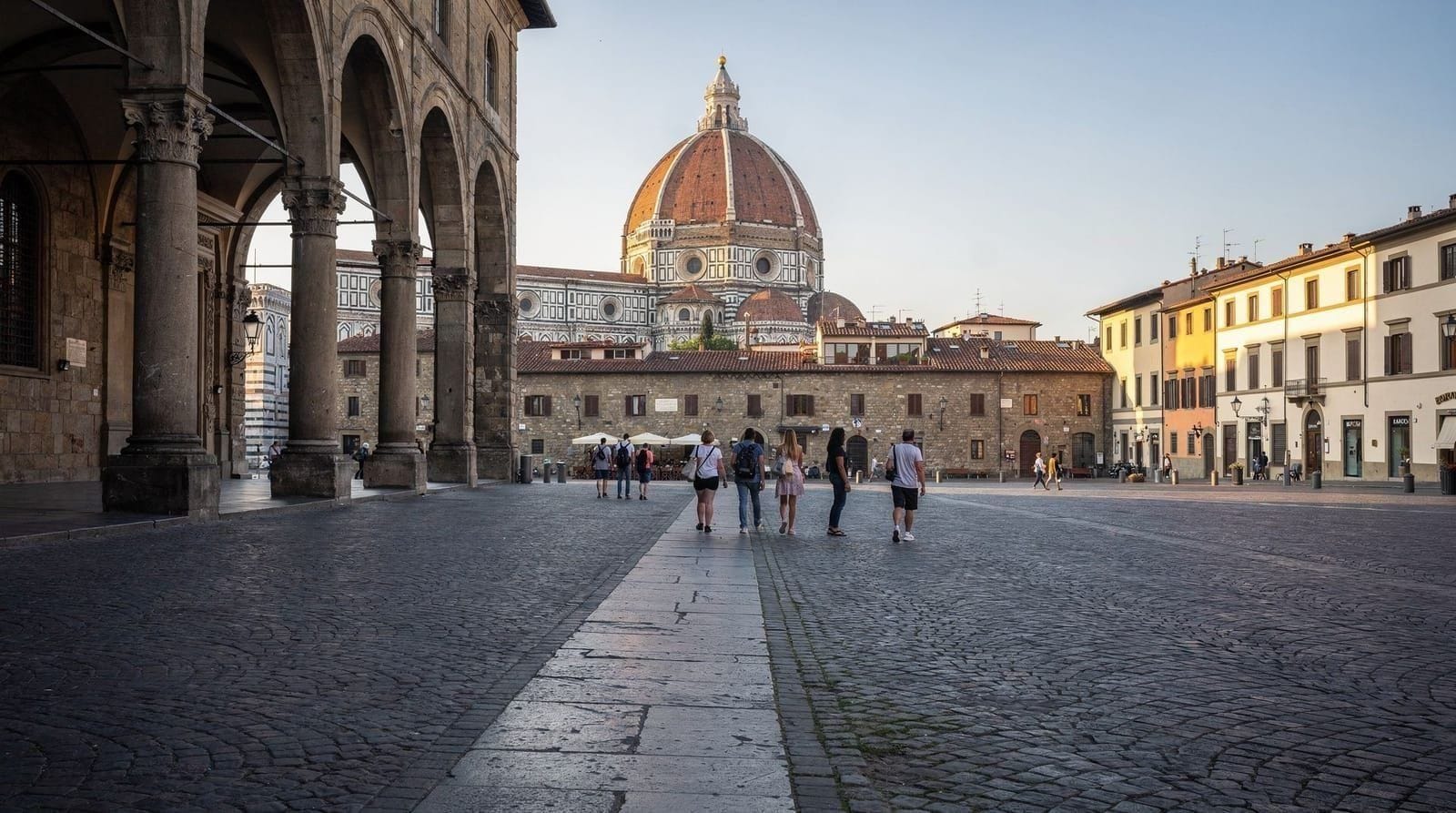
Florence travel tips — what to know before you go
Florence: walking tour
- Free cancellation
- Instant confirmation
What do I need to know before visiting Florence?
Book Uffizi and Accademia tickets before you travel — queues without reservations can be 2–3 hours. Never drive into the ZTL zone (€80–335 fines). Eat away from the Duomo and Ponte Vecchio for honest food at honest prices. And start museum visits at opening time to beat the groups.
The things Florence doesn’t tell you until you are already there
Florence rewards preparation. The difference between a visitor who pre-booked, knows the ZTL rules, eats where locals eat, and times their museum visits — and a visitor who arrives unprepared — is the difference between a magical trip and an expensive, frustrating one.
These tips come from the realities on the ground, not travel-brochure optimism.
| Book first | Uffizi and Accademia tickets, before your hotel |
| Never do | Drive a rental car into the ZTL — fines €80–335 |
| Eat rule | Walk two streets from any monument |
| Best museum window | First 30–45 minutes after opening |
| Shoes | Comfortable, flat — cobblestones are unforgiving |
For a broader planning framework beyond these tips, see how many days in Florence and first time in Florence.
Before you travel: the booking rules
Book the Uffizi and Accademia before you book your hotel
This is not hyperbole. During April–September, timed-entry slots for the Uffizi fill weeks in advance. The Accademia is slightly less pressured but still books out. Both museums operate timed entry — you cannot simply buy a ticket and walk in whenever you like.
Book online via the official websites (coopculture.it for Uffizi, firenzemusei.it for Accademia) as soon as your travel dates are confirmed. A €4 booking fee applies per reservation. Skip-the-line guided tour options exist too if you want expert context included.
The Duomo dome requires advance booking too
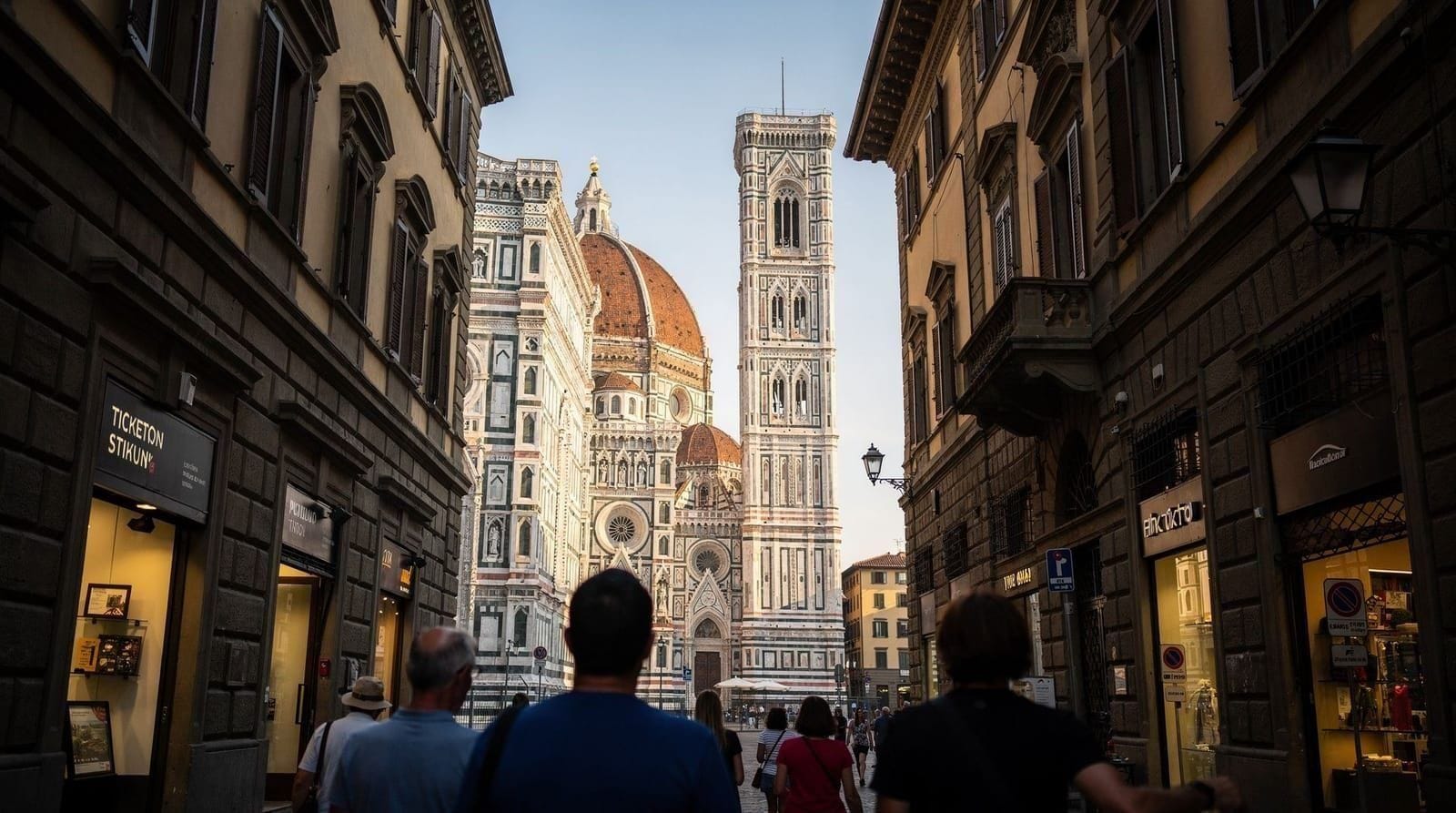
You cannot buy a walk-in ticket for Brunelleschi’s Dome on the same day — or rather, you can buy online up to a few hours before, but popular time slots are sold well in advance. The 3-day Duomo complex pass (€18) covers the dome, Baptistery, Giotto’s Bell Tower, and the Opera del Duomo Museum. This is the best-value way to see the whole complex. See the Duomo complex guide for details on what each element involves.
Museum closures to know before you plan
Several Florence museums close on Mondays — a fact that has derailed many carefully planned itineraries:
- Uffizi: closed Monday
- Accademia: closed Monday
- Bargello: closed Monday and some Sundays
- Medici Chapels: closed Monday and first, third, fifth Sundays
- San Marco Museum: closed Monday
Some museums also close for August, local festivals, and maintenance. Always check the official website for the specific day of your visit.
Navigating the city: ZTL, trams, and cobblestones
The ZTL is not a suggestion
Florence’s historic centre has automatic cameras monitoring all ZTL entry points. If you drive a rental car into the restricted zone without authorisation, the cameras photograph your plate. You receive a fine weeks later, often forwarded by your rental company with an admin fee on top. Total cost: €80–335 plus the rental company’s processing charge.
The ZTL operates broadly:
- Red zone (inner centre): Monday–Saturday, 7:30am–8pm
- O zone (Oltrarno): Monday–Saturday, 7:30am–4pm
Your hotel may be in the ZTL and can register your plate for exempt access — but you must arrange this in advance and cannot drive freely otherwise. The simplest rule: do not drive in Florence’s historic centre. Park at a peripheral car park (P in Piazzale Michelangelo, Campo di Marte, Fortezza da Basso) and walk or take the tram.
Tram T2 from the airport is excellent
FLR Airport (Florence Peretola) has a direct tram line (T2) to Santa Maria Novella train station in the city centre. Journey time: 18 minutes. Cost: €1.70. Buy the ticket at the tram stop machine before boarding. This beats a taxi (€25–35) for efficiency and cost, especially with luggage.
The cobblestones are rough
San pietrino (the small rounded cobblestones covering much of the historic centre) are beautiful to look at and brutal on wheeled luggage, shoes with thin soles, and feet after a full day’s walking. Wear comfortable shoes with good support — not heels, not new shoes. Hard-shell roller suitcases are miserable to drag across cobblestones; a backpack or soft-sided bag is genuinely preferable.
Walking distances are longer than they look
The historic centre is compact but not flat. The walk from Piazza del Duomo to Piazzale Michelangelo involves a sustained uphill section. Boboli Gardens has significant inclines. Fiesole is a 20-minute bus ride followed by a walk. Plan for 20,000–25,000 steps per day of intensive sightseeing — your feet will know it by evening.
Food: how to eat well and not get ripped off
The rule of two streets
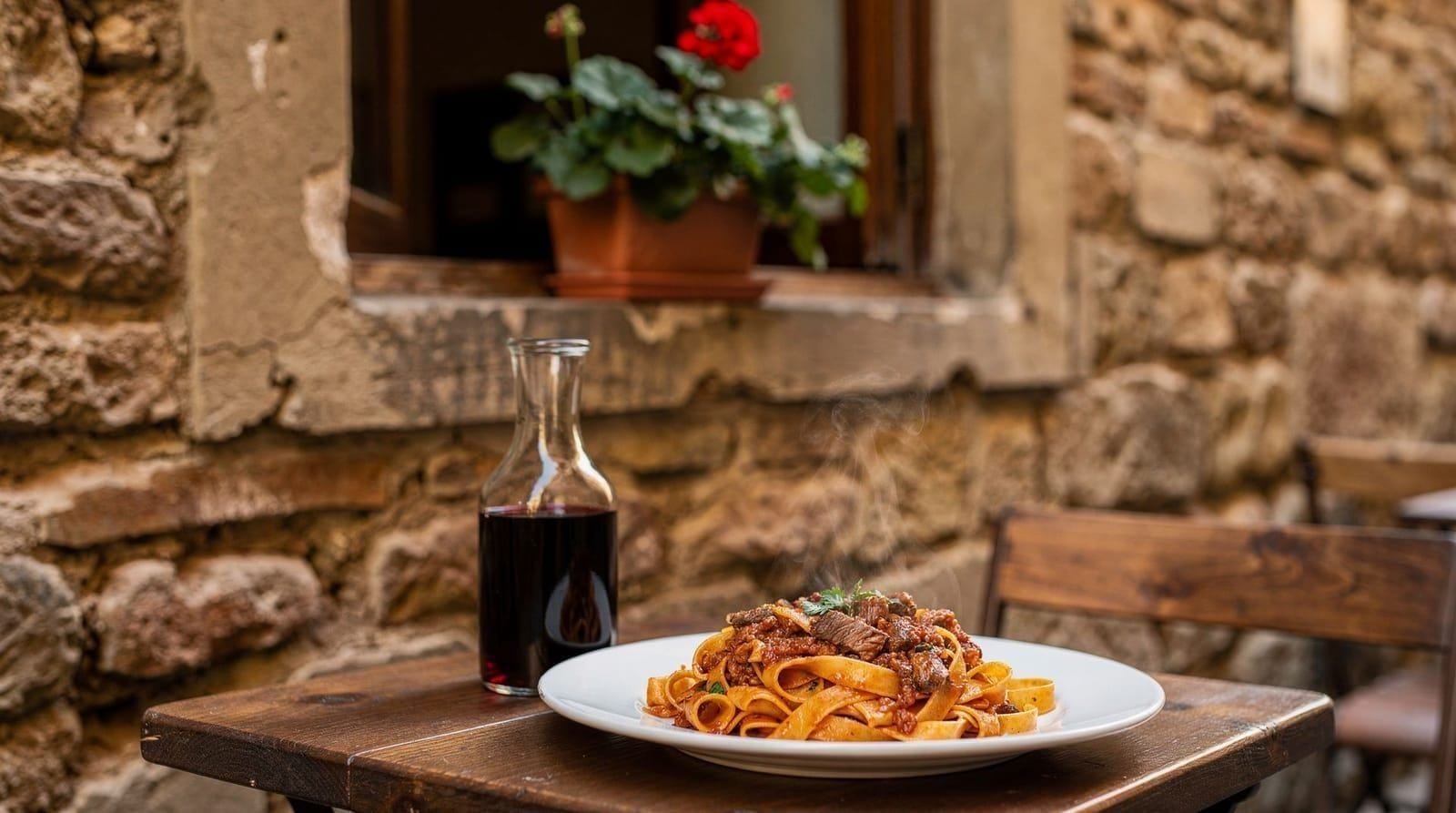
Almost every tourist trap in Florence is within one street of a major monument. Two streets away, prices normalise and quality improves. This applies to restaurants, cafés, and shops. A glass of house wine costs €4–6 at a neighbourhood trattoria on Via dei Servi; €9–12 at a table with a view of the Duomo.
Recognise real gelato
Authentic gelato is stored in metal containers with lids, not piled high in fluorescent mounds in open tubs. The colours are muted: pistachio is pale green-grey, not neon green; hazelnut is brown. Shops displaying giant mountains of photogenic gelato are primarily selling spectacle, not quality. Look for artisan gelaterie (the word “artigianale” is a good sign) where the gelato is kept in covered pots. Expect to pay €2.50–4 for a small cone.
Aperitivo is one of Florence’s great bargains
From about 6:00–9:00pm, many bars offer aperitivo: pay €7–10 for a drink (Negroni, Aperol Spritz, Campari soda) and help yourself to a buffet of small plates — olives, bruschetta, cured meats, cheeses. This can function as a filling early dinner for budget travellers, or an elegant pre-dinner tradition for everyone else. The Oltrarno neighbourhood has excellent aperitivo spots around Piazza Santo Spirito.
Markets are not all the same
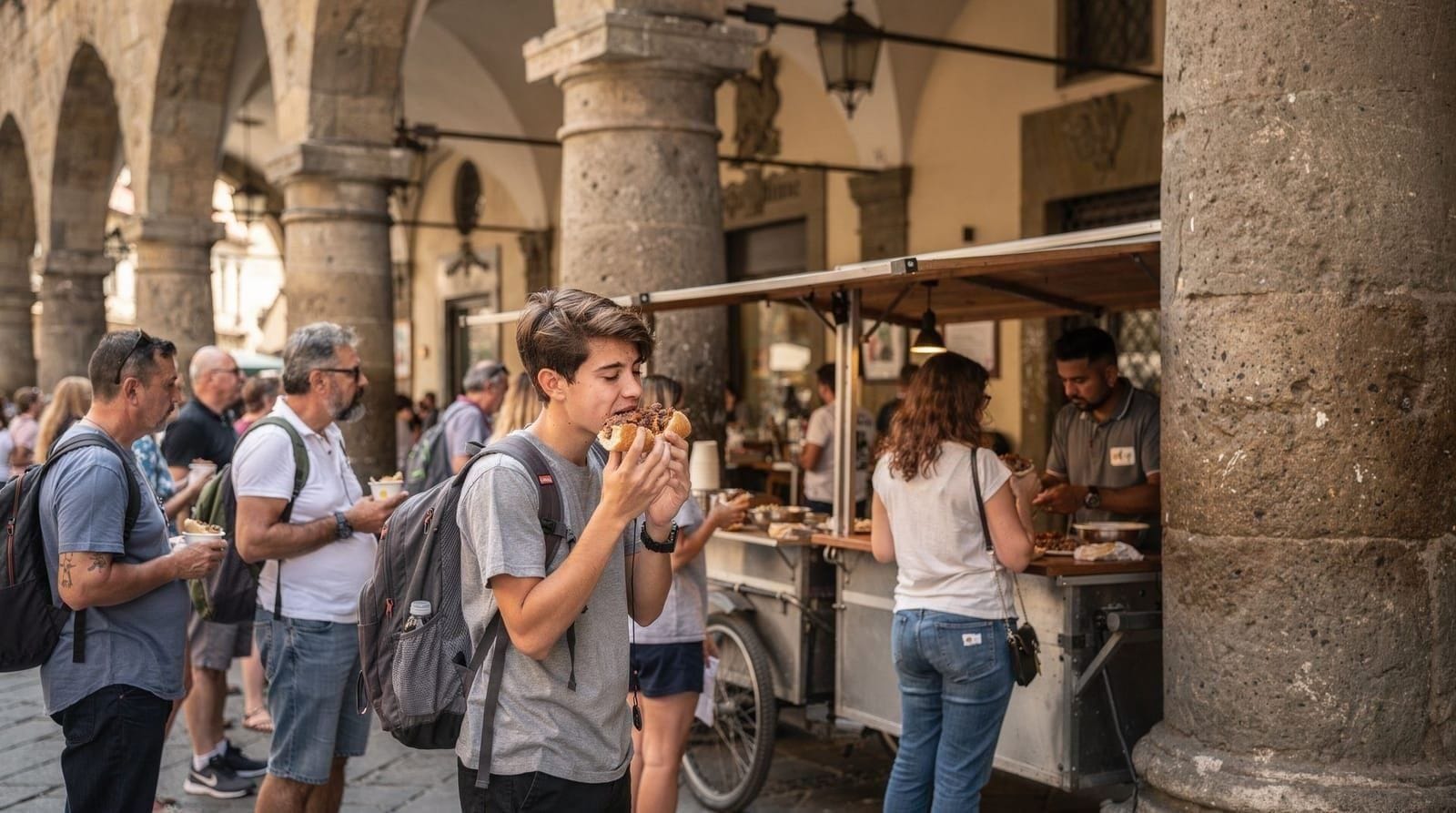
Mercato Centrale (the big covered market near San Lorenzo) has excellent food stalls on the ground floor — fresh pasta, cheese, meat, fruit — and a touristy but decent upstairs food hall. Good for a market breakfast or lunch.
Sant’Ambrogio Market is the more authentic daily market used by locals, less photographed, with fresher produce and lower prices. See the Sant’Ambrogio guide for what to buy and when to go.
San Lorenzo market (the outdoor leather market surrounding the covered Mercato Centrale) is almost entirely tourist-oriented. The leather goods are often not locally made despite the “made in Italy” labels — read the care tags. Genuine Florentine leather goods come from specific workshops in Santo Spirito and the Oltrarno, where artisans actually make the items in-house.
Budgeting realistically
Florence can be done cheaply or expensively, and most visitors land somewhere in between without quite meaning to. If you want a clear-eyed number to plan around rather than guessing, the Florence trip cost guide breaks down accommodation, food, museums and transport by budget tier, and the Florence on a budget guide has the specific tactics — free museum Sundays, market lunches, the right neighbourhoods — for keeping costs down without feeling like you’re missing out.
Museum and sightseeing tips
Arrive when museums open
The first 30–45 minutes after opening are significantly quieter than any other time of day. The Uffizi at 8:00am is a very different experience from the Uffizi at 11:00am, even with a timed-entry ticket. Early arrivals can stand in front of Botticelli’s Birth of Venus for a minute without strangers in the frame.
Don’t try to see everything in one museum
The Uffizi has 80+ rooms. Rushing through all of them in three hours leaves most visitors exhausted and remembering nothing. A better approach: spend two focused hours on the rooms you specifically want (rooms 10–14 for Botticelli and early Renaissance, rooms 25–34 for High Renaissance), then have a coffee in the café and make a considered exit. You will remember what you saw.
Audio guides are worth it
The Uffizi’s official audio guide (available in-app and for rent at the museum) provides context that makes the art significantly more meaningful. Knowing the Medicis commissioned the Birth of Venus, understanding the Neoplatonist symbolism, seeing why the use of linear perspective was revolutionary — this transforms passive viewing into genuine engagement. Budget 30–40 extra minutes for an audio guide visit.
Free sights not to miss
Several of Florence’s finest experiences are completely free:
- San Miniato al Monte — a 12th-century Romanesque church above the city with extraordinary inlaid marble floors and views of Florence. Open daily; short service of Gregorian chant by resident monks at 5:30pm.
- Piazzale Michelangelo — the panoramic viewpoint above Oltrarno. Free, but the walk up is 25 minutes and steep in places.
- Church interiors — many of Florence’s great churches (Santa Maria Novella, Santo Spirito, San Lorenzo exterior) charge small or no entry fees and contain major artworks.
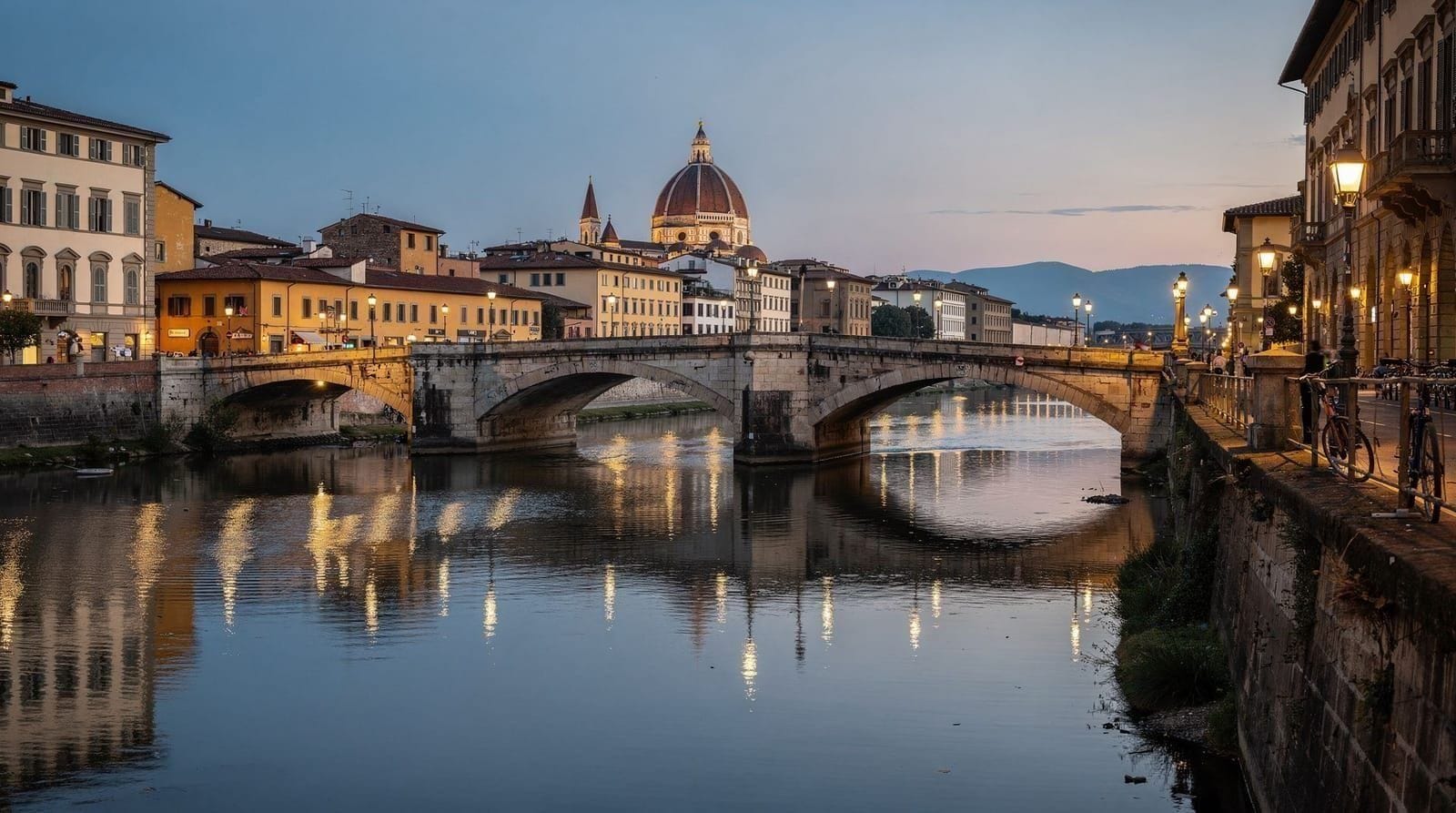
- The streets themselves — the Oltrarno, the Via dei Tornabuoni luxury shopping street, Piazza della Repubblica’s architecture, and the view from the Ponte Santa Trinità at dusk are all free.
Practical logistics
Which airport to use
FLR (Florence Peretola Airport) is 15 minutes from the centre by tram — easy, cheap, and direct. Limited connections: mostly European cities, some seasonal routes.
PSA (Pisa Galileo Galilei Airport) has more international connections including some transatlantic options via layovers. Train from Pisa Airport to Florence Santa Maria Novella takes about 1 hour and costs €8–15. The connection is reliable and the journey is straightforward.
Whichever airport you land at, arriving into Florence itself means Santa Maria Novella (SMN) station — Florence’s main hub and almost certainly the station your hotel is walkable from. Knowing the station layout and left-luggage options before you land removes one more piece of first-day friction, particularly if your hotel check-in is later than your arrival.
Currency and payments
Florence uses euros. Cards (Visa, Mastercard, contactless) are widely accepted at hotels, restaurants, and larger shops. Smaller trattorias, market stalls, and some shops prefer cash — carry €50–100 in small bills at all times. There are many ATMs in the centre; use those attached to established banks rather than standalone machines to avoid unfavourable exchange rates.
Language
Italian is helpful but not essential in tourist areas. English is widely spoken at hotels, museums, and restaurants aimed at international visitors. Learning five Italian words (buongiorno, grazie, prego, scusi, per favore) will be noticed and appreciated. Attempting to order in Italian at a trattoria, even badly, tends to produce warmer service. Menu Italian is worth a few extra minutes of study too — knowing that primo means a pasta or soup course and secondo a meat or fish course prevents accidentally ordering both as separate meals rather than a sequence.
Water
Tap water is safe and drinkable. Florence has numerous public water fountains (fontanelle) throughout the city, many marked with a small shield indicating potable water. Carry a refillable bottle and use these freely — both cheaper and more environmentally sound than buying plastic bottles.
Dress code for churches
Florence’s churches require covered knees and shoulders for entry — this includes Santa Croce, Santa Maria Novella, and the Duomo interior (Baptistery and dome visit are slightly more relaxed but covered shoulders are still expected). Keep a light scarf or shawl for covering up. The dress code is enforced at the door; visitors turned away for inappropriate dress lose their timed-entry slots.
What the tourist information doesn’t tell you
The best Ponte Vecchio view is from Ponte Santa Trinità, the next bridge downstream. Early morning or late evening when the light catches the yellow stone.
August in Florence is hot and partly closed. Many small restaurants, artisan workshops, and some attractions close during Ferragosto (August 15 and the surrounding weeks). The city fills with tourists while losing much of its local atmosphere. If you must visit in August, book everything significantly further in advance.
ETIAS is coming. Non-EU visitors (including US and UK citizens) will need to register for the European Travel Information and Authorisation System before entering the Schengen Area. As of 2026 this is expected to launch soon — check the official EU website for current status before travel.
The Arno floods. The devastating 1966 flood (Alluvione) reshaped Florentine cultural life and is still discussed. High-water marks remain visible on many buildings in the Centro Storico. November is historically the highest flood risk month.
Timing your trip around seasonal realities
The tips above apply year-round, but a few shift by season enough to be worth planning around. Spring (April–May) and autumn (September–October) offer the most reliable weather for the amount of walking this guide assumes, but also the tightest museum booking windows — book Uffizi and Accademia slots 4–6 weeks out rather than 1–2. Summer’s heat makes the cobblestone walking distances noted above feel considerably longer; plan sightseeing for morning and evening with a shaded or air-conditioned midday break. Winter thins the crowds dramatically and makes last-minute museum booking realistic, but shortens opening hours at some smaller sights and increases the odds of rain gear being worth packing.
Frequently asked questions about Florence travel tips
Is Florence walkable?
Largely yes. The historic centre is compact enough that most major attractions are within 20–30 minutes’ walk of each other. The main exception is Piazzale Michelangelo and San Miniato al Monte, which require either a 25-minute uphill walk or a bus ride. The city has excellent pedestrian zones and is genuinely pleasant to walk in the early morning before crowds arrive.
Do I need travel insurance for Florence?
Standard travel insurance covering medical emergencies and trip cancellation is advisable for any international trip. EU citizens with an EHIC card have access to Italian public healthcare. Non-EU visitors (US, UK, Australia, etc.) should carry comprehensive travel insurance — Italian private clinic fees can be substantial.
Can I visit Florence with a disability?
Florence presents real accessibility challenges — the historic cobblestoned streets are difficult for wheelchairs and mobility devices. Many museums have been improved with ramps and lifts, but the city’s medieval fabric means full accessibility is not universal. See the dedicated accessible Florence guide for specific information on which attractions are manageable and which are genuinely difficult.
Is it safe to drink tap water in Florence?
Yes. Florence’s tap water comes from mountain springs and is clean and safe to drink. The plastic water bottle culture that is common in some Italian cities is less necessary here — public fountains are plentiful.
What’s the single most useful piece of advice for a first-time visitor?
Book your Uffizi and Accademia tickets before you finalise anything else about your trip. Almost every other logistical problem in this guide — the ZTL, cobblestones, dress codes, meal timing — is manageable in the moment, but sold-out museum slots can’t be fixed once you’re in Florence with no reservation. Everything else here is genuinely useful, but that one decision determines more of your trip’s shape than any other.
Top experiences
Bookable activities with verified prices and instant confirmation on GetYourGuide.

Florence: walking tour
- Free cancellation
- Instant confirmation
Florence: Uffizi Gallery skip-the-line tickets
- Skip the line
- Free cancellation
Florence: Accademia Gallery — David skip-the-line ticket
- Skip the line
- Instant confirmation
Florence: hop-on hop-off tour — 1 or 2 day ticket
- Free cancellation
- Mobile ticket