Sant'Ambrogio market Florence: the local's guide
Florence: Sant Ambrogio market food tour of 10 local dishes
- Free cancellation
- Small group
What is the Sant'Ambrogio market in Florence?
The Mercato di Sant'Ambrogio is Florence's most local food market, on Piazza Ghiberti in the Santa Croce quarter. Open Monday–Saturday 07:00–14:00. It serves neighbourhood residents and restaurant chefs, with lower prices than Mercato Centrale and excellent trattorias on surrounding streets.
The market that Florence uses
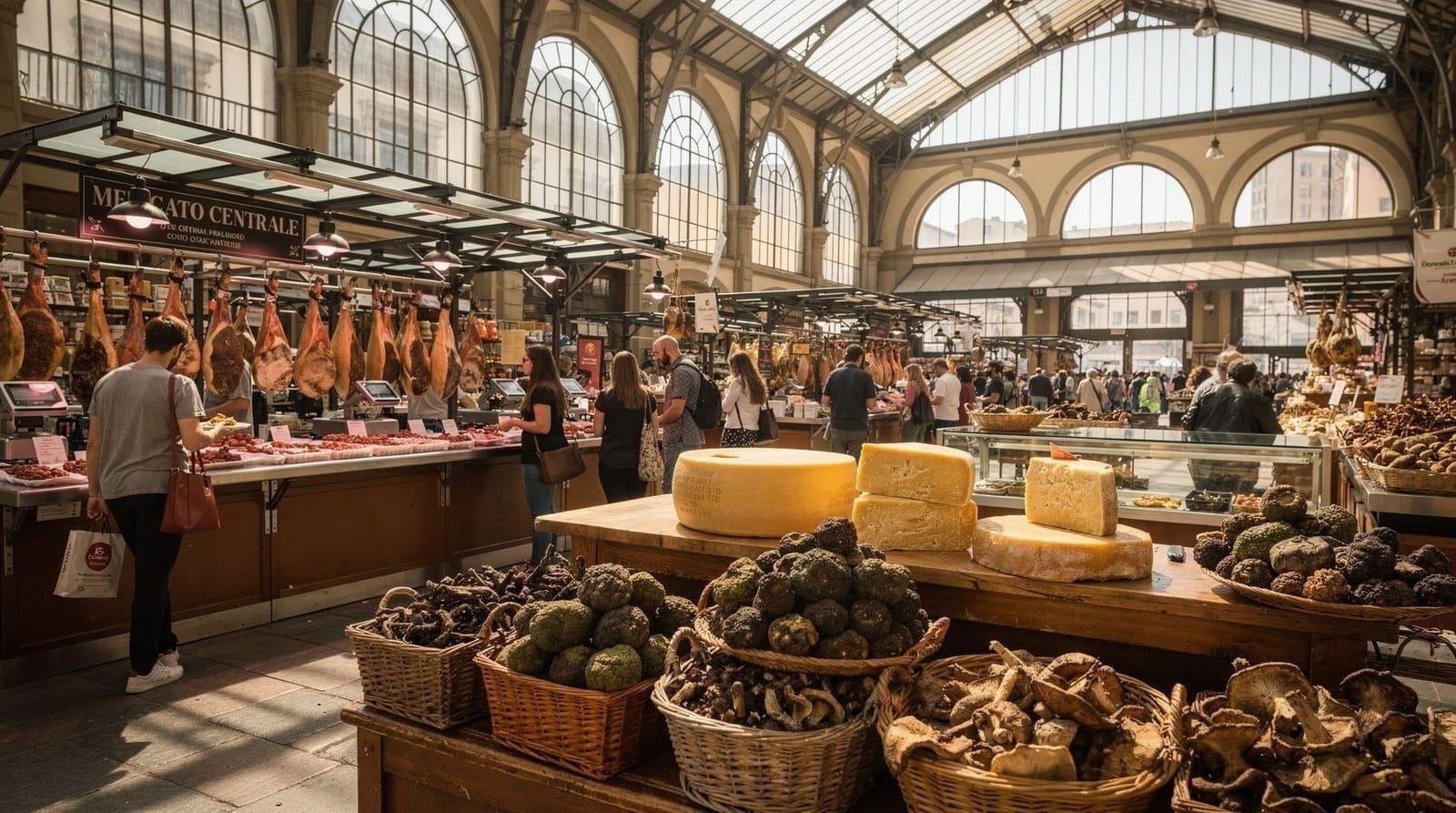
There’s a useful test for any food market: is the clientele mostly residents buying food for the week, or mostly visitors taking photographs? At the Mercato Centrale, it’s increasingly both. At the Mercato di Sant’Ambrogio, it’s still mostly residents.
This isn’t a criticism of Mercato Centrale — it’s extraordinary in its own right. But there’s a qualitative difference between observing a market and participating in one, and Sant’Ambrogio gives you the latter. The stall holders know the chefs from nearby restaurants. The elderly women comparing the freshness of artichokes are doing the same calculation they’ve done every week for decades. The noise is the noise of commerce rather than tourism.
The market occupies a small covered building on Piazza Ghiberti in the Santa Croce quarter, with outdoor stalls running along the surrounding streets. It opened in its current location in 1873, one year before Mercato Centrale’s famous iron building. It never had the architectural glory but it has persisted as the more functional of the two.
| Where | Piazza Ghiberti, Santa Croce quarter |
| Cost | free to browse; Trattoria da Rocco mains around €6-10 |
| Time needed | 45-60 minutes browsing, longer with lunch |
| Getting there | 5 minutes north of Santa Croce church |
| Best time | weekday mornings before 11am, avoid Sundays (closed) |
Location and getting there
Address: Piazza Ghiberti, Florence (Santa Croce quarter)
Getting there:
- From the Uffizi: 15-minute walk east along the Arno, then north on Via dei Benci
- From Santa Croce church: 5 minutes north on Via delle Conce
- From Mercato Centrale: 15-minute walk east through the city centre
- Bus: lines 14 and 23 stop nearby on Via dei Pilastri
There is no dedicated parking at the market. The surrounding streets are in the ZTL zone — do not drive. Bicycle is a reasonable option; there are cycle racks on Piazza Ghiberti.
Opening hours: Monday–Saturday 07:00–14:00. Closed Sundays.
Inside the market: what to find where
The covered building
The interior is divided into permanent stalls, most of which have operated for generations. The layout is relatively compact — the building is perhaps a third the size of Mercato Centrale’s ground floor — which means good stalls are easy to find.
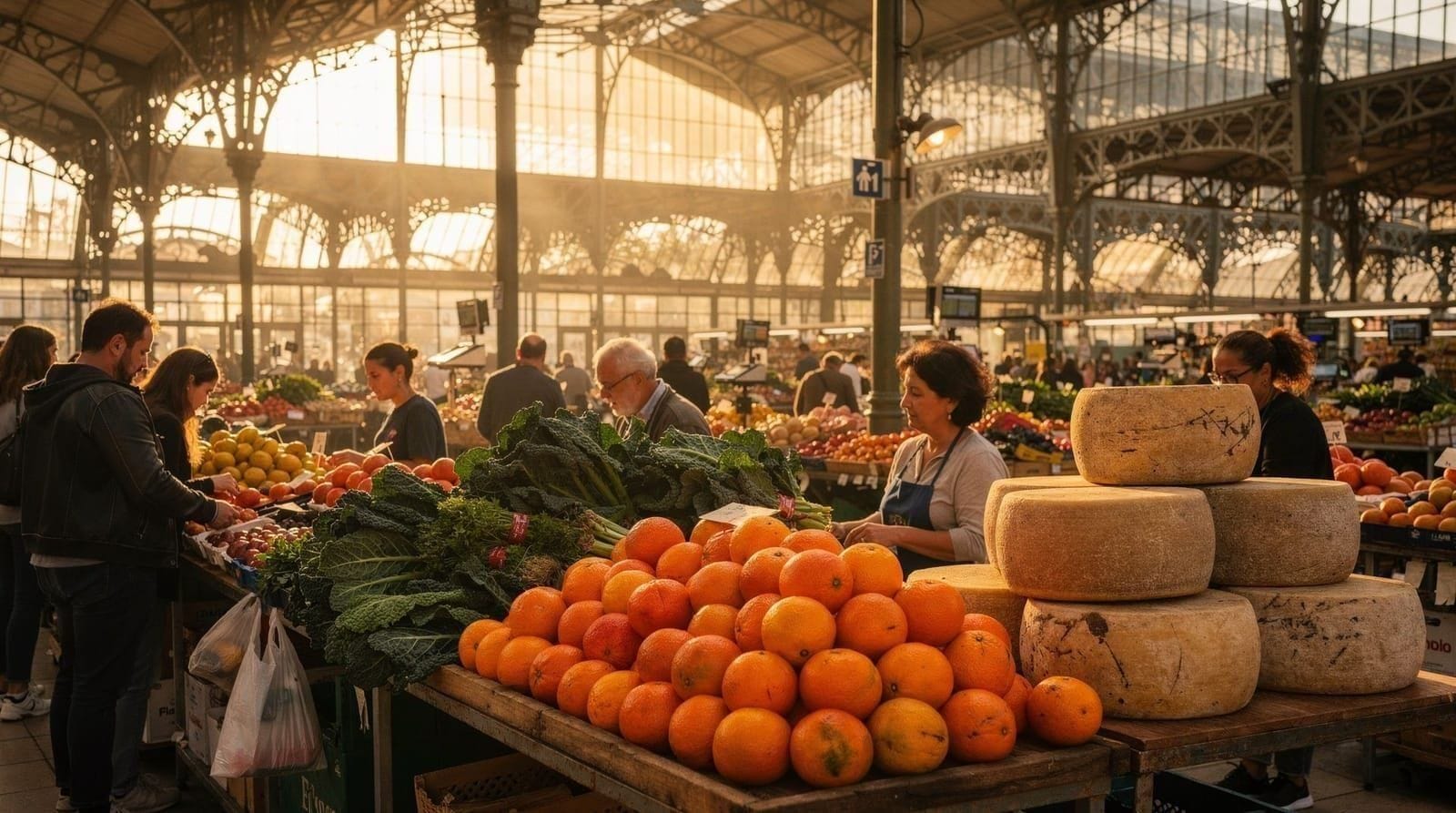
Produce (frutta e verdura): The most numerous stall type. Several vendors specialise in high-quality seasonal Tuscan produce; others offer the standard Italian market mix. The difference is usually visible — the quality stalls display cavolo nero in winter, baby artichokes in spring, and heirloom tomatoes in summer rather than year-round commodity produce.
Cheese and dairy: Several good cheese stalls including at least one that focuses on Tuscan artisan producers — marzolino del Chianti, pecorino di Pienza, fresh ricotta from a Maremma producer. Prices are comparable to or slightly lower than Mercato Centrale for equivalent quality.
Charcuterie and meat: Vendors selling Tuscan salumi (finocchiona, prosciutto Toscano, cinta senese products) and fresh meat including butchers supplying nearby restaurant kitchens. The bistecca availability here tends toward smaller cuts than the specialist bistecca butchers, but quality is honest.
Fish: A fishmonger operating on Tuesdays, Thursdays, and Saturdays (main delivery days). Fresh catch from the Ligurian coast; prices are fair and the quality reflects the delivery schedule.
Fresh pasta: At least two pasta fresca stalls making daily batches of tagliatelle, pappardelle, ravioli, and stuffed pasta. Buy in the morning; by 13:00 some varieties sell out.
Dry goods: Dried porcini mushrooms, Tuscan dried legumes, jarred Tuscan condiments (truffle paste, artichoke cream, dried herbs). These make excellent portable food gifts.
Trattoria da Rocco: the market restaurant
Inside the covered building, Trattoria da Rocco occupies a permanent space and has served lunch to market vendors and neighbourhood workers for decades. It is the closest thing to an unchanged 1970s Florentine trattoria that Florence still has.
Format: Counter service, communal tables inside and on the covered edge of the building. No menu as such — a daily piatto del giorno written on a small board.
What to expect: The daily plate is whatever was freshest and cheapest at the market that morning. Ribollita on cold days; pasta e fagioli; roast pork with fennel; tripe in tomato sauce on Fridays. The quality is the cooking of a working trattoria, not a showpiece restaurant — but it’s honest, generous, and cheap.
Price: €6–10 for a main plate. Cash only. Closed Sunday and Monday. Open for lunch only (12:00–15:00 approximately).
The outdoor stalls
Outdoor vendors extend around the perimeter of the building along Via del Verrocchio and Via dei Macci. These include:
Clothing and household goods: A proportion of outdoor stalls at Sant’Ambrogio sell non-food items — clothes, kitchen equipment, small tools. This is less prevalent than at the outdoor San Lorenzo market but present.
Flower stalls: Several cut-flower vendors on the Piazza Ghiberti side. Good quality, prices significantly lower than florists.
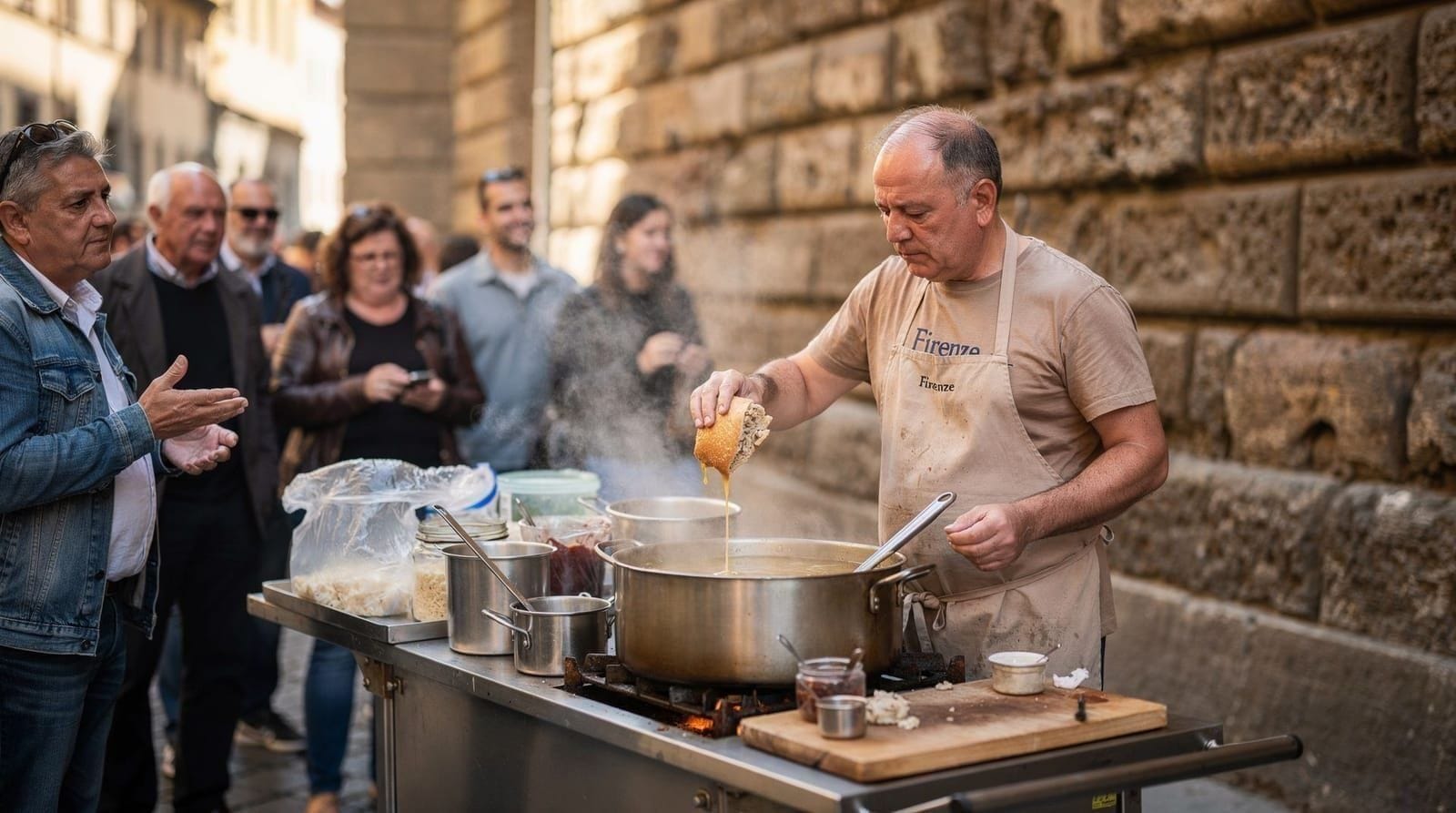
Prepared food: A few vendors selling prepared Florentine food — lampredotto from a cart in warm months, ceci fritti from a bakery stall, seasonal prepared vegetables.
What to bring home
Several stalls sell products that travel well and make honest souvenirs rather than gimmicks: vacuum-packed cured meats (check customs rules for your destination before buying), dried porcini mushrooms in small sealed bags, jars of truffle paste or artichoke cream, and bottled olive oil from producers who list a harvest date and a grove location rather than a generic “Tuscan” label. Buying directly from a stall vendor rather than a souvenir shop on Via dei Calzaiuoli gets you a better product at a fairer price, and the vendors are generally happy to explain what you’re buying if you ask.
The surrounding streets: the best restaurants
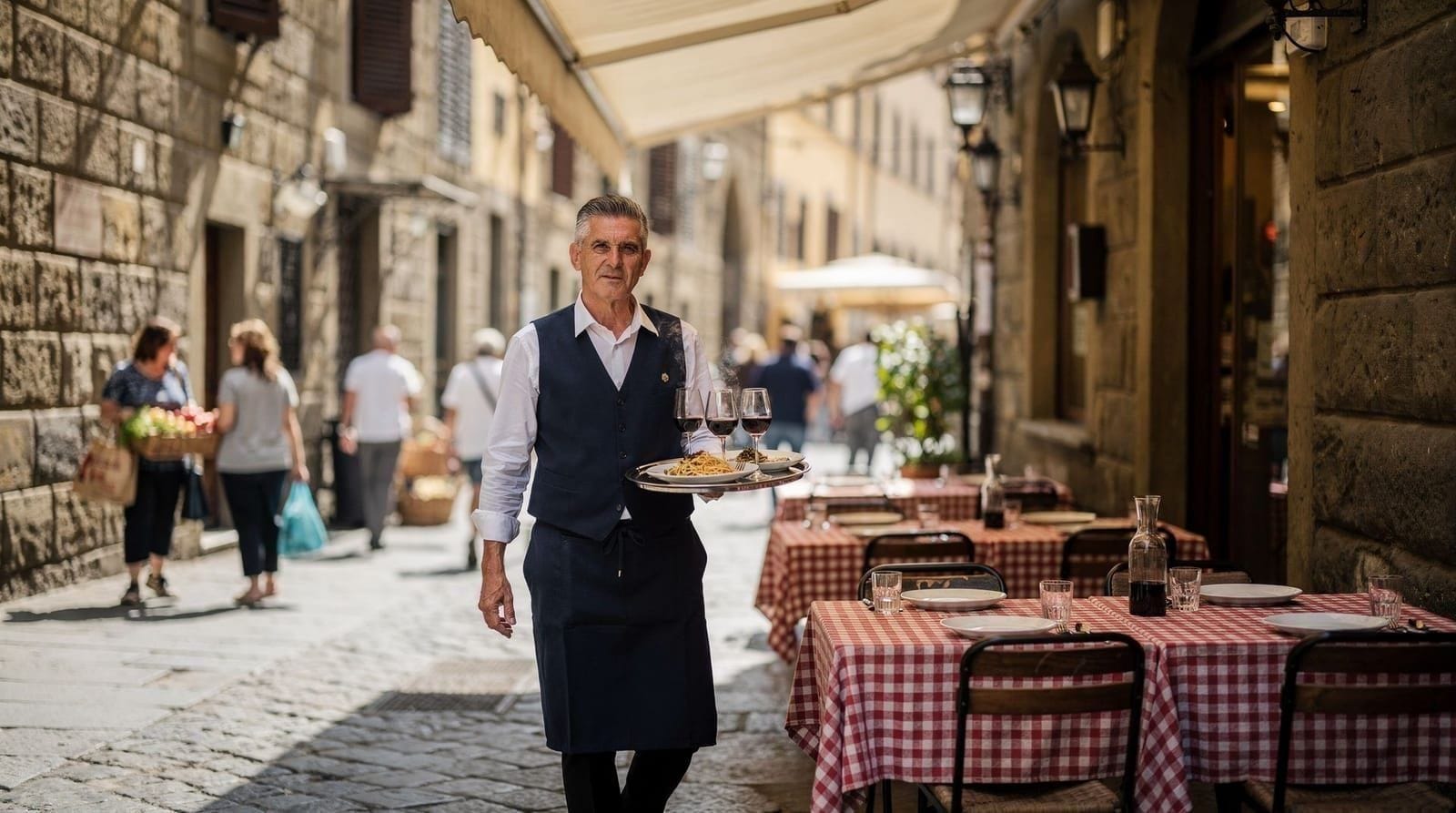
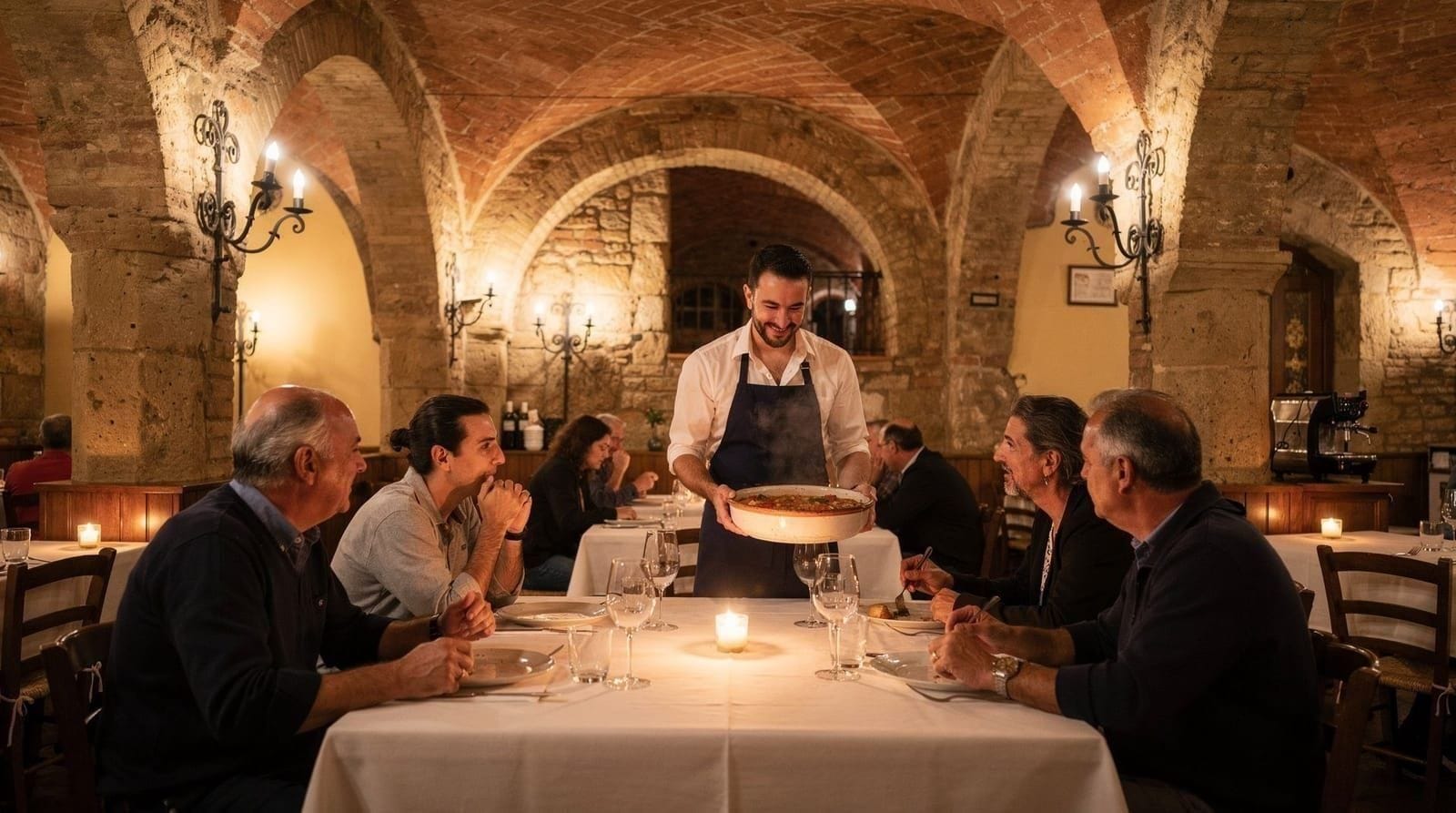
The Sant’Ambrogio quarter’s greatest food asset is its concentration of honest restaurants in the streets immediately surrounding the market. These cook with market produce, serve neighbourhood regulars and nearby office workers at lunch, and are almost entirely free of the tourist pricing that affects restaurants near the major sights.
Via dei Macci
Trattoria Cibreino (Via dei Macci 122): The most recommended restaurant in the immediate area. It’s the affordable annex of the famous Cibreo restaurant empire — same kitchen, shorter menu, about half the price. The passata di peperoni e ricotta (a dense roasted pepper soup with ricotta) is the dish most often cited by regulars. The vitello tonnato is also excellent. No reservations accepted; arrive early (12:00 for lunch, 19:15 for dinner) or wait. €25–35 per person.
Cibreo (Via dei Macci 118, the full restaurant): Higher price but extraordinarily good. The full Cibreo experience — which includes dishes unavailable at Cibreino — is one of Florence’s best meals. €50–70 per person. Reservations essential.
Borgo la Croce
A longer street with a mix of restaurants ranging from student lunch spots to mid-range places. Reliable if not spectacular; a good option for lunch when Cibreino has a queue.
Via dell’Agnolo
Several neighbourhood trattorias including some of the more genuinely local spots in the Sant’Ambrogio quarter. No specific recommendation because the best options rotate, but the general quality level is good.
Beyond Sant’Ambrogio
If you’re building a wider Florence food itinerary rather than a single stop, our best trattorias in Florence guide covers the full shortlist, and the where to eat in Oltrarno guide is the natural next stop if you’re heading across the river afterward. For a broader introduction to how Florence’s markets fit together, the Florence food markets guide is worth reading before you plan your day.
Sant’Ambrogio and cooking classes
The Sant’Ambrogio market is the starting point for several Florence cooking classes — typically beginning with a guided tour where the chef-teacher explains seasonal ingredients and shops for the day’s lesson, followed by cooking at a nearby kitchen.
The market-as-starting-point format is covered in detail in the market-to-table cooking guide. For the full range of cooking classes in Florence, see the best cooking classes guide.
Seasonal highlights at Sant’Ambrogio
Spring (March–May)
Wild asparagus from Tuscan hills, baby artichokes (carciofi romaneschi), fresh peas and broad beans, early strawberries, first ribollita-quality cavolo nero still available. The market at its most photogenic — spring produce at Italian markets is exceptional.
Summer (June–August)
Tomatoes of multiple varieties (cuore di bue, Pachino, datterini), courgette flowers, aubergine, fresh basil, Tuscan peaches and nectarines, fresh figs from early August. The market is less vegetable-spectacular but the fruit quality is superb. Note that many vendors take 2–3 weeks off in August.
Autumn (September–November)
The best porcini mushrooms appear in September. Grapes during harvest season (September–October). Chestnuts from Casentino and other Tuscan chestnut areas. Wild boar products begin to appear. Persimmons and quinces from October.
Winter (December–February)
Cavolo nero at its best. Radicchio di Treviso. Cardoons (a thistle relative used in Tuscan soups). Citrus from Sicily. Fennel. The ribollita season proper. Winter at Sant’Ambrogio is the season for serious Florentine cooking.
Comparing Sant’Ambrogio to Mercato Centrale
| Feature | Sant’Ambrogio | Mercato Centrale |
|---|---|---|
| Building | Functional covered hall | Spectacular 1874 iron-and-glass |
| Tourist presence | Low–moderate | Moderate–high |
| Price level | Slightly lower | Slightly higher |
| Opening hours | 07:00–14:00 Mon–Sat | Ground floor same; first floor until midnight |
| Evening option | None | First-floor food court until midnight |
| Sunday option | Closed | First-floor food court open |
| Nearby restaurants | Exceptional (Cibreino) | Good (Nerbone inside) |
| Atmosphere | Working market | Tourist-friendly working market |
For an authentic Florentine food experience, Sant’Ambrogio is the better choice. For the architectural spectacle and the convenience of the all-day food court, Mercato Centrale wins. Ideally, do both.
Timing your visit for the best market experience
The market rewards showing up with a plan rather than wandering in mid-afternoon expecting it to still be running — it closes at 14:00 and several of the best stalls sell out well before that. The 8-10am window is the sweet spot: vendors have restocked from the morning delivery, the fish stall (Tuesday, Thursday, Saturday) has its full catch on display, and the fresh pasta stalls haven’t yet sold their more popular shapes. Arriving right at opening (07:00) has its own appeal if you want to see the market functioning purely for its working clientele, before any visitors arrive at all, though several stalls are still setting up. Saturday mornings are the busiest but also the most atmospheric, with the widest range of produce; if quiet matters more than variety, a Tuesday or Wednesday visit is calmer.
Frequently asked questions about Sant’Ambrogio market
Can I take a food tour of Sant’Ambrogio market?
Yes — a dedicated food tour of Sant’Ambrogio market includes a guided walk through the market with explanations of the produce and vendors, followed by tasting stops at surrounding restaurants and food shops. This format covers more ground than self-guided exploration. The Florence food markets guide has context.
Is there parking near Sant’Ambrogio market?
The immediate area is ZTL (limited traffic zone) — driving is not recommended. The nearest parking areas are on the eastern edge of the ZTL zone, about 10 minutes on foot. Use public transport (bus or the T1 tram connecting to the wider network) or a taxi.
Does Sant’Ambrogio market have organic produce?
Some vendors sell produce from small Tuscan farms using minimal or no chemicals, sometimes without formal organic certification. Ask biologico? at individual stalls. The more specialist produce vendors are the most likely to stock certified organic options.
Can I find prepared cooked food at Sant’Ambrogio market?
Yes — Trattoria da Rocco inside the market, and a handful of outdoor vendors selling ceci fritti (fried chickpea snacks) and prepared vegetables. The best prepared food option is Trattoria da Rocco at lunchtime, where the daily plate reflects whatever was freshest that morning.
Top experiences
Bookable activities with verified prices and instant confirmation on GetYourGuide.

Florence: Sant Ambrogio market food tour of 10 local dishes
- Free cancellation
- Small group
Florence: ultimate food tour — full Tuscan meal with a local
- Free cancellation
- Small group
Florence: local food market tour and cooking class with wine
- Free cancellation
- Small group
Florence: old city street food tour and guided sightseeing
- Free cancellation
- Small group