First time in Florence — complete beginner's guide
Florence: walking tour
- Free cancellation
- Instant confirmation
What do first-time visitors to Florence need to know?
Pre-book Uffizi and Accademia tickets (mandatory in peak season). Stay in Oltrarno or Centro Storico within walking distance of everything. Never drive into the ZTL zone. Eat away from monument-front restaurants. Start museum visits at opening time. And give yourself at least 3 days.
Your first visit to Florence: where to start
Florence can be overwhelming on first encounter. In a city of 380,000 people, you have more world-class art per square kilometre than anywhere else on earth. The Uffizi alone contains thousands of works spanning five centuries. The question is not “what should I see?” — it is “what do I absolutely must not miss, and what can wait for a second trip?”
This guide cuts through the noise for first-timers. It assumes you have 3 days — the minimum for a genuinely satisfying Florence visit — and want to come away feeling you understood the city, not just photographed it.
| Minimum time | 3 days |
| Book ahead | Uffizi and Accademia tickets, dome climb |
| Where to stay | Centro Storico, Oltrarno or San Marco, within walking distance |
| Getting around | Walk — the historic centre is under 4 sq km |
| Avoid | Driving into the ZTL; eating on top of major monuments |
The non-negotiable first visit list
Uffizi Gallery
The Uffizi is Italy’s most visited museum and Florence’s greatest treasure. Botticelli’s Birth of Venus and Primavera, Leonardo da Vinci’s Annunciation, Michelangelo’s Doni Tondo, Caravaggio’s violent and beautiful canvases — these are not reproductions you walk past in a guidebook. They are originals, hanging in chronological order in the building where the Medici stored their private art collection.
Practical: Book timed-entry tickets before travelling. Arrive 5 minutes early. Audio guide or guided tour adds 30–40 minutes but is worth it for context. Budget 2.5–3 hours minimum. The café on the upper floor terrace has excellent views of Palazzo Vecchio and is a good midday break point.
For a deep dive on what to see and how to navigate the rooms, read the full Uffizi gallery guide.
Accademia Gallery — Michelangelo’s David
Michelangelo’s David (1504) stands 5.17 metres tall in a purpose-built rotunda and is genuinely overwhelming in person. Photographs do not prepare you for the scale or the detail — the tension in the neck tendons, the asymmetry of the hands (the right hand is proportionally oversized, consistent with the original placement above head height). The Accademia is a smaller museum than the Uffizi; budget 90 minutes.
Practical: Pre-book timed entry. The Accademia is slightly easier to book than the Uffizi but still fills in peak season. Monday is closure day.
See the complete Accademia Gallery guide for which other works to look for beyond David.
Brunelleschi’s Dome
The dome of Santa Maria del Fiore (1436) is the largest masonry dome ever built, an engineering feat that had not been repeated for 500 years when Filippo Brunelleschi designed it. Climbing the 463 steps to the top is a genuine experience: you pass between the inner and outer shells where Brunelleschi’s ingenious herringbone brickwork is visible, and emerge at the top with a panoramic 360-degree view of Florence.
Practical: Book the 3-day Duomo complex pass (€18) online in advance — same-day booking is possible but morning slots sell out. The pass also covers the Baptistery with its golden mosaics, Giotto’s Bell Tower (414 steps, excellent alternative views), and the Opera del Duomo Museum which houses original sculptures and the original Florence Baptistery doors. Read the full Brunelleschi’s Dome guide for what to expect at each level.
Piazza della Signoria
The open-air heart of medieval Florence. The Palazzo Vecchio (the old city hall, built 1299) dominates the square. Around it: a copy of Michelangelo’s David (the original moved inside in 1873), Donatello’s Judith and Holofernes (copy), the extraordinary Loggia dei Lanzi with originals of Cellini’s Perseus holding Medusa’s head and Giambologna’s Rape of the Sabine Women.
This is free to view — you walk through and look. The Palazzo Vecchio museum interior requires a ticket (€14) and is worthwhile for its painted halls and rooftop access, but not essential on a first visit if time is tight.
Ponte Vecchio and the Oltrarno
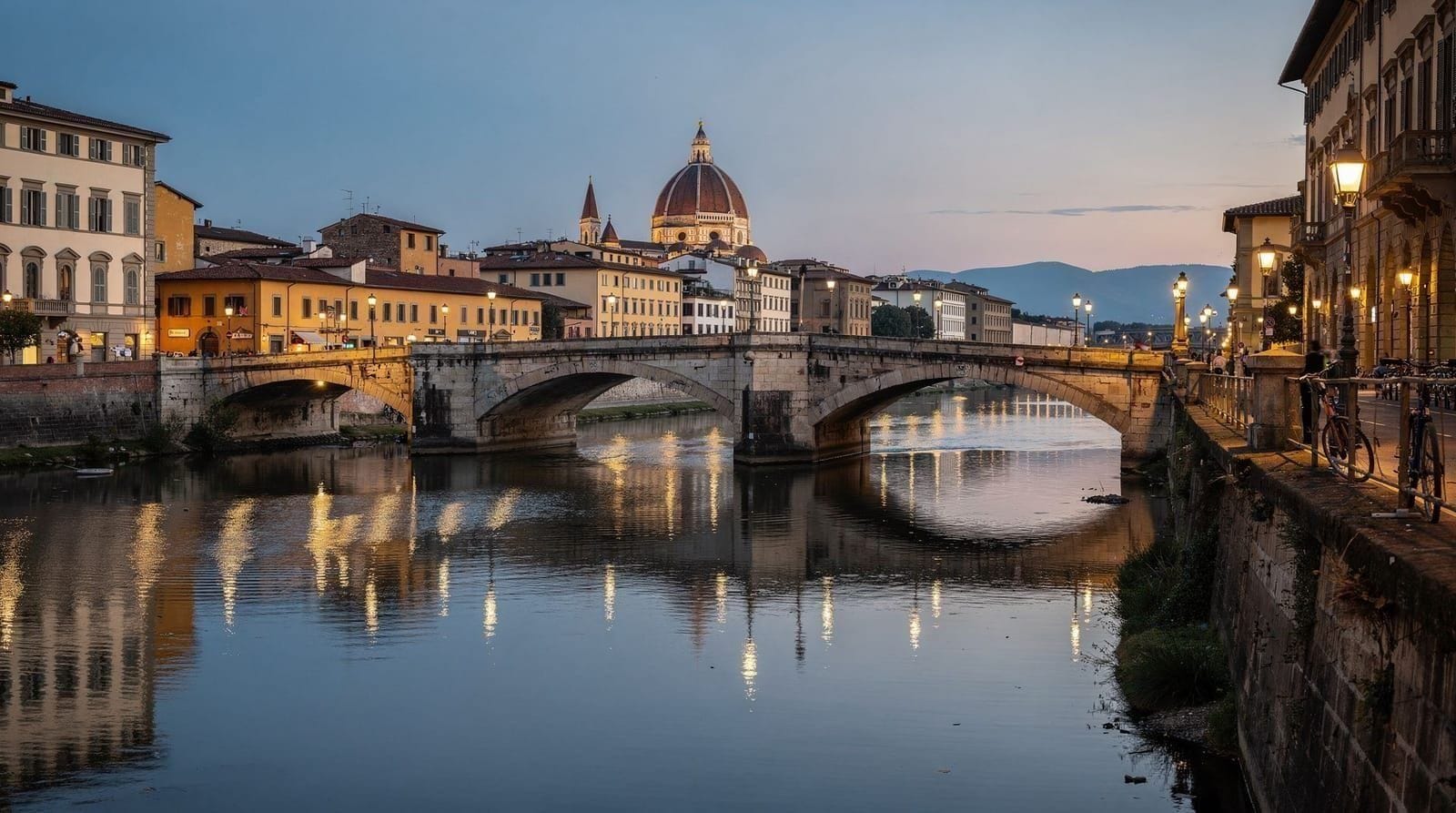
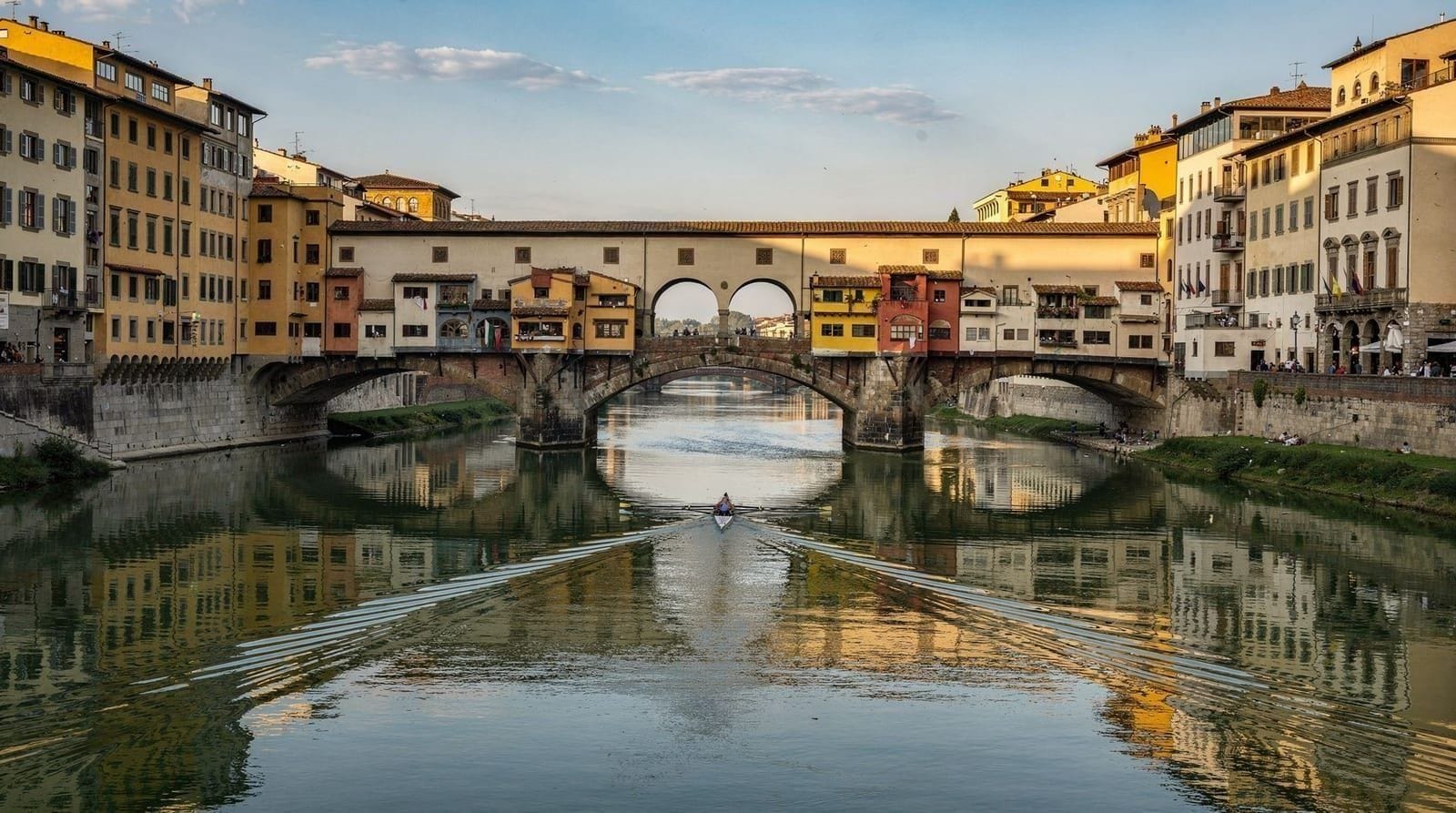
Florence’s oldest bridge is lined with goldsmiths — the Medici expelled the butchers and fishmongers in 1593 to replace them with a more refined trade. The bridge itself is beautiful from either side; the best view is from Ponte Santa Trinità, looking east at dawn or dusk.
Cross the bridge and spend an afternoon in Oltrarno. This neighbourhood south of the Arno has artisan workshops, small wine bars, neighbourhood trattorias that have not changed their menus in decades, and a general absence of tour groups. The Oltrarno neighbourhood guide has the best streets and spots.
Piazzale Michelangelo
Florence’s famous panoramic terrace, above Oltrarno, gives the postcard view of the city with the Duomo dome rising above rooftops and the Arno winding below. It is crowded at sunset in summer (arrive 30 minutes early for a good position) but genuinely worth seeing at least once. The walk up from Ponte Vecchio takes 20–25 minutes on a clear path through San Niccolò; alternatively, take bus 13 from the centre.
Where to stay as a first-time visitor
Getting your accommodation location right makes a significant difference in Florence. The city is walkable, but a hotel that puts you 30 minutes’ walk from the Uffizi means 30 extra minutes of cobblestone walking before each museum session.
Centro Storico (around the Duomo and Piazza della Repubblica)
Best for: Being at the absolute centre of everything
Trade-off: Noisier at night, more expensive, tourist-dense
Budget options: Limited — primarily mid-range and above
Mid-range: Hotel Davanzati (€150–220), Hotel Perseo (€120–160)
Luxury: JK Place (€550+), Portrait Firenze (€600+)
Oltrarno
Best for: Atmosphere, local neighbourhood feel, food quality
Trade-off: Slightly further from Uffizi/Accademia (10–15 minutes’ walk)
Budget: Soprarno Suites (€140–200), smaller B&Bs
Mid-range: Hotel Lungarno (€180–280), Ad Astra (€150–190)
Luxury: Borgo San Jacopo (€400+)
San Marco
Best for: Proximity to Accademia and San Marco Museum; quieter evenings
Trade-off: Further from Ponte Vecchio and Uffizi (20 minutes)
Mid-range: Hotel degli Orafi (€140–200), various 3-star options
Santa Croce
Best for: Restaurant access, local market (Sant’Ambrogio), slightly lower prices
Trade-off: Eastern edge of tourist concentration
Mid-range: Hotel Santa Croce (€120–170), Soprarno area B&Bs
What to avoid
Accommodation directly on or very near Piazza Santa Maria Novella (busy train station area) is convenient for arrivals but lacks character and is noisier. Very cheap hotels at the city’s periphery sacrifice the entire walkability advantage of Florence.
First-time museum strategy
The sequence that works
Day 1 morning: Uffizi (pre-booked, timed entry). This is the more demanding museum — better to do it fresh. Afternoon: Piazza della Signoria, Palazzo Vecchio exterior, Ponte Vecchio, Oltrarno wander.
Day 2 morning: Accademia (pre-booked, 90 minutes). Then San Lorenzo and Medici Chapels (if booked). Afternoon: Duomo complex — dome climb or Baptistery or bell tower (book ahead). Evening: Piazzale Michelangelo sunset.
Day 3: Pitti Palace and Boboli Gardens (Oltrarno) or Santa Croce Basilica (Michelangelo and Galileo’s tombs). Alternatively, use day 3 for a day trip to Siena or Pisa, then return for an Oltrarno dinner.
Museum etiquette
- Bags larger than 30x30cm must be checked at the cloakroom (usually free)
- Photography is permitted in most rooms without flash; some specific works or rooms prohibit it
- No food or drink inside galleries
- Audio guides are available for rent or via official apps
- Groups with guides enter through specific entrances — individual visitors have separate queues
Getting around Florence on your first trip
Walk everything in the centre. The Duomo to Uffizi is 5 minutes. The Uffizi to Ponte Vecchio is 3 minutes. The Accademia to Piazza della Repubblica is 10 minutes. You do not need a bus, taxi, or any vehicle within the historic centre for most sightseeing.
Use the tram for the airport. T2 line: 18 minutes, €1.70 from FLR airport to Santa Maria Novella. Validate your ticket before boarding.
Bus 13 for Piazzale Michelangelo. If the uphill walk does not appeal, bus 13 from near the Uffizi runs to Piazzale Michelangelo (€1.70).
No rental car in the city. The ZTL system (restricted traffic zone covering most of the centre) fines non-residents automatically via cameras. Rental cars are only useful for Chianti, Val d’Orcia, or other rural Tuscany day trips.
Eating well on your first visit: the basics
Florence is genuinely excellent for food but the tourist economy has created a tier of mediocre, overpriced restaurants near major attractions. The gap between a restaurant on a tourist route and one two streets away is substantial — in price, quality, and authenticity.
The practical guide:
- Breakfast: Stand at a bar, order a coffee (espresso or cappuccino) and a cornetto (Italian croissant). Cost: €1.50–3. Seated breakfast at a café costs 3x as much.
- Lunch: Mercato Centrale (ground floor food stalls), Sant’Ambrogio market, or a neighbourhood trattoria with a weekday lunch menu. Cost: €8–20.
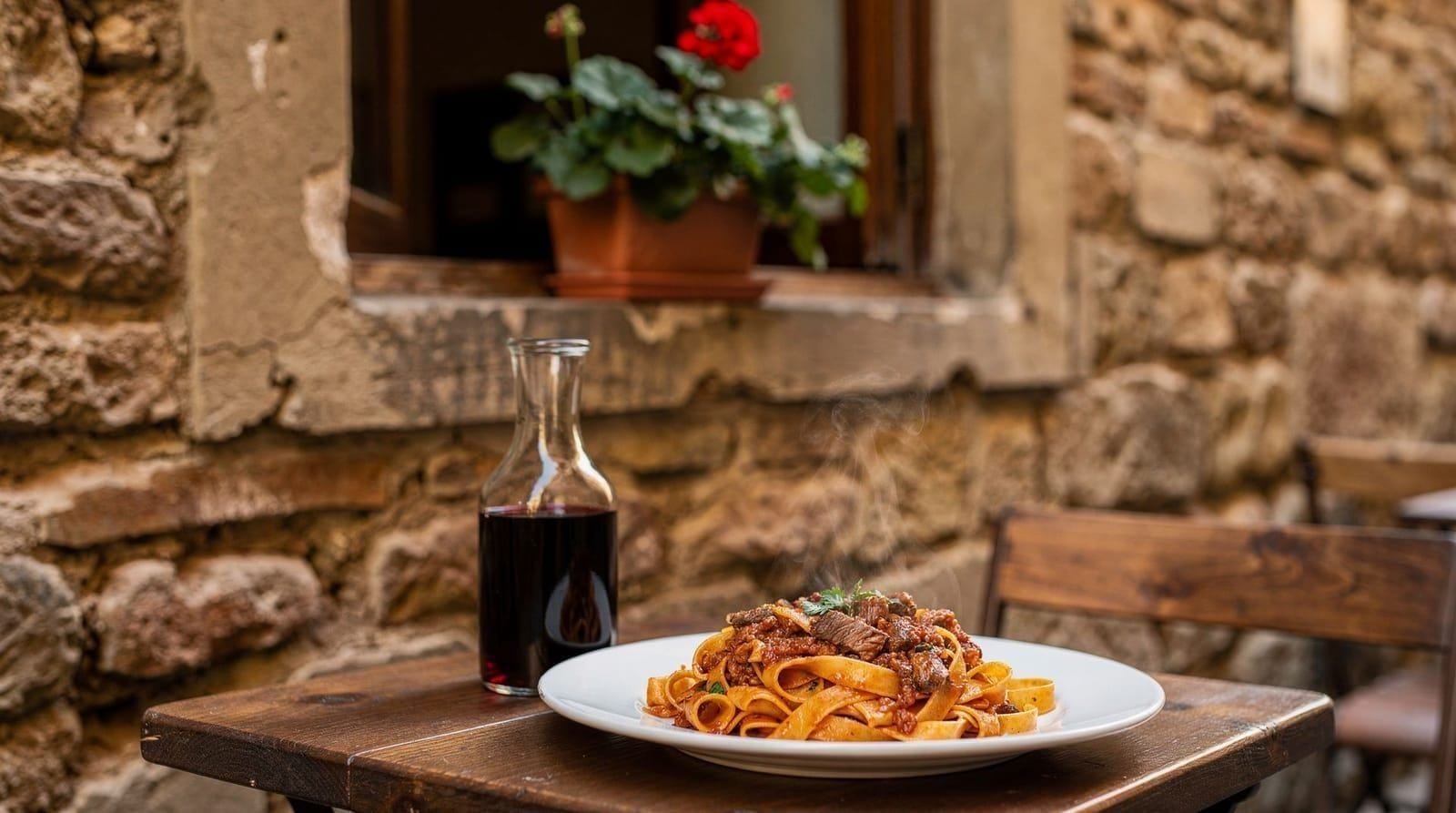
- Dinner: Oltrarno or Santa Croce, a trattoria with handwritten menus and house Chianti. Expect €25–45 per person with wine.
- Snacks: All’Antico Vinaio (via dei Neri) for schiacciata sandwiches, Gelateria dei Neri for gelato, market stalls for fresh fruit.
The food to try in Florence:
- Bistecca alla Fiorentina: Thick T-bone steak from Chianina cattle, grilled over wood coals, served rare (always). Priced by weight per 100g.
- Ribollita: Tuscan bean and bread soup — warming, filling, genuinely local.
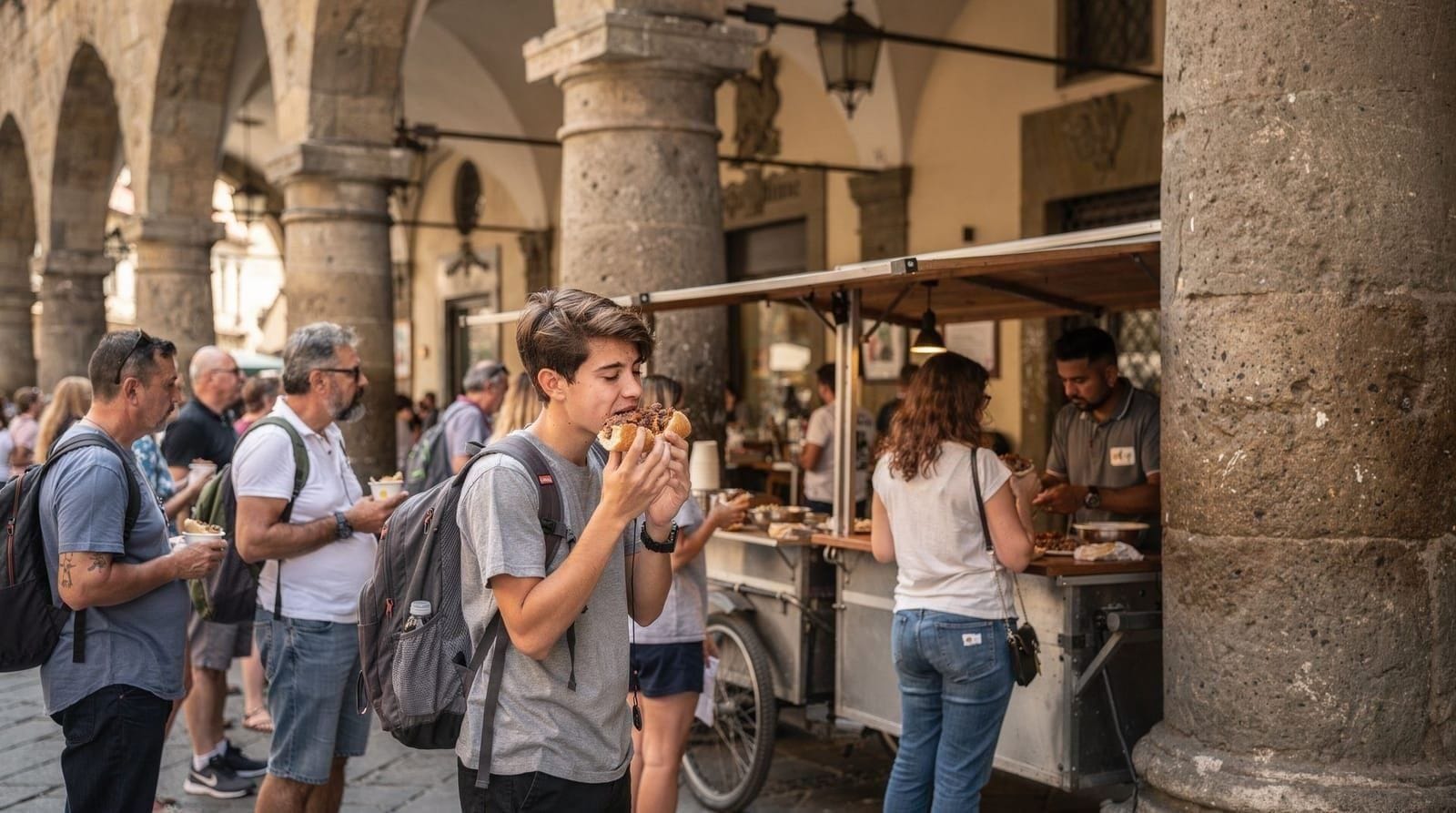
- Lampredotto: Florentine street food; braised tripe sandwich from market stalls. Adventurous and excellent.
- Crostini di fegatini: Chicken liver crostini, slightly bitter and complex.
- Cantucci con Vin Santo: Hard almond biscuits dipped in sweet dessert wine — the traditional Tuscan end to a meal.
Common first-time mistakes to avoid
Trying to see too much. The Uffizi, Accademia, Duomo complex, Medici Chapels, Palazzo Vecchio, Bargello, Santa Croce, and Pitti Palace in three days is not a plan — it is a sprint. Choose four attractions and experience them properly. If your list keeps growing, that’s usually a sign the trip needs an extra day rather than a tighter schedule — see how many days in Florence for how the additional day is best spent.
Eating near monuments. The restaurant with the Duomo in its window is rarely the restaurant with the best food. Walk two streets in any direction.
Not pre-booking. The single most common cause of disappointed first-time visitors is arriving at the Uffizi or Accademia to find a 2–3 hour walk-in queue. Book online. The booking fee is €4. The queue costs half a day.
Planning too much for Mondays. Museums close. Check before planning your daily sequence.
Skipping Oltrarno. Many first-time visitors spend all their time north of the Arno. Crossing Ponte Vecchio and spending an afternoon in the neighbourhood south of it is one of the best decisions you can make in Florence.
Underestimating cobblestone fatigue. Sensible shoes are not a suggestion. They are a requirement.
Assuming one pass covers everything. The Uffizi, Accademia and the Duomo complex are three entirely separate ticketing systems, and the Firenzecard covers only some of them. Check is the Firenzecard worth it before assuming a single pass simplifies your booking.
The Florence itinerary most first-timers wish they had used
In retrospect, most first-time Florence visitors say they would have done two things differently: pre-booked everything, and spent less time in the obvious tourist corridor between the train station and Ponte Vecchio, and more time in Oltrarno and Santa Croce.
The most common first-visit regret is not seeing enough of the living city — the neighbourhood restaurants, the local wine bars, the markets — because the itinerary was so museum-heavy that there was no time for wandering. The second most common regret is not pre-booking tickets and losing several hours to queuing.
A revised first-visit framework:
The 40/60 rule: Roughly 40% of your time on ticketed attractions (museums, dome, Medici Chapels); 60% on wandering, eating, and discovering. This balance produces better memories than an all-museum day roster.
Eat where Florentines eat: The test is simple — if the restaurant has a menu with photos, or a tout outside offering you a table, or is within 50 metres of a major monument entrance, walk away. Find the chalkboard menu, the plastic chairs, the carafe of house wine that comes without being asked. Best trattorias in Florence has reliable options.
One museum per day max. The Uffizi is cognitively exhausting. Doing it properly — not rushing — leaves most people satisfied and slightly overwhelmed. Adding the Accademia on the same day generally means neither is absorbed well. One major museum per day; fill the afternoon with neighbourhood exploration.
The first morning walk. On your first full morning, before any museum, walk the city to orient yourself. From Santa Maria Novella station, walk east to the Duomo (10 minutes), walk south to Piazza della Signoria (5 minutes), continue to Ponte Vecchio (3 minutes), cross to Oltrarno (2 minutes), walk to Piazza Santo Spirito (10 minutes). This 30-minute walk covers the core geography and gives you the spatial mental map that makes everything else navigable.
Budgeting your first trip
A realistic mid-range budget for a first-time visitor runs roughly €120–180 per person per day, covering a 3-star hotel, two museum entries, three meals and incidental transport — more in peak season, less if you self-cater breakfast and skip a museum. Ticket costs alone (Uffizi, Accademia, Duomo complex) add up to around €65–75 per person before booking fees. For the full line-by-line breakdown, including how three days compares to five, see Florence trip cost and budget and, if you want to trim it further without sacrificing the essentials, Florence on a budget.
Should you add a day trip to your first visit?
If you’re staying 4+ days, a single day trip is worth considering once the core Florence list above is covered — but resist the temptation to add one to a 3-day trip, since it usually means cutting a museum or the Oltrarno wander instead. Siena and Pisa are the two most popular options and both work as a full day by train; best day trips from Florence ranks every option by distance and time required if you do have the extra day.
How many days do you actually need?
Three days is the minimum for the non-negotiable list above without rushing; four or five gives you room for a day trip, a slower pace through the Oltrarno, and a proper Boboli Gardens or Pitti Palace visit. See how many days in Florence for a day-by-day breakdown at each trip length, and is Florence worth visiting if you’re still deciding whether it fits your itinerary at all.
Frequently asked questions for first-time Florence visitors
Do I need a tour guide or can I explore independently?
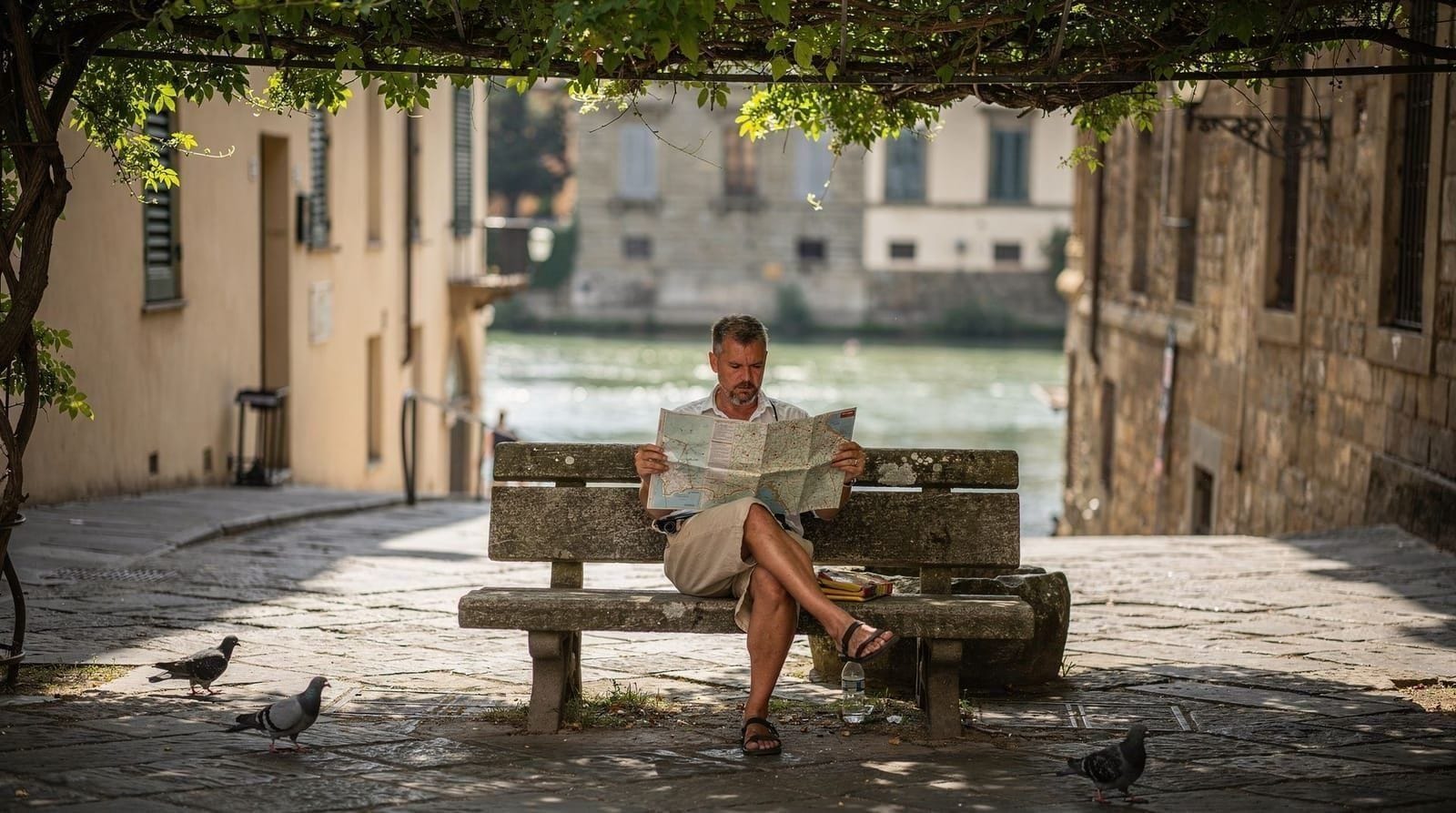
Both work well. Independent exploration is entirely feasible — the museums have excellent audio guides, and a walking map or navigation app handles the streets. A guided walking tour (2 hours, €15–25 per person) is worthwhile on your first morning to orient yourself and learn the city’s history. Museum-specific guided tours for the Uffizi or Accademia provide context that significantly deepens the experience and are worth considering for at least one of the two major galleries.
How much Italian do I need?
None is strictly necessary in tourist areas. English is widely spoken at hotels, museums, and restaurants that receive international visitors. That said, a few words make a meaningful difference: “buongiorno” (good morning), “grazie” (thank you), “scusi” (excuse me), “il conto per favore” (the bill please). Attempting to order food in Italian — even if your pronunciation is approximate — is invariably welcomed.
Can I see Florence in a day trip from Rome?
Technically yes by high-speed train (1h30 Florence to Rome). But a day trip from Rome to Florence means 3 hours of travel time and a rushed 6–7 hours in the city. You can see one or two attractions properly. Better to stay at least one night in Florence and give yourself two full days.
What should I wear in Florence?
Light layers in spring and autumn. Linen and light cotton in summer (it gets genuinely hot). Comfortable walking shoes always. A scarf or light jacket for churches (covered shoulders and knees required). Sunscreen from May onwards. Good-quality rain jacket for November–February.
Are there any free days at Florence museums?
Yes. The first Sunday of each month offers free entry to state museums (Domenica al Museo): Uffizi, Accademia, Bargello, Medici Chapels. Queues are very long — arrive by 8:30am for the Uffizi. Note: the Duomo complex is not included in this scheme.
Should I buy the Firenzecard for a first visit?
Usually not, unless you’re planning 4–5+ major museums in a 3-day window. Most first-time itineraries — Uffizi, Accademia, Duomo complex and maybe one more — come out cheaper with individually pre-booked tickets. See is the Firenzecard worth it for the full break-even math.
What’s the single most useful thing to book before I land?
The Uffizi and Accademia timed-entry tickets, in that order. Both routinely sell out days or weeks ahead in peak season (April–October), and a walk-up queue can cost you half a day. Everything else on the non-negotiable list — the dome, Palazzo Vecchio, Piazzale Michelangelo — has more flexible booking windows.
Top experiences
Bookable activities with verified prices and instant confirmation on GetYourGuide.

Florence: walking tour
- Free cancellation
- Instant confirmation
Florence: Uffizi Gallery skip-the-line tickets
- Skip the line
- Free cancellation
Florence: Accademia Gallery — David skip-the-line ticket
- Skip the line
- Instant confirmation
Florence: Renaissance and Medici walking tour
- Free cancellation
- Small group