Ponte Vecchio reality check: what it's like and what to expect
Is Ponte Vecchio worth visiting?
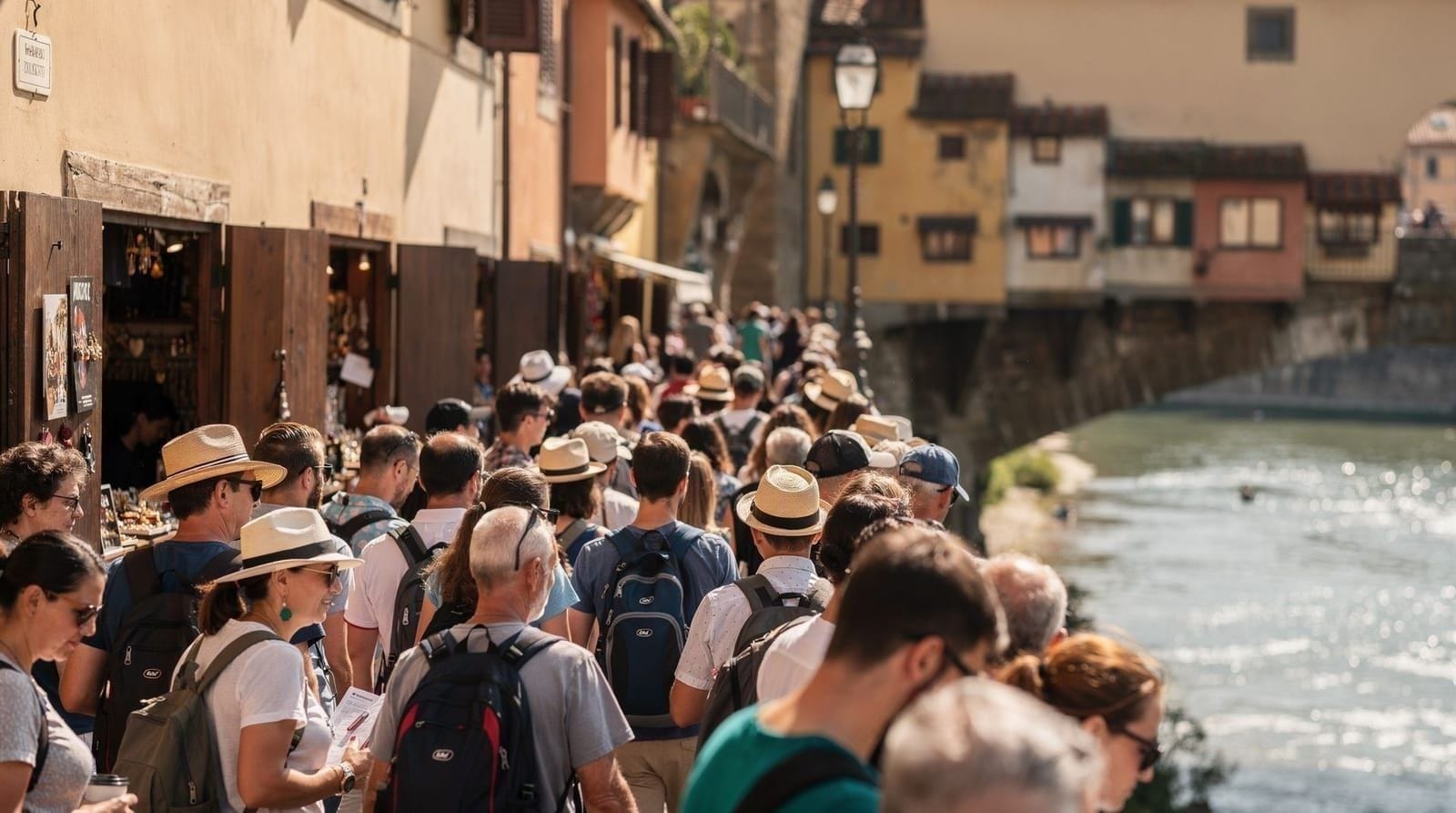
Absolutely — it's beautiful and historically fascinating. But the best experience is looking at it from the adjacent bridges, not walking across it. On the bridge itself you'll find crowds, overpriced gold jewellery at address-premium prices, and very little room to stop and appreciate the view. Go early morning, view it from Ponte Santa Trinita, and budget €0 for shopping unless you've researched specific jewellers in advance.
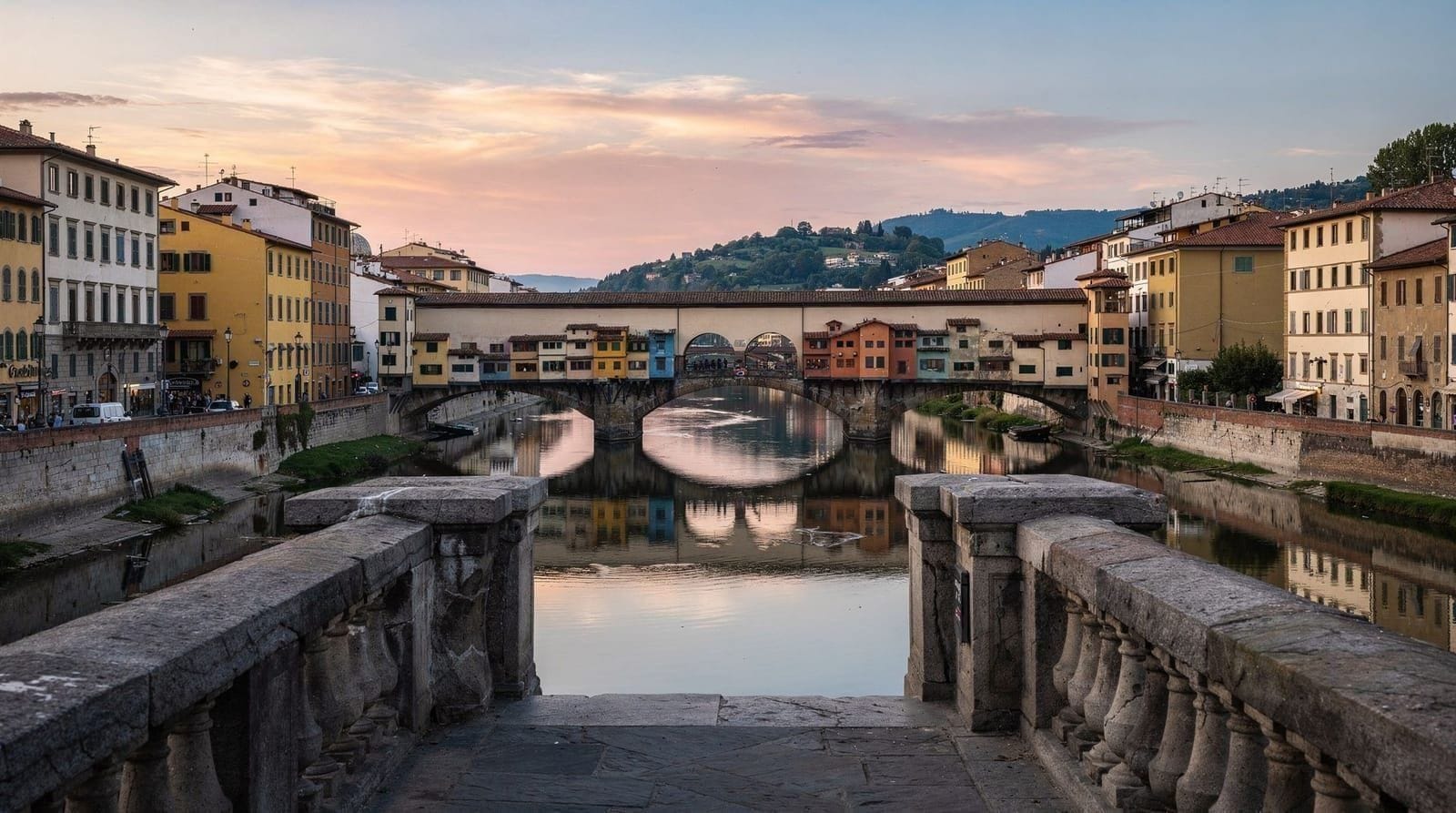
Ponte Vecchio is one of the most photographed bridges in Europe. It is genuinely beautiful — a medieval structure with shops overhanging the Arno, the Vasari Corridor running above, the Apennine hills visible downstream. The photograph is real. The experience of actually being on the bridge in the middle of a tourist-season day is quite different from the photograph.
| Where | Spanning the Arno, connecting the centre to the Oltrarno |
| Cost | Free to cross; shops sell jewellery from around €100 up |
| Time needed | 15–20 min to cross and look properly; longer for photos |
| Best time | Before 9am or the hour before sunset |
| Avoid | 10am–7pm in summer for crowds and pickpocket risk |
This guide does not tell you to skip Ponte Vecchio. It tells you how to experience it in a way that matches the expectation — which requires going at the right time, from the right angle, and with realistic expectations about the shopping. For the standard visitor-information version of this guide (history, layout, practical basics), see the Ponte Vecchio guide.
The architecture: what you’re actually looking at
Ponte Vecchio is not one bridge. It is the latest in a series of bridges at the same location, each destroyed by Arno floods. The current structure dates from 1345, replacing a 1333 flood casualty. It is the oldest bridge in Florence to have survived subsequent floods intact — partly because of the robustness of its three segmental arches resting on two piers.
The overhanging structures on both sides of the bridge are the shops, built as part of the original design to generate rental income for the municipality. This was not unusual — medieval bridges throughout Europe often included shops and houses. What makes Ponte Vecchio unusual is that this commercial superstructure survives almost unchanged from the medieval layout, giving it a uniqueness that goes beyond aesthetics.
The horizontal structure running above the shops on the east side is the Vasari Corridor, added in 1565. It is entirely closed to weather (the small round windows visible from outside let in light), and it allowed the Medici to walk from their government palace (Palazzo Vecchio) to their residence (Pitti Palace) without descending to street level. For a family whose political enemies occasionally assassinated members, this was practical security.
The one piece of World War II history: In August 1944, as German forces retreated north through Italy, all Florence’s bridges were destroyed by explosives to hamper Allied advance. Ponte Vecchio was the only bridge left intact — reportedly on the direct order of Adolf Hitler, who had visited Florence in 1938 and had aesthetic regard for the bridge. This is historically documented and genuinely remarkable.
The shopping reality
Every shop on Ponte Vecchio sells gold jewellery, or jewellery adjacent products (watches, silver items, high-end accessories). The decree of Ferdinando I de’ Medici in 1593 expelled butchers and tanners and established goldsmiths as the bridge’s tenants, and that has been the situation continuously since then.
The gold is genuine. The craftsmanship ranges from mass-produced chain links (indistinguishable from high-street jewellery, sold at bridge premium) to genuinely skilled handmade pieces from workshops that have operated on the bridge for generations.
The honest price assessment:
A simple gold chain at a Ponte Vecchio shop: €150-400. The same chain from a non-tourist-zone goldsmith in the Oltrarno: €100-280. The price differential is not quality — it is rent and location premium. A fine goldsmithing workshop on Ponte Vecchio charges more than the same level of work elsewhere because operating costs are higher.
This does not mean the shops are scamming you. It means you should be clear about what you’re buying: you’re partly paying for the address, the experience of having bought something on Ponte Vecchio, and the story that goes with it. That has legitimate value. But it is not the same as paying for superior craftsmanship.
If you want to shop on the bridge:
- Research the specific shop before entering (some have documented histories of family goldsmithing going back multiple generations)
- Know the going price for the style and weight of gold you want
- Do not feel pressured to buy because the setting is atmospheric
Shops with documented long histories on the bridge:
- Buccellati (high-end, internationally known, unambiguously quality)
- Cassetti (family business, traditional Florentine goldsmithing)
- Melli (established 1930s, antique and estate jewellery)
These are not necessarily cheap — Buccellati is a luxury brand — but they represent genuine quality that justifies the Ponte Vecchio premium. Most of the other shops are standard jewellery retail with a beautiful location.
How to experience Ponte Vecchio correctly
Morning, before 9 AM
The shops are still shuttered. The bridge is quiet. You can walk across slowly, stop in the middle, look downstream (south-east) and upstream (south-west), and understand why this structure has been reproduced and idealised for centuries. The Arno from the bridge at dawn or early morning is genuinely beautiful. This is the experience worth having.
From the adjacent bridges
Ponte Santa Trinita is the next bridge west. It is itself a beautiful Renaissance structure (Bartolomeo Ammannati, 1569) and provides the classic photograph of Ponte Vecchio — all three arches visible, shops overhanging on both sides, the Vasari Corridor above. This is architecturally the better viewing angle than from on the bridge itself.
Ponte alle Grazie to the east provides a different angle: looking downstream, with the Ponte Vecchio spanning the narrowest part of the river in this stretch. From this position you can see how the bridge fits into the broader riverscape.
Evening light
The hour before sunset, Ponte Vecchio is lit from the west by golden light that makes the bridge’s ochre and terracotta tones extraordinary. By this time the daytime crowds have thinned (though not disappeared) and the shops are still open. The light quality for photography is at its best.
The Vasari Corridor tours
The Vasari Corridor has been through various access arrangements over the decades — closed for restoration, opened briefly, closed again, reopened in different formats. As of 2025-2026, it is accessible via guided tours with limited group sizes and advance booking required.
The corridor contains a significant art collection including one of the world’s most important collections of self-portraits (from Raphael to contemporary artists), assembled as part of the Uffizi’s holdings. The experience of walking through the corridor itself — with its views over the Arno and down into the Ponte Vecchio shops through trap-door openings in the floor — is genuinely singular.
Booking: Via the Uffizi museum system or through the GYG-linked Vasari Corridor tour options. Availability is limited and books out weeks in advance in peak season. This is one experience worth planning ahead.
Pickpockets and crowd safety
Ponte Vecchio is one of the highest pickpocket-risk locations in Florence, because of the combination of dense crowds, narrow passage and distracted tourists looking at views and shops. The risk is highest between 10 AM and 7 PM in summer.
Standard precautions:
- Bags in front, zipped closed
- Phones not in jacket pockets or back pockets
- No valuables visible at shoulder level in crowd pushes
- Be aware of unusual crowd pressure or distraction manoeuvres (someone dropping something, someone asking for directions while another stands very close)
This is not unique to Ponte Vecchio — Piazza del Duomo and the areas around the Uffizi have similar risk profiles. Florence is not a high-crime city; but tourist crowd concentrations create pickpocket opportunity everywhere.
The restaurants near Ponte Vecchio: the brutal assessment
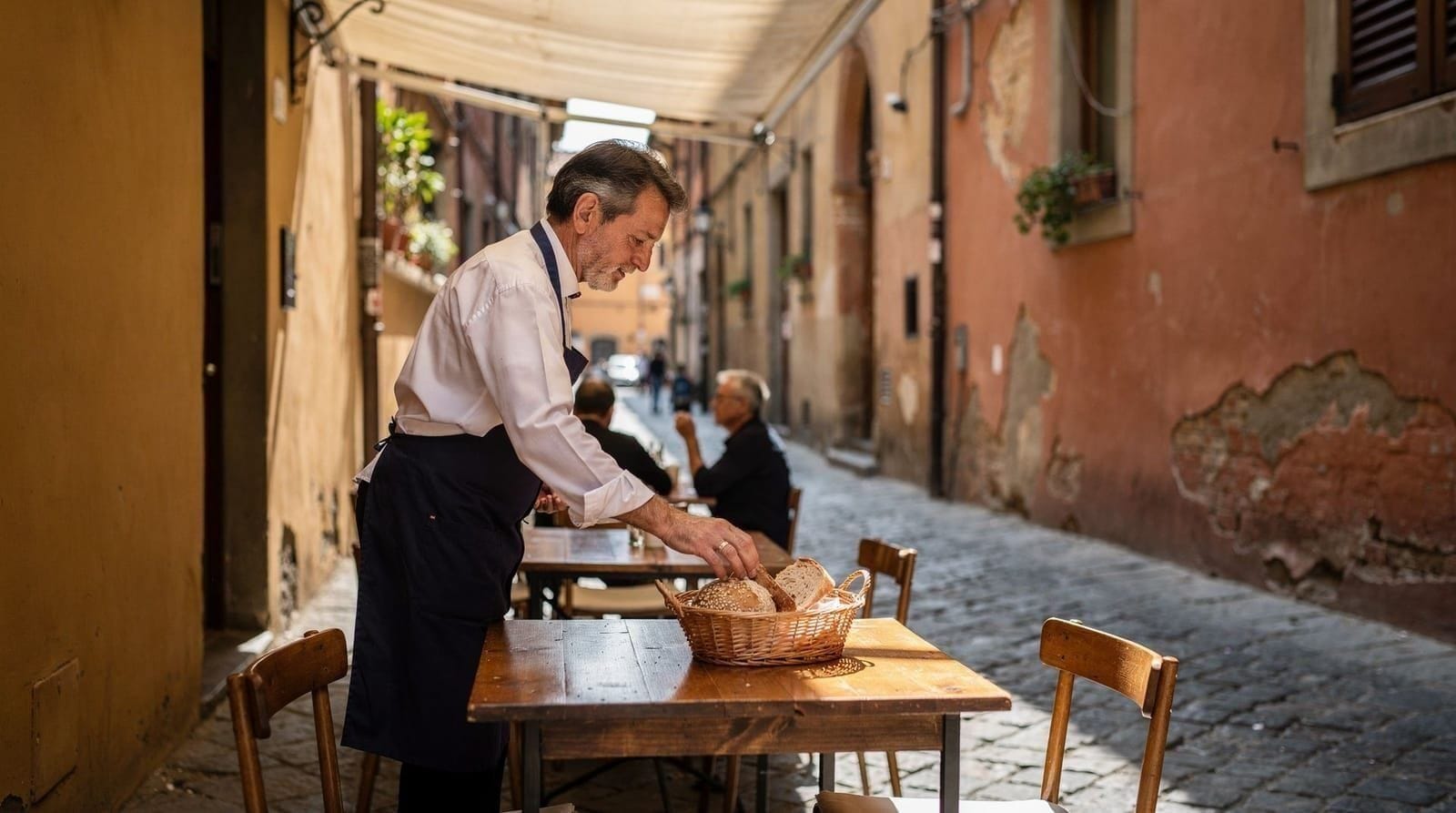
The restaurants within 200 metres of Ponte Vecchio on both the north and south bank are among the most expensive and least good value in Florence. The Lungarno restaurants (facing the river on both sides) charge €4-6 for coffee, €20-28 for pasta, and €50-70 per person for a full meal. The food quality does not distinguish them from neighbourhood trattorias charging half as much.
The area immediately around Ponte Vecchio is a good place to be at dawn and at sunset. It is not a good place to eat. Cross into the Oltrarno and walk 10 minutes in any direction from the bridge to find genuine restaurants at honest prices. Our best restaurants in Florence guide has specific options in the Oltrarno that are accessible from Ponte Vecchio on foot, and the where to eat in Oltrarno guide goes deeper on that specific neighbourhood.
How Ponte Vecchio fits the wider tourist-trap pattern
Ponte Vecchio isn’t an isolated case — it sits inside a broader pattern of Florence attractions where the sight itself is genuine and worth seeing, but the immediate commercial surroundings are priced for one-time tourists rather than value. The same logic applies to the “genuine leather” stalls near Santa Croce (see the fake leather in Florence guide) and the set-menu restaurants clustered around every major landmark (see restaurant scams in Florence). If you want the fuller picture before you travel, the Florence tourist traps guide rounds up the recurring patterns so you can recognise them anywhere in the city, not just here.
What makes Ponte Vecchio worth seeing despite the caveats
Everything above is true, and none of it changes the fact that Ponte Vecchio is one of the most remarkable pieces of surviving medieval urban infrastructure in Europe.
Standing on the bridge at 7:30 AM, with the Arno still carrying morning light from the east, the shuttered shop fronts of goldsmiths who have been in the same locations for decades, the smell of the river, the sound of the city waking up — this is genuinely moving in a way that a hundred other “must-see” tourist sites are not.
The way to have that experience is to go early, not to shop, to look at the bridge from outside before crossing it, and to hold the photography for the moments when the light is right rather than adding your phone to a crowd of 400 identical shots.
The bridge is worth every minute of that. The mid-morning tourist scrum is not.
Frequently asked questions about Ponte Vecchio
Is there a cost to walk across Ponte Vecchio?
No. The bridge is a public road and crossing it is free. The shops charge their prices, the Vasari Corridor tour has a cost, but walking across Ponte Vecchio itself costs nothing.
Can I take photos on Ponte Vecchio?
Yes, freely. There are no photography restrictions on the bridge itself. Some shops may ask you not to photograph their merchandise (a reasonable commercial request). The bridge and its exterior views are fair game.
What happened to Ponte Vecchio’s other bridges?
The Ponte Santa Trinita was destroyed in 1944 with the other bridges, then meticulously rebuilt using salvaged stone from the river bed — it reopened in 1958. The original Bartolomeo Ammannati statues at the four corners were recovered: three of the originals were retrieved from the Arno; the fourth (Spring, which had been stolen during the confusion of rebuilding) was found in 1961 when someone turned it in, having apparently kept it in their home for over a decade.
Is it worth visiting Ponte Vecchio more than once during a trip?
Yes, and it’s genuinely a different place depending on the hour — the sleepy, shuttered version at dawn, the golden-lit version at sunset, and the crowded shopping-street version at midday are almost three separate experiences on the same bridge. If your stay is longer than two or three days, crossing it once early and once at sunset gives you a fuller sense of the place than a single midday walk-through ever will.
Why is the railing in the middle of Ponte Vecchio lower than the sides?
The central section of the bridge railing is lower (and was previously open, with benches) to allow the view downstream. This was intentional — the bridge was designed to be a viewing platform as well as a crossing. The current railing configuration is a compromise between viewpoint and safety standards updated in the 20th century.
Are there any artisan workshops still visible from Ponte Vecchio?
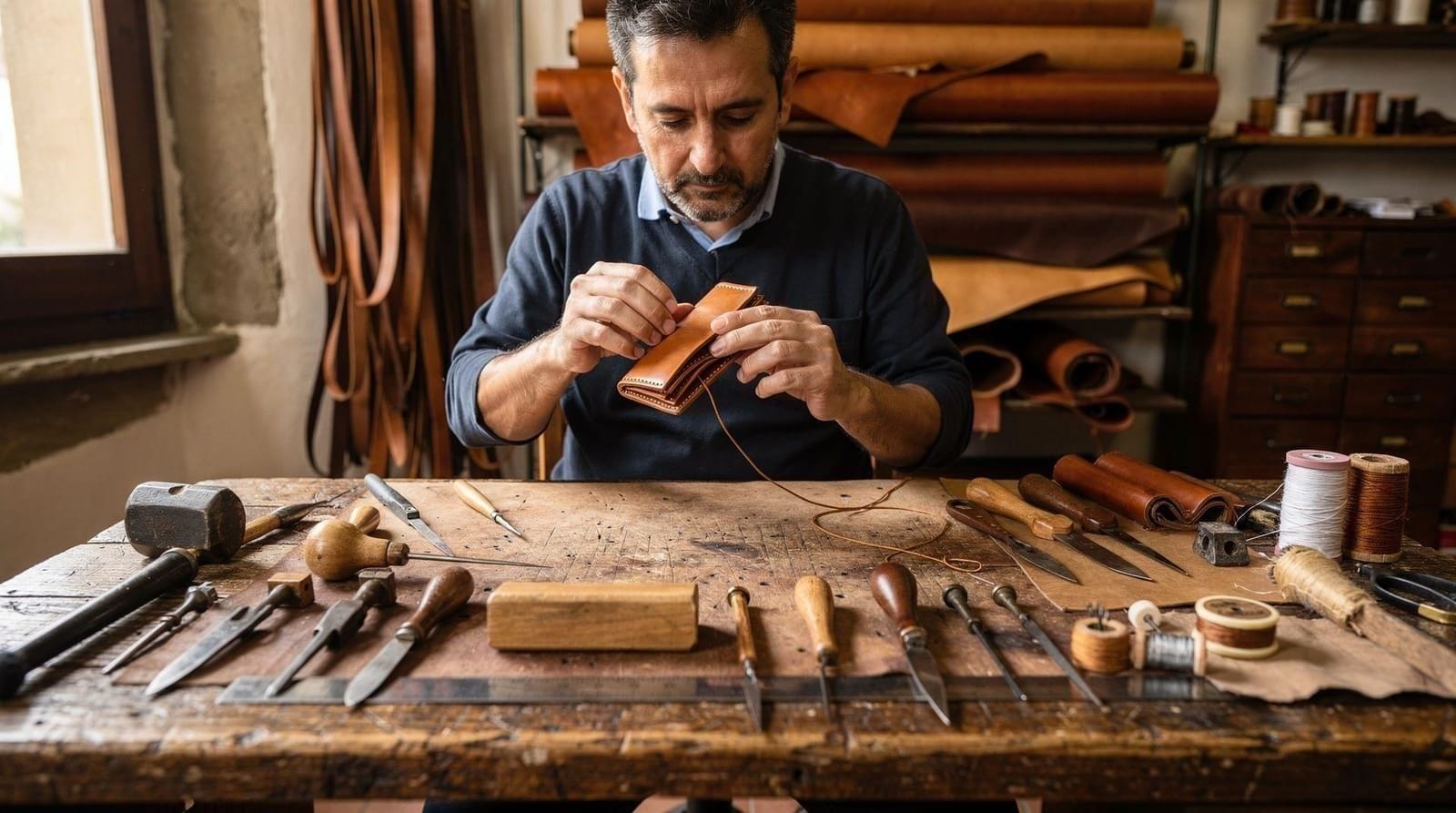
The Oltrarno neighbourhood, visible from the south end of Ponte Vecchio across the small Piazza de’ Rossi, still contains working craft workshops, including leather and paper (marbled paper, carta marmorizzata, is a Florentine specialty). Walking 200 metres south of the bridge brings you into a neighbourhood where artisan work is visible in street-level workshops. This is genuinely different from the tourist corridor. The artisan workshops in Oltrarno guide covers specific workshops worth seeking out.
Where’s the best spot for a Ponte Vecchio photo that isn’t from the bridge itself?
Ponte Santa Trinita, one bridge west, gives the classic full-bridge shot with all three arches and the Vasari Corridor visible. For a higher, wider view of the bridge in context with the whole city, Piazzale Michelangelo at golden hour includes Ponte Vecchio in the panorama, though it’s not a close-up shot. See the best photo spots in Florence guide for a fuller list of angles and timing.
Top experiences
Bookable activities with verified prices and instant confirmation on GetYourGuide.