Best restaurants in Florence
Florence: food and wine tour
- Free cancellation
- Small group
Where should I eat in Florence?
Avoid restaurants ringing the Duomo and Ponte Vecchio — they charge tourist prices for mediocre food. Head instead to Oltrarno, Sant'Ambrogio or San Lorenzo for trattorias where Florentines actually eat. Budget €15–25 for a full trattoria meal with wine.
Where Florentines actually eat — and where you shouldn’t
Florence has some of the finest food in Italy. It also has some of the most aggressively mediocre tourist restaurants on the continent. The gap between the two is stark: a €14 plate of pappardelle with wild boar ragu at a family trattoria in Oltrarno versus a €22 plate of gummy pasta from a laminated menu near the Piazza del Duomo. Same city, wildly different experience.
This guide is built around real places with real prices. No paid placements, no affiliate arrangements with any restaurant listed below. The honest rule: if you can see the Duomo or Ponte Vecchio from the restaurant window, there is almost certainly a better option one or two streets away.
| Where | Oltrarno, Sant’Ambrogio, San Lorenzo — avoid the Duomo/Ponte Vecchio rings |
| Cost | Around €15–25 (trattoria), €25–50 (mid-range), €60+ (splurge) |
| Booking | Recommended for dinner, April–October; lunch is often walk-in |
| Timing | Lunch 12:30–14:00, dinner from 19:30 |
| Watch for | Menu turistico near the Duomo, touts, unrequested servizio charges |
The golden rule: location as a quality filter
Florence’s historic centre is small enough that you are never more than a 10-minute walk from a genuinely good restaurant. The trap is that the worst places cluster around the most visited sights, and they survive entirely on footfall from tourists who will never return.
Avoid the immediate surroundings of: Piazza del Duomo, Ponte Vecchio, Piazzale Michelangelo (the hilltop viewpoint), and the Uffizi queue zone. These rings of restaurants compete for passing trade, not repeat customers.
Seek out: the streets behind Palazzo Pitti in Oltrarno, the Sant’Ambrogio market quarter, the Piazza Santo Spirito in the Santo Spirito neighbourhood, and the backstreets of San Lorenzo — covered in detail in the San Lorenzo district guide.
Best budget trattorias (under €20 per person)
Trattoria Mario (San Lorenzo)
The most famous lunch counter in Florence and deservedly so. No reservations accepted, communal tables, and a menu written in chalk that changes daily. Expect ribollita, bollito misto (mixed boiled meats), pasta e fagioli, and a rotating secondo. A full meal with a quarter-litre of house wine runs €12–14. Arrive by 11:45 or face a queue past Piazza San Lorenzo.
Address: Via Rosina 2, near the Mercato Centrale. Open Monday–Saturday lunch only. Cash preferred.
Trattoria da Ruggero (Oltrarno)
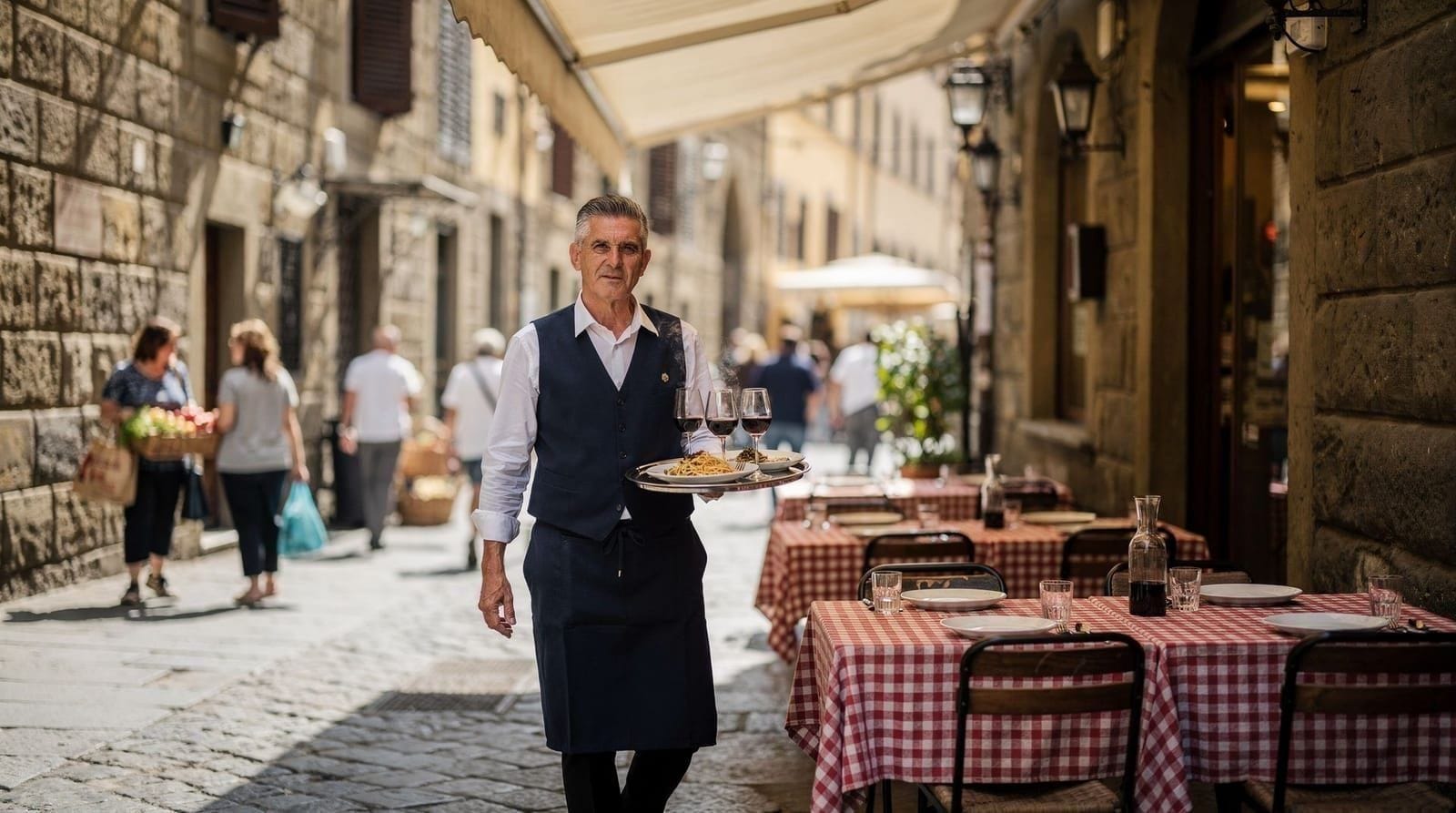
A neighbourhood fixture with checked tablecloths, slow service, and cooking that rewards patience. The ribollita here is among the city’s best — thick, earthy, ladled generously. Secondi like ossobuco or roast rabbit run €12–15. The wine list is short but the house Chianti Classico at €8 for half a litre is more than adequate.
Located in Oltrarno, Via Senese 89. Closed Tuesday. Book for dinner.
Il Latini (Santa Maria Novella)
A noisy, boisterous communal-table institution that polarises visitors. The food is abundant rather than subtle — prosciutto, ribollita, bistecca, tiramisu, all delivered at speed. Prices are higher than a true neighbourhood trattoria (€35–45 per head with wine) but the experience is genuine rather than manufactured. Queue from 18:30 for the 19:30 dinner sitting.
Best mid-range restaurants (€25–50 per person)
All’Antico Vinaio (multiple locations)
Strictly speaking a fiaschetteria (wine bar with food), but the schiacciata sandwiches — loaded with porchetta, finocchiona, burrata and truffle cream — have become a Florence institution. The original on Via dei Neri has a queue most mornings. Sandwiches run €7–10. There are now several branches; the via dei Neri original is still the best.
Buca Mario (Santa Croce)
One of the oldest restaurants in Florence (est. 1886), tucked into a vaulted cellar. The vaulted setting can feel touristy but the kitchen delivers honest Florentine cooking: crostini neri (chicken liver pâté on toast), pappardelle al cinghiale, and a decent bistecca alla fiorentina for two (€55–65 per kg). Book ahead.
Osteria dell’Enoteca (Oltrarno)
For a special meal without the Michelin-star pricing, this Oltrarno osteria offers a short seasonal menu with excellent pasta, fish on Fridays, and a well-chosen wine list strong on Chianti Classico Riserva and Morellino di Scansano. Expect €35–45 per person with wine. The interior is quiet and unhurried — refreshing in a city this busy.
Buca dell’Orafo (Ponte Vecchio area — an exception)
Located literally beside the Ponte Vecchio, this should by rights be terrible. It is not. Family-run since 1978, it serves conservative but competent Florentine cuisine with an extensive wine cellar. The fritto misto di verdure (fried vegetables) is a reliable starter; the lampredotto (tripe sandwich’s more sophisticated cousin) is for adventurous eaters. Lunch €30–35, dinner €40–50.
Best splurge restaurants (€60+ per person)
Buca Mario in Palazzo Niccolini
Not to be confused with the Santa Croce Buca Mario above: this is an upmarket spin-off in a Renaissance palazzo. The setting is extraordinary — frescoed ceilings, silver candelabra, the whole Florentine fantasy. The cuisine is elevated Tuscan: handmade pici with ragu d’anatra, wagyu bistecca, aged Pecorino with truffle honey. Allow €80–120 per person. Essential for anniversaries, optional for everyone else.
Il Borro Tuscan Bistro (Ponte Vecchio)
Part of the Ferragamo family’s Il Borro estate. The terrace overlooking the Arno is genuinely lovely. The kitchen focuses on estate-grown produce — olive oil, vegetables, Chianina beef — executed with skill rather than flair. The lunch formula (€45) is the best value; dinner pushes €80–100.
The dishes every first-timer should try
| Dish | What it is | Typical price |
|---|---|---|
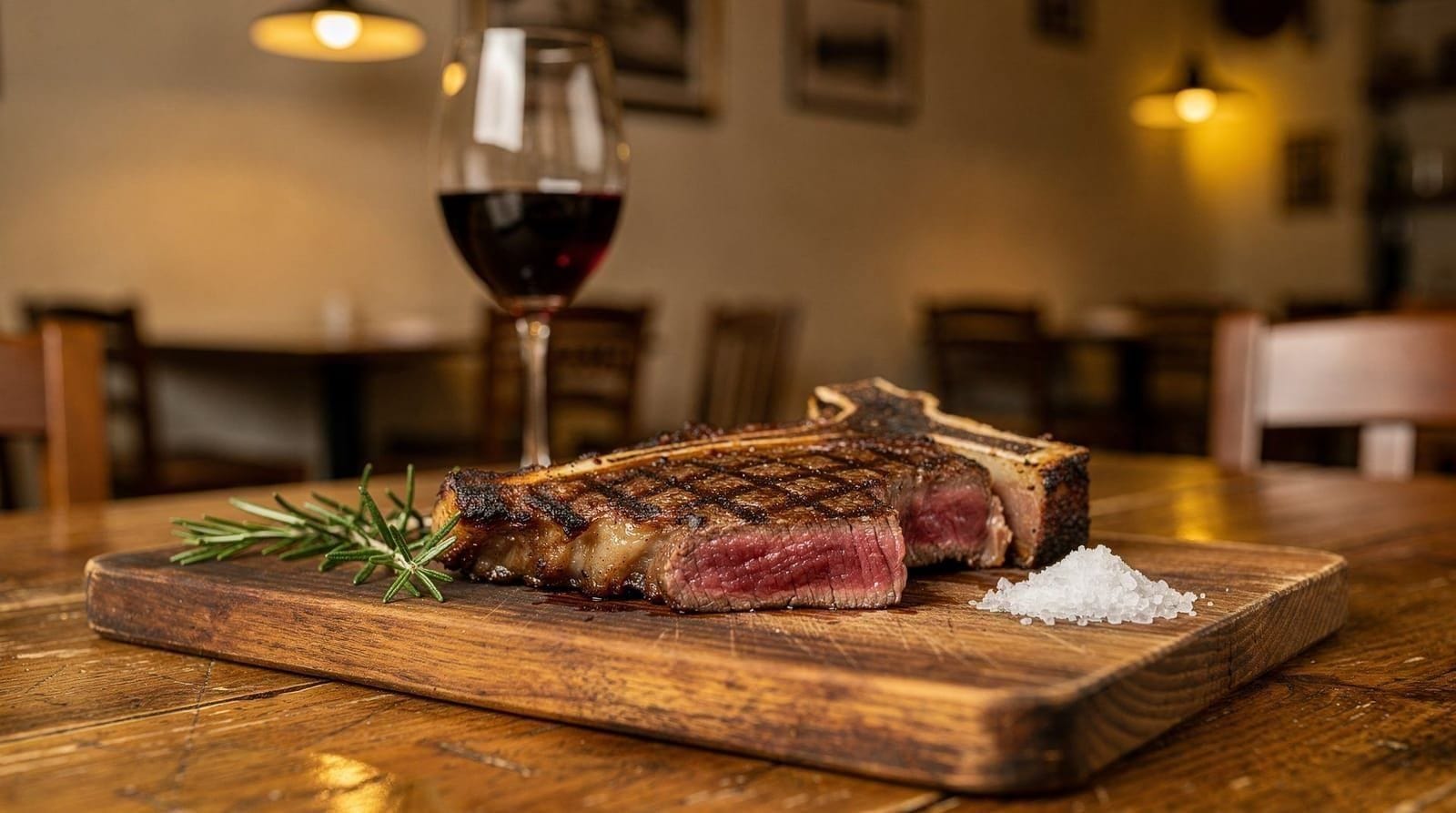
| Bistecca alla fiorentina | T-bone steak, charcoal-grilled, rare, priced per kg | €45–65 per kg |
| Ribollita | Thick Tuscan bread and vegetable soup | €9–13 |
| Pappardelle al cinghiale | Wide pasta ribbons with wild boar ragu | €12–16 |
| Lampredotto | Tripe and offal sandwich from a street cart | €4–5 |
| Crostini neri | Toast with chicken liver and caper pâté | €6–9 |
| Pappa al pomodoro | Bread and tomato thick soup | €8–11 |
| Cantucci e Vin Santo | Almond biscuits dipped in sweet dessert wine | €5–8 |
For the bistecca in particular, consult the dedicated bistecca alla fiorentina guide — there are real differences between restaurants and ordering etiquette matters.
Neighbourhood-by-neighbourhood guide
Oltrarno and Santo Spirito
The south bank of the Arno is Florence’s most food-rich neighbourhood and the place most often recommended by residents. The streets radiating from Piazza Santo Spirito — Via Sant’Agostino, Borgo San Frediano, Via dell’Orto — hold a concentration of genuine trattorias. Full coverage in the Oltrarno eating guide.
Sant’Ambrogio
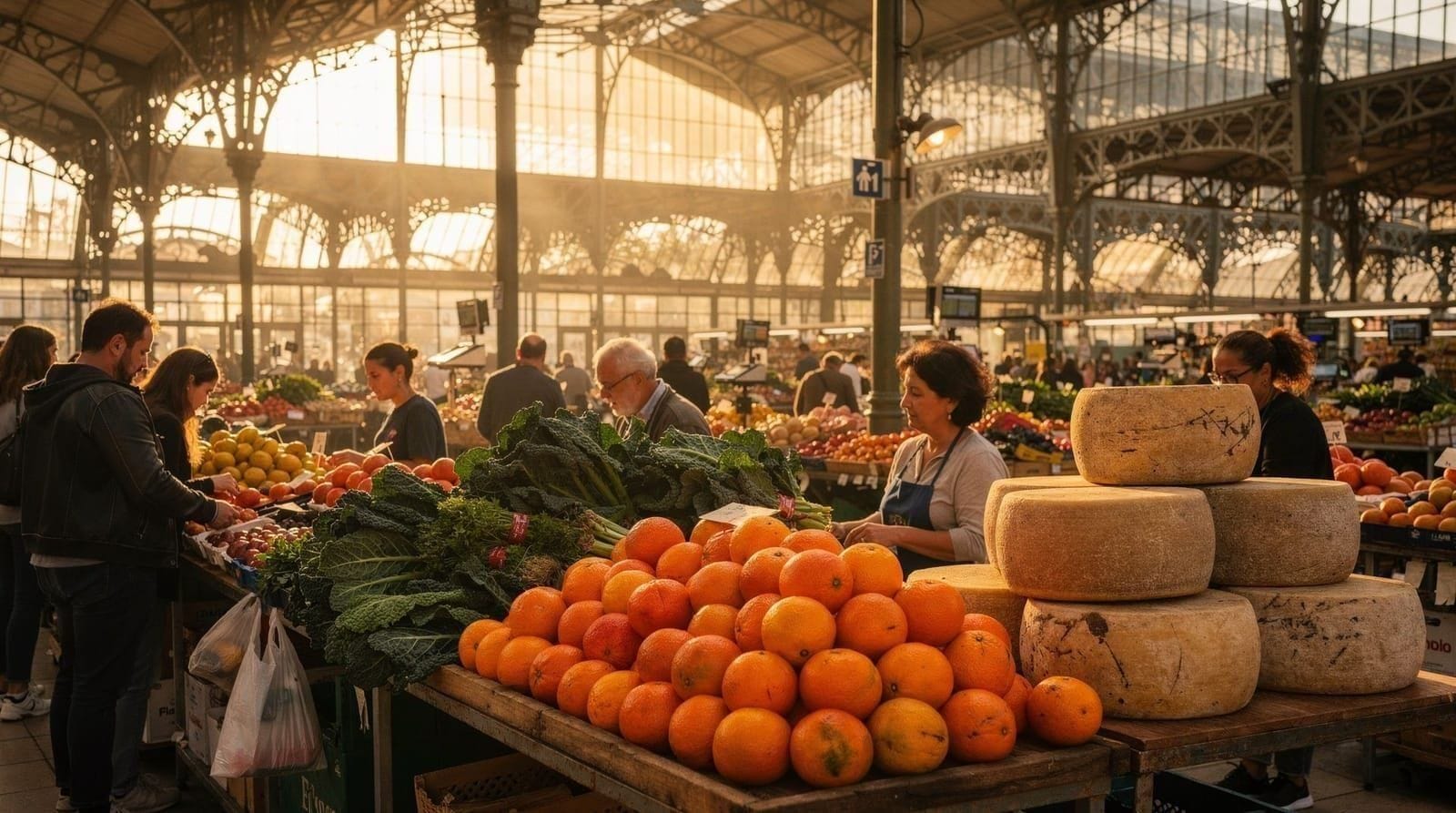
The quarter around the Sant’Ambrogio market is Florence’s best neighbourhood for eating with the grain of the city rather than against it. The market itself closes by 14:00; the surrounding restaurants and trattorie cook with what’s freshest from the stalls. Via dei Macci and Borgo la Croce are the two best streets.
San Lorenzo
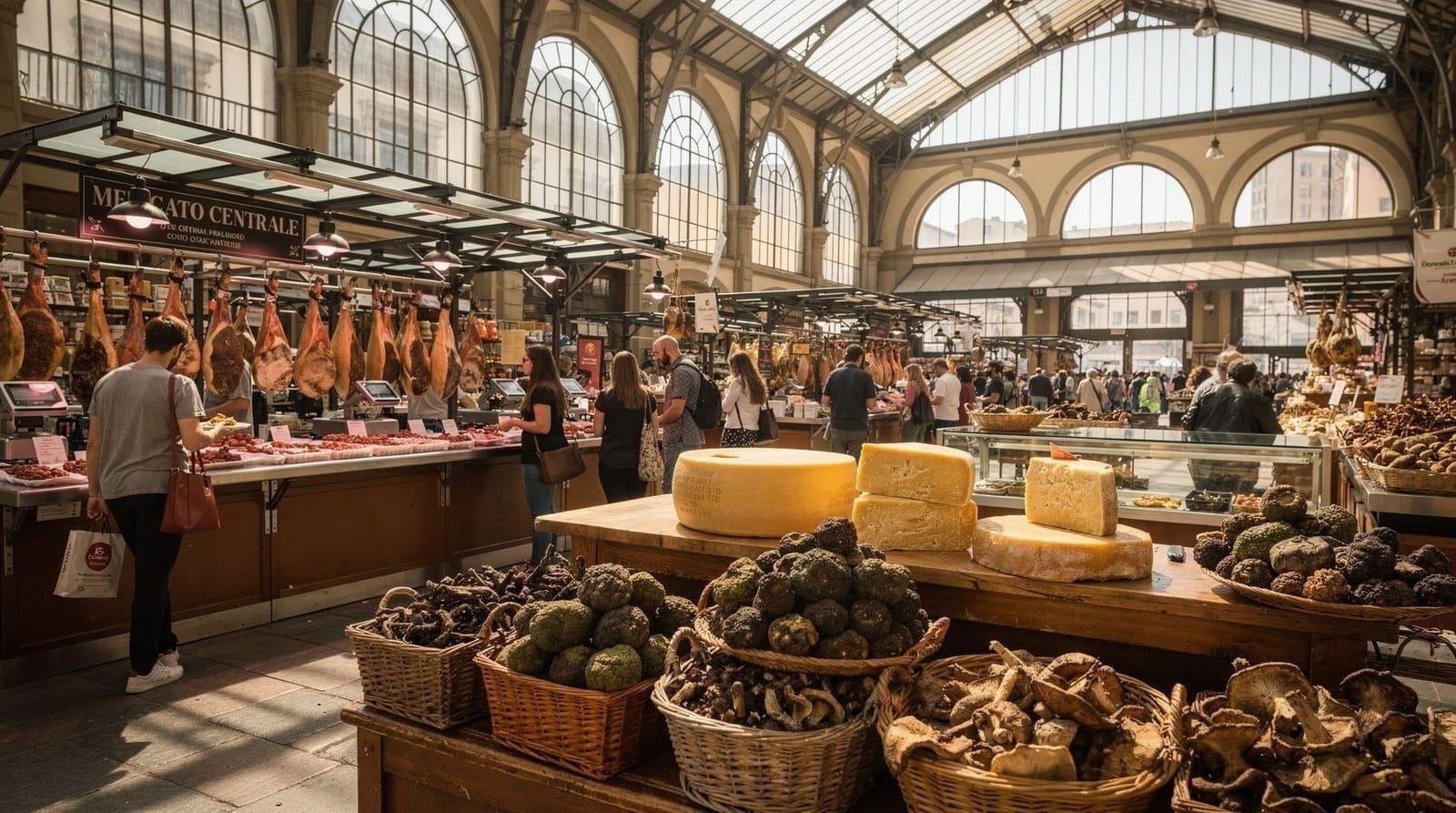
A short walk from the train station, San Lorenzo is home to the covered Mercato Centrale on the ground floor and a cluster of exceptionally good lunch spots around Via Rosina and Via dell’Ariento. The area can feel chaotic — the outdoor market sells tourist goods — but the food options reward persistence.
Santa Croce
More varied than Oltrarno, with a mix of genuine trattorias, wine bars, and tourist-oriented restaurants. The area around Via dei Benci and Via delle Conce has some of the better mid-range options. Gelateria dei Neri is here — essential for dessert.
Honest warnings: what to avoid
Fluorescent gelato: Florence has a gelato trap problem. Gelato mounded high in lurid colours (bright green pistachio, glowing pink strawberry) is almost always made with artificial flavourings and stored in uncovered steel containers in the open air. Real artisan gelato is stored in covered metal pozzetti, has muted natural colours (pistachio is greenish-grey, not Shrek-green), and is made fresh daily. See the best gelato in Florence guide for vetted gelaterie.
“Menu turistico” near the Duomo: Any laminated menu offering pasta + secondo + dessert for €12–15 within sight of the Cathedral is using industrial ingredients. Always order à la carte at a proper trattoria.
Restaurants with touts: If someone is standing outside a restaurant beckoning pedestrians in, walk past. No good restaurant in Florence needs a tout — they have regulars.
Coperto confusion: A coperto (cover charge) of €1.50–3 per person is standard and legal. It appears as a separate line on your bill. It is not a scam. However, some tourist restaurants add it and add a separate servizio (service charge) of 10–15% — that is unusual and worth questioning.
For the fuller picture of deliberate overcharging tactics beyond the coperto — inflated seafood weights, undisclosed daily specials priced far above the printed menu, photo-menu bait-and-switch — see the dedicated restaurant scams in Florence guide. It pairs with the broader Florence tourist traps guide, which covers the same pattern across shopping and sightseeing, not just food.
Aperitivo: the lighter alternative to a full dinner
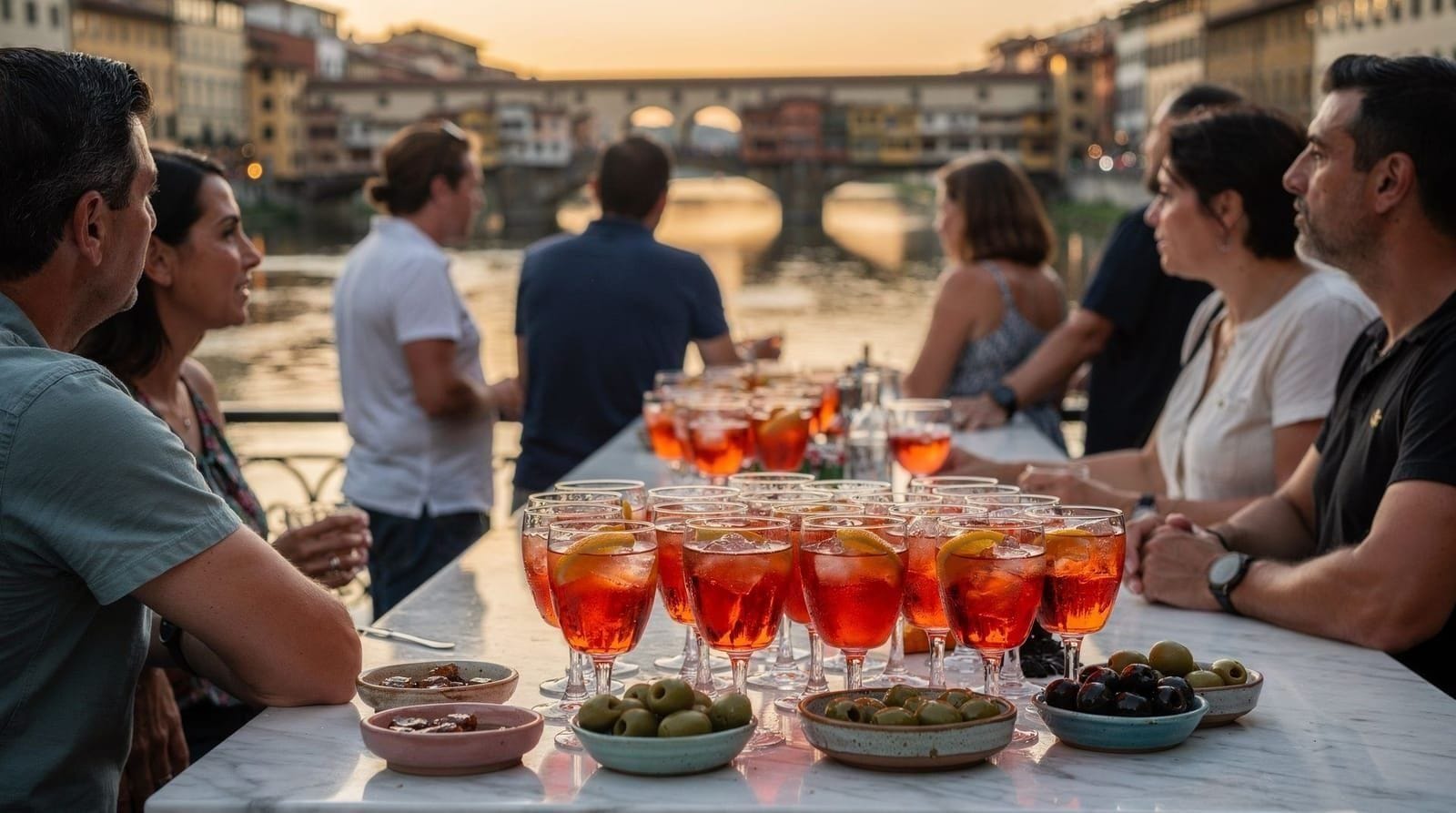
Not every evening needs a sit-down trattoria meal. Florence has a strong aperitivo culture — order a drink (€8–14) between roughly 18:30 and 20:30 and receive a buffet or generous snack spread included in the price, enough to substitute for a light dinner. It’s a good option after a long museum day when a full multi-course meal feels like too much. The aperitivo in Florence guide covers the best bars for this, including several with rooftop views.
Practical tips for eating well
Lunch is usually better value than dinner. Many trattorias offer a pranzo formula (daily lunch special) that doesn’t appear on the dinner menu. Trattoria Mario operates exclusively at lunch for this reason.
Reservations for dinner. For any restaurant you actually want to eat at, book at least a day ahead during April–October. WhatsApp reservations are widely accepted.
Wine ordering. House wine (vino della casa) at a trattoria is typically adequate and cheap — €8–12 for half a litre. If the restaurant has a proper wine list, ask for a recommendation under €25. Florence has no particular attachment to expensive bottles at lunch.
Timing. Florentines eat lunch between 12:30 and 14:00, dinner from 19:30 onwards. Arriving at 12:00 or 19:30 sharp gives you first pick of tables. Arriving at 13:30 or 21:00 in summer means a wait at any popular spot.
For a guided introduction to Florence’s food scene with a local expert, a walking food tour is the most efficient way to cover multiple neighbourhoods and dishes in a single morning.
Solo diners. Trattoria Mario and other communal-table lunch spots are genuinely comfortable for solo travellers — you’ll often end up sharing a table and a conversation. Sit-down dinners for one are less common culturally, so lunch is the easier meal to enjoy solo without feeling conspicuous; aperitivo works well for solo evenings too, since standing at a bar with a plate is normal rather than unusual.
Frequently asked questions about eating in Florence
Is the food in Florence expensive?
Not inherently. At a good neighbourhood trattoria you can eat extremely well — three courses, wine, water — for €20–25 per person at lunch, €30–40 at dinner. The expense trap is geographic: restaurants near the major sights charge tourist prices for tourist-grade food. Move one or two streets away and prices drop noticeably.
What should I order on a first visit to Florence?
Start with ribollita or crostini neri as antipasto, then pappardelle al cinghiale or pasta e fagioli as primo, with bistecca alla fiorentina if your budget allows (it must be shared between two and ordered rare — asking for it well done is considered an insult). Finish with cantucci dipped in Vin Santo.
Is breakfast included at Florentine hotels?
Sometimes, but most Florentines eat breakfast at a bar: a cornetto (Italian croissant) and a cappuccino for €2–3 standing at the counter. Sit-down hotel breakfasts are fine but represent a premium you can redirect towards a better dinner.
Where can I find traditional Florentine street food?
The best street food — lampredotto (tripe) sandwiches, schiacciata, cured-meat sandwiches — is detailed in the Florence street food guide. The main hubs are the Mercato Centrale, All’Antico Vinaio on Via dei Neri, and the nerbone counter inside the covered market.
Can I eat well in Florence with dietary restrictions?
Vegetarians can eat well — ribollita, pappa al pomodoro, pasta dishes and grilled vegetables are all mainstays. Vegans will find it harder but not impossible. Gluten-free visitors should check menus carefully: pasta and bread are central to Florentine cooking, though most mid-range restaurants now offer alternatives on request. Always communicate restrictions when booking.
How do I avoid the classic restaurant scams in Florence?
Stick to restaurants without touts, without photo-menus at the door, and away from the Duomo/Ponte Vecchio rings — the same filters that pick a good restaurant also filter out most scams. The restaurant scams in Florence guide covers specific tactics like inflated seafood pricing by weight and undisclosed daily-special prices in more detail.
Is aperitivo a good substitute for dinner?
For many evenings, yes — a €10–14 drink with a generous buffet spread between 18:30 and 20:30 is filling enough to skip a formal dinner, and it’s a good way to sample several small dishes rather than committing to one restaurant. See the aperitivo in Florence guide for the best spots.
Top experiences
Bookable activities with verified prices and instant confirmation on GetYourGuide.

Florence: food and wine tour
- Free cancellation
- Small group
Florence: ultimate food tour — full Tuscan meal with a local
- Free cancellation
- Small group
Florence: Sant Ambrogio market food tour of 10 local dishes
- Free cancellation
- Small group
Florence: old city street food tour and guided sightseeing
- Free cancellation
- Small group
Florence: dinner with truffle, Florentine steak and exclusive wines
- Free cancellation