Artisan workshops in the Oltrarno
Florence: leather crafting experience — made in Florence
- Free cancellation
- Small group
What crafts can I find in the Oltrarno?
The Oltrarno is Florence's artisan quarter. Working workshops for leather goods, marbled paper and bookbinding, furniture restoration, gold-leaf gilding, jewelry, terracotta, and custom shoe-making are found on Borgo San Jacopo, Via Maggio, Via de' Serragli and surrounding streets.
Why the Oltrarno survived when other artisan quarters did not
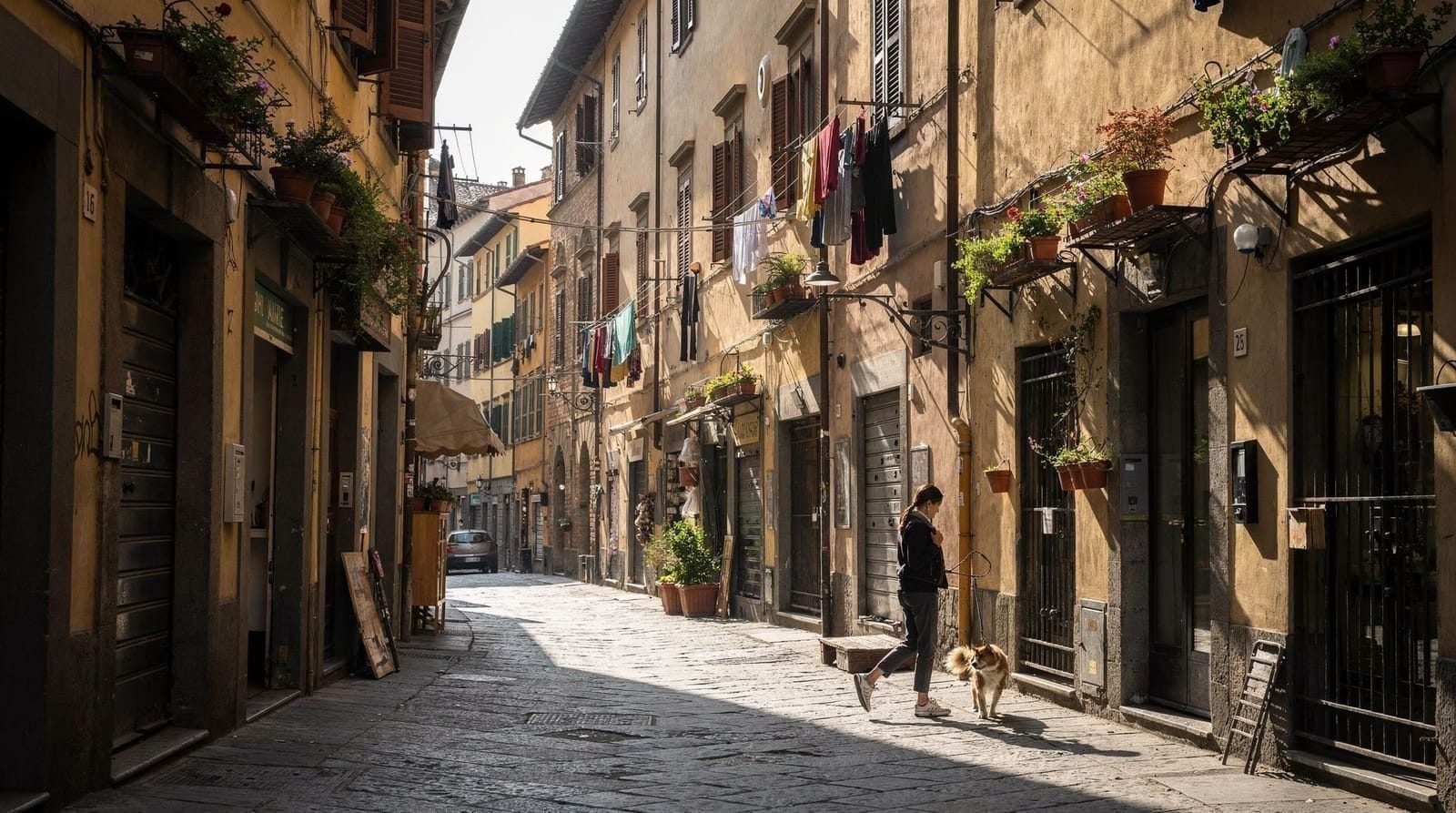
The Oltrarno (literally “beyond the Arno”) has been Florence’s working craftsman quarter since the Middle Ages. Tanners, spinners, woodworkers, gilders and metalworkers settled south of the river when the city’s guilds drove industry out of the centre. The tradition held because the Oltrarno remained a working residential neighbourhood rather than converting entirely to tourism.
Today, the Oltrarno has one of the highest concentrations of genuine working artisan workshops anywhere in Italy. This is not a theme-park artisan experience: these are real craftspeople earning their living, supplying fashion houses, interior designers and private clients, some of whom have been doing the same work in the same location for generations.
This guide maps the craft categories, the key streets, specific workshops worth visiting, and how to engage with the artisan economy honestly rather than as a tourist performance. For the wider leather trade across the city, including San Lorenzo, see the Florence leather markets guide and the Florentine leather tradition guide.
| Where | Borgo San Jacopo, Via Maggio, Via de’ Serragli, Oltrarno |
| Best for | Leather, marbled paper, bookbinding, gold leaf, ceramics |
| Hands-on sessions | EUR 30–110, book 1–2 weeks ahead in peak season |
| Best time | November–March for quieter workshops |
| Avoid | August closures around Ferragosto |
The Oltrarno craft map
Leather and bespoke goods: Borgo San Jacopo and surroundings
Borgo San Jacopo runs west from the foot of Ponte Vecchio along the south bank of the Arno. The street and its tributaries (Via dello Sprone, Via de’ Bardi, Via Toscanella) house leather workshops ranging from single-craftsperson operations to small studios with 3-4 workers.
Workshop format: Most leather workshops have a front room or window display where finished goods are shown, with the working area visible behind or adjacent. Walk slowly and look for doors marked “laboratorio artigianale” or where workshop activity is visible through the window.
What is made here: Bags, wallets, belts, gloves, luggage tags, custom travel goods, bookbinding in leather, and occasionally bespoke items to commission. Most workshops use vegetable-tanned Tuscan leather from the tanneries in Santa Croce sull’Arno.
Custom orders: Some workshops accept commissions for specific items — a bag in a particular size, a wallet with specific pocket configuration, a belt to exact measurements. Turnaround is typically 3-10 days for standard items. If you are in Florence for a week and want something specific, asking on day one is feasible.
What to expect: Prices in the EUR 80-400 range for bags, EUR 60-150 for wallets, depending on complexity. Higher than the market; genuinely different product.
Specific workshops worth knowing:
Atelier Stefano Bemer (Via S. Niccolò 2): Custom shoemaking at the highest level — bespoke shoes requiring multiple visits and a considerable investment (EUR 2000-4000 per pair). Not for casual shoppers but worth knowing that Florence has this tradition active.
Mrs Macis (Borgo San Jacopo): Small workshop producing structured leather bags in classic Florentine styles. Ready-made stock and limited custom work.
Marbled paper and bookbinding: Via de’ Serragli and Oltrarno streets
Florentine marbled paper (carta marmorizzata) is one of the most recognisable artisan products of the city — the swirling, flowing patterns that appear on notebooks, albums, bookcovers and decorative papers. The technique involves floating pigments on a carrageenan gel surface, drawing them into patterns with combs, then pressing paper onto the surface to capture the pattern.
Several legatorie (bookbinding workshops) in the Oltrarno continue both crafts.
Giulio Giannini e Figlio (Piazza de’ Pitti 37): Open since 1856, this is the most established marbled paper shop in Florence, located immediately opposite the entrance to Palazzo Pitti. The display window shows the range of patterns; inside, paper goods including notebooks, albums, boxes and frames. The craftspeople work in the back; the shop sells direct. Notebooks EUR 18-40, photo albums EUR 45-120, decorative sheets EUR 6-15.
Alberto Cozzi (Via del Parione 35): A small legatoria specialising in hand-binding and restoration. The shop is tiny — the entire workspace is visible from the door. Bound notebooks, custom album covers, and restoration work. Worth visiting to watch the process even if you do not buy.
Il Torchio (Via de’ Bardi 17): A working bookbinding studio that also conducts short workshops (approximately 2 hours) where visitors make a small hand-bound notebook. Accessible for all skill levels; advance booking required.
Furniture restoration and antiques: Via Maggio
Via Maggio is the most beautiful street in the Oltrarno for antique and restoration workshops. The 16th-century palazzi that line it have ground-floor workshops that have operated as antique dealers and furniture restorers for over a century.
What you find: 18th and 19th-century Italian furniture (Tuscany, Veneto, Lombardy), painted and gilded objects, mirrors, decorative arts, and the workshops of the restorers who work on them. The workshop doors frequently open onto the street — you can see craftspeople stripping, sanding, gilding and finishing furniture.
Gold leaf gilding: Several workshops specialise in gold-leaf application to frames, furniture and decorative objects. This is one of the most visually compelling craft processes to watch — thin sheets of gold leaf applied to a burnished gesso base with a gilder’s tip (a soft-haired brush). The gold adheres and is then polished.
Shops worth entering: Frilli Gallery (Via de’ Servi area), Bizzarri (Via della Condotta, antique apothecary), and multiple unnamed restorer workshops whose open doors reveal the work.
Ceramics and terracotta: Borgo San Frediano and Via de’ Serragli
The western Oltrarno, around Borgo San Frediano and Piazza del Carmine, has ceramics workshops and artisan studios producing decorative terracotta, majolica ceramics and sculptural work.
Sbigoli Terrecotte (Via Sant’Egidio 4r — actually near Santa Croce but Oltrarno-spirit): One of the few remaining terracotta workshops producing hand-thrown pots using the traditional Florentine terracotta process. Large garden pots, architectural terracotta, and smaller decorative pieces. The workshop and kiln are visible during working hours.
Ceramics from Montelupo Fiorentino: Montelupo, 20 km from Florence, has been producing decorated majolica ceramics since the 15th century. Workshops on Via de’ Serragli and Borgo San Frediano sell Montelupo-produced pieces alongside Florentine work.
Jewellery and metalwork: Via de’ Serragli and backstreets
The Oltrarno has several independent jewellers producing work outside the Ponte Vecchio gold trade — contemporary design, experimental metalwork, enamel work and silver.
Ojetti Bijoux (Sdrucciolo de’ Pitti): Small jewellery workshop making contemporary pieces in silver, with occasional gold and enamel. Open studio format — work visible through the glass door.
Angela Caputi (Borgo SS Apostoli 44 — near the Arno, not technically Oltrarno but same spirit): Known for bold, sculptural resin jewellery in Florentine colour palettes. Not traditional craft but genuinely made in Florence and distinctive.
Experiencing the workshops: practical guide
When to visit
Oltrarno workshops generally follow Italian working hours: 9 am-1 pm and 2:30-6:30 pm, Monday-Saturday. August closures are common — many workshops close for 2-3 weeks around Ferragosto (mid-August). Check online for specific workshops you plan to visit.
The period November-March is excellent for visiting workshops: fewer tourists, craftspeople are in the workshops full days (summer often sees lighter afternoon attendance), and you have the streets more to yourself.
Engaging with craftspeople
Most Oltrarno artisans welcome genuine interest. The key is to show it:
- Ask about the specific item you are looking at (“is this vegetable-tanned leather?”, “what wood is this frame?”)
- Ask about the process (“how long does this take to make?”)
- If you want to buy but cannot afford the asking price, explain your budget honestly — some workshops have a range of items, and a craftsperson may point you toward something within your means rather than lose your interest entirely
Do not photograph workshop interiors without asking. A courteous request (“may I photograph the work?”) is almost always granted.
Workshops offering hands-on experiences
Several Oltrarno workshops have formalised their visitor experience into paid craft sessions:
Leather crafting: Make a wallet, card holder or small bag in 2-3 hours. Select your leather, learn hand-stitching, leave with a completed item. Cost EUR 70-110 including materials. Advance booking required — sessions fill 1-2 weeks ahead in peak season.
Bookbinding: Make a hand-bound notebook in 1-2 hours. Learn the coptic stitch or Japanese stab-binding method. Cost EUR 40-70. Il Torchio (Via de’ Bardi) and other workshops offer these.
Marbled paper: Watch the marbling process and make your own sheet. Cost EUR 30-60 for a workshop of 60-90 minutes. Contact Giannini or specialist paper workshops for current offerings.
Mosaic (Florentine commesso): The opus sectile tradition of Florentine stone mosaic — hard-stone pieces cut and fitted together — is practiced in a small number of workshops. Learning sessions focus on simple designs. Cost EUR 60-100 for a 2-3 hour session.
The Oltrarno artisan economy: honest context
The Oltrarno’s artisan tradition is under pressure from the same forces affecting craft everywhere: rising rents, younger generations choosing different careers, competition from mass-produced imports. The number of genuine working workshops has declined significantly from its peak in the mid-20th century.
What remains is real and worth supporting. When you buy directly from an Oltrarno artisan, you are:
- Paying the maker directly (no retail markup, no intermediary)
- Getting a genuinely unique item (or one from a very small production run)
- Contributing to the continued economic viability of the workshop
- Often able to request personalisation or custom work
The experience is different from buying at San Lorenzo or in a boutique — more personal, more specific, and with a clear relationship between price and what was invested in making the object.
Walking the Oltrarno for artisan shopping
Suggested route (2-3 hours):
Start at Ponte Vecchio south side → walk west along Borgo San Jacopo (leather workshops, ceramics) → south on Via dello Sprone → east on Via Maggio (antiques, furniture, gold-leaf workshops) → south end of Via Maggio → back north along Via de’ Serragli (bookbinding, ceramics, general craft) → west to Piazza Santo Spirito (market on Tuesday and Saturday mornings, cafés, neighbourhood life) → east along Borgo San Frediano → return via Via de’ Bardi (bookbinding at Il Torchio, views over the Arno).
Total walking distance approximately 3 km. Allow extra time if you stop at workshops.
The Oltrarno walking tour guide covers the full neighbourhood in more detail including architecture, food stops and neighbourhood history.
Frequently asked questions about Oltrarno artisan workshops
Can I commission a piece of furniture from an Oltrarno workshop?
Yes, but shipping furniture internationally is expensive and complicated. Restoration work on items you bring is more practical. For decorative objects (a mirror frame, a gilded box, a ceramic piece), shipping is more manageable — establish the logistics with the workshop before committing.
How do I find specific workshops?
The Associazione OMA (Oltrarno Meets Artigianato) promotes Oltrarno workshops and publishes a map of participating craftspeople. Pick up a copy at the tourist office (Piazza Stazione or near Palazzo Vecchio) or access it online. Not all workshops participate, but the map is a useful starting framework.
Is the Oltrarno safe for solo visitors?
Yes. The Oltrarno is a residential neighbourhood and feels safer and quieter than the historic centre north of the Arno. The evening, particularly around Piazza Santo Spirito, is lively with local bar culture. Normal city awareness applies.
Are there artisan workshops in other Florence neighbourhoods?
Yes: Santa Croce has leather workshops and the Scuola del Cuoio, and the San Lorenzo market area has a much larger but more mixed-quality leather trade — see the Florence shopping guide for how to tell the two apart. The area around the Accademia has art supply shops and some small craft studios. Via de’ Tornabuoni and surroundings have established fashion-sector artisans (haberdashery, tailors, custom shoe workshops). The Oltrarno has the highest concentration but the tradition exists across the city.
The difference between buying artisan and buying souvenir
This distinction is worth making explicit because the Oltrarno experience gets diluted when visitors approach it as souvenir shopping rather than engaging with the artisan economy.
Souvenir shopping logic: Price is the dominant criterion. Speed matters. Authenticity of origin is a marketing claim rather than a verified reality.
Artisan shopping logic: Understanding what you are buying — the material, the technique, the maker — is part of the transaction. Price reflects real time and real skill. The object has a specific maker and a specific place of origin.
The Oltrarno workshops are the second category. When you buy a leather wallet from a workshop on Borgo San Jacopo for EUR 90, you are paying for 2-3 hours of a skilled craftsperson’s time, for leather that was tanned in a specific traditional way, and for an object that will outlast you if cared for. This is not a defence of the price — it is an explanation of what it represents.
The practical implication: the Oltrarno works better as a half-day or full-day exploration rather than a 30-minute shopping detour. Arriving at a workshop, talking to the craftsperson, watching the work in progress, and then deciding whether to buy creates a different relationship to the purchase. That is the experience the Oltrarno can provide and that no other shopping environment in Florence matches.
Food and coffee in the Oltrarno artisan quarter
A long artisan shopping afternoon needs practical fuel stops. The Oltrarno food scene is genuinely good — several of the best restaurants in Florence are in this neighbourhood — but for a quick break during a workshop tour:
Caffè Ricchi (Piazza Santo Spirito 8): Long-standing neighbourhood café on the piazza. Coffee at bar prices, not tourist prices. Brioche in the morning.
Il Latini (Via dei Palchetti 6r): Traditional Tuscan restaurant that has barely changed in 50 years. Shared tables, no menu (whatever is cooking), extraordinary bistecca alla Fiorentina. Lunch or dinner; arrive at opening time or expect to queue.
Borbotto (Borgo San Frediano 6r): A small schiacciata (Florentine flat bread) bakery. Fresh schiacciata all’olio, stuffed versions with prosciutto or cheese. EUR 3-6 for a filled sandwich — the best cheap lunch in the Oltrarno.
Volume (Piazza Santo Spirito 5r): Books and aperitivo. Open all day. Good for a 5 pm break with a glass of wine while you read about what you have just seen in the workshops.
The combination of artisan workshop visits with lunch or dinner in the Oltrarno and an evening aperitivo in Piazza Santo Spirito is one of the most Florentine days possible — away from the museum circuit, inside the neighbourhood that the city’s craftspeople have occupied for seven centuries.
Top experiences
Bookable activities with verified prices and instant confirmation on GetYourGuide.