Best cooking classes in Florence: the complete guide
Florence: authentic cooking class for fresh pasta and gelato
- Free cancellation
- Small group
How much does a cooking class in Florence cost?
A standard 3-hour cooking class with pasta and wine costs €65–95 per person. Farm-based full-day classes run €110–160. Gelato-only or pizza-making classes are shorter and cheaper at €45–75. Most include the meal you cook, wine, and recipe cards.
Why take a cooking class in Florence
Florence has an exceptional culinary tradition and a well-developed cooking class infrastructure to match. Unlike some tourist-heavy European cities where “cooking classes” means stirring a pre-made sauce, Florence’s best classes teach real technique: shaping fresh pasta from scratch, understanding why Tuscan bread contains no salt, the mechanics of a proper ragù.
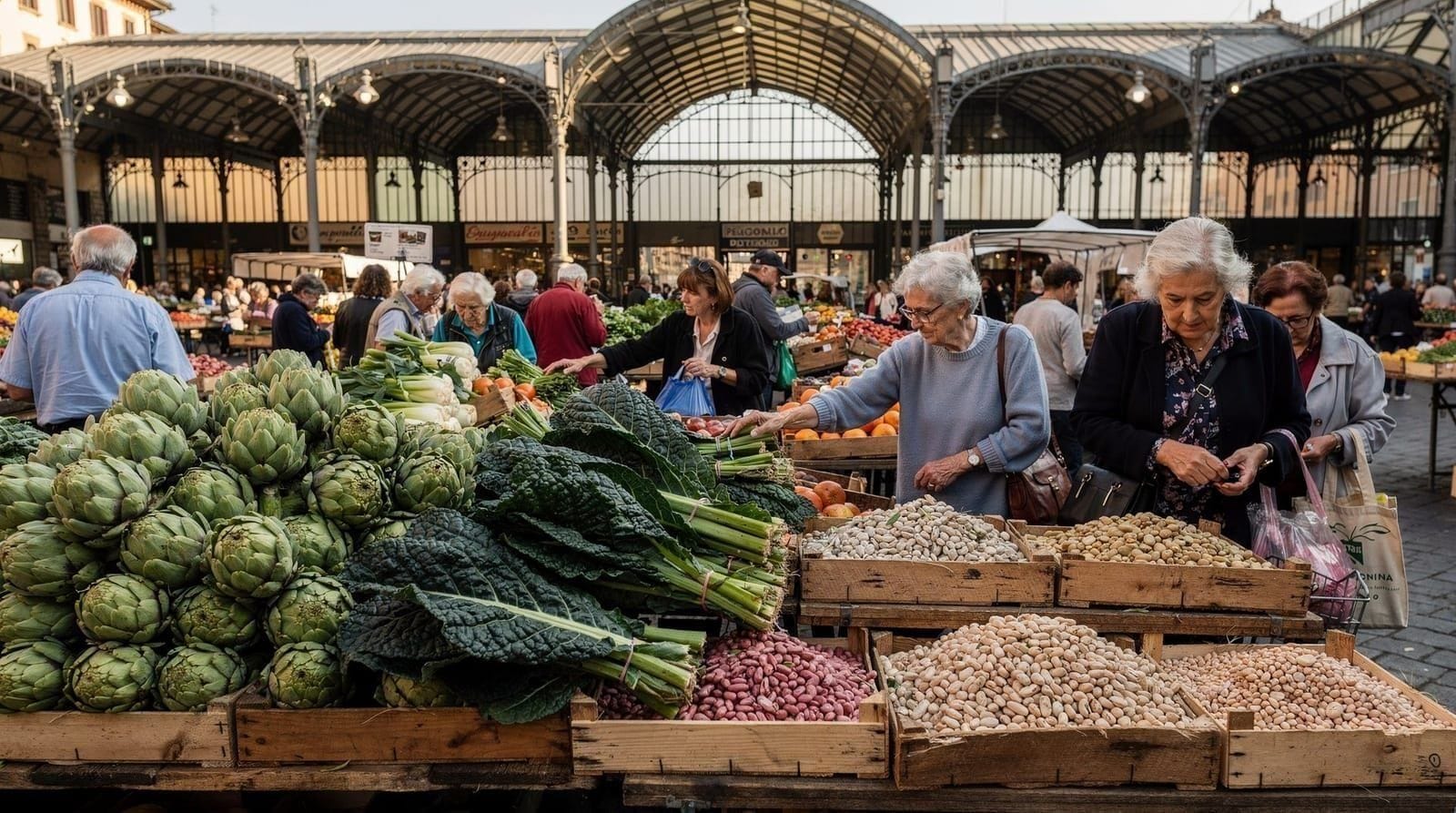
The best classes also provide what eating at restaurants cannot: direct access to the reasoning behind the food. Why do Florentines use cavolo nero rather than kale? Why is Tuscan olive oil peppery and sharp? What makes a proper ribollita distinct from a vegetable soup with bread in it? A good teacher answers these questions as you cook.
This guide covers the main class formats, what to look for, what to pay, and how to choose between options.
| Typical cost | €65–95 for a standard 3-hour pasta class |
| Cheapest option | Gelato/pizza class, €45–75 |
| Most immersive | Tuscan farm class, full day, €110–180 |
| Book ahead | 3–5 days peak season; 1–2 weeks for farm/market classes |
| Best for families | Gelato and pizza classes, ages 7+ |
The main class formats
Pasta-making class (the most popular)
Duration: 2.5–3.5 hours
Price: €65–95 per person
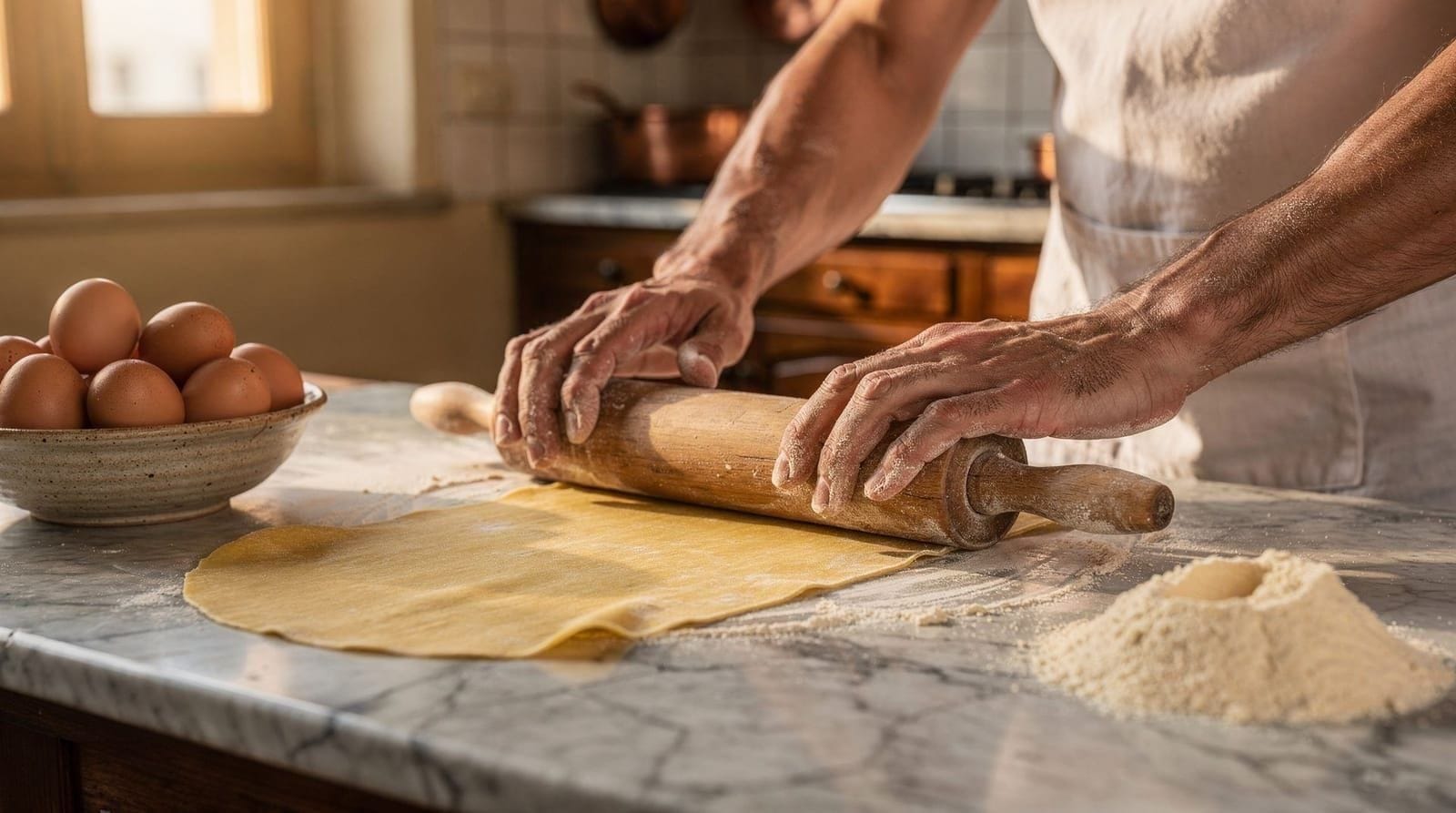
What you learn: Fresh pasta from scratch — dough, rolling by hand or machine, shaping (typically pappardelle + one filled pasta such as ravioli or tortellini). One or two sauces (often a simple tomato with basil and a ragù).
Includes: The meal you’ve cooked, Tuscan wine, usually recipe cards
Group size: Typically 6–16 people
The pasta class is the backbone of Florence’s cooking class industry because it works well for all skill levels and delivers immediate, tangible results. First-time pasta makers consistently produce excellent results by the end of a well-taught class.
For specialised detail on pasta-making classes, see the pasta-making class guide.
Market-to-table class
Duration: 4–5 hours (including market visit)
Price: €95–140 per person
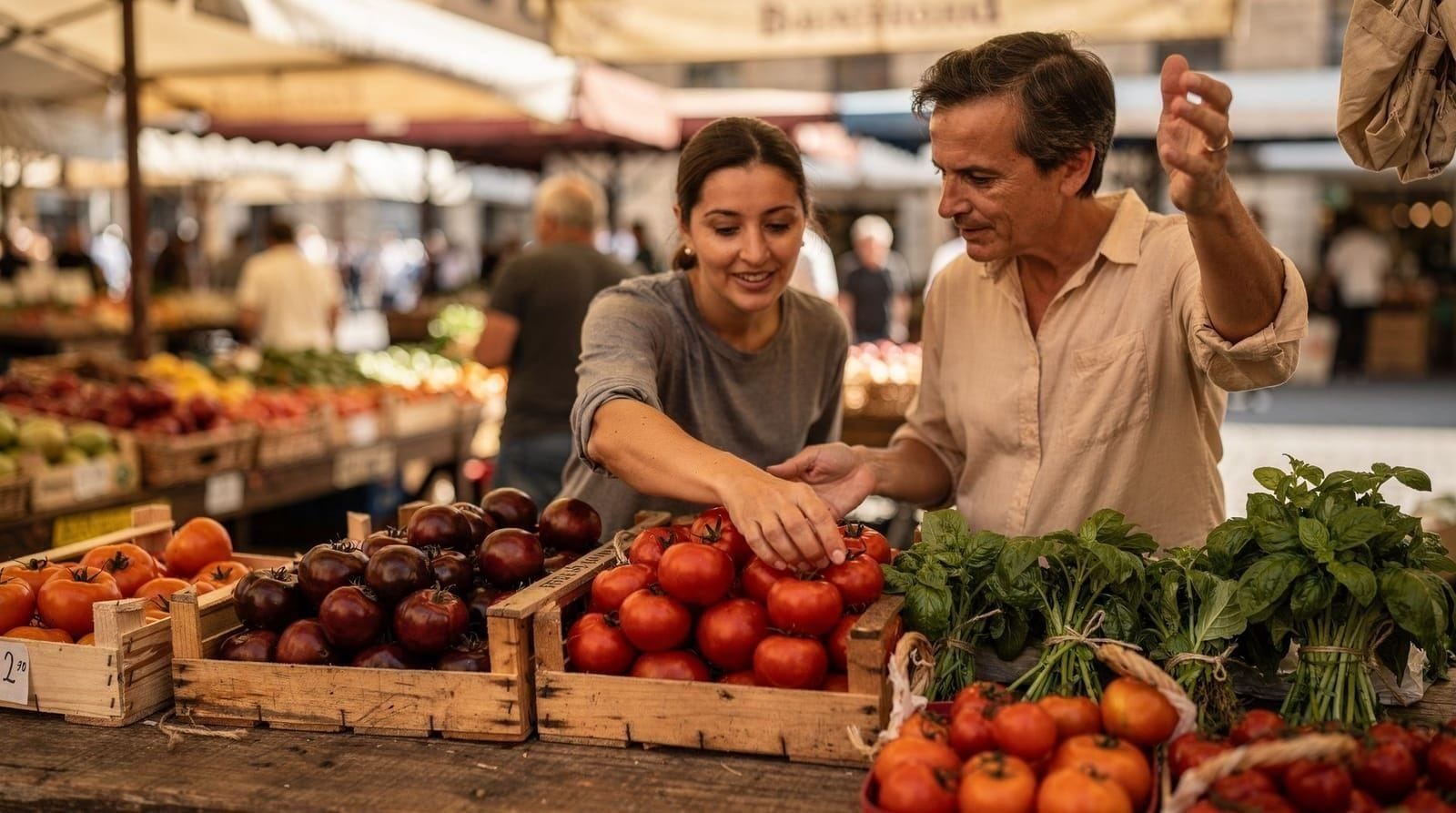
What you learn: Ingredient selection at the market (typically Sant’Ambrogio or San Lorenzo), seasonal menu planning, then full hands-on cooking of a 3–4 course Tuscan meal
Includes: Market purchases for the lesson, the meal you cook, wine, recipe cards
Group size: 4–10 people (smaller due to market logistics)
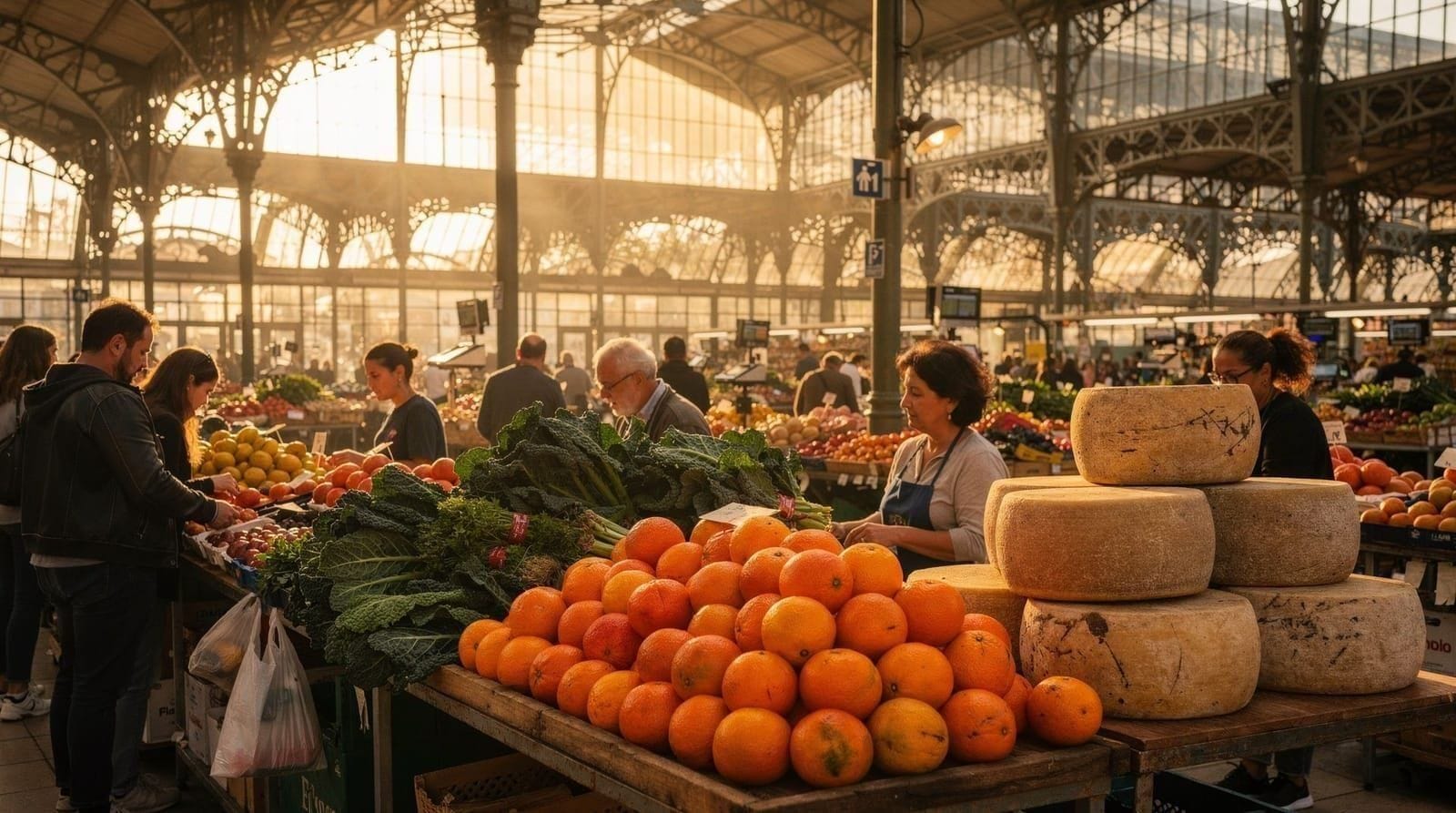
The market component adds significant value for visitors who want to understand Florentine food culture beyond the kitchen. The chef-teacher explains the seasonal calendar at the market, introduces vendors, and helps you understand the relationship between what’s available and what’s cooked — usually at Sant’Ambrogio market or Mercato Centrale. Full coverage in the market-to-table cooking guide.
Gelato and/or pizza class
Duration: 2–2.5 hours
Price: €45–75 per person
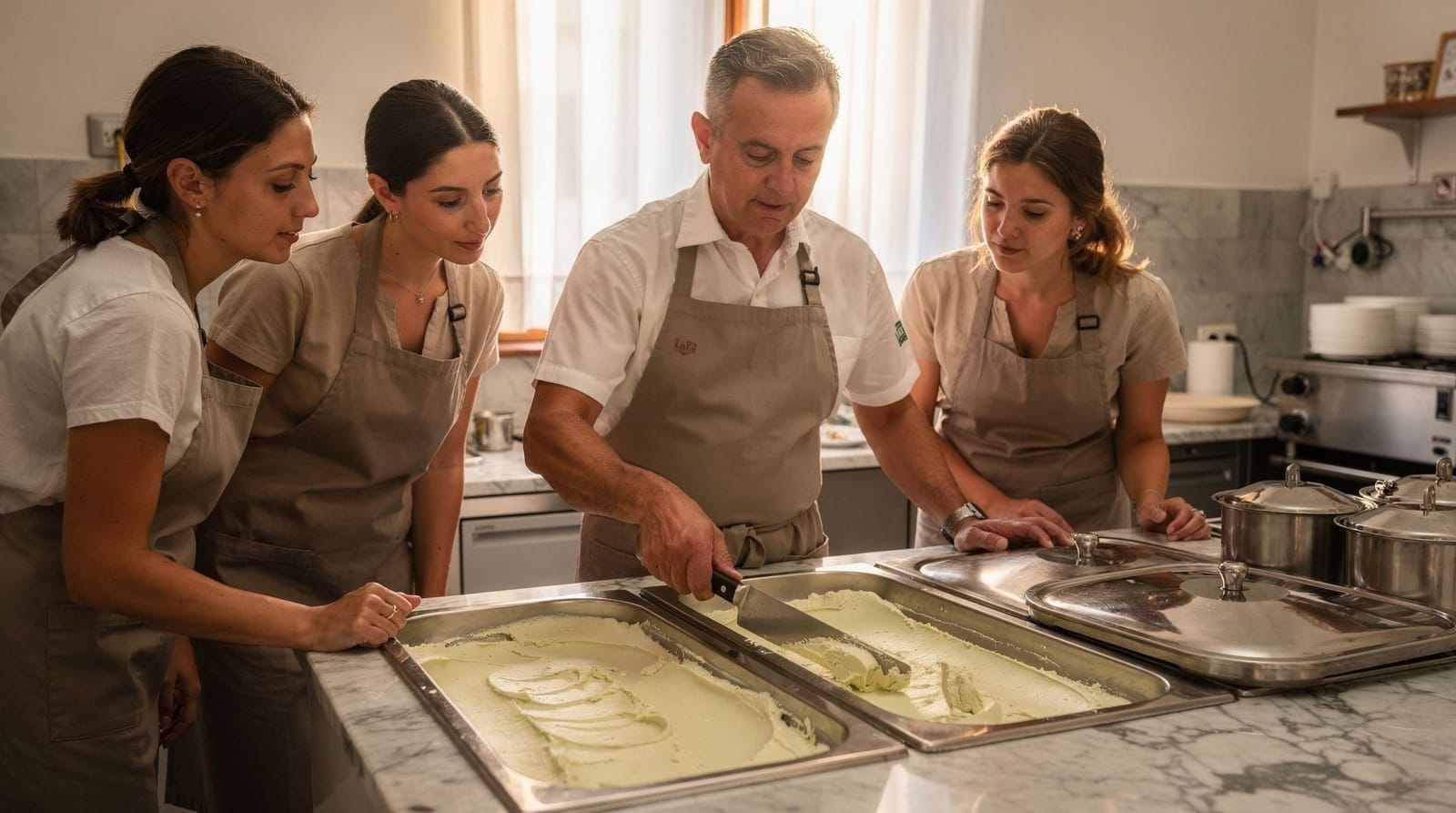
What you learn: Either gelato-making technique (custard, flavouring, churning) or pizza dough and topping assembly, or both in a combined session
Includes: What you make to eat, usually a drink
Group size: 6–20 people
Lighter and more accessible than a full pasta class. Better for families with children (the pizza/gelato format particularly), for people with limited time, or for those primarily interested in these specific dishes. See the gelato and pizza classes guide for specifics.
Tuscan farm class
Duration: Full day (5–7 hours including transport)
Price: €110–180 per person (including transport from Florence)
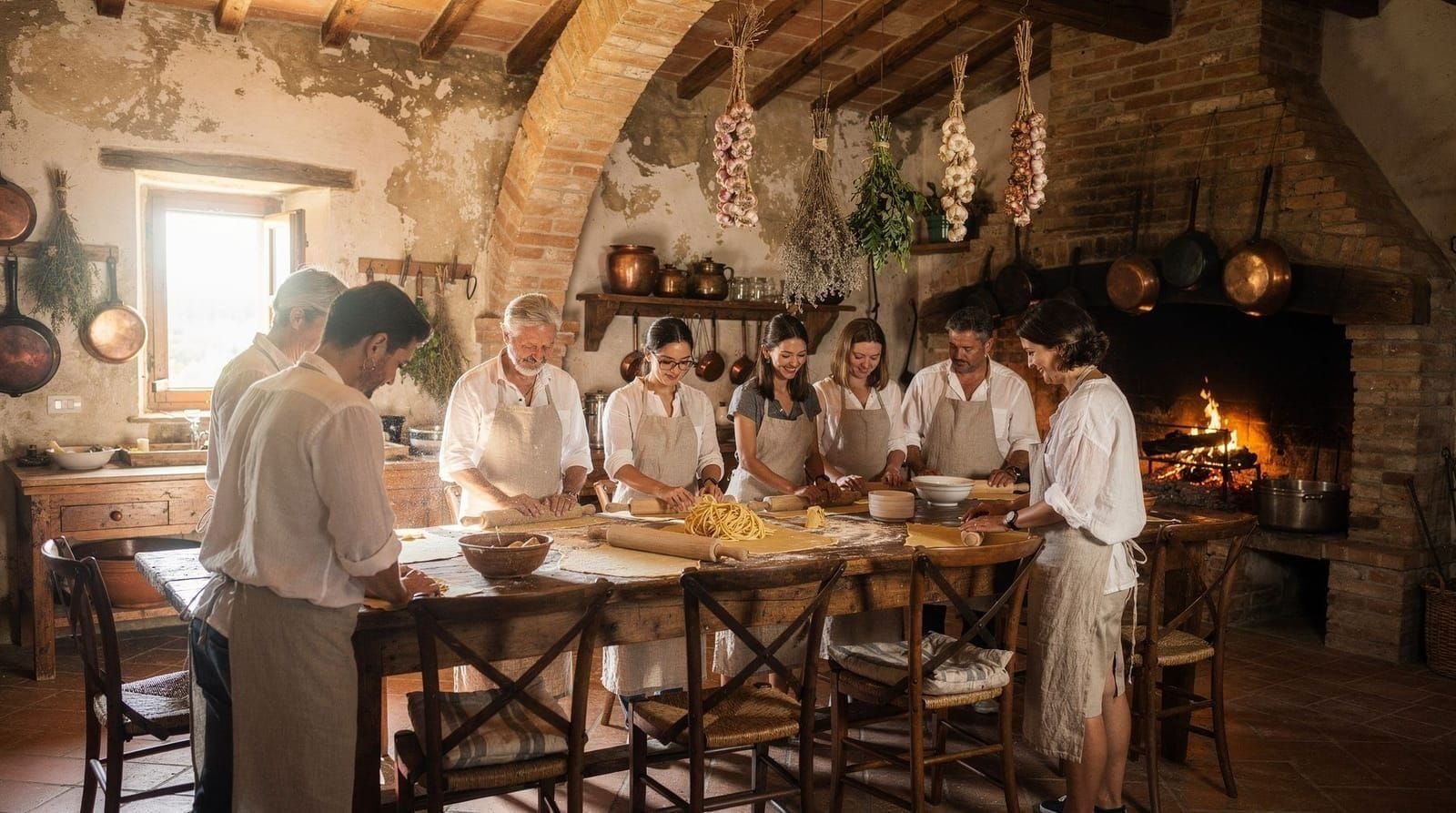
What you learn: Traditional Tuscan cooking in an authentic farm or winery kitchen — typically ribollita, handmade pasta, seasonal vegetables, roast meats
Includes: Farm transport from Florence, market or farm-garden shopping, the full meal cooked, wine from the farm, sometimes a tour of the property
Group size: 4–12 people
The most immersive format. Farm-based classes are set in the Tuscan countryside — typically 30–60 minutes from Florence in the Chianti hills or the olive-growing areas south of the city. The combination of agricultural setting, local ingredients, and unhurried cooking makes these the most memorable classes. Covered in detail in the Tuscan cooking experiences guide.
Full Tuscan cooking course (multi-session)
Some Florence cooking schools offer multi-session courses (3–5 half-day sessions) covering a broader range of Tuscan cuisine — antipasti, pasta, bread, sauces, desserts. These are primarily aimed at visitors staying a week or more. Price: €300–500 for a full course.
What to look for in a Florence cooking class
Class size matters
Classes of 6–10 people give every participant meaningful hands-on time. Classes of 16–20 mean some people spend significant time observing rather than doing. Ask the class size before booking; if it’s over 12 for a pasta-making class, the hands-on element becomes limited.
Setting: city kitchen vs. farm
City kitchens are more convenient but the farm and countryside settings offer an additional dimension — the gardens, the landscape, the relationship between land and food. If you have a half day to spare, the farm format is almost always more memorable.
Language
Most Florence cooking classes are taught in English, with Italian used for the names of ingredients and techniques. Some classes are bilingual (Italian/English) and a few operate in French or German. Check the language policy when booking.
Teacher credentials
The best classes are taught by trained cooks or chefs with a real understanding of Tuscan culinary tradition — not by people hired primarily for language skills. Look for teachers who can explain why techniques work, not just what to do.
What’s included
Standard inclusions: apron, ingredients, the meal you cook, Tuscan wine, recipe cards. Confirm whether market visits are included in market-to-table classes (transport to/from the market, market purchases). Ask whether the wine is unlimited or a set amount per person.
Price comparison by format
| Format | Duration | Price per person | Best for |
|---|---|---|---|
| Pasta-making class | 2.5–3h | €65–95 | First-timers, all skill levels |
| Gelato + pizza class | 2h | €45–75 | Families, lighter experience |
| Market-to-table class | 4–5h | €95–140 | Food lovers, cultural depth |
| Tuscan farm class | Full day | €110–180 | Immersive experience seekers |
| Multi-session course | 3–5 sessions | €300–500 | Long-stay visitors, serious learners |
What you’ll cook in Florence: typical dishes
A pasta-making class in Florence will typically include:
Pasta shapes:
- Pappardelle (wide flat noodles, the flagship Florentine pasta)
- Tagliatelle or tagliolini (narrower egg pasta)
- Tortellini or ravioli (filled pasta; filling varies by season)
- Gnocchi (potato pasta; less common but appears in some classes)
Sauces:
- Ragù alla fiorentina (slow-cooked meat sauce)
- Cinghiale (wild boar ragù, seasonal)
- Simple tomato with fresh basil
- Burro e salvia (butter and sage, for filled pasta)
Full Tuscan meal classes add:
- Ribollita or pappa al pomodoro (bread soups)
- Bistecca alla fiorentina technique (observation, not always practical cooking)
- Crostini neri (chicken liver pâté on toast)
- Cantucci and sometimes gelato for dessert
Booking advice
When to book: Minimum 3–5 days ahead in peak season; 1–2 weeks for farm and market-to-table classes. Some classes sell out 2–3 weeks ahead in April–May and September–October.
How to book: Most reputable cooking schools have their own booking systems. GetYourGuide, the booking platform used by this site, lists verified Florence cooking classes with real reviews and instant confirmation.
Cancellation policy: Check before booking. Most reputable classes allow free cancellation 48–72 hours ahead. Same-day cancellations typically forfeit the full fee.
Dietary restrictions: Tell the school when booking. Vegetarian, gluten-free, and most other dietary requirements can usually be accommodated with advance notice.
Frequently asked questions about Florence cooking classes
Can solo travellers join a cooking class?
Yes — most classes are open to solo travellers and will pair you with a small group. The communal cooking and dining format makes solo attendance easy and social.
Are cooking classes in Florence good for children?
Some classes are specifically family-friendly — the gelato and pizza format works particularly well for children aged 7+. Adult pasta classes can include children (aged 10+) depending on the school; always check before booking with children.
What should I wear to a cooking class?
Comfortable clothes you don’t mind getting floury or sauced. Most classes provide aprons. Avoid sandals with open toes — kitchen floors can get slippery with flour and oil. Closed shoes are advisable.
Can I book a private cooking class in Florence?
Yes — most schools offer private classes for couples, families, or small groups (2–15 people). Private classes are typically 50–80% more expensive per person than group classes but allow customisation of the menu and more individual attention. Popular for honeymoon experiences and corporate team-building.
Is it better to do a cooking class in the city or at a Tuscan farm?
City classes are more convenient and better for limited schedules. Farm classes are more memorable and immersive, with the agricultural context adding dimension. If your time and budget allow, a farm class is the superior experience. The Tuscan cooking experiences guide covers farm-based options in detail.
Where should I eat afterward if I want more Tuscan food?
A cooking class is a great primer for eating out for the rest of your trip — once you know how a proper ragù or ribollita is made, you’ll notice the difference at a real trattoria. See the best trattorias in Florence guide and the wider best restaurants in Florence guide for where to put the new knowledge to use.
Top experiences
Bookable activities with verified prices and instant confirmation on GetYourGuide.

Florence: authentic cooking class for fresh pasta and gelato
- Free cancellation
- Small group
Florence: cooking class and lunch at a Tuscan farmhouse
- Free cancellation
- Small group
Florence: pasta cooking class with unlimited wine
- Free cancellation
- Small group
Florence: Tuscan cooking class with lunch or dinner
- Free cancellation
- Small group
Florence: Tuscan cooking class with handmade pasta and wine
- Free cancellation
- Small group