Pasta-making class in Florence: what to expect and how to choose
Florence: pasta cooking class with unlimited wine
- Free cancellation
- Small group
What happens at a pasta-making class in Florence?
You make fresh egg pasta dough from scratch, roll it by hand or machine, shape 2–3 varieties (typically pappardelle and a filled pasta), make one or two Tuscan sauces, then eat everything you've cooked with Tuscan wine. Classes last 2.5–3.5 hours and cost €65–95 per person.
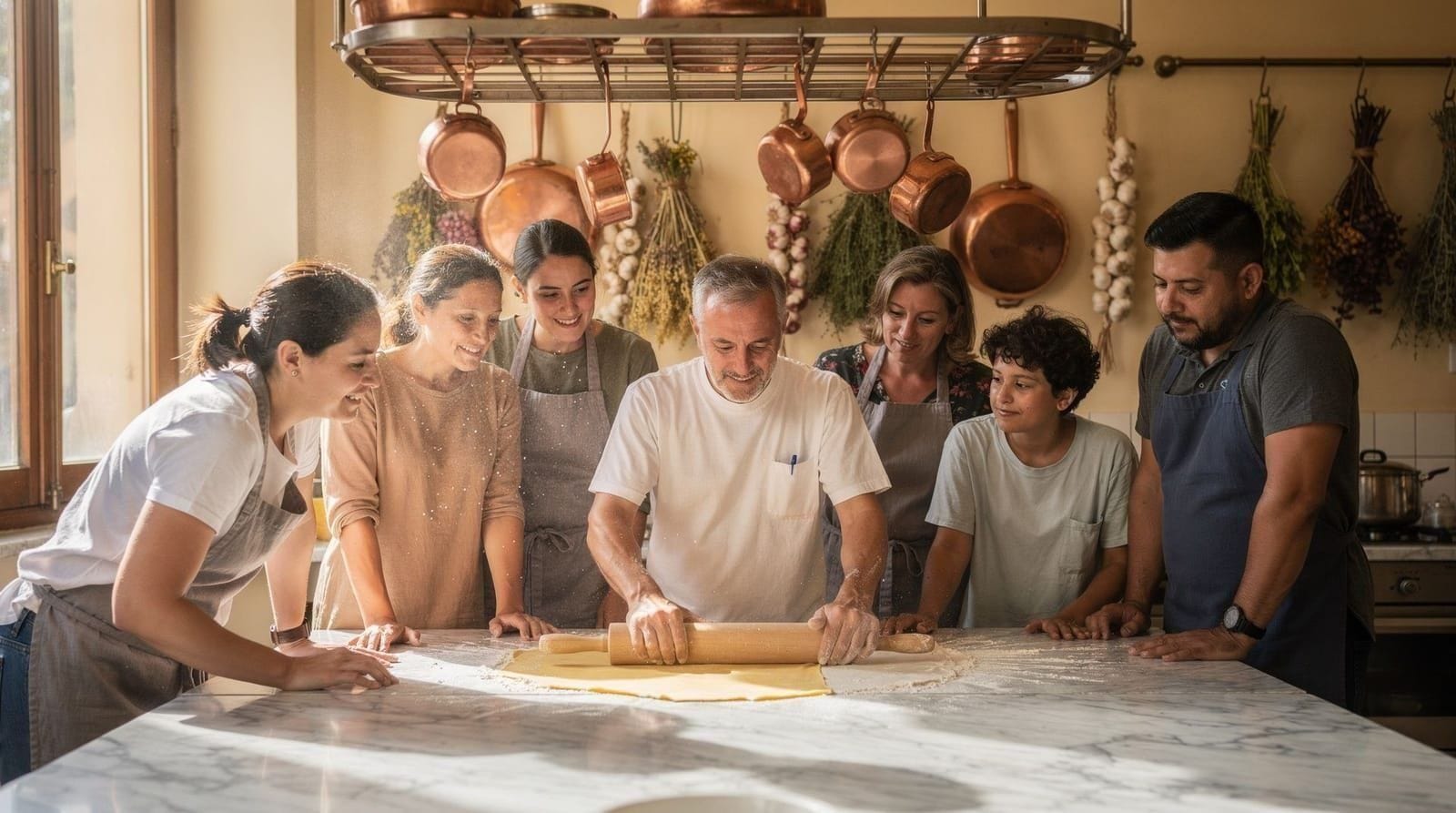
A pasta-making class is one of the most effective ways to understand Florence’s food culture from the inside rather than the outside. Sitting at a restaurant and eating pappardelle al cinghiale is fine; making the pasta from scratch, understanding why Florentine pasta uses only egg and flour (no oil), watching the dough transform under a rolling pin, and then eating the result with a sauce you’ve also made — this is a different and more lasting engagement with the food.
| Where | Central Florence or a Tuscan farm 30–60 min away |
| Cost | Around €65–95/person (city); €110–180/person (farm) |
| Time needed | 2.5–3.5 hours (city); 5–7 hours including transport (farm) |
| Includes | Dough-making, 2–3 pasta shapes, sauces, communal meal with wine |
| Best time | Any season; truffle sauces best autumn–winter |
The pasta class as Florentine education
Florence has a well-developed cooking school infrastructure, and pasta classes are the entry point for most participants. This guide explains what you’ll actually learn, how to assess quality, and the meaningful differences between class formats, alongside the best cooking classes in Florence guide if you’re comparing pasta against other formats like pizza or gelato.
What you learn in a Florence pasta class
The dough (impasto)
Fresh Florentine pasta dough is made with only two ingredients: 00 flour (finely milled, low-protein) and eggs. No oil, no water, no salt. The ratio is approximately one egg per 100g of flour.
Why this matters: The egg-to-flour ratio determines the dough’s elasticity and the pasta’s texture when cooked. Too many eggs and the pasta is too rich and soft; too few and it’s hard to roll thin. Getting the feel of a correctly rested dough — it should be smooth, slightly tacky, and elastic — is one of the key lessons.
What you’ll do: Mix the ingredients by hand on a wooden board (the Florentine way) or in a stand mixer at some schools. Knead until smooth (8–10 minutes by hand). Rest under a damp cloth for 20–30 minutes. This resting period is often when the teacher explains Tuscan food culture, wine, or the history of the dishes.
Rolling: by hand vs. machine
By hand (mattarello): The traditional method using a long wooden rolling pin (mattarello). Requires practice to achieve even thickness. Most pasta classes teach this first before using a machine; some classes focus exclusively on the hand method to teach technique.
By machine (macchina per la pasta): The hand-cranked pasta machine (Atlas or similar) rolls pasta through successively thinner settings. Produces even, consistent thickness with less effort. Most practical for home use.
A good class teaches both, explaining when each is appropriate. Home cooks who want to continue making pasta after the class should understand both methods.
Pasta shapes
Pappardelle: Florence’s signature pasta — wide, flat noodles about 2–3 cm across. Rolled thin, cut by knife or wheel cutter. Used with ragù, wild boar sauce, mushroom sauce. Historically the pasta of the Florentine peasant kitchen; now the city’s most prestigious fresh pasta.
Tagliatelle: Similar to pappardelle but narrower (6–8mm). The pasta of Bologna — slightly less Florentine, but appears in many Florence classes for its versatility.
Tortellini: Ring-shaped filled pasta with a meat or cheese filling. Made by cutting circles from thin pasta, placing a small spoonful of filling in the centre, folding the circle in half, and rolling the resulting half-moon around a finger to seal. Time-consuming to make; deeply satisfying.
Ravioli: Square or circular filled pasta. Easier to make than tortellini; the filling can be varied — ricotta and spinach, butternut squash and Parmigiano, meat-based.
Pici: Thick hand-rolled pasta from Siena, made without eggs. The dough is rolled by hand into fat, irregular spaghetti-like strands. Peasant pasta at its most elemental; served with garlic sauce (all’aglione), ragù, or wild boar.
Most classes in Florence cover pappardelle and one filled or shaped pasta. A longer class (3.5+ hours) might add a third shape or include gnocchi (potato pasta, technically not egg pasta but often included).
The sauces
Making fresh pasta without understanding the sauces would miss half the lesson. Florence pasta classes typically cover:
Ragù alla fiorentina: A slow-cooked mixed meat sauce (beef, pork, sometimes chicken liver) with soffritto (onion, carrot, celery), wine, tomatoes, and herbs. Not the same as Bolognese — Florentine ragù is generally drier and less tomato-heavy. Long cooking (2+ hours in practice; the class version is a demonstration of technique with a finished version for tasting).
Sugo di cinghiale (wild boar sauce): Seasonal — best in autumn–winter when wild boar hunting is active. The boar is marinated in red wine, slow-cooked, and served with pappardelle. One of Florence’s defining pasta combinations.
Salsa al tartufo (truffle sauce): In season (white truffle: October–December; black truffle: January–March, also summer), some classes feature truffle-based sauces. A simple preparation — good truffle, butter, a small amount of Parmigiano — where the ingredient quality determines everything.
Burro e salvia (butter and sage): The classic accompaniment for filled pasta — simple, but requires good butter and fresh sage. Often used with tortellini or ravioli.
City kitchen vs. farm setting: a practical comparison
| Feature | City kitchen class | Farm/countryside class |
|---|---|---|
| Location | Central Florence | 30–60 min from city |
| Duration | 2.5–3.5 hours | 5–7 hours (including transport) |
| Price | €65–95/person | €110–180/person |
| Ingredients | Quality market produce | Farm-grown or locally sourced |
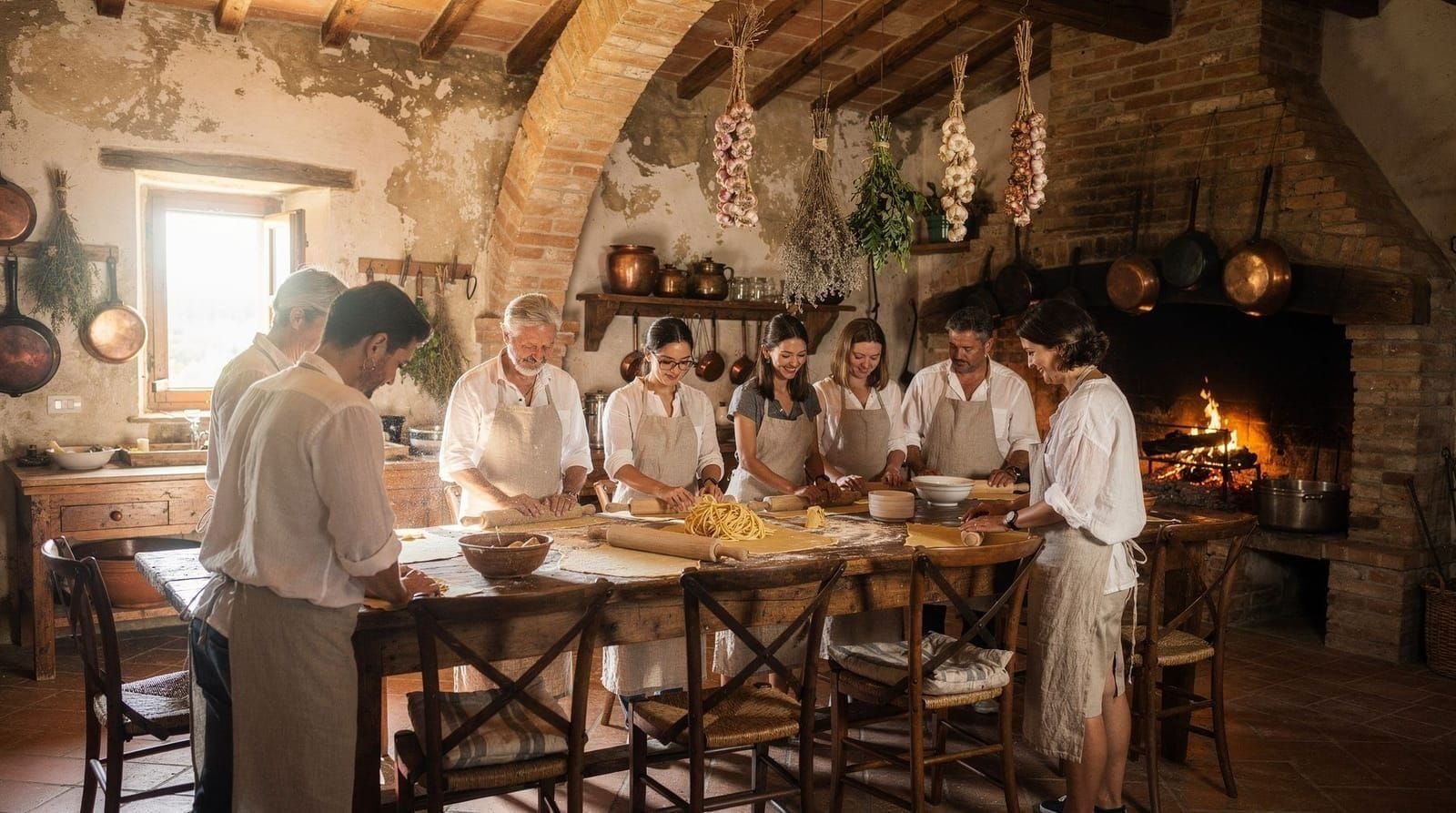
| Setting | Professional teaching kitchen | Farm kitchen, garden, wine cellar |
| Transport | Self-arrange | Usually included from Florence |
| Number of dishes | 3–4 (pasta + sauces) | 4–6 (full Tuscan meal) |
| Wine | Tuscan wine with meal | Often estate wine from the farm |
| Experience depth | Technique-focused | Technique + cultural immersion |
When to choose city: Tight schedule (3–4 hours maximum), central accommodation with no car, primarily interested in technique.
When to choose farm: Half day or full day available, want the full Tuscan landscape experience, interested in the agricultural context, willing to pay the premium. See the Tuscan cooking experiences guide for farm class details.
Market-to-table pasta classes
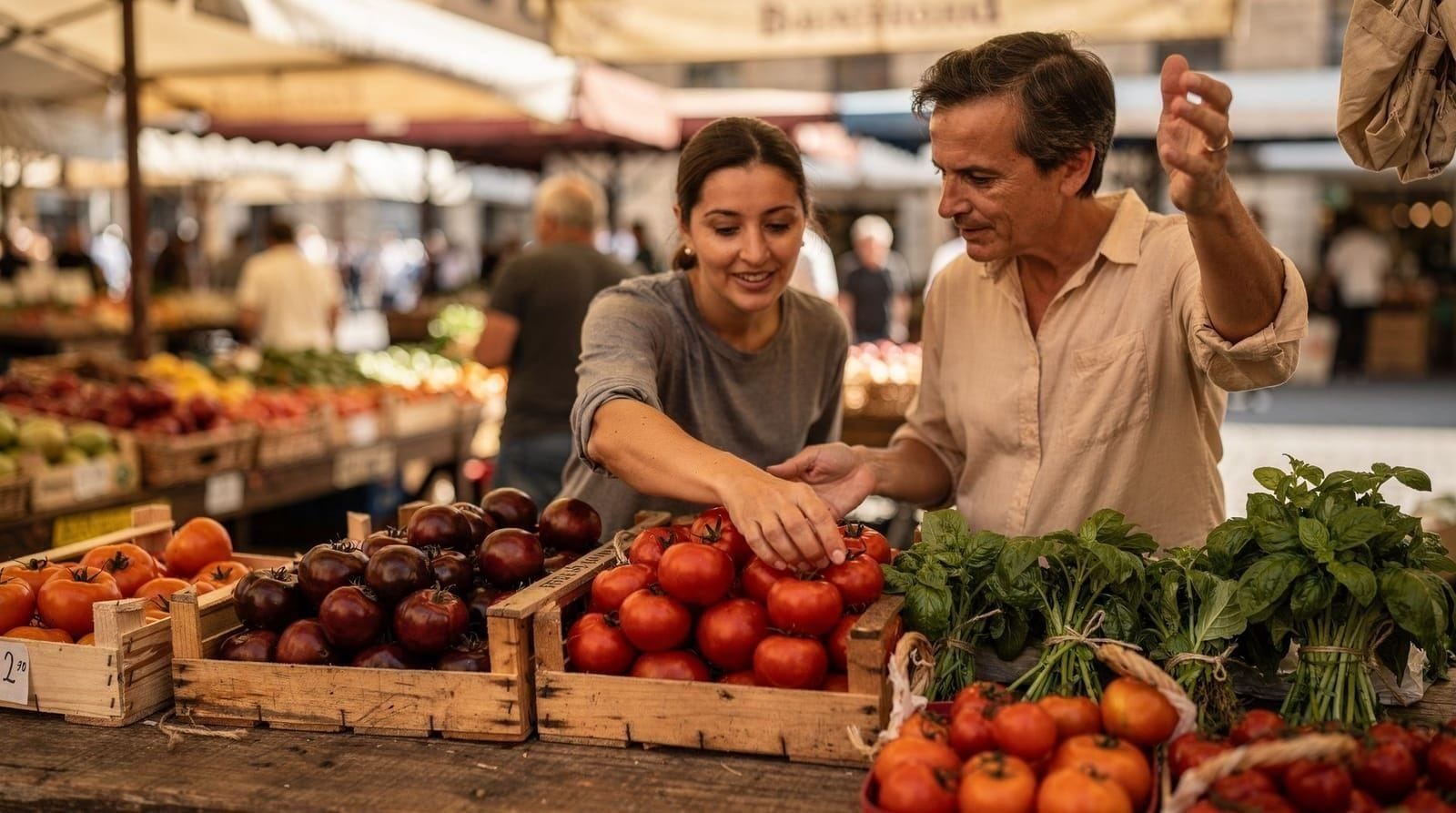
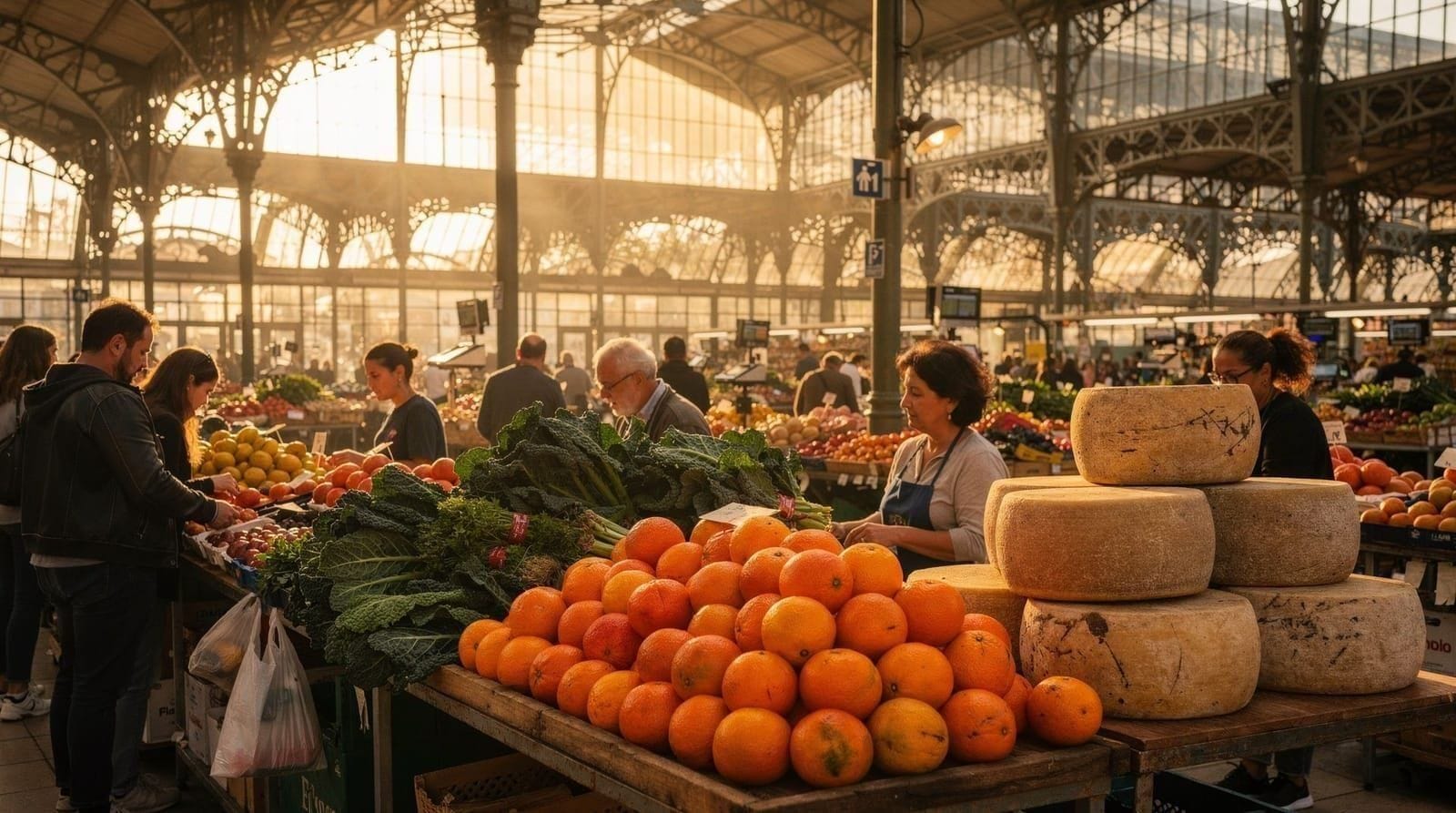
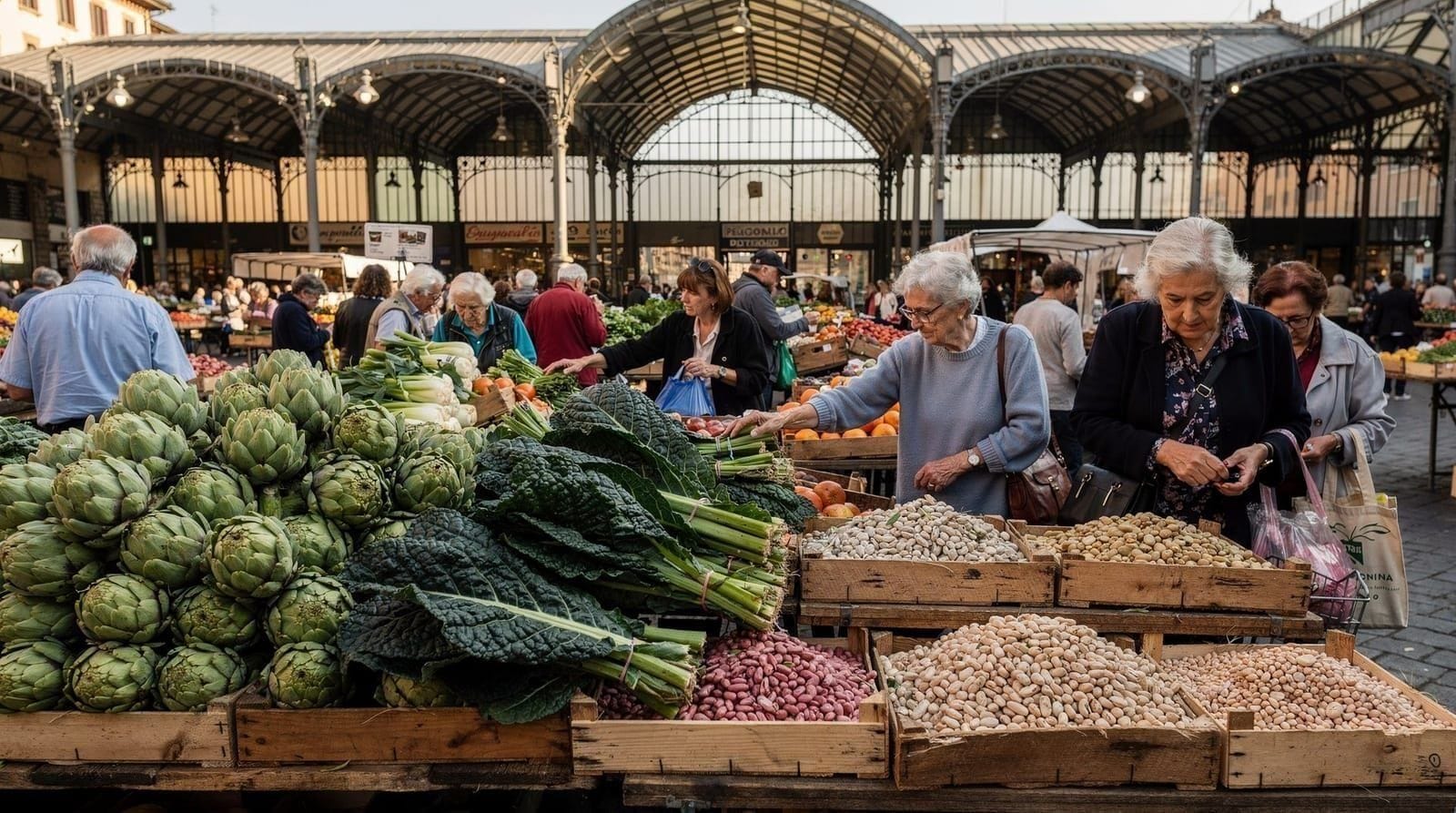
A sub-format of the pasta class that begins with a guided market visit — typically at Sant’Ambrogio or Mercato Centrale — where the instructor explains seasonal ingredients and the group buys what they’ll cook. The market adds 45–90 minutes and €20–40 per person to the standard class cost but provides significant context. Covered in detail in the market-to-table cooking guide.
Practical class logistics
What to bring: Nothing specific — aprons are provided. Wear comfortable clothes.
What happens to the food: You eat everything you cook. Classes typically end with a 45–60 minute communal meal at the teaching table, with wine.
Timing in the day: Morning classes (09:30–13:00) lead naturally into the meal you’ve made as lunch. Afternoon/evening classes (15:30–19:30 or 17:00–21:00) produce dinner.
Languages: Most Florence pasta classes are conducted in English. Some are bilingual (Italian/English). For Italian-language classes with an English speaker at a beginner level, basic comprehension plus the teacher’s demonstrations is usually sufficient.
Children in pasta classes: Many classes welcome children aged 10+. Some are specifically designed as family-friendly. Check with the school before booking; children who can follow basic instructions and handle a rolling pin can participate meaningfully.
After the class: continuing at home
One of the benefits of a pasta class is practical replicability. You need: a large cutting board, a rolling pin (or pasta machine, which costs €25–60), a knife, 00 flour, eggs. The technique is learned in an hour; the skills improve with practice.
Recipes are typically provided at the end of the class. Some schools also follow up with email recipe cards or connect participants with a Florentine food supplier for sourcing quality 00 flour and Italian eggs.
What’s harder to replicate at home: the Tuscan atmosphere, the communal table, the glass of Chianti Classico at noon in a Florentine kitchen. That part is worth the class fee on its own.
Choosing a class: what actually matters
With dozens of pasta classes on offer, the differentiator is rarely the recipe list — most cover pappardelle plus one filled shape — but the details around it. Group size matters more than almost anything else: a class of 6–8 people gives you real hands-on time with the instructor, while a class of 20+ can turn into a demonstration you mostly watch. Check whether the listing specifies a maximum group size before booking.
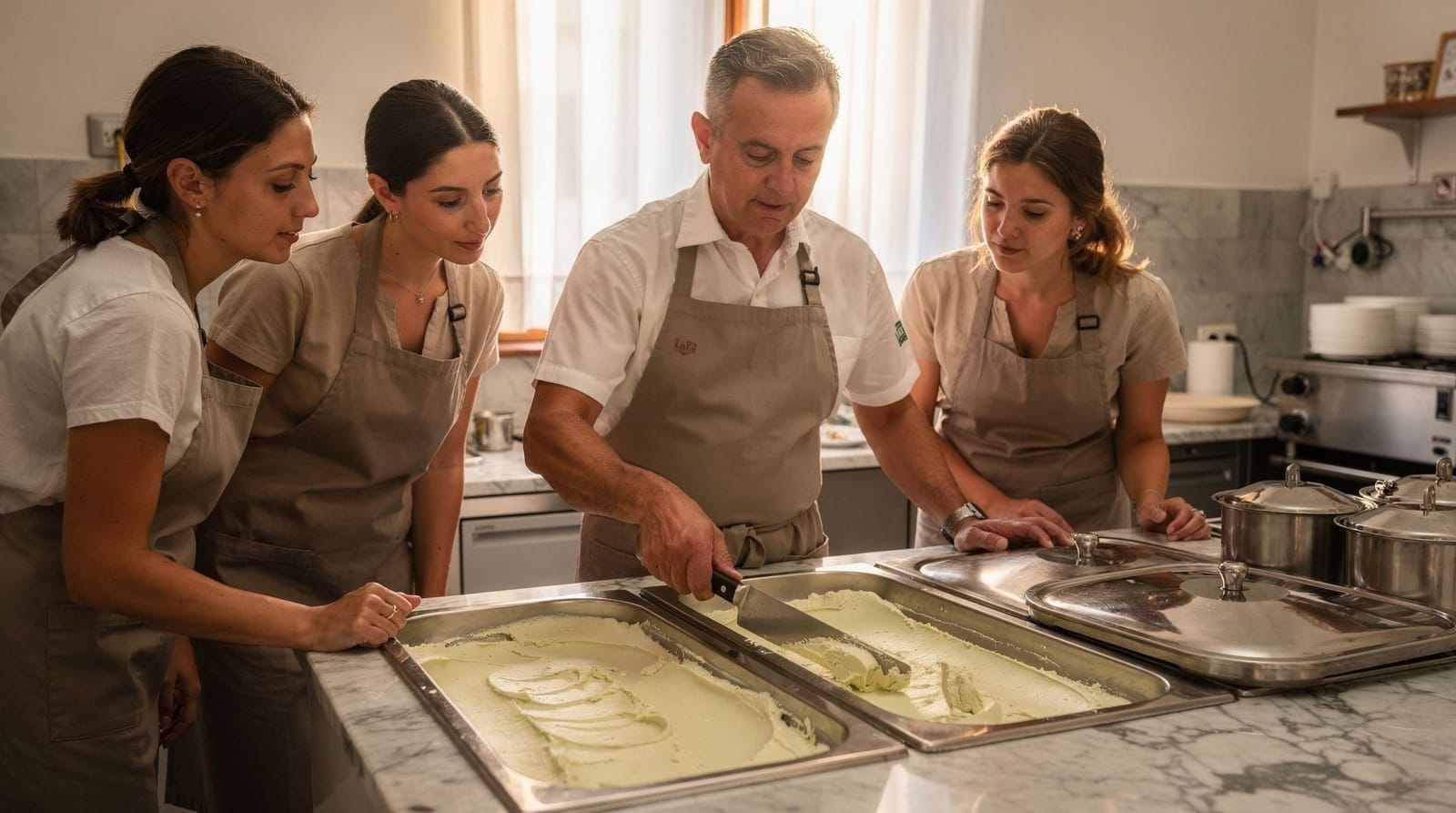
Location matters too, but not in the way people assume. A “real Tuscan farmhouse” 20 minutes outside the centre and a well-run teaching kitchen two streets from the Duomo can produce an equally good pasta lesson — the farm setting adds atmosphere and a fuller meal, not necessarily better technique. If your priority is skill you can take home, a compact city class is often the more efficient choice; if the day itself is the point, the farm format wins. Pairing a pasta class with a gelato and pizza class on a different day is a common way to sample more of Florence’s cooking-school scene without over-committing one afternoon.
Reviews mentioning a rushed pace, a class that felt like a lecture, or a communal meal that was skipped or shortened are the clearest warning signs of a weaker operator — a good class never feels like it’s racing to the finish.
Frequently asked questions about pasta-making classes
What is the difference between 00 flour and regular flour for pasta?
00 flour is finely milled Italian flour with a lower protein content (about 10–11%) than bread flour (12–14%). It produces a silkier, more delicate pasta dough. Regular all-purpose flour works but produces a slightly coarser result. For fresh pasta at home, order 00 flour online or find it at Italian food shops — it makes a meaningful difference.
Can I make fresh pasta without a pasta machine?
Yes — the hand-rolling method (mattarello) works well for flat pasta shapes like pappardelle and tagliatelle. You need a large flat surface and a long rolling pin. For filled pasta (tortellini, ravioli), the hand method requires more practice to achieve even thickness, but it’s entirely achievable.
How much pasta does a typical class serving size produce?
Most pasta classes produce a full meal’s worth per person — roughly 150–200g of fresh pasta per person, which becomes a generous main course or a generous starter. The communal meal at the end of the class is typically a full lunch or dinner, not a tasting portion.
Is pasta-making something I can realistically recreate at home?
Yes, reliably. Of all the restaurant-quality dishes that Florence cooking classes teach, fresh pasta is the most achievable at home without specialist equipment. The main requirements are practice (the dough feels different every time depending on egg size and humidity) and patience with the rolling.
What should I know about sauce before a pasta class?
Nothing specific is required. The class teaches sauce alongside the pasta. If you want to understand the theoretical background — why a ragù cooks for 3+ hours, what soffritto does, how to extract flavour from tomatoes — the Tuscan cooking experiences guide has more detail.
Should I book a city class or a farm class?
It depends on your schedule and priorities. Choose a city class if you have half a day or less, want to maximise technique learned per hour, or are based centrally without a car. Choose a farm class if you have most of a day free, want the countryside setting and a fuller multi-course meal, and don’t mind paying roughly 50–90% more for the experience. Neither format is objectively better — they answer different questions about what you want from the afternoon.
Is a pasta class worth it if I’m only in Florence for a couple of days?
Yes, if food is a priority for your trip — a 2.5–3-hour city class fits into even a tight two-day itinerary and doesn’t compete much with sightseeing time, since most run either early morning or evening. If your days are already packed with museums, book the earliest morning slot available so the class becomes lunch rather than eating into afternoon plans.
Top experiences
Bookable activities with verified prices and instant confirmation on GetYourGuide.

Florence: pasta cooking class with unlimited wine
- Free cancellation
- Small group
Florence: authentic cooking class for fresh pasta and gelato
- Free cancellation
- Small group
Florence: Tuscan cooking class with handmade pasta and wine
- Free cancellation
- Small group
Florence: 4-course cooking experience
- Free cancellation
- Small group
Florence: Tuscan cooking course with dinner and wine pairing
- Free cancellation
- Small group