Tuscan cooking experiences: farm classes and countryside workshops
Florence: cooking class and lunch at a Tuscan farmhouse
- Free cancellation
- Small group
What are Tuscan cooking experiences near Florence?
Farm-based cooking classes in the Tuscan countryside — typically in the Chianti hills or olive-growing areas 30–60 minutes from Florence. You cook a full traditional Tuscan meal using farm-grown ingredients, eat with estate wine, and return to Florence in the late afternoon. Price: €110–180 per person including transport.
| Where | Chianti hills or olive-growing areas, 30–60 min from Florence |
| Cost | €110–180 per person, transport usually included |
| Time needed | 5–7 hours, full day |
| Best time | Autumn (Sept–Nov) for harvest and truffle season |
| Group size | Typically 4–12 people |
When Florence isn’t enough context
Florence is one of the world’s great food cities. But Florentine cooking — ribollita, pappardelle, bistecca alla fiorentina — is not urban food invented in a city kitchen. It is the cooking of the farmhouse, the harvest, the olive grove, and the chestnut forest. To understand it fully, you eventually have to leave the city.
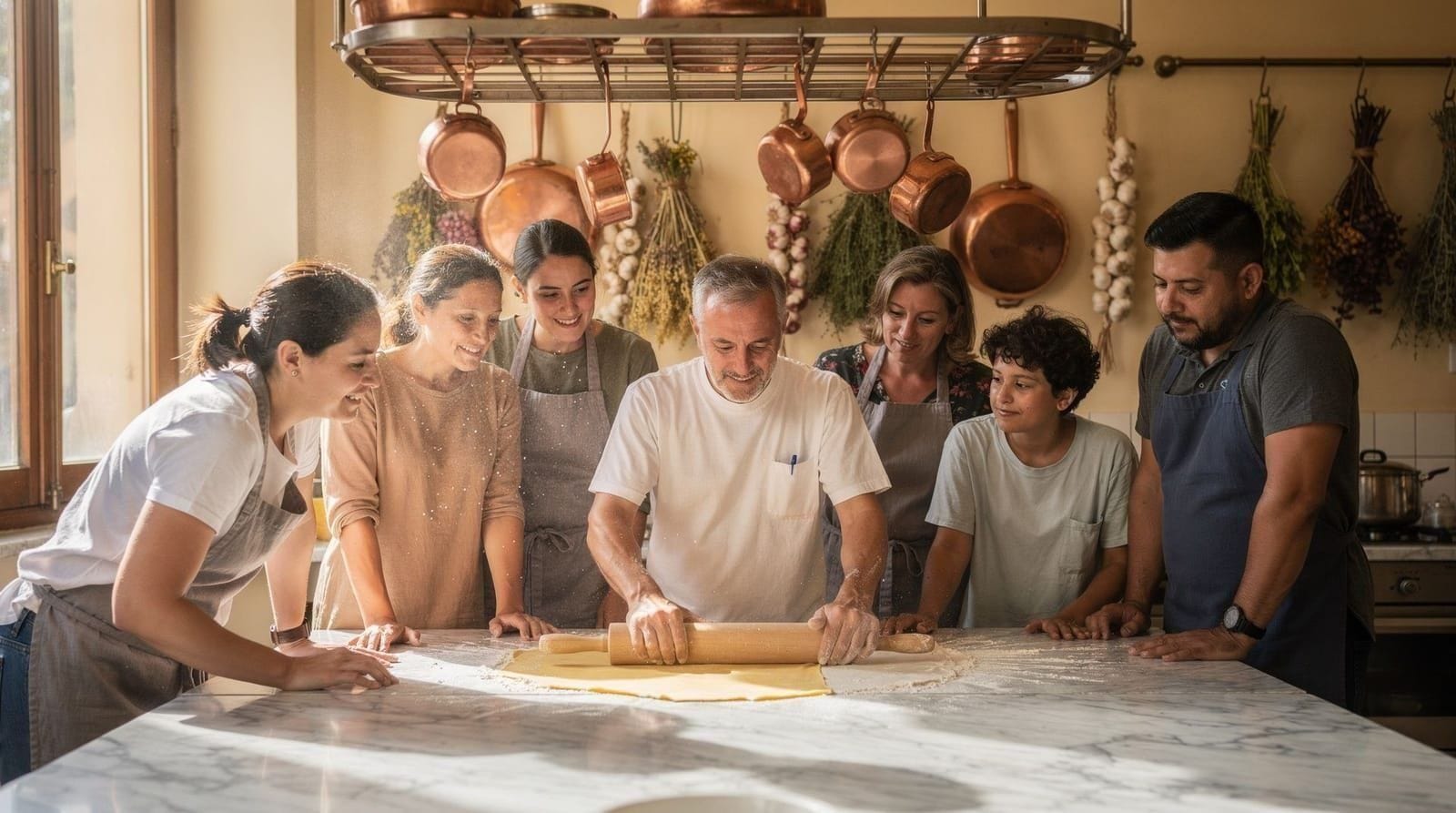
The Tuscan cooking experience — a day spent in a farmhouse or winery kitchen in the Chianti hills or the olive-growing regions south of Florence — provides that context. You cook with ingredients that came from the garden or the local butcher an hour ago. You eat with wine from the estate’s own cellar. The landscape of the rolling hills visible from the kitchen window is the landscape that shaped the food.
This is the most immersive cooking class format available near Florence and, for visitors who have a full day to invest, the most memorable.
The setting: where Tuscan cooking experiences happen
Chianti hill farms
The Chianti Classico zone — the triangle between Florence and Siena, producing some of Italy’s best-known wine — is the most common setting for farm-based cooking experiences. Farmhouses (fattorie) here typically combine olive oil production, wine-growing, and sometimes animal farming. Many have developed cooking class programmes that use their own ingredients.
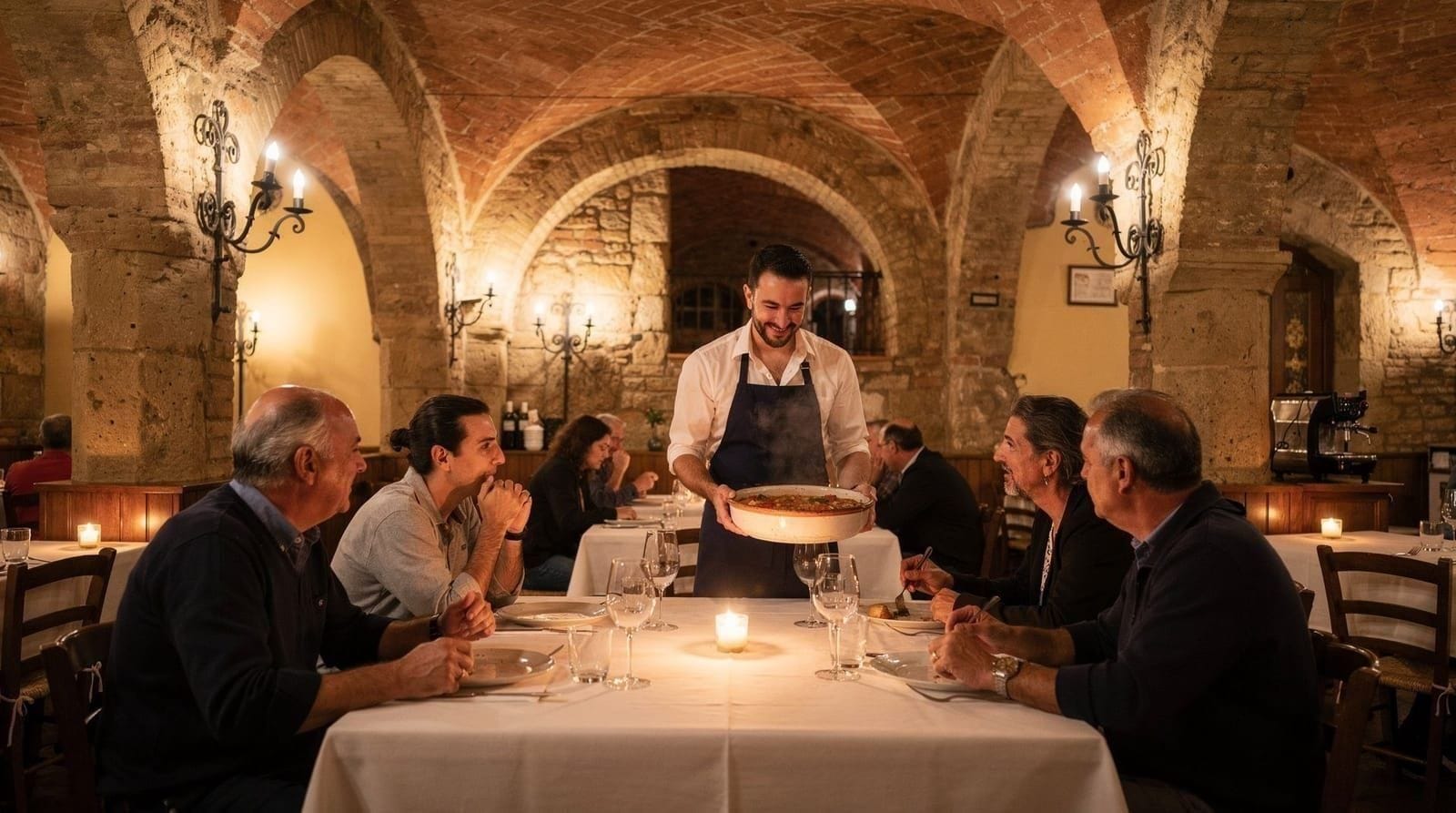
Typical Chianti farm class: 30–45 minutes from Florence by van, a farmhouse or converted outbuilding kitchen with views of the hills, a morning in the garden or cellars, 2–3 hours of cooking, a full lunch at a communal table with estate Chianti Classico.
Olive oil estate classes
The areas around Impruneta and the Colli Fiorentini (Florentine hills) south of the city have a strong olive oil tradition. Some estates offer cooking classes centred on olive oil — its production, its role in Tuscan cooking (as a flavouring, a cooking medium, a finisher), and how to distinguish quality from mediocrity.
Timing note: Olive oil harvest is October–November and this is the ideal time for an oil-focused experience. November classes can coincide with freshly pressed olio nuovo — the intensely grassy, almost aggressively peppery first press, entirely different from the mellowed oil sold year-round.
Winery kitchen classes
A growing number of Chianti wineries have added cooking classes to their visitor programmes. The combination — a morning session in the winery kitchen making pasta or a traditional Tuscan dish, followed by a cellar tour and wine tasting — covers two of Tuscany’s most important food traditions in a single visit.
Advantage: The wine component is legitimately good — you taste the estate’s own production with a guide who understands it, rather than a generic wine tasting appended to a cooking class. The pairing of the food you’ve cooked with wines from the same estate provides context for both.
Best season: Spring and autumn. Harvest season (September–October) adds the possibility of seeing grape picking and cellar activities in progress.
What you cook: the full Tuscan meal
A typical 5–7 hour Tuscan farm cooking experience produces a complete traditional menu:
Antipasto
Crostini della casa: Toast with various toppings. The most Tuscan option is crostini neri — chicken liver and caper pâté, a dish that non-Italian visitors sometimes approach with trepidation and almost always end up requesting the recipe for.
Bruschetta con olio nuovo: New-season olive oil on grilled Tuscan bread. Deceptively simple; the quality of the oil makes the dish.
Affettati misti: A selection of cured meats from local producers — prosciutto Toscano, finocchiona, lardo di Colonnata. Often sourced from the farm’s own animals or from a nearby artisan butcher.
Primo
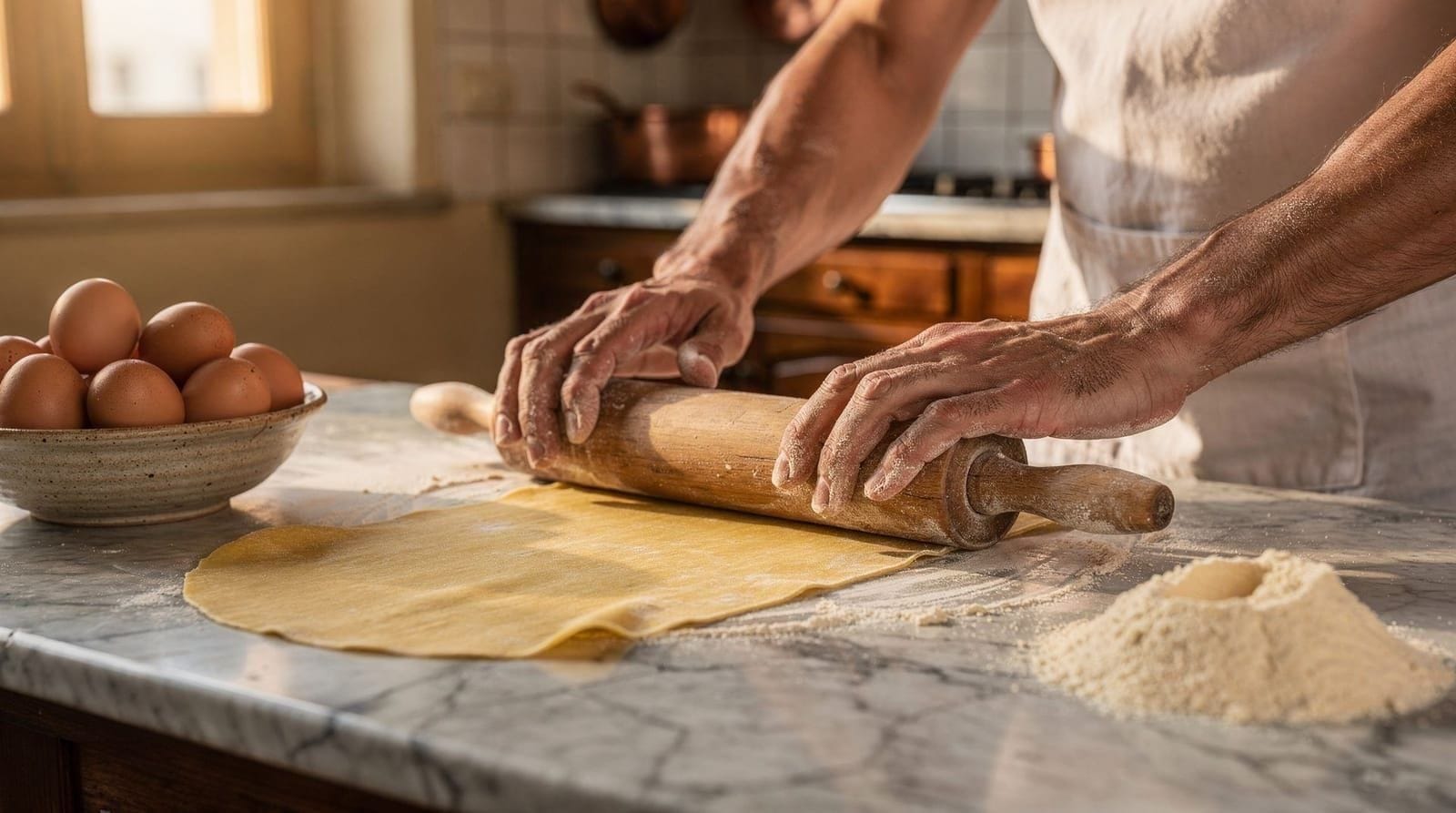
Pappardelle al ragù di cinghiale: The quintessential Tuscan pasta. Wide flat noodles with wild boar ragù — the boar marinated overnight in red wine and aromatics, slow-cooked for 3+ hours. In farm classes, the ragù is typically prepared in advance; the pasta is made fresh.
Pici cacio e pepe: The peasant pasta of Siena — thick hand-rolled noodles with pecorino and black pepper. A strong alternative to egg pasta for a farmhouse experience.
Ribollita: In season (October–April), the thick bread and cavolo nero soup that defines Tuscan winter cooking. The farm version, made with estate-grown vegetables and local olive oil, is the standard by which restaurant versions should be judged.
Secondo
Arista di maiale al forno: Roast pork loin with rosemary and garlic. One of the most reliably delicious and replicable dishes of Tuscan cooking.
Coniglio alla cacciatora: Rabbit braised with wine, olives, capers, and tomatoes. A classic of the Florentine countryside kitchen.
Pollo al mattone: Chicken cooked under a brick (or heavy press) to flatten and crisp the skin. A Florentine technique that produces excellent results.
Pecora in umido: Mutton braised slowly — traditional in the wilder parts of Tuscany, less common but appearing at some farm classes.
Contorno
Cannellini beans cooked with sage, garlic, and enough olive oil to qualify as a side dish rather than a condiment. The benchmark of Florentine bean cooking.
Seasonal vegetables — roasted, fried, or simply dressed with estate olive oil.
Dessert
Cantucci e Vin Santo: The classic ending; see the cantucci and Vin Santo guide for context.
Panna cotta: Simple cooked cream with honey or fruit — easier to make than it looks, consistently impressive.
Crostata di marmellata: A jam tart using estate-made preserves. The jam is often from the farm’s own fruit trees — fig, plum, quince — and the quality difference over commercial jam is marked.
Seasonal farm cooking experiences
Spring (March–May): Baby vegetables from the garden, wild herbs, young artichokes, first asparagus. A light, fresh-flavoured Tuscan menu. Good time for al fresco cooking in good weather.
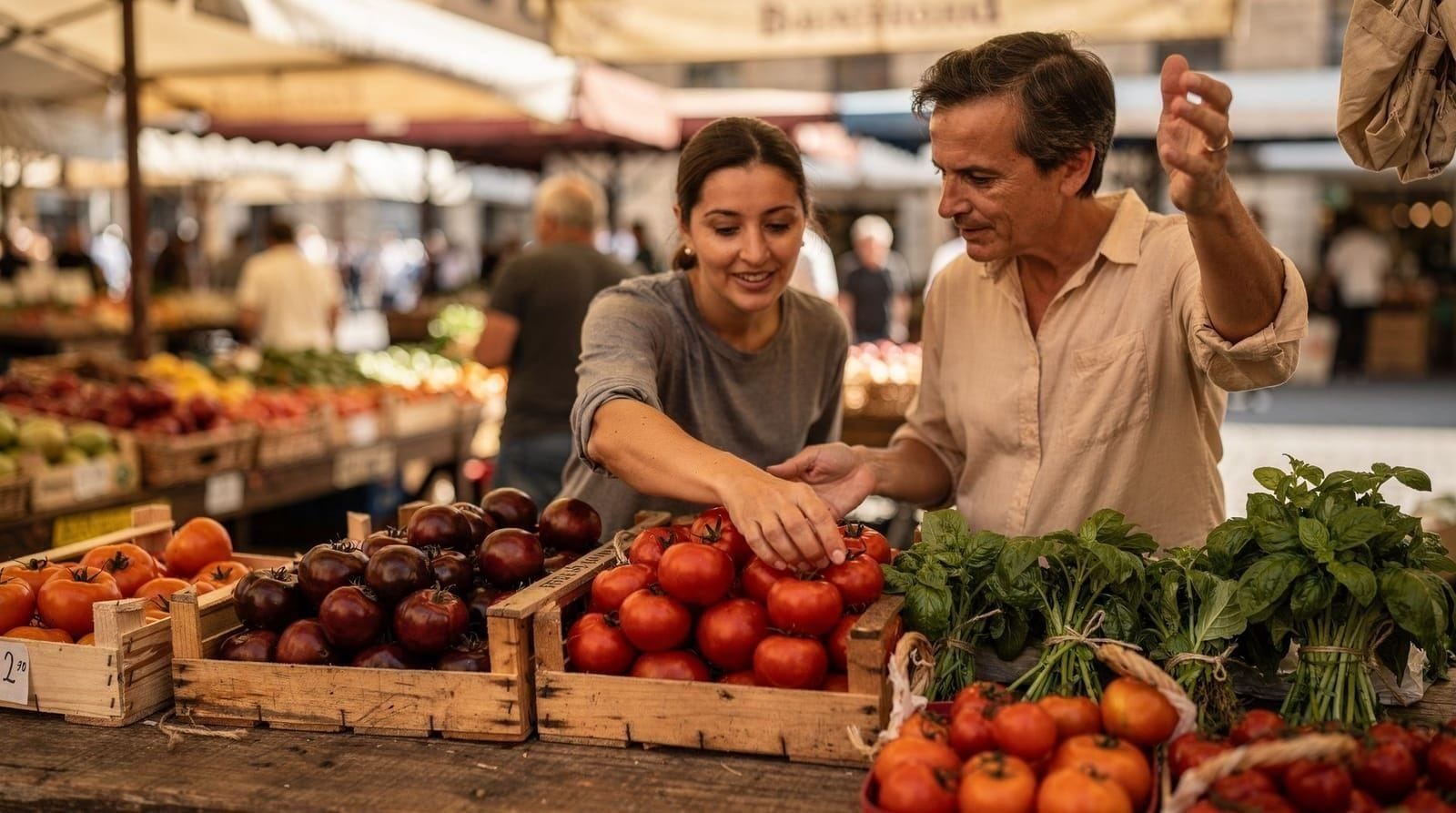
Summer (June–August): Tomatoes, courgettes, fresh basil, outdoor cooking more feasible. The lightest Tuscan menu season. August classes are affected by the Ferragosto holiday when many farms close for 2–3 weeks.
Autumn (September–November): The premium season. Porcini mushrooms from the hills, grape harvest activity at wineries, wild boar season opening (October), truffle season beginning (October for white truffle). The most flavourful and contextually rich season.
Winter (December–February): Cavolo nero at its best, chestnuts, slow-braise season. Fewer classes due to reduced tourist demand but the cooking is at its most traditionally Florentine.
Practical information
Transport
Most farm cooking experiences include shared minivan transport from central Florence (typically Santa Maria Novella station or a central piazza). The pickup is usually 09:00–09:30; return is 15:00–17:00.
Some classes require self-drive (better for visitors with a rental car already, and for the Chianti wine day trips that pair naturally with a cooking component).
Duration
Full day: 5–7 hours total, including transport, farm or garden tour, cooking, eating, wine tasting. Plan your Florence day around it — these are not half-afternoon activities.
What’s included
Typically: shared minivan transport from Florence, all ingredients, apron, the meal you cook, estate wine, recipe cards. Some include a cellar tour, garden visit, or olive mill tour. Confirm exactly what’s included when booking.
Price
€110–180 per person. The higher end reflects premium locations (certified organic farms, prestigious wineries), smaller group sizes, and more comprehensive programmes (full winery tour + cellar tour + cooking + meal). The lower end is a functional farm cooking class with transport and lunch.
Group size
Smaller than city classes — typically 4–12 people. The minivan logistics and the intimate farm setting work against large groups.
Comparing formats: city vs. farm
| Feature | City pasta class | Market-to-table class | Farm cooking experience |
|---|---|---|---|
| Duration | 2.5–3 hours | 4–5 hours | 5–7 hours |
| Price | €65–95 | €95–140 | €110–180 |
| Location | Florence kitchen | Florence market + kitchen | Tuscan countryside |
| Transport | Self | Self | Usually included |
| Dishes made | Pasta + 1–2 sauces | 3–4 course meal | 4–5 course full meal |
| Wine | Tuscan wine | Tuscan wine | Estate wine, often with tasting |
| Agricultural context | None | Market only | Farm, garden, possibly winery |
| Best for | Technique-focused | Food culture | Maximum immersion |
After the experience: what to look for in Florentine restaurants
A day of Tuscan farm cooking recalibrates your expectations for restaurant food. You’ve eaten a ribollita made by someone who grew the cavolo nero; the restaurant version will be compared to that benchmark. You’ve seen how a real ragù develops over 3 hours; the fast version at a tourist restaurant will be obvious.
This recalibration is one of the hidden benefits of the farm cooking experience — not just as a cooking class, but as a guide for how to eat for the rest of your Florence trip. The best trattorias guide and the best restaurants guide are useful companions after a day in a Tuscan kitchen.
If a farm class isn’t the right fit
Not every trip has room for a 5–7 hour day. Two useful alternatives:
A city pasta or market-to-table class: for visitors with only a half-day to spare, see best cooking classes in Florence and the market-to-table cooking guide for shorter, self-contained formats within the city.
A cooking class combined with wine: if you’d rather not choose between cooking and Chianti, several winery-based classes cover both in one outing — see the tuscan wine regions guide for which zones pair naturally with a farm kitchen visit.
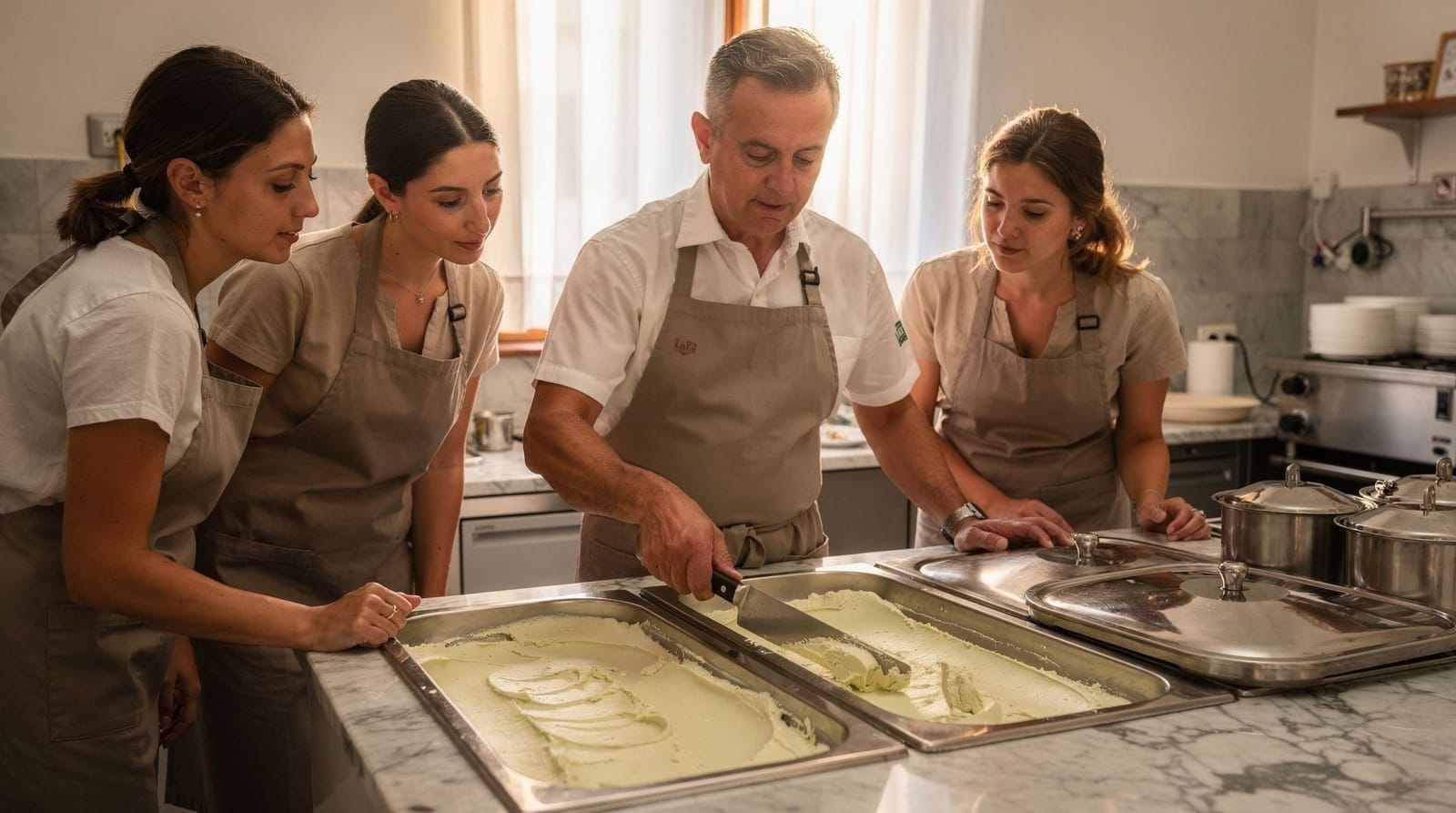
A pizza or gelato-focused class for families: the gelato and pizza classes guide is a lighter, shorter alternative better suited to children or a tighter schedule.
Frequently asked questions about Tuscan cooking experiences
How do I get to a farm cooking class without a car?
Most farm cooking experiences include shared minivan transport from central Florence. For those that don’t, a taxi or private transfer is the practical option — rural Tuscan farm locations are generally not accessible by public transport. Confirm transport arrangements when booking.
Are Tuscan farm cooking classes suitable for serious cooks?
Yes — the level of detail in a farm class (understanding how a 3-hour ragù develops, learning to make pici by hand, seeing how fresh olive oil changes a dish) is satisfying for experienced home cooks. The technique level is instructive for serious cooks and accessible for beginners simultaneously.
Can I visit a Tuscan farm cooking class and wine tasting in the same day?
Yes — winery-based cooking classes specifically combine these. For farm classes that don’t include a winery, the Chianti wine day trip guides can be paired with a separate afternoon wine tasting in the same area.
Is it possible to visit a Tuscan cooking experience from Siena or Pisa?
Some farm experiences are positioned between Florence and Siena and can be accessed from either city. Check the collection point when booking — most specify Florence pickups. From Pisa, the journey to Chianti farm locations is 1.5–2 hours and doesn’t make practical sense for a day experience.
What should I wear to a Tuscan farm cooking class?
Comfortable clothes suitable for light outdoor activity (walking through a garden or vineyard) and cooking (flour, olive oil). Closed shoes are important — farm environments are not sandal-appropriate. A light layer for the minivan and potential shade in the farm.
Top experiences
Bookable activities with verified prices and instant confirmation on GetYourGuide.

Florence: cooking class and lunch at a Tuscan farmhouse
- Free cancellation
- Small group
Florence: traditional Tuscan cooking class in a winery
- Free cancellation
- Small group
Florence: pizza or pasta class with gelato at a Tuscan farm
- Free cancellation
- Small group
Florence: countryside tour with wine tasting and pasta class
- Free cancellation
- Small group
Florence: Tuscan cooking class with lunch or dinner
- Free cancellation
- Small group