Arezzo and Cortona day trip from Florence
Florence: Siena, San Gimignano and Chianti day trip
- Free cancellation
- Hotel pickup
How do I get to Arezzo and Cortona from Florence?
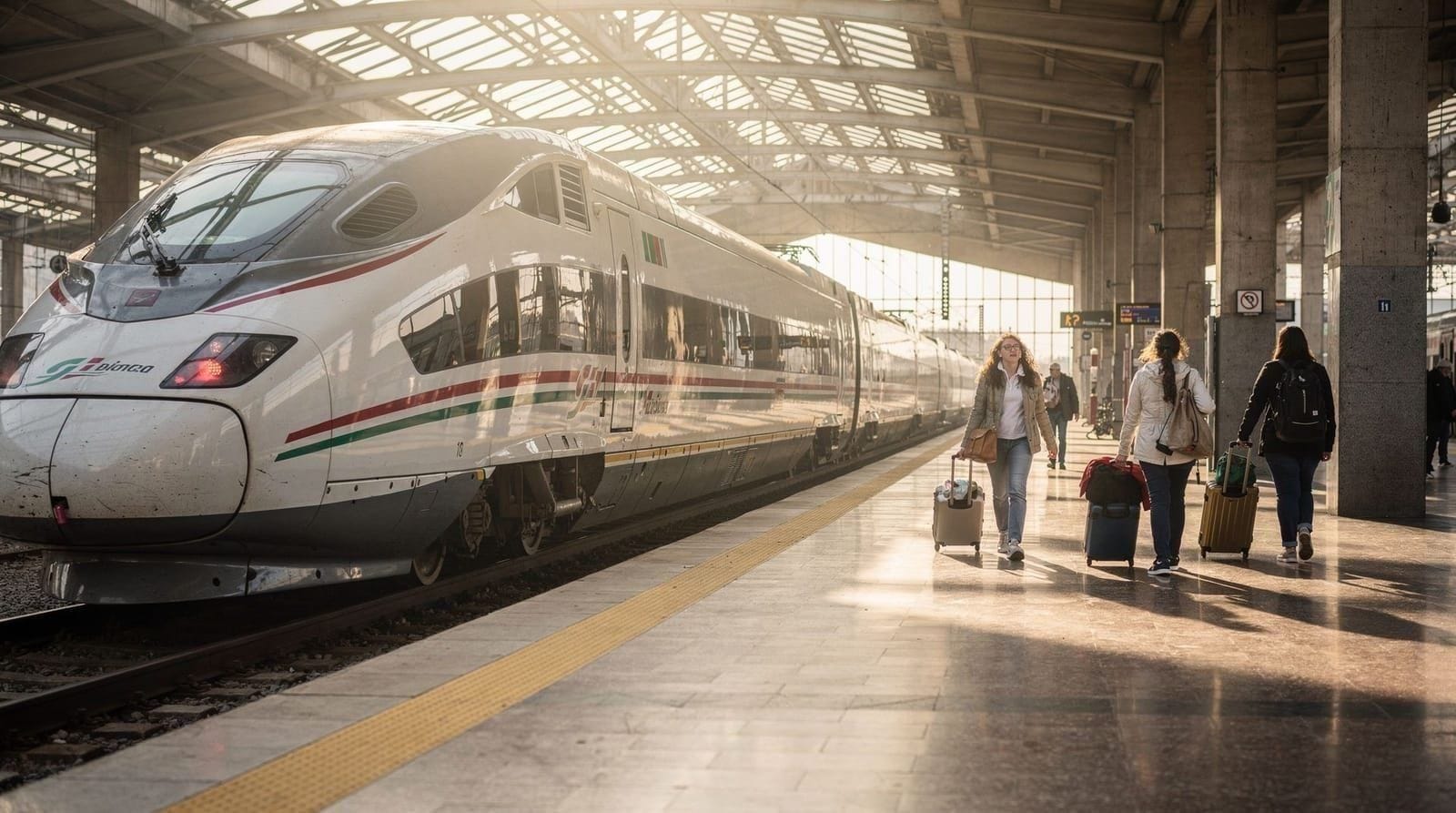
Arezzo is 1 hour by regional train from Florence SMN (€8–12 return, no reservation). Cortona is reached from Camucia-Cortona station (10 minutes beyond Arezzo on the same line) — then a shuttle bus or taxi 7km up to the hilltop town. You can cover both in one day.
Arezzo and Cortona: the overlooked eastern Tuscany
Eastern Tuscany — the Valdichiana corridor running from Arezzo southeast toward the Umbrian border — is one of the least visited parts of the region, which makes it one of the most rewarding. Arezzo and Cortona are both reachable by regional train from Florence within an hour and change, and they represent two very different but complementary Tuscan experiences.
Arezzo is a prosperous market city with a sloped medieval piazza and one of the greatest art treasures in Tuscany: Piero della Francesca’s Legend of the True Cross fresco cycle, painted between 1452 and 1466 and considered among the supreme works of the Italian Renaissance. The city is also known for its monthly antique market, its goldsmiths (Arezzo is Italy’s largest gold jewellery manufacturing centre), and excellent local food.
Cortona is a hilltop Etruscan city at 600m with panoramic views over the broad Val di Chiana and Lake Trasimeno. Its MAEC museum has one of the finest Etruscan collections in Tuscany; Fra Angelico painted altarpieces here; and Luca Signorelli — arguably the most underrated painter of the early 16th century — was born here and left major works in the Cathedral and Diocesan Museum.
This is one of several eastern and southern day trips from Florence — see the best day trips from Florence guide for how it compares to Siena, San Gimignano, and the Chianti day trip.
Getting from Florence to Arezzo and Cortona
By train
Florence SMN → Arezzo: Regional trains (Regionale or Regionale Veloce) run roughly every 30–60 minutes throughout the day. Journey time: 50–65 minutes depending on service. Fare: €8–12 return. No reservation required.
Arezzo → Camucia-Cortona: The same regional line continues south. Journey time: 10–12 minutes. Camucia-Cortona is a flat village at the base of the Cortona hill — the town of Cortona is 7km uphill.
Camucia to Cortona town: The LFI shuttle bus (ETR line) runs from in front of Camucia-Cortona station to Cortona Piazza Garibaldi, taking about 15–20 minutes. Buses run roughly every 30–60 minutes. Taxis from the station to Cortona cost approximately €10–12.
| Journey | Time | Fare |
|---|---|---|
| Florence SMN → Arezzo | 50–65 min | €8 one-way |
| Arezzo → Camucia-Cortona | 10–12 min | €2.50 |
| Camucia → Cortona (bus) | 15–20 min | €1.50 |
| Cortona → Camucia (bus) | 15–20 min | €1.50 |
| Camucia → Florence | 55–65 min | €8 one-way |
By car
Florence to Arezzo: 85km via the A1 motorway south, about 1h–1h15. From Arezzo to Cortona: 30km via the SS71, about 35 minutes. Cortona has parking at Piazza Pecori and outside the Porta Colonia gate. ZTL covers the central streets — don’t drive in.
Arezzo
Piero della Francesca’s Legend of the True Cross
The Cappella Bacci in the Basilica di San Francesco contains the cycle of frescoes that Piero della Francesca painted for the Bacci family between 1452 and 1466. The cycle depicts the legend of the True Cross — the wood that became the cross of Christ — from its mythological origin (Adam receiving the branch from the archangel at death) through the rediscovery of the cross by Emperor Constantine and its recovery from the Persians by Heraclius. The narrative is complex but the paintings are unified by Piero’s extraordinary control of light and geometric space.
These frescoes — which Vasari called the most beautiful in the world — have an unusual characteristic: the figures seem both ancient and absolutely present. The soldiers in the battle scenes, the women at the Annunciation, the Queen of Sheba crossing the bridge — they exist in a silence and clarity that no reproduction fully captures. The detail of the sleeping Emperor Constantine, the moonlight on his tent, remains one of the most technically astonishing passages of 15th-century painting.
Visiting: Advance booking is advisable in peak season (July–August). Maximum 25 visitors at a time; 30-minute slots. Entry approximately €10. Book via the Arezzo tourist office website or in person at Piazza Risorgimento 116. Open Monday–Friday 9am–6pm, Saturday 9am–5:30pm, Sunday 1–5:30pm (hours vary seasonally — confirm before visiting).
The Basilica itself is free and accessible outside fresco visit hours.
Piazza Grande
Arezzo’s main piazza is unusual: it slopes significantly from north to south, creating a theatrical effect. The perimeter is a mix of Gothic loggias (Vasari’s 16th-century Loggia dei Lanari is the most prominent), Romanesque apse of the Pieve di Santa Maria, and medieval palaces. On the first weekend of each month, the Fiera Antiquaria fills this space with dealers selling antiques, art, ceramics, and curiosities.
The Pieve di Santa Maria on the west edge of the piazza is an extraordinary Romanesque church with a facade of multiple columns (each pair subtly different) and a campanile with 40 arched windows. The interior contains Pietro Lorenzetti’s important polyptych altarpiece (1320).
Cathedral of San Donato
The Gothic Cathedral at the top of the city hill has good stained glass by the French master Guillaume de Marcillat (1519–1524) — his finest Italian work — and a fresco by Piero della Francesca of Mary Magdalene in the north aisle that is easy to miss but rewarding to find. The Bishop Tarlati monument (Giovanni Pisano and Agostino di Giovanni, 1330) is one of the major 14th-century sculptural works in Tuscany.
Museo Nazionale d’Arte Medievale e Moderna
The medieval and modern art museum in the Palazzo Bruni occupies multiple floors with a comprehensive survey of Aretine and Tuscan art from the 13th through 20th centuries. Good collection of local ceramics (majolica). Entry approximately €4.
Where to eat in Arezzo
Ristorante Logge Vasari (Piazza Grande 19) — under the famous Vasari loggia, with a broad menu of Aretine cooking. Pasta with truffle, chianina beef, ribollita. Outdoor tables on the piazza. €30–40 per person.
Osteria del Cinghiale (Via Mazzini 18) — informal trattoria with good chianina beef dishes and house wines. €20–28 per person.
Trattoria Il Saraceno (Via Mazzini 6) — Traditional Aretine cooking in a rustic setting. The pappardelle with wild boar is excellent. €22–30 per person.
Cortona
Getting up the hill and orientation
Cortona’s historic centre sits at about 600m on a terraced hillside. The shuttle bus from Camucia station drops you at Piazza Garibaldi, a belvedere at the lower entrance to the town with views toward Lake Trasimeno. Walk uphill through the medieval gate and streets to reach Piazza della Repubblica (the main civic square, with the Palazzo Comunale) and, a little further up, Piazza Signorelli (named for the painter, with the theatre and the MAEC museum).
The town is steep — significant climbing is required to see it properly. Wear comfortable shoes and take your time.
MAEC — Museo dell’Accademia Etrusca e della Città di Cortona
The MAEC is housed in the Palazzo Pretorio and contains one of Italy’s finest Etruscan collections — particularly exceptional in bronzes and tomb goods from the local Etruscan necropolises. The famous Etruscan chandelier (Lampadario etrusco, 5th century BC) is the museum’s centrepiece — an extraordinary circular bronze fixture 60cm in diameter, with 16 oil lamps around the rim and 16 alternating Gorgon masks, hanging on a central chain. It’s unique.
The museum also covers the medieval and Renaissance history of Cortona with good fresco fragments, local painting, and artefacts from the city’s long history.
Entry: approximately €10. Open daily in summer; closed Mondays in winter.
Museo Diocesano
Across from the MAEC, the Diocesan Museum houses Fra Angelico’s Annunciation (1428–1430) — one of the most delicate and beautiful versions of this subject in Italian art — and Luca Signorelli’s Communion of the Apostles (1512) and Deposition. Signorelli was born in Cortona around 1445 and the town is the best place to see his most personal work.
Entry: approximately €5.
Cortona Cathedral and views
The Cathedral of Santa Maria Assunta on Piazza del Duomo was largely rebuilt in the 17th century and is less interesting architecturally than the older civic buildings. More rewarding is climbing further to the Fortezza Medicea (the Girifalco fortress at the very top) for the best panoramic view: southwest over the Val di Chiana, the cypress lines and Etruscan field patterns, Lake Trasimeno in the distance, and — on perfectly clear days — the cone of Monte Amiata.
Where to eat in Cortona
Osteria del Teatro (Via Maffei 2) — One of Cortona’s most respected restaurants, serving creative Tuscan cooking in an intimate setting. Seasonal dishes, excellent wine. €35–50 per person. Reserve ahead.
Trattoria Dardano (Via Dardano 24) — Local family trattoria with authentic Cortonese cooking at honest prices. Pappardelle with cinghiale, grilled meats, good Cortona DOC wine. €20–28 per person.
Bar degli Artisti (Piazza della Repubblica) — For coffee or aperitivo on the main piazza. Tables in the square; good for observing the town’s rhythms.
Combining Arezzo and Cortona in one day
A single day covering both requires good timing:
7:30am: Depart Florence SMN (regional train) 8:30am: Arrive Arezzo. Walk to Basilica San Francesco for opening (9am) 9:00–10:00am: Legend of the True Cross frescoes (booked slot) 10:00–12:30pm: Piazza Grande, Pieve di Santa Maria, Cathedral, city walk 12:30–1:30pm: Lunch in Arezzo (Osteria del Cinghiale or similar) 2:00pm: Train Arezzo → Camucia-Cortona (10 min) 2:20pm: Shuttle bus to Cortona (20 min) 2:45–6:30pm: MAEC, Diocesan Museum (Fra Angelico), town walk, Fortezza view, aperitivo 7:00pm: Shuttle bus down to Camucia 7:15pm: Train Camucia → Florence (arrives ~8:15pm)
This is comfortably doable. The key constraint is booking the fresco visit at San Francesco in advance.
Visiting one town only: Arezzo alone works as a half-day or relaxed full day (more time for the Cathedral, Nazionale museum, and exploring the goldsmith district on Via Guadagnoli). Cortona alone is a full half-day.
Practical information
Antique market dates: Check the Arezzo tourism website for the Fiera Antiquaria schedule. First Sunday of each month + preceding Saturday. The market adds significant crowd but is worth experiencing.
Booking the Piero frescoes: In peak season, same-day tickets may not be available. Book via the San Francesco booking service at least a week ahead in July–August.
Hill towns and heat: Both Arezzo and Cortona can be hot in summer. Arezzo is in a valley (little natural breeze); Cortona at altitude has more air movement. Both have ample shaded streets and churches to retreat into.
Accessibility: Arezzo is relatively flat in its centre (though the Cathedral hill requires climbing). Cortona is genuinely steep and challenging for anyone with mobility limitations — the shuttle bus reduces but doesn’t eliminate the hill factor.
Frequently asked questions about Arezzo and Cortona
Which is better — Arezzo or Cortona?
Different strengths. Arezzo for the Piero della Francesca frescoes and the antique market (superb if they coincide with your visit); Cortona for the hilltop setting, Etruscan collection, Fra Angelico, and Luca Signorelli. If you have to choose one: Arezzo for art history enthusiasts; Cortona for atmosphere, views, and a more charming town setting.
Is Arezzo worth visiting without seeing the Piero frescoes?
Yes, but they’re the main reason most people go. The Piazza Grande, Pieve di Santa Maria, and Cathedral are all worth seeing independently. The antique market (if your dates align) is one of Italy’s best.
Are there wines from the Arezzo/Cortona area?
Yes — Cortona DOC wines (Syrah, Chardonnay, and local varieties) have been growing in quality since the 1990s when Stellario Avignonesi planted Syrah at a time when it was unusual in Tuscany. The Falconero and Tenuta Saeti estates are nearby. Valdichiana wines are the broader regional appellation, distinct from Chianti Classico further west. Several local wineries accept visits with advance booking — see the Tuscan wine regions guide for how the area fits the bigger picture.
How does Arezzo connect to the Val d’Orcia trip?
Arezzo is at the northern end of the Val di Chiana, which runs south toward the Val d’Orcia. A road trip combining Arezzo, Cortona, and then Montepulciano (in the Val d’Orcia) covers the eastern Tuscan curve in a long day or two. See the Val d’Orcia day trip guide for the Montepulciano section, or the Val d’Orcia road trip itinerary for a multi-day version.
Should you rent a car for this trip?
Train covers both towns comfortably and is the simpler choice for most visitors — no parking to manage, no ZTL risk in either town centre. A car only earns its keep if you plan to continue on to Montepulciano, Pienza, or Montalcino the same day, turning this into a two- or three-day loop through eastern and southern Tuscany rather than a single day trip. If you do drive, see the driving in Tuscany guide and the renting a car in Tuscany guide before you book, and read the Florence ZTL explained guide so you don’t pick up a fine leaving the city.
Top experiences
Bookable activities with verified prices and instant confirmation on GetYourGuide.