Bistecca alla fiorentina: the complete guide
Florence: dinner with truffle, Florentine steak and exclusive wines
- Free cancellation
How much does bistecca alla fiorentina cost?
Bistecca is priced per kilogram, typically €45–65/kg at a good Florence trattoria. A single steak (minimum 1 kg) feeds two people and arrives rare — never well-done. Budget €35–40 per person including wine and sides.
Florence’s defining dish
If Florence has a single culinary identity, it is the bistecca alla fiorentina. Not pasta, not gelato, not ribollita — the bistecca. A 1.2 kg T-bone, charcoal-grilled until the exterior is blackened and the interior is cold and pink, served on a wooden board with nothing but Tuscan olive oil and a wedge of lemon.
It is expensive, divisive, and non-negotiable on its own terms. You eat it rare. You share it. You do not ask for sauce.
Understanding the bistecca — what it actually is, how to order it correctly, where to find the genuine article, and what to pay — is one of the better investments a first-time Florence visitor can make.
| What | Chianina T-bone, minimum 4–5 cm thick, cooked al sangue (rare) |
| Cost | Around €40–65/kg; a 1.2 kg steak feeds two, ~€35–45 per person total |
| Where | Buca Mario, Sostanza, Cammillo — book ahead, especially dinner |
| Serves | Two people minimum; never ordered well-done |
| Best paired with | Chianti Classico Riserva and fagioli all’olio |
What bistecca alla fiorentina actually is
The cut
A genuine bistecca alla fiorentina is a Florentine T-bone: the lombata (loin section) of a steer, cut to include both the sirloin (controfiletto) and the smaller fillet (filetto) on either side of the T-bone. Minimum thickness is 4–5 cm (approximately 2 inches). Any thinner and it can’t be cooked correctly.
The steak weighs between 1 and 1.8 kg as a single piece. It is never portioned before cooking. You order one bistecca for two people; eating one alone is physically possible but gastronomically unusual.
The cattle
The breed is Chianina (Bos taurus Chianina strain), a large white beef breed native to the Val di Chiana valley south of Florence. Chianina are among the oldest and largest cattle in the world — adult bulls can reach 1,700 kg. The meat is lean, fine-grained, and characteristically pale red.
Most good Florence restaurants specify “Chianina” or “Vitellone Bianco dell’Appennino Centrale IGP” on their menus. The IGP designation covers Chianina, Maremmana, and Romagnola breeds raised in central Italy under specific conditions.
What it is not: beef from other breeds, especially the heavily marbled Wagyu-style crosses increasingly offered at some upscale Florence restaurants. These can be excellent but they are not bistecca alla fiorentina in the traditional sense.
The age of the animal matters too. The traditional bistecca uses vitellone — young steers aged 12–24 months — rather than fully mature beef. This gives the lean Chianina meat its characteristic texture.
How it’s cooked
The grill
Traditional bistecca is cooked on a grill over brace (charcoal or wood embers), not gas. The high heat — around 350–400°C at the grill surface — creates the characteristic charred exterior crust (crosta) while leaving the interior cold and raw.
Gas grills are now common and produce a good result, but charcoal gives a different flavour dimension from the smoke and char. Some restaurants mention their fuel source on the menu; if they don’t, it’s worth asking.
The cook
- The steak, at room temperature (removed from the fridge at least 1 hour ahead), is placed on the extremely hot grill
- It cooks 5–7 minutes per side undisturbed — no pressing, no basting, no moving
- Then it stands briefly on the bone edge (the spine of the T) for 2–3 minutes
- It rests off the grill for 5 minutes
- It arrives at the table with a drizzle of local olive oil, a lemon wedge, and salt (Maldon or coarse sea salt)
The result: a thick black crust on both faces; the interior a pale pink to red-pink throughout, cold in the very centre, warm at the edges.
The doneness question
Bistecca alla fiorentina is served al sangue — literally “in blood,” meaning very rare to rare. The correct internal temperature is 45–52°C (113–126°F), which means the centre is still cold when the crust is fully charred.
Asking for ben cotto (well-done) is an insult at any serious Florence restaurant. Most will decline to cook it that way; a few will accept your money and feel disappointed in you. If you don’t eat rare beef, this is not your dish — order the pappardelle al cinghiale instead.
A mezza cottura (medium) is grudgingly accepted at some places. Rare-to-medium-rare is the outer limit of what the dish can accommodate without becoming something else.
What to pay
Bistecca is priced per kilogram, not per steak. This confuses visitors and allows some tourist-area restaurants to obscure the total cost.
Honest price benchmarks:
| Location type | Price per kg | Notes |
|---|---|---|
| Tourist area (Duomo, Ponte Vecchio) | €55–75/kg | Often lower-grade beef at a premium location |
| Good neighbourhood trattoria | €40–55/kg | Typically Chianina, cooked properly |
| Specialist bistecca restaurant | €50–65/kg | Chianina verified, charcoal grill, serious wine list |
| High-end restaurant | €65–90/kg | Often dry-aged, premium wine list, better service |
A standard bistecca (1.2 kg) at a good trattoria at €45/kg = €54 for the steak. Add sides (€5–8 each), wine (€20–35 a bottle of Chianti Classico), water, and coperto and budget €35–45 per person.
The minimum weight trick: Some tourist restaurants advertise a low per-kg price but only stock very large steaks (1.6–1.8 kg) — your €40/kg steak suddenly costs €64–72. Ask the weight of the available steaks before ordering.
The best restaurants for bistecca alla fiorentina in Florence
Buca Mario (Santa Croce)
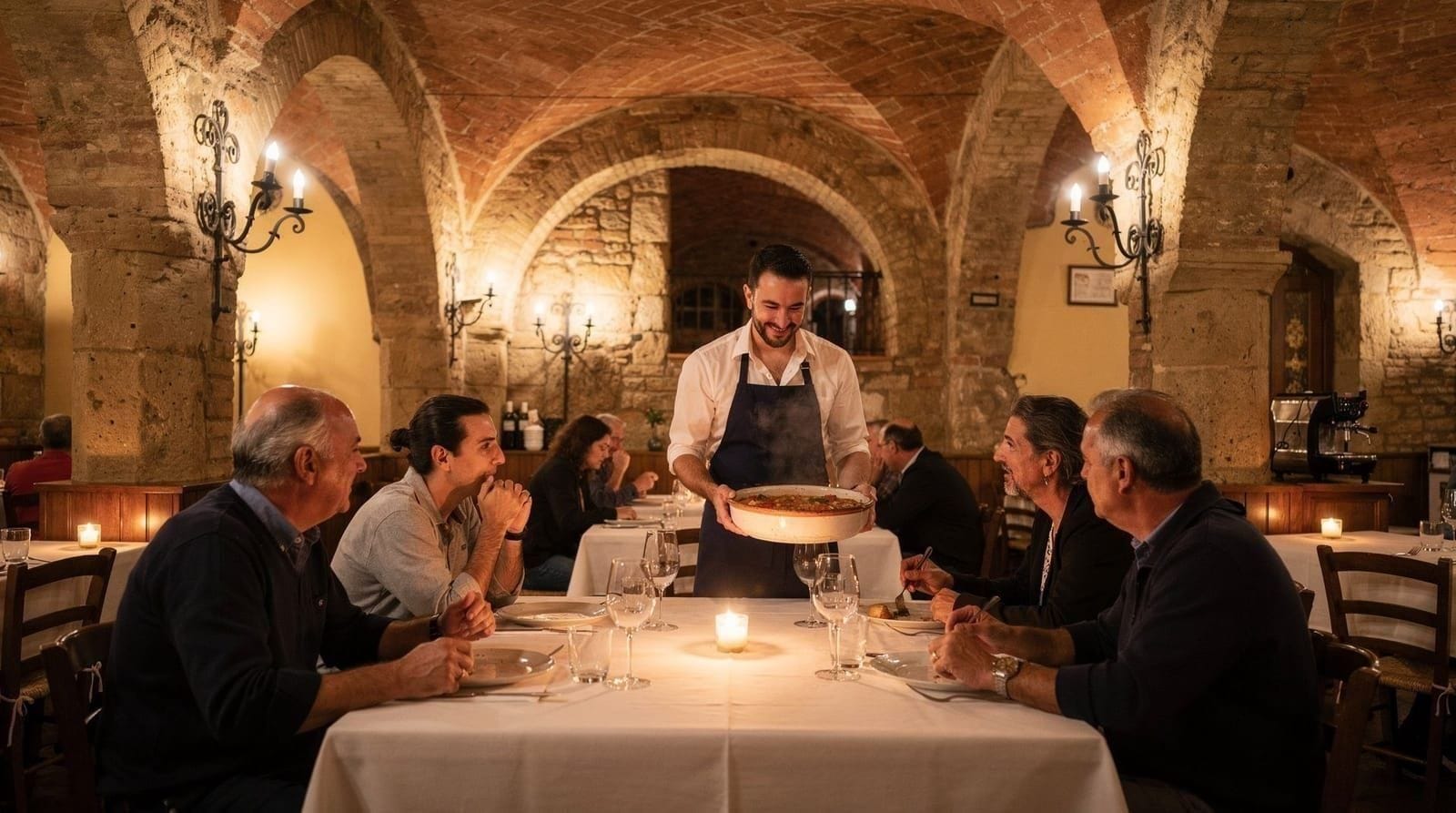
One of Florence’s oldest restaurants. A reliable bistecca from verified Chianina beef, cooked over charcoal in a vaulted cellar setting. The wine list is strong. Expect €50–60/kg; reserve in advance.
Trattoria Sostanza (aka Il Troia — Santa Maria Novella)
Florence institution since 1869. The bistecca here is legendary: massive, charcoal-grilled, rigorously rare. The butter pasta and pappardelle al cinghiale as starters are equally famous. Very few tables; reservation essential. No credit cards at some sittings — check ahead.
Buca dell’Orafo (near Ponte Vecchio)
Mentioned in the best restaurants guide as an exception to the tourist-area rule. The bistecca is competently handled and the location — literally beside Ponte Vecchio — makes it a special occasion choice.
Il Latini (Santa Maria Novella)
Communal tables, loud, boisterous, and unmistakably Florentine. The bistecca is ordered alongside an onslaught of antipasti, pasta, and dessert. Less specialist than dedicated bistecca restaurants but the experience is authentic rather than manufactured.
Trattoria Cammillo (Oltrarno)
A neighbourhood gem in Oltrarno with a serious approach to sourcing Chianina beef. The menu is seasonal and traditional; the wine list strong on Chianti Classico producers. Book at least two days ahead for dinner.
Ordering guide: what to say at the table
“Vorremmo una bistecca per due” — “We’d like a bistecca for two.” The waiter will ask your preferred doneness. The correct response is al sangue (rare/very rare).
“Quanto pesa circa?” — “Approximately how much does it weigh?” A useful question to ask before the steak is cooked. Standard answer: 1.1–1.5 kg.
“Possiamo avere i fagioli all’olio?” — “Can we have the white beans with olive oil?” This is the traditional side dish, sometimes not listed on the menu but available on request.
Do not ask for ketchup, steak sauce, or “medium-well.” Just don’t.
What to eat alongside the bistecca
The bistecca dominates the meal but the supporting cast matters:
Starters: Crostini neri (chicken liver pâté on toast) is the classic opener. Prosciutto Toscano with white beans. Bruschetta with Tuscan olive oil.
Sides: White beans (fagioli all’olio) in fruity olive oil. Roasted rosemary potatoes. Fried artichokes (carciofi fritti) in season (winter–spring). Grilled courgettes in summer.
Wine: A serious bistecca demands a serious wine. Chianti Classico Riserva from Antinori, Felsina, Fontodi, or Ruffino is the classic choice. Budget Chianti Classico (not Riserva) works fine for an everyday meal; for a special occasion, ask the sommelier for a Chianti Classico Gran Selezione from a single vineyard.
Dessert: After a bistecca, go light. Cantucci e Vin Santo (almond biscuits with sweet wine) or a scoop of good gelato from a nearby gelateria. The best gelato guide has neighbourhood options.
Where the tradition comes from
The name’s origin is disputed but the most repeated story dates to the 16th century, when English merchants and pilgrims in Florence for the Feast of San Lorenzo were served grilled beef and reportedly called for “beef steak” — Florentines adapted the phrase into bistecca. Whether or not that etymology is entirely accurate, the dish’s identity has been tied to Florence and the Chianina breed for centuries, well before modern tourism turned it into a bucket-list order.
The Val di Chiana valley, where Chianina cattle are raised, sits roughly 80 km southeast of Florence, closer to Arezzo and Cortona than to the city itself — worth knowing if the breed’s origins interest you enough to see the countryside where the beef actually comes from.
The offal alternative: lampredotto
For those wanting genuine Florentine meat culture without the bistecca price, the alternative is lampredotto — the fourth stomach of a cow, braised in broth and served in a rosetta roll from street carts around the city. It’s the lunch of working-class Florence, costs €5, and requires a reasonable tolerance for offal texture. See the Florence street food guide for the best carts.
Frequently asked questions about bistecca alla fiorentina
Can I find bistecca alla fiorentina outside Florence?
Yes, but quality degrades quickly as you leave the Chianina heartland. In Siena and the Chianti hills, bistecca is still a menu staple using good local beef. In Rome, Milan, or anywhere outside Tuscany and Umbria, you’re increasingly likely to encounter generic beef under the Fiorentina name.
Why is bistecca priced by the kilogram?
Because the steaks vary in weight and it wouldn’t make sense to price them per portion. The per-kg model is standard for bistecca, grilled whole fish, and other large-format items in Italian restaurants. Always ask the weight before ordering to avoid surprise bills.
Is there a vegetarian alternative at bistecca restaurants?
Yes — traditional trattorias serving bistecca also have excellent pasta dishes, ribollita, and vegetable antipasti. You don’t have to order the steak. But if vegetarians in your group object to being at a table where a 1.5 kg T-bone is being consumed beside them, there are better restaurant choices.
Can I buy bistecca alla fiorentina to cook at home?
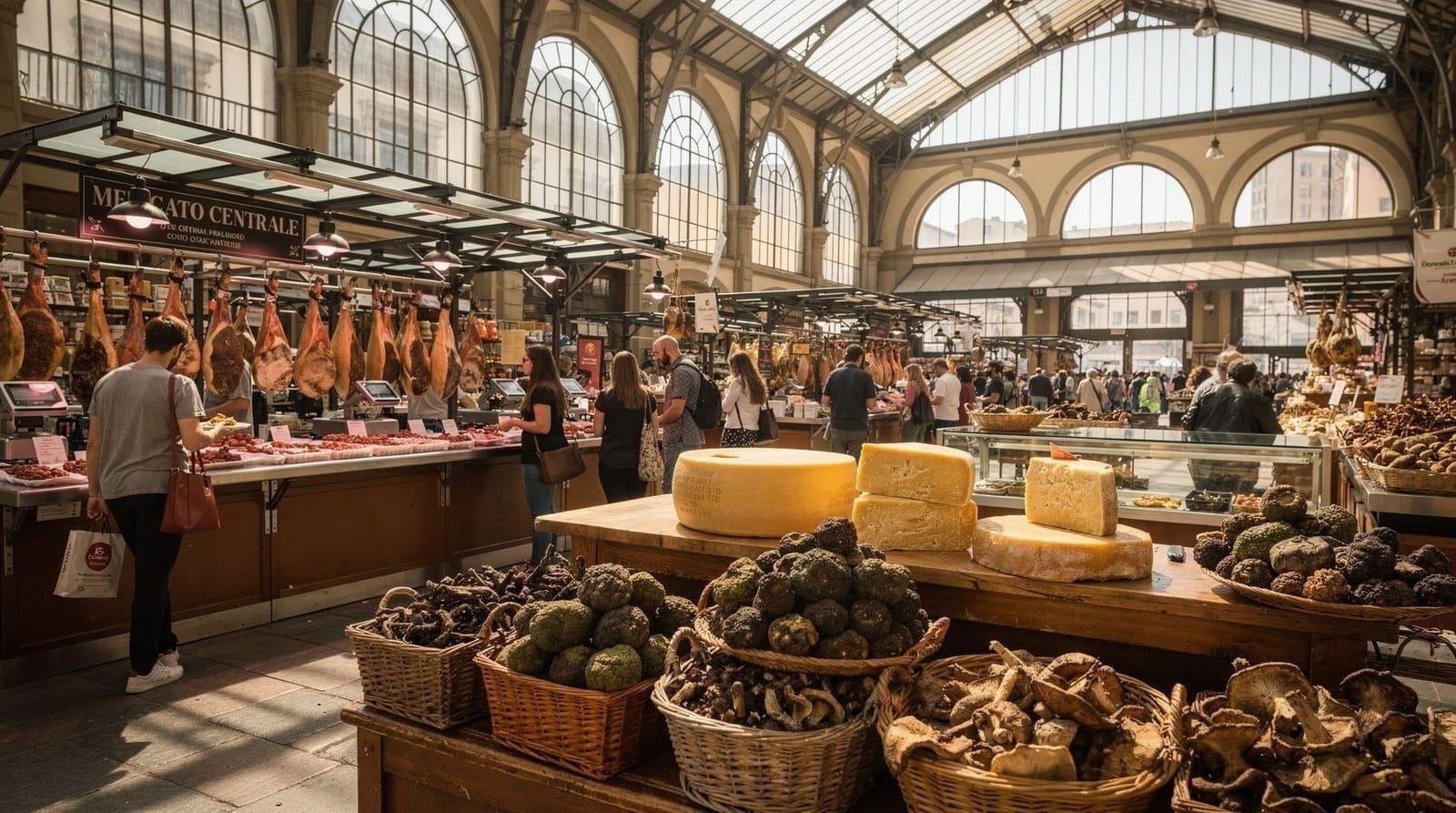
Yes. The ground-floor butchers at Mercato Centrale sell Chianina bistecca that can be taken to a self-catering accommodation. Ask for the lombata, specify 4–5 cm thickness, and allow the butcher to suggest the weight. You’ll need a very hot cast-iron pan or outdoor grill to approximate restaurant results.
How does bistecca alla fiorentina relate to other Italian steaks?
The Florentine version is the benchmark Italian T-bone preparation. Comparable cuts exist elsewhere (the Lombard tagliata di manzo, the Roman baccalà con la bistecca) but none have the same cultural weight. The Florentine claim is to the specific combination of Chianina beef, minimum thickness, and the strict al sangue preparation — any departure from these elements produces something that is technically a steak but not a bistecca alla fiorentina.
Should I book a specific restaurant for bistecca, or can I decide on the day?
Book ahead for Sostanza, Buca Mario, or Cammillo — all three have limited seating and are genuinely popular for this dish specifically. If you’re flexible on restaurant and just want a good bistecca, many neighbourhood trattorias covered in the best trattorias guide serve a competent version without needing a reservation days in advance.
Is bistecca alla fiorentina always the same price everywhere?
No — the price per kilogram varies significantly by location and sourcing, from around €40/kg at an honest neighbourhood trattoria to €75–90/kg at tourist-area or high-end restaurants. Location near major sights is a weak proxy for quality here; ask about the beef’s origin (Chianina, IGP-certified) rather than assuming a higher price means better meat.
Top experiences
Bookable activities with verified prices and instant confirmation on GetYourGuide.

Florence: dinner with truffle, Florentine steak and exclusive wines
- Free cancellation
Florence: food and wine tour
- Free cancellation
- Small group
Florence: food tour with local wine and Florentine steak
- Free cancellation
- Small group
Florence: ultimate food tour — full Tuscan meal with a local
- Free cancellation
- Small group