Florence street food: the complete guide
Florence: old city street food tour and guided sightseeing
- Free cancellation
- Small group
What is the best street food in Florence?
Lampredotto (braised cow tripe in a bun, €4–5) is the most authentically Florentine street food. Schiacciata sandwiches at All'Antico Vinaio (€7–9) are the most famous. Both are available near the Mercato Centrale and throughout the city centre.
Street food and the Florentine tradition
Florence is not a street food city in the way Naples or Palermo are — there is no single genre-defining snack with a hundred competing vendors. But what Florence does have is a handful of specific traditions, each tied to the city’s market and workshop culture, that reward seeking out.
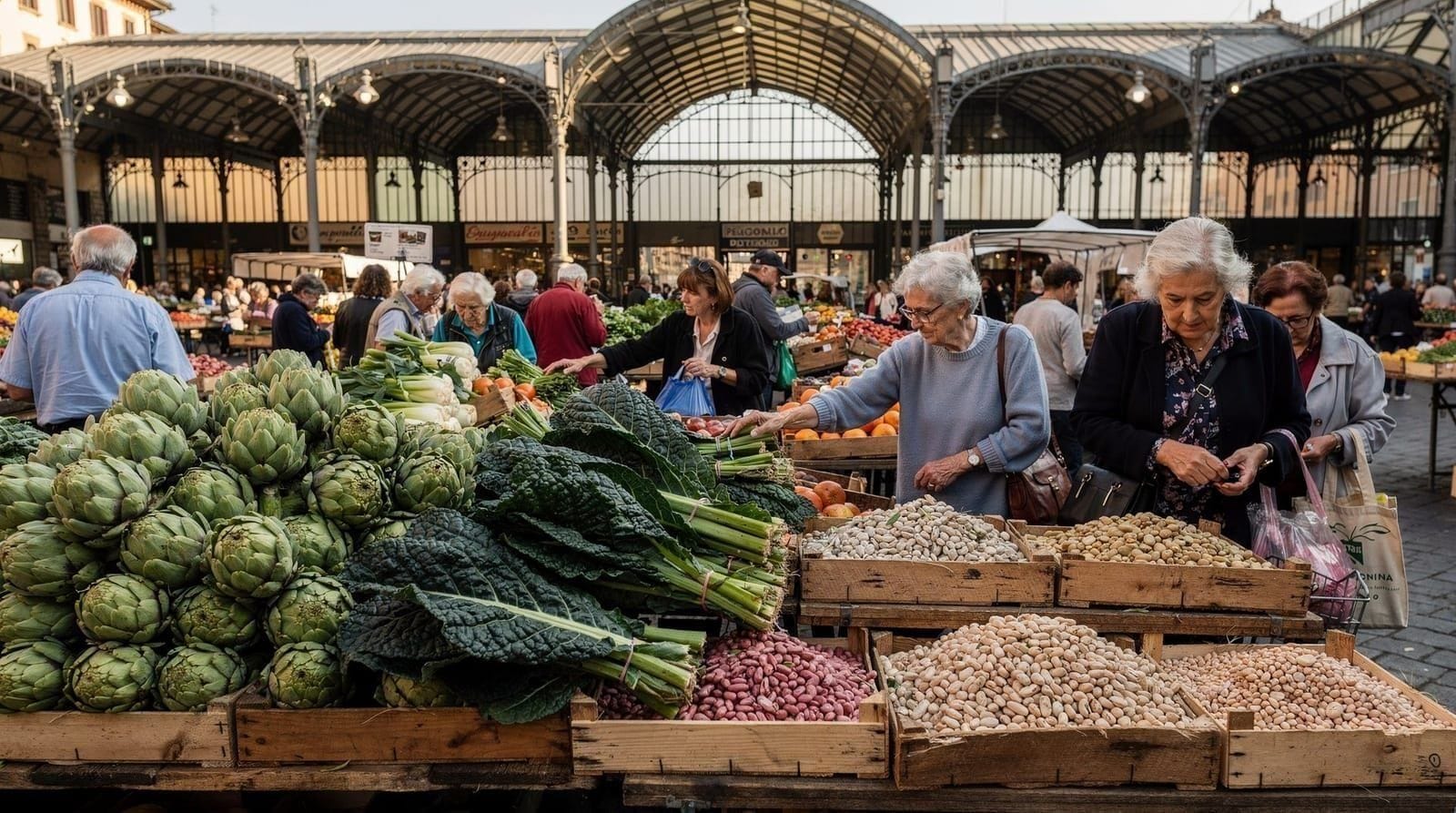
The most important: lampredotto, the braised tripe sandwich that is as Florentine as the Duomo. Second: the schiacciata sandwich tradition, where flat Tuscan bread becomes the vehicle for quality charcuterie, cheese, and seasonal additions. Third: the broader snacking culture of the markets — fried chickpea fritters, fresh fruit, cured meats — that sustains the working population through the morning.
This guide covers all of these, where to find the best versions, what to pay, and what to look out for.
| Signature dish | Lampredotto sandwich, around €4–5 |
| Most famous stop | All’Antico Vinaio, Via dei Neri (queues 20–40 min) |
| Where locals eat | Sant’Ambrogio market and Piazza dei Ciompi carts |
| Best time | Morning (09:00–14:00) for lampredotto carts |
| Avoid | Stalls on Via dei Calzaiuoli and Piazza della Repubblica |
Lampredotto: Florence’s essential street food
What it is
Lampredotto is the abomaso — the fourth and final stomach of a cow — braised for several hours in a broth of vegetables (celery, carrot, onion, tomato) with herbs. The result is a dense, slightly chewy offal with a mild, meaty flavour. It’s served in a round rosetta roll that is traditionally dipped in the cooking broth to moisten the bread.
The dressing: salsa verde (parsley, capers, anchovy, garlic, olive oil, blended smooth) on one side; a smear of salsa piccante (chilli-based) on the other. You can ask for both, one, or neither.
Two schools: bagnato (wet — the roll dipped in broth) or asciutto (dry). Most Florentines order bagnato. The first experience is more flavourful; the roll becomes somewhat soggy, which is part of the point.
Where to eat it
Nerbone (Mercato Centrale, ground floor): The most famous lampredotto counter in Florence. See the full Mercato Centrale guide for details. Open from 07:00, closed by 14:00. Queue from around 11:30.
Lampredottaio at Piazza dei Ciompi (Sant’Ambrogio quarter): The classic portable cart setup — a tripod holding a pot of simmering broth, rolls stacked on the side. Less atmospheric than Nerbone but arguably more authentic as a street experience. Open mornings.
Lampredottaio at Piazza della Stazione: A cart near Santa Maria Novella train station, convenient for an arrival-morning introduction to Florence street food. Reliable quality.
II Lampredotto di Sergio Pollini (Via de’ Macci): Near the Sant’Ambrogio market. Sergio is one of the most respected lampredottai in the city; his broth is particularly well-seasoned.
Price: €4–5 for a standard lampredotto sandwich. A cup of just the broth (good for cold mornings) is sometimes available at €2–3.
Should you try it?
If you eat offal at home (liver, kidney, tripe), yes without hesitation. Lampredotto is milder and less assertive than, say, liver, and the combination with salsa verde and the broth-soaked bread is genuinely delicious.
If you’ve never eaten offal, try a small taste from someone else’s order first. The texture is the main challenge: chewy but not tough, with a somewhat gelatinous quality from the slow braising. The flavour itself is meaty and mild.
If you’re vegetarian or object to offal for other reasons: this is not for you, and Florence has plenty of alternatives.
Schiacciata sandwiches: the modern icon
Schiacciata is the Tuscan flatbread — thinner and less airy than focaccia, brushed with olive oil, slightly salt-forward, with a crisp exterior and chewy interior. It’s used as the base for substantial filled sandwiches that have become enormously popular with food-focused visitors.
All’Antico Vinaio (Via dei Neri)
The most famous sandwich shop in Florence, possibly in Italy, with queues that can stretch 30–40 minutes on summer mornings. The original location on Via dei Neri 65 is still the reference. What makes it work:
- The schiacciata is made fresh throughout the day, warm and crisp when it should be
- The fillings are quality products: Finocchiona DOP, prosciutto di Cinta Senese, burrata, truffle cream, roasted vegetables, stracciatella
- The combinations are designed — this is not random assembly but a curated set of flavours that work together
- The price (€7–9) is reasonable for what you’re getting
Best combinations: the Favolosa (finocchiona, mozzarella, artichoke cream) and the Inferno (cured meats, truffle cream) are permanent menu items. Seasonal specials change.
The queue: arrive before 11:00 or after 14:30 to minimise waiting. There are now multiple All’Antico Vinaio branches in Florence (and internationally) — the Via dei Neri original has the best energy but the satellite locations are nearly as good.
I Fratellini (Via dei Cimatori)
A tiny wine bar that has operated from the same narrow doorway since 1875. The crostini and small sandwiches here are traditional rather than Instagram-ready — simpler fillings (prosciutto, cheese, salami, tuna) on white bread rolls, paired with a glass of wine from a list of over 50 labels. Each sandwich is under €3; wine by the glass from €3. You eat standing in the street.
The atmosphere is completely different from All’Antico Vinaio — calmer, more traditional, with regulars stopping for a mid-morning glass of wine and a couple of sandwiches. One of Florence’s genuinely charming street food experiences.
Sandwiches around Mercato Centrale
The streets around the San Lorenzo market have several good sandwich options beyond the market itself:
Semel (Piazza della Madonna degli Aldobrandini): Artisan schiacciata sandwiches using local charcuterie, reasonable prices, no queue.
Il Latini Bar (nearby): Simpler, cheaper option — basic rolls with good Tuscan meats for under €5.
Ceci fritti and farinata: chickpea street food
Florentine ceci fritti (fried chickpeas in seasoned batter) and farinata (baked chickpea flatbread) are less famous than lampredotto or schiacciata but equally embedded in the city’s food culture.
Ceci fritti: Small chickpeas dipped in seasoned flour and deep-fried until crisp. Sold hot by weight at some bakeries and market stalls, particularly around the Sant’Ambrogio market. €3–4 per 100g. Best eaten immediately, outside.
Farinata/cecina: A Ligurian import (also called torta di ceci) that has been adopted by Florence. A thick baked chickpea pancake, seasoned with olive oil, salt, rosemary. Best at dedicated cecina bakeries near the Mercato di Sant’Ambrogio and in Oltrarno. €2–3 per portion.
Tripe in other forms: trippa al sugo
Beyond lampredotto, trippa alla fiorentina (tripe with tomato sauce and Parmigiano-Reggiano) is a staple of Florentine working-class cooking sold at market counters and some street stalls. Less common than lampredotto as street food but available at Nerbone and a few other counters.
The tomato-braised version is more approachable for offal beginners than lampredotto — the sauce adds sweetness and the texture is softer.
Florence street food at a glance
| Dish | Price | Where | Best for |
|---|---|---|---|
| Lampredotto | €4–5 | Nerbone, Piazza dei Ciompi carts | Offal-curious eaters |
| Schiacciata | €7–9 | All’Antico Vinaio | First-time visitors, quality fillings |
| Crostini/small sandwiches | Under €3 | I Fratellini | Calm, traditional experience |
| Ceci fritti | €3–4/100g | Sant’Ambrogio stalls | A quick, crisp snack |
| Farinata/cecina | €2–3 | Cecina bakeries, Oltrarno | Vegan, gluten-free |
| Pizza al taglio | €3–5/slice | Forno Sartoni | Familiar, filling option |
Pizza al taglio
Florence is not Rome when it comes to pizza, but decent pizza by the slice (al taglio) exists. Look for bakeries (forni) and dedicated pizza al taglio shops rather than proper sit-down pizzerias for the street food version.
Forno Sartoni (Via dei Cerchi): One of the better pizza al taglio spots. Thick, well-topped slices at €3–5 each.
I Due Fratelli (Via dei Cimatori): Pizza and focaccia slices from a straightforward neighbourhood bakery.
What to drink with Florence street food
Acqua del rubinetto (tap water): Florence’s tap water is perfectly drinkable. Free, from the many public fountains (nasoni) scattered through the city. There is no reason to buy bottled water for street food eating.
Vino sfuso (wine by the glass): I Fratellini pairs wine with their sandwiches from the start. Other wine bars near market areas sell house wine by the glass from €2.50.
Spritz: Aperol or Campari Spritz is the reflexive aperitivo drink, widely available at bar terraces from 18:00. Not particularly street food — more a pre-dinner ritual.
Where not to buy street food
The tourist-focused food stalls on Via dei Calzaiuoli and around Piazza della Repubblica sell overpriced versions of Florentine classics (€8–10 lampredotto, €12 schiacciata) in locations designed for maximum footfall. The food is adequate but represents a significant premium over the same quality two streets away.
The honest Florence guide covers food-specific tourist traps in more detail.
A street food morning itinerary
07:30: Espresso and cornetto at a neighbourhood bar. Standing at the counter, €1.20–1.50. Coffee bars near Mercato Centrale or Sant’Ambrogio are reliable.
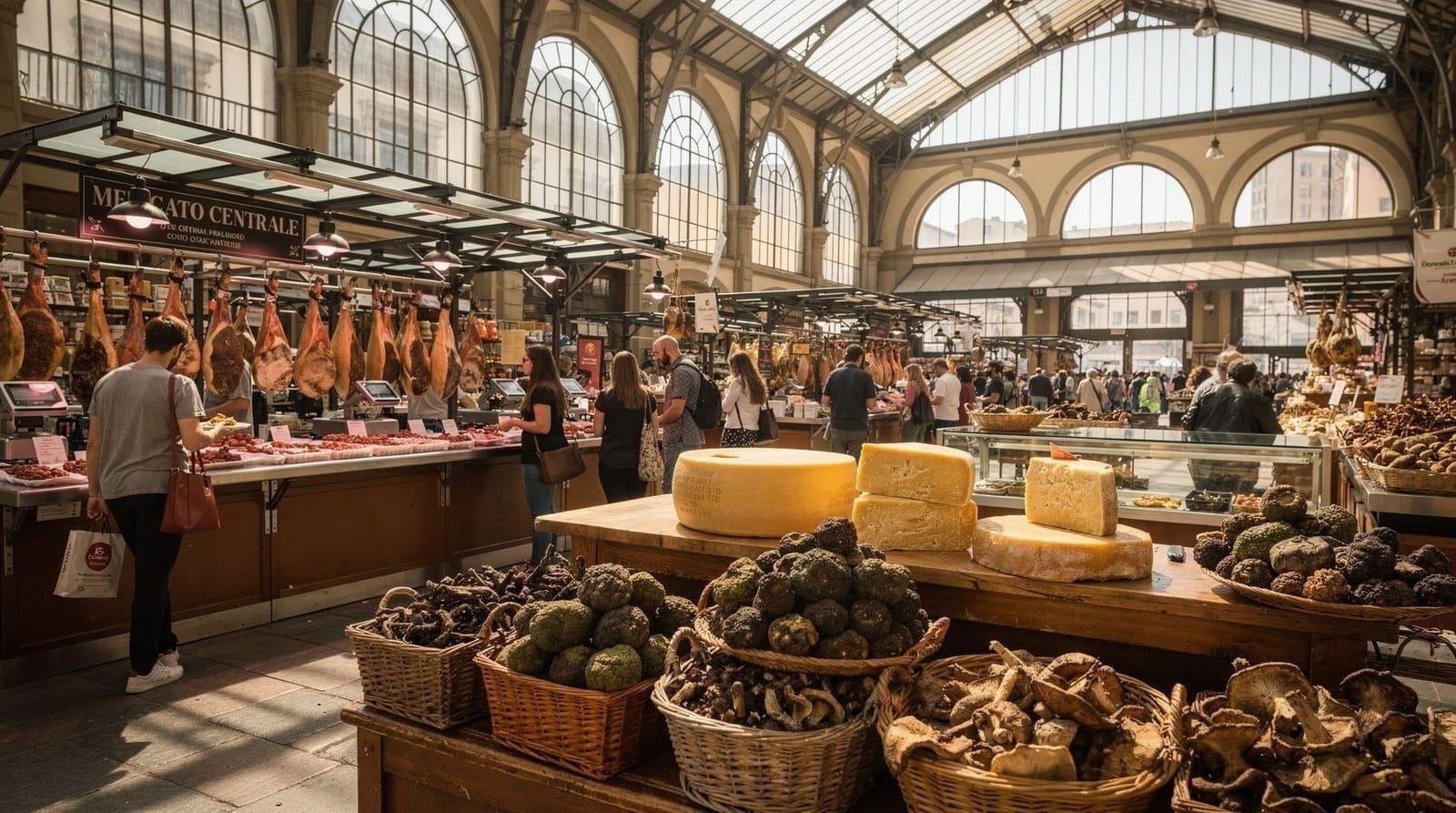
08:00: Walk through Mercato Centrale ground floor. Browse the cheese and charcuterie stalls; note what’s in season.
10:00: Lampredotto at Nerbone. Order bagnato (wet roll) with both sauces. Eat standing.
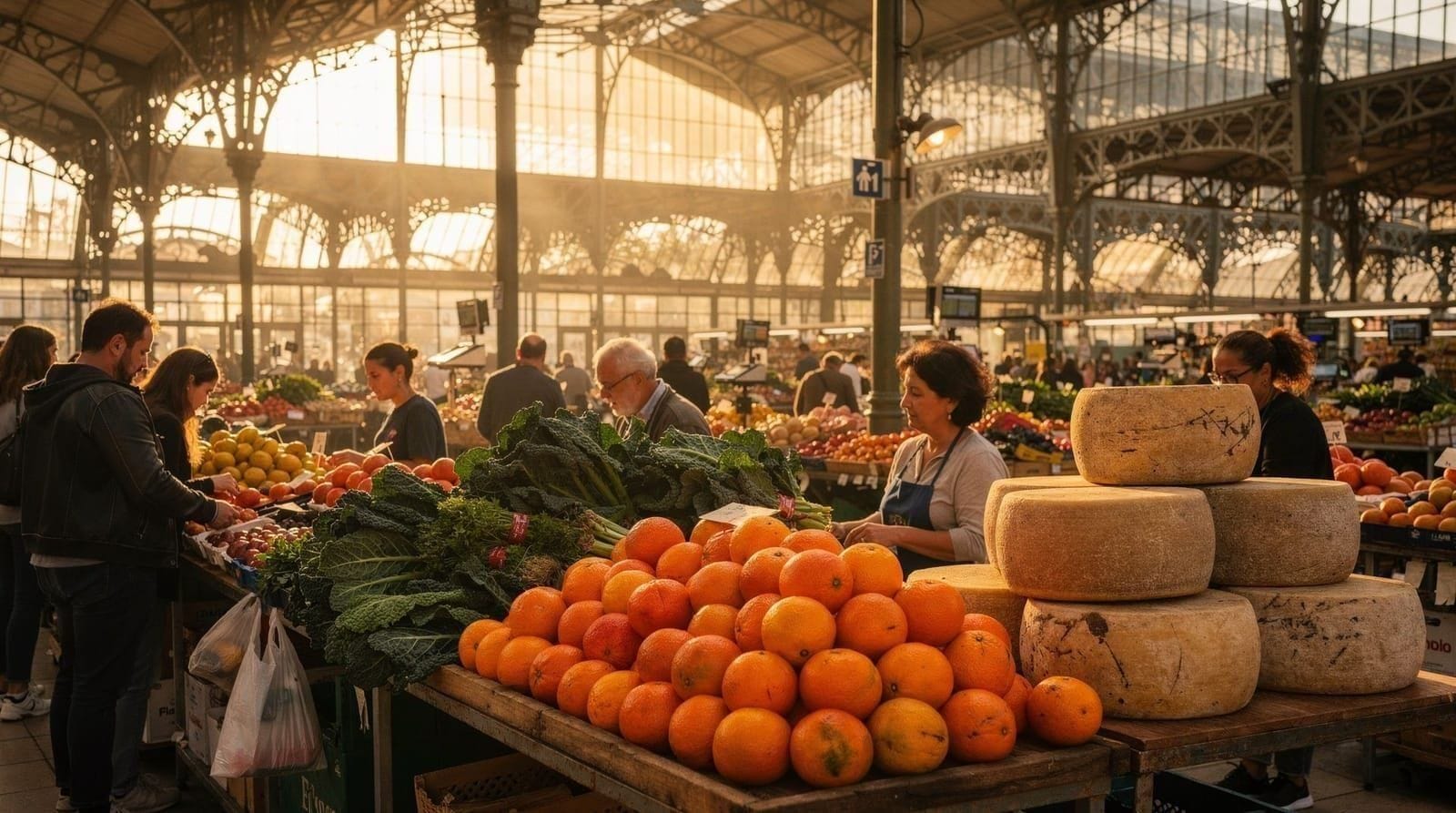
11:00: Walk to Sant’Ambrogio via Via dell’Agnolo. Pick up fresh pasta or a bag of ceci fritti from a market stall.
12:30: All’Antico Vinaio for a schiacciata if the queue is manageable. Or lunch at a nearby trattoria.
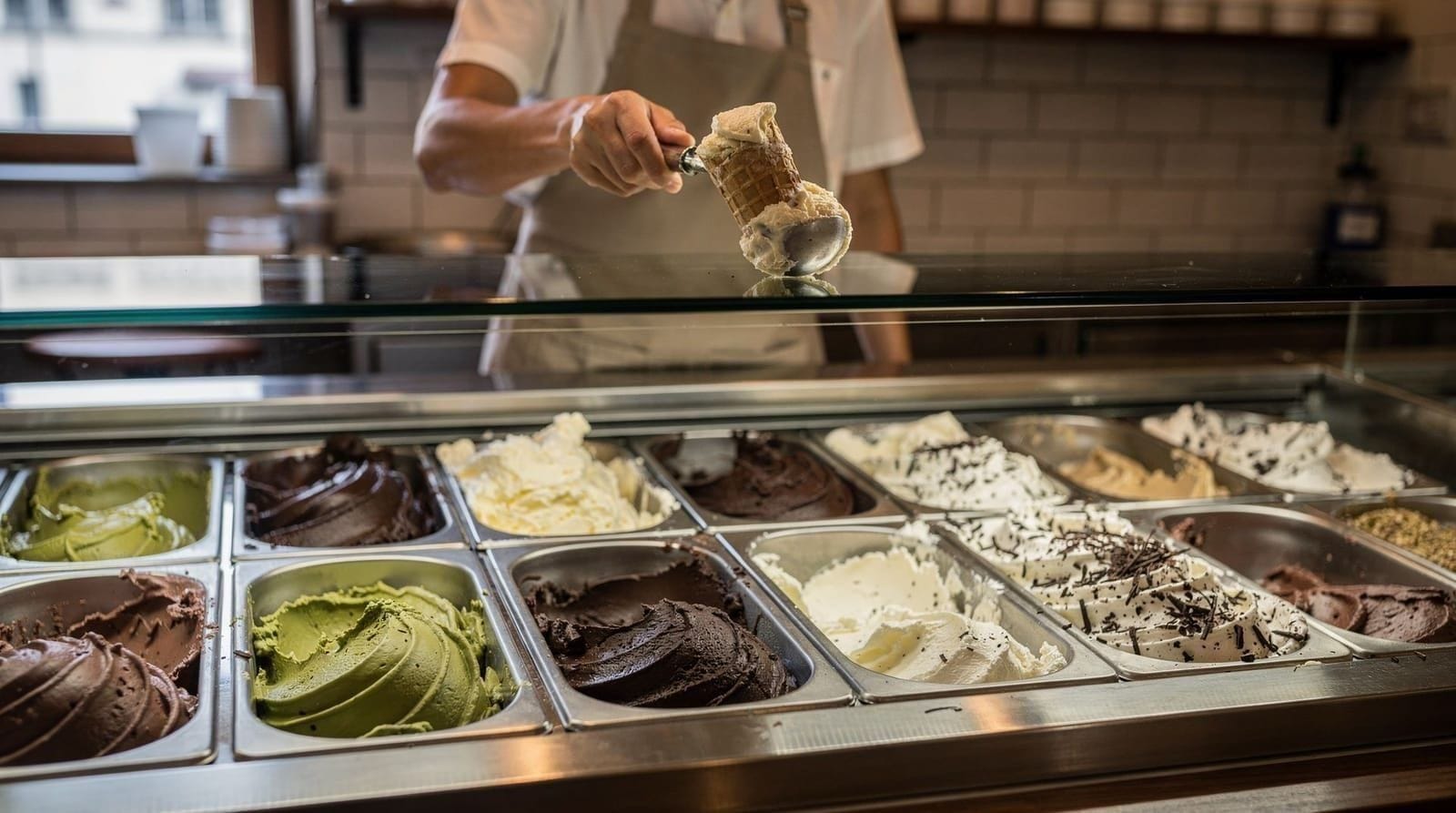
Afternoon: Gelateria dei Neri (Santa Croce) for gelato — Florentine street food of a different register. See the best gelato in Florence guide for other reliable stops if you’d rather diversify.
When street food isn’t enough: sitting down instead
Street food covers breakfast, lunch and snacking well, but a proper Florentine evening usually means a sit-down meal. For dinner recommendations that follow the same honesty-first approach as this guide, see best restaurants in Florence for a range of budgets, or best trattorias in Florence specifically for the neighbourhood, home-style cooking that pairs naturally with a day spent grazing at markets and stalls. The Florence food markets guide also covers Mercato Centrale’s upstairs food hall and Sant’Ambrogio’s stalls in more depth than the street food angle here allows.
Street food for different diets and budgets
Florence’s street food scene scales reasonably well across dietary needs and budgets, though not universally. Vegetarians have solid options (schiacciata with cheese and vegetables, farinata, ceci fritti, gelato); strict vegans should stick to farinata/cecina, fresh fruit, and dairy-free sorbetto, since most schiacciata fillings and lampredotto obviously involve meat or dairy. On a tight budget, a full day of eating well from street food and market stalls — coffee and cornetto, a lampredotto or schiacciata for lunch, ceci fritti as an afternoon snack, gelato in the evening — comes to roughly €20–25 per person, considerably less than three sit-down meals would cost.
Frequently asked questions about Florence street food
Is lampredotto safe to eat?
Yes. The long braising process fully cooks the offal and the broth is freshly made each day. Florence has a centuries-long tradition of tripe and offal consumption; the health and food safety standards for lampredottai are the same as for any other food vendor.
What time do the lampredotto carts open?
Most cart vendors operate from around 09:00 to 14:00, tracking the market morning rhythm. Nerbone inside Mercato Centrale opens at 07:00. Some carts operate in the evening for the aperitivo crowd, particularly around Piazza della Repubblica.
Can vegetarians eat well from Florence’s street food scene?
Yes — the schiacciata sandwiches can be ordered with cheese and vegetable fillings, cecina/farinata is vegan, gelato offers dairy-free sorbetto options, and many market stalls sell prepared vegetable dishes. The lampredotto tradition is emphatically not vegetarian but it’s easy to navigate around it.
Is there gluten-free street food in Florence?
Farinata/cecina is naturally gluten-free (chickpea flour). Fresh fruit from market stalls is obviously fine. Most other street food — lampredotto rolls, schiacciata, pizza al taglio — uses wheat flour and cannot easily be made gluten-free in a street food context.
Top experiences
Bookable activities with verified prices and instant confirmation on GetYourGuide.

Florence: old city street food tour and guided sightseeing
- Free cancellation
- Small group
Florence: Sant Ambrogio market food tour of 10 local dishes
- Free cancellation
- Small group
Florence: food and wine tour
- Free cancellation
- Small group
Florence: gelato tour and culinary walk in city center
- Free cancellation
- Small group