Florence food markets guide
Florence: Sant Ambrogio market food tour of 10 local dishes
- Free cancellation
- Small group
What are the best food markets in Florence?
Mercato Centrale (San Lorenzo) is the most famous covered market with both a ground-floor food hall and a first-floor food court. Sant'Ambrogio is smaller, cheaper, and far more local. Both open mornings Monday–Saturday. Sant'Ambrogio closes by 14:00.
Florence’s markets: the city’s real food heart
Before the explosion of food tourism, before the stacked-high schiacciata Instagram queues and the first-floor food courts aimed at travellers, Florence fed itself through a network of neighbourhood markets. Two of them remain essential: Mercato Centrale and the Mercato di Sant’Ambrogio. A third, the outdoor market around San Lorenzo, sells mainly tourist goods but rewards the patient shopper.
Understanding the difference between them — what they sell, who shops there, what prices are fair — is the key to eating like a resident rather than a tourist.
| Where | Mercato Centrale (San Lorenzo); Sant’Ambrogio (Santa Croce) |
| Cost | Free to browse; snacks/lunch around €5–16 |
| Time needed | 45–90 minutes per market |
| Hours | Mon–Sat, roughly 07:00–14:00 (Mercato Centrale food court until midnight) |
| Best time | Before 11:00, on a Tuesday or Saturday |
Mercato Centrale: Florence’s most famous market
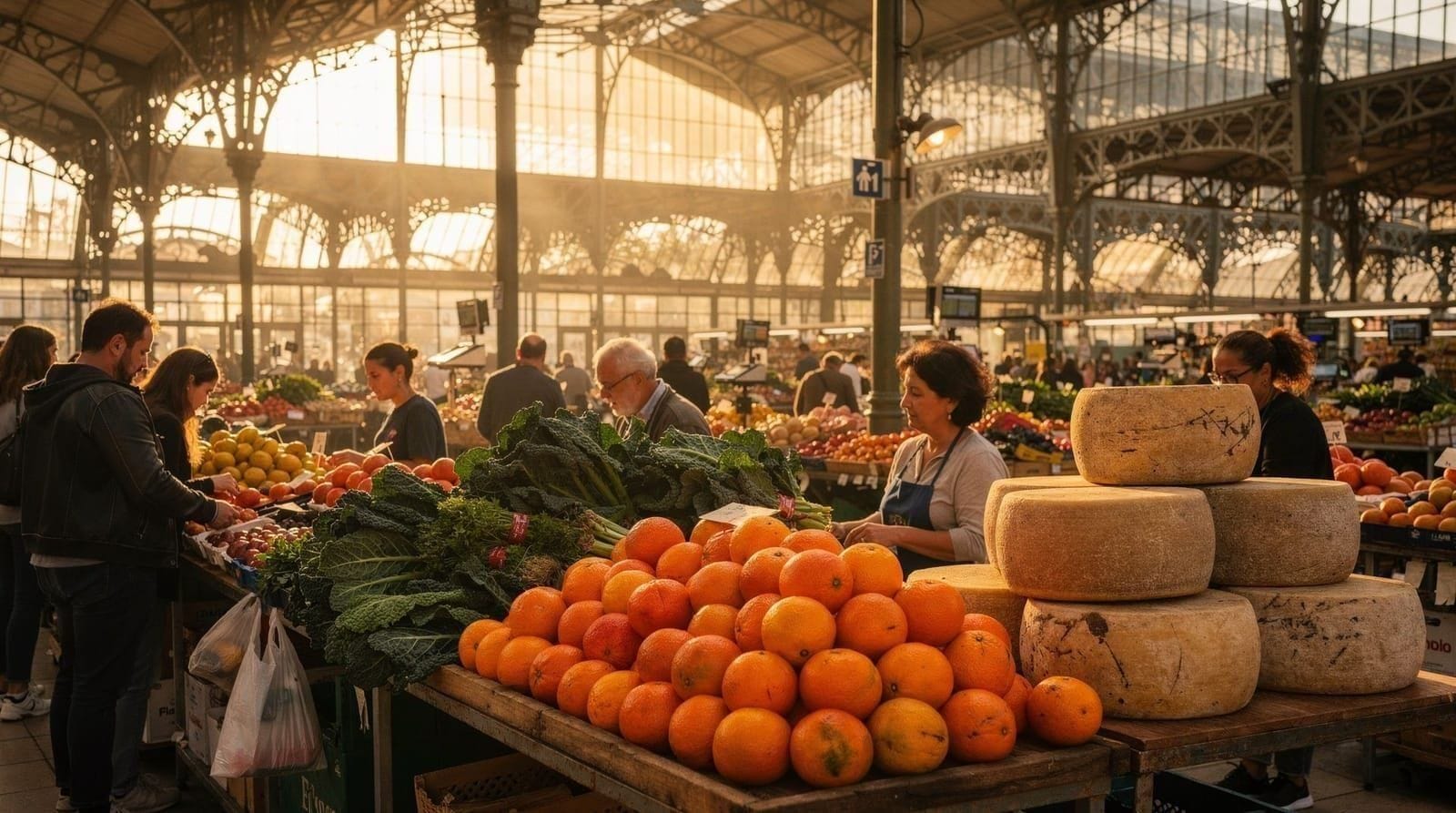
The Mercato Centrale occupies an extraordinary 1874 iron-and-glass structure designed by Giuseppe Mengoni, the same architect responsible for the Galleria Vittorio Emanuele II in Milan. It sits in the San Lorenzo district, two blocks from Santa Maria Novella train station.
Ground floor: the food hall
The ground floor is a working food market selling to residents, restaurant chefs, and food-curious visitors. It operates Monday–Saturday, 07:00–14:00.
What you’ll find:
| Counter | What to buy | Price guide |
|---|---|---|
| Butchers | Florentine T-bone (bistecca), Chianina beef, rabbit, chicken | Bistecca €35–55/kg |
| Fishmongers | Fresh catch from the Ligurian coast, baccalà, shellfish | Sea bass €18–25/kg |
| Cheese | Pecorino Toscano (fresh and aged), Parmigiano-Reggiano, marzolino | Aged Pecorino €18–24/kg |
| Charcuterie | Finocchiona, prosciutto Toscano, salame di cinta senese | Finocchiona €22–28/kg |
| Fruit and vegetables | Seasonal Tuscan produce: ribollita vegetables, figs, tomatoes | Varies |
| Nerbone | Lampredotto and ribollita from Florence’s most famous market trattoria | Lampredotto sandwich €5, ribollita €7 |
| Pasta fresca | Handmade tagliatelle, pappardelle, ravioli | €4–6 per 250g |
| Olive oil | Cold-pressed Tuscan extra-virgin; single-estate options | €10–25 per 500ml |
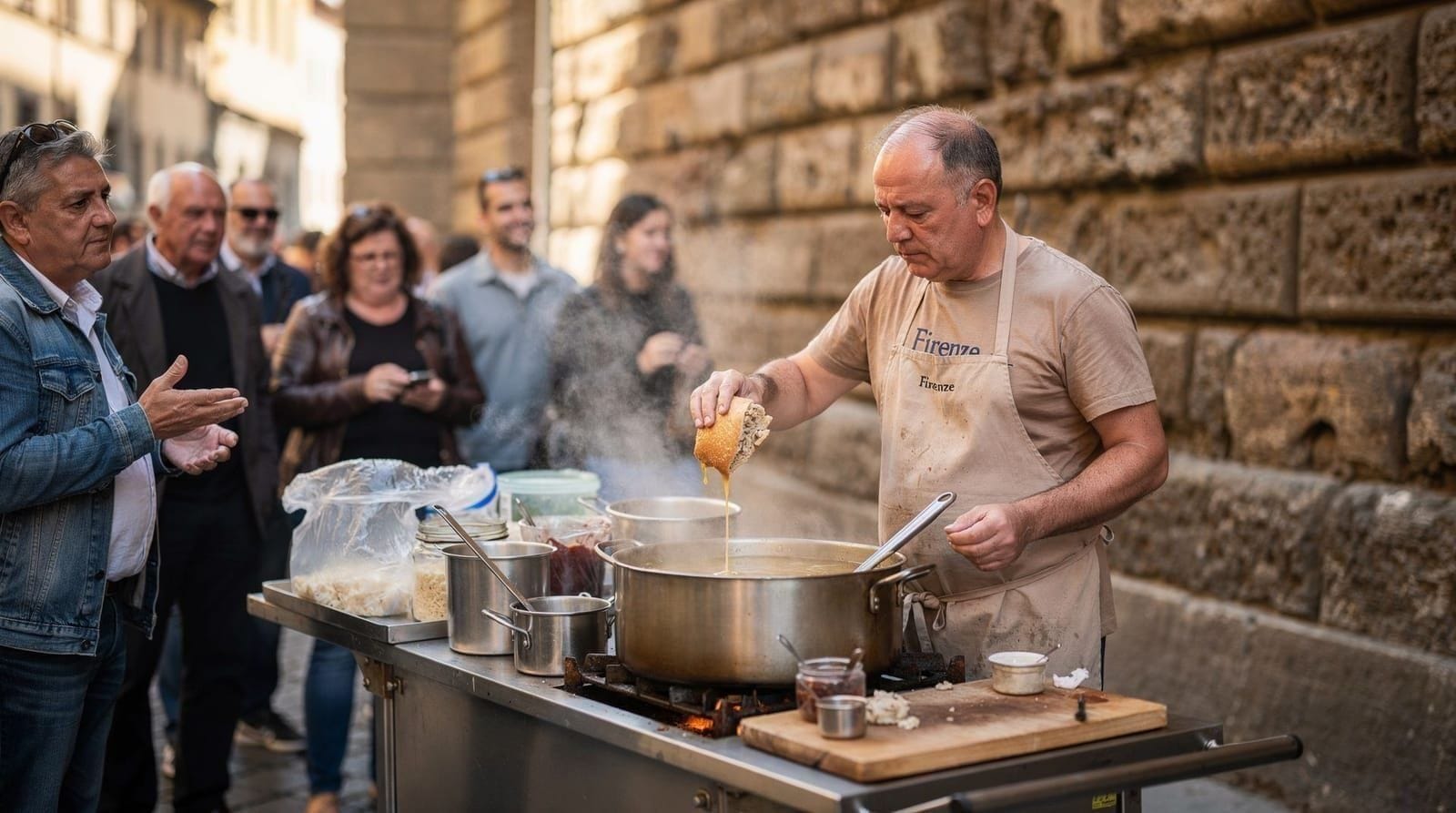
Nerbone deserves special mention. This counter-service restaurant has operated inside Mercato Centrale since 1872. The lampredotto sandwich (made from the fourth stomach of a cow, braised in broth and seasoned with salsa verde and chilli) is not to everyone’s taste but is the authentic working-class lunch of Florence. Ribollita, pasta, and roast meats are also available. Prices are low (€5–8 for a main) and the atmosphere is noisy and chaotic in the best possible way.
First floor: the food court
The first floor was converted in 2014 into a modern food court with a dozen-plus stalls, a cocktail bar, and a wine shop. It operates 10:00–24:00 daily, including Sundays.
It is deliberately aimed at food tourists rather than market shoppers, and the prices reflect this (€10–16 for a pasta dish). The quality ranges from decent to excellent depending on the stall. The setting — under the original iron roof, surrounded by the market’s cast-iron columns — is genuinely impressive. Worth a coffee or a glass of wine at the bar even if you eat elsewhere.
Honest assessment: the first floor is fine for a quick bite and the setting is appealing. It’s not where Florentines eat lunch.
Mercato di Sant’Ambrogio: the local’s market
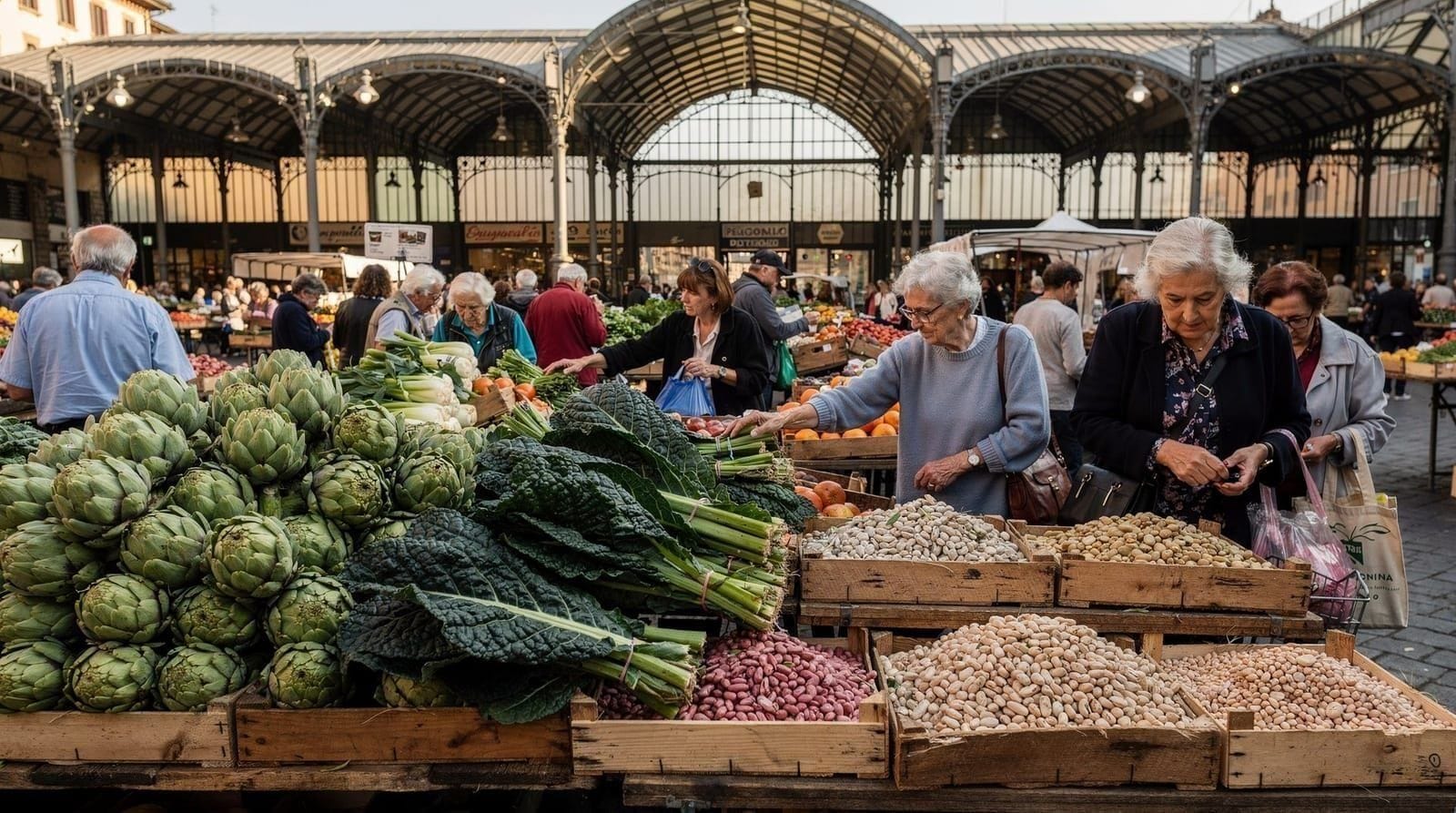
Sant’Ambrogio is Florence’s best-kept non-secret. Located in the Santa Croce quarter, it draws genuine neighbourhood shoppers: chefs from nearby restaurants, elderly residents doing their daily round, young Florentine families on Saturday mornings. Tourists are present but not dominant.
The market occupies a small covered building on Piazza Ghiberti, with outdoor stalls extending along the surrounding streets. Full coverage in the dedicated Sant’Ambrogio market guide.
Opening hours: Monday–Saturday, 07:00–14:00. Closed Sundays.
What makes Sant’Ambrogio different
- Prices are lower. Produce at Sant’Ambrogio tends to run 10–20% cheaper than Mercato Centrale for equivalent quality.
- The surrounding restaurants are exceptional. The trattorias on Via dei Macci, Via dell’Agnolo and Borgo la Croce cook with market produce and are among Florence’s most honest. Trattoria Cibreo/Cibreino (the affordable annex of the famous Cibreo restaurant) is on Via dei Macci.
- It closes at 14:00 without exception. Arrive by 13:00 to see it at its best; arrive by 09:00 on Saturday to catch the full spread.
- The cheese and charcuterie selection is serious. Several stalls specialise in Tuscan charcuterie from small producers — cinta senese (Sienese belted pig), aged finocchiona, and lardo di Colonnata.
What to buy at Sant’Ambrogio
Fresh pasta, Tuscan sausages, seasonal vegetables, fresh cheeses, flowers, and — most interestingly — cooked food from the Trattoria Cibreino counter and other prepared-food vendors. The piatto del giorno (daily plate) at Cibreino runs €10–14 and is cooked to the same quality as the full Cibreo restaurant at a fraction of the price.
The outdoor San Lorenzo market
The open-air market stretching from Piazza San Lorenzo down Via dell’Ariento and surrounding streets is primarily a leather and souvenir market. This is the place with loud vendors, rows of leather bags, scarves, tourist-aimed merchandise, and intense sales pressure.
Honest assessment: most of the leather here is not made in Italy despite what the signage implies. The genuine article is sold at workshops in the Oltrarno, at Santa Croce leather school, and at the higher-end stalls with verifiable provenance. That said, the outdoor San Lorenzo market is a chaotic and atmospheric place to walk through — just don’t buy leather goods expecting Italian craftsmanship at market prices.
The food vendors among the tourist stalls — the few that exist — are mostly reliable. Look for small dried-goods stalls selling Tuscan biscuits, dried funghi porcini, and loose-leaf teas. Prices on dry goods are reasonable and the quality is generally honest.
Smaller neighbourhood markets
Mercato delle Cascine (Parco delle Cascine)
Florence’s largest weekly market runs along the Cascine park on Tuesdays, 08:00–14:00. It’s primarily a general market (clothes, household goods, plants) but the food section — fruit, vegetables, cheese, bread — is excellent and genuinely local. Located on the western edge of the city centre; walkable from the train station in about 20 minutes or a quick bus ride.
Piazza della Passera (Oltrarno)
Not a market proper but a small weekly craft and antique market in an Oltrarno square, typically on weekends. A handful of food producers sometimes sell olive oil, honey, and artisan preserves. More atmosphere than purchasing opportunity.
What to buy at Florence’s markets: a practical guide
Tuscan products worth bringing home
Finocchiona: A fennel-flavoured salami that is distinctively Tuscan — you’ll find inferior versions everywhere but the real thing, made from cinta senese pork with wild fennel seeds, is worth seeking out. Ask for finocchiona stagionata (aged) for the best flavour. €22–30/kg at Mercato Centrale.
Pecorino Toscano DOP: Fresher and milder than Sardinian Pecorino or aged Sardo. Try both the fresco (young, white, slightly tangy) and the stagionato (aged, firmer, saltier). Many vendors offer samples. €18–26/kg.
Cinta senese charcuterie: Products from the native Sienese pig breed — recognisable by the white belt around its dark body. More expensive than standard pork products but distinctively flavoured. Look for the DOP certification.
Dried funghi porcini: Tuscany is excellent porcini country and dried porcini make excellent gifts. Quality varies enormously; avoid mixes that look dusty or smell musty. Expect €25–40 per 100g for Grade A. Cheaper mixes often contain other mushroom species.
Extra-virgin olive oil: Tuscan olive oil tends to be peppery and grassy, with a distinct throat-finish from the high polyphenol content. Single-estate bottles from Chianti or the Lucca hills are the most interesting. Expect €12–20 for 500ml for good quality. The cheapest “Tuscan” olive oil may be blended with oil from elsewhere in Italy or Europe.
Cantucci: Almond biscuits from Prato, just north of Florence. The real thing is hard, dry, and not especially sweet — designed for dunking in Vin Santo. Most supermarket versions are soft and over-sugared. Buy from bakeries and specialty food shops.
Practical market tips
Arrive early. The best produce at both Mercato Centrale and Sant’Ambrogio goes by 11:00. The atmosphere is better, vendors are more patient, and the stalls are fully stocked.
Bring cash. Many market vendors, especially at Sant’Ambrogio, prefer cash. ATMs are plentiful nearby.
Don’t touch the produce. At many Italian markets, especially the smaller ones, pointing to what you want and letting the vendor bag it is the convention. Handling produce you don’t intend to buy is frowned upon.
Visit on a Tuesday or Saturday. Saturdays at Sant’Ambrogio are the most atmospheric — more vendors, more locals. Tuesdays are quieter and better for actual shopping.
Markets are closed on Sundays. Plan accordingly if Sunday is your only free morning.
Combining markets with a cooking class
The most rewarding way to experience Florence’s markets is as the starting point of a cooking class. Several highly regarded classes begin with a guided market tour — vendors explain seasonal ingredients, the teacher shops for the afternoon’s lesson — before moving to a kitchen for hands-on cooking. The best cooking classes in Florence guide covers these in detail, including the market-to-table format.
Markets vs. restaurants: which tells you more about Florentine food
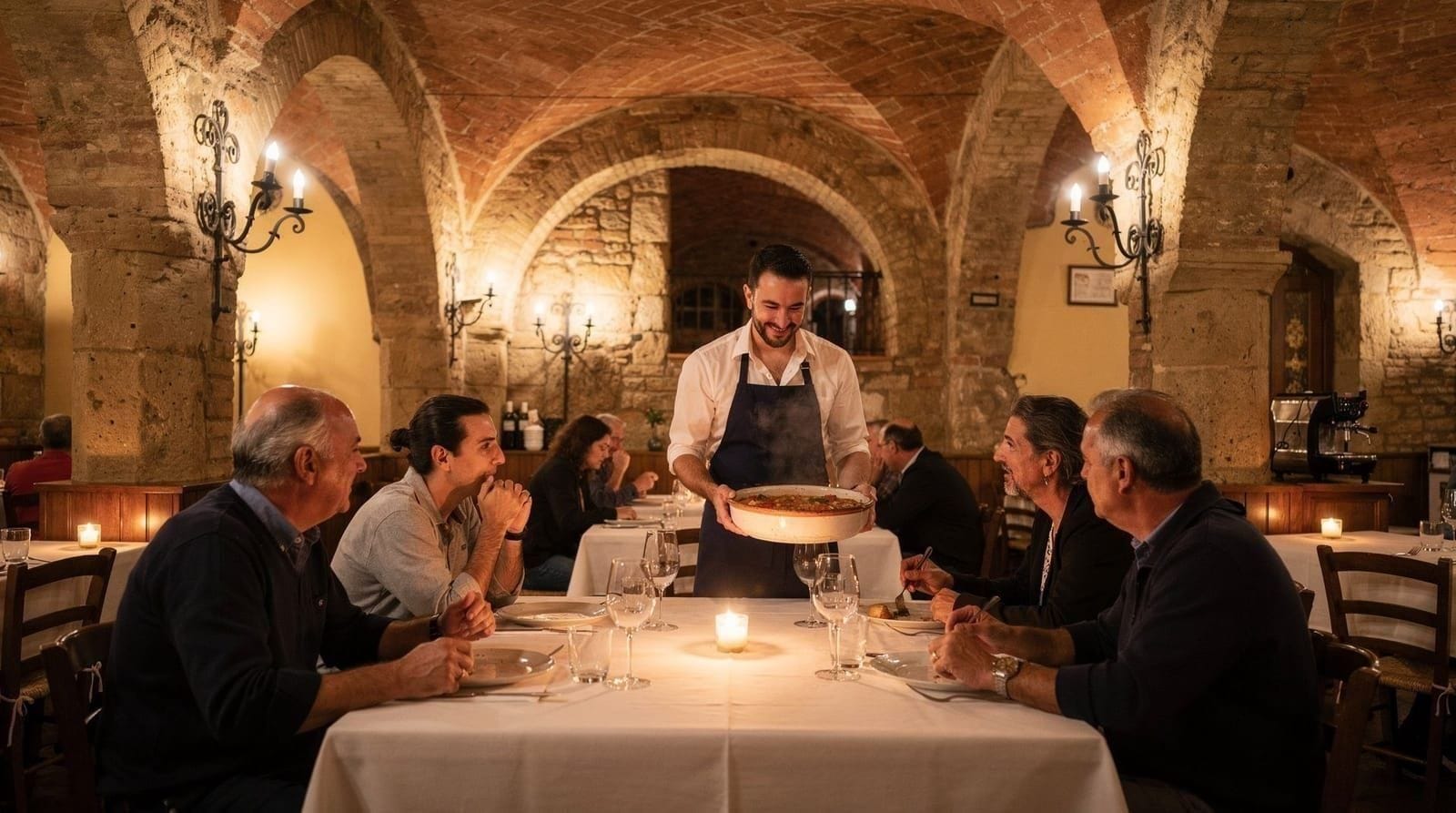
Markets and restaurants answer different questions. A market shows you what Florentines actually cook at home and what’s in season this week; a restaurant, even a good one, is filtered through a menu and a kitchen’s interpretation. If your time is limited, a morning at Sant’Ambrogio followed by lunch at one of the surrounding trattorias on Via dei Macci gives you both halves of the picture in a single outing — you see the raw ingredients, then eat them cooked twenty minutes later. For a fuller sense of where Florentines eat day to day, the best restaurants in Florence guide and the best trattorias guide cover the sit-down side of the same food culture.
Shopping like a local versus shopping like a visitor
The clearest sign of the difference between the two markets is what people carry out of them. At Sant’Ambrogio, shoppers leave with reusable bags of daily groceries — a few vegetables, a piece of cheese, fresh pasta for that evening. At Mercato Centrale’s ground floor, the mix is similar but slightly more visitor-oriented; on the first floor, most people leave having simply eaten lunch. Neither approach is wrong, but knowing which experience you actually want — grocery shopping alongside residents, or a convenient meal in a beautiful setting — helps you choose where to spend your limited market time.
Markets and Florence’s street food scene
Several of the city’s best street-food moments start at or near its markets. Lampredotto carts cluster around the edges of both Mercato Centrale and Sant’Ambrogio, and the schiacciata (Tuscan flatbread sandwich) counters inside Mercato Centrale are a genuine lunch option, not just a tourist snack. The Florence street food guide goes deeper on specific vendors and what to order. If you’re staying in the Oltrarno rather than near San Lorenzo or Santa Croce, budget extra walking time — neither major market is on that side of the river.
Frequently asked questions about Florence food markets
Is it better to visit Mercato Centrale or Sant’Ambrogio?
They serve different purposes. Mercato Centrale is better for visitors — more English spoken, more accessible, the first-floor food court adds convenience. Sant’Ambrogio is better for experiencing how Florentines actually shop and eat. If you have time for only one, choose based on your priorities: spectacle (Mercato Centrale) versus authenticity (Sant’Ambrogio).
Are the markets open year-round?
Both operate Monday–Saturday all year, including winter. The range of produce changes seasonally — summer brings tomatoes, aubergines, and figs; autumn brings funghi porcini, chestnuts, and truffles; winter brings cavolo nero (black kale), cardoons, and citrus fruits from Sicily.
Can I find organic produce at the markets?
Yes, though it’s not always labelled as such. Some vendors at Sant’Ambrogio sell produce from small farms that use minimal or no pesticides without formal organic certification. Ask biologico? to inquire — vendors will be honest.
What time do markets close?
Both Mercato Centrale (ground floor) and Sant’Ambrogio close at 14:00, Monday–Saturday. The Mercato Centrale first-floor food court stays open until midnight. Sunday: both main markets are closed.
Top experiences
Bookable activities with verified prices and instant confirmation on GetYourGuide.

Florence: Sant Ambrogio market food tour of 10 local dishes
- Free cancellation
- Small group
Florence: San Lorenzo food market and wine tasting tour
- Free cancellation
- Small group
Florence: food and wine tour
- Free cancellation
- Small group
Florence: local food market tour and cooking class with wine
- Free cancellation
- Small group