Florence on a budget: how to do it properly without missing anything important
The good news: Florence doesn’t have to be expensive
Florence has a reputation for draining wallets, and it can — if you eat in the restaurants surrounding the Uffizi, buy “Italian leather” from the San Lorenzo market, take taxis everywhere, and book your museum tickets through third-party resellers at a 40% premium.
Do none of those things, and the city is genuinely manageable on a tight budget. The key is knowing what’s worth paying for and what isn’t — which is not the same as knowing what’s cheap.
This guide assumes a real budget traveller: someone who wants to see the major sights, eat food that is actually good, and come home feeling they experienced Florence rather than just survived it. Target: €70–100 per person per day, including accommodation.
| Daily target | Around €55–100 per person, depending on style |
| Biggest lever | Accommodation choice (hostel vs hotel) |
| Best free win | First Sunday of the month, state museums free |
| Watch out for | Third-party ticket resellers, tourist-menu boards |
| Booking window | 2+ months ahead for spring/autumn accommodation |
Accommodation: where the budget actually matters
The biggest lever on your daily budget is accommodation. Florence has good hostels (€25–45 per person in a dorm), functional B&Bs (€60–90 for a double), and expensive hotels (€150–300+ for mid-range). The difference between sleeping in a €40 hostel dorm and a €200 hotel room doesn’t affect your Florence experience much if you’re spending your days in the city; the accommodation is where you sleep and shower.
Best areas for budget accommodation: the area around Piazza Santa Croce (slightly east of the centre, walkable to everything), the area around the Oltrarno (across the river, genuinely central), and the streets north of the train station (less atmospheric but convenient). The where to stay in Florence guide covers the neighbourhood trade-offs in full.
Book early. Florence fills up in spring and autumn, and the good-value accommodation goes first. Booking two months ahead for April or September is not excessive.
The free things that actually matter
Florence is full of genuinely important things that cost nothing:
The Cathedral of Santa Maria del Fiore: The Duomo interior — Vasari’s Last Judgment fresco, the 14th-century mosaic in the dome, the tombs — is free to enter. You don’t pay to see the cathedral itself; you pay to climb the dome, the bell tower, or the Baptistery separately (the Duomo complex ticket covers these at €20 total). Enter in the morning before the queues build.
The Baptistery of San Giovanni: The mosaics inside are extraordinary Byzantine work from the 13th century — one of the most important mosaic programmes in Italy — but you currently pay separately to enter. Exterior always free.
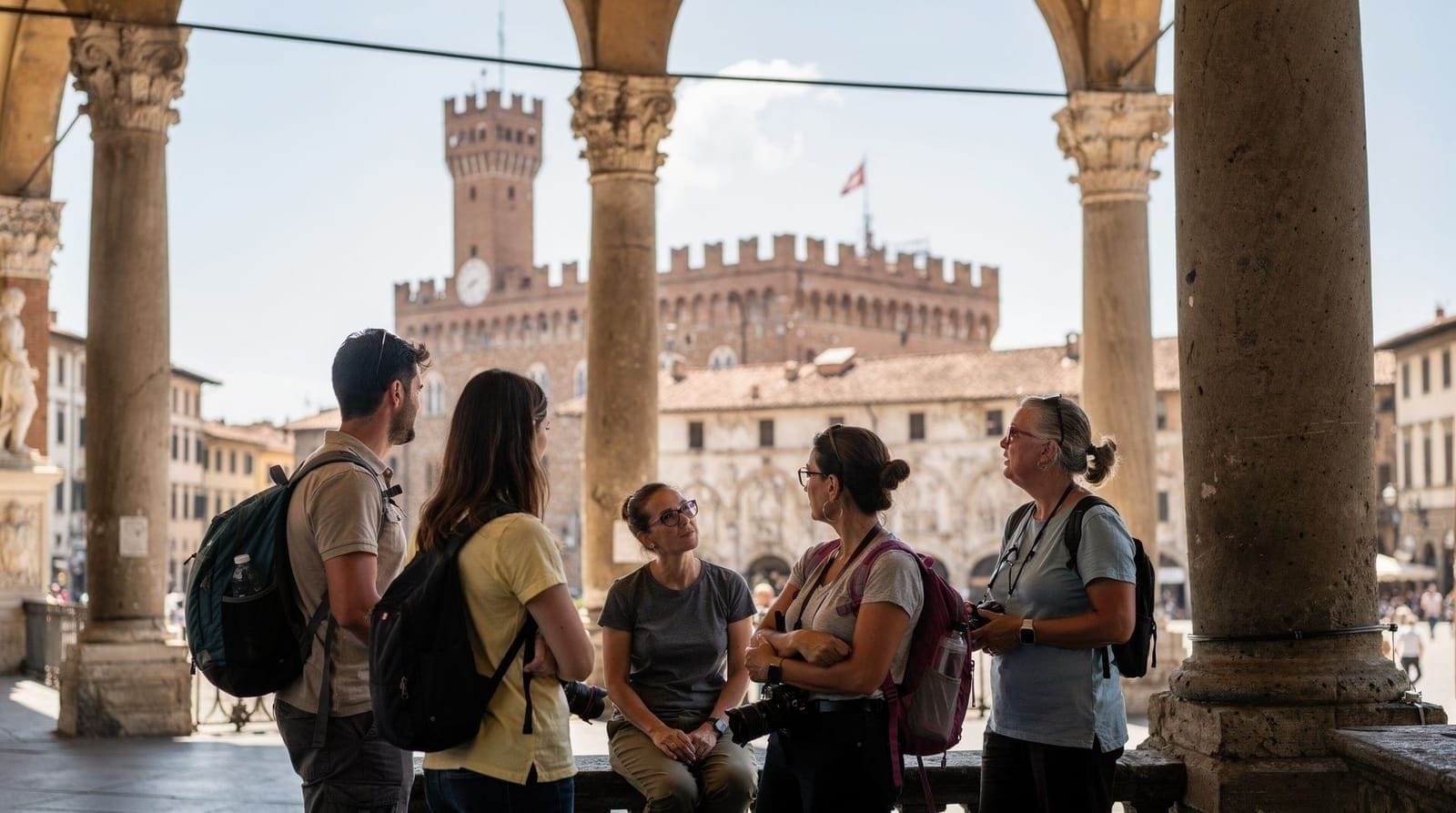
Piazza della Signoria: The outdoor museum of Florence, with the original site of Michelangelo’s David (now a replica), Benvenuto Cellini’s Perseus, Giambologna’s Rape of the Sabine Women, and the Loggia dei Lanzi covered arcade of Renaissance sculpture — all free, always open.
San Miniato al Monte: The Romanesque church above Piazzale Michelangelo, free to enter, with stunning mosaic work and the monks singing Vespers at 5:30 p.m. on weekdays. One of the most peaceful religious spaces in Florence. The San Miniato guide covers what to see inside.
Santa Croce church exterior and piazza: The Franciscan church where Michelangelo, Galileo, Machiavelli, and Dante (cenotaph) are buried requires a ticket (€8) to enter. But the square in front is free, and there’s a beautiful Cimabue-era crucifixion in the museum section.
The Oltrarno neighbourhood: Simply walking the streets between Piazza Santo Spirito and the Arno is free and is among the best ways to experience Florence. The workshops, the neighbourhood bars, the smaller churches (many free to enter) — the cost is zero.
First Sunday of each month: State-run museums, including the Uffizi and the Accademia, offer free entry on the first Sunday of every month. The queues are severe — arrive at 8 a.m. — but if your schedule allows, this is a legitimate way to see both major museums for nothing.
Museum strategy: when to pay what
The firenzecard vs individual tickets guide and the florence museum passes compared guide cover this in exhaustive detail. The short version:
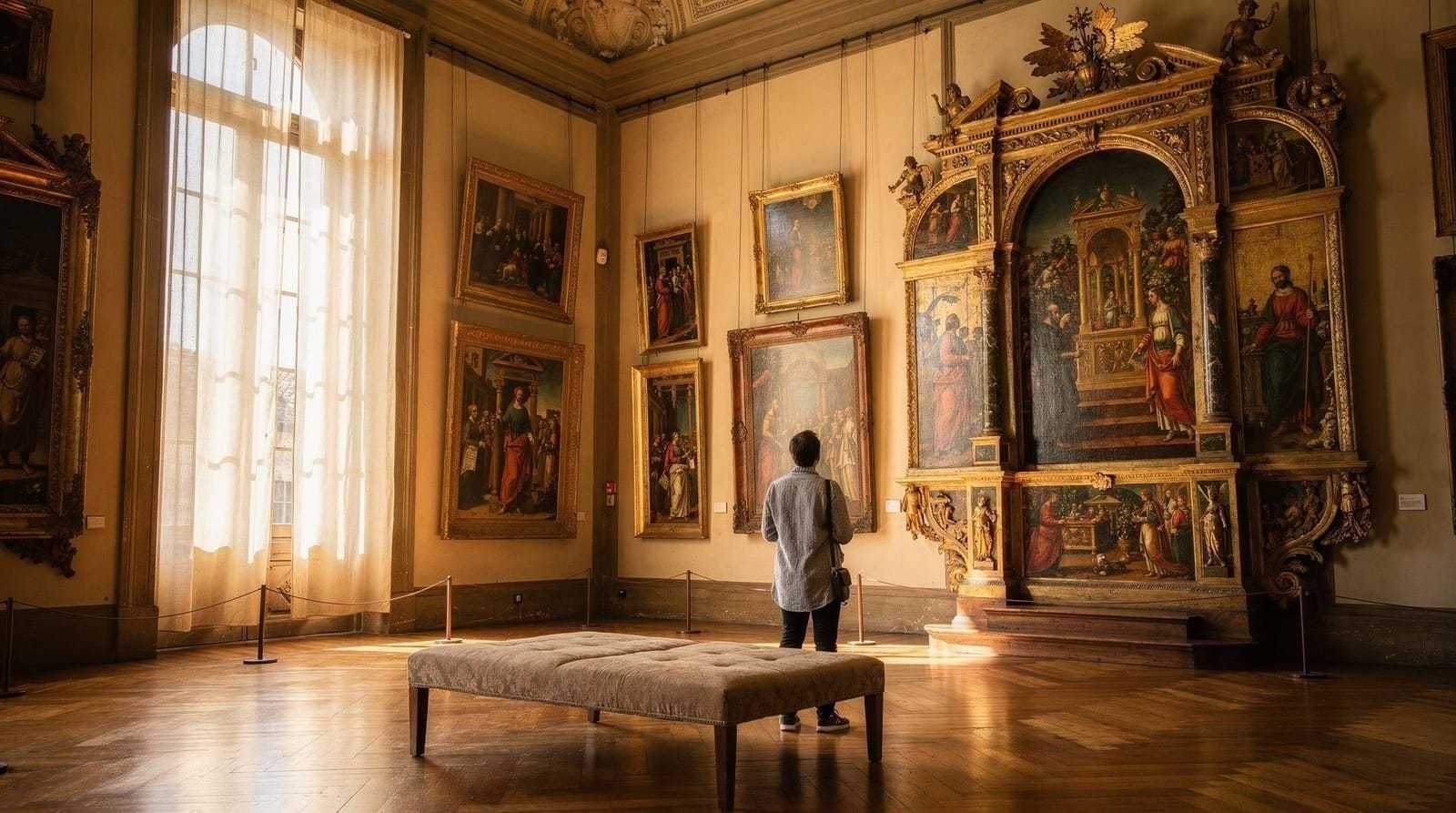
Uffizi Gallery: €25 admission + €4 booking fee = €29 total. Worth every cent; there is no alternative access to one of the world’s greatest art collections. Book on the official Uffizi website and skip the third-party markup.
Accademia (David): €20 admission + €4 booking fee = €24 total. Worth paying. The how to book Accademia tickets guide covers the process.
Duomo complex: €20 covers all seven Duomo complex sites for 72 hours. Good value if you want the dome climb and the bell tower; less so if you only want the cathedral (which is free).
The Bargello: €10. One of the most underrated museums in Florence, containing Donatello’s bronze David and Michelangelo’s early works. Almost never crowded.
Free alternative: The Museo di San Marco, the Museo dell’Opera del Duomo, and the Medici Chapels all charge €8–12 and are all worth visiting — but if you need to prioritise, the Uffizi and Accademia are non-negotiable and these can be skipped without missing the absolutely essential.
Avoid: The Firenzecard (currently €85 for 72 hours) rarely saves money for a short visit unless you’re systematically attending many paid sites. Do the math for your specific itinerary before buying.
Eating on a budget: the honest version
The single most impactful food budget decision in Florence is where you eat lunch. Tourist restaurants near the Piazza della Signoria, the Ponte Vecchio, and the Duomo charge €12–18 for a pasta dish that might cost €7 at a trattoria three streets away. The quality is usually not better; the location is what you’re paying for.
Street food and market eating (€3–8 per meal):
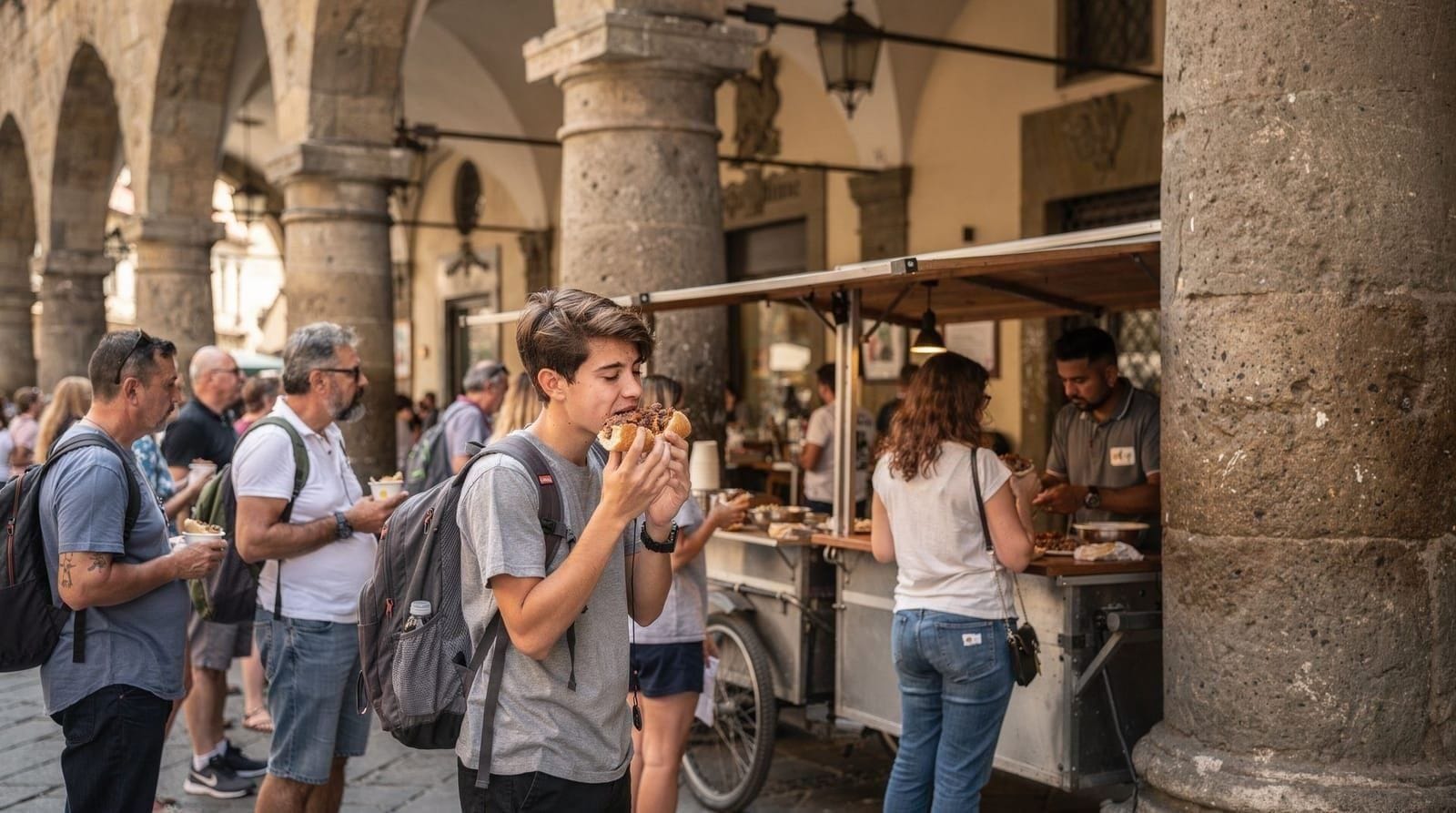
- Lampredotto: the traditional Florentine street food, a tripe sandwich served from a cart. Nerbone in the Mercato Centrale does an excellent version for €5–6. Not for the faint of heart, but deeply authentic.
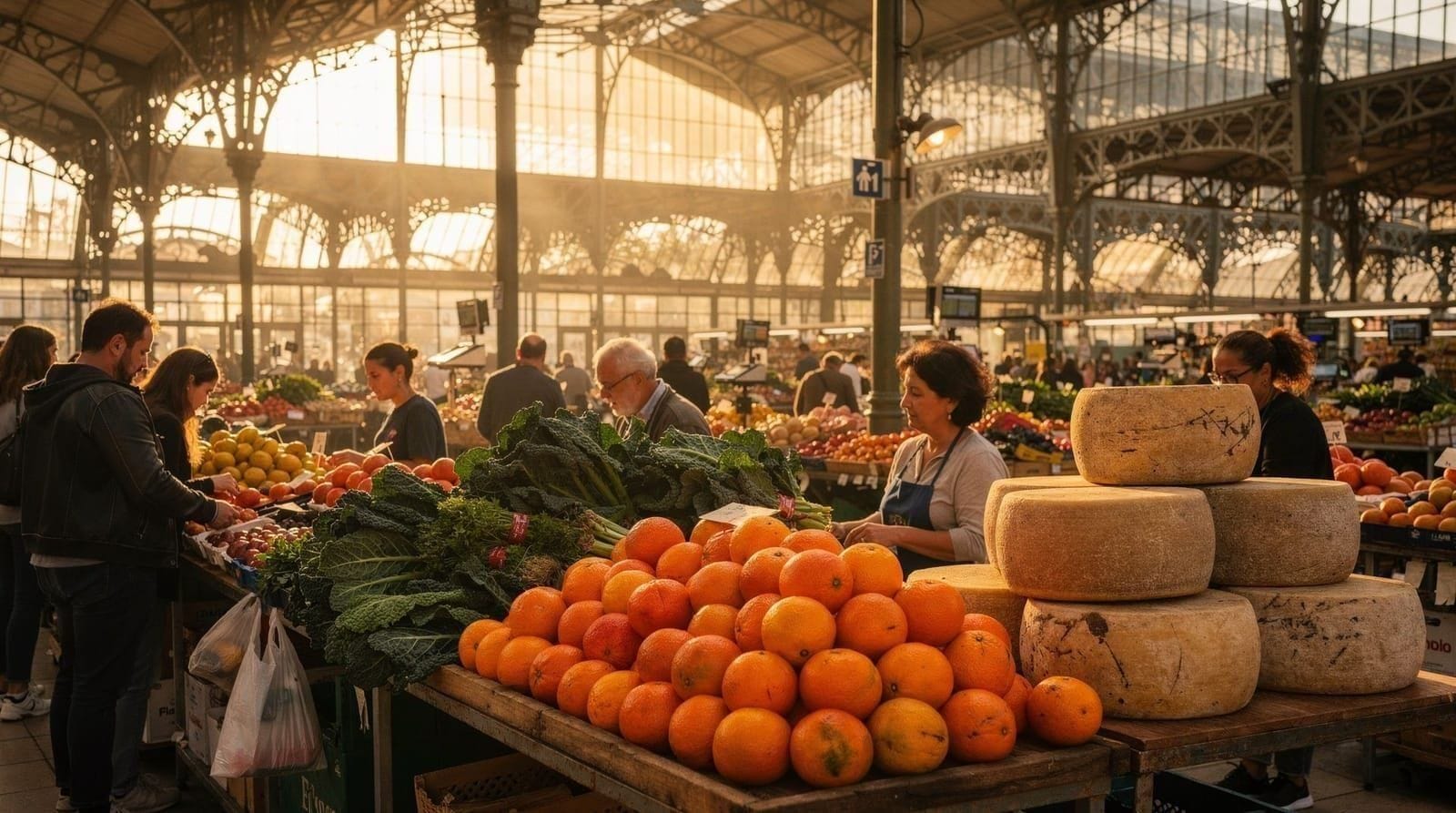
- The ground floor of Mercato Centrale: fresh pasta, salumi, cheese, bread — you can assemble a proper lunch from market stalls for €8–12.
- Street pizza from Bondi (Via dell’Ariento) or any of the pizza al taglio places near the university: €3–5 for a filling portion.
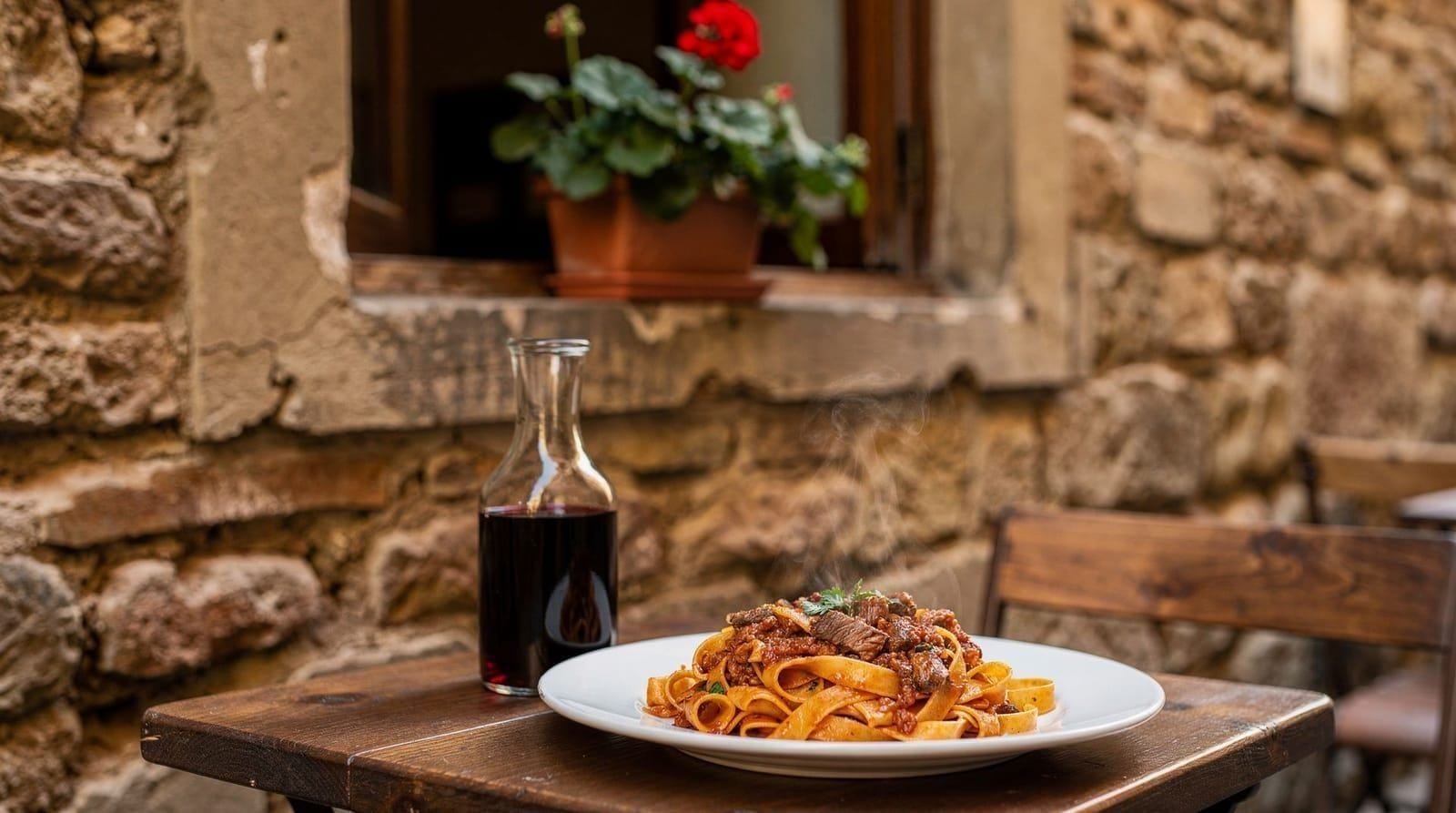
Trattoria lunch (€12–20 per person including wine): Many of the best traditional trattorias in Florence do significantly cheaper lunches than dinners. The formula: primo (pasta or soup) + secondo (meat or fish) + house wine + water. Order the day’s specials (il piatto del giorno) — these are usually the freshest preparations and the best value.
Dinner on a budget: Eat earlier (7:30 p.m. rather than 9 p.m.) at a trattoria in the Oltrarno or Sant’Ambrogio neighbourhood. The best trattorias in Florence guide covers the specific recommendations.
Coffee: Always drink at the bar counter. A standing espresso is €0.90–1.20. The same espresso at a table costs €2–4 because you’re paying rent on the seat. Nobody in Florence sits down for a regular coffee unless they’re planning to be there for 30 minutes.
Transport and getting around
Florence’s historic centre is entirely walkable. The furthest distance between major sights — train station to Piazzale Michelangelo — is about 3.5 kilometres and takes 45 minutes on foot. You do not need taxis, Uber, or buses for standard sightseeing.
Airport to city: The tram line T2 from Florence airport (Amerigo Vespucci) to the city centre takes 18 minutes and costs €1.50. Taxis charge €25–35. Take the tram.
From Pisa airport: Train from Pisa Centrale to Florence Santa Maria Novella (about 1 hour, €8–12), with a shuttle bus from the airport to Pisa Centrale (€2–3). Much cheaper than a private transfer (€80–120).
Within the city: Walk. If you need a bus, the ATAF network covers the city with single tickets at €1.50 (valid 90 minutes) or day passes at €5. The hop-on-hop-off tourist bus at €25–35 per day is expensive for what it offers when you can walk the same routes.
The tourist traps that cost money for no return
San Lorenzo market leather goods: The stalls and small shops around Via dell’Ariento sell items labelled “genuine Italian leather” at €15–80, many of which are neither genuine leather nor made in Italy. The Florentine leather tradition guide covers how to identify actual artisan leather goods. If you want a real leather item, spend more at an Oltrarno workshop.
“Skip-the-line” resellers: Many websites sell Uffizi and Accademia tickets at a 30–40% premium over the official price, marketing them as “skip-the-line.” Book directly on the official websites (uffizi.it) for the same skip-the-line result at the official price.
Restaurant menu boards near major sights: The €15 “tourist menu” (pasta, main course, dessert, water) near the Ponte Vecchio is not a good deal. The same money at a trattoria two blocks away buys you better food.
Water: Tap water in Florence is clean, drinkable, and free. Bring a bottle and refill it at the nasoni (public water fountains) throughout the city. Paying €4–5 for a 75cl bottle of mineral water at a tourist restaurant is an avoidable expense.
The realistic daily budget breakdown
| Style | Accommodation | Food | Museums | Total/day |
|---|---|---|---|---|
| Bare minimum | Dorm bed, €25–35 | Market/street food, €12–18 | Free sights + 1 paid museum | €55–70 |
| Budget sweet spot | Basic private room, €50–70 | Trattoria lunches + gelato | Uffizi + Accademia strategically | €80–100 |
| Comfortable but careful | B&B double, €70–100 | One sit-down dinner/day | Full museum programme | €110–140 |
The Florence trip cost and budget guide has the full breakdown with specific prices updated for 2026.
Stretching the budget further: less obvious moves
A few tactics that don’t come up in most budget lists. Travelling in the shoulder season — late October to early December, or January to early March excluding the Christmas week — cuts accommodation costs by 20–35% compared with spring and autumn peaks, and museum queues shrink dramatically. If your dates are flexible, this single decision saves more than any individual tip below it.
Picnic lunches assembled from the Mercato Centrale ground floor — bread, pecorino, a handful of cherry tomatoes, a slice of finocchiona — cost €6–9 for a meal that would run €15–20 at a sit-down restaurant, and eating it in the Boboli Gardens or on the steps of a quiet piazza is arguably a better experience than a rushed lunch near the sights. Many of Florence’s smaller churches, including Santa Croce basilica’s piazza-facing exterior, cost nothing to admire from outside even where the interior charges admission.
The realistic verdict
The conclusion: Florence is absolutely doable on a real budget if you eat where locals eat, skip the reseller markups, and spend the money where it genuinely matters — the Uffizi, the Accademia, a good wine tasting in Chianti. Save the money everywhere else.