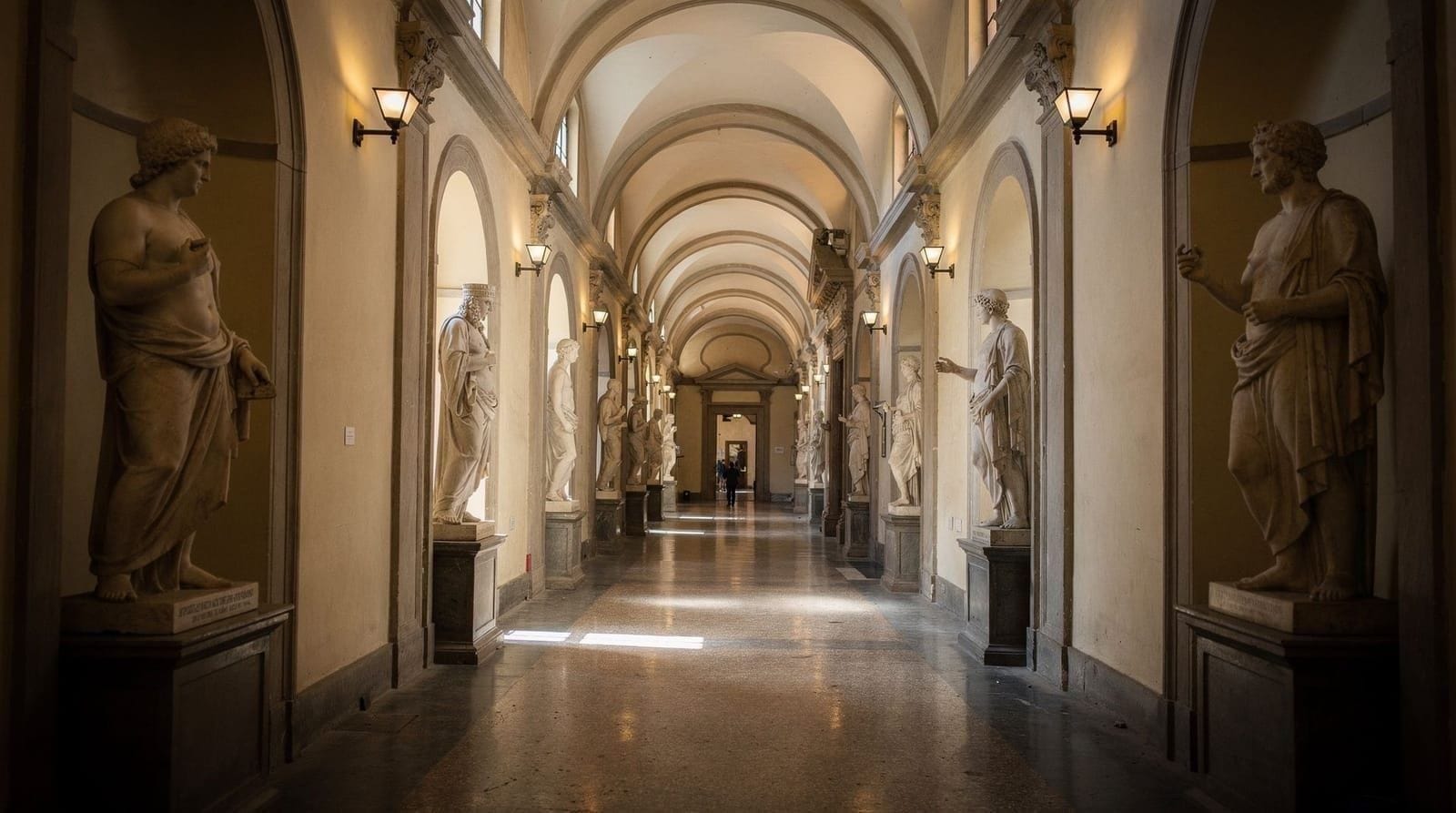
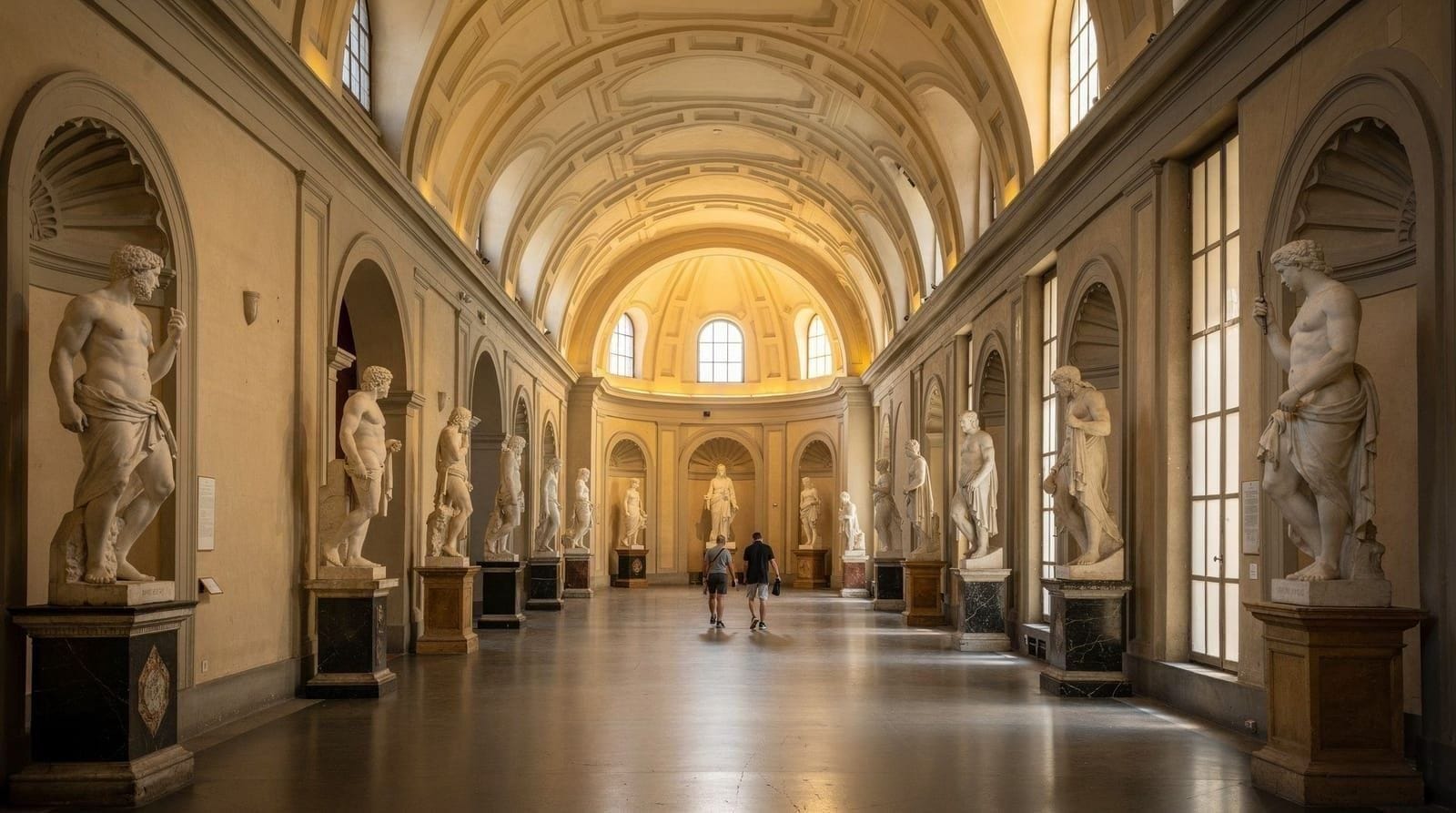
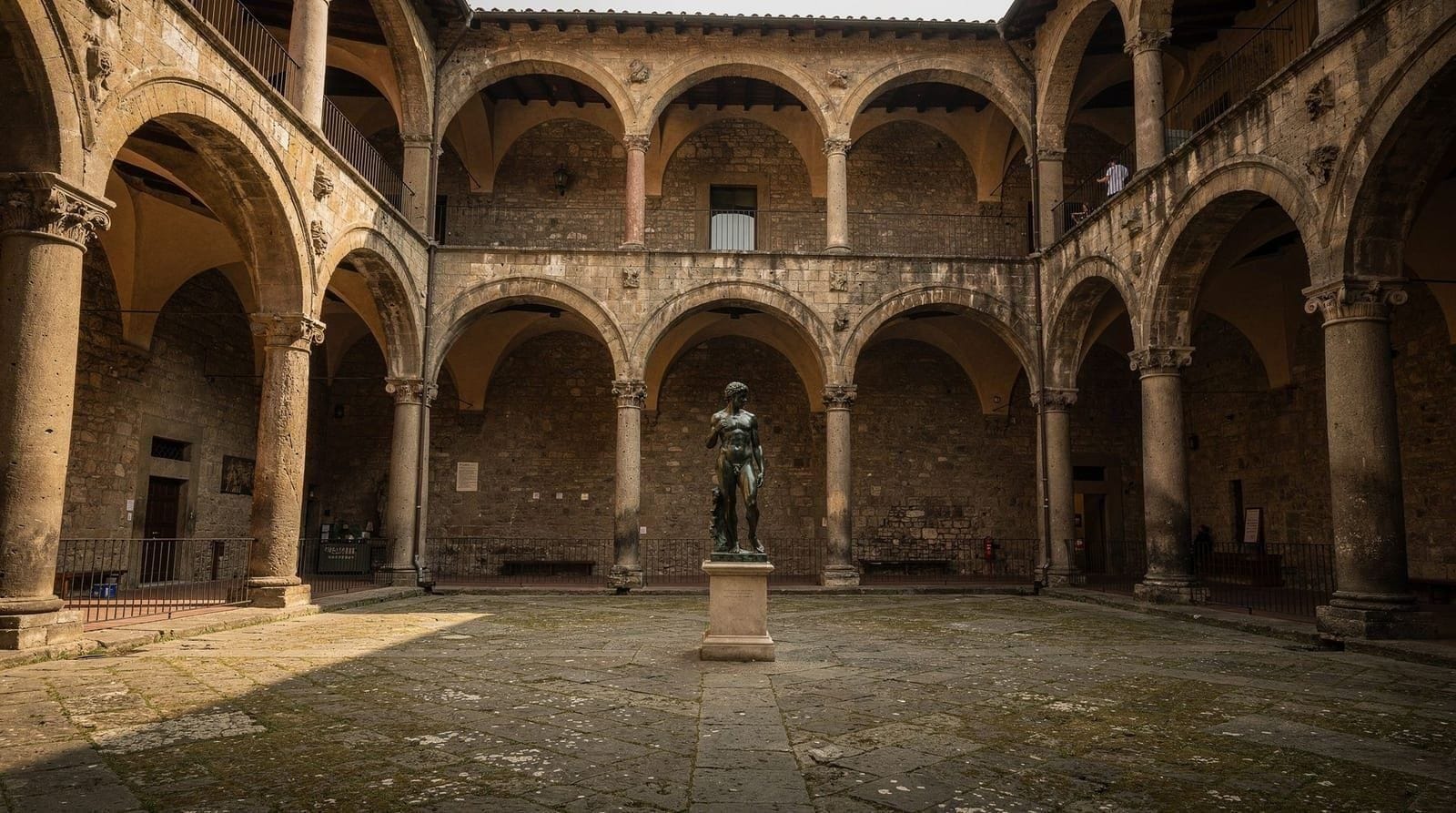
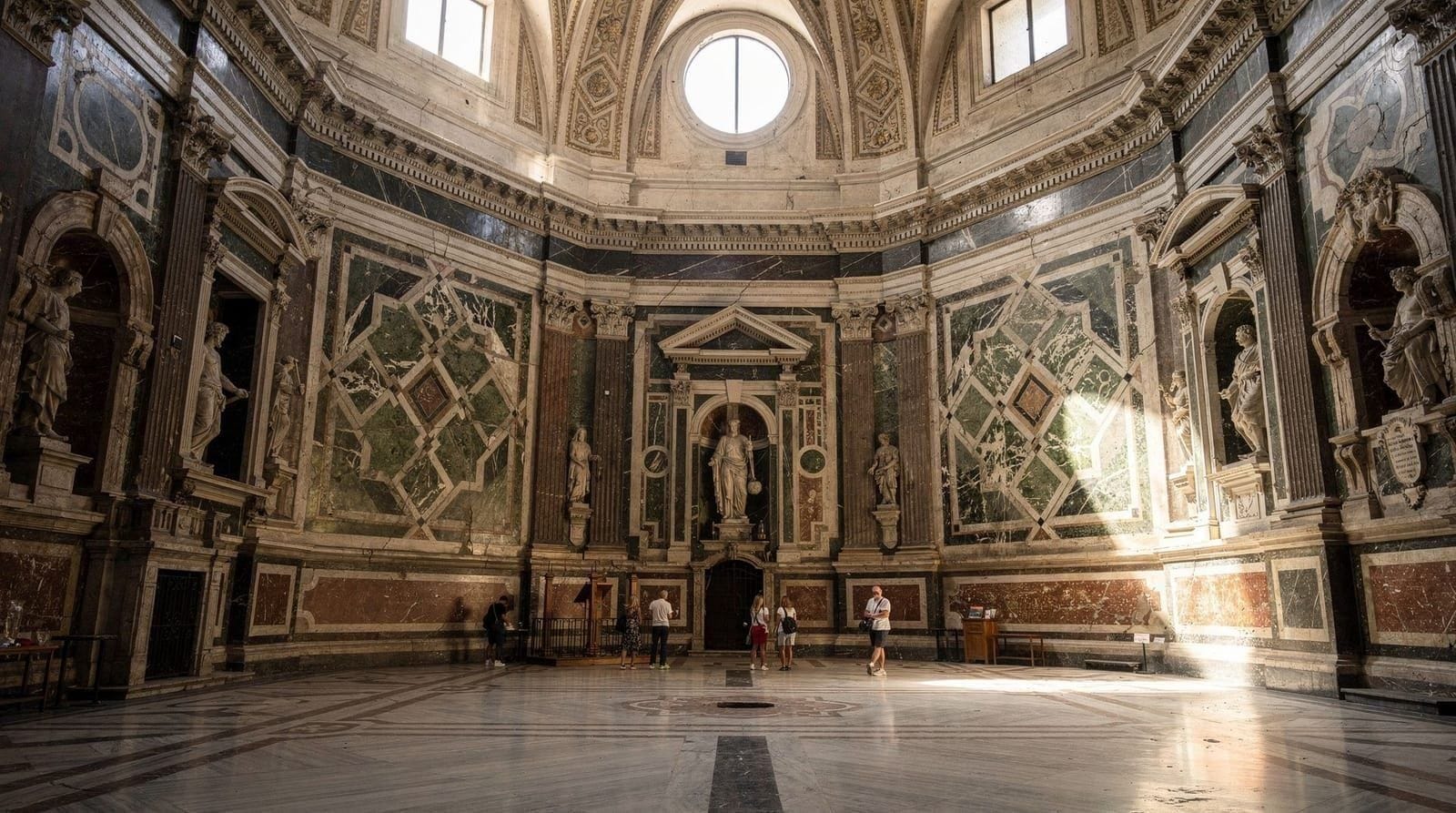
Best museums in Florence: ranked and honestly reviewed
Florence: Uffizi Gallery guided tour with skip-the-line ticket
- Skip the line
- Small group
What are the best museums in Florence?
The Uffizi Gallery and Accademia Gallery are the essential two. For a deeper visit, add the Bargello (underrated sculpture collection), Medici Chapels (Michelangelo's tombs), Opera del Duomo Museum (Gates of Paradise originals), and San Marco Museum (Fra Angelico frescoes). The Palazzo Pitti is excellent if you have 3+ days.
Florence has more world-class museums per square kilometre than almost any other city on earth. The challenge is not finding good museums — it’s knowing which ones to prioritise given your time, interests, and tolerance for crowds. This guide ranks them honestly.
| Essential two | Uffizi Gallery and Accademia Gallery |
| Cost | Around €8–20 per museum, plus a small booking fee |
| Time needed | 1 full day for the essentials, 3+ days for a deep dive |
| Booking | Advance timed entry required for Uffizi and Accademia |
| Best time | First slot of the day, or evening openings where available |
Tier 1: Essential (must-visit)
1. Uffizi Gallery
Category: Renaissance painting
Entry: €20 + booking fee (pre-book essential)
Time needed: 2.5–3 hours
Crowds: Very high (April–October)
The Uffizi is not just the best museum in Florence — it is one of the two or three most important art museums in the world. The concentration of Botticelli, Leonardo, Raphael, Michelangelo (paintings), Titian, Caravaggio, and northern European masters under one roof is simply not replicated anywhere else. No serious Florence visit can leave it out.
The museum’s weaknesses: it gets very crowded, the ticketing system requires advance planning, and the volume of the collection can feel overwhelming without a guide or prior knowledge. Solutions: book 2–3 weeks ahead, get the first slot, consider a guided tour for your first visit.
Best for: First-time visitors, art history enthusiasts, everyone.
Full guide: Uffizi Gallery visitor guide
2. Accademia Gallery
Category: Sculpture (primarily Michelangelo)
Entry: €16 + booking fee (pre-book essential)
Time needed: 60–90 minutes
Crowds: High (April–October)
The Accademia exists primarily as a house for the David — and the David justifies the museum’s existence entirely. The experience of standing beneath Michelangelo’s original marble, seeing the veins in the hands and the concentrated gaze at 5.17 metres, is a genuinely affecting experience even for visitors who consider themselves indifferent to art.
The Prisoners sculptures and the Fra Angelico panel paintings are significant bonuses. The museum is focused and manageable in a way the Uffizi is not.
Best for: All visitors; particularly good for families with children.
Full guide: Accademia Gallery visitor guide
Tier 2: Highly recommended
3. Bargello National Museum
Category: Renaissance sculpture and decorative arts
Entry: €8 + booking fee (walk-up usually possible)
Time needed: 60–90 minutes
Crowds: Low-moderate
Art historians love the Bargello; most tourists walk past it. Donatello’s bronze David — the first freestanding nude male statue in the Western world since antiquity — is here, along with Michelangelo’s Bacchus, Cellini’s Perseus model, and the two famous competition panels for the Baptistery doors. A genuinely world-class collection in an extraordinary medieval setting.
Best for: Sculpture enthusiasts; Uffizi veterans wanting more depth; anyone who finds the major museums too crowded.
Full guide: Bargello Museum guide
4. Opera del Duomo Museum
Category: Medieval and Renaissance sculpture from the Duomo complex
Entry: Included in €30 Duomo complex pass
Time needed: 60–90 minutes
Crowds: Moderate
This is where the original Gates of Paradise (Ghiberti) actually are. Also: Michelangelo’s late Bandini Pietà (more moving than the David for many visitors), Donatello’s polychrome Magdalene, and Brunelleschi’s architectural models. One of the great undervisited museums in Italy.
Best for: Visitors covering the Duomo complex; anyone wanting to see Ghiberti’s originals; Michelangelo completists.
Full guide: Opera del Duomo Museum guide
5. Palazzo Pitti (Palatine Gallery)
Category: High Renaissance and Baroque painting
Entry: €16 + booking fee
Time needed: 90 minutes–2 hours (gallery alone)
Crowds: Moderate
Twenty-eight paintings by Raphael and major Titians in lavishly decorated state rooms — the Palatine Gallery is what an aristocratic collection actually felt like. Less chronologically organised than the Uffizi, more atmospherically immersive. Plus the Boboli Gardens behind it.
Best for: 3+ day visits; Raphael and Titian enthusiasts; visitors wanting to explore the Oltrarno.
Full guide: Palazzo Pitti galleries guide
6. Medici Chapels
Category: Michelangelo sculpture / Medici dynasty history
Entry: €9 + booking fee
Time needed: 45–60 minutes
Crowds: Moderate
Michelangelo’s New Sacristy — containing his architectural design, the tomb sculptures of Dawn, Dusk, Day, and Night, and the Madonna and Child — is one of his most ambitious and least-visited major works. The adjacent Princes’ Chapel is overwhelming in its opulence. The potential of seeing Michelangelo’s secret charcoal drawing room (through special access tours) adds a layer of adventure.
Best for: Michelangelo enthusiasts; Medici dynasty history fans; visitors combining with San Lorenzo Basilica.
Full guide: Medici Chapels guide
Tier 3: Excellent for specific interests
7. San Marco Museum
Category: Fra Angelico frescoes in their original convent setting
Entry: €8
Time needed: 60–90 minutes
Crowds: Low
Walking through 44 monks’ cells with individual Fra Angelico frescoes in a still-recognisable 15th-century convent is an experience unavailable anywhere else. The famous Annunciation fresco, the Savonarola room, and the Michelozzo library make this more than a one-work museum.
Best for: Religious art enthusiasts; visitors wanting quiet and authenticity; Savonarola history interest.
Full guide: San Marco Museum guide
8. Museo Galileo
Category: History of science
Entry: €10
Time needed: 60–90 minutes
Crowds: Very low
Two of Galileo’s original telescopes, his preserved middle finger, and extraordinary Medici scientific instruments in a building two minutes from the Uffizi. Genuinely fascinating and rarely crowded.
Best for: Science history enthusiasts; families with inquisitive teenagers; visitors with Uffizi/Accademia fatigue.
Full guide: Museo Galileo guide
9. Palazzo Vecchio
Category: Civic history, Mannerist art
Entry: €12.50 (plus extras for tower/secret passages)
Time needed: 60–90 minutes
Crowds: Moderate
Florence’s still-functioning civic building holds the Salone dei Cinquecento with its hidden Leonardo mystery, Michelangelo’s Genius of Victory, Francesco I’s extraordinary Studiolo, and Eleanor of Toledo’s Bronzino chapel. Evening visits (open until 11:00 pm) are particularly atmospheric.
Best for: Architecture enthusiasts; Medici dynasty history; evening visits when other museums are closed.
Full guide: Palazzo Vecchio guide
10. Museo Novecento
Category: 20th-century Italian art
Entry: €9.50
Time needed: 45–75 minutes
Crowds: Very low
A strong collection of Futurist, Metaphysical, and Arte Povera works in a medieval palazzo, offering a necessary counterpoint to the Renaissance saturation of Florence’s major institutions.
Best for: Modern art enthusiasts; visitors wanting a break from Renaissance; architecture fans (the Palazzo dello Strozzino itself).
Full guide: Museo Novecento guide
Museum comparison at a glance
| Museum | Entry | Time needed | Crowds |
|---|---|---|---|
| Uffizi Gallery | ~€20 + fee | 2.5–3 hours | Very high |
| Accademia Gallery | ~€16 + fee | 60–90 min | High |
| Bargello | ~€8 + fee | 60–90 min | Low–moderate |
| Opera del Duomo Museum | In Duomo pass | 60–90 min | Moderate |
| Palazzo Pitti | ~€16 + fee | 90 min–2 hrs | Moderate |
| Medici Chapels | ~€9 + fee | 45–60 min | Moderate |
| San Marco Museum | ~€8 | 60–90 min | Low |
| Museo Galileo | ~€10 | 60–90 min | Very low |
| Palazzo Vecchio | ~€12.50 | 60–90 min | Moderate |
| Museo Novecento | ~€9.50 | 45–75 min | Very low |
Use this as a quick sort: if time is short, prioritise the top two rows; if crowds bother you more than missing a name, work down from the bottom.
Museum itineraries by trip length
1 day in Florence
- Morning: Accademia (8:15 am, first slot) — 90 minutes
- Midday: Duomo area visit / lunch
- Afternoon: Uffizi (2:00–5:30 pm) — 3 hours
2 days in Florence
- Day 1 morning: Accademia; afternoon: Uffizi
- Day 2 morning: Duomo complex (dome climb + museum); afternoon: Bargello or Palazzo Vecchio
3 days in Florence
- Day 1: Accademia + Uffizi (as above)
- Day 2: Duomo complex + San Marco Museum + Medici Chapels
- Day 3: Palazzo Pitti + Boboli Gardens (afternoon)
5+ days in Florence
Add: Bargello, Museo Galileo, Palazzo Vecchio (evening), Museo Novecento, Opera del Duomo Museum (if missed earlier), Santa Croce Basilica (free — tombs of Michelangelo, Galileo, Machiavelli).
What’s overrated
Piazza del Duomo queue management: The Duomo cathedral nave is free but the queue to enter can be 30–60 minutes. The interior, while impressive, is not in the same league as the exterior or the dome climb. Don’t sacrifice time at the Uffizi or Accademia to queue for the free cathedral entry.
Piazzale Michelangelo as a morning activity: The famous viewpoint is best at sunset or early morning. In mid-morning when tourist groups descend, it’s a car park with a view. Save it for early or late.
Wax museums and “experience” museums: Several interactive/immersive Leonardo da Vinci “museums” and similar experiences around the Duomo area charge €10–15 for content that is generally underwhelming compared to the real thing. Spend the money and time at the Bargello instead.
Booking tickets: what actually works
Advance booking is not optional for the Uffizi and Accademia in peak season — walk-up tickets routinely sell out days ahead between April and October. The mechanics are simple but worth getting right: book directly or through a reputable reseller 2–3 weeks ahead, choose the first slot of the day (8:15 or 9:00 am) to beat both crowds and heat, and keep the confirmation accessible on your phone since paper is not always required. The guide to booking Florence attractions online walks through the process museum by museum, and the skip-the-line Florence guide covers which queues are worth paying extra to avoid.
For visitors doing four or more paid sights, it’s worth comparing the Firenzecard against individual tickets — it isn’t always the cheaper option, but it removes the booking-window stress for a busy multi-museum trip. If the Duomo complex is part of your plan, the Duomo complex tickets explained guide clarifies which sights (dome, baptistery, Opera del Duomo Museum) are bundled together.
Related guides
- Uffizi Gallery: complete visitor guide
- Accademia Gallery: complete visitor guide
- Is the Firenzecard worth it?
- Best Florence combo tickets
- How to book Uffizi tickets
Frequently asked questions about Florence’s best museums
Which Florence museum is best for children?
The Accademia (the David is impressive even to uninterested children), the Bargello (medieval fortress setting is engaging), and Museo Galileo (scientific instruments, Galileo’s finger) are the best choices for children aged 10 and up. Palazzo Vecchio’s secret passages and tower are also popular with children.
Are Florence museums open on Sundays?
Most major museums are open on Sundays. The Uffizi, Accademia, Palazzo Pitti, and Opera del Duomo Museum all open on Sundays. The San Marco Museum has reduced Sunday hours. Always verify on the official site for the current season.
Can I visit multiple Florence museums in one day?
Feasibly, yes — but quality over quantity. Two major museums (Accademia + Uffizi) is a full day and leaves you satisfied. Trying to squeeze in three or four major institutions in one day typically results in museum fatigue and no single experience being given sufficient time. Plan for 1–2 major museums per day and fill the rest of the time walking, eating, and experiencing the city itself.
Which Florence museums have the shortest queues?
Museo Galileo, San Marco Museum, Bargello, Museo Novecento, and the Opera del Duomo Museum all have substantially shorter queues than the Uffizi and Accademia. These museums are high quality and should not be considered second-tier simply because they’re less crowded.
Florence beyond the museums: what to see without a ticket
The museum content of Florence is extraordinary — but some of the city’s greatest art is free and available at any time.
Piazza della Signoria
The outdoor sculpture gallery in front of Palazzo Vecchio is accessible free at all hours. Key pieces:
- Michelangelo’s David (copy): The 1910 marble reproduction standing in the David’s original location since 1873. The original is in the Accademia, but the copy gives you the sculpture in the outdoor, civic context it was made for.
- Cellini’s Perseus (original): In the Loggia dei Lanzi, Cellini’s bronze Perseus is fully original and fully visible from the piazza. The model is in the Bargello; this is the finished work.
- Giambologna’s Rape of the Sabine Women (original): The marble spiral composition, carved from a single block, is under the Loggia. One of the greatest formal achievements of Mannerist sculpture.
- Donatello’s Judith and Holofernes (copy; original in Palazzo Vecchio): The outdoor copy gives context; the original inside the museum shows the carving quality.
Stand in Piazza della Signoria for 20 minutes and you’ve seen five or six works of international significance at no cost.
Orsanmichele exterior
The Gothic church of Orsanmichele on Via dei Calzaiuoli has niches on all four external walls containing original sculptures commissioned by Florence’s major guilds in the 14th–15th centuries. The originals of the most important have been moved inside (where they’re accessible with a Firenzecard or on specific opening days); the external niches hold high-quality copies. Donatello, Ghiberti, Verrocchio, and Nanni di Banco all contributed to this programme.
Walking slowly around all four sides of the building takes 15 minutes and gives an extraordinary survey of how Florentine sculpture evolved across the early Renaissance.
Santa Croce: the tombs
The Basilica di Santa Croce (entry approximately €8) is primarily visited as a museum of Florentine achievement — it contains tombs and cenotaphs for Michelangelo, Galileo, Machiavelli, Rossini, Dante (cenotaph — his body is in Ravenna), and others. The Michelangelo tomb (designed by Vasari) and Galileo’s grand marble monument (added 95 years after his death, once the Church allowed burial in consecrated ground) are particularly significant for visitors interested in the history of art and science.
The frescoes by Giotto in the Bardi and Peruzzi Chapels (14th century) are among the most important works of the proto-Renaissance and considerably predate the Uffizi’s collection.
Santa Maria Novella interior
The Basilica of Santa Maria Novella charges a small admission for the museum section but the church interior is free. Key free works:
- Masaccio’s Trinity (c. 1427): The first painting to apply mathematical perspective fully; a landmark of the early Renaissance. On the left wall of the nave.
- Ghirlandaio’s Tornabuoni Chapel frescoes (museum section, requires entry): Portraits of contemporary Florentines in Biblical scenes, including early portraits of Botticelli and Ghirlandaio’s workshop.
Santa Trinita
Free entry church on Via dei Tornabuoni with significant frescoes by Ghirlandaio (the Sassetti Chapel, dedicated to the life of Saint Francis, with portraits of Lorenzo the Magnificent and his circle).
How many museums is enough?
This question comes up constantly, and the honest answer varies by visitor. A few observations from the experience of guiding thousands of visitors through Florence:
First-time visitors on 2–3 day trips: Two major museums (Uffizi + Accademia) is the standard and is entirely satisfying. The goal is depth of experience, not maximum coverage.
Art history enthusiasts: Four or five museums in 3–4 days is feasible and rewarding. Include the Bargello, Medici Chapels, and Opera del Duomo Museum alongside the big two.
Families with children: Two focused museum visits with outdoor breaks is the sustainable maximum for most families. The Accademia (for the David) and Museo Galileo (for the finger and instruments) is a surprisingly effective combination that covers both art and science history in manageable doses.
Repeat visitors: Florence’s “second tier” museums — San Marco, Museo Galileo, Palazzo Davanzati, Museo Stefano Bardini — reveal depths that first visits rarely reach. A return trip focused entirely on secondary museums and less-visited churches can be as rewarding as any first visit.
The consistent risk: trying to maximise museum coverage at the expense of actually experiencing Florence as a city. The Uffizi at 8:15 am and the Bargello at 3:00 pm is a perfect museum day with 4+ hours in between for the streets, markets, cafés, and piazzas that make Florence what it is. Over-scheduling museum time is one of the most common (and most regretted) planning errors visitors make.
Museums with children or limited mobility
Not every museum on this list suits every visitor. For families, the kid-friendly museums in Florence guide narrows the list to the Accademia, Museo Galileo, and Palazzo Vecchio’s secret passages — the three that consistently hold children’s attention. For visitors needing step-free access or reduced walking, the accessible Florence guide flags which of these museums have lifts and which have unavoidable stairs, since several occupy medieval buildings never designed with accessibility in mind.
Top experiences
Bookable activities with verified prices and instant confirmation on GetYourGuide.

Florence: Accademia Gallery — David skip-the-line ticket
- Skip the line
- Instant confirmation
Florence: Uffizi and Accademia Gallery skip-the-line ticket
- Skip the line
- Free cancellation
Florence: exclusive guided tour of Galileo's Museum
- Small group
- Free cancellation
Florence: Medici Chapels guided tour
- Skip the line
- Small group
Florence: Renaissance and Medici walking tour
- Free cancellation
- Small group