Eating your way through Mercato Centrale: Florence's best foodie morning
The building that makes other market halls feel inadequate
Mercato Centrale is a cast-iron and glass structure designed by Giuseppe Mengoni (also responsible for Milan’s Galleria Vittorio Emanuele II) and completed in 1874 in the San Lorenzo neighbourhood, a few minutes’ walk north of the Duomo. From outside, it looks like a Victorian railway station. Inside, it is the most concentrated display of Florentine food culture in a single location — a place where what you’re eating has a history and a geography and, often, a name.
The market operates across two floors that are entirely different in character. Understanding which floor to prioritise, and for what, is the first decision of a good Mercato Centrale morning.
| Where | San Lorenzo, a few minutes north of the Duomo |
| Cost | €5–15 for a proper ground-floor lunch |
| Time needed | Around 90 minutes for a full morning |
| Hours | Ground floor 7am–2pm; upper floor 10am–midnight |
| Best time | 9–10am, before the tourist lunch crowd |
The ground floor: where the real market is
The ground floor is where Florentines shop. It is not designed for tourist convenience; it is designed for butchers, fishmongers, cheesemongers, and produce sellers to sell fresh food to people who cook.
The layout is roughly organized by category: meat and cured goods to the north and west, fish in the eastern section, cheese and dairy in the central area, produce (fruit, vegetables, fresh herbs) around the perimeter. There is no map; you navigate by smell and instinct and by watching where other people are going.
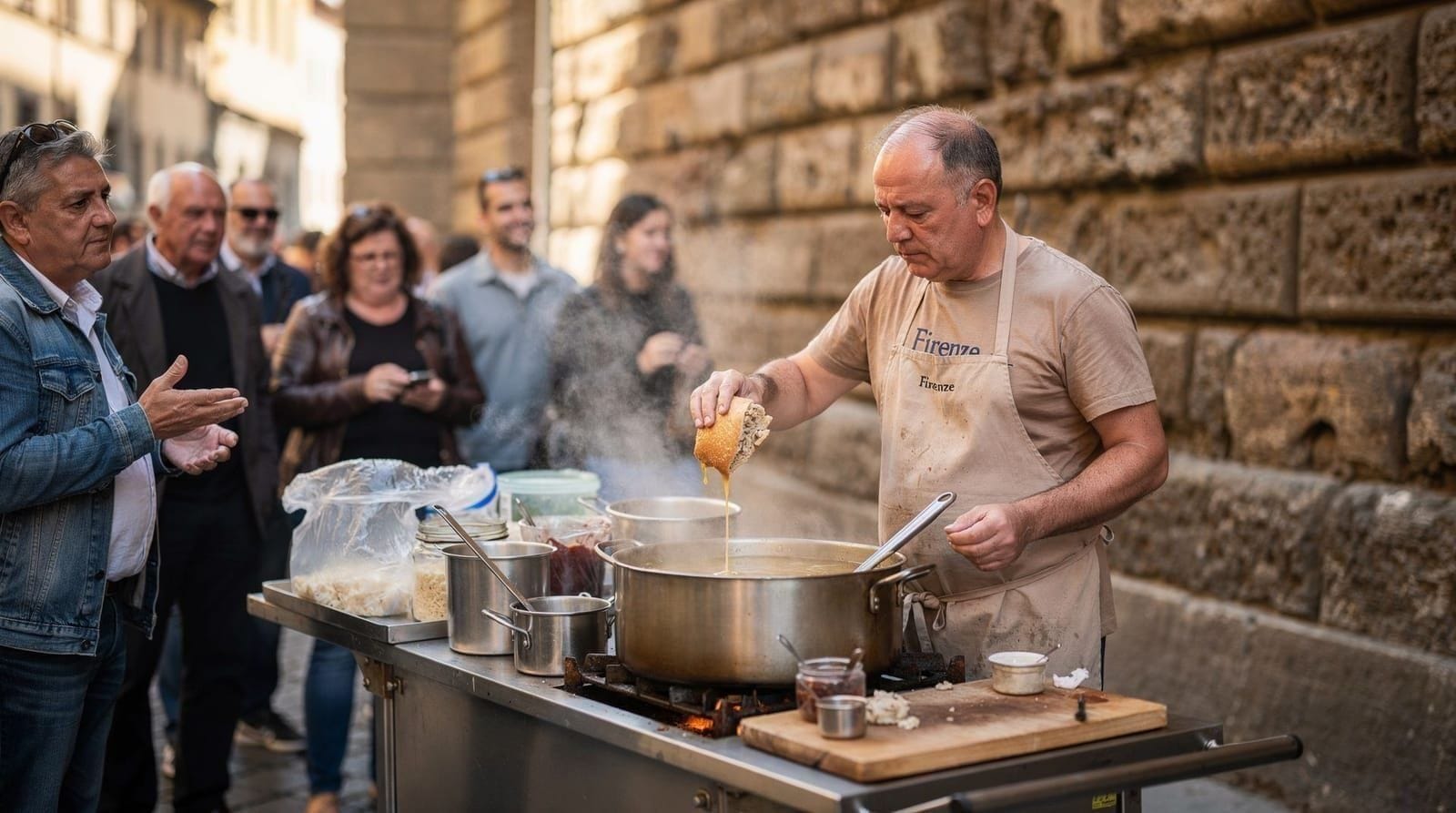
The meat section: Florentine butchery is a serious tradition. Several stalls specialize in the fifth quarter — the offal, the less fashionable cuts that the Florentine kitchen has always used with creativity. Nerbone, which has operated inside the market since 1872, is the specific destination: their lampredotto sandwich (offal slow-cooked in broth, served in a roll, traditionally dipped in the cooking liquid) is the most authentic street food in Florence at approximately €5–6. It is not for everyone. It is for the genuinely curious.
Beyond lampredotto: look for the stalls selling the cuts needed for ribollita and the other Tuscan bean soups — the pork rinds, the ham bone, the specific cuts of Chianina beef that go into a proper braised meat. The visual display is educational regardless of whether you’re buying.
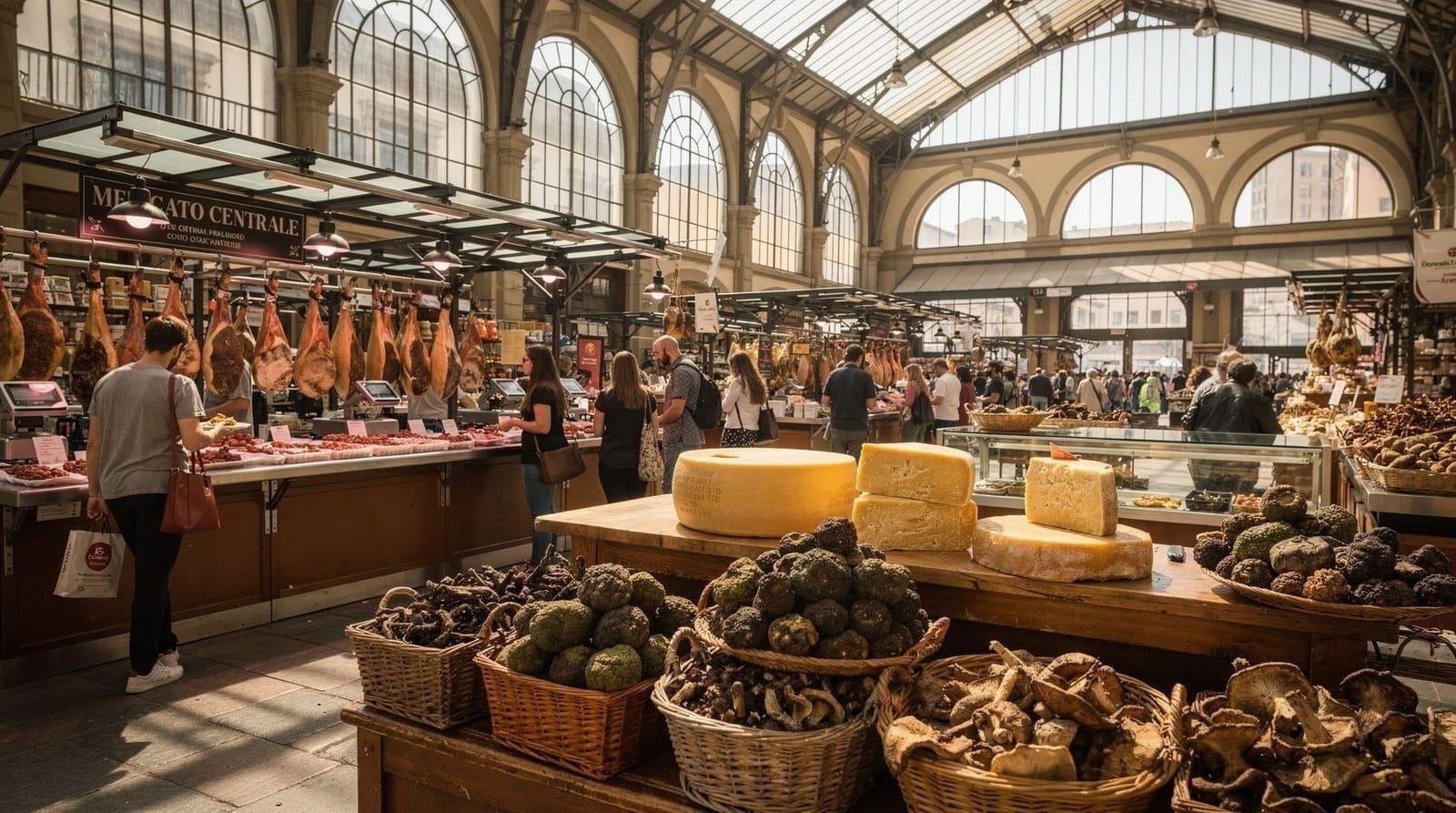
The salumi section: Florence is in the heart of the salumi-producing belt of central Italy. The prosciutto comes from various regions (Parma, San Daniele, and local Tuscan producers with a more complex flavor profile from the native-breed pigs). The finocchiona — the Florentine fennel salami — is the one to try in its birthplace. The stalls will typically slice and sell small amounts for immediate eating; ask for assaggi (tastings) and they’ll usually oblige if they’re not overwhelmed.
The cheese section: Pecorino in its Tuscan varieties — young and mild (fresco), semi-aged (semi-stagionato), hard and sharp (stagionato) — plus the aged Parmigiano Reggiano from Emilia, mozzarella and burrata (less local but present), and the specific Florentine sheep’s milk ricotta that is silkier and less grainy than its southern counterparts. The cheese vendors allow tastings; this is expected, not forward.
The fish section: Less visited by tourists than the other sections, and all the better for it. Florence is not a coastal city — the nearest sea is 70 kilometres west — but the market receives daily deliveries of fresh fish from the Ligurian and Tyrrhenian coasts. The display is beautiful: silvery anchovies, whole sea bass, swordfish steaks, cephalopods in various states. The fish section operates on the implicit understanding that you know what you want to buy and how you intend to cook it.
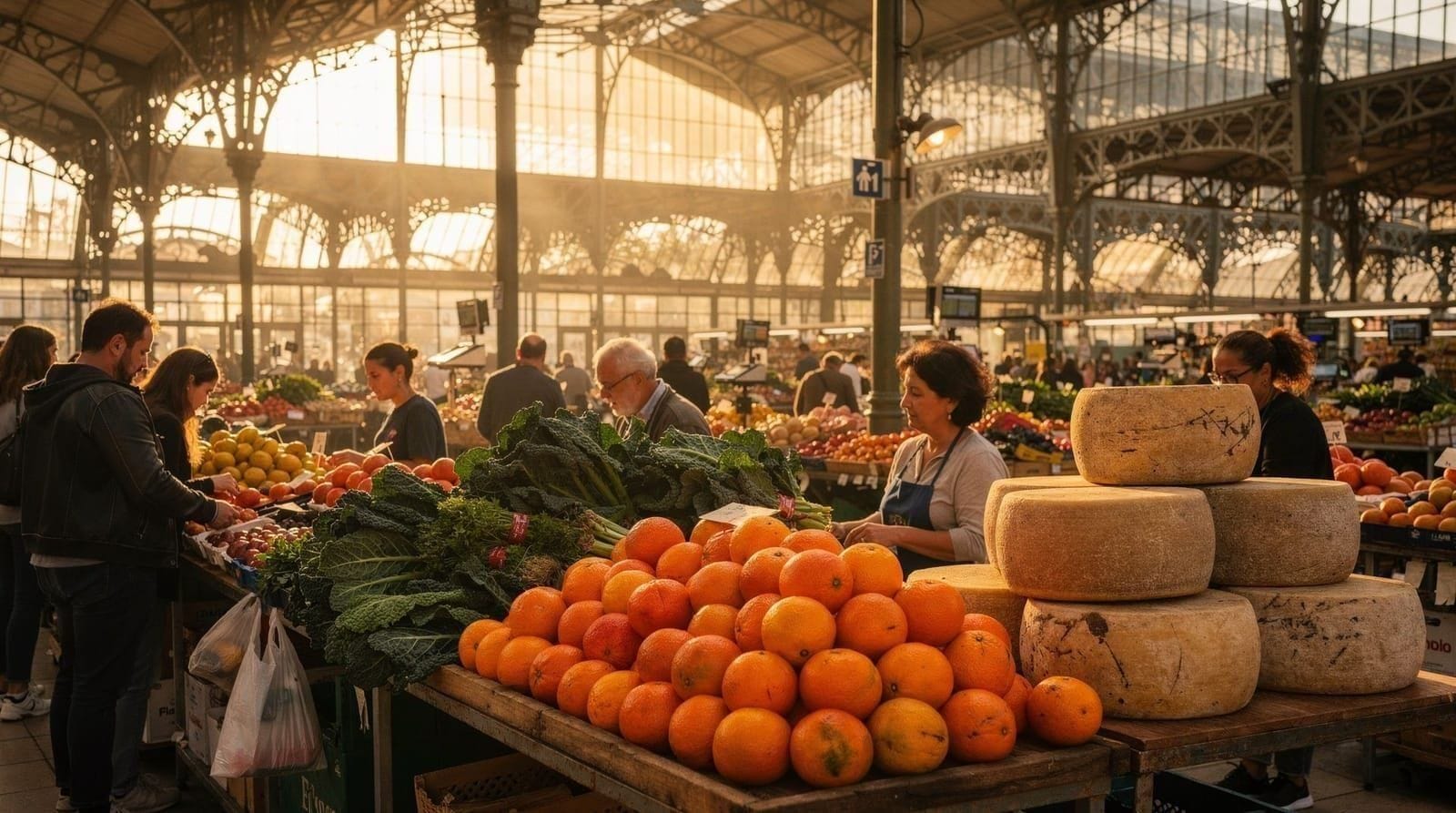
The produce section: The best reason to visit in the October-to-February window is the mushrooms. Fresh porcini when they’re in season (September-November) are piled in fragrant heaps. In winter, the black truffle from the Umbrian border adds its distinctive underground earth smell to the air. Year-round: cavolo nero (the Tuscan black kale used in ribollita), white beans (cannellini, borlotti, toscanelli), fennel, and the various squashes and roots of the Italian kitchen.
The upper floor: the curated food hall
The upper floor opened in 2014 as a restructured food hall targeting the increasing tourist audience visiting the market. It is not the same as the ground floor, and it’s worth being clear about this: the upper floor is designed for immediate consumption, is more expensive than the ground floor, and is more comfortable. It is not more authentic.
What the upper floor does well:
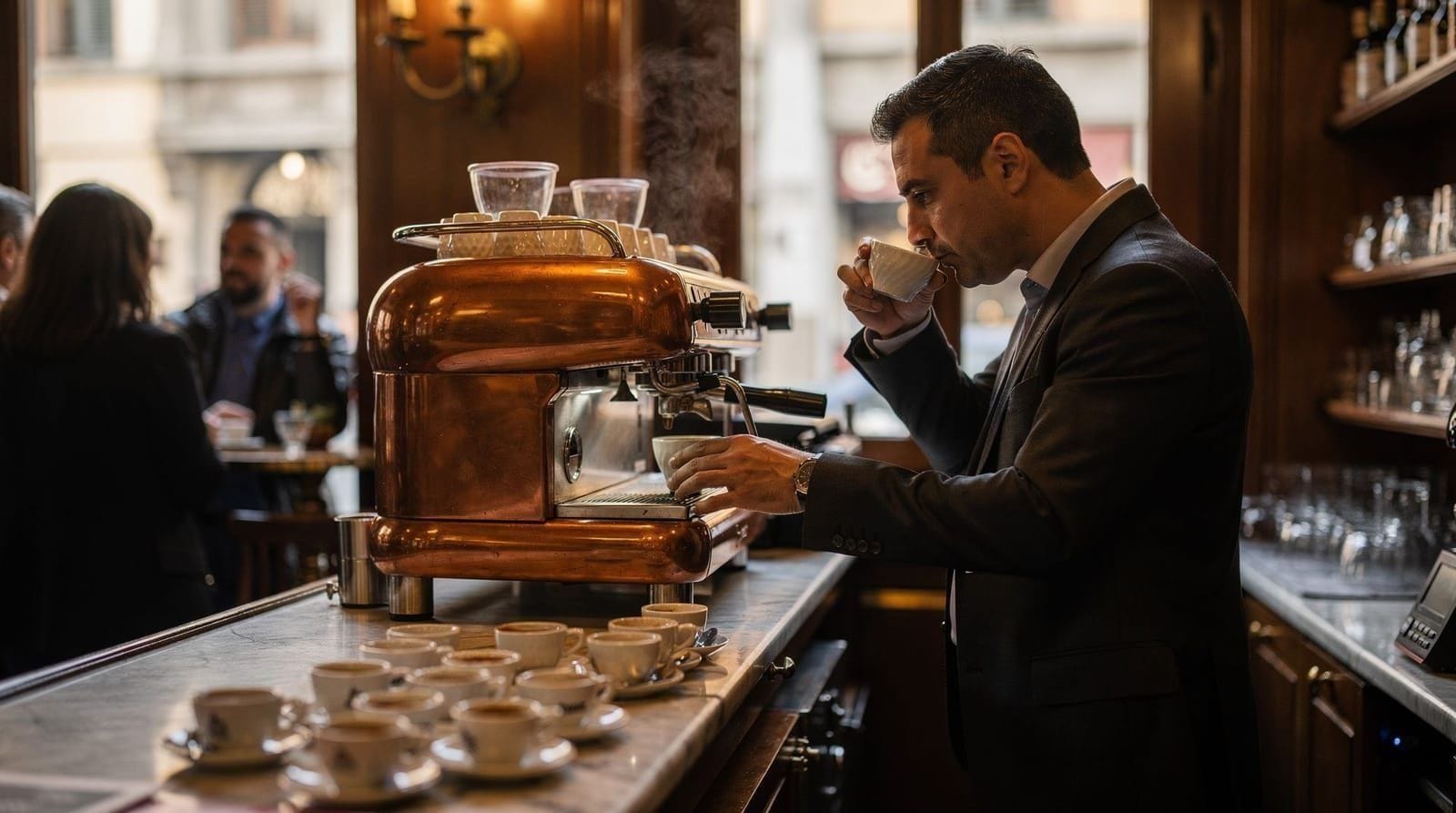
The central bar: A long marble-topped bar with good espresso, Aperol spritz, and a wine selection that leans heavily on Tuscan producers. The wine by the glass at €4–8 is a reasonable quality level. The bar fills up from about 11 a.m. with a mix of tourists and people doing the genuinely Italian thing of having a mid-morning glass of wine.
Pizza and tripe: There are dedicated stations for pizza al taglio (sold by the slice, cut from large rectangular baking trays), pasta made to order, and — again — lampredotto for those who didn’t want to navigate the ground floor version. Quality varies by vendor; ask what’s been made fresh that day.
The produce section: Several upper-floor vendors sell curated selections of Tuscan ingredients that make good purchases — small-batch olive oils, aged balsamic (the real Modena or Reggio Emilia DOP variety, not the cheap supermarket stuff), local honey, dried porcini.
The upper floor is a legitimate experience and a sensible lunch destination if you’re visiting the market and want to eat sitting down. It’s not where the real market happens, and treating it as the primary destination would be like visiting a museum and only seeing the gift shop.
How to structure a Mercato Centrale morning
Arrive at 9–10 a.m., when the ground floor is active and the vendors are at their best but before the tourist lunch crowd descends on the upper floor.
Start at the ground floor. Walk the perimeter to get your bearings, then navigate the interior. Follow the smell of the finocchiona into the salumi section. Stop at Nerbone for a lampredotto if you’re feeling bold, or for their more accessible boiled beef sandwich (bollito) if you’re not. Buy a piece of aged Pecorino Toscano from a cheese vendor and eat it while walking.
After 45–60 minutes on the ground floor, go upstairs. Have a coffee or a glass of wine at the central bar. Buy a slice of fresh pasta or a pizza al taglio for something more substantial.
Allow 90 minutes total. The Mercato Centrale guide covers the vendor landscape in full detail.
Eating more broadly in the San Lorenzo neighbourhood
The San Lorenzo neighbourhood guide and the San Lorenzo guide cover the area around the market. The streets immediately surrounding the market — particularly Via dell’Ariento, where the leather and clothing stalls of the San Lorenzo outdoor market operate — are tourist-facing and not the priority. The residential streets to the north and east have neighbourhood restaurants and bars operating without tourist menus.
For a full day of eating in the area: the Mercato Centrale morning, lunch at a trattoria in the streets behind the market (Trattoria da Ruggero or Trattoria Sergio Gozzi are frequently cited by residents), and the Sant’Ambrogio market in the afternoon for a second, smaller produce market with fewer tourists and a more purely neighbourhood character.
The Sant’Ambrogio alternative
The Sant’Ambrogio market operates in a similar covered structure on the eastern edge of the historic centre, near the church of Sant’Ambrogio. It is smaller than the Mercato Centrale and significantly less visited by tourists, which makes it the more authentic shopping experience if authenticity is your goal. The Trattoria da Rocco inside the market building serves one of the most honest and cheapest lunches in Florence (€12–15 for a full meal including wine, plates written on a chalkboard, changing daily, no menu for tourists because there isn’t really a tourist audience).
The florence food markets guide compares the two markets in more depth.
What to bring home
The Mercato Centrale vendors can vacuum-pack many items for travel. The specific things that travel well and represent genuine Florentine culinary tradition:
Finocchiona salami (vacuum-packed, stable for weeks). Aged Pecorino Toscano (vacuum-packed, stable). Small-batch Tuscan olive oil in sealed tins. Dried porcini (lightweight, long shelf life). Locally produced vin santo and cantucci (the biscotti traditionally dipped in the dessert wine — the cantucci and vin santo guide covers the tradition).
What not to buy at the market for travel: fresh cheese (needs refrigeration), fresh pasta (fragile), fresh produce (customs restrictions in many countries). Check the customs rules for food items in your destination country before buying.
Frequently asked questions about Mercato Centrale
What time does Mercato Centrale open?
The ground floor opens at 7 a.m. Monday through Saturday and closes at 2 p.m. The upper floor (food hall) opens at 10 a.m. and typically closes at midnight. Sunday: the ground floor is closed; the upper floor may operate on reduced hours.
Is it expensive at Mercato Centrale?
The ground floor is competitive market pricing — comparable to or cheaper than supermarkets for comparable quality. The upper floor is restaurant pricing for immediate consumption: €10–20 per person for a full meal. Buying ingredients on the ground floor and eating them as you walk is the cheapest option.
Is there parking near Mercato Centrale?
There is a car park under the Piazza del Mercato Centrale. Note that the San Lorenzo area is inside Florence’s ZTL zone — driving to the market from outside the city should be planned carefully to avoid driving into the restricted zone. The train station is a five-minute walk from the market.
Can I take a cooking class that uses the Mercato Centrale?
Yes — several cooking classes in Florence begin with a guided tour of the market to buy ingredients, followed by preparing a Tuscan meal. The best cooking classes Florence guide covers the market-to-table format options. These typically run €80–130 per person for a half-day.
Is Mercato Centrale better than Sant’Ambrogio for a food-focused morning?
They serve different purposes. Mercato Centrale has more variety and a curated upper-floor food hall, making it the easier first visit and a reliable lunch stop even on a rainy day. Sant’Ambrogio is smaller, has far fewer tourists, and feels more like a genuine neighbourhood market. If you only have time for one, choose Mercato Centrale; if you have a full morning, do both in sequence as described above.
Top experiences
Bookable activities with verified prices and instant confirmation on GetYourGuide.