What to pack for Florence, season by season
The honest packing philosophy: shoes first, everything else second
Most packing advice for Florence reads like a fashion editorial. The reality is simpler. You will walk a lot, on stone that is uneven, polished and slippery when wet, and you will go in and out of churches, museums and restaurants several times a day. If your feet are happy and your shoulders can be covered in ten seconds, you have solved 80 percent of the problem.
What changes with the seasons is mostly the top layer: how much warmth, how much sun protection, how much rain gear. This guide goes through all four seasons, then the items that belong in the bag whatever the month, then what to leave at home. If you would rather tick boxes than read, the Florence packing list tool does the same job in checklist form.
| Biggest packing mistake | Bringing one outfit for one temperature |
| Non-negotiable all year | Broken-in walking shoes with grip |
| Church rule | Shoulders and knees covered |
| Dome climb | Photo ID required |
| Water | Refill at the free nasoni fountains |
Spring (April–May): layers, an umbrella, and no illusions about early April
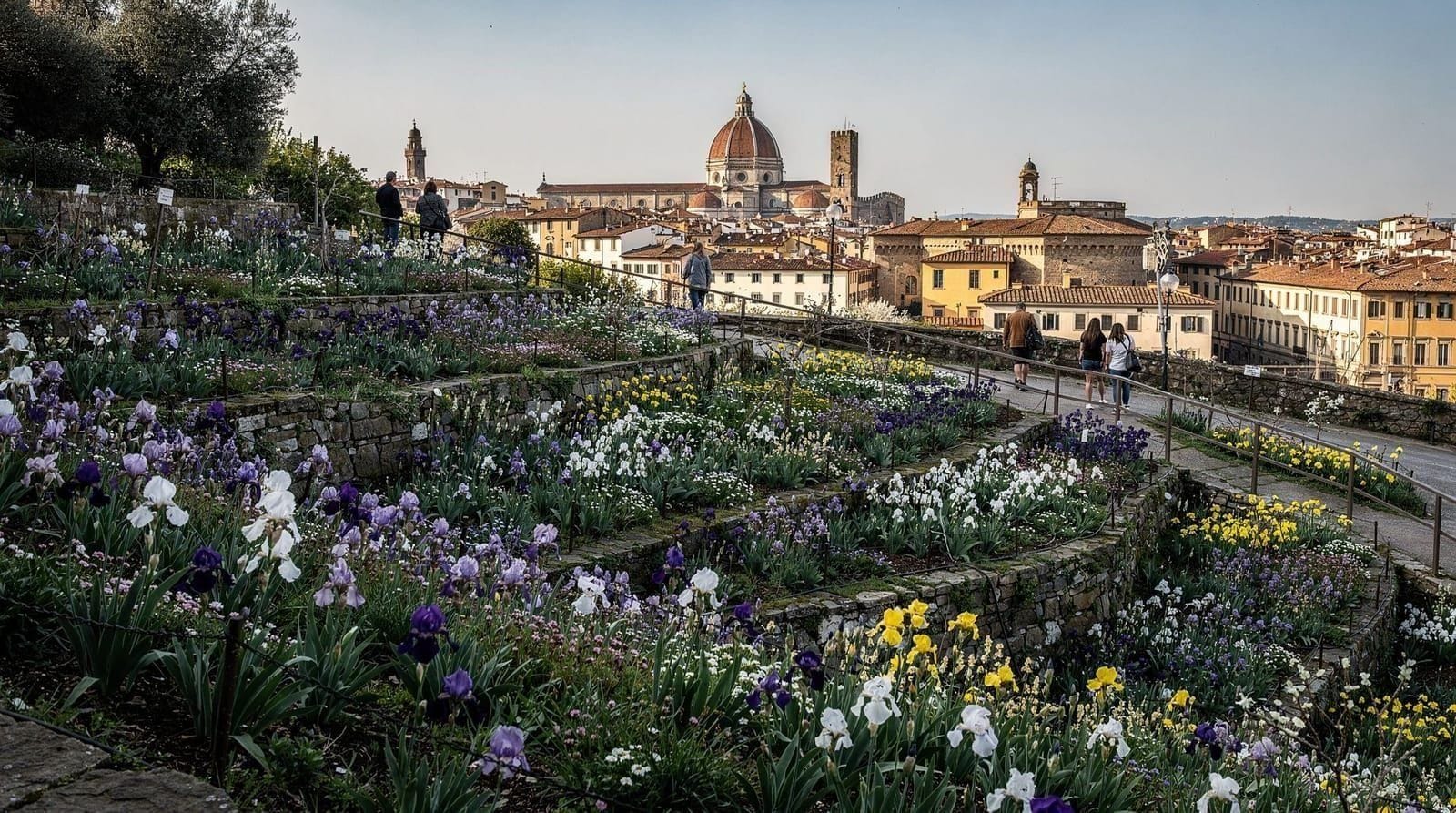
Spring is the best overall time to visit, and also the season where people pack worst, because the postcards promise sunshine. The site’s own numbers: mornings can start at 10°C and afternoons reach 23°C, and the first two weeks of April can still feel like late winter. April has roughly ten rainy days, spread unpredictably, though they rarely last all day.
What goes in the bag:
- A light jacket you can take off. Mornings and evenings are cool, the middle of the day is not. Wear it, tie it round your waist, stuff it in a day bag.
- Three or four thin layers rather than one thick one. A T-shirt, a long-sleeve top and a light knit cover most of the range.
- A compact umbrella or light waterproof. A small one that lives in your bag is enough. Showers arrive without much warning.
- A scarf. Useful for cool evenings and, as you will see below, for churches.
- Roll-on mosquito repellent if you travel in late May. The first mosquitoes of the year appear in the warm evenings, especially along the Arno.
The Florence in spring guide has the month-by-month detail if you are choosing between April and May.
Summer (June–August): light fabrics, sun protection, and a plan for 2 p.m.
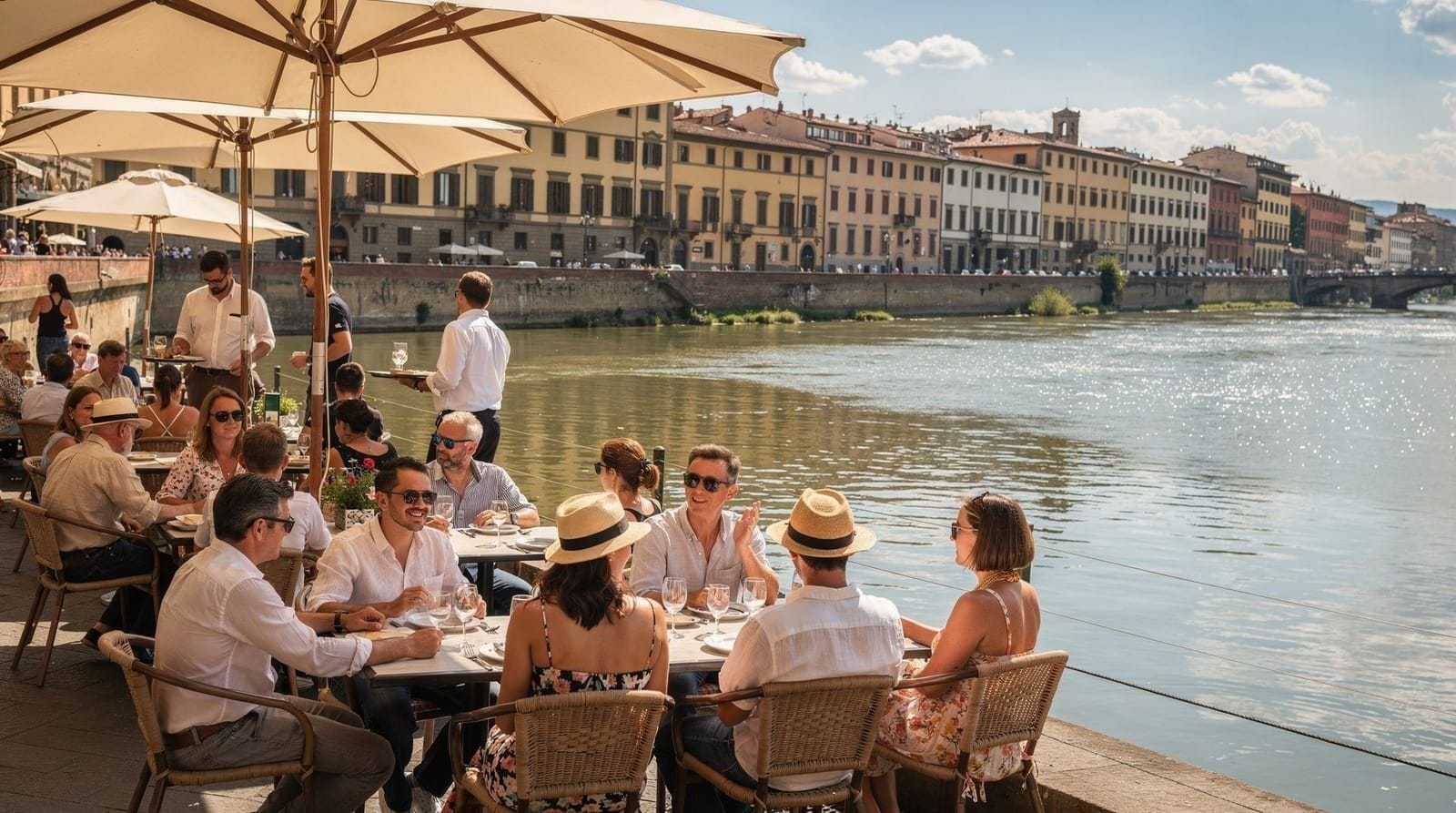
June is pleasant, with temperatures around 18–28°C. July and August are a different proposition: 30–35°C is normal, humidity makes it feel worse, and the narrow streets of the historic centre trap the heat. The stone that makes the city beautiful also holds the heat well into the evening.
What goes in the bag:
- Breathable, loose fabrics. Linen and light cotton beat synthetics. Dark, tight clothing in July is a mistake you make once.
- A hat and sunscreen. Non-negotiable from May onwards. The squares have very little shade.
- A light scarf or sarong that doubles as a church cover-up. The heat does not suspend the dress code. Covered shoulders and knees are still required, and it is actively enforced when the least suitably dressed visitors turn up.
- A refillable water bottle. Florence has over 1,000 nasoni, small iron fountains dispensing cold, safe drinking water across the city. Using them all day is the simplest way to manage the heat.
- Mosquito repellent. August is peak season, particularly near the river in the evening.
- Sandals you can actually walk in. More on this below: flip-flops on sampietrini are a bad idea.
Plan the heavy walking for before 11 a.m. and after 5 p.m., and pack as if you will be indoors, in the shade, or in a gelateria for the middle of the day. If August is your only option, the Florence in summer guide explains how to make it work, and many restaurants and shops close in August, so check before you rely on a specific place.
Autumn (September–November): the season that needs the most versatility
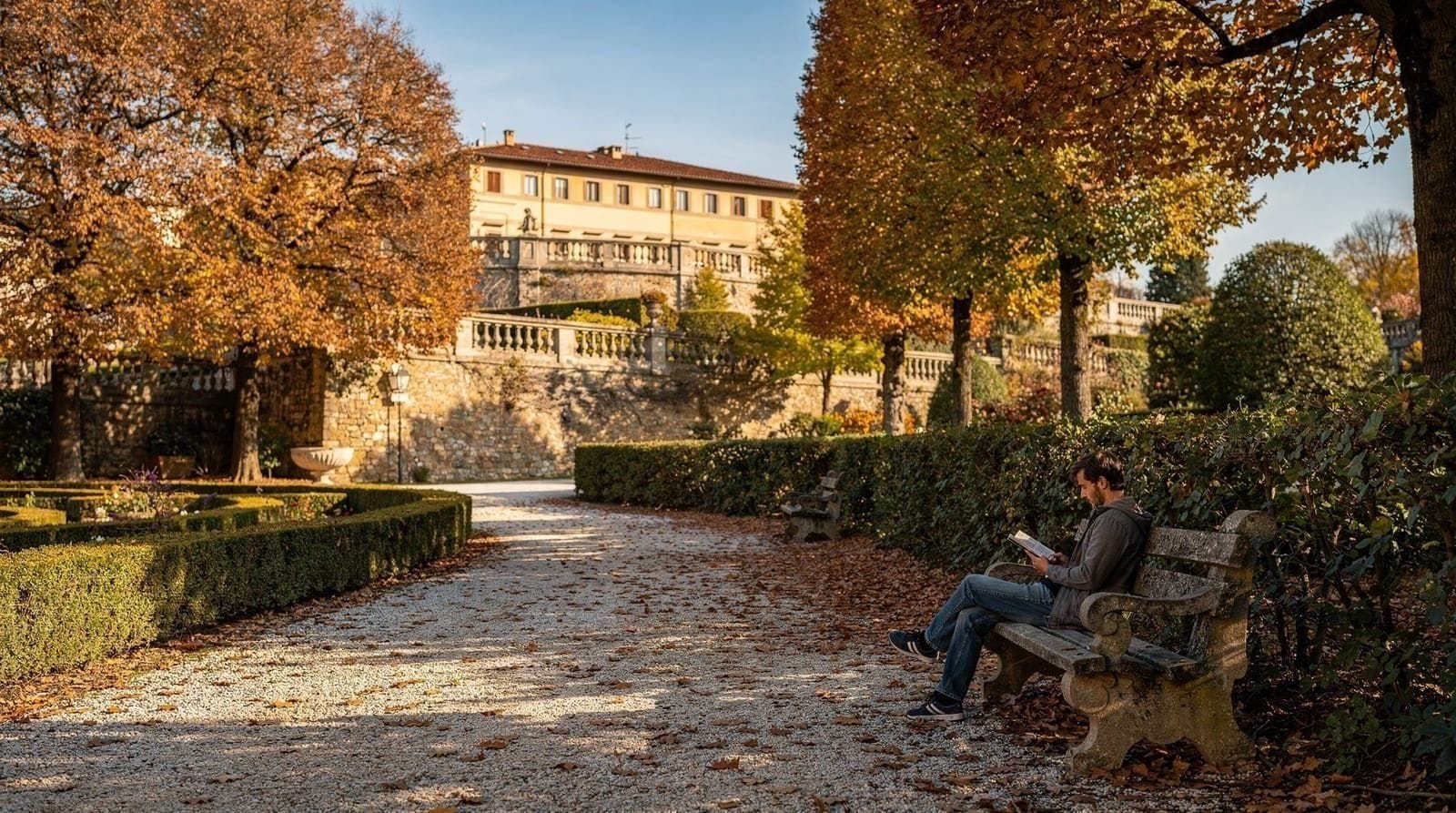
September is Florence at its best for many people: 22–27°C for most of the month, with evenings that cool to the mid-teens. October drops to 12–21°C, the evenings turn properly cool by the second week and rain picks up to around ten days a month. November is the wettest of the three, around eleven rainy days, at 7–14°C.
So “autumn” is really three different packing lists:
- Early September: summer clothes and sun protection for the day, plus a light jacket or cardigan for the evening. The swing between noon and 10 p.m. can be 10°C, and the stone streets feel cool in the evening wind.
- October: proper layers, a real jacket by the end of the month, and a waterproof layer for the wet days.
- November: a waterproof coat, closed shoes that cope with rain, and an umbrella. This is not optional.
The common mistake is packing for warm weather because you booked in September and the trip is actually late October. If you are choosing the month, the case for September as the best month to visit Florence makes the case in detail.
Winter (December–March): a real coat and shoes that stay dry
Winter in Florence is mild by northern European standards but colder than people expect. Temperatures run roughly 2–14°C across the season, coldest in January and February. December nights drop to around 3°C. The stone streets hold damp cold, and 4°C with wind feels colder than the number suggests.
What goes in the bag:
- A genuinely warm coat. Not a fashion jacket. A coat you would wear at home in cold weather.
- Waterproof shoes or boots with grip. Wet cobblestones are slippery, and in winter this matters more than in any other season.
- Layers you can shed. Museums and restaurants are well heated, so you will be taking things off and putting them on all day.
- A hat, gloves and a scarf. Churches are not heated and can be cold and damp inside.
- A compact umbrella. Light but persistent drizzle is more common than snow, which in the city centre is rare.
Do not skip the warm gear because “it’s Italy”. The Florence in winter guide covers what the season is actually like, and if you are coming for the Christmas market, remember that church dress codes are applied at least as strictly in December as in summer.
The year-round basics
These go in the bag whatever the month.
Walking shoes. The historic centre is paved with sampietrini, the uneven stone cobbles that wreck thin soles, and polished stone elsewhere. Pick comfortable flat shoes with real grip that you have already broken in. Sandals that rub, new boots on day one and heels are all mistakes people regret by the second afternoon. Cobblestone fatigue is the most underestimated thing about a first visit.
Church-ready clothing. Churches, including the Duomo, Santa Croce and Santa Maria Novella, require covered shoulders and knees. Sleeveless tops and shorts above the knee can mean being turned away. A light scarf or sarong in your bag solves the problem in seconds and weighs almost nothing. This applies to men too.
Photo ID for the dome. If you plan to climb Brunelleschi’s dome, bring a photo ID. It is required, and a time slot is mandatory. The climb is 463 steps in an enclosed staircase, so sensible footwear matters and the earliest slot is the coolest in summer. The Duomo complex tickets explained guide covers the passes. The dome climb itself has no dress code beyond sensible shoes, but the cathedral and baptistery do. If you want priority entry handled for you, a guided dome climb with priority access is the experience most relevant to this packing question.
A power adapter. Italy uses its own plug type, and the voltage differs from some countries. Check the travel essentials tool for sockets, voltage and emergency numbers before you pack, and bring one adapter per person rather than sharing one at a time.
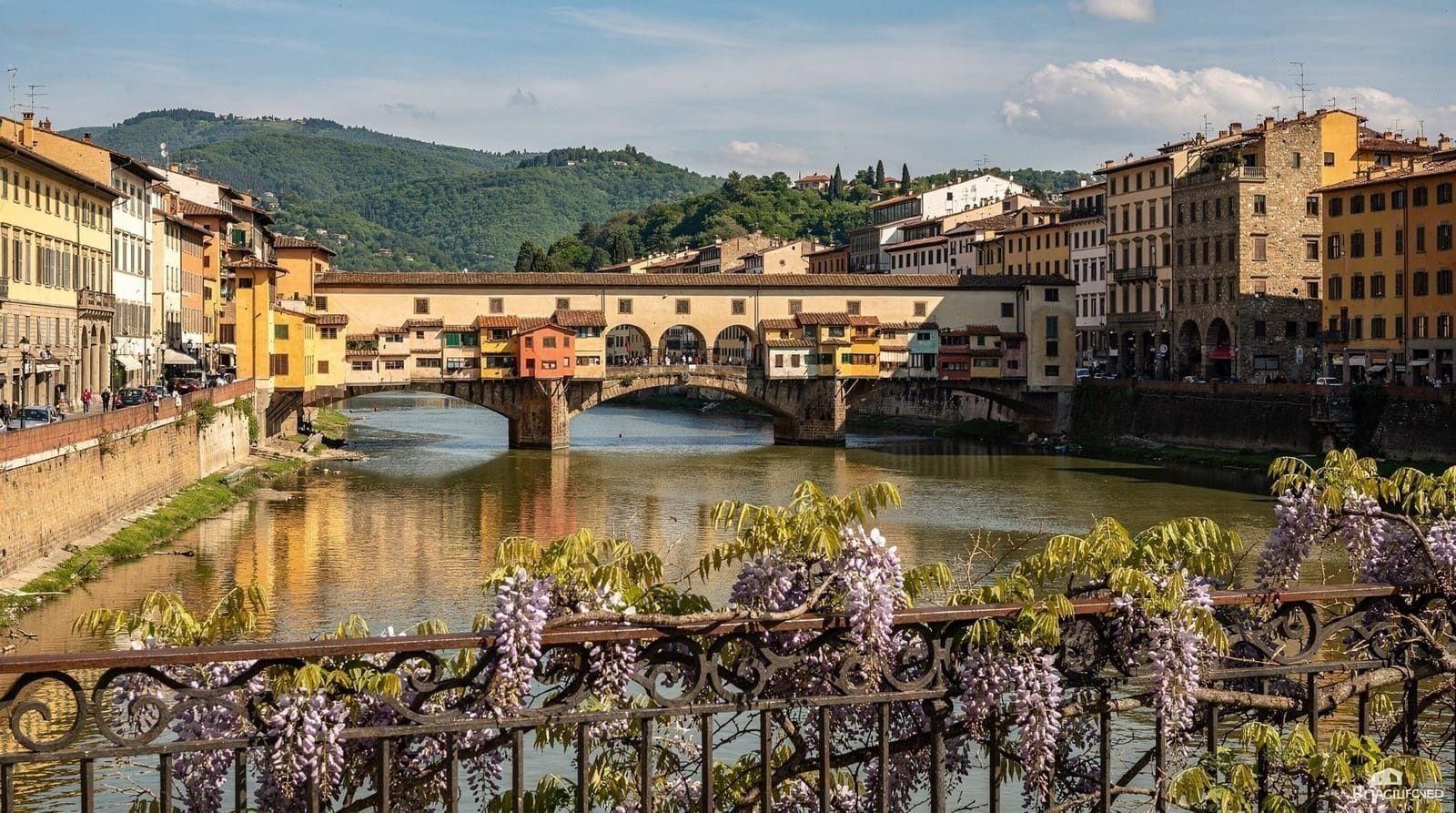
An anti-pickpocket bag. Pickpockets operate in tourist crowds, particularly around the Duomo, the station and the Ponte Vecchio. A small, closeable bag worn in front is the answer. Zip pockets inside a jacket for passports and cards are better still.
A reusable water bottle. See above. Free, cold, and it keeps you out of the overpriced bottled water near the cathedral.
A small day bag. Big backpacks are an inconvenience at museums, where they may need to go to a cloakroom. Pack a small bag and leave the large one at the hotel.
What you can leave at home
- Heels and anything delicate. They suffer on cobblestones and you will not wear them.
- Multiple pairs of “just in case” shoes. Take two good pairs at most, one of which is waterproof outside summer.
- A full set of formal clothes. Florence is relaxed. A nicer outfit for one dinner is enough. Smart casual works everywhere.
- Bulky guidebooks. Your phone does the job, and the weight adds up quickly.
- A hire car’s worth of luggage. You should not be driving in the centre anyway. Fines for entering the ZTL restricted zone run from 80 to 335 euros, so keep the bag light enough to wheel over uneven stone or carry up stairs. The getting around Florence guide explains how to move around without a car.
- Fake designer or souvenir shopping space. Buy things here and you will have room to carry them home.
A quick summary: what to pack by season
| Season | Typical range | Key items | Biggest trap |
|---|---|---|---|
| Spring | 10–24°C | Light jacket, layers, umbrella, scarf | Skipping a jacket in early April |
| Summer | 18–33°C | Light fabrics, hat, sunscreen, bottle, scarf | Forgetting the church dress code |
| Autumn | 27°C down to 5°C | Layers, waterproof, grippy shoes | Packing only for warm weather |
| Winter | 2–14°C | Warm coat, waterproof shoes, hat and gloves | Underpacking for the cold |
If the weather turns, or you add a day trip
If rain sets in, the Florence in the rain guide gives you indoor and covered plans, and the same waterproof shoes will do all the work. For a day trip to Chianti, add something you can wear in a vineyard and a tasting room: closed shoes, a layer for cooler cellars and a bag you can carry in one hand. A Chianti winery tour with tasting is a good example of a day where that kit pays off. For a first visit with the walking tour, the same comfortable flat shoes and a small closeable bag work on every route.
If you are still deciding when to travel, the best time to visit Florence guide compares the months side by side.
Frequently asked questions about packing for Florence
What should I wear in Florence in summer?
Light, breathable clothes, a hat, sunscreen and comfortable walking shoes. Carry a scarf or sarong for churches, since covered shoulders and knees are still required in the heat. Plan outdoor sightseeing for the early morning and evening.
Do I need a jacket in Florence in spring?
Yes. Mornings and evenings are cool, and the first part of April can still feel like late winter. A light jacket, a scarf and a compact umbrella cover most days.
Can I wear shorts in Florence?
For walking around, yes. For churches, shorts above the knee and sleeveless tops will not do. Carry a scarf or light cover-up and you can wear what is comfortable the rest of the day.
What shoes are best for Florence?
Comfortable, broken-in flat shoes with good grip. The cobblestones are uneven and become slippery when wet, so waterproof shoes with grip are worth the space in the bag from autumn through winter.
Is tap water safe to drink in Florence?
Yes. The nasoni fountains across the city dispense cold, safe drinking water, so a refillable bottle saves money and plastic.
Do I need an adapter for Florence?
If your plugs are not the Italian type, yes. The travel essentials tool lists the sockets, voltage and emergency numbers, and the packing list tool lets you tick everything off before you go.
Top experiences
Bookable activities with verified prices and instant confirmation on GetYourGuide.

Florence: Dome 1-hour priority entrance tour
- Skip the line
- Small group

Florence: walking tour
- Free cancellation
- Instant confirmation

Florence: Chianti hills wineries tour with tasting
- Free cancellation
- Small group

Florence: ticket to Brunelleschi's Dome with panoramic views
- Skip the line
- Free cancellation