Florence with kids
Florence: pizza and gelato family-friendly cooking class
- Free cancellation
- Small group
Is Florence good for kids?
Yes, but it rewards planning. The best strategy combines one big museum per day (Accademia or Bargello, not the whole Uffizi), outdoor space at Boboli Gardens or Piazzale Michelangelo, and gelato at a proper gelateria. Avoid August heat and Monday closures.
Why Florence works better for families than you might expect
Florence is compact, walkable and overflowing with things that genuinely excite children: a man-made dome that was technically impossible when it was built, a marble statue so large it makes adults stop mid-sentence, living leather craftsmen hand-stitching bags in workshops that have not moved in a century. The city is not a theme park, but it does not need to be.
The honest challenge is pace. Florentine museums are dense, the summer heat is fierce, and the queue logic is brutal if you have not booked ahead. Families who research in advance — even just spending 30 minutes reading this page and booking two or three tickets — have a fundamentally different holiday than those who queue in the July sun with a three-year-old.
This guide is built on real logistics. You will find specific venues, honest prices, and a clear answer to the single most important question families ask us: where do you actually start?
| Where | Historic centre + Oltrarno, all walkable |
| Cost | Around EUR 500–900 for 2 adults + 2 kids over 3 days |
| Time needed | 3 days minimum for a relaxed pace |
| Getting there | Peretola (FLR) with tram, or Pisa (PSA) with 1h train |
| Best time | April–mid-June or September–October |
If you’re still deciding how long to stay overall, our how many days in Florence guide and florence trip cost budget guide help set expectations before you book anything.
Before you book: timing and temperature
April to mid-June and September to October are the sweet spots. Temperatures sit between 16°C and 26°C, crowds are manageable (though never absent), and almost everything is open. Avoid the second half of July and all of August if children are under 10: temperatures regularly hit 33-36°C in the city centre, paving stones radiate heat, and some smaller family-friendly venues close for Ferragosto.
Monday closures matter. The Uffizi, Accademia and most state museums are closed on Mondays. Check schedules before building your day plan around a specific museum on a Monday.
School holidays bring Italian families. Easter week and mid-June to mid-September see Italian school groups and families in the same venues. This is not a reason to avoid Florence, but it reinforces the need for pre-booked timed entry.
The one rule that changes everything
Book the Accademia first, everything else second.
Michelangelo’s David is 5.17 metres tall and positioned in a rotunda designed specifically for him. Every child we have spoken to who has seen the statue in person — even teenagers who were convinced they did not care about art — describes it as genuinely impressive. The Accademia is also significantly smaller and less overwhelming than the Uffizi, making it the ideal first big museum for families.
Timed entry tickets cost EUR 12-16 for adults; children under 18 from EU countries enter free. Booking online costs EUR 4 extra in booking fees but saves you a queue that can stretch to 90 minutes in high season. Book at least 10-14 days ahead for any date between April and October. Arrive 10 minutes before your slot.
Family-friendly museums by age
Ages 4-7: hands-on and short
Museo Galileo (Piazza dei Giudici) is the best museum in Florence for young children that nobody talks about. It holds original telescopes, globes and scientific instruments from the Medici collection. The real draw for children is the interactive room where they can handle replica instruments and see how Galileo’s thermoscope works. Entry is EUR 10 for adults, EUR 6 for children aged 6-18; under 6 free. Rarely crowded.
Bargello is quieter than the Accademia and houses Donatello’s bronze David — the first free-standing nude male sculpture of the Renaissance. Children respond to the courtyard, which feels like a castle (it was Florence’s first public building and served as a prison). Entry EUR 8, free for under-18 EU citizens.
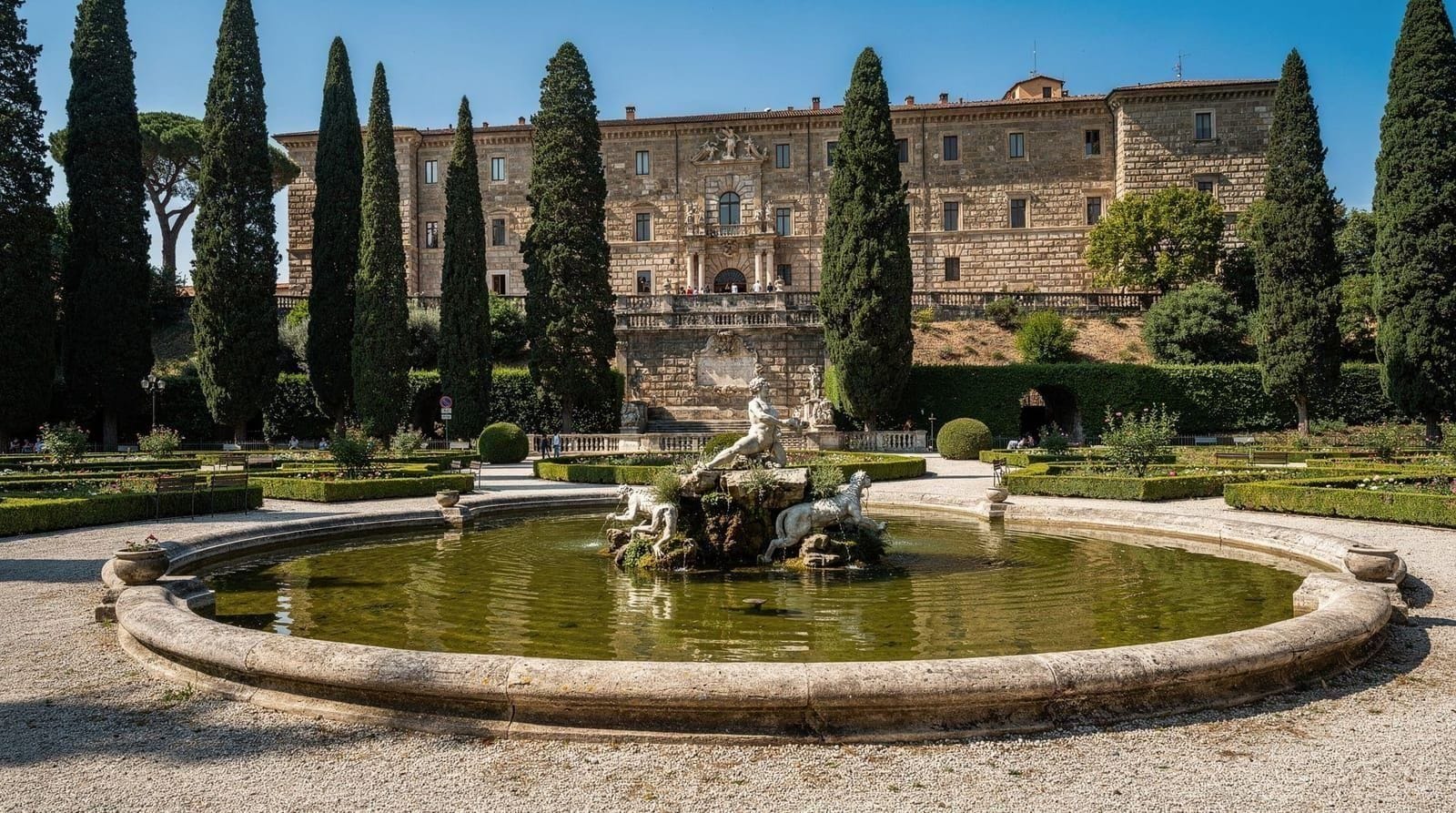
For this age group, cap museum time at 90 minutes then take them outside. The Boboli Gardens adjoining Palazzo Pitti are ideal: 45,000 square metres of terraced gardens with amphitheatres, grottos and a small lake. Entrance EUR 10.
Ages 8-12: stories and context
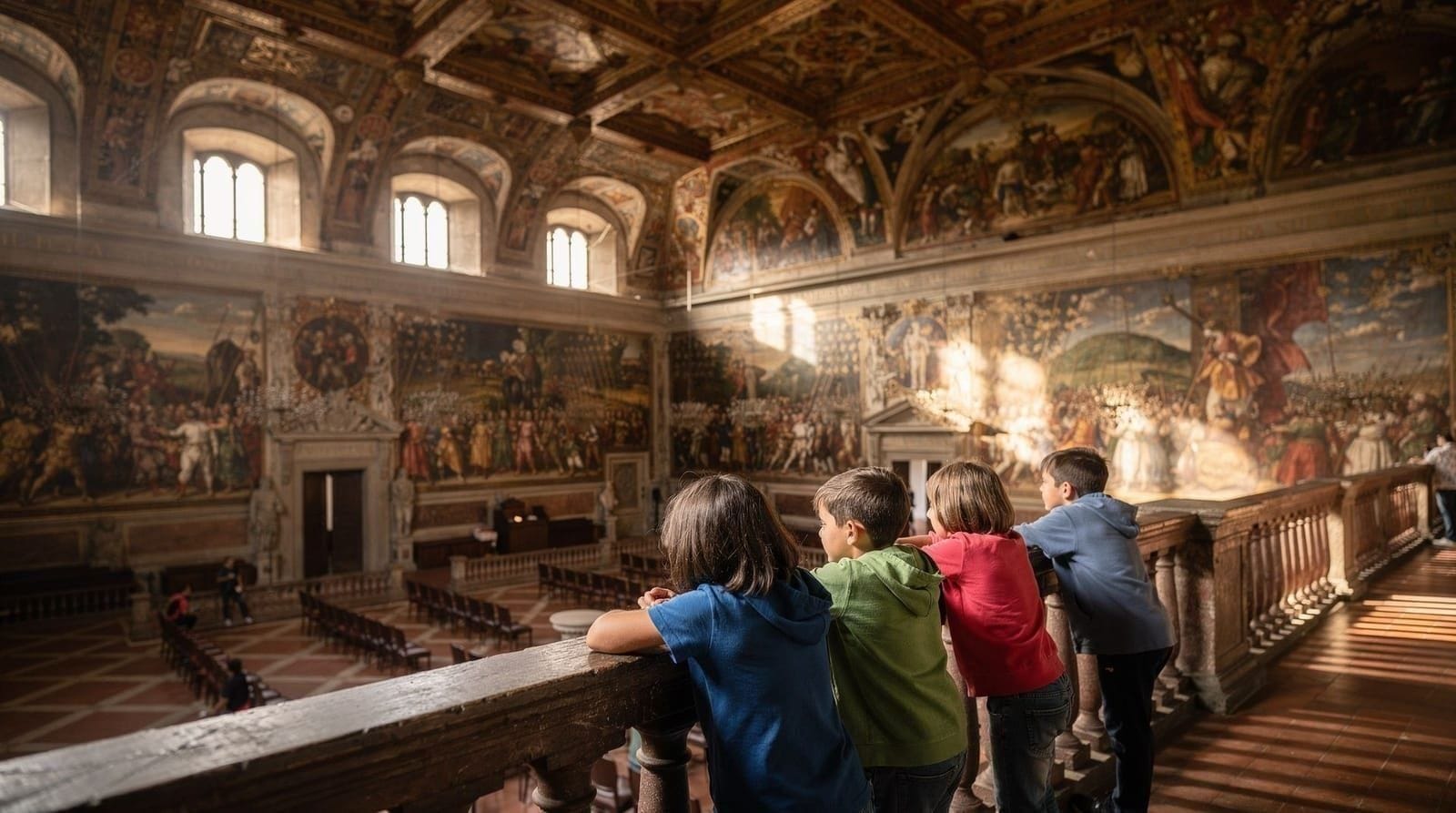
This age group handles the Accademia and one Uffizi gallery well if you use a guide or an audio app. The trick is narrative: children who know the story of why Michelangelo carved the David from a block of marble that two other sculptors had already abandoned are far more engaged than children who just see a large statue.
Consider booking a guided tour with a family-friendly guide rather than a standard tour. Good guides working with families slow down, use relatable language, and stop at the works that tell a story rather than covering every room systematically.
The Palazzo Vecchio is excellent for this age group: the medieval fortress atmosphere, the hidden rooms (literally a studiolo hidden behind a painted door), and the tower climb with views over Florence. Entrance to the museum EUR 14, tower extra.
Ages 13+: give them ownership
Teenagers often respond better to Florence when they have a task rather than being guided. Give them the job of finding the best gelato (see our gelato and pizza classes guide), navigating to the Oltrarno neighborhood, or spotting the Medici coat of arms above shop doorways around the historic centre.
The Uffizi is now appropriate — plan for 90 minutes minimum, focus on three rooms: the Botticelli room (Birth of Venus, Primavera), the Leonardo room, and the Michelangelo room. Skip the later rooms unless you have time and energy.
Day-by-day family itinerary (3 days)
Day 1: David, the Duomo and the Oltrarno
Morning: Accademia (pre-booked, 9 am slot). Allow 75 minutes. Walk south to the Brunelleschi Dome: even without climbing it, the exterior and the baptistery doors (the Gates of Paradise) are worth 30 minutes. If children are keen, book a dome-climb slot; it is 463 steps and genuinely exhilarating.
Afternoon: Cross the Arno via Ponte Vecchio (the gold jewellery shops are the original occupants — not a tourist installation) and explore the Oltrarno. Lunch at any trattoria south of the river: prices are lower and quality is generally higher than in the historic centre. The neighbourhood around Piazza Santo Spirito has a Tuesday and Saturday morning market.
Evening: Piazzale Michelangelo at sunset. Take bus 13 from the city centre (EUR 1.70 per person, or use a 90-minute pass). The view over Florence is the image on every postcard and is genuinely better in person.
Day 2: Boboli, Pitti and cooking class
Morning: Pitti Palace and Boboli Gardens. Enter the gardens first (less tiring for children than galleries). The boboli amphitheatre and the Kaffeehaus terrace midway up the hill are natural stopping points. Then choose one Pitti gallery: the Palatine Gallery for older children who enjoyed the Uffizi, or the Museum of Costume and Fashion for teenagers.
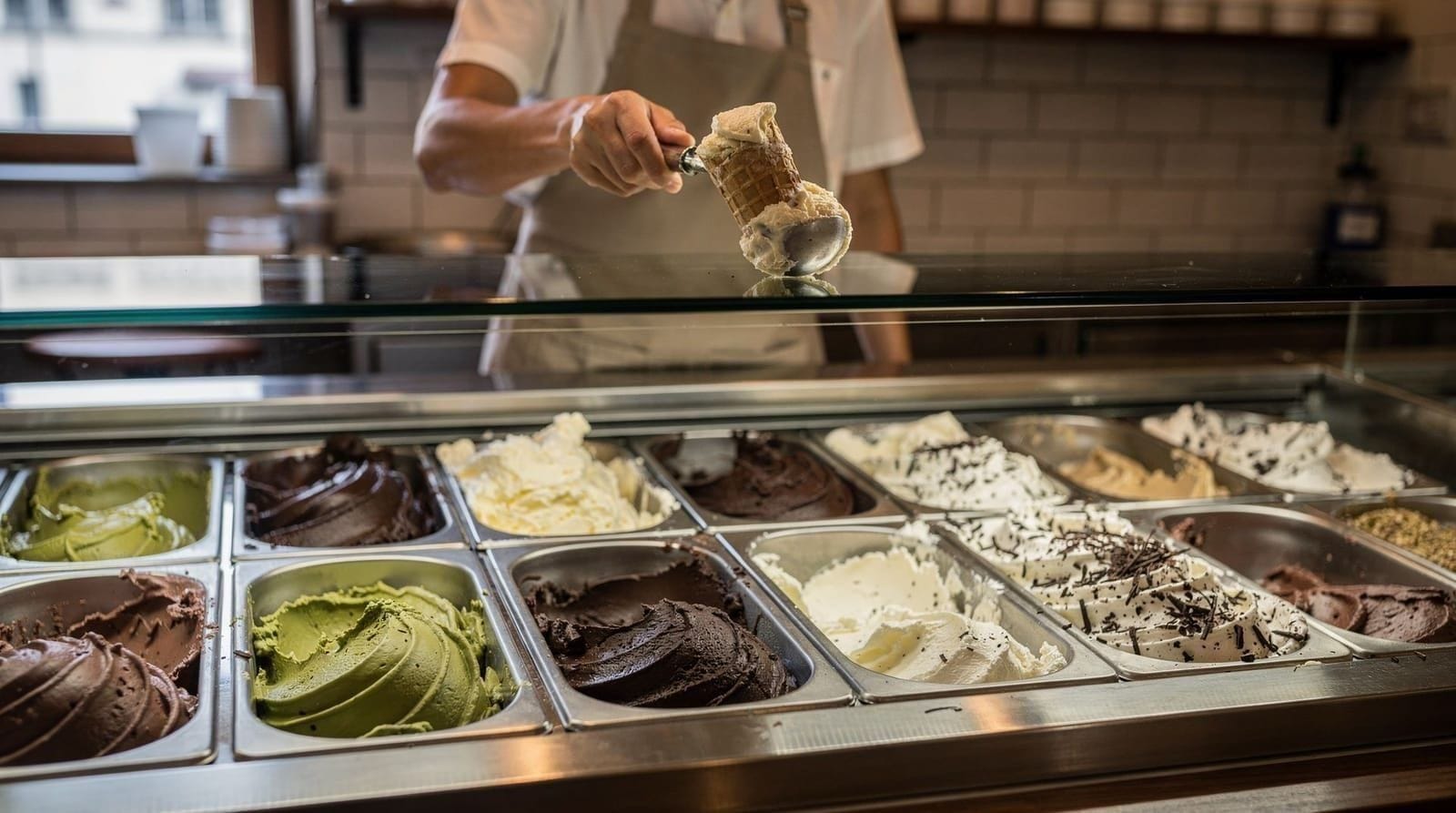
Afternoon: Pizza and gelato family cooking class. This is the moment most families call the highlight of the trip. Children aged 4 and up participate fully: they stretch dough, top their pizzas, and learn to taste gelato before they scoop it. Book in advance as sessions fill 2-3 weeks ahead.
Day 3: San Lorenzo, markets and free time
Morning: San Lorenzo market and neighborhood. The covered Mercato Centrale (upstairs food hall, downstairs produce market) is the best introduction to Florentine food for children: stalls of pasta, cheese, charcuterie, and the famous lampredotto (tripe sandwich). Children can try one thing they have never seen before. The outdoor San Lorenzo leather market is worth walking through, but read our honest warning below about fake leather.
Afternoon: Free time. Let children choose: more gelato tasting, the Museo Galileo if you skipped it, or the hop-on hop-off bus for an overview of the city with no walking. The hop-on hop-off covers 15 stops including Piazzale Michelangelo and Fiesole.
Honest logistics for families
Prams and strollers
Florence’s historic centre is mostly paved with sampietrini (cobblestones), which are hard going with wheeled strollers. A travel pram with large wheels or an ergonomic baby carrier is more practical than a standard pushchair. Most museums have ramps and lifts but the cobblestone approach requires effort.
Nap logistics
Hotel rooms are the easiest solution but not always accessible at 2 pm. The Boboli Gardens has shaded benches and grass areas. Piazza della Santissima Annunziata (quieter than Piazza della Repubblica) has cafés with chairs. The Bardini Gardens are our top pick for quiet afternoon rest: less visited than Boboli, beautiful terraces, and an excellent café.
Getting around
The historic centre is small enough to walk everywhere (Accademia to Oltrarno is 15 minutes on foot). For hills and longer distances, use taxis (metered, available at ranks) or the Florence ATAF bus network. Tram T1 connects the main station (Santa Maria Novella) to the city edge; the T2 runs to the airport.
Renting a car in Florence centre is actively harmful: the ZTL (Zona a Traffico Limitato) cameras fine you EUR 80-335 per infraction, often weeks after your return. Cars are useful only for Chianti, Val d’Orcia, or other countryside destinations.
Food logistics
Lunch before 1 pm or after 2:30 pm. Florentine restaurants fill completely between 1 and 2:30 pm. Families who arrive at 1:15 pm often wait 30 minutes.
Gelato timing. Gelaterie do not close in the afternoon (unlike restaurants). This makes a 4 pm gelato break the natural child-pacifying tool on any afternoon.
Avoid restaurants immediately around the Duomo and Ponte Vecchio. Prices are 40-60% higher and quality lower than restaurants one or two streets away. The rule: if a restaurant has a laminated photo menu in six languages displayed outside, walk past.
The gelato warning (read before you stop anywhere)
This bears repeating because it catches every first-time visitor. Tourist-trap gelato is easy to spot:
- Tall mounds of brightly coloured gelato displayed open in the air (real artisan gelato is in covered metal pans)
- Signs reading “artigianale” or “made fresh daily” on every surface — genuine shops do not need to shout
- Locations directly beside the Duomo, Baptistery or Ponte Vecchio
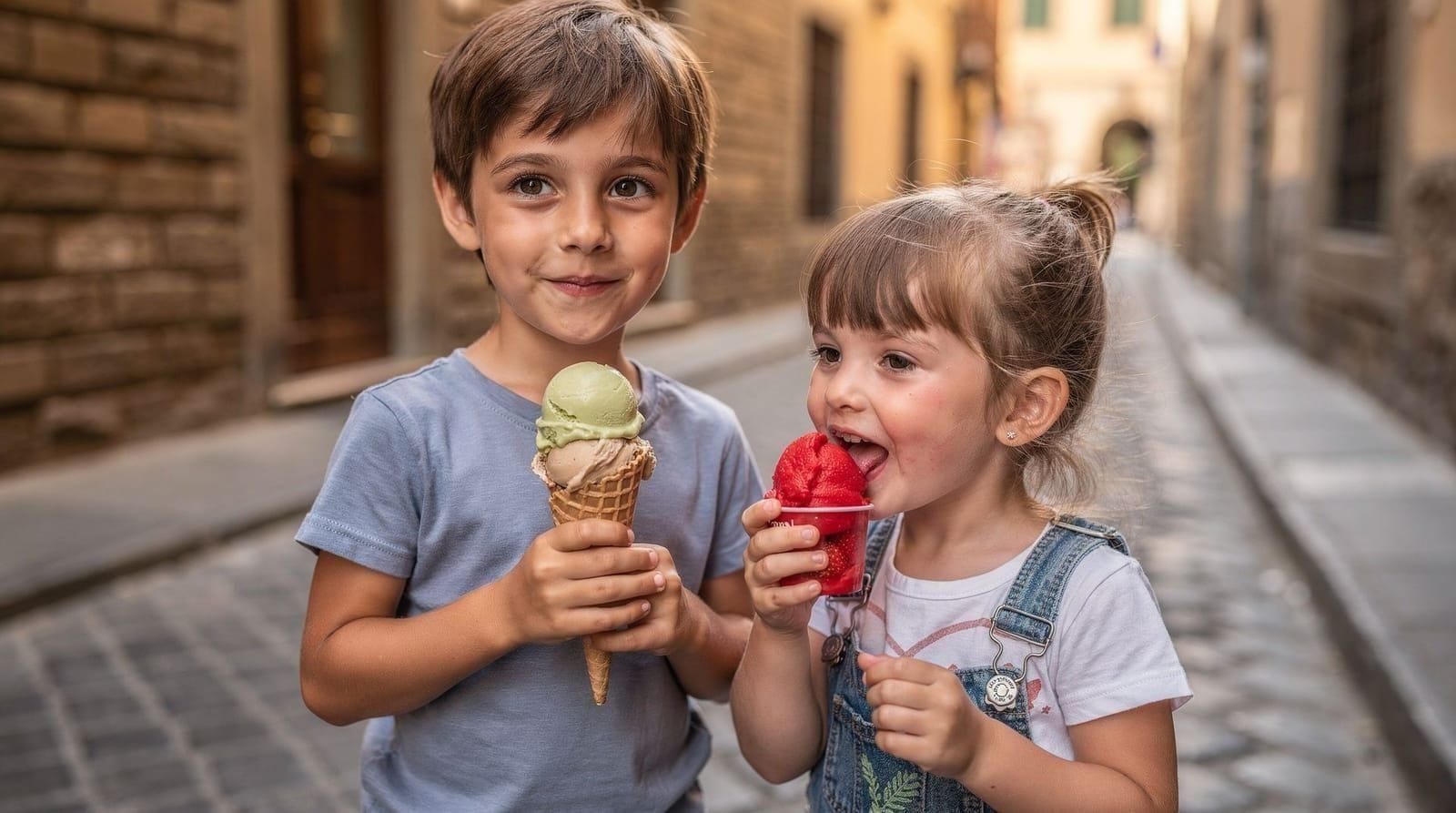
Real gelato is served from flat, covered pozzetti. Colours are muted: pistachio is pale green, hazelnut is brown, strawberry is dusty pink. It melts slightly at the edges and does not hold impossible shapes. Our gelato guide lists the specific gelaterie we trust.
The San Lorenzo market leather warning
The outdoor San Lorenzo market sells leather goods ranging from genuine Florentine leather to Chinese-manufactured imitations stamped “Made in Italy.” Prices between EUR 20 and EUR 50 for bags or wallets are almost certainly not genuine full-grain leather. Real Florentine leather costs EUR 80-200 for a small bag from a workshop, more from established shops.
The honest approach: if you want authentic leather goods, visit an artisan workshop in the Oltrarno or a reputable shop on Via de’ Tornabuoni or near Santa Croce. See our Florentine leather guide for specific recommendations.
Day trip options with children
Fiesole (30 minutes by bus 7 from Piazza San Marco): A hilltop town with Roman amphitheatre, Etruscan museum and panoramic views. Children aged 8 and up enjoy the archaeological area. EUR 10 adults, EUR 6 children. Excellent afternoon option.
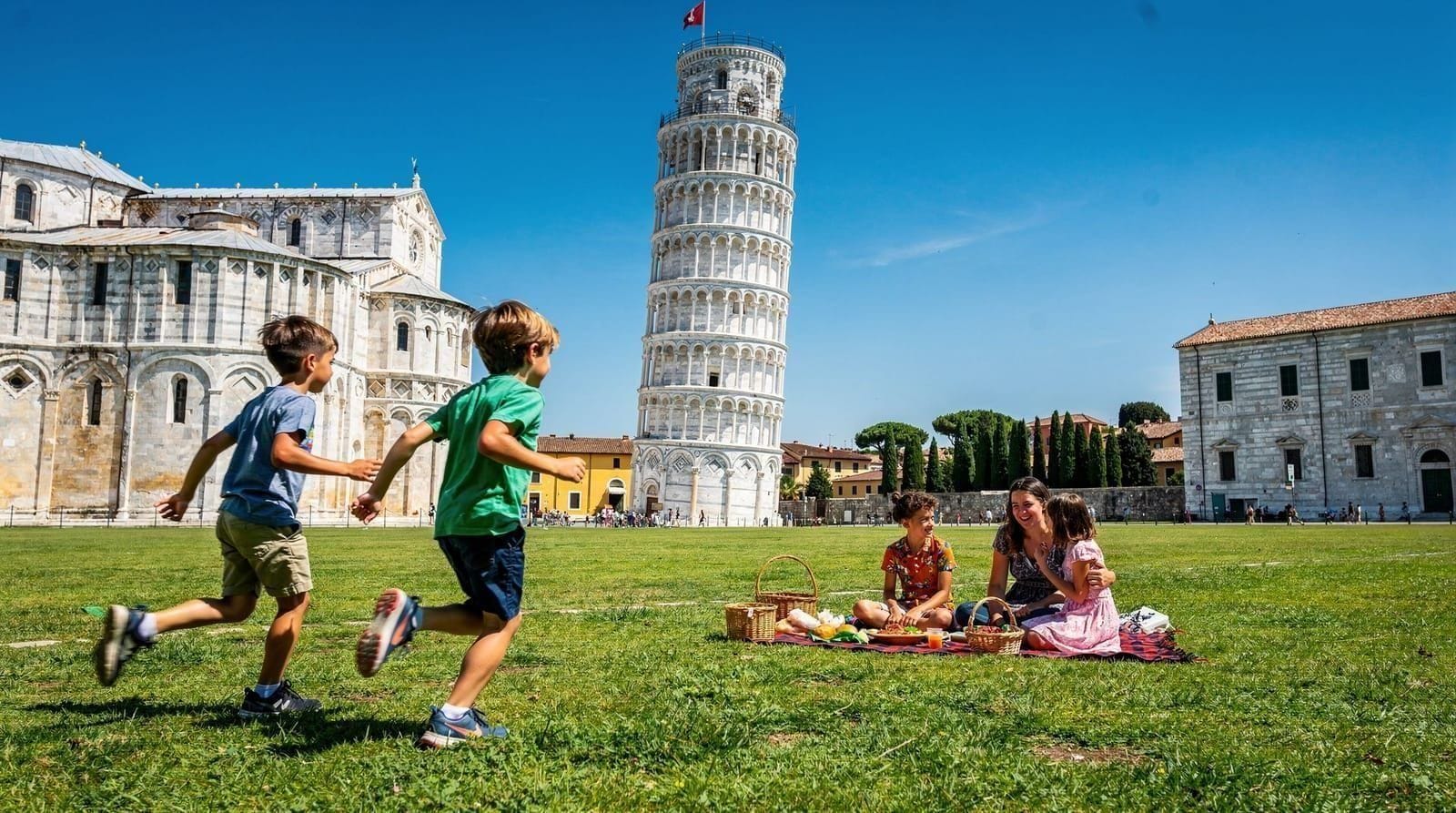
Pisa (1 hour by train): The Leaning Tower genuinely thrills children. You can climb it (294 steps, EUR 20 per person — children under 8 cannot climb). The Campo dei Miracoli (Field of Miracles) is a large grass lawn where children can run around freely. Combine with the Baptistery and Cathedral. Half a day is enough.
Siena (1.5 hours by bus or train, then bus): The shell-shaped Piazza del Campo is one of the greatest public spaces in Europe. Children can run down the slope to the Palazzo Pubblico. The Torre del Mangia offers a 400-step climb with views over Siena. Best for children aged 10 and up.
For structured day trips, guided tours from Florence to Siena and San Gimignano include hotel pickup, which eliminates the logistics of train connections with children.
Where to stay with children
Base yourself close to the centre rather than saving money on a peripheral hotel: with children, the time saved not walking or bussing back and forth for naps and meals is worth more than the price difference. The San Lorenzo/San Marco area puts you a short walk from the Accademia and the market, with quieter streets than the centre after dark. The Duomo district is the most central but noisier and pricier.
The Oltrarno is a genuinely good family choice for a longer stay — fewer crowds, real neighbourhood life, and the Boboli and Bardini gardens on your doorstep — though it means more walking to the Uffizi and Accademia. Our where to stay in Florence guide and best areas to stay in Florence guide break down each district for families specifically, and apartments with a kitchenette (common in all these areas) are genuinely useful for breakfast and tired-toddler evenings when a restaurant isn’t realistic.
Rainy-day and hot-day backup plans
Florence’s museums double as excellent shelter on a rainy or brutally hot day, and it’s worth having a backup plan rather than pushing through outdoor sightseeing children are visibly struggling with. The Museo Novecento is small, modern, and rarely crowded — a good reset after a big morning. On a scorching August afternoon, the shaded paths of Boboli or an early gelato break beat pushing on to another piazza in direct sun. If a full rainy day strikes, our dedicated rainy day Florence guide has a fuller list of indoor options beyond the big museums.
Frequently asked questions about visiting Florence with kids
Is the Uffizi suitable for young children?
The Uffizi is enormous (approximately 50 rooms across two floors) and visually overwhelming. For children under 8, skip it on your first visit. For 8-12 year olds, book 90 minutes maximum and focus on the Botticelli and Leonardo rooms. For teenagers, a guided visit with a good guide is transformative. EU children under 18 enter free.
What is the best way to see the Brunelleschi Dome with kids?
Book a timed entry slot for the dome climb (brunelleschidome.it — official site, not resellers). The 463-step climb takes 30-45 minutes and requires children to be able to manage narrow spiral staircases independently. The views at the top are worth the effort. Slots sell out weeks ahead in high season.
Are there good swimming options near Florence?
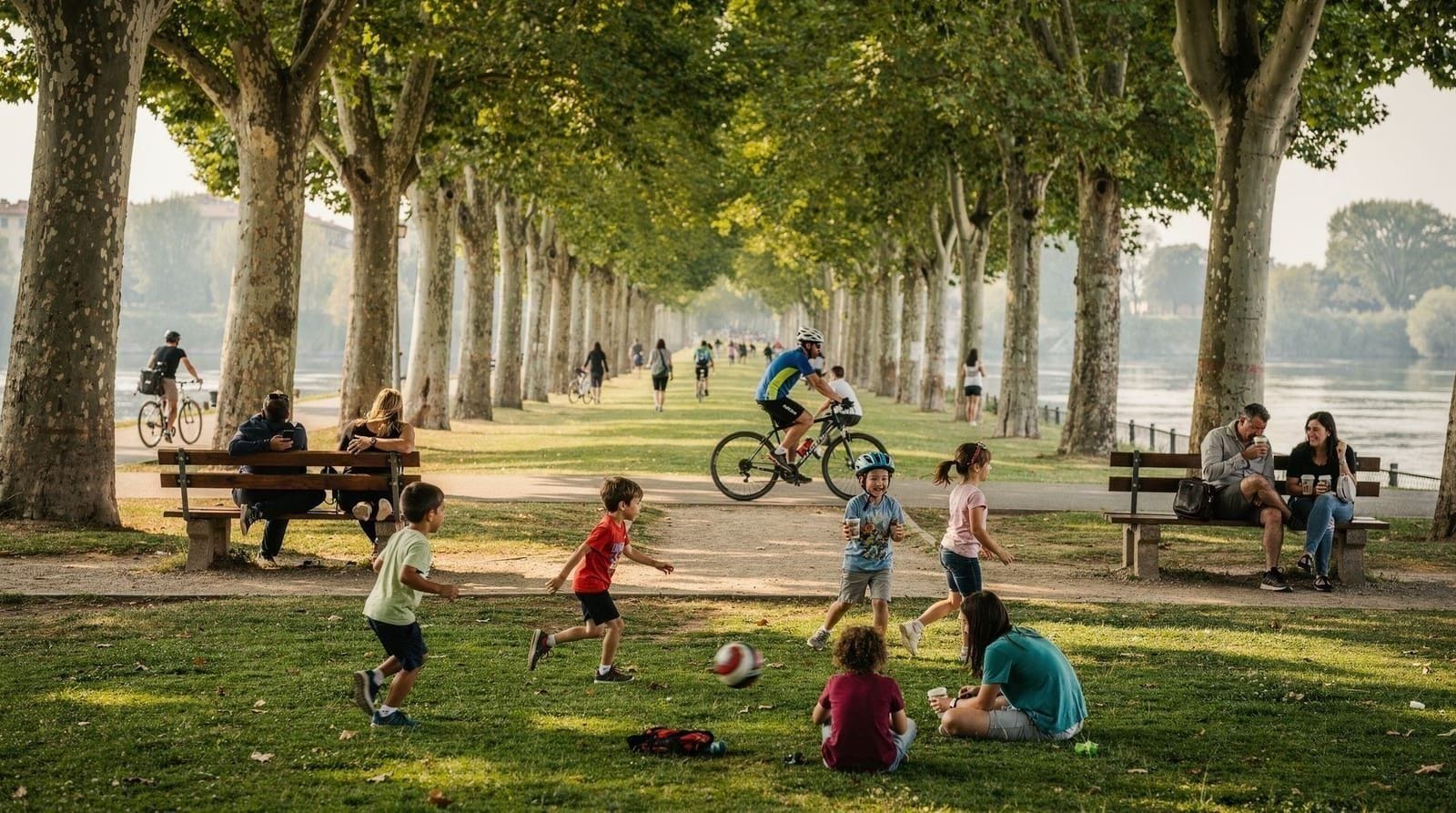
The city itself has public pools. The Cascine park has a seasonal open-air pool (Pavoniere, open June-September, EUR 6-12 entry). Within driving distance, the hills of Chianti have many agriturismo properties with pools — useful if you rent a car for Tuscany countryside days. For general green space and playgrounds beyond the pool, see our Florence parks and playgrounds guide.
Are Florence’s outdoor markets manageable with a stroller or young children?
Mostly yes, but go early. Mercato Centrale and the San Lorenzo market get genuinely crowded by mid-morning, and the ground floor produce market has narrow aisles that are difficult with a wide stroller. Arriving at opening time (around 8 am) gives you space to browse and lets children try a snack before the crowds build; by midday, a baby carrier is more practical than wheels through the covered hall.
How expensive is Florence for families?
Budget realistically. Two adults and two children spending 3 days should expect: EUR 80-160/night accommodation (budget to mid-range), EUR 30-60/day for meals if you eat like locals (trattoria lunch, market snacks, gelateria), EUR 20-50/day on museum tickets (free for under-18 EU citizens), and EUR 50-150 for one cooking class or guided experience. Total for 3 days: EUR 500-900 depending on choices.
What should we pack for kids in Florence?
Light layers (evenings are cool even in summer), sunscreen and hats for June-September, comfortable walking shoes (cobblestones are hard on thin soles), a reusable water bottle (drinking fountains called nasoni are everywhere and the water is safe), and a small backpack children can carry themselves to reduce pram dependence.
Can we do Florence without booking anything in advance?
Technically yes, but you will queue for the Accademia and Uffizi (90 minutes minimum in peak season) and may not get the cooking class time you want. At minimum, pre-book the Accademia for David, and one experience (cooking class or guided tour). Everything else can be decided on the day.
Are Florence restaurants child-friendly?
Yes. Italian restaurant culture is warm toward children. Many trattorias bring bread and water immediately, split dishes without complaint, and will make a simple pasta with butter (pasta al burro) for children who do not eat sauce. High chairs are available in most mid-range and above restaurants; call ahead at fancier places.
Is Florence better with kids than Rome or Venice?
For families, Florence is generally easier than either. It’s flatter and more compact than Rome, which cuts down on the transport logistics of moving tired children across a large city, and it has none of Venice’s bridges-and-steps navigation with a stroller. See our Florence vs Rome and Florence vs Venice guides if you’re deciding between them for a family trip.
What if my kids get bored of museums after one or two days?
Balance museum time with genuinely active options: the Boboli Gardens and Bardini terraces for running around, a gelato-making class for hands-on fun, or a half-day out at Fiesole for hills and a small amphitheatre to climb over. Alternating one active or hands-on activity for every museum morning keeps most children engaged through a 3-day trip without a meltdown.
Top experiences
Bookable activities with verified prices and instant confirmation on GetYourGuide.

Florence: pizza and gelato family-friendly cooking class
- Free cancellation
- Small group
Florence: gelato making class
- Free cancellation
- Small group
Florence: hop-on hop-off tour — 1 or 2 day ticket
- Free cancellation
- Mobile ticket
Florence: Accademia Gallery and Michelangelo's David tour
- Skip the line
- Small group
Florence: walking tour
- Free cancellation
- Instant confirmation