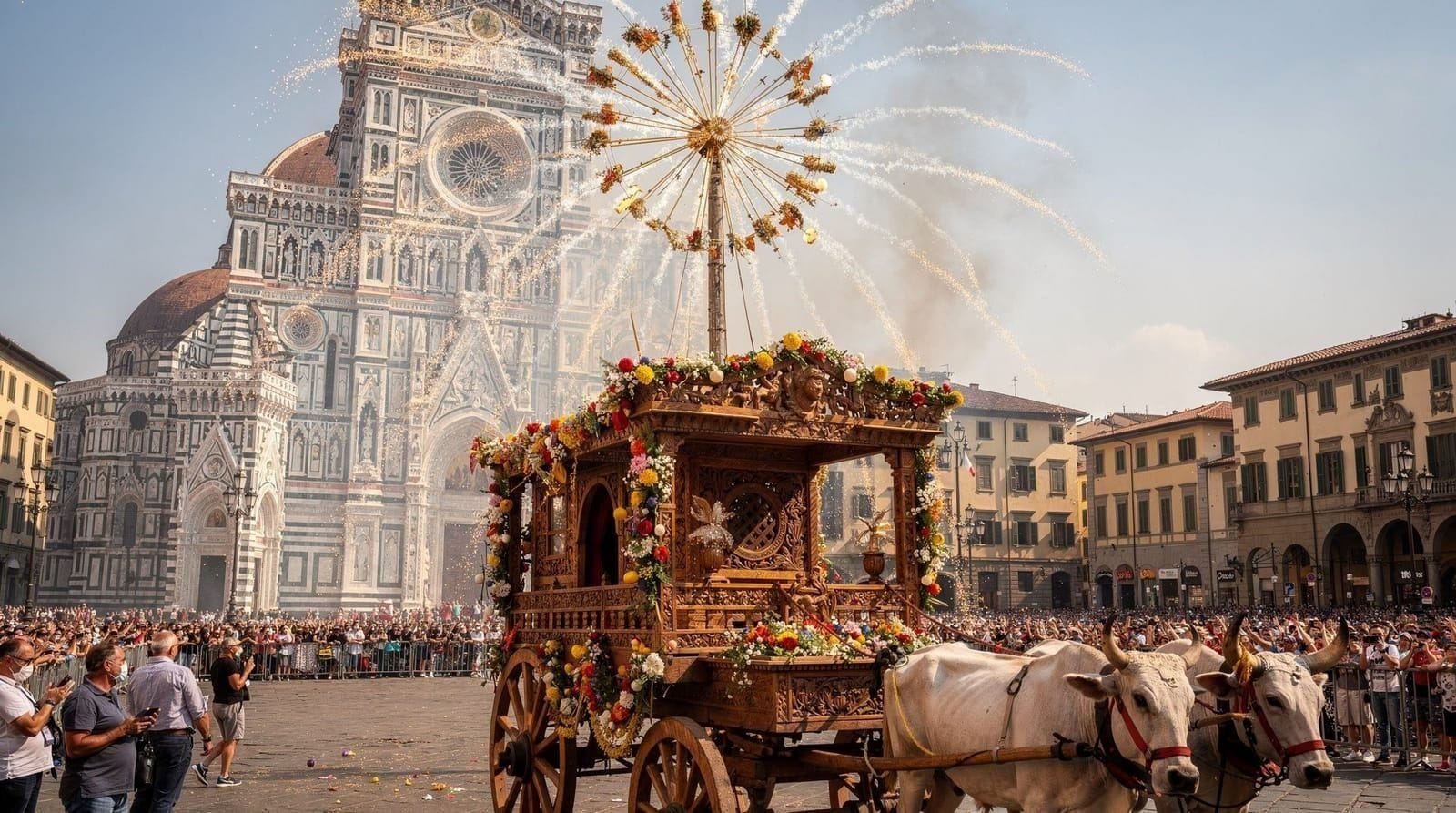
Why September is the best month to visit Florence
The transformation happens almost overnight
There is a specific date in early September — it changes slightly year to year, but it tends to fall in the first week — when Florence stops being August Florence and becomes September Florence. The shift is not just meteorological, though the temperatures do drop noticeably from the 33°C peak of July. It’s behavioural. The Florentines who fled the city for the coast in August come back. The restaurants that were running minimum-service tourist menus for whoever walked through the door start running proper menus again. The bars that were somehow inadequate even when they were technically open begin operating at full capacity.
I have been to Florence in every month of the year at least once. September is when I recommend people go. Here is why.
| Weather | Around 20–26°C daytime, 14–17°C evenings |
| Crowds | Noticeably lighter than June–August, especially after week one |
| Hotel prices | Roughly €130–170 for a 3-star vs €200–250 in July |
| Harvest | Chianti vendemmia runs mid-September through October |
| Booking | Uffizi/Accademia still need advance booking any month |
The crowd situation is genuinely better
Florence in July and August is not comfortable. The historic centre — the piazza della Signoria, the street between the Accademia and the Duomo, the Ponte Vecchio, the narrow streets of the Oltrarno — holds the same volume of architecture and history that it holds in September, but it has to accommodate significantly more people. The queues at the Uffizi and Accademia are longer (though they are always long without pre-booking), the restaurants are more frantic, and the sense of the city as a living place — rather than a backdrop for tourism — is harder to perceive.
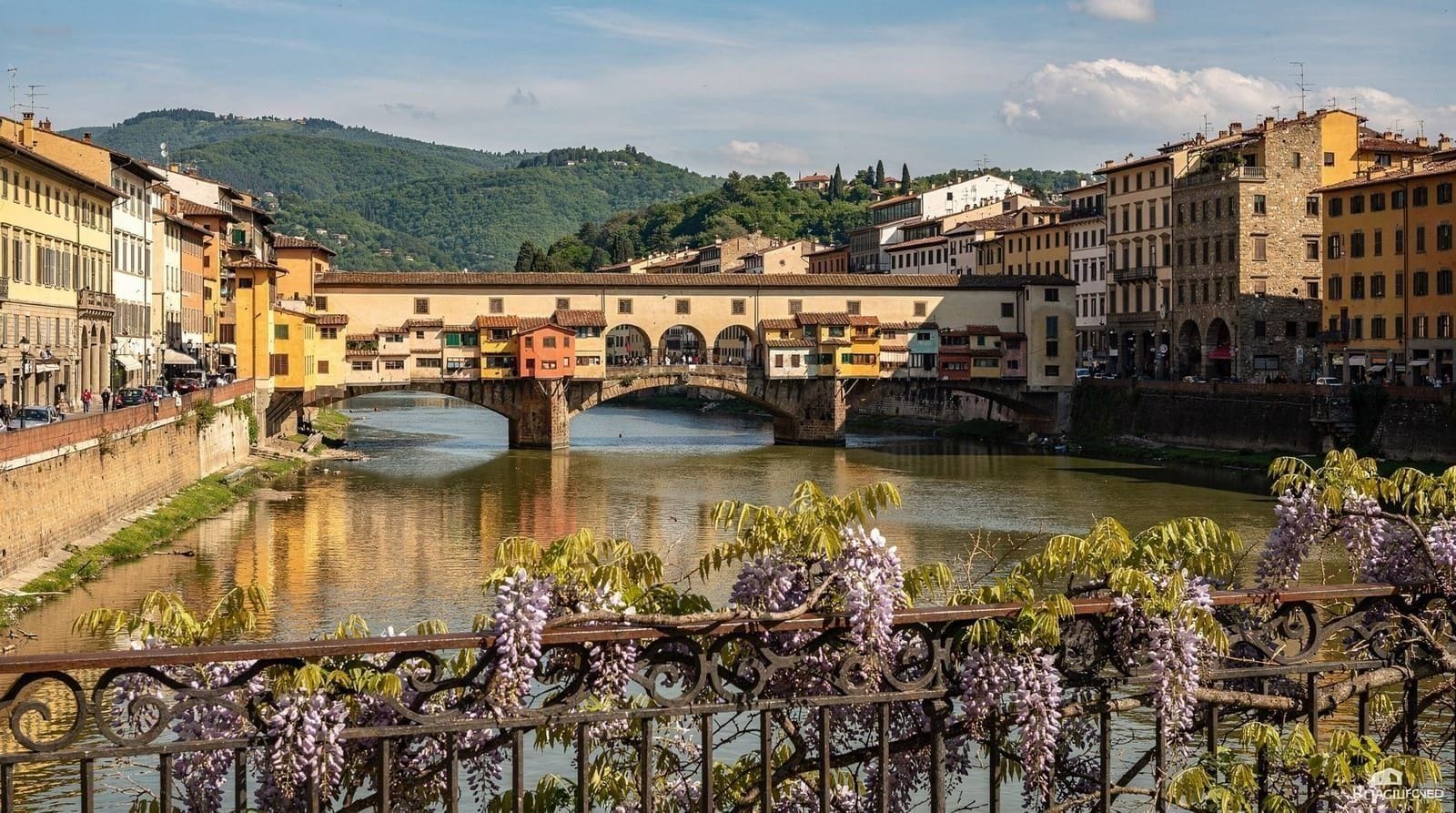
September is not empty. Florence is never empty in the traditional sense. But the volume drops from crushing to manageable. You can walk across the Ponte Vecchio without having to make constant adjustments for oncoming human traffic. You can find a table at a restaurant you want to eat at without a 45-minute wait. The piazzas, on a weekday morning, have people in them but not too many people.
This matters more than it might sound. Florence is a city you experience by wandering, and wandering in a crowd is different from wandering without one. The attention you give to things — a medieval palazzo facade, the view from a bridge, the smell of a leather workshop — depends on having some cognitive space available. August doesn’t provide much of this. September provides more.
The light in September is genuinely different
Photographers who work in Florence know this: the late-September light has a quality that the summer light doesn’t. The sun is lower on the horizon. The shadows are longer. The golden tone on the city’s terracotta — the particular orange-red of Florentine roofs and building facades — is warmer and more saturated in the oblique afternoon light than it is under the flat overhead sun of July.
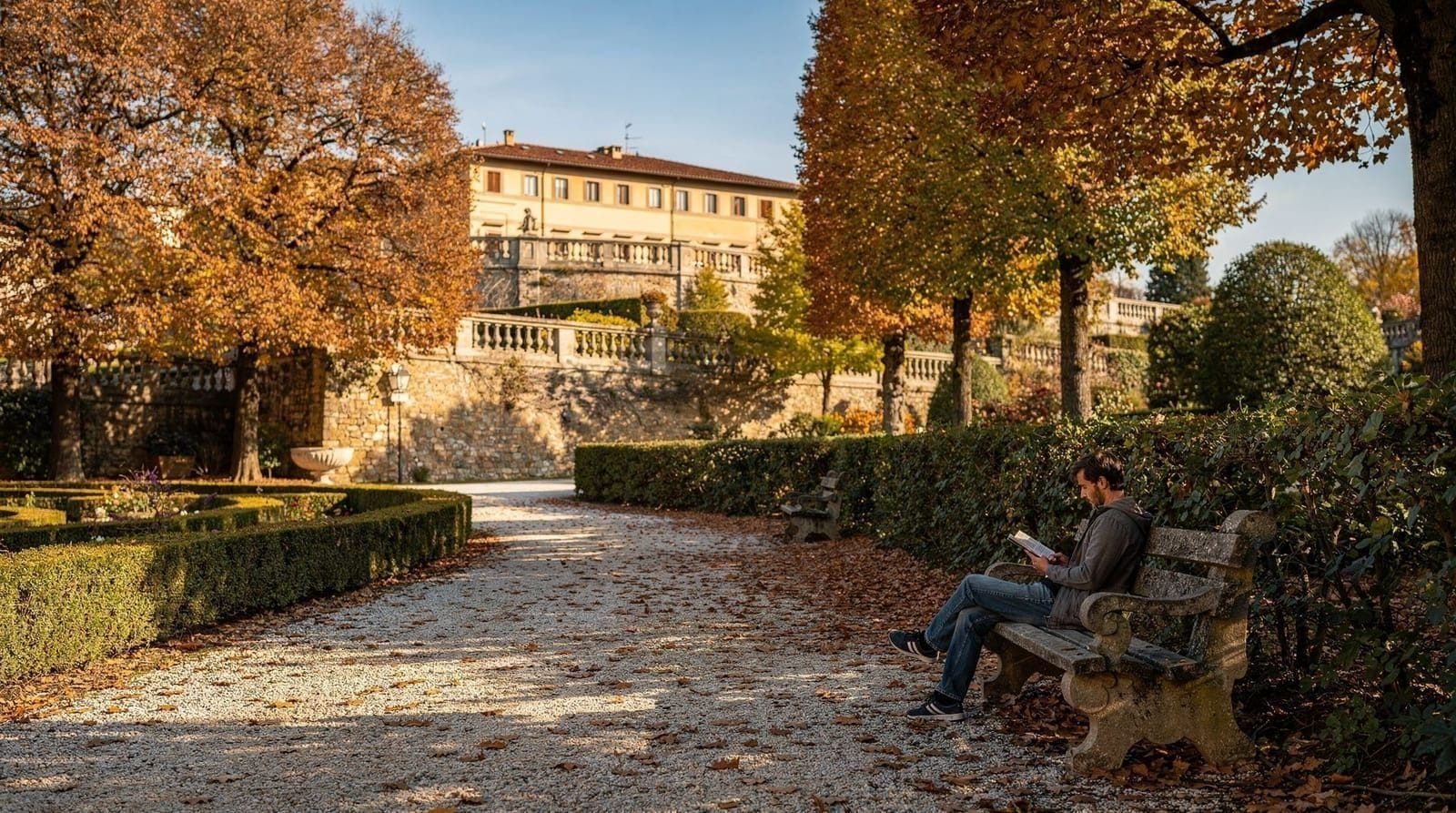
The effect is most pronounced in the late afternoon and early evening: from about 5 p.m. onward, the city glows in a way that is technically definable (angle of incidence, scattering characteristics of low-humidity air, etc.) but feels like something more. This is part of why September in Tuscany has a reputation in landscape painting that it doesn’t quite have in summer.
For photographers: the best photo spots in Florence guide and the Florence viewpoints guide both note the autumn light as optimal for the city’s most photographed locations.
The harvest: Chianti in September and October
The Chianti harvest — the vendemmia — runs from mid-September through October, depending on the year and the specific zone. In the Chianti Classico zone, Sangiovese tends to be picked later than the Merlot and Cabernet used in some of the estates’ secondary wines; the main harvest often falls in the last two weeks of September or the first week of October.
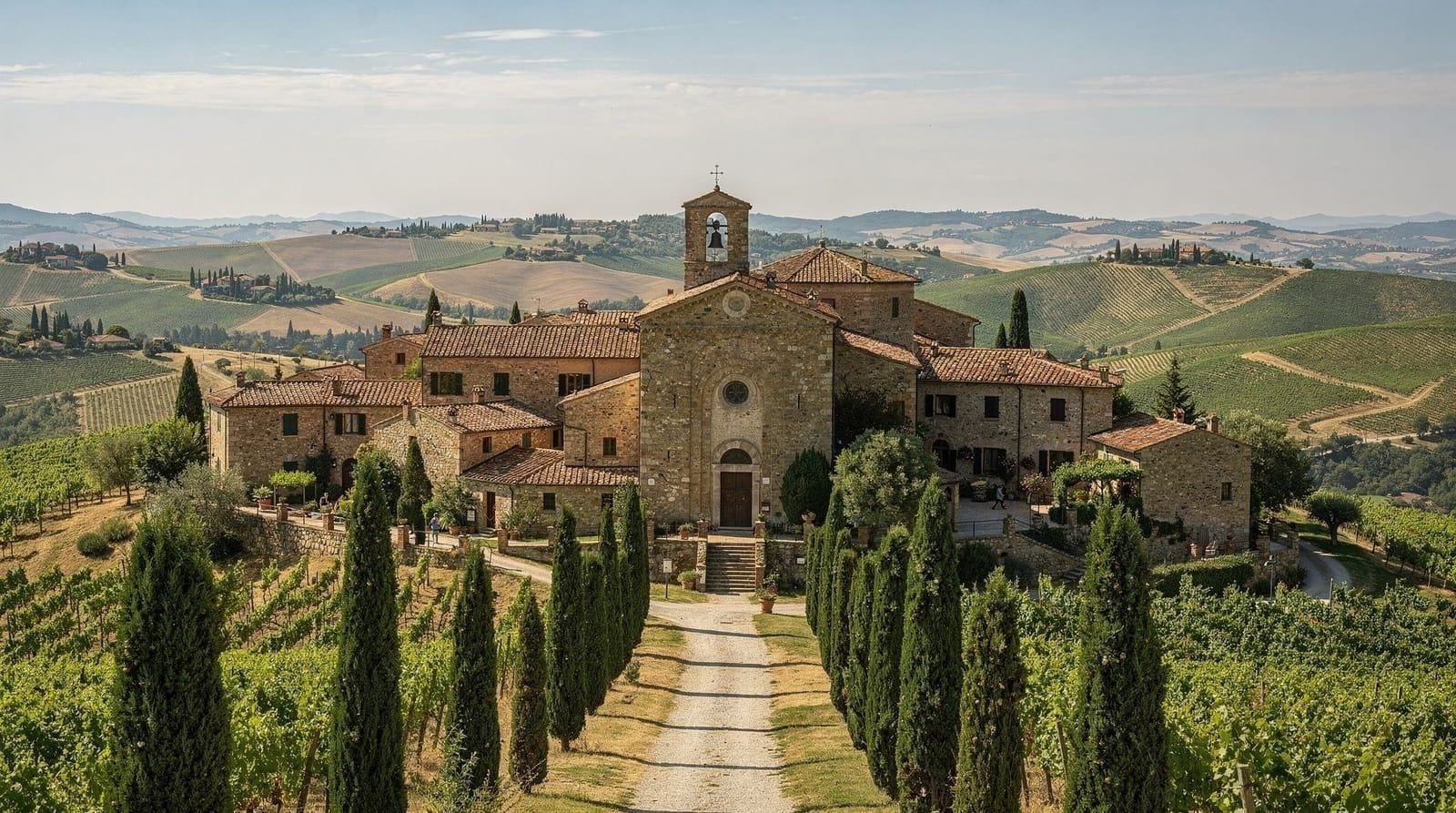
Visiting the Chianti during the harvest is a different experience from visiting at any other time. The tractors are on the roads. Pickers work the rows from early morning. The smell of fermenting grapes drifts from the wineries. The farmhouses that serve as restaurants and guesthouses are at their most alive.
Many wineries in Chianti Classico welcome visitors during the harvest, though the cellar teams are preoccupied and the full tourist experience is not the priority. The better approach is to pre-book a harvest-season tasting at a producer that does this well — those with proper tasting rooms and staff dedicated to visitors rather than just the cellar operation.
The Chianti day trip guide and the chianti wine guide cover the practical logistics. For olive oil: the pressing typically begins in late October and runs through November, so September is just before this — but some estates have early pickings that visitors can observe.
Prices are lower in September than July or August
This is a structural fact about Florence accommodation that doesn’t get enough emphasis. The high season for tourist pricing in Florence runs roughly June through mid-September, with July and August at the absolute peak. Late September and October are considerably cheaper.
The difference: a 3-star hotel in the centre that costs €200–250 per room in July may cost €130–170 in late September. Hostels that were fully booked weeks in advance in August have availability in September. Restaurants running tourist-maximum menus in July return to prix-fixe or regular menus (often with better value) in September.
Last-minute bookings in September are also more viable than in summer. This matters for the spontaneous traveller who doesn’t plan eight weeks ahead. The where to stay in Florence guide covers the neighbourhood options with seasonal price context.
The weather is warm but no longer punishing
July and August in Florence average 28–33°C with spikes above 35°C. The city is dense stone and brick with narrow streets that trap heat; there is often a heavy urban warmth by midday that makes outdoor sightseeing genuinely uncomfortable, particularly for those not acclimatised to Mediterranean summers.
September averages 20–26°C in the daytime, dropping to 14–17°C in the evenings. This is warm enough for outdoor eating, comfortable enough for sustained walking, and cool enough that a museum visit feels like a pleasure rather than a relief from the heat. The evenings become genuinely pleasant rather than humid and close.
Late September can bring the first rain of autumn — heavy, fast showers that clear in an hour and leave the streets clean and the light sharpened afterward. The rainy day guide covers what to do if the weather closes in; in September, rain tends to be brief enough that indoor alternatives are usually unnecessary.
The Florentines are back
Florence in August is a city of tourists and skeleton-crew businesses. Many of the better restaurants close for two to four weeks around Ferragosto (August 15), the main Italian national holiday. The city’s own residents, who have better options, go to the sea or the mountains. The city that remains is a tourist-facing operation staffed by people who are working rather than living there.
In September, the Florentines return. The neighbourhood bars fill up with regulars again. The residents of the Oltrarno sit outside in the evenings. The better restaurants that were closed reopen with the energy of people who’ve had a holiday and want to cook again. The city functions like a city rather than a museum.
This is subtle but real. The energy of a place where locals are present is different from the energy of a place where locals have temporarily left. Florence at its best is a city of considerable culture, taste, and history that happens to be visited by a large number of tourists. Florence in August can feel like it’s running the other way around.
Florence events in September
The Florence events calendar guide covers the annual programme. In September, specific things worth knowing:
Estate Fiesolana: An open-air arts festival running through summer in the Roman amphitheatre at Fiesole, above Florence. The September programme includes concerts, theatre, and film events with the Florentine skyline visible in the distance.
Grape harvests: Various wineries in Chianti, Montespertoli, and the Colli Fiorentini zone offer harvest-participation events — picking grapes for a morning, followed by lunch at the estate. These need advance booking.
White Night (Notte Bianca): Florence has run a September “night of culture” event with museums open late, performances in piazzas, and general city animation. The programme varies by year; check the Florence tourism office (visitflorence.com) for the current year’s calendar.
The comparison: September vs other good months
April and May are also excellent — the other shoulder season. The advantage over September: flowers in Chianti, less autumn rain risk. The disadvantage: crowds can be heavy around Easter, and spring weather is more variable (cold days possible through April).
October is strong but autumnal — some rain, shorter days, but excellent wine and olive oil season and significantly reduced crowds from September.
November is quiet and cheap, with some closures and the first cold. Good for the reflective traveller who doesn’t need warmth or peak-season energy.
The case for September specifically over all of these: it has summer warmth without summer crowds or summer heat, combined with the early benefits of autumn (light, harvest, returning residents) and none of autumn’s risks (sustained rain, early closures, very short days).
| Month | Crowds | Weather | Best for |
|---|---|---|---|
| April–May | Moderate–heavy (Easter) | Warm, variable | Flowers, spring light |
| September | Light–moderate | Warm, stable | The overall best balance |
| October | Light | Cooling, some rain | Wine/olive season, colour |
| November | Very light | Cool, rain likely | Reflective, budget travel |
If you can go once, go in September. The best time to visit Florence guide covers the month-by-month comparison in full detail.
Day trips that work particularly well in September
September’s milder heat makes it a better month than midsummer for day trips that involve walking outdoors for hours. Fiesole, the hill town just above Florence, is a half-day escape with views back over the city and noticeably cooler air at altitude. Siena and San Gimignano both involve a fair amount of walking on stone streets and hills, which is far more comfortable at 24°C than at 34°C. Pisa, largely an outdoor visit centred on the Leaning Tower lawn, benefits the same way. If wine is the goal rather than architecture, September’s harvest timing makes the Chianti day trip especially rewarding — you’ll likely see pickers in the rows rather than just empty vines.
What’s still busy in September
September isn’t a secret month. School groups from around Europe return in the second half of the month, and the Uffizi and Accademia remain fully booked-out well in advance on many days — the reduction in crowds is real but shouldn’t be mistaken for an empty city. Popular restaurants without reservations, especially in the Oltrarno and around the Duomo, still fill up on weekend evenings. Booking key museum slots and any sought-after dinner reservations a few weeks ahead is still sensible, even though the desperation of August booking pressure has eased.
Frequently asked questions about September in Florence
Is September crowded in Florence?
Less crowded than June, July, and August. More crowded than November, January, or February. September represents a genuine reduction in visitor volume compared to peak summer, particularly after the first week when the school-year audience in European countries returns home.
What should I pack for September in Florence?
Daytime in early September: summer clothes, sun protection. Evenings in late September: a light jacket or cardigan. The temperature swing between noon and 10 p.m. can be 10°C, and Florence’s stone streets and buildings can feel cool in the evening wind. Walking shoes are more important than fashionable ones — the cobblestones are relentless.
Are museums less crowded in September?
Moderately. The Uffizi and Accademia still require advance booking regardless of month. But the walk-in queues for those who haven’t booked are shorter than in August, and less-visited museums like the Bargello and the Museo di San Marco are noticeably quieter.
Is it warm enough to sit outside in September?
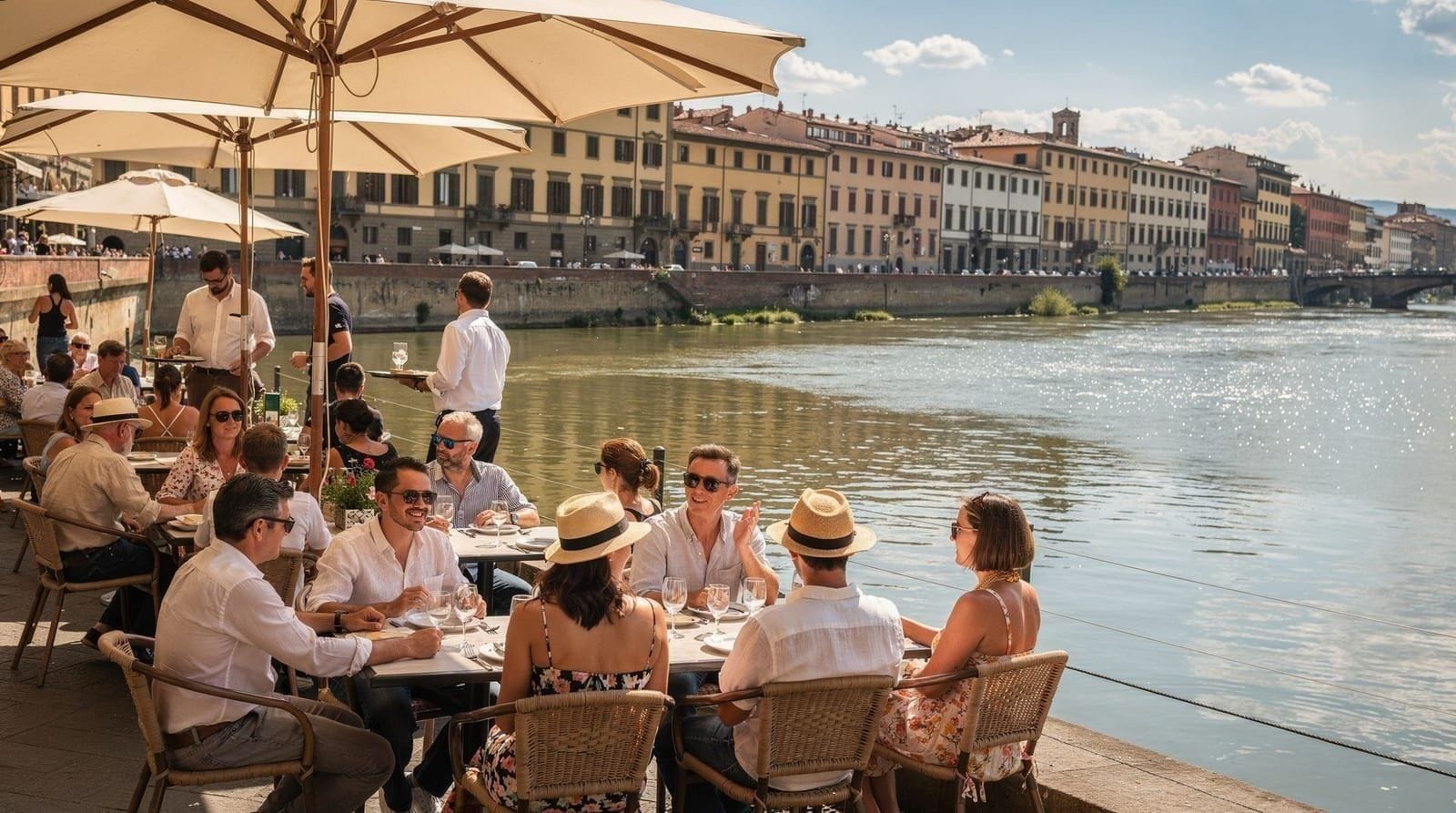
Yes — September evenings in Florence are warm enough for outdoor dining in most years, particularly through mid-October. The piazzas fill with people in the early evening in a way that reflects the pleasant temperature rather than the obligation to be outside before the heat arrives.
Is September a good time for a Tuscany day trip?
Yes, arguably the best window of the year for it. Temperatures are comfortable for walking around hill towns like Siena or San Gimignano, and if the trip includes wine, the harvest is either underway or about to start in Chianti, adding genuine activity to a vineyard visit that’s absent most of the year.
Should I book restaurants in advance in September?
For the well-known or highly rated places, yes — a same-day or next-day booking is often enough, unlike peak August when weeks-ahead planning matters more. Smaller neighbourhood trattorias, especially away from the main tourist routes, can usually take walk-ins even in September.