Chianti wine weekend
Florence: Chianti wineries tour with wine tasting
- Free cancellation
- Small group
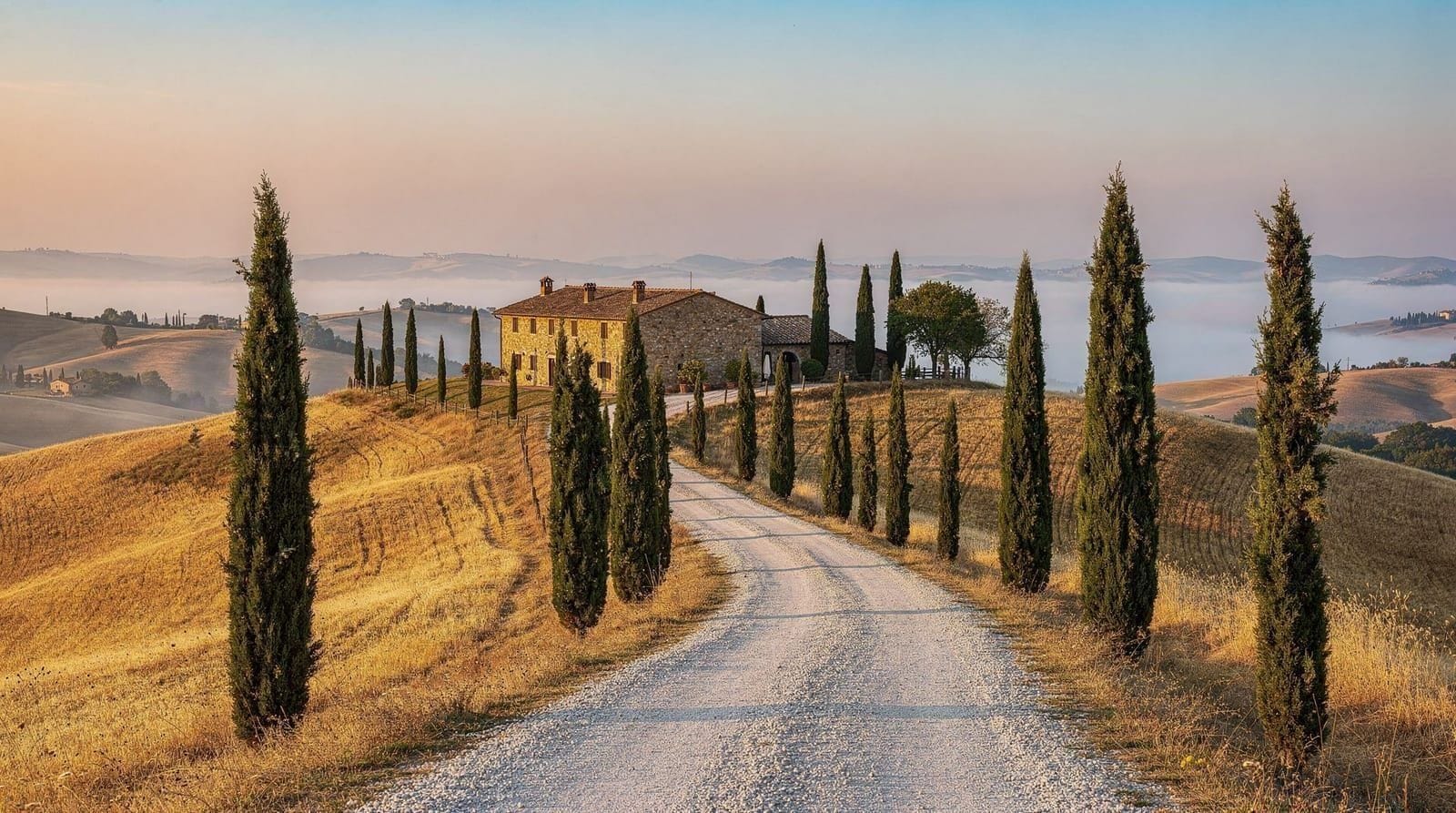
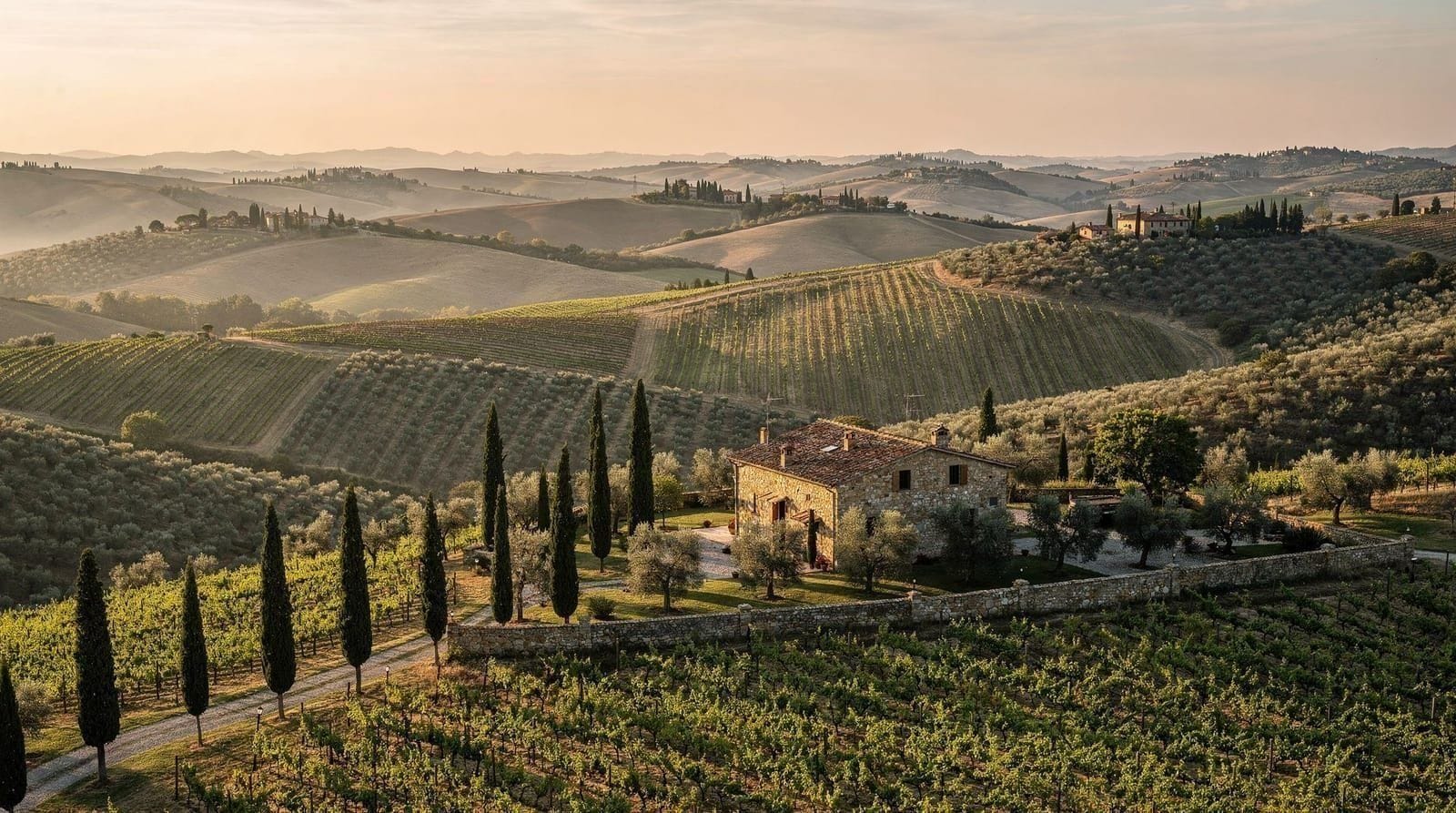
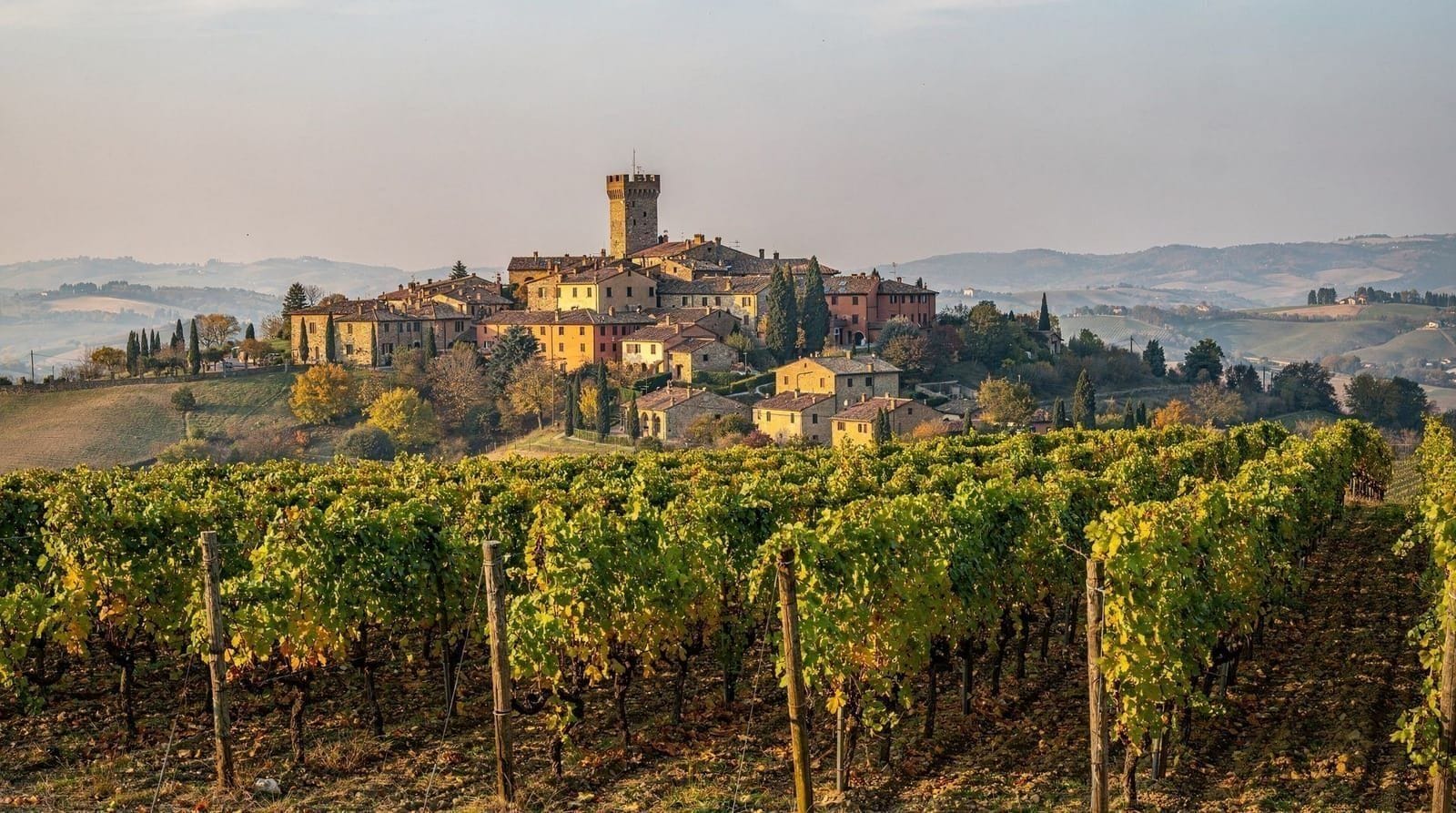
The Chianti wine region sits between Florence and Siena — a mosaic of vineyards, olive groves, cypress allées and medieval villages covering roughly 300 square kilometres. This weekend itinerary uses the Via Chiantigiana (SR222) as its spine, the historic wine road that links Greve in Chianti, Panzano, Castellina, Radda and Gaiole. A car is essential.
Budget estimate: €180–280 per person for two days: accommodation €80–160/night (agriturismo), winery tastings €15–40 per session, lunch €20–30, dinner €35–55. Wine purchases are your own project.
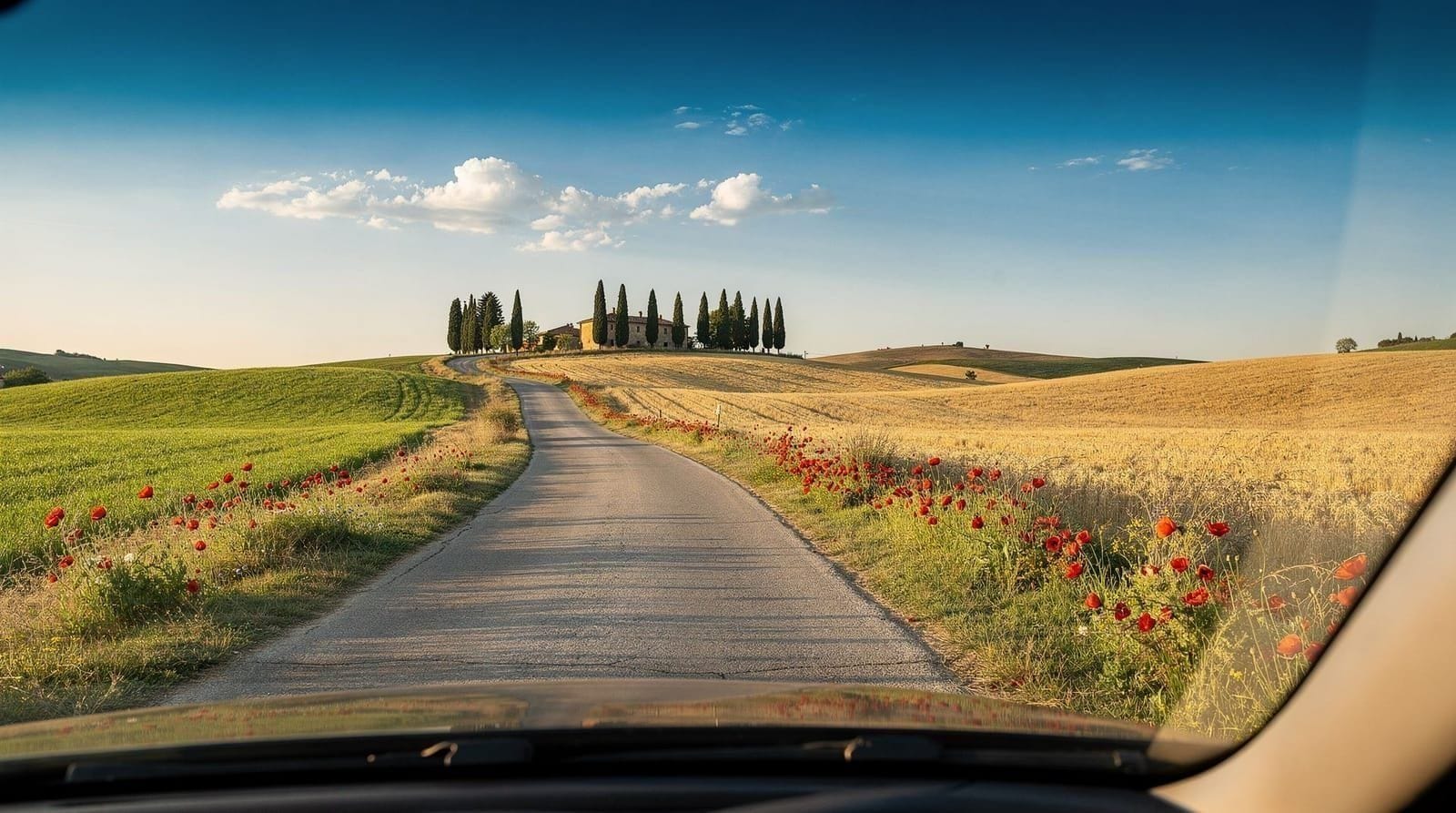
Car hire: Pick up in Florence (Santa Maria Novella or FLR airport). Do not drive into the Florence ZTL. Park outside the historic centre and take the tram or a taxi in. Head south on the SR222 on Saturday morning.
Chianti weekend at a glance
| Where | Chianti Classico zone, between Florence and Siena |
| Cost | €180–280 per person for two days, incl. lodging and tastings |
| Time needed | 2 days minimum; 3 if adding Siena |
| Getting there | Car essential — SR222 south from Florence, ~45 min to Greve |
| Best time | September–October (harvest) or May–June (wildflowers) |
| No car? | See our Chianti day trip guide for organised minibus tours |
If you would rather not drive at all, skip ahead to the no-car alternative in the FAQ below — a guided Chianti day trip from Florence covers the same wineries without the logistics.
Day 1: The Chianti Classico heartland — north route
Morning: Greve in Chianti (10:00–12:00)
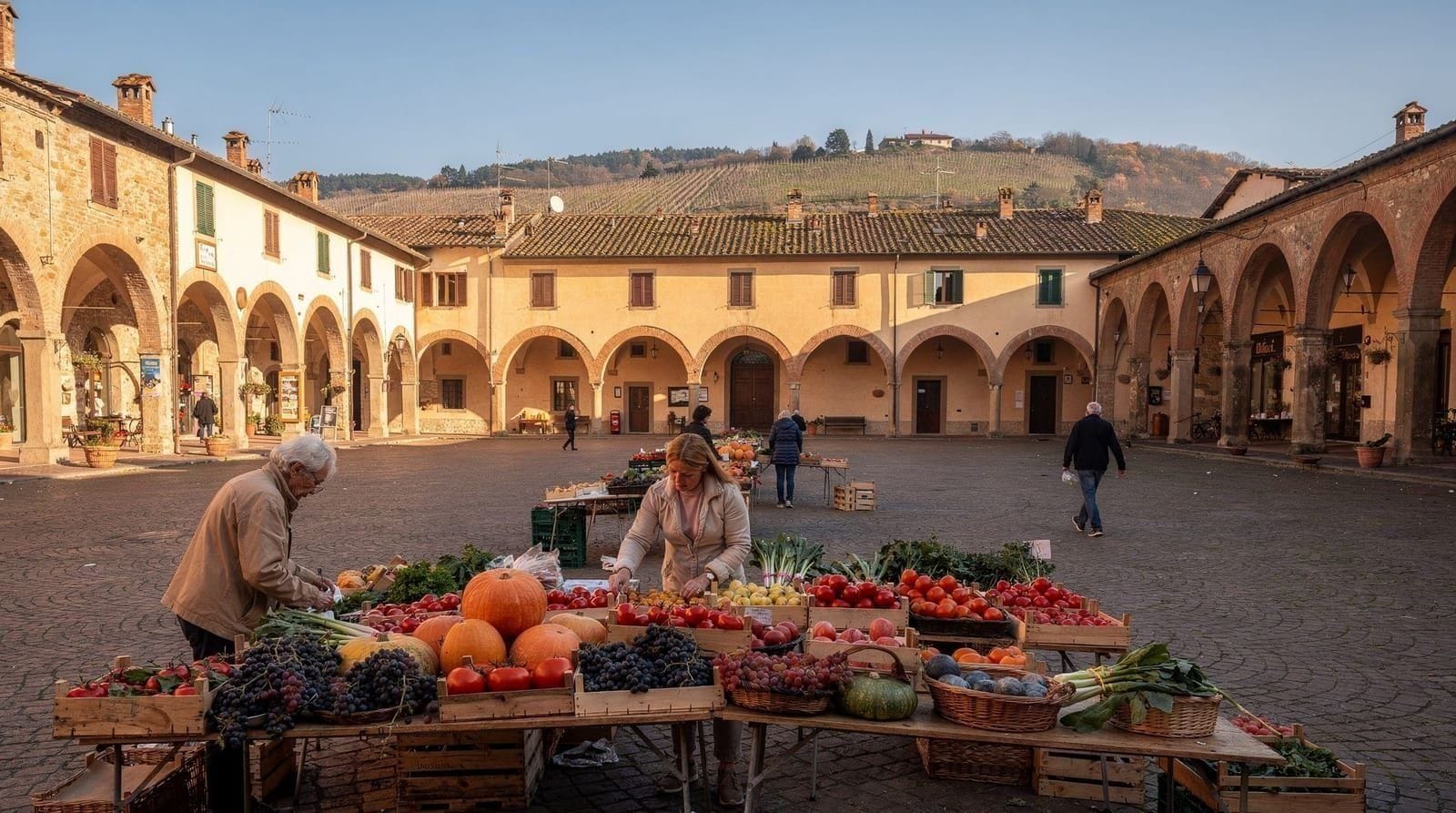
Greve in Chianti is the unofficial capital of the region — 45 minutes by car from Florence (37 km south on the SR222). The triangular Piazza Giacomo Matteotti is lined with arcaded buildings housing wine shops, butchers and deli counters.
What to do in Greve:
- Enoteca del Chianti Classico (Piazzetta Santa Croce 8) — hundreds of Chianti Classico bottles, self-service wine machine for tasting by the glass. An excellent, low-pressure introduction to the appellation.
- Macelleria Falorni (Piazza Giacomo Matteotti 71) — one of the great butcher-deli shops of Tuscany; their finocchiona (fennel salami) and cured meats are excellent
- Wednesday market — if your weekend falls Wednesday, the piazza hosts a small produce market
Chianti Classico basics: The DOCG zone covers vineyards between Florence and Siena; Chianti Classico must be at least 80% Sangiovese. Chianti Classico Riserva requires 24 months ageing; Gran Selezione (the top tier) requires 30 months. The “Gallo Nero” (Black Rooster) on the label marks genuine Classico.
Winery visit 1: Panzano area (12:00–14:30)
Panzano in Chianti, 7 km south of Greve, sits on the Conca d’Oro (Golden Basin) — a south-facing amphitheatre of vineyards considered the finest growing area in the zone.
Best wineries near Panzano:
- Fontodi — one of the top estates in Chianti Classico; Flaccianello della Pieve (single-vineyard Sangiovese) is a benchmark wine. Tasting and cellar tour by appointment only, ~€30.
- Villa Vignamaggio — historic villa (said to be the birthplace of Mona Lisa’s model); wine and garden tours, relaxed atmosphere
- Lamole di Lamole — 700 m elevation; cool-climate, structured wines; tasting terrace with views
Lunch: Most wineries with a tasting appointment offer a light lunch option (charcuterie, cheese, bruschetta, €15–25 per person). Arrange this when booking.
Afternoon: Castellina in Chianti (15:00–17:30)
Castellina in Chianti is 18 km south of Panzano. The medieval town centre has a covered walkway (the Via delle Volte) that runs under the 15th-century fortification walls — one of the most atmospheric streets in the region.
In Castellina:
- Walk the Via delle Volte — medieval tunnel arcade, lit by small square openings
- Enoteca Antiqua (Piazza del Comune) — small wine shop with excellent Chianti Classico selection and knowledgeable service
- The fortress tower (free) gives a good view over the surrounding hills
Winery visit 2: Castellina area
- Rocca delle Macie — large, tourist-friendly estate; cellar tours available without appointment; €15–25 for tasting
- Castello di Fonterutoli — Mazzei family estate producing some of the most consistent Chianti Classico in the region; booking required for tasting
Evening: agriturismo check-in and dinner (18:00)
Book an agriturismo in the Castellina or Radda area for the night — you’ll be deep in the vineyards, with views that turn gold at dusk.
Good agriturismo options:
- Tenuta di Ricavo (Castellina in Chianti) — converted medieval hamlet, pool, exceptional food
- Palazzo Leopoldo (Radda in Chianti) — elegant hilltop manor, excellent restaurant
- Podere Campriano (near Greve) — simpler, excellent value, vine-draped terrace
Dinner:
If your agriturismo includes dinner (many do, at €35–45), take it — the farmhouse cooking is often the highlight of the stay. If dining out:
- Osteria di Casa Chianti (Panzano in Chianti) — excellent local cooking, good value
- Trattoria Bel Vedere (Radda in Chianti) — terrace with valley view, bistecca and pici pasta
Day 2: The eastern Chianti — Radda, Gaiole and Badia a Coltibuono
Morning: Radda in Chianti (9:00–10:30)
Radda in Chianti is 14 km east of Castellina. The village centre (pop. ~1,500) is built on a ridge at 531 m; the 13th-century Palazzo del Podesta dominates the main piazza. Quieter than Greve, excellent for a morning coffee.
Enoteca del Chianti Classico in Radda (Piazza 4 Novembre) sells wines by the glass and provides orientation for the eastern zone.
Mid-morning: Badia a Coltibuono (10:30–13:00)
Drive 12 km east to Badia a Coltibuono — an 11th-century Vallombrosan monastery converted into one of the most celebrated estates in Chianti. The estate produces Chianti Classico and aged olive oil.
The visit:
- Winery tour and tasting (~€20–30, book ahead): the cellar is partly in the medieval abbey buildings; the wines are traditionally structured
- The restaurant on-site serves lunch with estate wine pairings; a full meal runs €45–60 per person and is worth it for the setting alone
- The garden — the original monastery gardens are open to visitors walking the grounds
Afternoon: Gaiole and Brolio Castle (13:30–16:30)
Lunch in Gaiole in Chianti (8 km south):
- Osteria di Badia (Via Strade in Chianti 3) — simple, local, excellent ribollita
After lunch, drive 10 km south to Castello di Brolio — the ancestral home of the Ricasoli family, who created the modern Chianti Classico blend in the 19th century.
The castle and gardens are open for self-guided visits (€8). The enoteca inside the castle sells the full range of Barone Ricasoli wines with tastings. The winery tour (book ahead, €25–35) includes the estate’s history, the historic cellars and a comparative tasting of current vintages.
The view from the castle ramparts over the surrounding Chianti countryside is the best elevated vista in the region.
Departure: return route options (17:00)
Route back to Florence: The SR222 north (the scenic route, 1 hour) or the SR484 east to the Siena autostrada (faster, 45 minutes).
Route to Siena: 20 km south on the SR484, 30 minutes. Siena is worth an evening stopover if your schedule permits (see the Siena day trip guide or the perfect Tuscany week itinerary for Siena details).
If continuing to Val d’Orcia: 65 km further south; see the Val d’Orcia road trip for the continuation.
Day-by-day summary
| Day | Morning | Afternoon | Evening |
|---|---|---|---|
| Day 1 | Greve in Chianti market and enoteca | Panzano winery (Fontodi or Vignamaggio) | Castellina in Chianti, agriturismo dinner |
| Day 2 | Radda in Chianti, Badia a Coltibuono | Gaiole and Castello di Brolio | Return to Florence or on to Siena |
Choosing a home base for the weekend
Most visitors base themselves in Florence and drive out both days, but staying overnight inside the Chianti Classico zone changes the trip entirely — you get the vineyards at dawn and dusk, when the light is best and the day-tripper minibuses have gone home. Greve in Chianti is the practical choice: central, well-connected to the SR222 in both directions, with the widest choice of agriturismi and restaurants. Castellina or Radda suit a quieter, more rural base, closer to the eastern wineries on Day 2. Panzano is smaller again but sits on the Conca d’Oro, arguably the most scenic stretch of the whole route.
Whichever village you choose, book the agriturismo well ahead for September–October weekends — harvest season fills the good addresses two to three months out. If you would rather not commit to a full weekend away from Florence, our Chianti day trip guide covers half- and full-day organised alternatives that need no overnight stay and no car.
Combining the weekend with a longer Tuscany trip
A Chianti wine weekend slots naturally into a longer itinerary. Drivers continuing south can extend directly into the Val d’Orcia road trip (about 65 km further) or loop back through Siena using the guide above. If you are building a full week around Florence and the countryside, the perfect Tuscany week itinerary uses this same Chianti route as its opening two days before continuing to Montalcino and Pienza. For visitors without a car who still want the wine-country flavour from a Florence base, the Florence food and wine 3-day itinerary folds a half-day Chianti tasting into a city-based trip.
Chianti wine essentials
What to drink
Chianti Classico is the core: 80–100% Sangiovese, cherry and earth flavours, high acidity that cuts through fatty Florentine cooking. Look for:
- Fonterutoli, Felsina, Isole e Olena, Riecine (mid-range; €15–25)
- Fontodi Flaccianello, Montevertine Le Pergole Torte (serious; €40–80+)
Chianti Classico Riserva: same zone, minimum 24 months ageing; more structured, more expensive.
Super Tuscans: blends with Cabernet Sauvignon or Merlot not eligible for Chianti DOC status; Sassicaia (coastal), Tignanello (Antinori estate near Greve) are the most famous. Higher prices, different character.
Vin Santo: the amber dessert wine made from air-dried Trebbiano and Malvasia grapes; served with cantucci biscuits for dunking. Every winery makes it; quality varies from honeyed to extraordinary.
What to eat with it
- Bistecca alla Fiorentina — the 35-day aged T-bone from Chianina cattle; cooked rare, priced by weight (~€5 per 100g)
- Pici al ragù — thick hand-rolled pasta with slow-cooked meat sauce; the classic Chianti lunch
- Ribollita — Tuscan bean and bread soup; excellent with young Chianti Classico
- Finocchiona — fennel salami from the Greve butchers; eat with unsalted Tuscan bread
- Pecorino stagionato — aged sheep’s milk cheese, hard and sharp; excellent with Riserva
Frequently asked questions about this itinerary
Do I need to book wineries in advance?
Yes, for estate winery tours with a cellar visit. Many top estates (Fontodi, Badia a Coltibuono, Castello di Brolio) require appointment-only visits. Book directly by email 1–2 weeks ahead in shoulder season, 3–4 weeks in April–May. Walk-in tastings are possible at the enoteca shops in Greve and Castellina.
Is there public transport in Chianti?
Limited. SITA buses connect Florence to Greve in Chianti (1 hour), and some villages further south. But winery visits and the SR222 scenic route are impractical without a car. Some operators run organised Chianti wine tours from Florence with minibus transport — see our Chianti day trip guide for details.
When is the best time for a Chianti wine weekend?
September–October is ideal: harvest season, the vineyards are heavy with fruit, the light is golden and many estates hold harvest festivals (vendemmia). May–June is the second-best choice — wildflowers, cooler temperatures. Avoid August: many small family wineries close for part of the month, and the heat makes the midday wine tastings challenging.
How many wineries should I visit in two days?
Two per day is comfortable (morning and afternoon). Three is possible but becomes a marathon. Chianti wine is high in acidity and alcohol — pacing matters. Always eat before or during tastings, and drink water.
What is the difference between Chianti and Chianti Classico?
Chianti Classico is the historic heartland zone (between Florence and Siena), regulated since 1932, with the Gallo Nero (Black Rooster) on the label. Generic “Chianti” can come from a much wider area covering several provinces of Tuscany, with looser quality requirements. In the Classico zone, the Sangiovese-dominant blends are almost always superior. Our Chianti wine guide explains the appellation system in detail.
Can I do a Chianti weekend without a car?
Not comfortably as written above — the villages and wineries on this route are spread across the SR222 with no useful bus connections between them. Without a car, the better option is an organised day tour from Florence (see the Chianti day trip guide), which handles transport and appointments for you but compresses the trip into a single day rather than a relaxed weekend.
Where should I stay if I want to avoid driving after wine tastings?
Base yourself in the same village where you’re tasting. Greve, Castellina and Radda all have agriturismi within walking distance of at least one enoteca, so you can taste on foot in the evening and save the driving for daylight hours between wineries.
Top experiences
Bookable activities with verified prices and instant confirmation on GetYourGuide.

Florence: Chianti wineries tour with wine tasting
- Free cancellation
- Small group
Florence: Chianti half-day wine tour
- Free cancellation
- Small group
Florence: culinary tour of the Chianti wine region
- Free cancellation
- Small group
Florence: great Chianti wine and olive oil trail with lunch
- Free cancellation
- Small group