10 things I wish I knew before visiting Florence
Nobody warned me the queue for the Uffizi would eat my whole morning
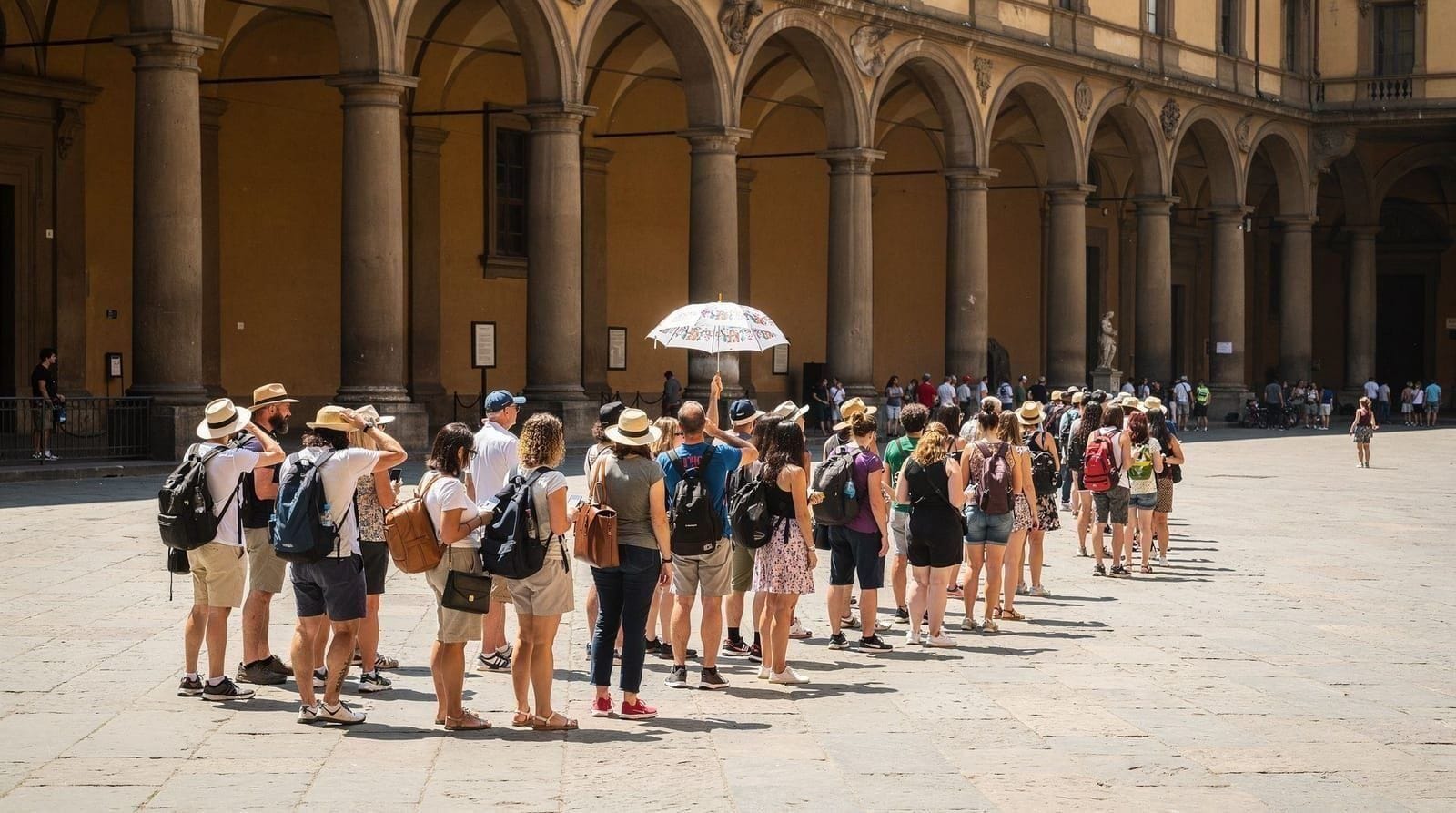
I arrived in Florence on a warm Tuesday in late June, rolling a suitcase across the Ponte Vecchio at 8 a.m., feeling rather pleased with myself. By 10 a.m. I was standing in a queue outside the Uffizi Gallery that stretched back past the Palazzo Vecchio — a full two-hour wait in direct sunlight. I watched a tour group sail past with pre-booked timed-entry tickets and felt the particular humiliation of someone who had read exactly zero travel guides before arriving.
That trip taught me more in four days than years of armchair travel. What follows are the ten things I genuinely wish someone had told me before I showed up.
| Biggest first-timer mistake | Not pre-booking Uffizi/Accademia timed entry |
| Best month | September (warm, thinner crowds, harvest season) |
| Free vs paid | Duomo interior free; dome climb + complex ticket €20 |
| Watch for | ZTL driving fines (€80–335) |
| Days needed | 3 minimum, 4–5 to include a day trip |
1. Book the Uffizi (and the Accademia) weeks in advance — not days
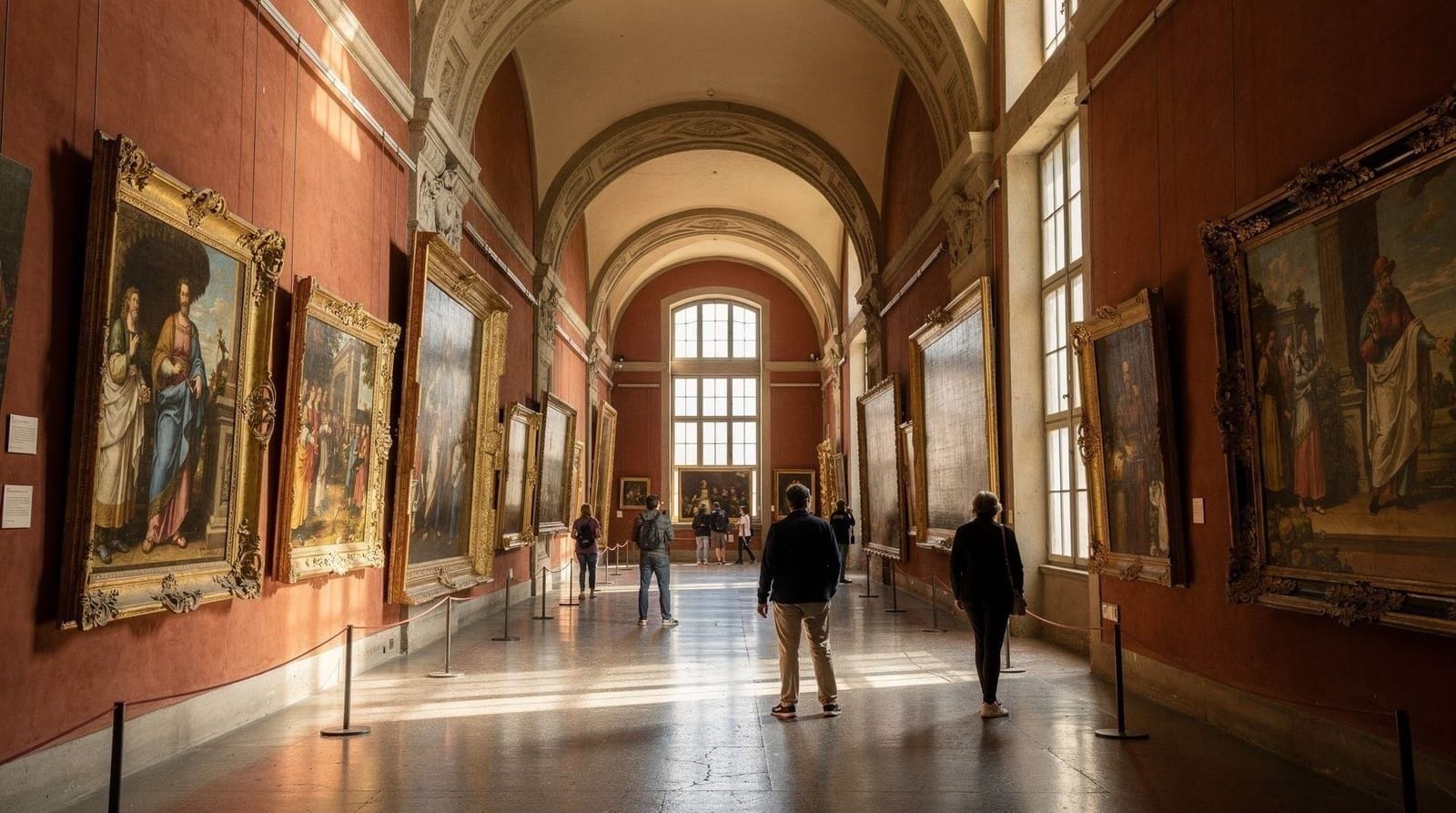
Florence has two unmissable museums: the Uffizi Gallery and the Accademia, home to Michelangelo’s David. Both operate a timed-entry system that fills up fast, especially from April through October. Trying to book the morning of your visit is wishful thinking. Try to book three to four weeks ahead in high season, or at minimum one week out in shoulder months.
Walk-in queues at both museums regularly hit two to three hours in summer. That is time you could spend eating ribollita in a backstreet trattoria or climbing the Duomo dome at dawn. Do not waste it shuffling forward on hot cobblestones.
The official Uffizi booking site is the cheapest option. Third-party guided tours cost more but include a knowledgeable guide who will explain why the Botticelli Primavera makes your brain hurt in the best possible way.
2. The ZTL is real and the fines will follow you home
Florence’s Zona a Traffico Limitato — the restricted traffic zone covering the historic centre — is not a suggestion. It is enforced by a network of cameras, and the fines (€80–335) arrive by post weeks after you’ve forgotten you drove a rental car down Via Tornabuoni at 11 a.m. because your GPS told you to.
The rule is simple: if you’re staying in central Florence, don’t drive in. Take the tram from the airport to Santa Maria Novella station (18 minutes, €1.50), walk, or use taxis from designated ranks. If you genuinely need a car for a Chianti or Val d’Orcia day trip, pick it up and drop it off outside the ZTL zone.
The full guide to Florence’s ZTL covers the boundaries, exceptions, and what to do if you’ve already received a fine.
3. Real gelato looks nothing like the Instagram version
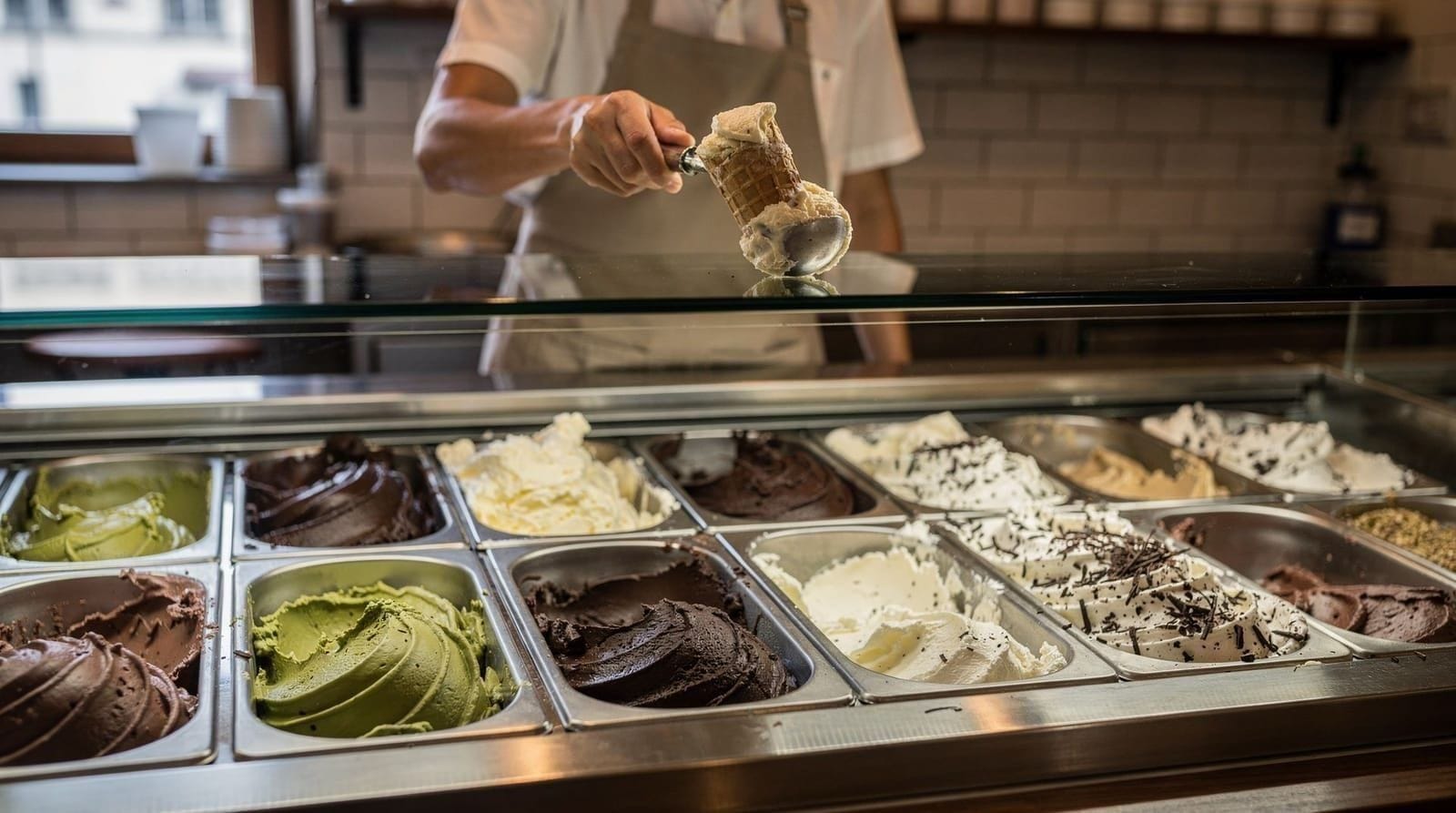
Gelato with towering, vividly coloured mounds piled half a metre high is almost always a tourist trap. Authentic artisan gelato — gelato artigianale — comes in flat metal containers with lids, and the colours are muted: pistachio is a dull sage green, not nuclear lime; hazelnut is the colour of earth, not caramel.
The tell-tale sign of good gelato is the “pozzetti” — the covered metal tubs that keep the gelato at a consistent temperature. If you see it in a glass case, exposed to air and shaped into a tower, keep walking.
The best gelato spots in Florence include Gelateria dei Neri, Gelateria Edoardo near the Duomo (one of the rare exceptions to the glass-case rule — they use quality ingredients), and Gelateria Dei Servi on Via dei Servi. Expect to pay €2–3.50 for a single scoop, slightly more for a cup.
4. September is vastly better than July or August
My first visit was in late June, and it was exhausting. Temperatures hit 33°C by 11 a.m., the museums were packed, and the restaurants near the major sights were running a tourist-menu conveyor belt. I returned three years later in mid-September, and it felt like a different city.
September in Florence brings warm evenings, crowds thinned to a manageable level, lower accommodation rates, and the grape harvest beginning in Chianti. The light is extraordinary — golden and slanted, perfect for photographs. Most Florentines return from August holidays after Ferragosto (15 August), so the city feels alive in a way it doesn’t when they’ve all fled.
If you’re locked into summer, late May is still acceptable. July and August are survivable with an early-bird strategy: at the Uffizi by 9 a.m., exploring shaded neighborhoods like the Oltrarno in the afternoon.
5. The Duomo is free to enter — the dome costs €20
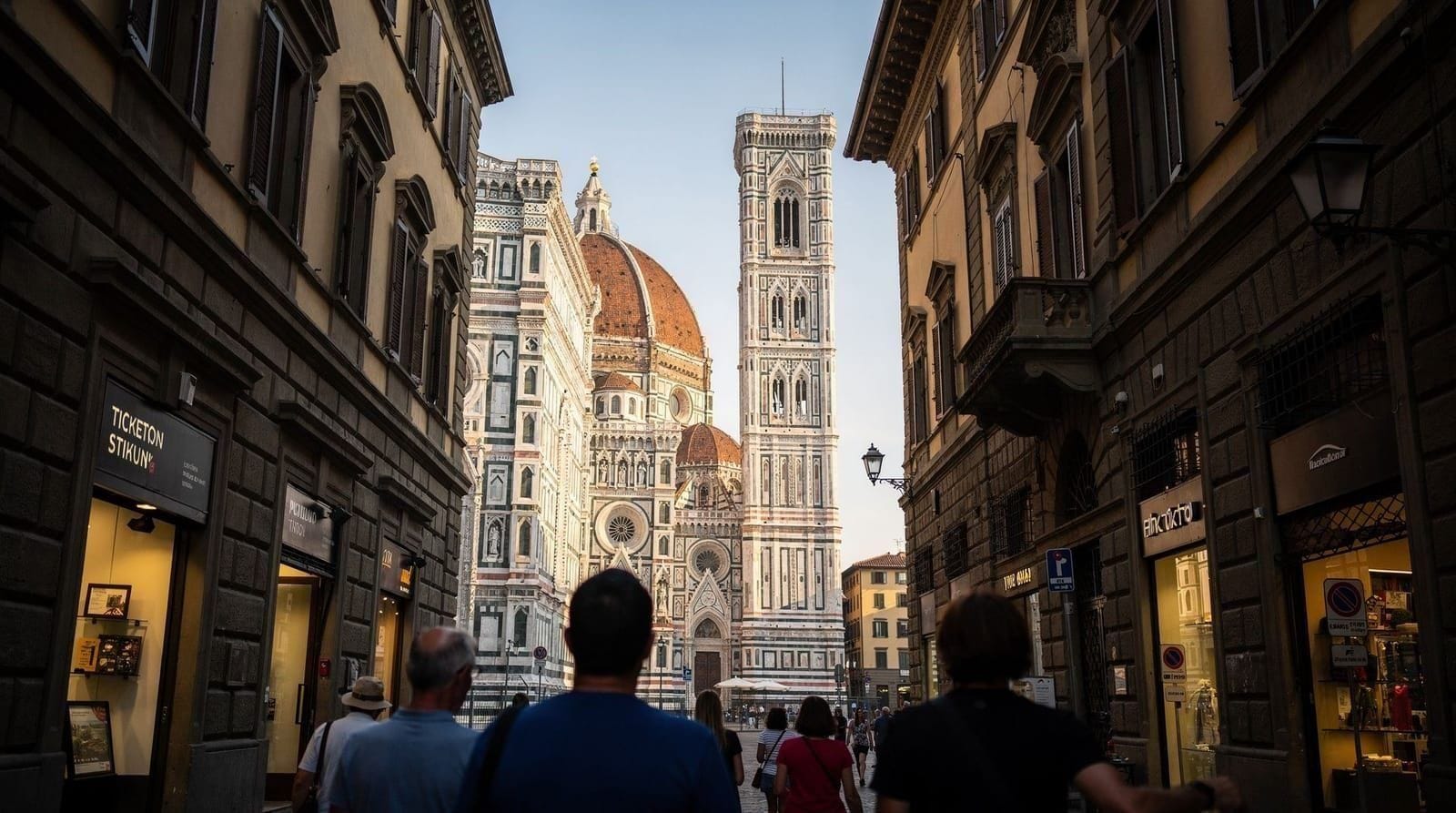
This surprises a lot of people. The Cathedral of Santa Maria del Fiore — the Duomo itself — has free admission. You can walk in, look up at Vasari’s fresco of The Last Judgment covering the inside of the dome, and feel appropriately overwhelmed at no cost.
What costs money is climbing the dome (Brunelleschi’s engineering marvel, 463 steps, extraordinary views) and the bell tower, the Baptistery, the Crypt, and the Opera del Duomo museum. These are all covered by the Duomo complex ticket, which costs €20 and is valid for 72 hours across all seven sites.
Book the dome climb online. Timed slots sell out, especially for the 9 a.m. slot when the stone is still cool. The climb is steep and tight in places, but the view over Florence’s terracotta rooftops is the best in the city.
6. Lunch, not dinner, is when the good trattorias shine
Many of the best Florentine trattorias operate a proper lunch service that is significantly better value than dinner. Buca Mario (Florence’s oldest restaurant, founded 1886), Trattoria Sostanza, and many of the family-run spots in the Oltrarno and Sant’Ambrogio neighborhoods offer a two-course lunch with wine for €15–20 per person at midday, then double the price in the evening.
The Florentine lunch break — roughly 12:30 to 2:30 p.m. — is real. If you arrive at 1:30 p.m. without a reservation at a popular trattoria, you may find yourself turned away. Book ahead or arrive right at noon.
The best restaurants in Florence guide covers everything from raw market stalls at Mercato Centrale to white-tablecloth classics.
7. The Oltrarno neighbourhood is where Florentines actually live
The south bank of the Arno — the Oltrarno — is the antidote to tourist overload. Cross the Ponte Vecchio (or any of the other bridges) and you step into a neighbourhood of artisan workshops, neighbourhood cafés, and restaurants without multilingual menus propped outside.
Piazza Santo Spirito has a small weekday market and a church designed by Brunelleschi that is almost always empty. The Pitti Palace and Boboli Gardens are here too — grand and underrated compared to the Uffizi. The streets around Via Maggio and the Borgo San Frediano have antique dealers, leather workshops, and the kind of hardware shops that sell beautiful things you didn’t know you needed.
The Oltrarno neighbourhood guide has a full breakdown of where to eat, drink, and wander.
8. “Skip-the-line” doesn’t always mean what you think
The phrase “skip-the-line” appears on so many booking sites that it has become nearly meaningless. Some products genuinely get you through a separate fast-entry lane in minutes. Others are simply pre-booked tickets that still require you to queue — just in a shorter, dedicated queue. And some third-party sellers charge a 30–40% premium over the official ticket price for the privilege.
The honest guide to skip-the-line tickets in Florence breaks down what actually works: official museum pre-booking, small group guided tours that include entry, and which products are genuinely faster versus which are just expensive.
9. Piazzale Michelangelo at sunset is crowded — but still worth it
Piazzale Michelangelo is the terrace above the south bank of the Arno with the postcard panoramic view of Florence. It is also, at 7 p.m. in July, packed with selfie sticks and tour coaches. Go anyway. The view is genuinely magnificent — the Duomo, Giotto’s campanile, the Arno bending through the city — and even with crowds, there is space to find a corner and appreciate it.
For a better version of the same experience: come just after sunrise, or walk up to San Miniato al Monte above it, where the Gregorian chant from the monks drifts across the cemetery and almost no one goes.
10. Florence rewards the wanderer who gets lost
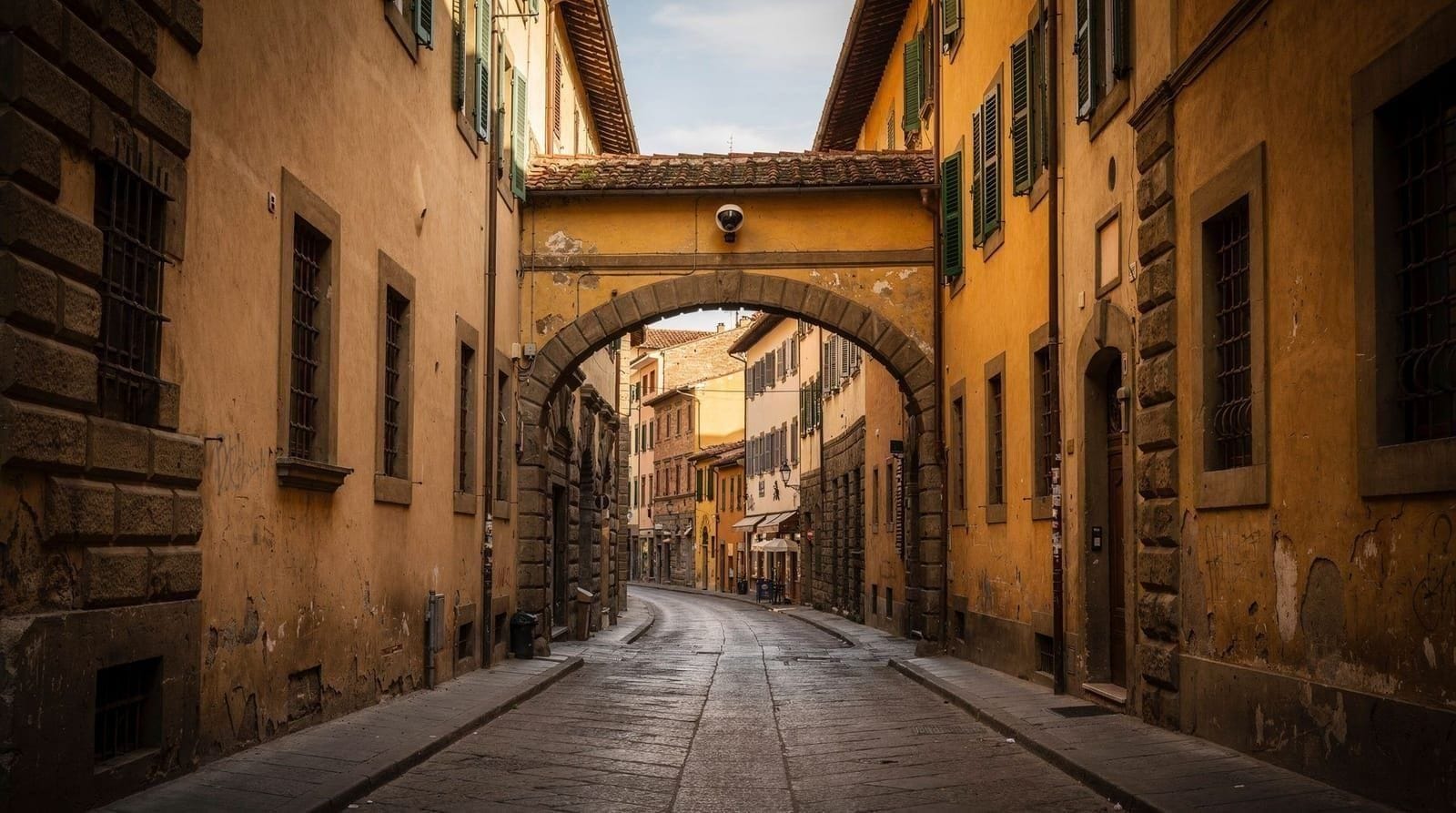
Every guide will tell you to see the Uffizi, the Duomo, the David, and the Ponte Vecchio. They’re right — these things are extraordinary. But the lasting memories of Florence are usually smaller: a fresco discovered through an open church door, a coffee standing at a bar counter for 90 cents, the smell of a leather workshop on a Tuesday morning.
Build white space into your itinerary. Florence’s historic centre is compact — you can walk across it in 25 minutes — and the best things often appear when you’re not looking for them. The first-time Florence guide has a day-by-day structure that still leaves room for this.
11. Pack for cobblestones and church dress codes, not just weather
Two practical details caught me out that first trip. First: Florence’s streets are almost entirely cobblestone or worn stone slabs, uneven in a way that wrecks unsuitable shoes fast — leave the brand-new trainers or thin sandals at home and bring something with real sole support. Second: churches, including the Duomo, enforce a dress code — covered shoulders and knees for everyone, regardless of gender or how hot it is outside. I was turned away from Santa Croce in a sleeveless top and had to buy an overpriced scarf from a street vendor outside. Carry a light scarf or shawl in your day bag from day one; you’ll use it more than once.
Where I’d stay if I were doing it again
My first trip, I booked a hotel near the train station because it looked convenient on a map — it was convenient for arriving, and inconvenient for everything else, a solid twenty-minute walk from the sights I actually wanted. The best areas to stay in Florence guide covers this properly, but the short version: the historic centre (Duomo or San Lorenzo districts) puts you in walking distance of everything at a price premium, while the Oltrarno gives you a quieter, more local base a bridge-crossing away from the sights. Either beats the station area unless your priority is an early train out.
Frequently asked questions about visiting Florence for the first time
How many days do you need in Florence?
Three days is the absolute minimum to see the major highlights without feeling rushed. Four to five days lets you explore the Oltrarno properly and do one day trip — Siena or Chianti. A week allows you to move at a genuinely relaxed pace.
Is Florence expensive?
It depends entirely on how you eat and sleep. A budget traveller can manage on €70–100 per day staying in a hostel or B&B and eating at markets and lunch-only trattorias. Mid-range (3-star hotel, restaurant dinners) runs €150–250 per person per day. The big museum tickets — Uffizi €25, Accademia €20, Duomo complex €20 — are your main fixed costs.
Do you need to speak Italian?
No. Tourist Florence operates in English. But learning four phrases — buongiorno, grazie, per favore, un caffè per favore — will make Florentines visibly warmer towards you. The espresso ordered in Italian from a standing position at a bar counter will taste better than the same coffee ordered by pointing.
When should I avoid Florence?
The two-week window around Ferragosto (roughly August 10–20) sees many local restaurants and shops close. July and August are the hottest and most crowded months. December to February is quiet, cool, and occasionally cold — but also very cheap and uncrowded.
Is it safe to drink the tap water?
Yes. Florence’s tap water is clean and drinkable. Ordering “acqua del sindaco” (the mayor’s water — tap water) is perfectly normal and saves €3–4 per meal.
What’s the single best area to base yourself for a first visit?
For a first trip, the San Lorenzo or Duomo districts put you within walking distance of nearly everything — a real advantage when you’re still learning the city’s layout. The best areas to stay in Florence guide breaks down the trade-offs between central convenience, Oltrarno charm, and quieter residential options further out.
Top experiences
Bookable activities with verified prices and instant confirmation on GetYourGuide.