Florence food and wine: 3-day culinary itinerary
Florence: ultimate food tour — full Tuscan meal with a local
- Free cancellation
- Small group
Florence invented Renaissance painting, but it also invented the modern culinary tradition of Italy. Caterina de’ Medici took Florentine chefs to France in 1533, allegedly introducing the fork, the artichoke and sorbet to the French court. Whether or not that legend is entirely accurate, the Florentine table remains one of the most distinctive in Italy — defined by simplicity, local produce and a refusal to apologise for olive oil, unsalted bread and rough Chianti.
This three-day itinerary structures every day around food and wine: morning markets, midday cooking classes, afternoon wine tastings and evening dinners at the restaurants that actually feed the city, not the tourists. Art visits are woven in lightly — you’re in Florence; skipping the Uffizi entirely would be willful.
Budget estimate: €250–380 per person over three days: cooking class (€70–100), two food tours (€60–80 each), wine tastings (~€25–50 per session), meals (planned into the activities), plus 1–2 additional dinners (€35–60 each). Gelato is a constant and affordable (€3–4 per cone).
Food and wine trip at a glance
| Where | Florence city centre and Oltrarno |
| Cost | €250–380 per person over three days |
| Time needed | 3 days, no car needed |
| Booking ahead | Cooking class and market food tour, especially April–October |
| Best time | Year-round; October–November for new olive oil and truffle season |
Day 1: Markets, street food and the honest Florentine table
Morning: Mercato Centrale and Sant’Ambrogio (8:30–11:00)
Florence has two great food markets. Start at both on Day 1 morning to understand what the city eats.
Mercato Centrale (Piazza del Mercato Centrale, San Lorenzo district): the historic covered market opened in 1874. The ground floor is the honest part — butchers selling lampredotto and tripe, pasta vendors, cheese stalls, vegetable sellers, dried porcini, Pecorino from the Pienza farms, Chianina beef. The upper floor (the 2012 food hall) is better for tourists than for serious eating but convenient.
Specifically: find Nerbone (stall on the west side) — they’ve been selling lampredotto (tripe) sandwiches since 1872. The lampredotto in zimino (abomasum braised with chard) is the classic; get it with salsa verde on the roll. €4–5. If you’re not ready for tripe, the ribollita is also sold as a bowl. Have an espresso at the Nencioni coffee bar inside.
Walk 20 minutes east to Sant’Ambrogio Market (Piazza Lorenzo Ghiberti): smaller, less tourist-oriented, more genuinely neighbourhood. The produce stalls sell seasonal vegetables from the Arno valley farms; the deli counter at Verdi stocks local salumi and cheese; the flower vendors and the fabric stall give it the texture of a real Florentine morning. Open until 14:00 on weekdays.
What to buy: A small wheel of stagionato Pecorino, a 100g wedge of Parmigiano Reggiano 36-mesi, a bag of dried porcini, a jar of local honey. These make excellent return luggage.
Mid-morning: San Lorenzo food tour or self-guided market walk
The organised San Lorenzo market and wine tasting tour (typically 2–3 hours, ~€60–80 per person) takes you through the market with a local guide who knows which vendors to trust, identifies the difference between industrial and artisan products, and ends with a wine tasting. Particularly useful for understanding the food landscape before you spend three days eating in it.
Alternatively, self-guide using our Mercato Centrale guide and Florence food markets guide.
Lunch: Trattoria Mario (12:30)
Trattoria Mario (Via Rosina 2, near Mercato Centrale): cash only, communal tables, no reservations except for large groups. Arrive before 12:30 or expect a wait. The menu changes daily but always includes ribollita, pasta al ragù, roast meats and the Florentine standard of pappa al pomodoro (bread and tomato soup — better than it sounds). Mains €8–12. This is where market workers and San Lorenzo residents eat.
Afternoon: Uffizi (14:00–17:00)
Take 3 hours at the Uffizi — the one museum concession in a food-focused itinerary. The connection is more direct than it sounds: the Medici tables that funded Botticelli and Leonardo also introduced the fork to European dining. And Botticelli’s Primavera is, among other things, a painting about spring produce — orange grove, flowers, the raw materials of the Florentine table.
Exit through Piazza della Signoria.
Evening: gelato and wine tutorial (18:00)
Gelato education: Walk to one of the city’s artisan gelaterie — Gelateria dei Neri (Via dei Neri 20) or Gelateria Badiani (Viale dei Mille 20, slightly further) — and try two flavours side by side. The test for artisan gelato: natural colours, stored in covered pans, served at 10–12°C (not rock solid), and the flavour is forward and clean. Our best gelato in Florence guide explains the artisan vs industrial tells.
Aperitivo: Negroni hour in the Oltrarno. The cocktail was invented in Florence (allegedly at Caffè Casoni, 1919, when Count Camillo Negroni asked the bartender to strengthen his Americano with gin instead of soda). Bar Berto (Via dei Serragli, Oltrarno) makes an excellent version.
Dinner, Day 1: Buca dell’Orafo or Osteria dell’Enoteca
- Buca dell’Orafo (Vicolo dei Girolami 28): ribollita, pappardelle with wild boar, bistecca alla Fiorentina; Chianti Classico; the cooking is straightforward and excellent; mains €16–22
- Osteria dell’Enoteca (Via Romana 70, Oltrarno): if budget allows; the finest Tuscan cooking in Florence; seasonal menu built on local producers; tasting menus €65–85
Day 2: Cooking class, wine tasting and the Oltrarno food scene
Morning: market visit for the cooking class (9:00–10:00)
If your cooking class includes a market visit, this is your morning anchor. Most market-to-table classes start with a 45-minute walk through the San Lorenzo market or Sant’Ambrogio to select the day’s ingredients, then move to the kitchen for 2–3 hours of cooking.
What to look for in a Florence cooking class:
- Small group (maximum 8) rather than demonstration-only format
- Hands-on pasta rolling (not just watching)
- Genuine local instructor (most good schools are family-run)
- Wine included with the meal you prepare
Classes typically cover: fresh pasta (sfoglia, pappardelle or tagliatelle by hand), a meat or vegetable secondo, dessert (tiramisu or cantucci with Vin Santo).
See the best cooking classes in Florence guide for school-by-school comparisons.
Cooking class + lunch (10:00–14:00)
The class produces your lunch. Budget €70–100 per person including market visit, 3-hour class and the meal with wine.
Afternoon free time (14:00–16:00):
After a long cooking class lunch, the Oltrarno is where you want to be. Walk:
- Piazza Santo Spirito (Brunelleschi’s church, the piazza’s afternoon crowd)
- Via dei Serragli south toward Porta Romana — artisan workshops, leather, bookbinding
- Bardini Gardens (Via dei Bardi 1, €7 entry) — quieter than Boboli, wilder, rose terraces in May; a good rest after a big lunch
Afternoon: wine tasting in the city (16:30–18:30)
Florence has several excellent wine education experiences that focus on the Tuscan appellation system rather than just pouring:
Enoteca options:
- Enoteca Alessi (Via dell’Oca 27) — well-organised tasting flights of Chianti Classico at different price points; €20–40 depending on selection; knowledgeable staff
- Coquinarius (Via delle Oche 15, near the Duomo) — wine bar with food; good Tuscan and natural wine selection; by the glass or bottle
- Cantinetta Antinori (Piazza degli Antinori 3) — the Antinori family’s own wine bar, serving Tignanello and their other labels by the glass; more expensive but historically significant
Olive oil tasting: Less common but highly recommended — the Frantoio Franci in Montenero d’Orcia has a representation in Florence; some food tour operators include olive oil alongside wine. New season Tuscan olive oil (November harvest) is extraordinary; the single-varietal Moraiolo and Frantoio oils taste nothing like supermarket product.
Our wine tasting in Florence guide covers the full landscape.
Evening: bistecca alla Fiorentina dinner (19:30)
Day 2 evening is for the definitive Florentine meal: bistecca alla Fiorentina — a T-bone from Chianina cattle (the white oxen of the Arno valley), aged 35+ days, grilled over charcoal at 800°C, served rare (“al sangue”), carved at the table and priced by weight (~€5 per 100g; a portion for two is typically 1.2–1.5 kg).
Rules for ordering: no sauces; no ketchup; no well-done (it destroys the meat); just olive oil, salt and black pepper at the table. Ask for it “al sangue” — the centre should be genuinely red, warm but not cooked through.
Best bistecca restaurants:
- Alla Vecchia Bettola (Viale Ariosto 32, Oltrarno) — the gold standard; serious, no-frills setting; the steak is exceptional; order the ribollita first, then share the bistecca. ~€50–55 for the steak; book ahead.
- Buca Mario (Piazza degli Ottaviani 16) — oldest restaurant in Florence (1886); reliable bistecca and good house Chianti; less atmosphere but consistent
- Il Latini (Via dei Palchetti 6) — communal tables, loud, Chianti Classico in carafes; the bistecca is sold as part of the full menu format; book or queue
After dinner: Negroni at the Oltrarno bar of your choice. The evening is not complete without one.
Day 3: Chianti half-day, artisan food and farewell dinner
Morning: truffle or Chianti half-day experience (9:00–13:00)
Option A: Chianti half-day wine tour
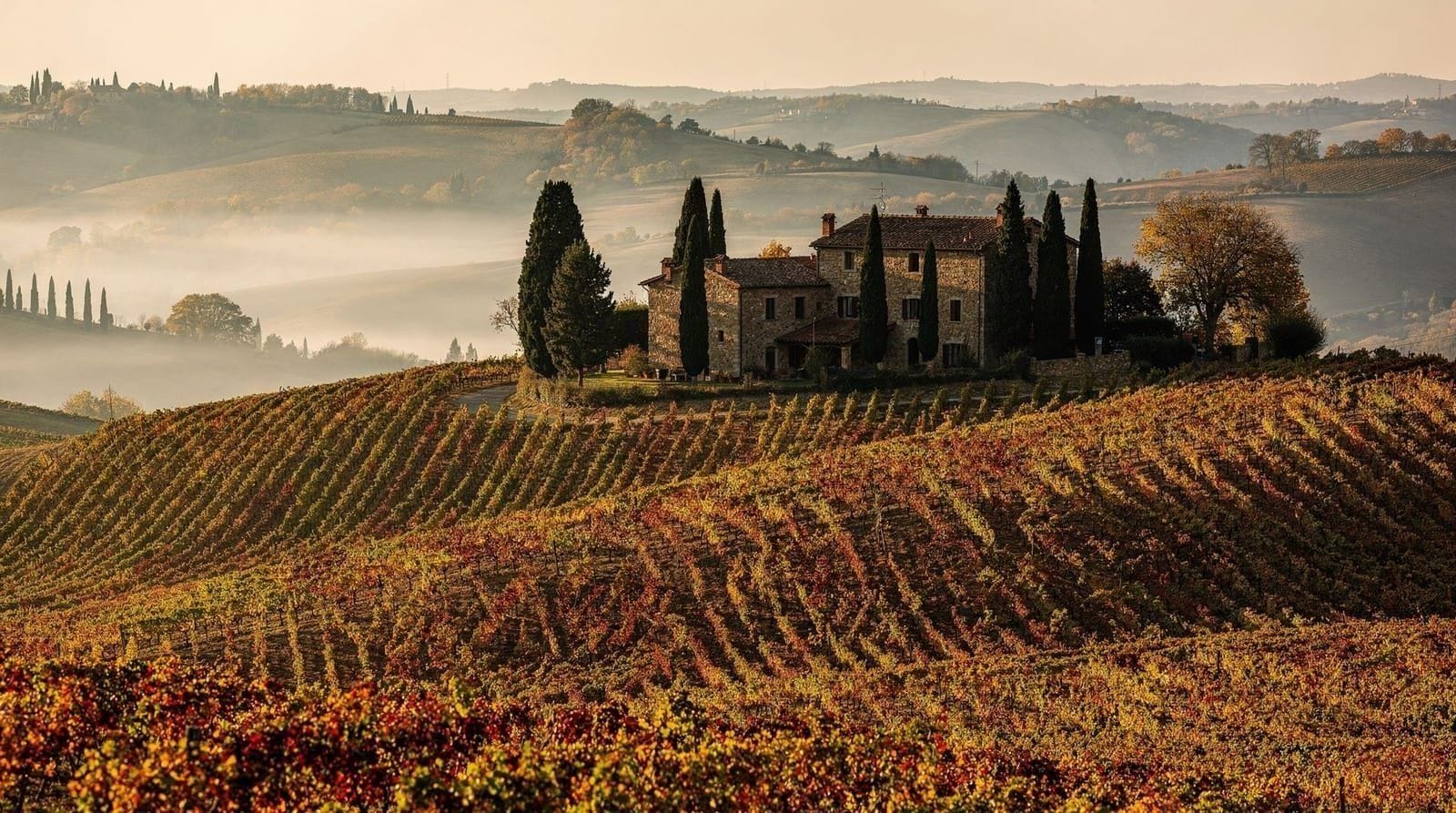
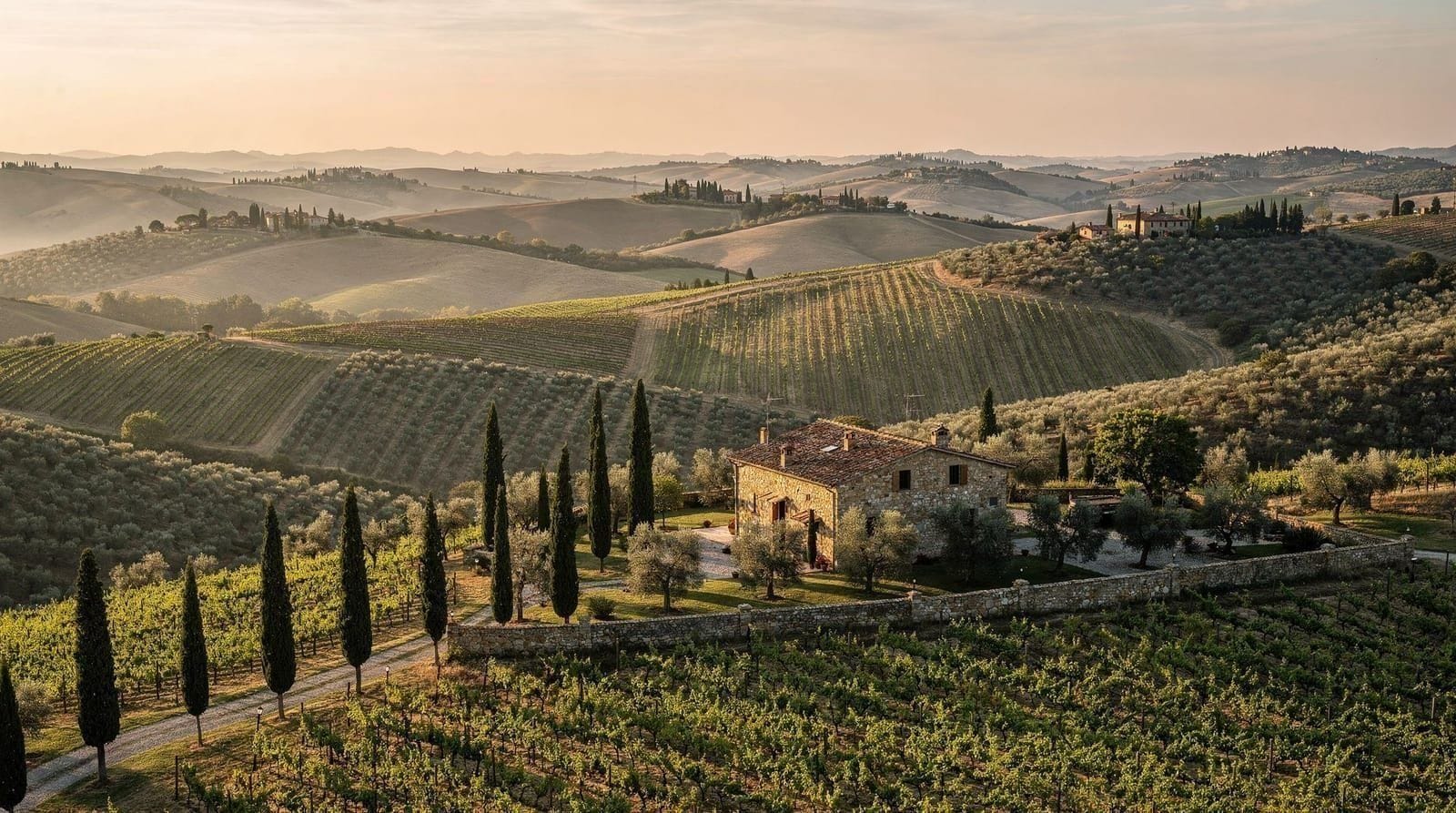
A morning Chianti wine tour (depart Florence 9:00, return 13:00) visits 1–2 wineries for cellar tours and tastings. In the Chianti Classico zone (Greve, Panzano, Castellina), the landscape is as much the experience as the wine — cypress-lined farm roads, medieval hilltop villages, the smell of fermenting grapes in October. Full details in our Chianti day trip guide.
Option B: truffle hunting experience
Tuscan truffle hunting takes place in the forests near Vinci, San Miniato and the Mugello hills. A half-day experience includes the hunt with trained dogs and handler, cleaning and preparing the truffles, and a tasting. San Miniato (north of Florence) is the capital of white truffle (Tuber magnatum Pico); the season runs November–January. Black truffle runs year-round.
Lunch: street food tour or market lunch (13:30–15:00)
On the final day, experience the Florentine street food tradition properly:
- Lampredotto — the quintessential Florentine street food: a sandwich filled with slow-braised cow’s fourth stomach (abomasum), soaked in the cooking broth, topped with salsa verde and/or a chilli sauce. Available from the historic trippaio carts. Nerbone (Mercato Centrale), Tripperia Il Magazzino (Piazza della Passera, Oltrarno) and the cart at Piazza dei Cimatori (near Orsanmichele) are the reliable options.
- Schiacciata con prosciutto — the local flatbread sandwich; the Florentine schiacciata is thicker and slightly more olive-oil-drenched than Roman pizza bianca
- Crostini toscani — toasted bread with chicken liver pâté (fegatini); the canonical Florentine antipasto
Afternoon: Accademia and Duomo district (15:00–17:00)
With a focused food trip, the Accademia Gallery fits naturally into Day 3 afternoon. The connection between art and food patronage is literal here: the Medici who commissioned Michelangelo’s work also established Florence’s first public gardens, brought sugar to Italian cooking and introduced techniques from Arab traders.
Or skip the museum entirely and spend the afternoon at Sant’Ambrogio Market (if it’s a Saturday) and the covered market at Piazza dei Ciompi (flea market, adjacent).
Afternoon: gelato-making class (optional)
A gelato-making class (2 hours, €50–70) covers the physics and chemistry of the emulsion, the difference between artisan and industrial production, and produces 2–3 flavours you make yourself to eat on the spot. Good for closing the food trip with an understanding of how the product is made, not just consumed.
Our gelato and pizza classes guide has options by budget and format.
Final dinner: the local choice
Dinner, Day 3:
- Il Guscio (Via dell’Orto 49, Oltrarno) — neighbourhood trattoria; the seasonal menu changes weekly; whatever is on the board in spring includes fava beans, artichokes and asparagus; in autumn, porcini and chestnuts. Mains €14–20. No drama, excellent food.
- Fuori Porta (Via Monte alle Croci 10, San Niccolò) — wine bar that doubles as a serious restaurant; the crostini selection and the Pecorino with local honey are essential; good Morellino by the glass
- Trattoria Sostanza (Via del Porcellana 25) — if not already visited; the petto di pollo al burro (butter-basted chicken breast) and the butter-sage pasta are the dishes to order; book ahead
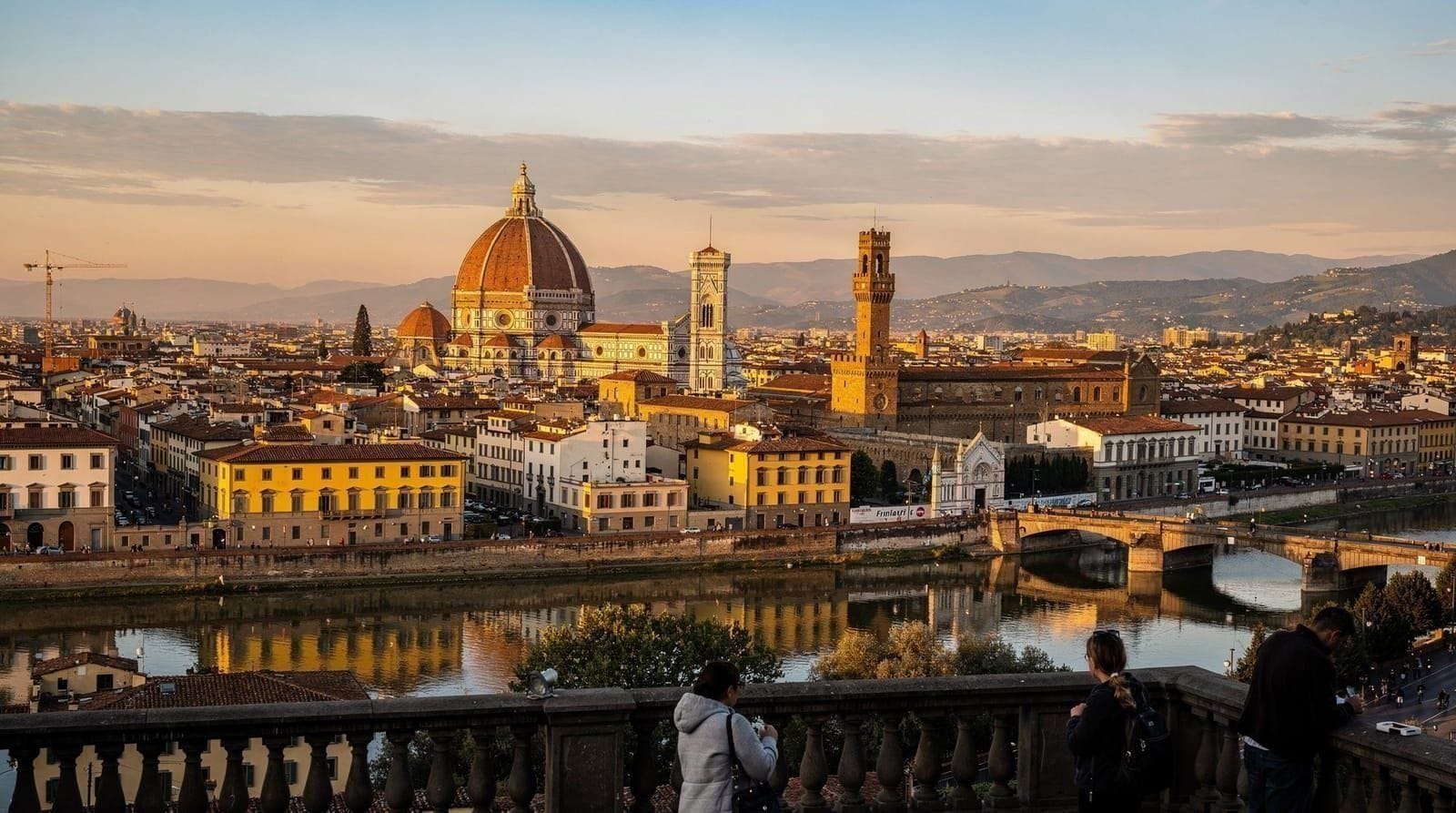
After dinner, a final walk along the Lungarno south bank, looking north across the Arno at the lit facades of the palaces. The city smells different at night — stone, Arno water, the faint trace of someone’s olive oil and garlic from a kitchen window. That’s the honest end to a Florence food trip.
Florence food essentials
The Florentine pantry
Olive oil: Tuscan olive oil (especially from the Chianti Classico and Montalbano zones) is green, peppery and bitter — a counterpoint to the rounder Southern Italian oils. The best comes from October–November harvest; look for DOP labels and the producer’s estate name.
Unsalted bread (pane sciocco): Florence’s bread contains no salt — a medieval tax protest that became a permanent culinary identity. It is deliberately bland to balance the assertive flavours of salumi, Pecorino and wine. Do not expect it to taste like bread from elsewhere.
Chianti Classico: The wine of Florence. Buy it by the glass in any osteria; take a bottle home from the Mercato Centrale or Enoteca Alessi.
Vin Santo: The amber dessert wine, served with cantucci biscuits for dunking. Buy a small bottle at any enoteca (€8–15 for a half-bottle); it keeps for months once opened.
Lardo di Colonnata: Not from Florence but often on menus — white fatback cured in marble basins in the Apuan Alps; extraordinary on warm toast.
Day-by-day summary
| Day | Focus | Signature meal |
|---|---|---|
| Day 1 | Markets (Mercato Centrale, Sant’Ambrogio), Uffizi | Bistecca or Tuscan classics near the Uffizi |
| Day 2 | Cooking class, Oltrarno wine tasting | Bistecca alla Fiorentina dinner |
| Day 3 | Chianti or truffle half-day, street food | Farewell dinner in the Oltrarno |
Building the itinerary around dietary needs
Florentine cooking leans heavily on meat, offal and unsalted bread, which makes this itinerary less straightforward for vegetarians and people avoiding gluten than a typical sightseeing trip. It is still very doable. Vegetarians should ask cooking schools in advance to substitute the meat secondo (most will happily build a vegetable- or mushroom-based dish instead), and lean on Sant’Ambrogio Market’s produce stalls and the pasta counters at Mercato Centrale, which are not meat-dependent. Ribollita and pappa al pomodoro are naturally vegetarian if made without the usual pancetta base — always ask. Gluten-free travellers will find dedicated menus increasingly common at mid-range restaurants in the centre and Oltrarno; call ahead rather than arrive and hope, since the classic hand-rolled pasta at cooking classes is wheat-based by default. Our best restaurants in Florence guide flags which of the picks above handle dietary requests well.
What to bring home
A food and wine trip generates a genuine shopping list, and Florence’s markets make it easy to act on it. From Mercato Centrale or Sant’Ambrogio: vacuum-sealed cured meats and hard cheeses travel well in checked luggage; a bottle of new-season olive oil (best bought October–November) is the single most distinctive souvenir; dried porcini and a jar of local honey are light and non-perishable. Wine is bulkier — most visitors buy one or two special bottles (Chianti Classico Riserva, a Brunello if the budget allows) rather than a case, and pack them in checked luggage wrapped in clothing, or ask the enoteca about shipping options for larger purchases.
Check your airline’s liquid allowance for carry-on before buying oil or wine you plan to hand-carry. If you’re travelling on to another Tuscan destination before flying home, buying wine in Chianti itself (see the Chianti wine weekend itinerary) often gets you a better price directly from the estate than a Florence enoteca, though the selection in the city is far more convenient if this is your only wine-country stop.
Frequently asked questions about this itinerary
What is lampredotto and should I try it?
Lampredotto is the fourth stomach of a cow (abomasum), slow-braised in broth with tomatoes and herbs, served in a bread roll soaked in the cooking liquid. It is distinctly Florentine — no other major Italian city eats it with the same devotion. The texture is soft, the flavour is rich and slightly offal-forward. If you eat beef, try it once. It is genuinely good and costs €4. The hesitation is mostly psychological.
What is the difference between a trattoria, osteria and ristorante in Florence?
Historically: trattoria = family-run, fixed menu, simple food, low prices; osteria = wine-focused, light food, even more informal; ristorante = formal service, full menu, higher prices. These distinctions have blurred, but in Florence the traditional trattoria (Sostanza, Mario, Ruggero) remains the most authentic experience. Beware of places that call themselves “osteria” or “trattoria” with laminated English menus near the Duomo — these are usually tourist traps.
Where is the best gelato in Florence?
Beyond our best gelato guide: look for covered metal pans, natural colours (pistachio = grey-green; strawberry = pale, not neon red), and no towering mounds. Gelaterie worth visiting: Gelateria dei Neri (Via dei Neri), Badiani (Viale dei Mille, famed for the Buontalenti cream flavour invented here), Sbrino (Oltrarno), Vivoli (Via Isola delle Stinche, the oldest but not always the best).
Should I book cooking classes in advance?
Yes. Good small-group classes (maximum 8 people) fill up 2–4 weeks ahead in peak season. The best value classes are with family-run schools rather than hotel kitchens or large tourist operations. Book directly with the school.
What wine should I drink in Florence?
For everyday drinking with food: Chianti Classico by the glass in any decent osteria (€5–9). For a special bottle: Chianti Classico Riserva from Fonterutoli, Felsina or Isole e Olena (€20–35 per bottle). For a once-in-a-trip experience: Brunello di Montalcino from a serious producer (€40–80+ per bottle at a good enoteca). See our Chianti wine guide and Brunello guide.
Can I do this itinerary as a vegetarian?
Yes, with some planning. Ask cooking schools in advance to substitute the meat course, lean on market produce stalls at Sant’Ambrogio, and order ribollita or pappa al pomodoro (confirming no pancetta base). Bistecca and lampredotto are obviously off the table, but the pasta, cheese, wine and olive oil side of Florentine food culture is naturally vegetarian-friendly.
Is this itinerary suitable for a solo traveller?
Very much so — cooking classes and market food tours are sociable by design and welcome solo bookings, and Florence’s counter-style eating (Mercato Centrale, wine bars, aperitivo spreads) works naturally for one. Restaurants with communal tables like Il Latini and Trattoria Mario are especially easy solo dinners. See our solo travel in Florence guide for more.
Top experiences
Bookable activities with verified prices and instant confirmation on GetYourGuide.

Florence: ultimate food tour — full Tuscan meal with a local
- Free cancellation
- Small group
Florence: Sant Ambrogio market food tour of 10 local dishes
- Free cancellation
- Small group
Florence: pasta cooking class with unlimited wine
- Free cancellation
- Small group
Florence: wine tasting experience in city centre
- Free cancellation
- Small group
Florence: Tuscan cooking course with visit to San Lorenzo market
- Free cancellation
- Small group