Fiesole half-day trip from Florence
Florence: 4-hour electric Vespa tour exploring Fiesole
- Free cancellation
- Small group
How do I get to Fiesole from Florence?
Take ATAF city bus 7 from Piazza San Marco (in central Florence) to Fiesole Piazza Mino — about 25 minutes, costs €1.70 with a standard city bus ticket. Buses run frequently throughout the day. No prior planning needed.
Why Fiesole is Florence’s best-kept easy escape
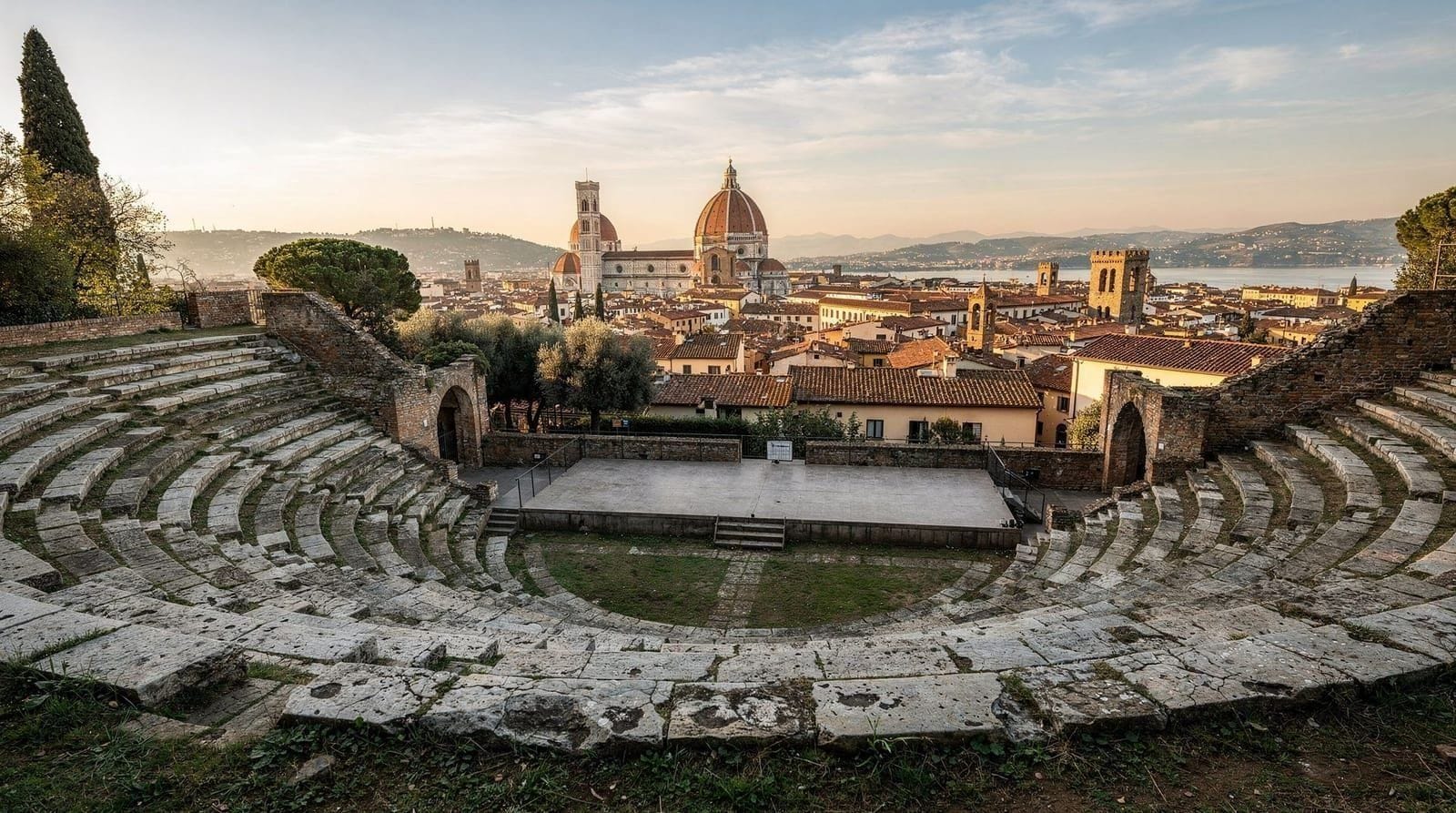
Fiesole sits on a hilltop 8km northeast of Florence at 295m above sea level — high enough to be visibly cooler than the city in summer, and to have a view of Florence spreading across the Arno valley below that you simply cannot get from anywhere in the flat city itself. On clear days, you can see all the major Florentine landmarks laid out: Brunelleschi’s Dome, Giotto’s Campanile, the Palazzo Vecchio tower, the mountains to the north.
Fiesole is older than Florence. It was an Etruscan settlement and then an important Roman town (Faesulae) before the Arno valley settlement that became Florence grew powerful enough to absorb it. Today it’s a quiet hilltop municipality of about 14,000 people, most of whom live in villas and farmhouses on the surrounding slopes. The village centre itself — Piazza Mino da Fiesole and the streets around it — is small, unpretentious, and essentially untouched by the mass tourist circuit.
| Where | 8km northeast of Florence, Fiesole |
| Cost | €1.70 bus each way; around €10 for the archaeological area |
| Time needed | Half a day (morning works best) |
| Getting there | ATAF bus 7 from Piazza San Marco, 25 minutes |
| Best time | Morning, before midday heat in summer |
Getting to Fiesole from Florence
By bus (recommended)
ATAF Bus 7 from Piazza San Marco (Florence, adjacent to the Accademia Gallery and San Marco Museum) to Fiesole Piazza Mino da Fiesole.
- Journey time: approximately 25 minutes
- Frequency: every 20–30 minutes throughout the day
- Cost: €1.70 with a standard ATAF city bus ticket (same as any other Florence bus)
- Hours: from early morning until around midnight
Buy your ticket at any tabacchi (newsagent/tobacconist) near Piazza San Marco before boarding, or use the ticket machines at the bus stop. You can also use the Moovit app or Trenitalia app for real-time ATAF bus tracking. Validate the ticket in the yellow stamping machine immediately on boarding.
The bus follows Via San Domenico and winds up the hill through the residential Fiesole district — you’ll pass gates of old Medici villas hidden behind cypress trees before emerging in Piazza Mino. It’s a pleasant, scenic route.
By taxi or rideshare
Taxi from Florence centre: approximately €15–20 one-way, 20 minutes in normal traffic. Uber/Bolt are alternatives at similar prices. Good for a downhill return if you’re tired from walking.
By walking
The traditional walking route from San Marco (Florence) to Fiesole takes about 1h15–1h30 uphill. The route follows Via della Pietra Fitta and Via Vecchia Fiesolana — lanes through the hillside villa district. The descent on the same route takes about 50 minutes. The walk is pleasant and gives you a sense of the villa-studded slopes that form the “Fiesolan Hills.”
By bike or e-bike
Guided e-bike tours from Florence to Fiesole are popular and appropriate for the uphill gradient. Self-guided cycling is feasible on an e-bike (standard bikes are hard work on the main road), with rental available at Florence bike shops. The cycling in Tuscany guide has details.
What to see in Fiesole
The panoramic viewpoint
Walk about 5 minutes uphill from Piazza Mino (toward the San Francesco monastery) to reach the main panoramic terrace. The view is southwest over Florence — you can see Brunelleschi’s Dome, Giotto’s Bell Tower, the Arno winding through the city, and on clear days the distant Apennines. This is the canonical “Florence from above” shot and genuinely better than the Piazzale Michelangelo view (which is south-facing and at the same level as the city).
The terrace in front of the San Francesco monastery (Via San Francesco, open during monastery hours) has the best angle.
Area Archeologica — Roman Theatre and Museums
Fiesole’s most structured attraction is the archaeological area containing:
Roman Theatre (Teatro Romano): Built in the 1st century BC and excavating/restored in the 19th century, the semicircular theatre seats about 3,000 spectators and is remarkably well-preserved. The stage wall (scaena) has been partially reconstructed. The theatre is still used for summer concerts and theatrical performances (the Estate Fiesolana festival, held June–September, is a longstanding tradition).
Roman Baths (Terme Romane): Adjacent to the theatre, the bath complex includes cold, warm, and hot rooms (frigidarium, tepidarium, calidarium) plus a swimming pool — standard equipment for a provincial Roman town of any importance.
Etruscan Temple: The remains of an Etruscan temple (Tempio di Minerva, 4th century BC) sit behind the theatre, with large stone blocks from the original structure preserved in situ.
Museo Civico Archeologico: Houses finds from the archaeological area and the surrounding hills: Etruscan pottery, bronzes, Roman sculpture, coins, and votive offerings. The collection is excellent in context with what you’ve just seen outside.
Bandini Museum: An adjacent small museum (entered with the same ticket) containing Etruscan urns, Byzantine and medieval paintings, and the della Robbia terracotta workshop.
Entry: Approximately €10 for the combined archaeological area + both museums. Open 10am–7pm in summer; 10am–4pm in winter (closed Tuesdays November–March). The ticket booth is on Via Portigiani.
Cathedral of San Romolo
The main church on Piazza Mino was built in the 11th century and substantially altered in the 13th. The interior is deliberately simple — Romanesque columns, a raised crypt, and a few good sculptural works. The mosaic-adorned campanile (bell tower) is visible from across the valley. Entry is free.
Franciscan Monastery of San Francesco
Perched above the panoramic terrace, this small Franciscan monastery was founded in 1399 on the site of an Etruscan acropolis. The simple cloister and church are worth seeing; the missionary museum (collection from China, Japan, and the Congo brought back by Franciscan missionaries in the 19th–20th centuries) is a curious and interesting small collection. The garden terrace has the best view of any point in Fiesole.
Medici Villas on the slopes
The slopes below Fiesole are dotted with historic Renaissance villas built by the Medici family as summer retreats from Florence’s heat. The Villa Medici at Fiesole (Via Beato Angelico 2) — built for Cosimo de’ Medici in the 1450s and designed to use the hillside in an innovative terrace system — is one of the earliest humanist garden designs in Italy. The gardens occasionally open for visits; check villa-medici.com for current public access. Lorenzo the Magnificent spent significant time here, and humanist philosophers like Angelo Poliziano and Pico della Mirandola gathered in the gardens.
Where to eat and drink in Fiesole
Fiesole’s restaurant scene is small and generally good-value by Tuscan hill-town standards.
Ristorante Terrazza 45 (Via Giovanni Boccaccio 45) — Modern Tuscan cooking in a villa with a terrace overlooking Florence. One of the better views of any restaurant in the Fiesole area. €35–50 per person.
Trattoria La Cave di Maiano (Via Cave di Maiano 16, toward Maiano hamlet) — A local favourite for Sunday lunch among Florentines, reached by a 15-minute walk or taxi from Piazza Mino. Grilled meats, ribollita, excellent bistecca. Garden seating. €25–35 per person.
Bar Aurora (Piazza Mino) — The main café on the piazza. Good coffee, light snacks, reliable prices. Good spot to sit and watch village life between sightseeing.
Villa Peyron (via La Petraia): Strictly speaking in a nearby hamlet, this 17th-century villa with a formal Italian garden sometimes opens for events — check for seasonal lunch/dinner events.
Combining Fiesole with Florence
Fiesole works best as a morning addition to a Florence day rather than a standalone destination. The typical structure:
- 8:30–9:00am: Take bus 7 from Piazza San Marco to Fiesole
- 9:00–12:30pm: Fiesole — archaeological area, viewpoint, monastery
- 12:30pm: Bus back to Florence (or walk down if you’re energetic)
- 1:00pm: Lunch in Florence
- 2:00–6:00pm: Florence afternoon (museum, neighbourhood, market)
This gives you a complete and varied day. The Fiesole visit provides fresh air, a long view, and Roman history; Florence in the afternoon provides the Renaissance collections and city energy.
Alternatively, combine Fiesole with an evening concert at the summer teatro: buy tickets for the Estate Fiesolana, take the bus up in time for an early dinner at Terrazza 45, then attend the theatre performance (Roman ruins at night with Florentine valley lights below = memorable), and taxi back.
How Fiesole compares to Florence’s other easy escapes
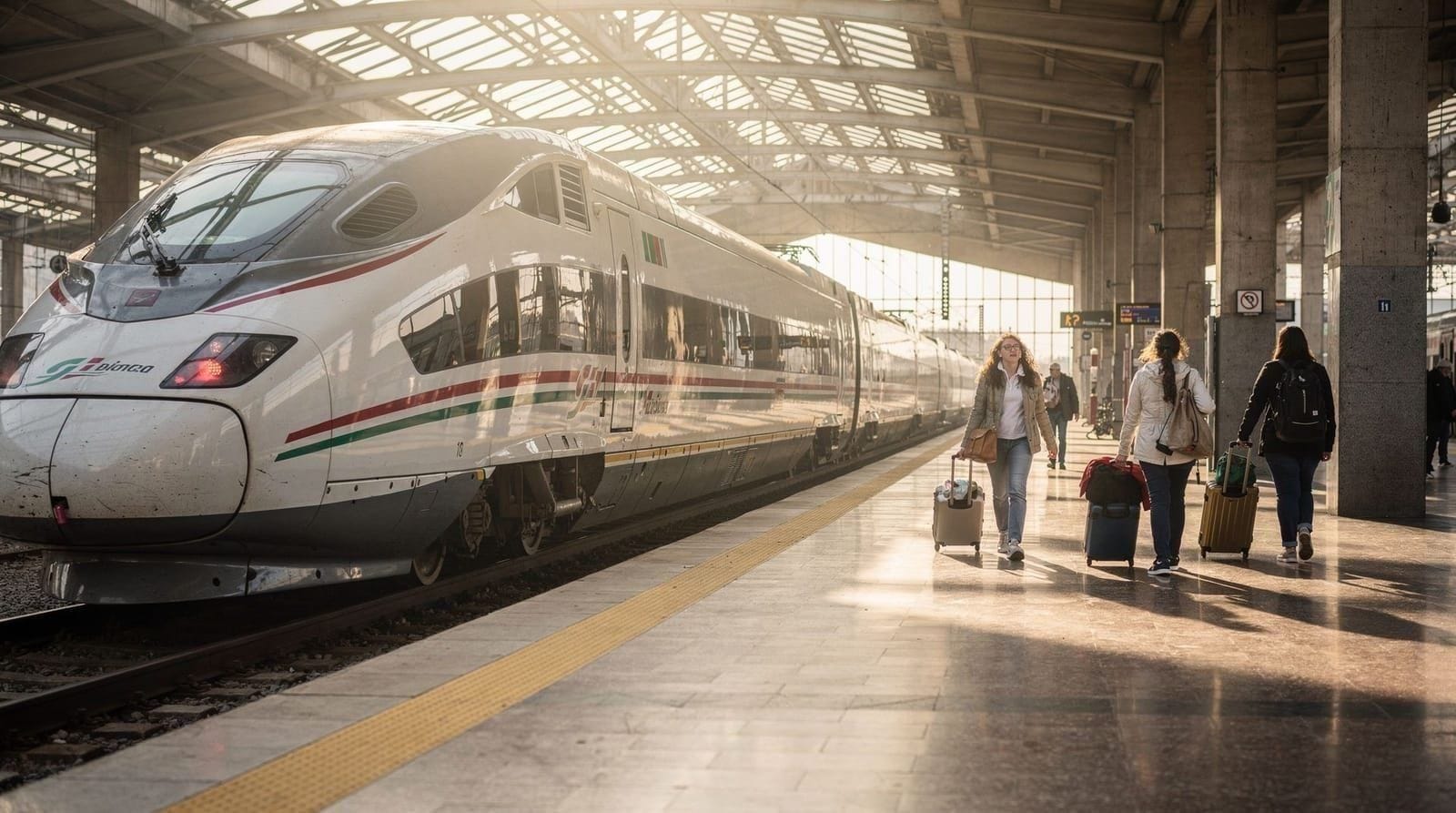
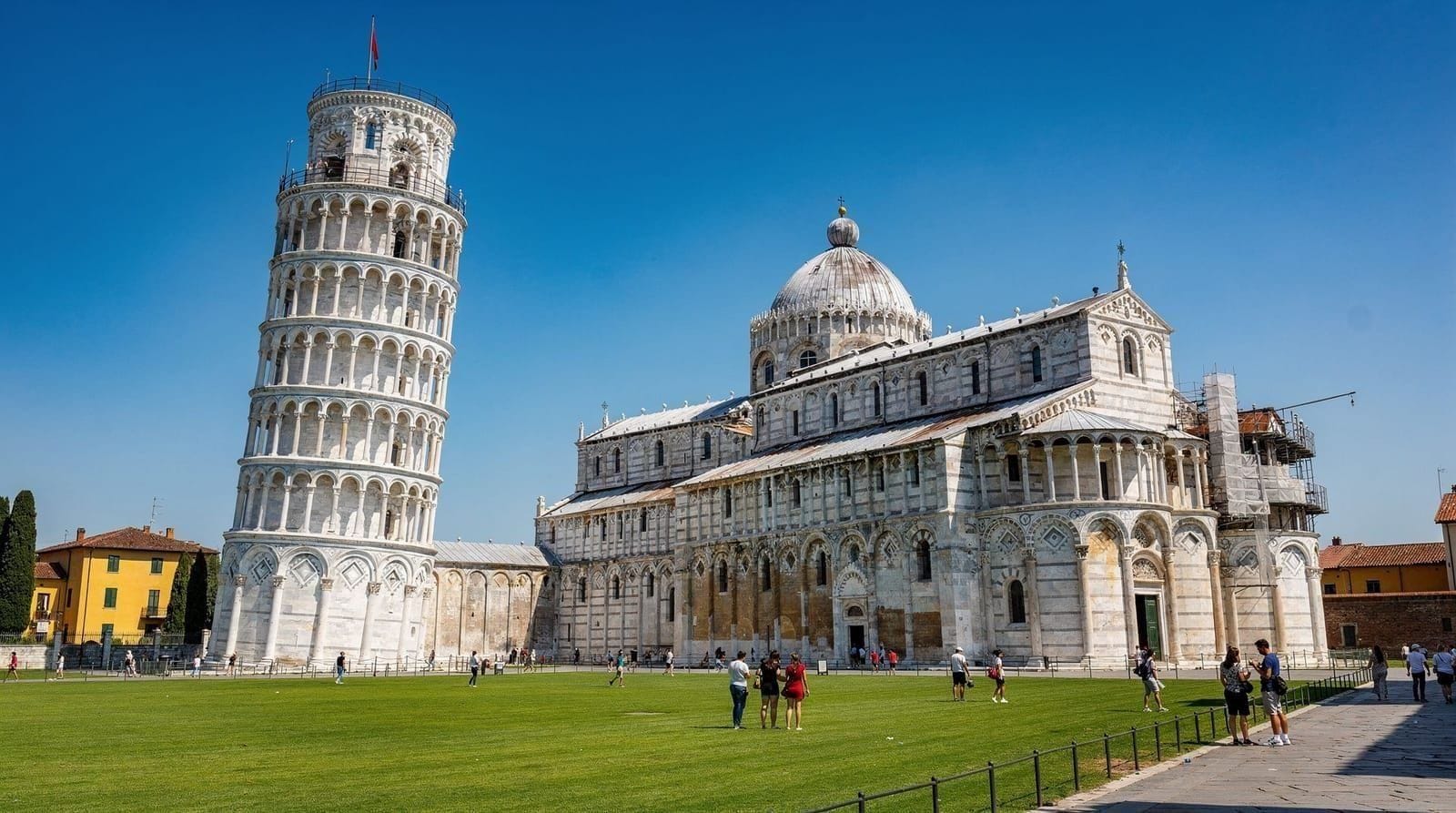
Fiesole is the shortest and easiest of Florence’s day-trip options — no train timetable to plan around, just a city bus ticket. For comparison, Pisa needs about an hour each way by train, and Arezzo and Cortona need closer to 1h15–1h30. If your time is genuinely limited to a half day, Fiesole is the only realistic option among Florence’s classic day trips; for a full list of alternatives ranked by distance and time required, see best day trips from Florence.
Fiesole viewpoint vs. Piazzale Michelangelo: which is better?
Both are free, both look over Florence, and visitors often ask which to prioritise if time is short.
| Fiesole terrace | Piazzale Michelangelo | |
|---|---|---|
| Distance from centre | 25 min by bus | 20–30 min on foot or 12 min by bus |
| Crowds | Light, even at sunset | Heavy, especially at sunset |
| Elevation vs. Florence | Higher — a genuine hilltop view | Same valley level, closer up |
| Extras nearby | Roman theatre, monastery, hiking | Rooftop bars, San Miniato al Monte |
| Best for | A quieter morning escape | An easy sunset with atmosphere |
If you only have time for one, Piazzale Michelangelo is easier logistically for a sunset; Fiesole is the better choice for a calmer morning that also includes real Roman ruins. Doing both on the same trip, on different days, is entirely reasonable — see Florence viewpoints for the fuller comparison of every panoramic spot in the city.
Monte Ceceri: hiking above Fiesole
Above Fiesole, Monte Ceceri (roughly “Swan Mountain”) is the forested hill where Leonardo da Vinci is said to have tested his flying machine around 1505, using the cliff face for his attempted launch. Today it’s a regional park with good walking trails through oak and chestnut forest. The limestone caves in the hillside (used historically for quarrying pietra serena, the blue-grey sandstone characteristic of Florence’s Renaissance buildings) are accessible on a guided hike.
A well-signed trail leads from Fiesole (about 30 minutes’ walk) to the Monte Ceceri summit with views north over the Mugello valley. The full loop (about 5km) takes 2–2.5 hours. Good shoes required; the forest tracks are uneven.
Practical information for Fiesole visitors
Best season: Fiesole is comfortable year-round. It’s a refuge from summer heat (4–6°C cooler than Florence in July–August) and lovely in spring (April–May, with wisteria and roses in villa gardens). The Roman theatre performances are a summer-only addition.
What to bring: Walking shoes, water, a light jacket (wind on the hill can be cooler than expected). Sunscreen for the panoramic terrace.
Accessibility: The bus ride is accessible. Piazza Mino is flat. The archaeological area involves moderate walking on uneven terrain. The monasteries require walking uphill from the piazza. Not fully accessible for wheelchairs; call ahead if needed.
Luggage: If you’re arriving in Florence the same day and want to go to Fiesole first, leave luggage at SMN left-luggage facilities before taking the bus to Piazza San Marco.
Frequently asked questions about the Fiesole half-day
Is there a direct bus from Florence Duomo to Fiesole?
Bus 7 departs from Piazza San Marco, not the Duomo. Walk from the Duomo to San Marco takes about 10 minutes through the university area, or you can take bus 1/7/14 from Piazza della Libertà. Check ATAF route planner for current connections.
Can I see Florence’s ZTL from above in Fiesole?
You can see the entire city from above, yes — the historic centre is clearly the densest area. The ZTL boundary follows the medieval city walls, and the contrast between the tight old city and the wider modern suburbs is very clear from the Fiesole viewpoint.
Are there hot days when Fiesole is uncomfortably hot?
Fiesole is typically 4–6°C cooler than Florence and tends to have a breeze. On extreme July–August heat days (38°C+ in Florence), Fiesole might be 32–33°C — still warm but notably more comfortable. The shaded forest trails on Monte Ceceri are even cooler.
Is the Fiesole Roman theatre accessible to enter when performances are on?
During Estate Fiesolana performances (summer festival), the archaeological area closes to daytime visitors around 4–5pm for event preparation. Check the archaeological area website for performance dates and adjusted hours.
Is Fiesole worth it if I’ve already done Piazzale Michelangelo?
Yes, for different reasons. Piazzale Michelangelo gives you a closer, valley-level view and easy access to rooftop bars; Fiesole gives you a genuinely higher hilltop panorama plus a real Roman theatre, baths and an Etruscan temple you can walk through. They complement rather than duplicate each other — see the comparison above for which fits your remaining time.
Can I do Fiesole without a car or advance planning?
Yes — this is one of the easiest half-day trips near Florence precisely because it needs no advance booking. Buy a standard ATAF ticket at a tabacchi near Piazza San Marco, board bus 7, and you’re there in 25 minutes. No timed entry tickets, no train timetable, no rental car.
Top experiences
Bookable activities with verified prices and instant confirmation on GetYourGuide.

Florence: 4-hour electric Vespa tour exploring Fiesole
- Free cancellation
- Small group
Florence: Fiesole bike tour
- Free cancellation
- Small group
Florence: sunset panoramic tour — Fiesole and Michelangelo Square
- Free cancellation
- Small group
Fiesole: hike on Monte Ceceri and cave tour
- Free cancellation
- Small group
Florence: Fiesole and Medici villas half-day tour
- Free cancellation
- Small group
Florence: Fiesole e-bike tour with olive oil tasting or pool chill
- Free cancellation
- Small group